A Massive Nebraska Water Project Is Fueling A Growing Interstate Debate
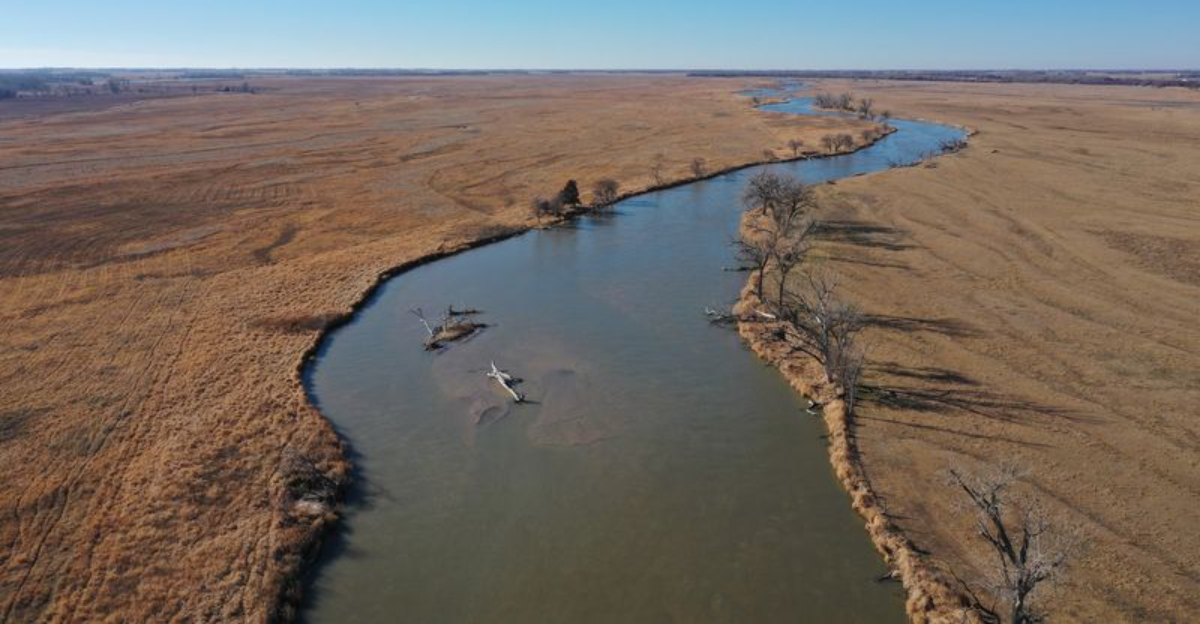
Water fights rarely stay simple once state lines are involved.
Trace the South Platte River east and the questions pile up fast. Who gets how much? What does a century-old compact actually guarantee?
And how far should one state go to secure water it believes could become harder to claim later?
A massive Nebraska water project has pushed those questions into an increasingly tense dispute with a neighboring state.
Supporters argue the canal is needed to protect Nebraska’s long-term water rights and future supplies.
Critics have raised concerns about cost, land impacts, and what such a huge project could mean for communities along the route.
Behind the engineering plans is a much bigger question about who gets to control a limited resource when two states believe the law is on their side.
A Nearly Century-Old Agreement Sits At The Center Of The Debate
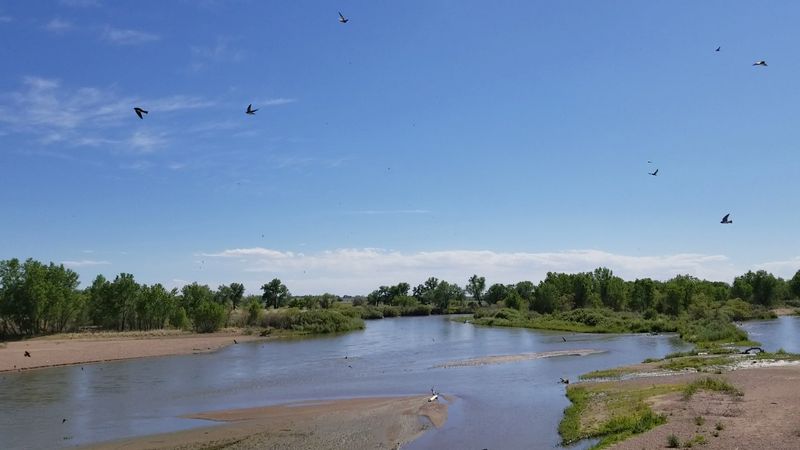
Back in 1923, Colorado and Nebraska signed a legal agreement called the South Platte River Compact, and that document is now at the center of one of the biggest water fights in the region’s recent history.
The U.S. Congress ratified the compact in 1926, making it binding under both state and federal law.
For most of the 20th century, it quietly did its job without much drama.
The compact was designed to spell out exactly how much water each state could draw from the South Platte River and when.
It gave both states a clear framework for managing a shared natural resource. The agreement worked reasonably well for decades because water demands were relatively stable and manageable.
Changing populations, expanding agriculture, and growing cities have since put enormous pressure on the river’s flows.
What was once a workable compromise now sits at the center of a fierce legal and political battle.
Both states read the compact differently, and that disagreement is what has pushed the Perkins County Canal project into the national spotlight.
Nebraska Says The Project Could Protect Water It Is Already Entitled To
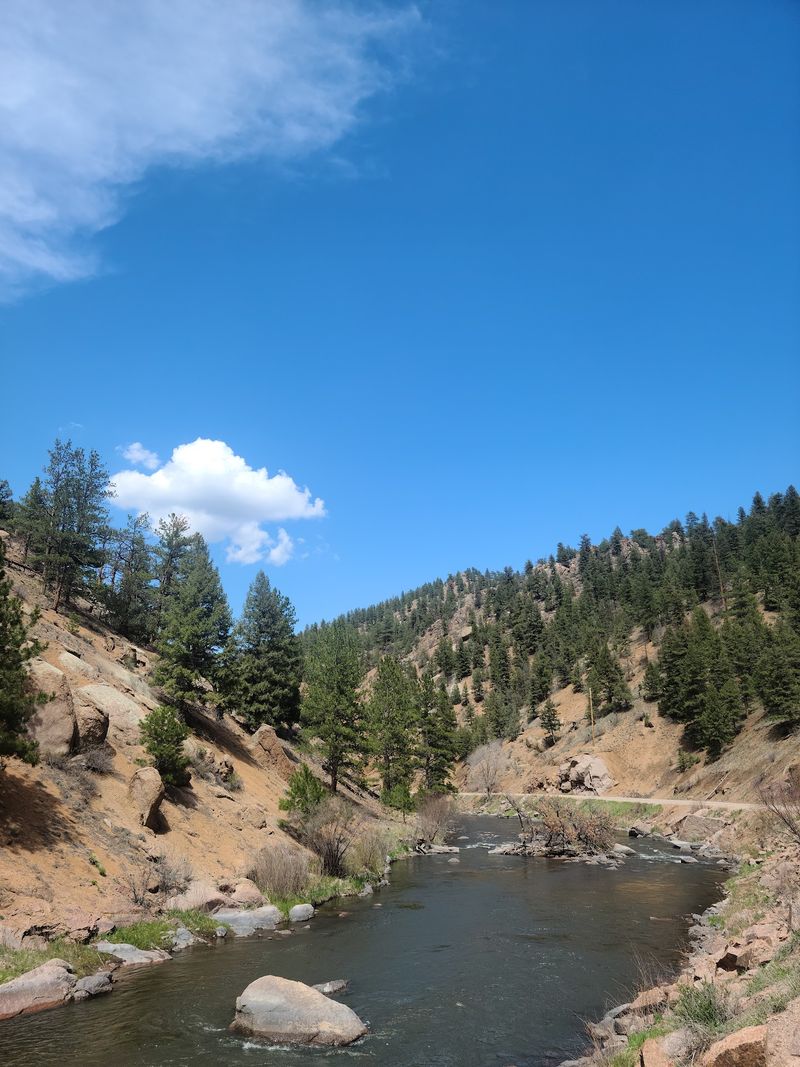
Nebraska officials are not framing the Perkins County Canal as a land grab or a new claim.
From their perspective, the state is simply trying to hold on to water it was already promised more than a hundred years ago.
The argument centers on the idea that Colorado’s growing water usage has been cutting into Nebraska’s legally established share of the South Platte River.
The key issue involves what water law calls “senior” and “junior” rights. Nebraska holds senior rights on certain flows, which should legally take priority over junior users in Colorado.
State officials contend that junior Colorado users have been diverting water that should have kept flowing downstream into Nebraska, particularly during the irrigation season.
Building the canal, in Nebraska’s view, is not an aggressive move but a defensive one.
Without a physical structure to capture and redirect that water, the state has limited ability to enforce its entitlements in a practical way.
The canal is seen as the most reliable tool available to make sure Nebraska actually receives the flows it is legally due rather than simply watching them disappear upstream.
The Proposed Canal Would Begin Across The Colorado State Line
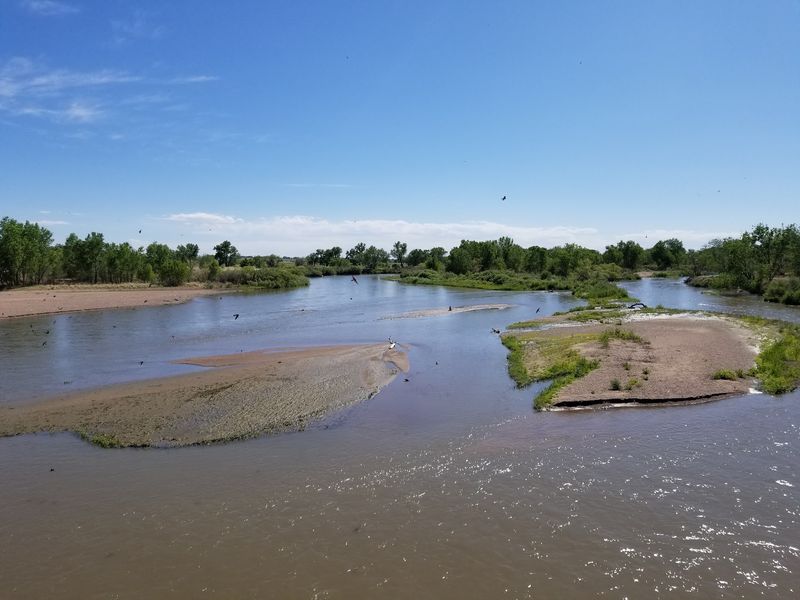
One of the more surprising details about the Perkins County Canal is that it would not actually start in Nebraska.
The planned diversion point sits near the town of Ovid, Colorado, which means the very beginning of the canal would be located on Colorado soil. That geographic reality has added a sharp political edge to the whole project.
From Ovid, the canal is expected to run roughly 18 miles through Colorado before it crosses the state line and enters Nebraska.
That stretch of canal running through another state’s territory is a logistical and diplomatic challenge that has made cooperation between the two states extremely difficult.
Colorado officials have not been welcoming about the idea of Nebraska building infrastructure on their land.
The route was chosen based on where the river’s water can be most effectively captured and redirected.
Engineers determined that starting the diversion near Ovid gives the canal the best opportunity to collect the volume of water Nebraska needs.
However, the placement has only deepened Colorado’s resistance to the project and made land acquisition in that area a contentious process.
Two New Reservoirs Are Included In The Current Plans
Capturing water from the South Platte River is only part of the plan. Storing it for later use is just as important, and that is where two proposed reservoirs come into the picture.
Without storage capacity, diverted water could not be held and distributed during dry periods when farmers and municipalities need it most.
One of the reservoirs is planned for the Riverview West area near Big Springs, Nebraska, with a projected capacity of around 17,000 acre-feet.
The second and significantly larger reservoir is planned for the Roscoe Draw area and is expected to hold approximately 77,000 acre-feet of water.
Together, these facilities would give Nebraska a meaningful buffer against seasonal shortages.
Reservoir construction is a massive undertaking that involves land preparation, engineering, environmental assessment, and long-term maintenance planning.
The two sites were selected after engineers surveyed multiple potential locations across western Nebraska.
Having storage infrastructure in place is considered essential to making the canal project truly functional rather than just a conduit that moves water without a place to hold it.
The Estimated Investment Has Reached About $628 Million
Water infrastructure at this scale does not come cheap, and the Perkins County Canal project carries a price tag that reflects just how ambitious it really is.
The total estimated cost, covering both the canal and its associated reservoirs, has reached approximately $628 million. That figure has drawn attention from lawmakers, taxpayers, and critics alike.
The Nebraska Legislature moved quickly to show its commitment to the project. Initial funding was approved in 2023, and additional allocations followed to support the design and construction phases.
The state’s willingness to commit this level of financial resources signals how seriously Nebraska’s leadership views the long-term water security issue.
Supporters argue that the investment makes sense when weighed against the economic value of stable water supplies for agriculture, municipalities, and industry across the state.
Critics, particularly in Colorado, have called it an expensive and inefficient use of public funds.
Regardless of where one stands on the debate, the $628 million figure makes it clear that Nebraska is not treating the Perkins County Canal as a minor infrastructure upgrade but as a major, generation-defining commitment to water security.
Engineers Have Already Surveyed Multiple Possible Canal Routes
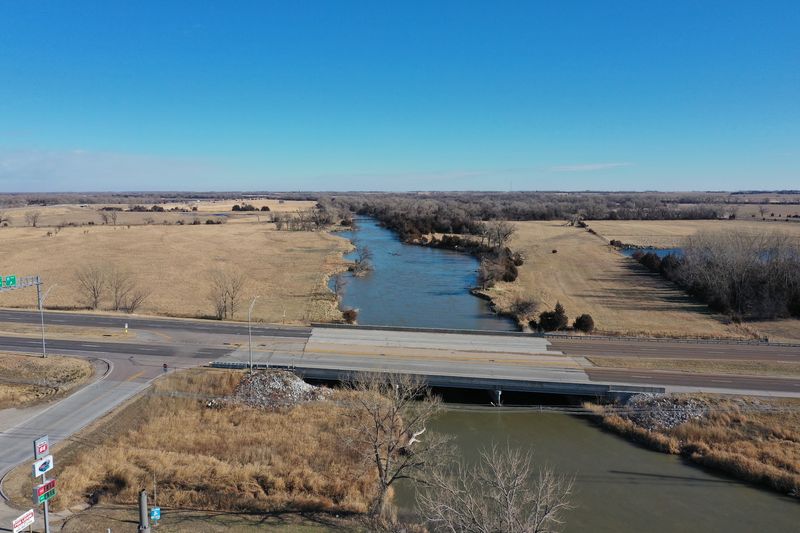
Long before any dirt is moved or concrete is poured, engineering teams have already put in significant work on the Perkins County Canal.
Multiple potential routes have been evaluated, including the possibility of using or adapting the existing Western Canal.
The level of survey work completed so far shows how far along the planning process has advanced.
More than half a dozen reservoir sites have been assessed alongside dozens of crossings and staging areas.
The preferred alignment envisions the canal departing from the South Platte River near Ovid, passing through southeast Deuel County, traversing a large portion of Keith County, and rejoining the river southeast of Roscoe.
The current design plans call for four new canal segments, 33 drop structures, 19 private crossings, and 36 public road crossings, among other components.
Each of those elements requires detailed engineering analysis and environmental consideration.
The scope of the survey and design work already completed underscores that this project has moved well beyond the idea stage and is being treated as a real and active construction effort.
The Dispute Is Now Heading Before The U.S. Supreme Court
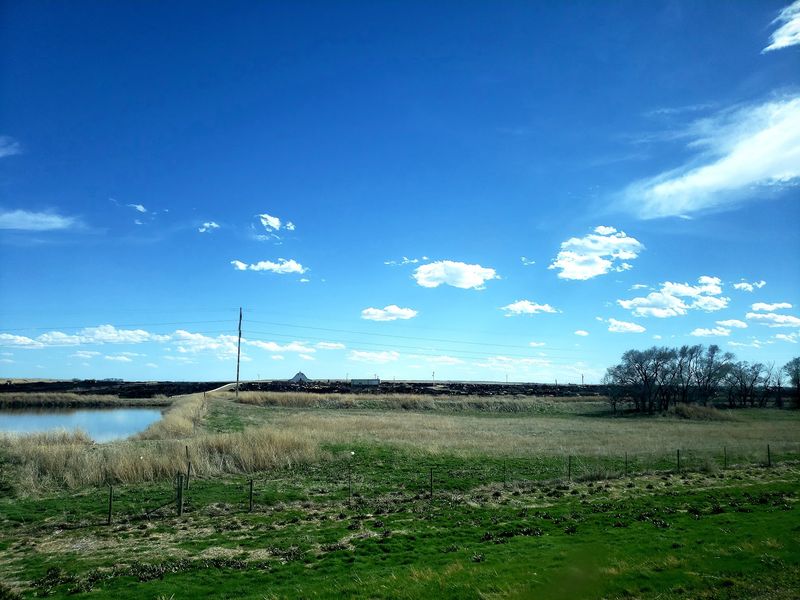
When two states cannot resolve a dispute over water rights on their own, the U.S. Supreme Court becomes the arena.
Nebraska filed its lawsuit directly with the Supreme Court on July 16, 2025, alleging that Colorado had unlawfully interfered with Nebraska’s water rights under the 1923 South Platte River Compact.
Filing at the Supreme Court level is the standard path for disputes between U.S. states.
In June 2026, the Court officially granted Nebraska’s motion to proceed with the lawsuit, allowing the case to move forward.
That ruling was a meaningful procedural victory for Nebraska, confirming that the Court would hear the matter rather than dismissing it outright.
The next step will involve the appointment of a special master to oversee the proceedings.
A special master in Supreme Court original jurisdiction cases takes on a role similar to a judge, conducting hearings, reviewing evidence, and submitting findings to the Court for consideration.
The process tends to unfold over years rather than months.
The outcome of this case could set legal precedents that influence how water compacts between western states are interpreted and enforced for generations to come.
A 500-Cubic-Foot-Per-Second Provision Helps Explain Why The Canal Matters
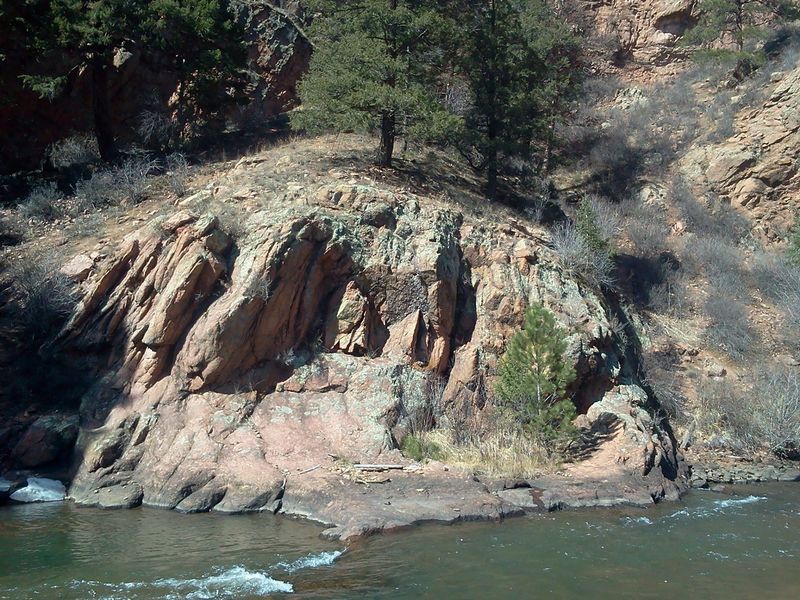
Buried inside the language of the 1923 South Platte River Compact is a provision that makes the Perkins County Canal not just useful but legally necessary for Nebraska.
The compact grants Nebraska the right to divert up to 500 cubic feet per second of water during the non-irrigation season, which runs from October 15 through April 1. That is a substantial volume of water, but there is a catch.
The right to those non-irrigation season flows is explicitly conditional on Nebraska actually building the Perkins County Canal.
Without the canal in place, Nebraska has no legal mechanism to demand that Colorado release those flows.
The state essentially cannot exercise this particular compact right until the physical infrastructure exists to use it.
To put 500 cubic feet per second in perspective, that flow rate sustained over five to six years could theoretically fill Lake McConaughy, Nebraska’s largest reservoir.
That comparison helps illustrate why Nebraska officials view the canal as urgently necessary rather than optional.
Every year that passes without the canal is another year Nebraska cannot access a water entitlement that has been on the books for over a century.
Nebraska Officials Say Waiting Could Mean Losing Future River Flows
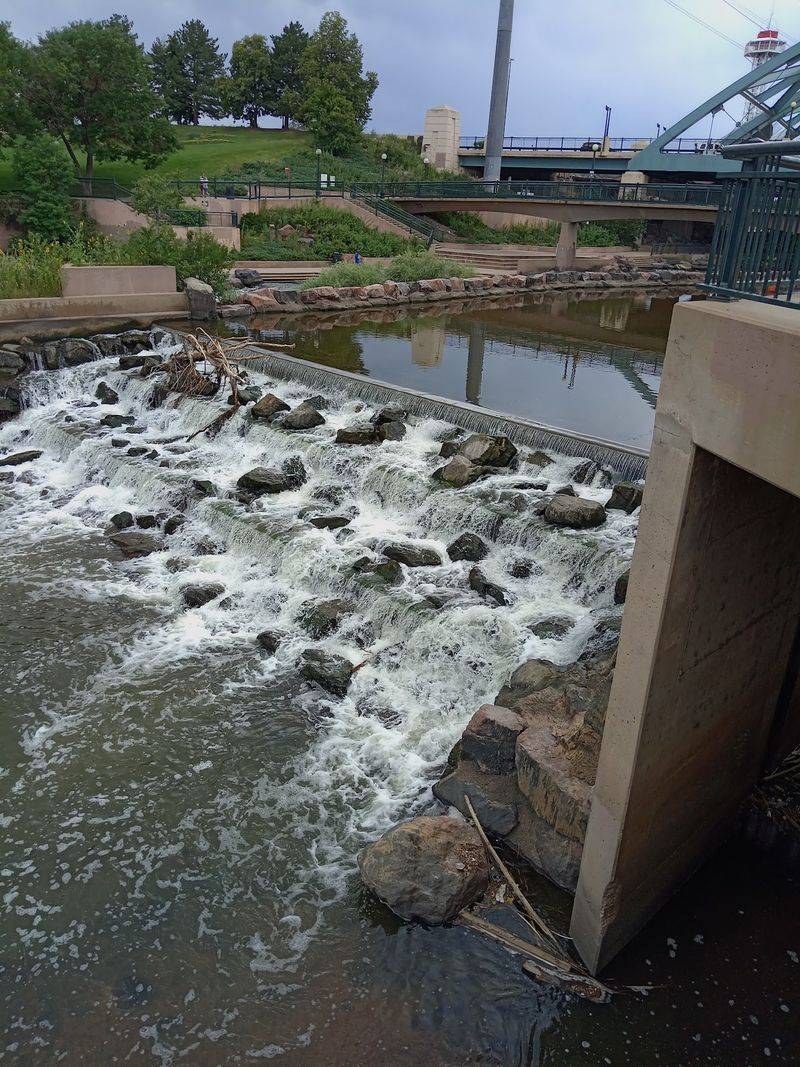
Urgency runs through nearly every public statement Nebraska officials have made about the Perkins County Canal.
The concern is not just about present-day water shortages but about what could happen if the state delays action while Colorado continues building its own water infrastructure.
Each year of inaction is seen as a year Colorado can deepen its hold on river flows that Nebraska depends on.
Officials have pointed to projections showing that Colorado’s planned water development projects could collectively reduce flows into Nebraska by nearly 90%.
If those projects move forward and the Perkins County Canal does not get built, Nebraska could find itself in a position where the South Platte River runs nearly dry by the time it crosses the state line during winter months.
That scenario would be difficult to reverse once it becomes established.
The fear is that delay creates a new reality on the ground, one where Colorado’s infrastructure becomes so entrenched that Nebraska’s legal rights become practically unenforceable even if the courts eventually rule in the state’s favor.
Acting now, Nebraska officials argue, is the only way to preserve meaningful access to the water the state is entitled to under a compact that has been in place for more than a hundred years.
The Final Project Could Reshape Water Management For Decades
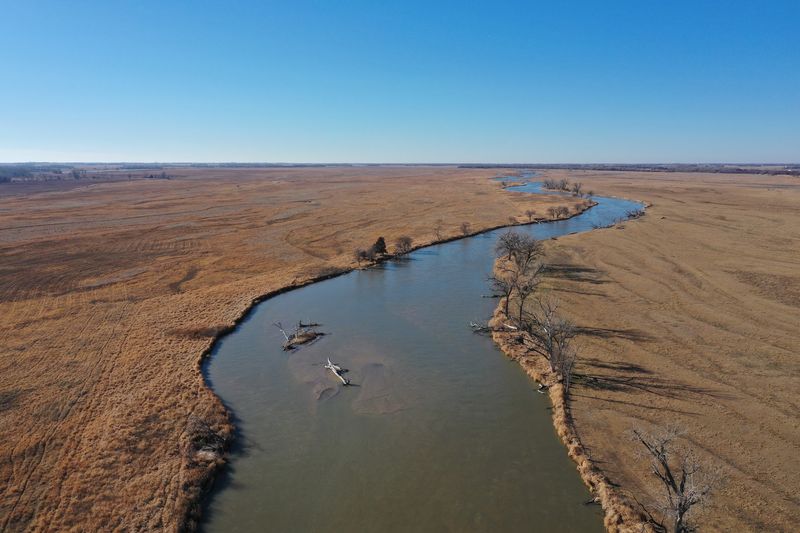
If the Perkins County Canal is completed as planned, the effects on water management across Nebraska and the broader Platte River Basin could last well beyond this generation.
The project is designed to deliver stable, reliable flows into the Platte River system for agricultural, municipal, industrial, and environmental uses.
That kind of long-term reliability is something the region’s water managers have been working toward for decades.
Economic projections tied to the project are striking. Statewide returns from having the canal in operation are estimated to range between $1.4 billion and $2 billion.
Those figures reflect the combined value of stable irrigation water for farms, reliable municipal supplies for cities, cooling water for power generation, and ecological benefits for the Platte River Basin’s wildlife habitats.
Beyond the economics, the project carries symbolic and legal weight as a statement about how Nebraska intends to manage and defend its water future.
The outcome of the Supreme Court case, the federal environmental review, and the construction timeline will all shape what water management looks like in this part of the country for the next 50 years or more.
The Perkins County Canal is, in many ways, a defining choice about the kind of water security Nebraska wants to build for the long haul.