A Remote North Carolina Lake That Feels Otherworldly
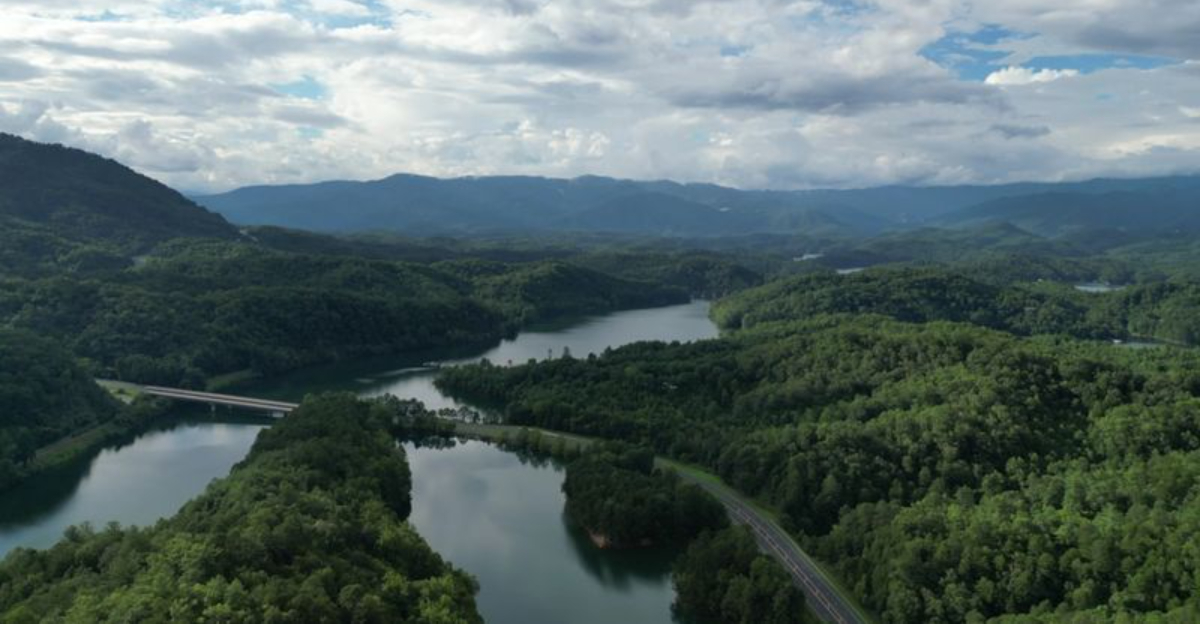
Tucked away in the wild heart of Western North Carolina, Fontana Lake stretches across the landscape like a secret waiting to be discovered. This massive reservoir, surrounded by misty mountain ridges and ancient forests, feels less like a typical vacation spot and more like stepping into another world entirely.
With depths that plunge hundreds of feet and shores bordered by two of the region’s most pristine wilderness areas, this remote jewel offers adventures that range from peaceful to thrilling.
Born From Wartime Necessity
Imagine building a massive dam in just three years during the chaos of World War II. Between 1942 and 1945, the Tennessee Valley Authority accomplished exactly that feat, creating what would become the largest lake in Western North Carolina.
Workers rushed to complete the project to power aluminum production for warplanes, transforming river valleys into a sprawling 10,000-acre water wonderland.
Fontana Lake stretches approximately 31 miles from end to end, winding through mountain valleys like a liquid highway. The creation process flooded entire communities, including the towns of Proctor and Judson, whose remnants still rest beneath the surface.
Today, divers and historians find these underwater ghost towns fascinating, though accessing them requires special permission and careful planning.
The scale of this engineering marvel becomes clear when you stand at the dam’s base and look upward. Construction happened around the clock, with thousands of workers living in temporary housing that would later become Fontana Village Resort.
The urgency of wartime production meant corners couldn’t be cut, resulting in a structure that’s stood strong for nearly eight decades.
The Tallest Dam East Of The Mississippi
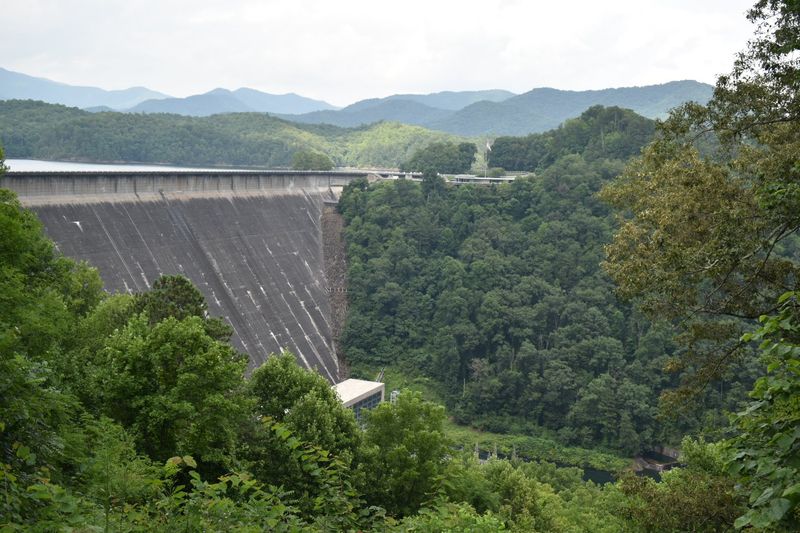
Standing at 480 feet tall, Fontana Dam towers over the landscape like a concrete giant guarding the valley. That’s equivalent to a 50-story skyscraper, though its curved face and massive scale make it feel even more impressive.
Visitors can walk across the top of the dam, peering down into the basin far below while mountains rise on every side.
The dam holds back billions of gallons of water, controlling the flow of the Little Tennessee River. Engineers designed it with a graceful curve that distributes water pressure evenly across its face.
Fontana Dam remains the highest dam in the eastern United States, a title it’s held since construction finished in 1945.
A visitor center near the dam tells the story of its construction through photographs and exhibits. Rangers lead tours during summer months, taking guests inside the dam’s concrete belly to see the massive generators.
The views from the dam’s crest stretch for miles, with the lake spreading out in one direction and the river valley dropping away in the other.
North Carolina’s Deepest Waters
Plunging to depths of 440 feet in places, Fontana Lake holds the title of North Carolina’s deepest lake. That’s deeper than most skyscrapers are tall, creating cold, dark waters far below the sun-dappled surface.
These depths create distinct temperature layers, with warm water on top and frigid zones below where sunlight never reaches.
Fish thrive in these varied conditions, with different species occupying different depth zones throughout the year. The deep, cool water stays oxygen-rich even in summer, supporting healthy populations of trout and other cold-water species.
Anglers appreciate how the depth keeps water temperatures stable, meaning fish remain active even during hot weather.
The lake’s depth also means it takes longer to warm up in spring and cool down in fall. Swimming feels refreshing even on scorching July days, though the water near shore warms enough for comfortable splashing.
Deeper areas remain chilly year-round, creating natural refrigeration that keeps the entire lake ecosystem balanced and healthy for aquatic life.
Wilderness On All Sides
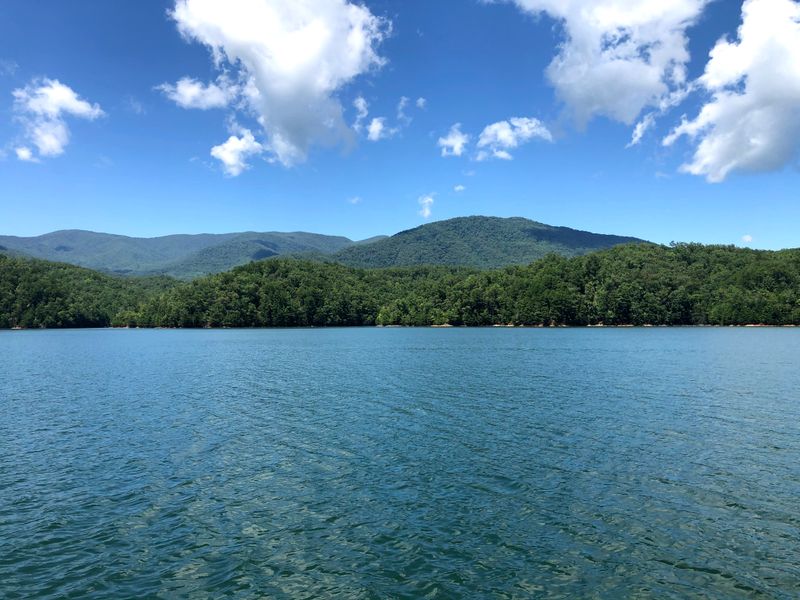
Two of America’s most beloved wild spaces embrace Fontana Lake from opposite shores. Great Smoky Mountains National Park borders the northern shoreline, while Nantahala National Forest spreads across the southern side.
This unique position means the lake serves as a liquid boundary between two massive protected wilderness areas.
No commercial development mars the shoreline, creating an unspoiled experience that’s increasingly rare in modern America. Forests march right down to the water’s edge, with trees sometimes leaning out over the surface.
Wildlife moves freely between park and forest, treating the lake as a natural watering hole and travel corridor.
The lack of development means nights here are truly dark, perfect for stargazing from a boat deck. You won’t find condos, shopping centers, or chain restaurants cluttering the views.
Instead, every direction offers nothing but mountains, trees, and water stretching toward distant ridgelines that fade into blue haze at the horizon.
An Angler’s Paradise
Casting a line into Fontana Lake means entering one of the Southeast’s premier fishing destinations. The waters hold an impressive variety of species, from smallmouth and largemouth bass to walleye, muskie, catfish, and bluegill.
Each species occupies its preferred habitat, creating fishing opportunities in every season and every corner of the lake.
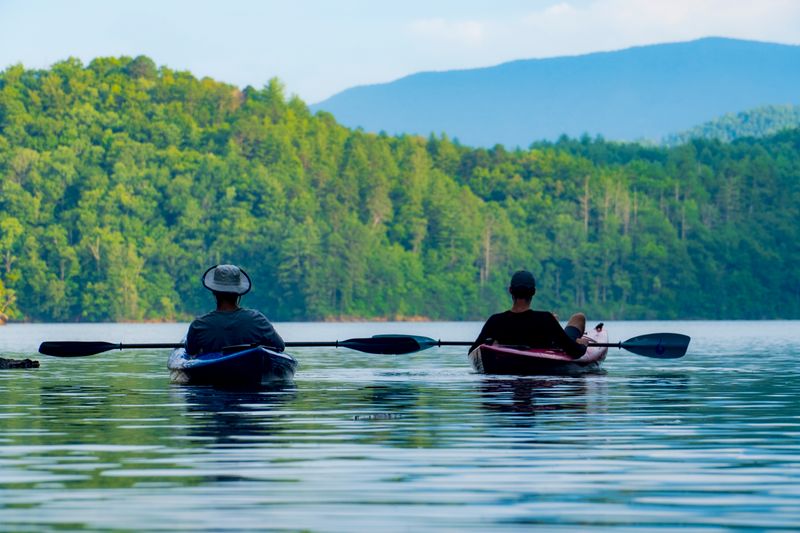
Spring brings bass to shallow waters for spawning, making them easier to catch from shore or kayak. Summer sends fish deeper, where cooler temperatures keep them comfortable and actively feeding.
Fall fishing ranks among the best, as fish fatten up before winter and strike aggressively at lures.
Local guides know secret spots where trophy fish lurk near submerged structures and old creek channels. The lake’s clarity varies by season, with spring runoff sometimes clouding the water before it clears to reveal rocky bottoms.
Fishing from a boat allows access to remote coves where few anglers venture, increasing your chances of landing something memorable worth photographing.
Gateway To Remote Backcountry
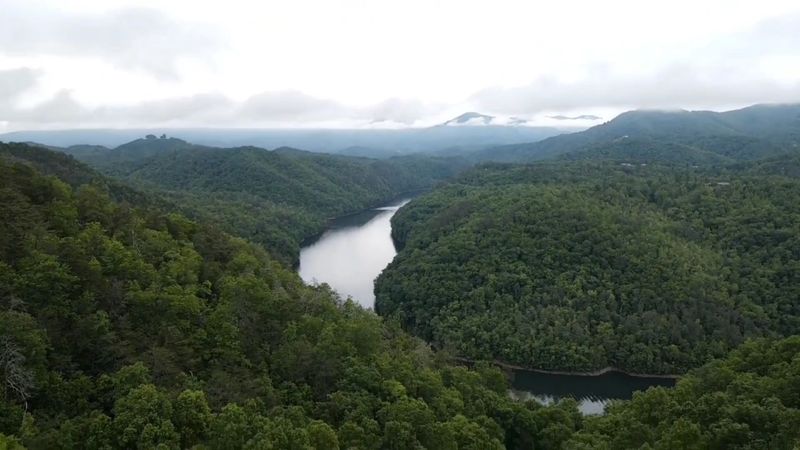
Without a boat, reaching some sections of Great Smoky Mountains National Park would require days of difficult hiking. Fontana Lake changes that equation, providing water access to wilderness areas that would otherwise remain frustratingly remote.
Boaters can cruise to trailheads that landlocked hikers can only dream about reaching easily.
Several backcountry campsites sit right on the lakeshore, accessible only by water or extremely long overland treks. Paddlers load kayaks with camping gear and glide across the lake to claim these secluded spots.
The park maintains these sites specifically for water-based adventurers, complete with bear cables and primitive facilities.
This water highway into the wilderness opens possibilities for loop trips that combine boating and hiking. You might paddle to a remote trailhead, hike into the mountains for a few days, then return via a different trail.
The lake essentially serves as your transportation network, eliminating the need for car shuttles and expanding your backcountry options considerably.
Submerged History Beneath The Surface
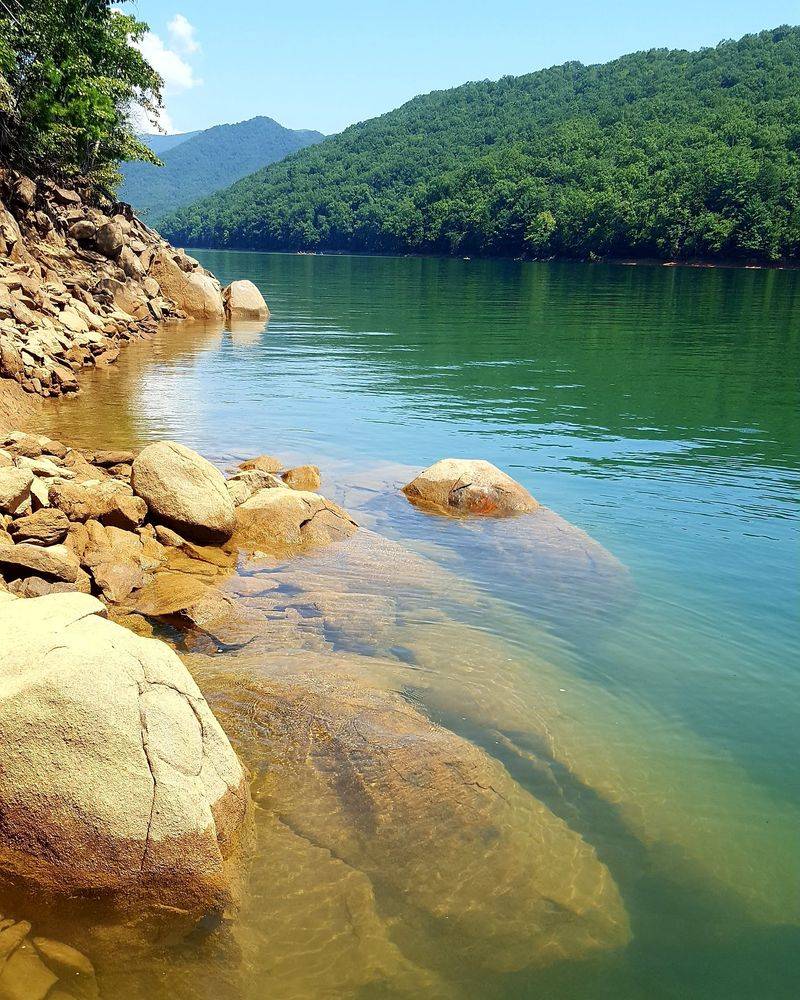
Communities once thrived in the valleys that Fontana Lake now fills with water. Towns like Proctor and Judson disappeared beneath the rising reservoir when the dam closed, forcing residents to relocate.
Families left behind homes, churches, schools, and entire ways of life as the water slowly claimed their ancestral lands.
Some structures were dismantled and moved, but others remain underwater, creating an eerie landscape of submerged foundations and old roadbeds. During extreme droughts when water levels drop significantly, remnants sometimes emerge from the depths.
Explorers find old chimneys, cemetery stones, and other artifacts that tell stories of mountain communities lost to progress.
The history adds a melancholy dimension to the lake’s beauty, reminding visitors that this otherworldly place came at a real cost. Descendants of displaced families sometimes visit to remember their roots, standing on the shore and imagining the valleys their grandparents knew.
This human history makes Fontana Lake more than just a scenic destination.
The Shuckstack Fire Tower Adventure
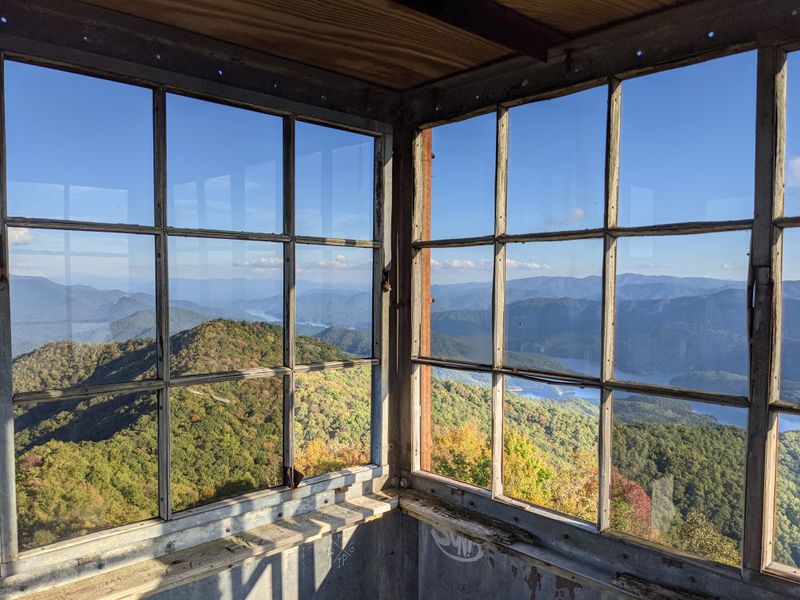
Hikers seeking spectacular views tackle the 4.6-mile trek from Fontana Dam to Shuckstack Fire Tower, at Appalachian National Scenic Trail, Robbinsville. This challenging route climbs steadily through forest, gaining elevation with every step until you emerge at the historic lookout tower.
The structure itself stands on a mountain peak, offering 360-degree views that rank among the best in the entire park.
Climbing the tower’s metal stairs requires nerve, as the structure sways slightly in the wind and gaps between steps reveal the ground far below. Once you reach the top platform, the reward justifies the effort and the butterflies in your stomach.
Mountains stretch to every horizon, with Fontana Lake spreading out like a blue ribbon far below.
The hike works best as a day trip, though some backpackers camp nearby to catch sunrise from the tower. Spring and fall offer the most comfortable temperatures for this strenuous climb, while summer heat makes the ascent quite challenging.
Pack plenty of water and snacks, as the elevation gain will leave you hungry and thirsty.
Houseboat Heaven
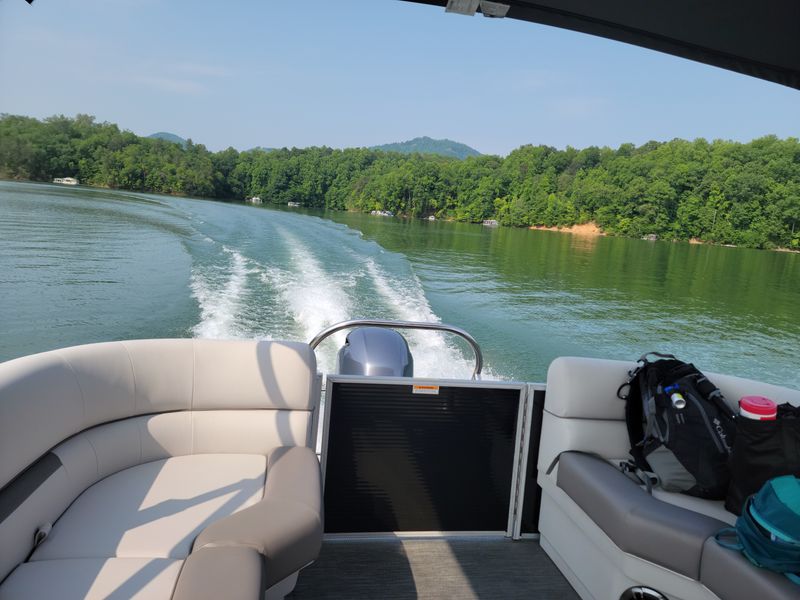
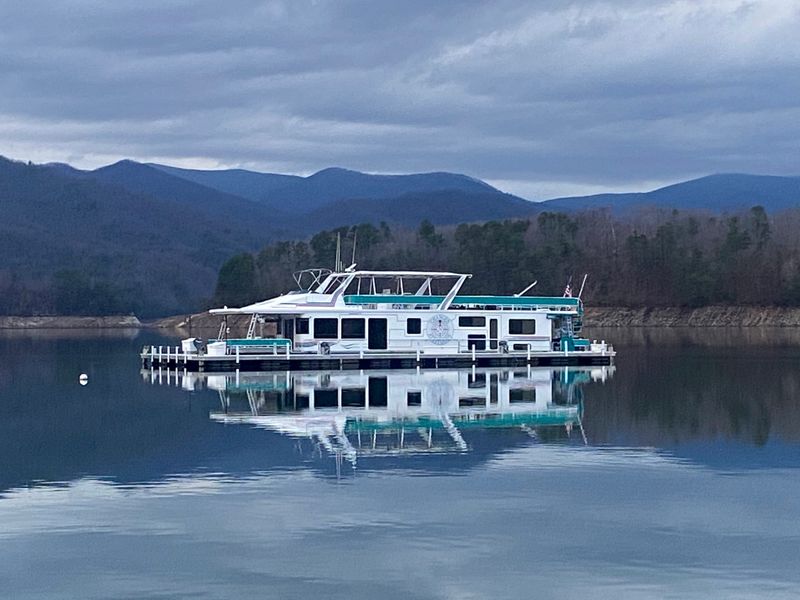
Approximately 400 houseboats call Fontana Lake home, creating a floating community that enjoys the ultimate waterfront lifestyle. These aren’t tiny pontoon boats with canvas tops, but proper floating homes with bedrooms, kitchens, and deck space for lounging.
Rental houseboats offer visitors a chance to experience lake life without the commitment of ownership.
Spending a night or a week on a houseboat provides a completely different perspective on the lake. You wake to mist rising off the water, enjoy coffee while watching the sunrise paint the mountains pink, and fall asleep to gentle waves lapping against the hull.
Days pass in a rhythm of swimming, fishing, exploring coves, and simply floating in perfect peace.
Most houseboats come equipped with everything needed for comfortable living, from air conditioning to grills. You can anchor in a different spot each night, creating your own private resort wherever you choose.
Families especially love the experience, as kids can jump off the deck anytime they want without worrying about beach crowds.
Wildlife Watching Wonderland
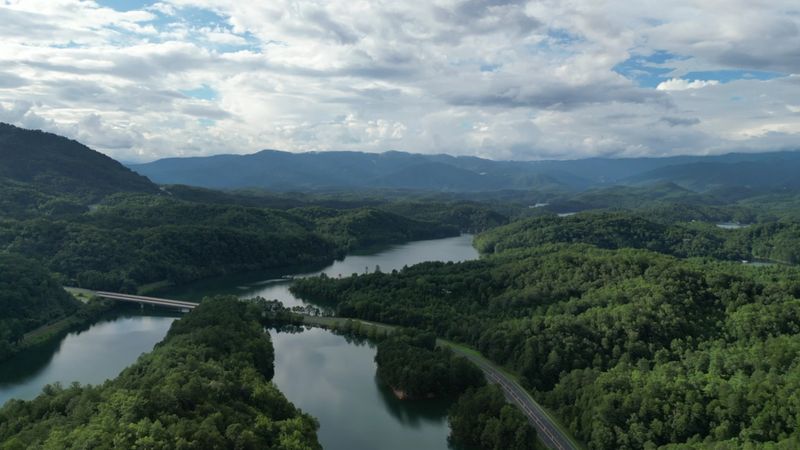
Animals treat Fontana Lake as their personal watering hole, creating exceptional wildlife viewing opportunities for patient observers. Otters play in the shallows, diving and surfacing with fish in their paws while performing aquatic acrobatics.
Deer emerge from the forest at dawn and dusk to drink, sometimes wading belly-deep into the cool water.
Ospreys patrol overhead, circling high before diving dramatically to snatch fish from the surface in their talons. Golden eagles occasionally appear, soaring on thermals above the ridgelines.
Black bears lumber down to the shore on hot days, cooling off with a swim or fishing for their dinner.
Wild boar, turkey, and fox all inhabit the surrounding forests, leaving tracks in muddy shorelines. Serious wildlife watchers bring binoculars and cameras with long lenses, settling into quiet spots at prime viewing times.
Early morning offers the best chances for sightings, when animals feel safer moving in the open before human activity increases on the water.
Fontana Village Resort Base Camp
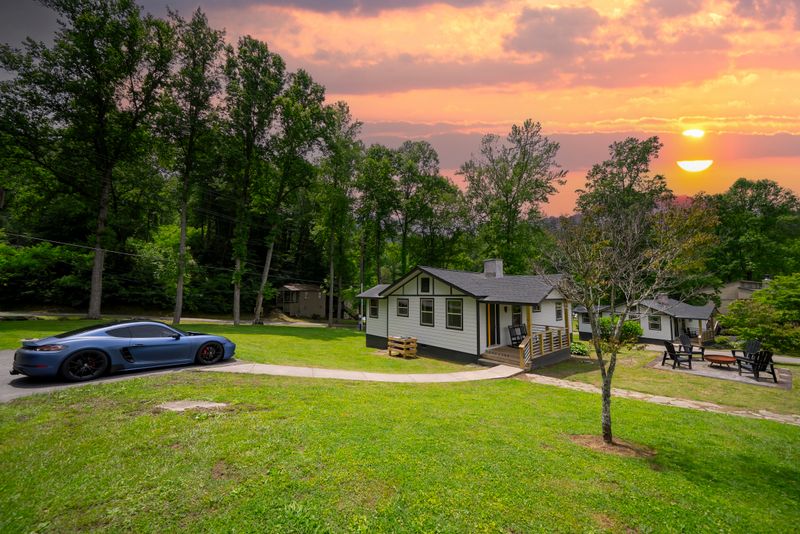
Originally built to house the thousands of workers constructing Fontana Dam, Fontana Village Resort has evolved into a full-service destination at 300 Woods Road, Fontana Dam. The transformation from worker housing to vacation resort preserved the sense of mountain community while adding modern comforts.
Today’s guests enjoy lodging options from rustic cabins to hotel rooms, all nestled in the forest near the lakeshore.
The resort offers everything needed for a lake vacation without leaving the property. A marina provides boat rentals and launching facilities, while a general store stocks supplies and fishing tackle.
Restaurants serve hearty mountain fare, and outdoor swimming pools offer alternatives when you want a break from lake swimming.
Families appreciate the resort’s self-contained nature, especially given the limited cell service and WiFi in this remote area. Kids can safely explore the grounds while parents relax, knowing civilization is close at hand.
The gas station saves boaters from running out of fuel mid-adventure, a crucial service on such a large lake.
Four Seasons Of Beauty
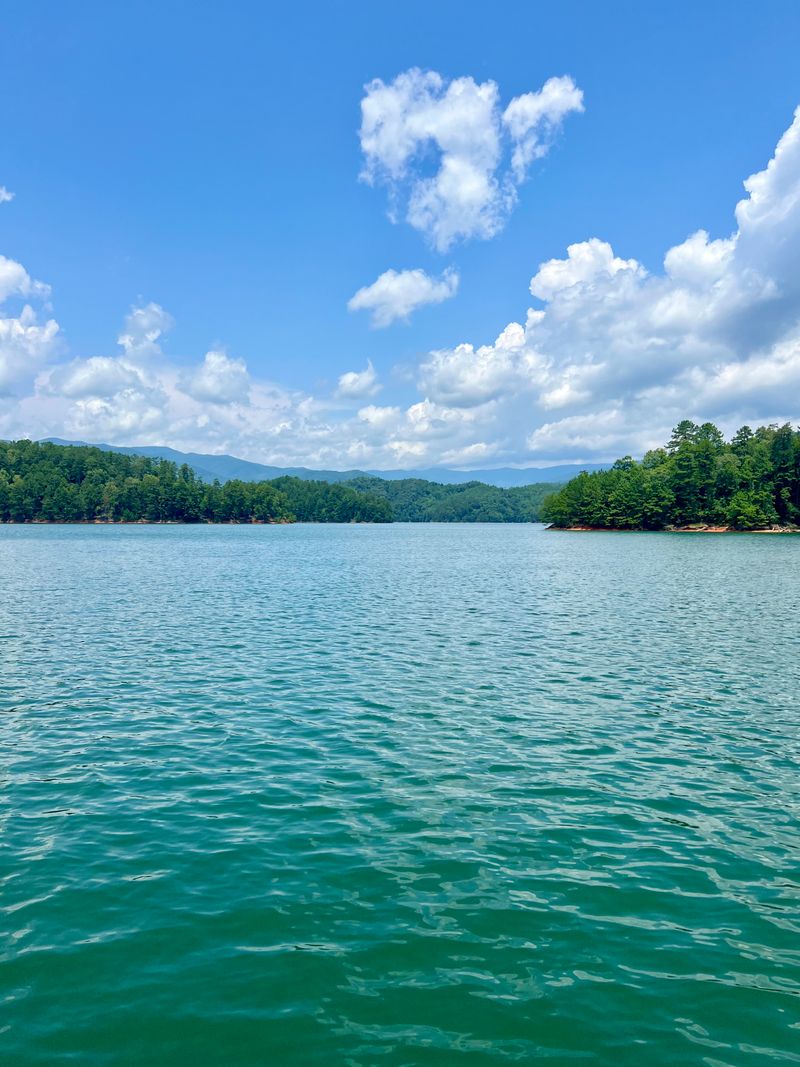
Spring transforms Fontana Lake’s shoreline into a wildflower gallery, with dogwoods, rhododendrons, and mountain laurels painting the forest edges white and pink. Waterfalls swell with snowmelt, creating temporary cascades that tumble down mountainsides into the lake.
The water remains cool, but warming air temperatures make paddling and hiking increasingly pleasant as days lengthen.
Summer brings perfect conditions for swimming, boating, and long days on the water under Carolina blue skies. Afternoon thunderstorms sometimes roll through, creating dramatic light shows over the mountains before clearing to reveal refreshed air.
Fall steals the show with legendary foliage, as hillsides explode in orange, red, and gold that reflects perfectly in the still water.
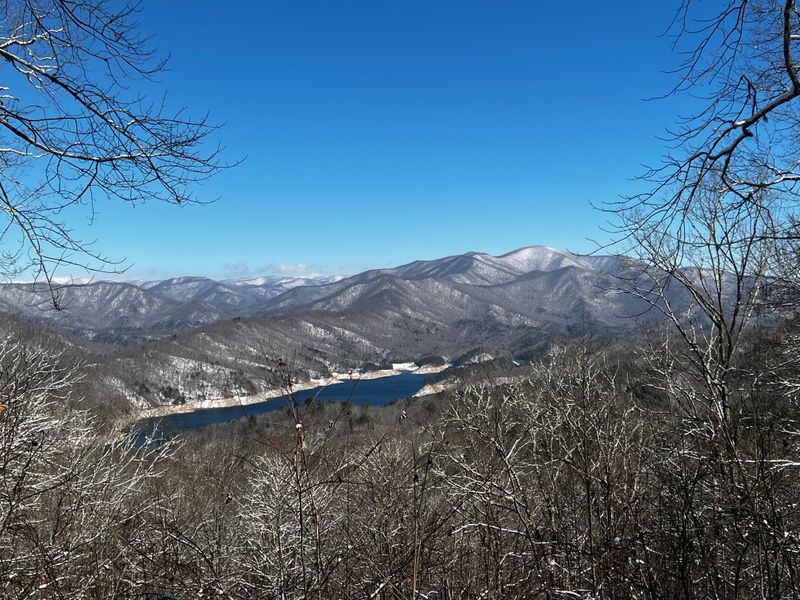
Winter offers a quieter, more contemplative experience, with misty mornings and snow-dusted ridgelines creating mystical scenery. The lake rarely freezes, but surrounding peaks wear white caps that contrast beautifully with dark evergreens.
Each season provides its own magic, meaning there’s never a bad time to visit this otherworldly place.