A Sandpoint Museum With A Caboose Out Front Keeps Idaho Panhandle Logging History Alive
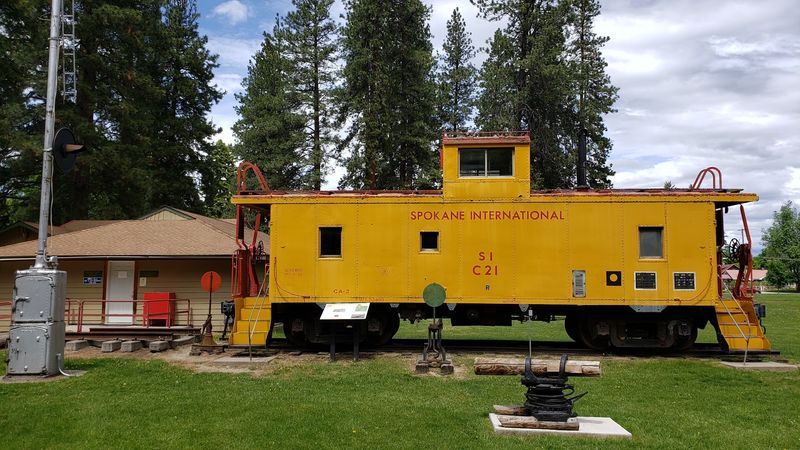
A red caboose parked beside a modest museum building is easy to drive past in northern Idaho. Step inside, though, and the rooms are packed with saws, railroad relics, mining gear, and old family photos that tell how this corner of the Panhandle grew up.
It is the kind of place that turns a quick stop into a long afternoon. For anyone curious about how timber, trains, and tough pioneers shaped Idaho, this small building holds a surprising amount of the story.
A Small Building With A Big Backstory
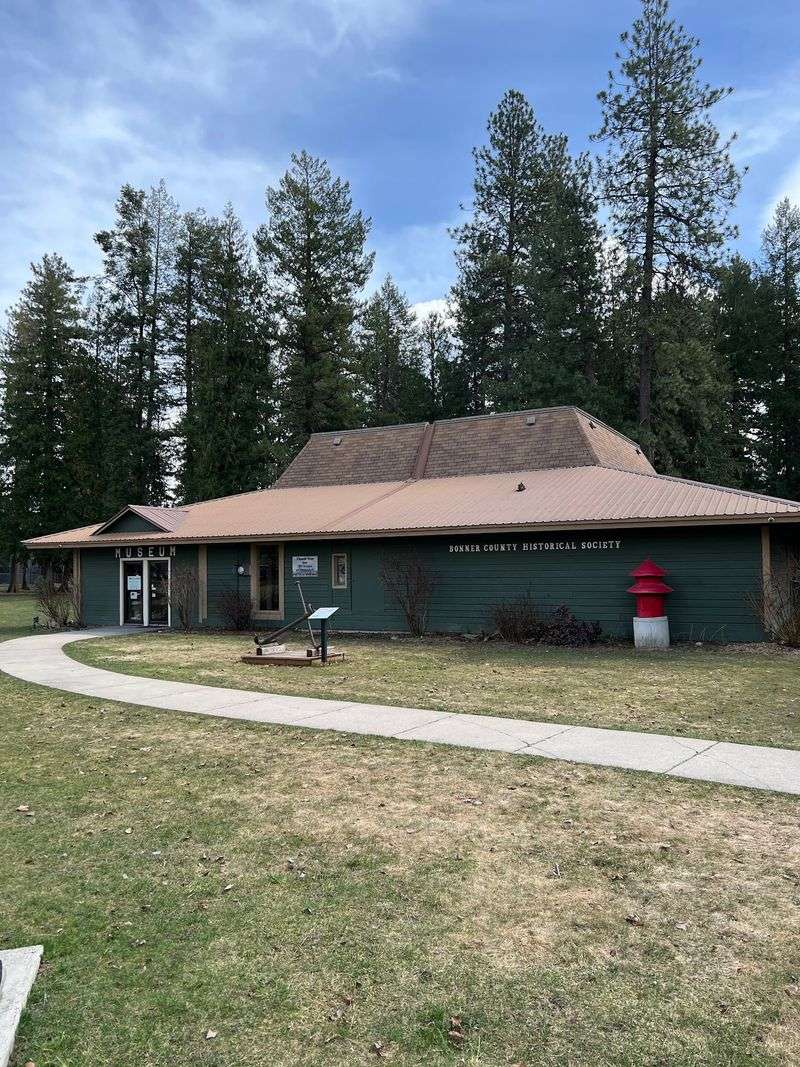
Small towns often keep their best stories in the least flashy buildings. The Bonner County Historical Society and Museum in Sandpoint proves that point, packing the history of the northernmost stretch of the Idaho Panhandle into a compact space that rewards slow looking.
Run by the county historical society, the museum covers far more than one town. Its exhibits trace Bonner County from ancient geology to first peoples, early explorers, homesteaders, and the logging, railroad, and mining industries that built the local economy.
Visitors who make a habit of touring small museums often put this one near the top of their lists.
What surprises most first-timers is the sheer volume of material. Shelves, cases, and walls hold artifacts donated by local families, many with notes explaining who gave them and where they came from.
That personal touch makes the collection feel less like a textbook and more like a community scrapbook.
Plan on an hour or two to see everything properly. The building is not large, but the density of objects means there is always another tool, photograph, or odd little curiosity waiting around the next corner for patient eyes.
Park Lawns Around The Front Door
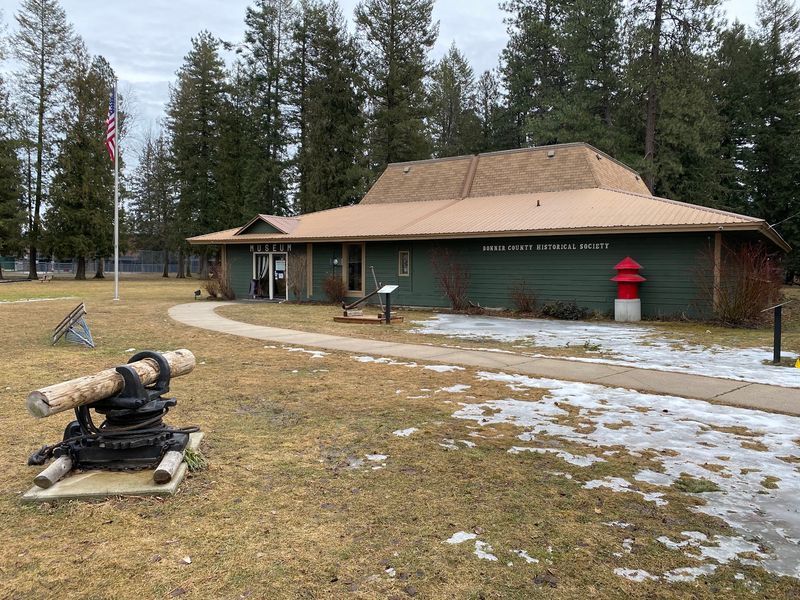
Green grass and shade trees greet visitors long before any exhibit does. The museum sits inside a pleasant city park, which gives the whole outing a relaxed, picnic-friendly feel that many museums simply cannot offer.
You will find it at 611 South Ella Avenue in Sandpoint, a short drive from downtown. Parking is straightforward, and the park setting means families can stretch their legs before or after touring the indoor rooms.
Guests regularly mention how nice the surroundings are, and it is easy to see why. The lawn creates a buffer from traffic, so the caboose and outdoor artifacts feel like part of a quiet open-air gallery rather than a roadside display.
For day-trippers coming from Coeur d’Alene or elsewhere in the Panhandle, the park also makes a handy lunch stop. Pack sandwiches, spread out under the trees, and then head inside once everyone is fed and ready to read labels.
That combination of fresh air and local history is part of the appeal. It turns a museum visit into a gentle half-day outing, which suits grandparents, kids, and anyone who prefers an unhurried pace.
Saws, Rails, And Mine Shafts
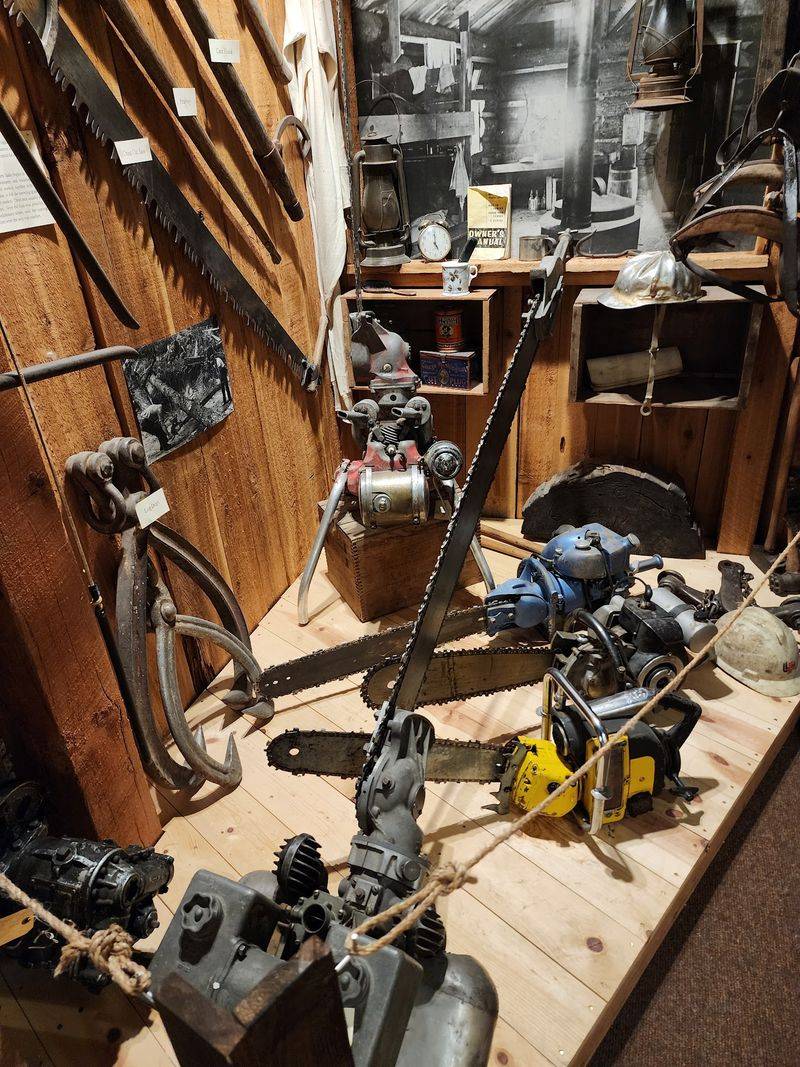
Crosscut saws and heavy iron tools hint at how hard the work used to be. Among the permanent exhibits, the sections on logging, railroading, and mining carry much of the weight, explaining how these three industries turned Bonner County into a working region.
Timber drew many settlers to the Idaho Panhandle, and the museum shows the tools and methods they relied on. Axes, saws, and related gear sit alongside photographs of crews who spent long days in the woods cutting and moving logs.
Railroads get equal attention. The arrival of the trains changed everything for Sandpoint, connecting remote forests and mines to distant markets, and the exhibits lay out that shift in clear, readable panels.
Mining rounds out the trio. Visitors frequently point to the mining displays as a highlight, with artifacts that show how people pulled minerals from the surrounding mountains.
Seeing all three industries side by side helps the bigger picture click. Loggers needed trains, trains needed freight, and mines supplied plenty of it.
Walking through these rooms, you start to understand why so many Panhandle towns rose and changed together.
Forest Rangers And Fire Watch
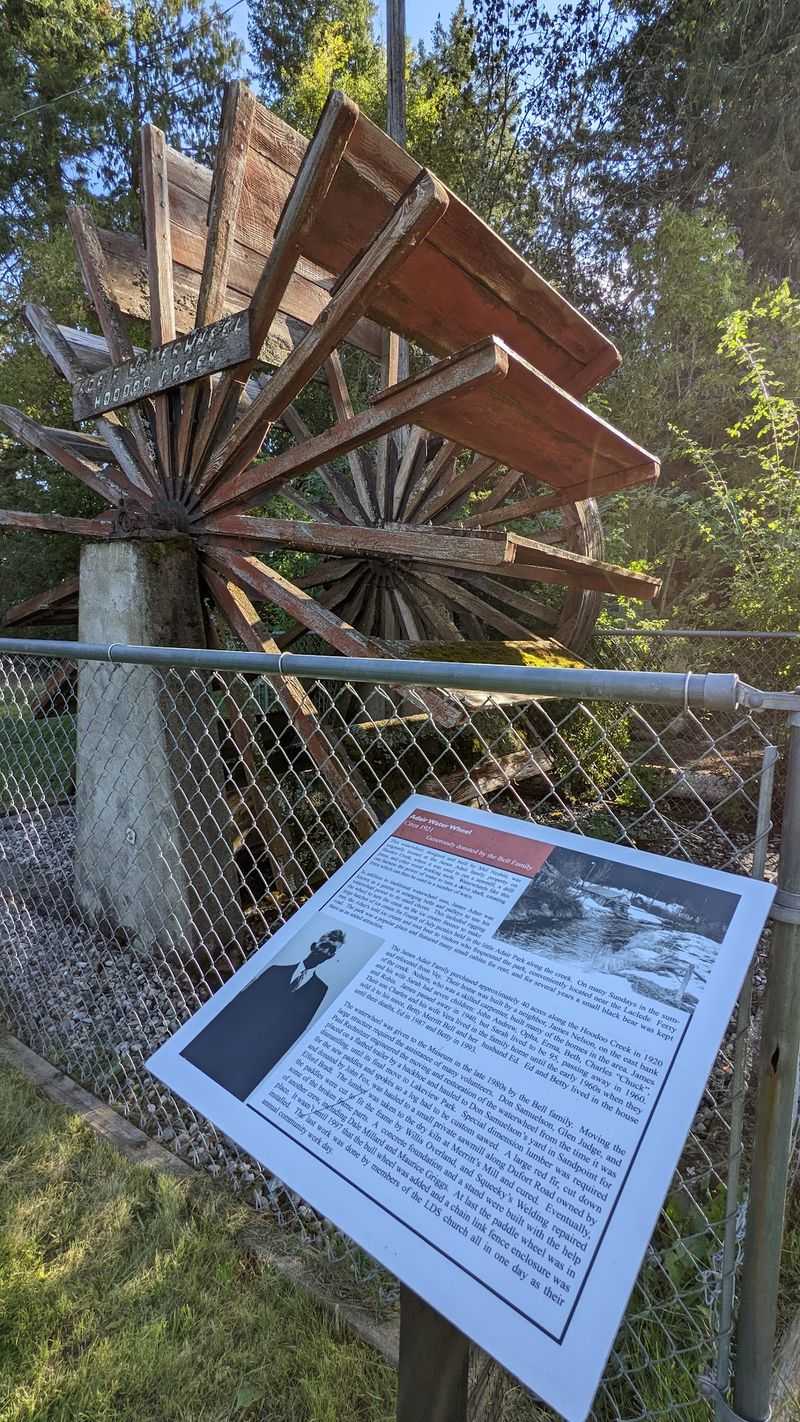
Anyone raised on warnings about campfires will feel right at home in one particular corner. The museum’s forestry and fire prevention exhibit earns steady praise from visitors, and it adds an important chapter to the timber story.
Logging was only half the equation in northern Idaho. Protecting the forests mattered just as much, and this exhibit shows how people watched for smoke, fought flames, and managed the woods that fed the local economy.
Families with kids tend to linger here. The subject is easy to connect with, since almost everyone who spends summers in the Panhandle has seen hazy skies or heard about fire season on the news.
Beyond the equipment, the displays explain why forest care changed over time. Early settlers often viewed the trees as endless, while later generations learned that careful management kept both jobs and landscapes healthy.
It is a thoughtful pairing with the logging tools nearby. One room celebrates the cutting, and the next reminds you what it took to keep the forest standing.
Together they paint a fuller portrait of life in timber country than either could alone.
First Peoples, Explorers, And Ancient Rock
Long before the first sawmill whined, glaciers and floods were carving this landscape. The museum opens that deeper story with exhibits on local geology, explaining how the ground beneath Bonner County took shape.
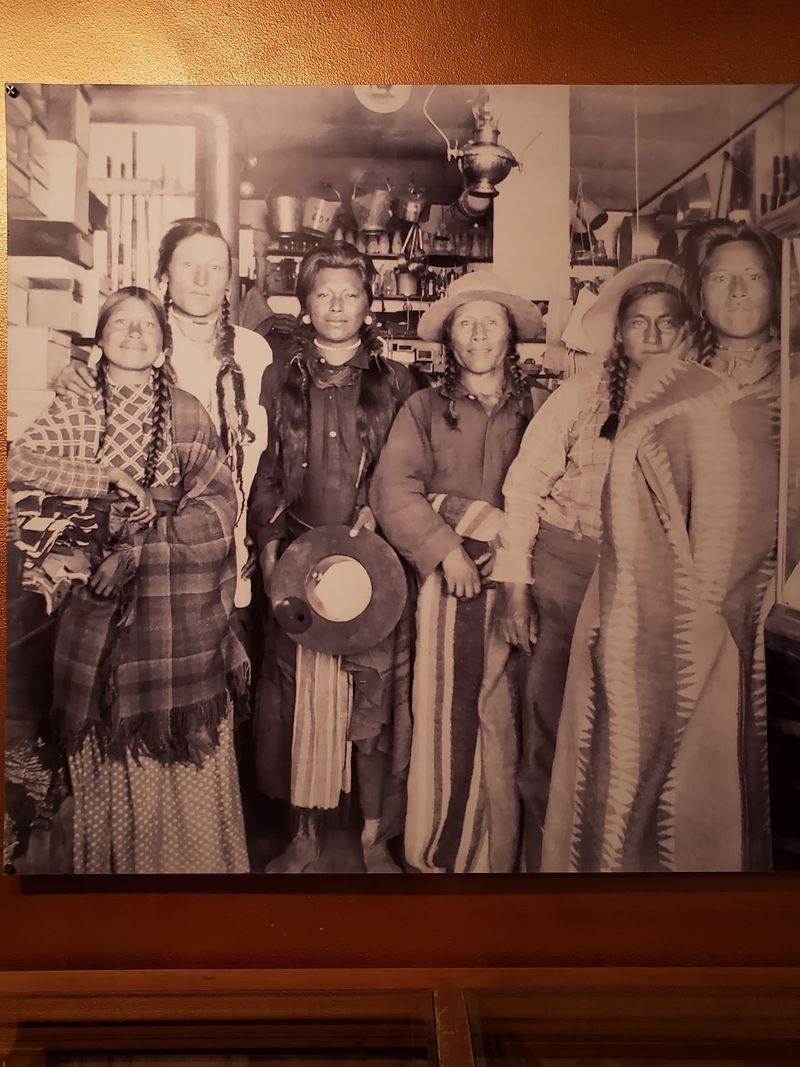
From there, the focus shifts to the people who lived here first. The Native American exhibits and artifacts draw particular admiration, especially the historic photographs, which give faces and names to communities that called this region home for generations.
Explorers follow, including material on Lewis and Clark and the early outsiders who traveled through northern Idaho. Settlers, pioneers, and notable local citizens come next, moving the timeline steadily toward the present.
Visitors also appreciate how the museum handles harder moments in the past. Rather than smoothing over how people treated one another, the exhibits state events plainly, letting guests draw their own conclusions without heavy commentary.
That honest, straightforward approach makes these rooms some of the most rewarding in the building. You leave with a better sense of who shaped the Panhandle, what changed when newcomers arrived, and how many layers of history sit under the familiar streets of Sandpoint today.
Grandma’s Kitchen And Circus Curiosities
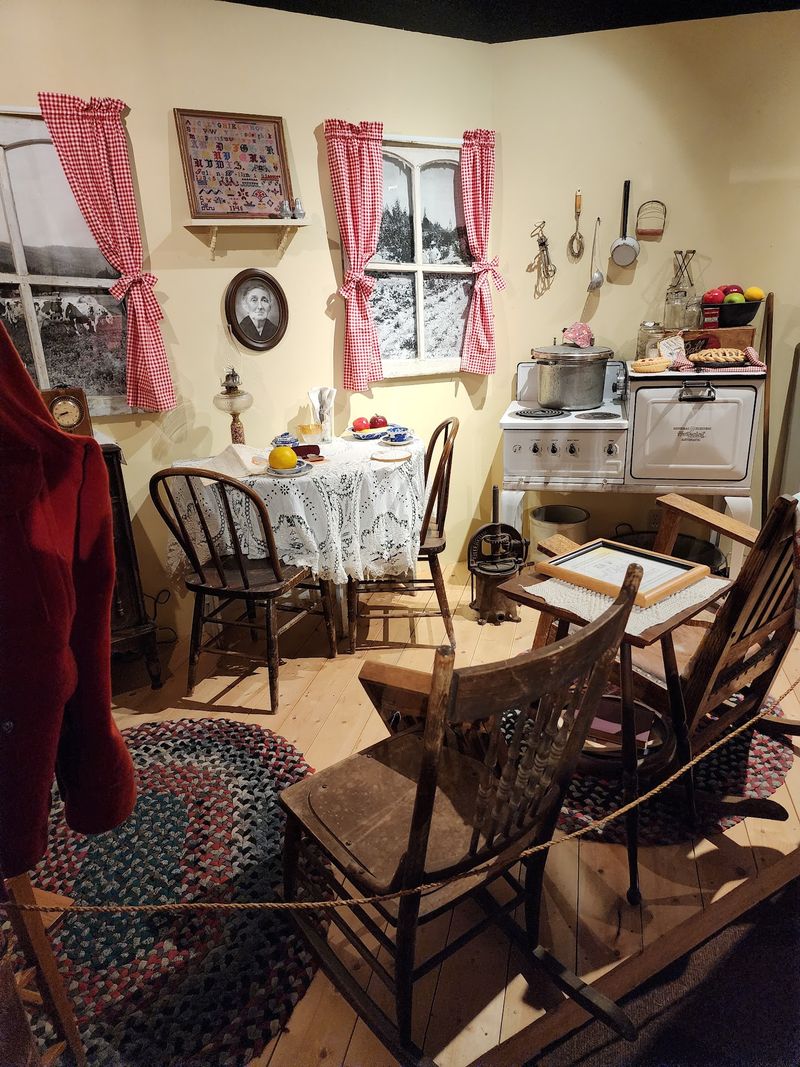
Enamel pots, an old stove, and well-worn utensils make the 1930s kitchen a crowd favorite. Stepping up to it feels a little like peeking into a relative’s farmhouse, and older visitors often spot items they remember from childhood.
Not everything here stays put, though. Alongside the permanent galleries, the museum rotates specialty collections, so return visits can turn up something new.
Past special exhibits have ranged widely. One featured curiosities, including taxidermy and circus displays, while another explored the role of women in settling northern Idaho.
The circus material in particular still comes up often in conversations about the museum.
Those changing shows keep things lively for locals. Someone who toured years ago can come back and find fresh stories alongside old favorites, which makes the place feel less like a static archive.
Ask a docent what is on display when you arrive. The rotating collections are a big part of the fun, and knowing the current theme helps you plan which corners deserve extra time before the kitchen pulls you in for one more nostalgic look.
The Caboose, Relics, And Arboretum Paths
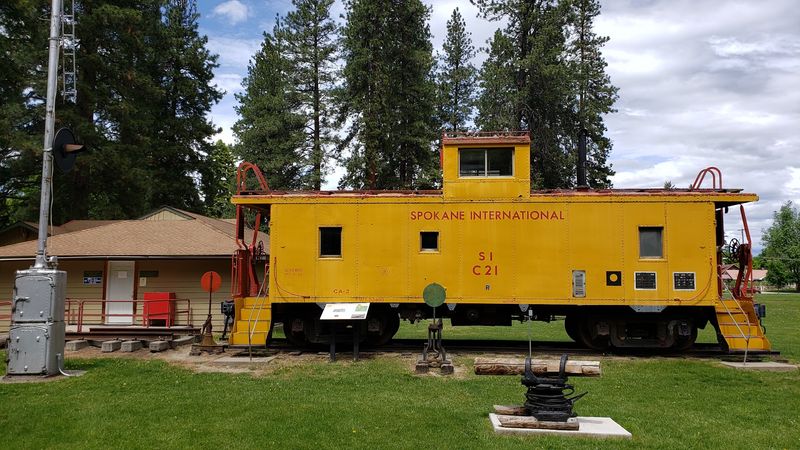
Kids usually spot the caboose first. Parked outside the museum, it nods to the railroad that changed Sandpoint forever, and it has held displays of its own over the years.
Keep in mind the caboose is for looking, not climbing. Signs ask visitors to stay off it, so treat it like the rest of the collection and enjoy it from the ground.
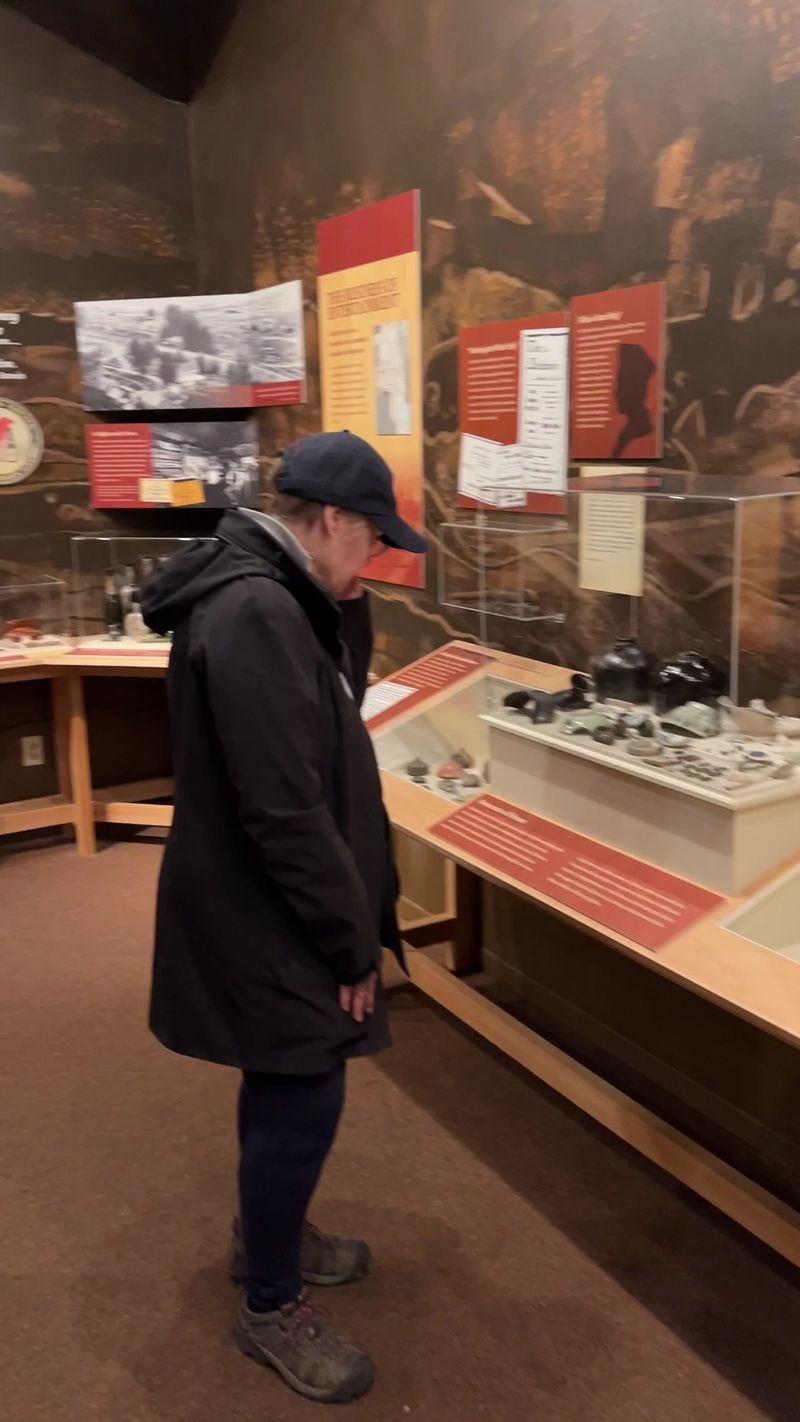
Scattered around the grounds are more outdoor displays, an eclectic mix of artifacts spanning roughly two centuries of local life. Guests describe this open-air area as a fun, quirky extra that rewards a slow stroll.
Right on site sits an arboretum worth saving time for. Garden settings feature native perennials, subalpine plants, and stands of native conifers, all tended by dedicated volunteers.
Plant lovers sometimes say the gardens nearly steal the show. After an hour of reading about logging in Idaho, walking among living trees brings the story full circle.
Several first-time visitors admit they ran out of time for the arboretum and vowed to return, so budget a little extra for the paths.
Planning A Weekday Visit
Timing matters more here than at most attractions. The museum keeps weekday-focused hours with a shorter Saturday and closes on Sundays and Mondays, so check the current schedule before making the drive.
Arriving late is a common mistake. Some guests have pulled in just before closing and found the doors already shut, so aim for the morning or early afternoon.
Admission costs just a few dollars, with a senior rate available, making it one of the cheapest outings around. Friendly docents usually offer a quick orientation, then let you wander at your own pace.
Photography rules are posted, but not in an obvious spot. Ask at the front desk before snapping pictures to avoid any confusion.
Before leaving, browse the gift shop. Its shelves lean toward books on local history and culture, a nice way to keep learning after the visit.
Researchers can also ask about the research room, where items like Art Young’s train trestle dioramas have been kept on high shelves. Volunteers here clearly treat the museum as a labor of love, and questions are always welcome.
Worth The Detour North
Small does not mean slight. That sums up the experience at this Sandpoint museum, where a modest building holds a remarkably complete picture of life in the upper Idaho Panhandle.
History buffs will appreciate the logging, railroad, and mining exhibits, along with the honest treatment of first peoples and early settlers. Families get a caboose, a park, and plenty of objects to point at, while gardeners have an arboretum full of native plants.
Retirees and budget-minded travelers may find it especially appealing. The fee stays low, the pace is gentle, and friendly volunteers make questions feel welcome rather than a bother.
Newcomers to Bonner County often call it a perfect introduction to their future home. Longtime residents, meanwhile, say they keep learning new things about their own town every time they walk through.
Pair a morning here with lunch in the park and a walk through the gardens, and you have an easy, satisfying day out. For anyone who has ever wondered how timber, trains, and tough pioneers built northern Idaho, this little museum offers answers in a setting that invites you to slow down.