A Wyoming City Where Mountain Adventures Meet Unique Museums
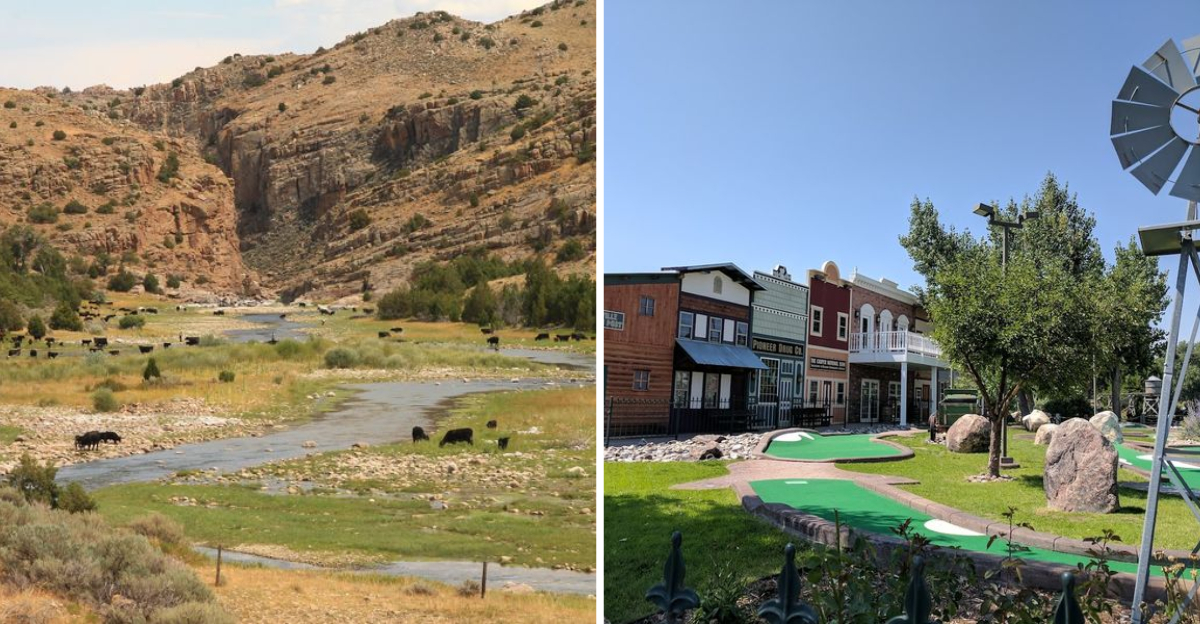
In Wyoming, one city brings together outdoor activity and cultural experiences in a way that feels balanced and easy to manage.
The surrounding landscape supports exploration, offering access to trails and open space.
At the same time, museums provide context and insight into the area.
How often do you find both options working this smoothly together? Here, the shift between activities feels natural.
You can adjust your plans without losing time or energy. That flexibility makes the visit more enjoyable.
It allows you to experience different sides of the city without needing to travel far, keeping everything within reach throughout your stay.
The City’s Frontier Roots
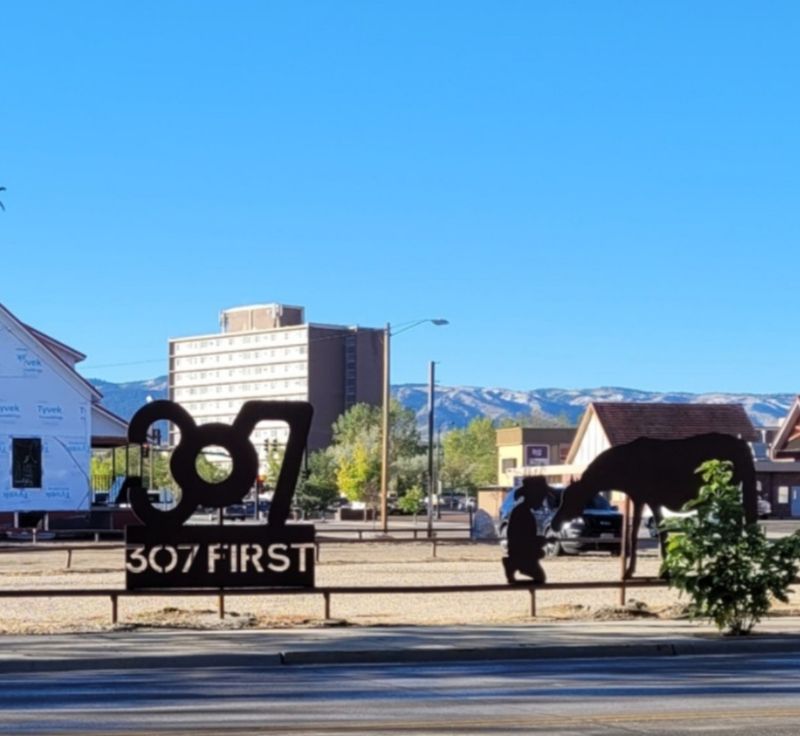
Fort Caspar stands as one of the most gripping reminders of how the American West was shaped.
The reconstructed military post sits near the North Platte River, and walking through it feels like reading a history book with your feet. It was originally built to protect a bridge used by thousands of pioneers heading west.
The on-site museum holds fascinating local-history exhibits, including an old sheep wagon that looks remarkably preserved. I spent nearly an hour just reading the display panels about the soldiers and settlers who passed through this region.
The exhibits are detailed without being overwhelming, which makes them easy to enjoy. Casper, Wyoming grew up around this kind of crossroads energy.
The city became a hub for trade, travel, and later the oil industry, which helped it grow into the second-largest city in Wyoming. That layered history is visible everywhere you look downtown.
The fort can be accessed at 4001 Fort Caspar Road. Admission is affordable, and the staff are genuinely knowledgeable about the region’s past.
If you only visit one historical site here, make it this one.
Pioneer Trails Center
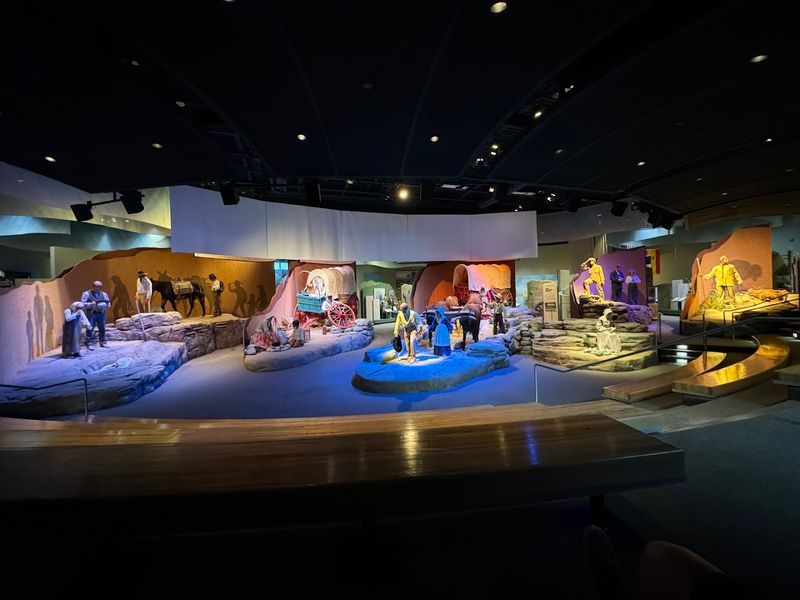
Few museums in the American West match the storytelling power of the National Historic Trails Interpretive Center.
The building at 1501 N Poplar St itself is impressive, perched on a bluff overlooking the North Platte River valley with sweeping views of the surrounding landscape. Inside, the exhibits cover the Oregon, California, Mormon Pioneer, and Pony Express trails.
I was genuinely moved by the life-size dioramas showing pioneer families crossing rivers and navigating rough terrain. The hands-on displays let visitors feel the weight of a wagon wheel or experience a simulated river crossing.
The center does an excellent job of honoring both the settlers and the Indigenous communities whose lands these trails crossed. That balance of perspectives makes the experience more honest and more interesting.
Wyoming as a state has deep ties to this era of migration, and this museum captures that connection beautifully.
Plan to spend at least two hours here, especially if you are visiting with kids. The guided tours add even more depth to the experience.
Rangers are on hand to answer questions, and they clearly love what they do.
Art At Nicolaysen

Not everyone expects a thriving contemporary art scene in central Wyoming, but the Nicolaysen Art Museum at 400 E Collins Dr, changes that assumption fast.
Known locally as the Nic, this museum has been showcasing regional and national artists for decades. The building itself is a converted 1920s power plant, which gives it a wonderfully industrial charm.
When I visited, the current exhibitions included bold abstract paintings and intricate mixed-media sculptures.
The rotating shows mean there is always something new to see, no matter how many times you come back. The permanent collection also holds strong pieces that reflect the landscapes and cultures of the region.
What I appreciated most was the Discovery Center inside the museum. It is a hands-on creative space designed for younger visitors, but honestly, adults love it too.
There is something freeing about making art in a room where experimentation is the whole point.
The museum also hosts workshops, lectures, and community events throughout the year. It serves as a real cultural anchor for residents of Casper, not just a tourist stop.
Admission is reasonably priced, and the gift shop carries locally made art pieces that make for meaningful souvenirs. This place reminded me that creativity thrives everywhere, even on the high plains of Wyoming.
Casper Mountain Escapes
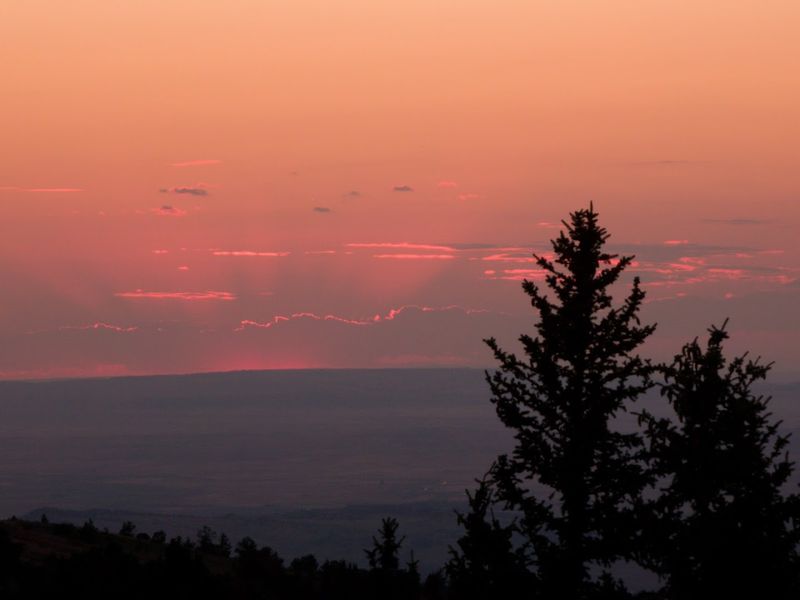
Just south of the city, Casper Mountain rises to over 8,000 feet and offers a completely different world from the plains below.
The mountain is a year-round destination, drawing skiers in winter and hikers in summer with equal enthusiasm. I drove up the winding road on a clear morning and the views just kept getting better with every switchback.
The Hogadon Basin Ski Area sits on the mountain and provides a relaxed, uncrowded alternative to the mega-resorts found elsewhere in Wyoming.
Runs range from gentle beginner slopes to more challenging terrain, making it a solid choice for families. Lift tickets are priced far more reasonably than at most ski destinations.
In warmer months, the mountain transforms into a hiking and biking paradise.
Trails wind through dense pine forests, past meadows full of wildflowers, and toward a beautiful waterfall that rewards the effort of reaching it. I sat near that waterfall for a while, just listening to the sound of it.
Casper Mountain also has campgrounds and picnic areas for those who want to linger.
Wildlife And Open Skies
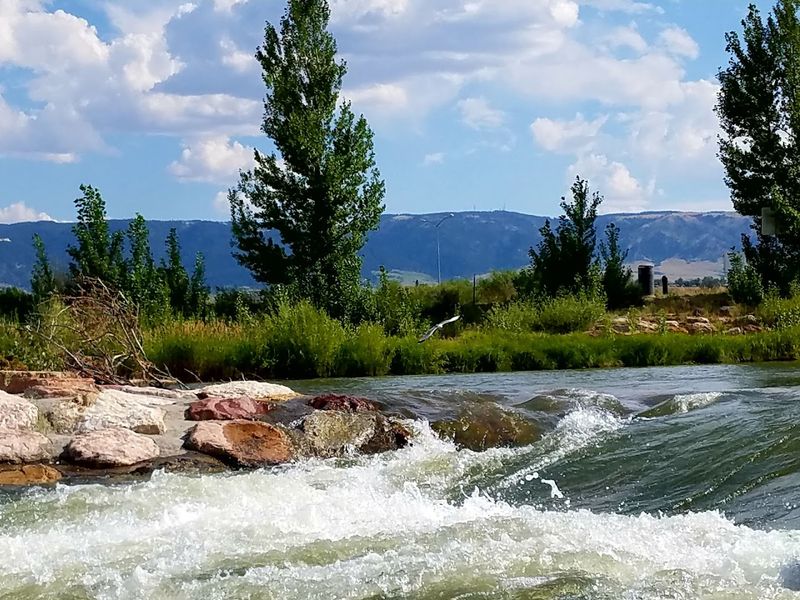
Wyoming is one of the best states in the country for wildlife watching, and the area around Casper delivers on that promise consistently.
Pronghorn antelope are practically neighbors here, often spotted grazing just outside the city limits in large, unhurried groups. Mule deer, coyotes, and golden eagles are also regular sightings if you know where to look.
I drove out along the North Platte River corridor one afternoon and spotted a great blue heron standing completely still in the shallows. The river itself is a productive fly-fishing destination, popular with anglers chasing brown and rainbow trout.
The scenery along its banks is calm and restorative in a way that busy tourist spots rarely manage. It is a relaxed, no-frills kind of place that locals treasure for its simplicity.
Families with young children will find it especially welcoming.
The wide open skies above central Wyoming also make this area a fantastic spot for stargazing. Light pollution is minimal once you get a short distance from the city center.
Local Food Culture
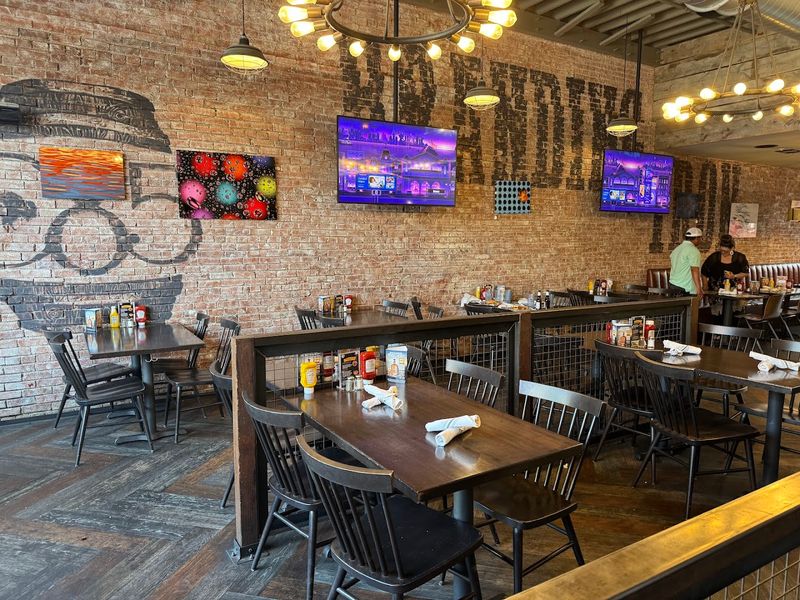
Eating well in Casper, Wyoming is easier than most first-time visitors expect.
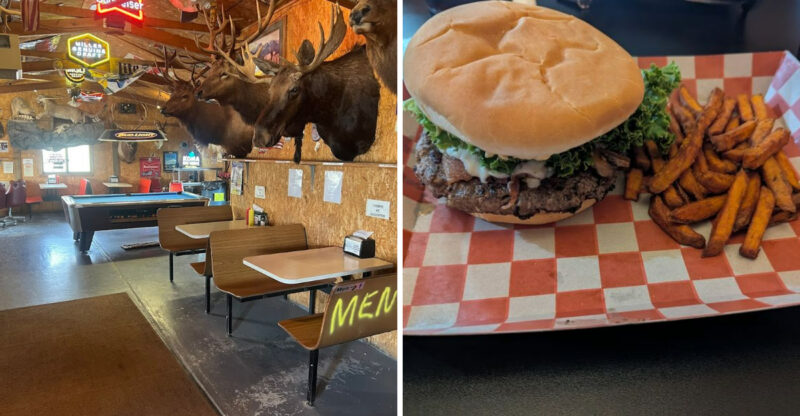
The local food culture leans heavily into Western flavors, with bison burgers, smoked meats, and hearty comfort food showing up on menus across the city. I found myself ordering bison at least three times during my stay, and I have no regrets about that whatsoever.
The downtown area has a solid cluster of independent restaurants and cafes that give the city its own distinct food personality. I must mention a restaurant called Branding Iron at 129 W 2nd St, and their delicious food and great service.
Morning coffee at a local roaster, lunch at a sandwich spot run by a family for decades, dinner at a place with actual live music on weekends.
Farmers markets run seasonally and bring in local producers selling honey, preserves, fresh vegetables, and handmade goods.
The community atmosphere at these markets is warm and unpretentious. That reflects the broader character of Wyoming residents.
Conversations with vendors often turn into genuinely interesting chats about the region.
For those with a sweet tooth, several local bakeries produce excellent pastries and pies. Wyoming has a strong pie tradition, and the fruit pies made with local ingredients are worth every calorie.
I left with a box of cookies that did not survive the drive back to the hotel.
Outdoor Sports Hub
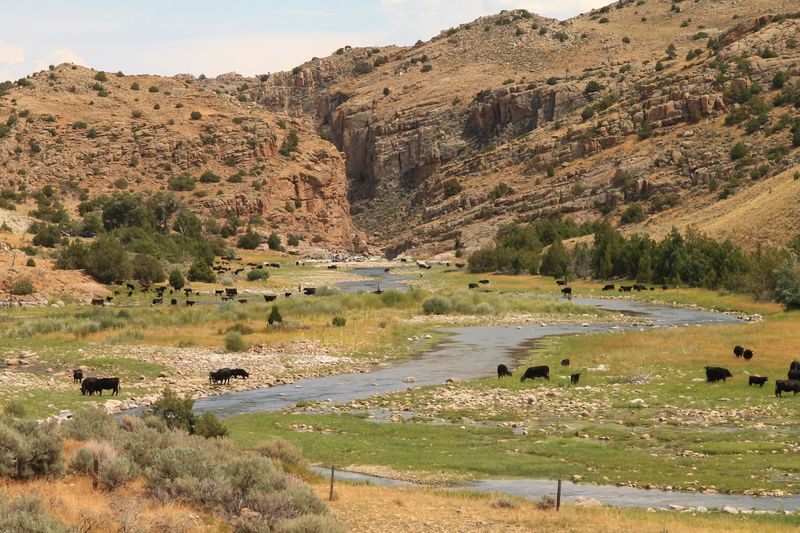
The outdoor sports scene around Casper punches well above its weight for a city of its size.
Rock climbing, mountain biking, kayaking, and trail running all have dedicated communities here that welcome newcomers without making them feel like outsiders. The terrain around the city is naturally suited to adventure in almost every direction.
Fremont Canyon, located about 40 to 50 minutes south, is a well-regarded rock climbing destination with granite walls dropping into a deep reservoir.
I am not a climber myself, but watching experienced climbers work their way up those sheer faces was honestly mesmerizing. The canyon also offers exceptional fishing and photography opportunities.
Closer to the city, the North Platte River provides calm stretches ideal for kayaking and paddleboarding. Several outfitters in town rent gear and offer guided trips for those who prefer a little expert company on the water.
The river moves at a pace that suits beginners while still offering enough scenery to keep experienced paddlers engaged.
Mountain biking trails on Casper Mountain attract riders from across Wyoming and beyond. The trail network is well-maintained and clearly marked.
There are options including smooth beginner paths, and technical descents that will test even skilled riders. Rental shops in the city make it easy to show up without your own equipment.
Timing Your Trip For Maximum Value
Timing a trip to Casper matters more than you might think, because the seasons here are genuinely distinct and each one offers a different experience.
Summer runs from June through August and brings warm days perfect for hiking, fishing, and exploring the mountain. Average temperatures stay comfortable, rarely getting oppressively hot the way lower-elevation Western cities can.
Fall is quietly spectacular in this part of Wyoming. The cottonwood trees along the river turn a vivid gold in October, and the cooler air makes outdoor activities feel effortless.
Crowds thin out considerably after Labor Day, which means more trail space and shorter waits at popular spots.
Winter transforms Casper Mountain into a ski destination, and the city itself takes on a cozy, unhurried pace. Snowfall is reliable enough for winter sports but rarely so extreme that it shuts things down for long.
Spring can be unpredictable, with late snowstorms possible well into April, but it also brings wildflowers and returning migratory birds that make the landscape feel alive again. Packing layers is smart advice for any season.
Whatever time of year you choose, Casper rewards the visit with something memorable and worth the trip.