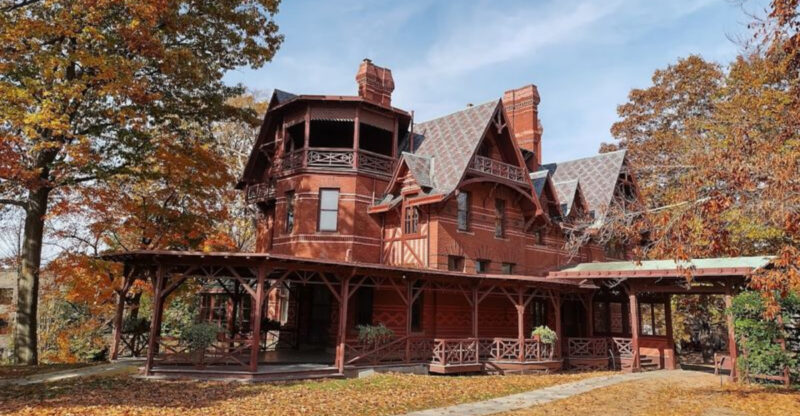
10 Absurdly Specific Connecticut Museums That Somehow Actually Exist
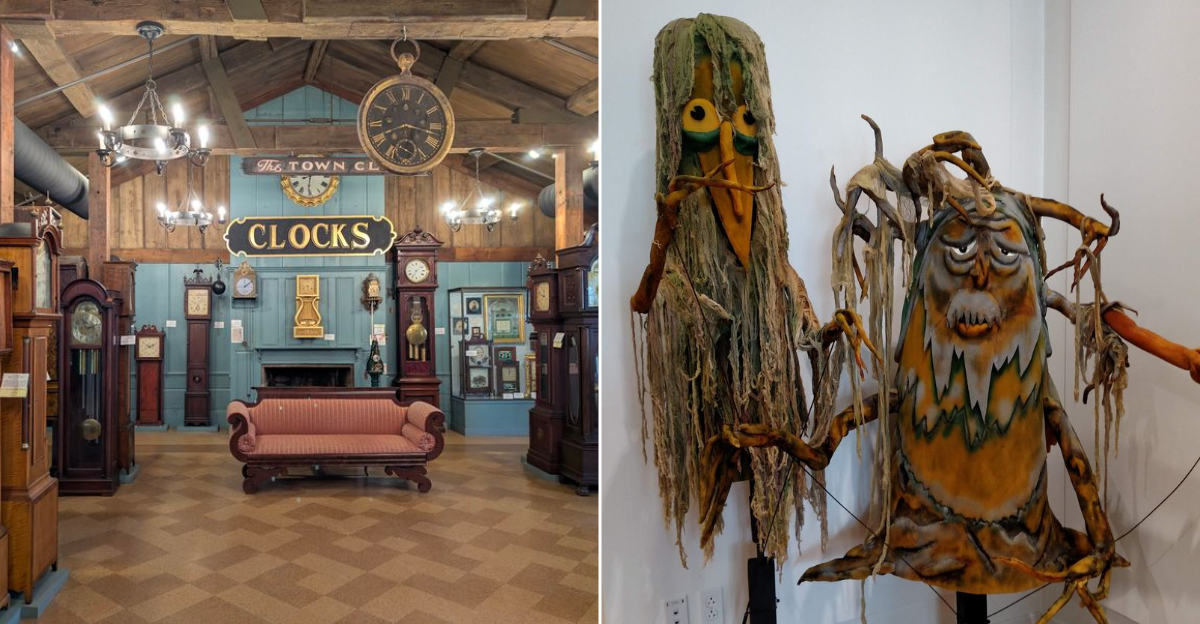
Museums are supposed to preserve important things, but apparently “important” can get hilariously specific.
Connecticut has museums devoted to subjects so oddly narrow that the titles alone can sound like someone lost a very strange bet. That is exactly what makes them fun.
Instead of another predictable afternoon, you can end up learning far more than expected about a topic you barely knew had enough history to fill a room.
The collections can be wonderfully serious about things that seem wonderfully unserious from the outside. That contrast is hard to resist.
You may walk in laughing at how specific the whole idea sounds. Ten minutes later, you are reading every label because somehow you suddenly need answers.
That is the magic of a truly unusual museum.
Curiosity does not always need grand masterpieces or famous artifacts. Sometimes it just needs one wildly specific subject and somebody passionate enough to build an entire museum around it.
1. American Museum Of Tort Law, Winsted
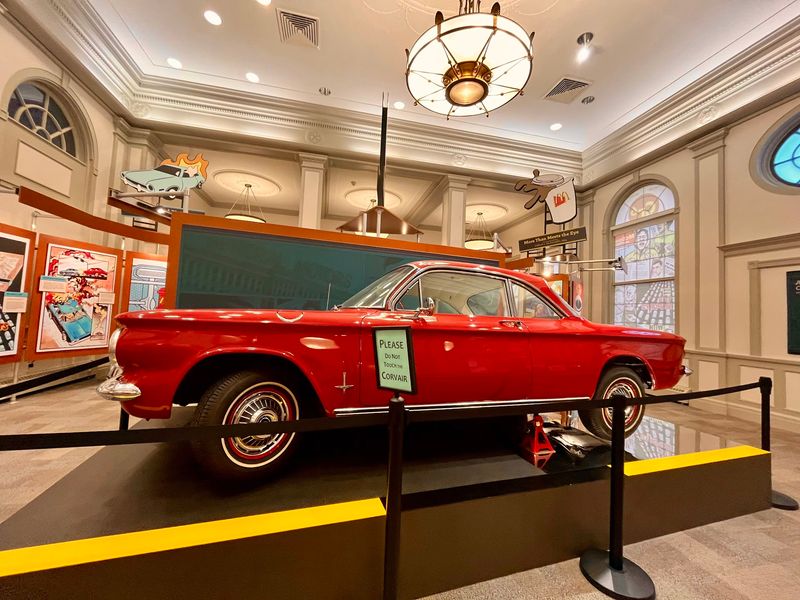
A cherry-red 1963 Chevrolet Corvair is hard to miss. It is also probably the last thing you expect inside a museum about the legal system.
Yet that car sits at the heart of the American Museum of Tort Law, the first museum in the United States devoted entirely to civil law and the right to a jury trial. It opened in September 2015 on Winsted’s main street, at 654 Main Street, in a former bank building.
Tort law covers wrongful injuries, from car crashes and defective products to medical mistakes and environmental harm. Since most students never study civil law in school, the exhibits assume no legal background at all and are aimed at adults and kids from about middle school age up.
Instead of dense legal writing, the galleries mix artifacts, short text panels, and cartoon illustrations, some drawn by Pulitzer Prize-winning cartoonist Matt Wuerker.
Famous cases get their own displays, including the McDonald’s hot coffee lawsuit, Ford Pinto litigation, tobacco cases, asbestos claims, and dangerous toys.
Many panels finish with questions for thought, nudging visitors to form their own opinions rather than simply read and move on. The museum was founded by consumer advocate Ralph Nader, whose 1965 book about auto safety made that Corvair famous, though the focus stays on tort law itself.
2. Lock Museum Of America, Terryville
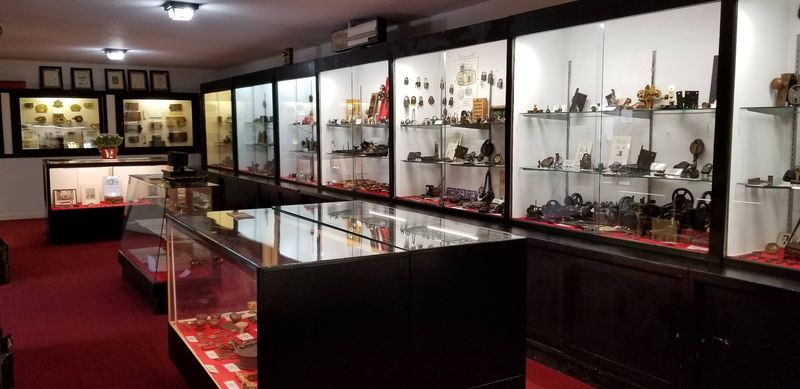
Locks are not exactly known for stealing the spotlight. Put thousands of them together, though, and suddenly they are hard to ignore.
The Lock Museum of America holds one of the largest collections of locks, keys, and related hardware in the country, and it sits in Terryville for a very good reason. The village was once a center of American lock manufacturing, home to companies whose products traveled worldwide.
Rooms are organized by theme, with displays of ornate Victorian door hardware, bank vault doors, handcuffs, colonial-era locks, and cabinets full of keys in every shape imaginable.
You will find early cylinder lock designs from Linus Yale Jr., whose name still appears on locks today, alongside examples showing how each new invention tried to outsmart the last.
Watching that back-and-forth unfold is oddly gripping, a slow-motion contest between locksmiths and lockpickers stretched across two centuries.
The building at 230 Main Street is modest, and the experience leans heavily on knowledgeable volunteers who explain how mechanisms work. Seasonal hours are limited, typically spring through fall on select afternoons, so checking ahead by phone saves a wasted trip.
Anyone who likes taking things apart, or simply appreciates clever engineering hidden inside everyday objects, will leave with a new respect for door hardware.
3. New England Carousel Museum, Bristol
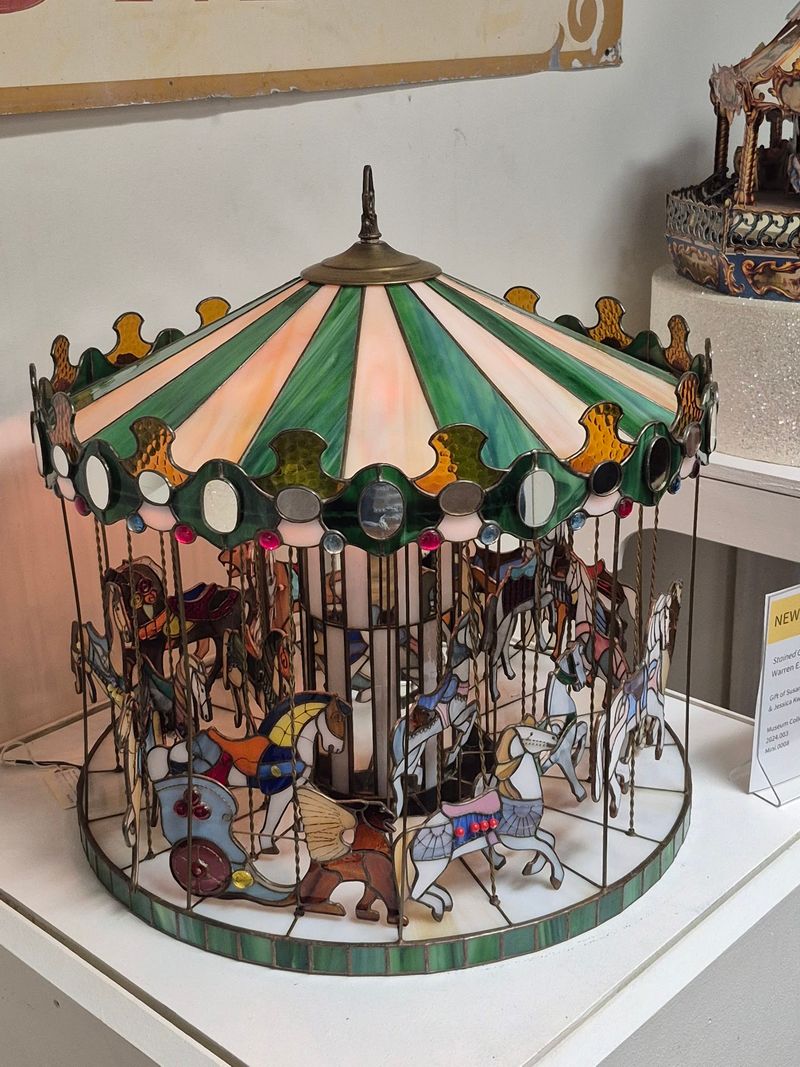
Watching a carousel figure being restored can be just as fascinating as seeing one spin beneath amusement-park lights. At the New England Carousel Museum, carved horses, chariots, and menagerie animals reveal the craftsmanship that turned wooden ride figures into moving art.
The restoration department adds another layer. Artisans repair structural damage, refresh paint, and conserve historic details in an on-site woodshop and painting studio that visitors can observe during museum hours.
The galleries also explore carving traditions, decorative styles, and the mechanics behind classic rides. Elsewhere in the building, the Museum of Fire History expands the visit with firefighting artifacts and exhibits connected to the risks once faced by wooden amusement structures.
Families have plenty to keep younger visitors interested, including interactive displays and a working carousel installed in 2012. The museum also shares space with the Bristol Center for Arts & Culture, which brings additional exhibitions into the building.
All of this comes together at 95 Riverside Ave., Bristol, CT 06010, inside a restored former hosiery factory with a long local history. A morning here can pair easily with a later visit to nearby Lake Compounce.
That makes the museum an easy choice when history and amusement-park nostalgia sound equally appealing.
4. Vintage Radio & Communications Museum Of Connecticut, Windsor
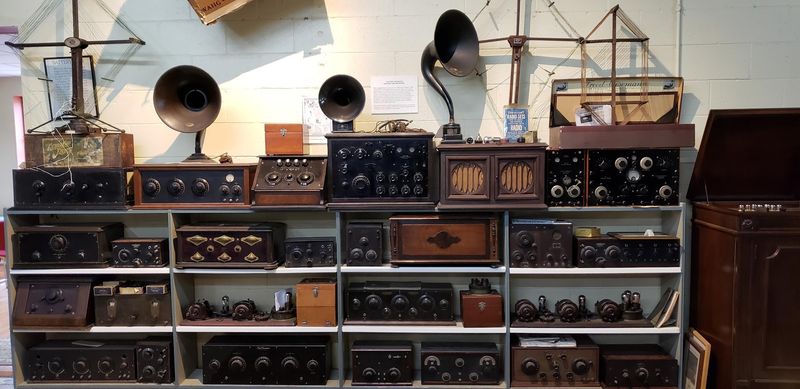
Before screens took over, families gathered around a wooden box and imagined the pictures themselves.
That world is preserved at the Vintage Radio & Communications Museum of Connecticut, where shelves hold crystal sets, cathedral-style radios, tall console models, early televisions, telegraph keys, and jukeboxes.
The museum grew out of a private collection and is run largely by volunteers who genuinely love this equipment. Many of them can explain what a vacuum tube does, then switch a restored receiver on so you can hear it warm up.
Exhibits follow communication from telegraph and telephone through radio’s boom years and into the first decades of broadcast TV, including sets with screens smaller than a modern tablet. There are also displays on wartime radio, ham operating, and recorded sound.
Hands-on activities are part of the appeal, with working stations where visitors can try sending Morse code or peek at the guts of a chassis. Repair benches are visible too, since restoration is an ongoing part of what happens here.
You will find it at 115 Pierson Lane in Windsor, in a former school building with easy parking. Open days are limited and generally fall on weekends, so confirming the schedule before driving over is the smart move.
5. American Clock & Watch Museum, Bristol
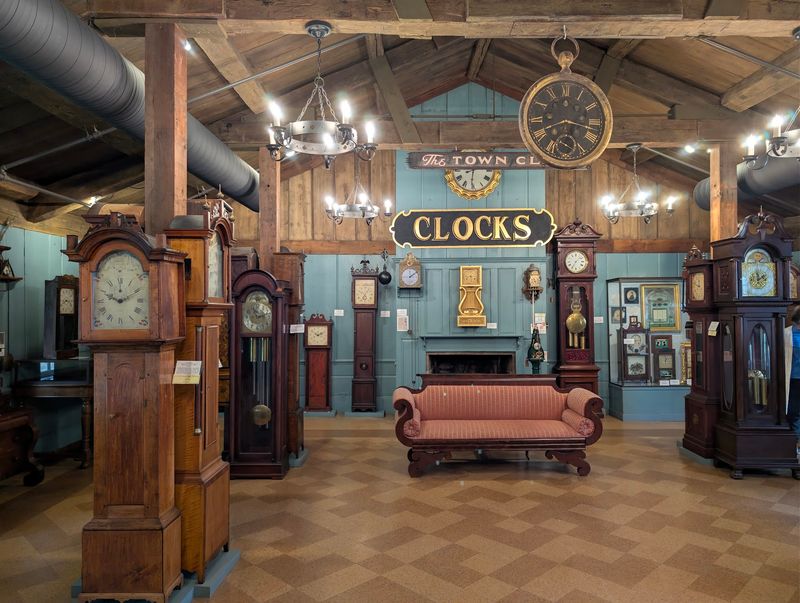
Arrive near the top of the hour and the building starts to sing. Hundreds of antique timepieces chime, strike, and tick inside the American Clock & Watch Museum, which fills the 1801 Miles Lewis House and its additions at 100 Maple Street in Bristol.
Bristol earned this museum honestly. During the 1800s the town and surrounding valleys were the clockmaking capital of America, turning out affordable shelf clocks by the wagonload and shipping them across the country and overseas.
Galleries trace that story through tall case clocks, painted wooden movements, mass-produced mantel clocks, novelty timepieces, and cases of pocket and wrist watches.
Displays explain how state makers used interchangeable parts and brass movements to drop prices so ordinary families could finally own a clock.
The collection numbers in the thousands, with a strong emphasis on state-made pieces, and the rooms feel more like a well-kept old home than a sterile gallery. A sundial garden outside adds a quiet spot to sit before or after the tour.
Plan on an hour or so, and consider visiting shortly before an hour mark for the full chorus effect. Hours are seasonal, so a quick call ahead is wise, especially in winter months.
6. Ballard Institute And Museum Of Puppetry, Storrs
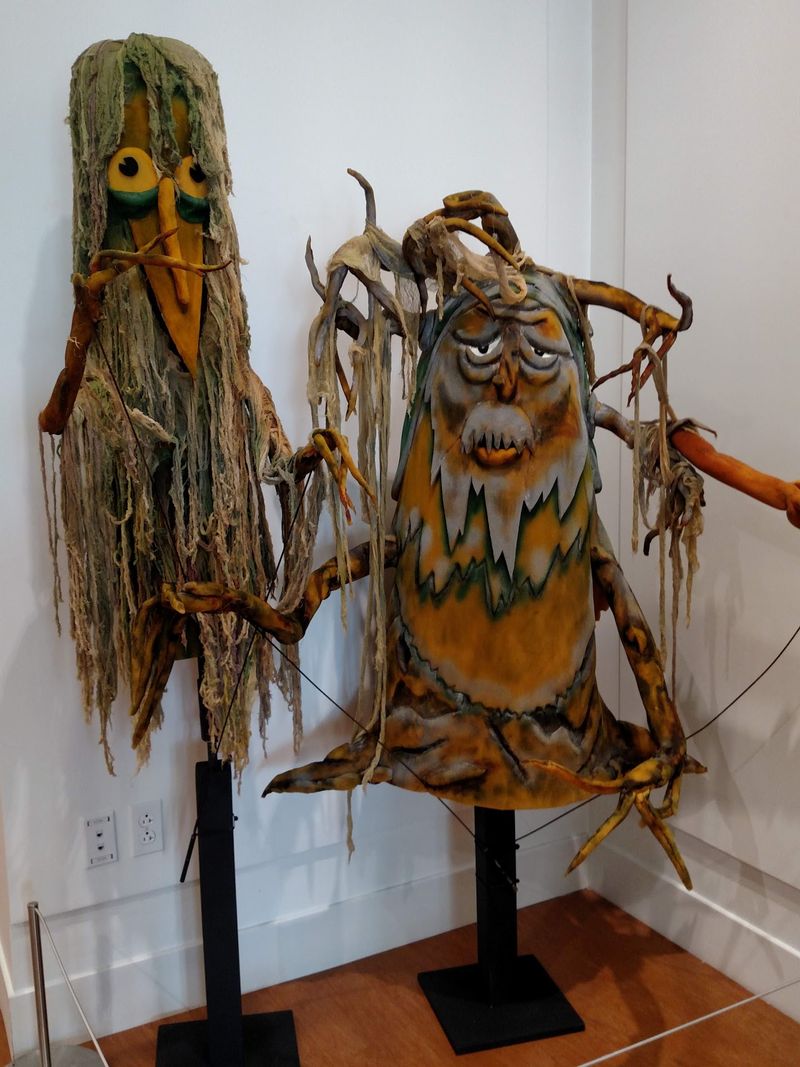
Puppets are serious business in Storrs. UConn has one of the country’s few puppet arts degree programs, with the Ballard Institute growing right alongside it.
The collection includes thousands of puppets, from hand and rod puppets to marionettes, shadow figures, and oversized parade characters, gathered from many countries and traditions.
Rotating exhibitions mean the galleries change, sometimes spotlighting a single artist, sometimes exploring television puppetry or a regional style like Indonesian shadow theater.
Because the museum sits inside Storrs Center at 1 Royce Circle, it is surrounded by shops and restaurants, which makes an afternoon visit easy to build around.
Live performances are a big part of the programming, with a small theater space hosting puppet shows aimed at families as well as workshops where visitors try building or operating figures themselves.
Admission has traditionally been free with donations welcome, and hours follow the university calendar more than a standard museum schedule, so checking the current listings matters.
Anyone who grew up on television puppets will recognize the craft here immediately, then discover how much wider the art form actually runs.
7. Museum Of Connecticut Glass, Coventry
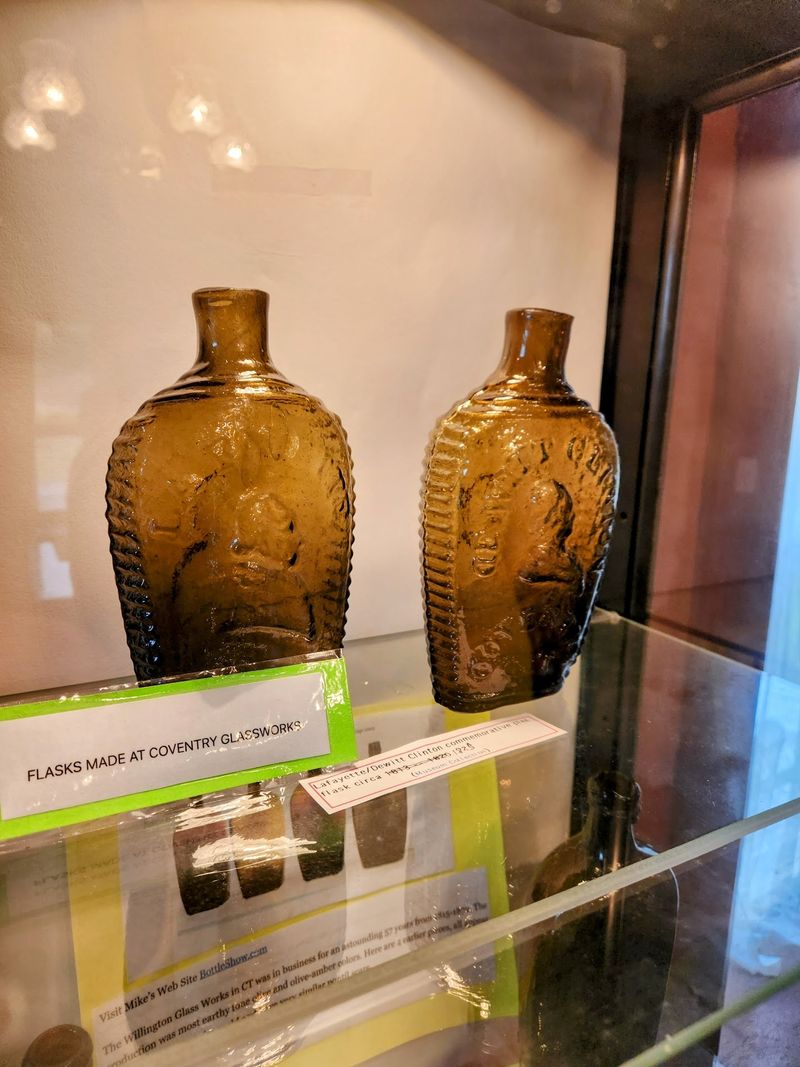
Long before the state made clocks and helicopters, it made bottles. Between roughly 1783 and 1900, more than a dozen glassworks operated across the state, producing bottles, flasks, window glass, and tableware in shades of amber, olive green, and aquamarine.
The Museum of Connecticut Glass exists to keep that industry from fading into a footnote. It occupies the historic Kingsbury-Nichols House at 290 North River Road in Coventry, a late eighteenth century home on a wooded property near where the Coventry Glass Factory once stood.
Displays feature bottles, flasks, and fragments recovered from factory sites, along with tools and photographs that show how glassblowers worked in intense heat with hand-held pipes.
Collectors come for details like mold marks and pontil scars, but casual visitors usually get hooked simply by holding the light behind a two-hundred-year-old bottle and seeing the color glow.
Operations depend on volunteers, and the museum is generally open on limited days during the warmer months or by appointment, so contacting the organization ahead is essential.
The setting itself is part of the reward, with an old house, quiet grounds, and a strong sense that the industry once happened right here rather than somewhere far away.
8. Museum Of Fife & Drum, Ivoryton
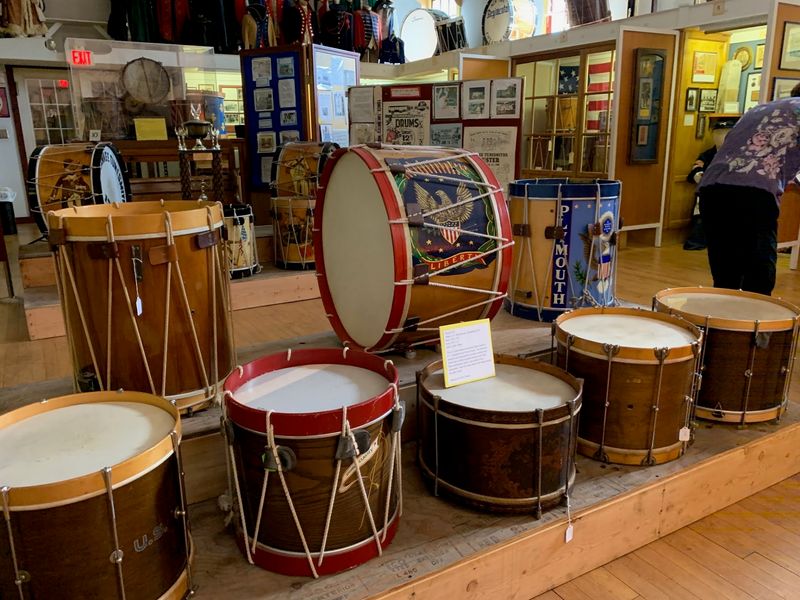
Marching bands with fifes and rope-tension drums may sound like something from a history textbook, but here they never stopped marching. The state is the heartland of the fife and drum corps tradition, and the Museum of Fife & Drum in Ivoryton documents it.
Run by the Company of Fifers & Drummers, the museum collects instruments, uniforms, sheet music, photographs, banners, and corps memorabilia stretching back to the Revolutionary era and forward through modern competitions and musters.
Drums are the visual stars, with painted shells and rope tensioning that look like folk art, while the fifes show how a simple wooden tube carried melodies across a noisy field. Exhibits explain how these instruments once signaled commands to soldiers before bugles and radios took over the job.
The building stands at 62 North Main Street in the Ivoryton section of Essex, close to the Ivoryton Playhouse and a short drive from the Connecticut River shoreline.
Hours are seasonal and typically limited to summer weekends or special events, and admission has generally been free with donations encouraged. Visiting during a nearby muster, when corps parade through town in period dress, turns the museum from a quiet gallery into a living soundtrack.
9. Connecticut Antique Machinery Association Museum, Kent
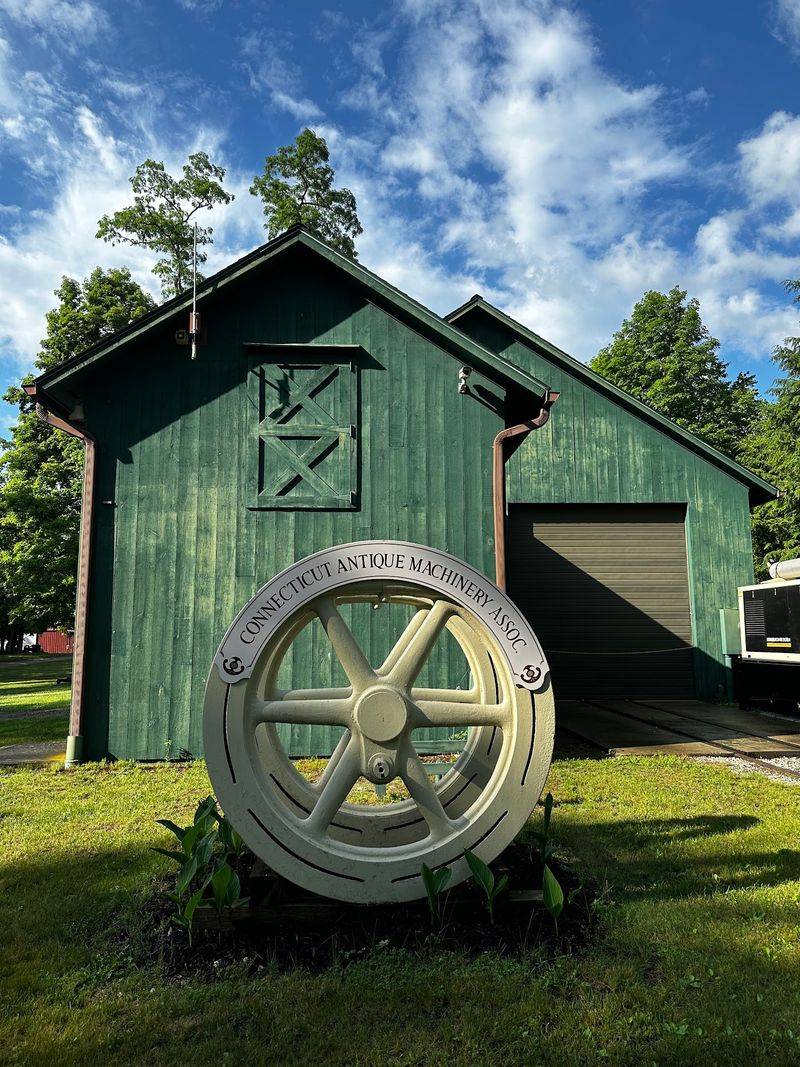
What happens when old tractors, steam engines, and locomotives are allowed to make noise instead of simply gathering dust? This eight-acre museum campus turns machinery history into something visitors can hear, watch, and explore up close.
Much of the collection is spread across separate buildings and outdoor displays, giving the grounds the feel of a working village. Exhibits cover antique farm equipment, gas and diesel engines, industrial machinery, and the state’s mining and mineral history.
The preserved Cream Hill Agricultural School adds an unexpected glimpse into 19th-century education, complete with period furnishings and learning materials.
The narrow-gauge railroad is another highlight, especially during special events when restored machinery comes back to life. Spring Powerup shows and other demonstrations are ideal times to catch engines running rather than resting silently.
Since the campus involves outdoor areas and uneven ground, comfortable shoes and cooperative weather make exploring easier. Pairing the museum with nearby Kent Falls can turn the outing into a fuller day in the Litchfield Hills.
The museum welcomes visitors at 31B Kent Cornwall Rd., Kent, CT 06757. With many machines and buildings packed together, visitors who arrive knowing nothing about engines may leave with a favorite.
10. Witch’s Dungeon Classic Movie Museum, Plainville
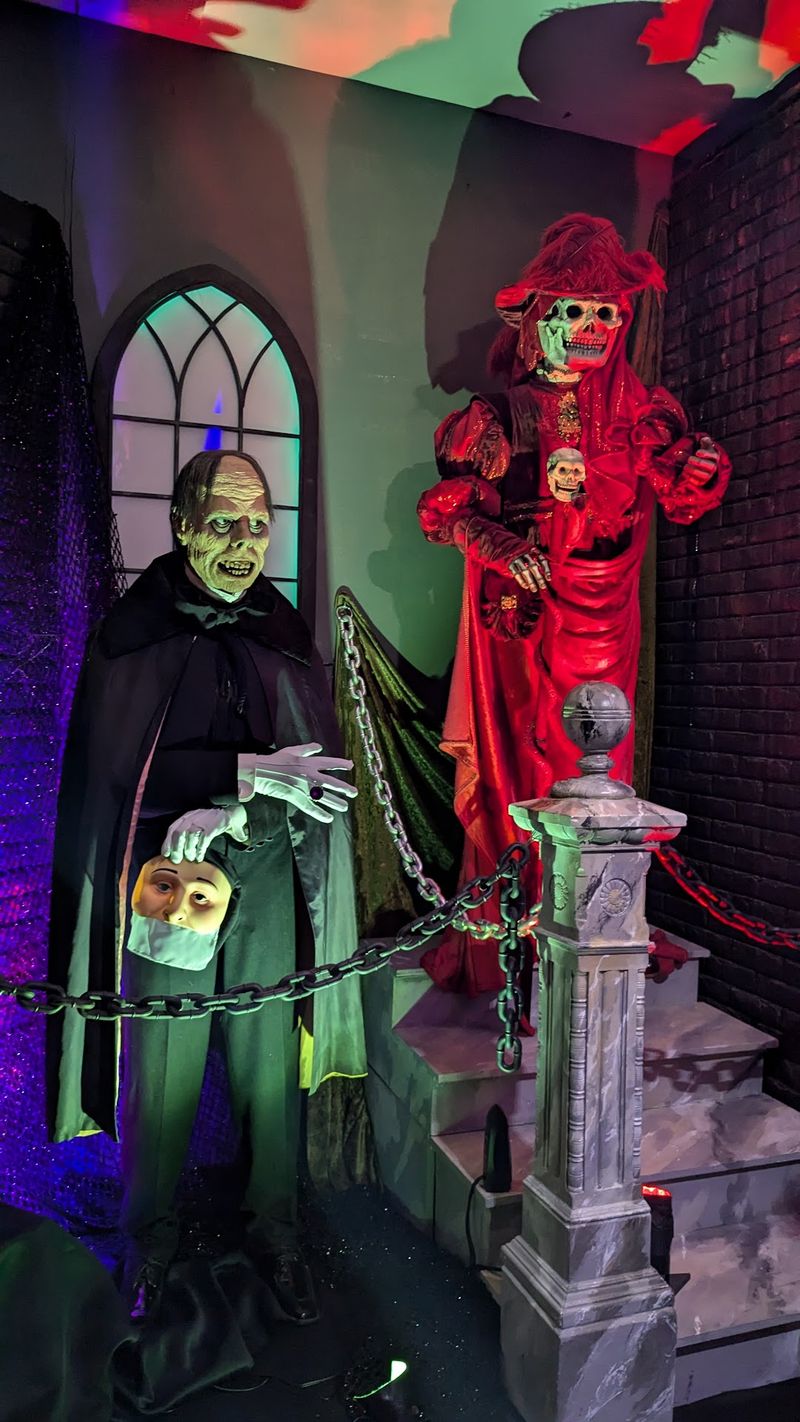
Life-size classic movie monsters standing in dim light, with fog curling around their feet, have been startling visitors since 1966.
The Witch’s Dungeon Classic Movie Museum began as a teenager’s Halloween project and grew into a long-running tribute to golden age horror and science fiction films.
Figures represent characters from movies like Frankenstein, Dracula, The Mummy, and The Phantom of the Opera, many built with careful attention to the original makeup designs and costumes.
What sets the presentation apart is the theatrical approach. Visitors move through in small groups with lighting, sound, and recorded narration, some of it voiced over the years by actors connected to classic films, making it feel closer to a walk-through show than a standard display of statues.
The museum has changed locations during its long history and now operates in Plainville at 103 East Main Street, with the collection also including movie props and memorabilia.
Opening times are famously limited, historically centered on the Halloween season and occasional special events, so checking current dates before making plans is necessary rather than optional.
It leans spooky rather than gory, which suits fans of old black-and-white monster films, though very young children may find the atmosphere a bit much.