9 Affordable Florida Road Trip Destinations That Will Go Easy On Your Wallet
A memorable road trip should leave you with stories, not a painful credit card statement.
Florida makes that possible with springs, beaches, historic streets, scenic drives, and outdoor stops that can fill an entire day.
Best of all, the fun does not depend on expensive reservations.
You can keep the cooler packed, follow whatever road looks interesting, and spend more time exploring than checking prices. That freedom makes a weekend feel wonderfully spontaneous.
Some destinations practically hand you an itinerary once you arrive. Others are better enjoyed slowly, with no real schedule at all.
Either way, these affordable escapes prove that a smaller budget can still create a road trip packed with color, curiosity, and plenty to remember.
1. Ocala National Forest
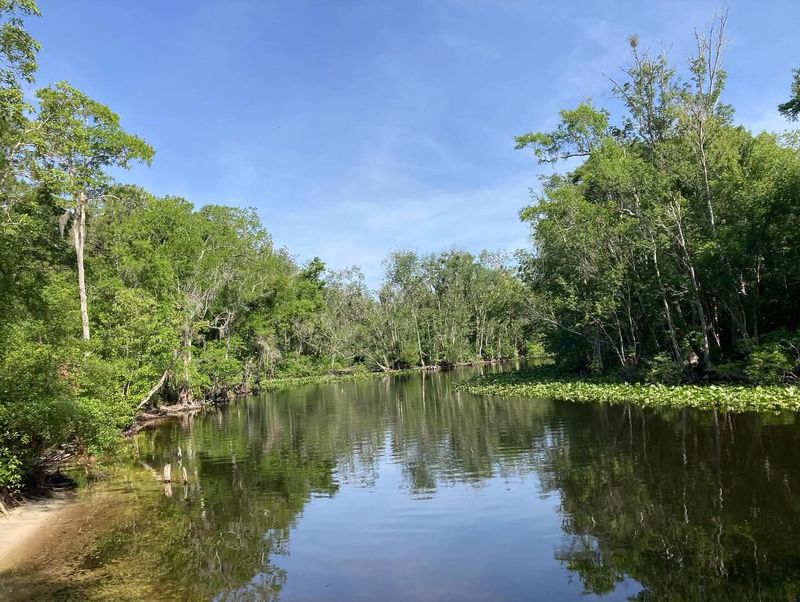
Just imagine for a second a wilderness where the water runs clear enough to count pebbles. Ocala National Forest, sitting near the city of Ocala, holds more than 600 lakes.
Alexander Springs welcomes swimmers and snorkelers for a small per-person fee. The bottom slopes gently, which makes it friendly for younger paddlers and beginners.
Certified scuba divers can also explore Alexander Springs, the only designated scuba-diving site in Ocala National Forest.
Juniper Springs pairs clear spring water with old-growth scenery and a historic millhouse. Day-use costs stay low, so a full day of floating remains easy on the budget. Bring a mask and you will see fish drifting right beneath you.
Silver Glen Springs shines turquoise and draws manatees during cooler months. Shaded picnic tables sit near the shoreline, perfect for a packed lunch. Kayakers glide out toward the run and often spot turtles sunning on logs.
Paddling routes wind through springs, lakes, and quiet waterways across the forest. Canoe rentals near the springs keep costs reasonable for a half-day trip. Morning launches usually mean calmer water and better wildlife sightings.
Here is a fun detail worth remembering. Ocala National Forest ranks as the southernmost national forest in the continental United States.
Sandy scrub trails wind through pine flatwoods where scrub-jays sometimes appear. Campgrounds outside the refuge can keep overnight costs lower while putting you within easy driving distance of Shell Mound and the surrounding marshes.
2. Cedar Key
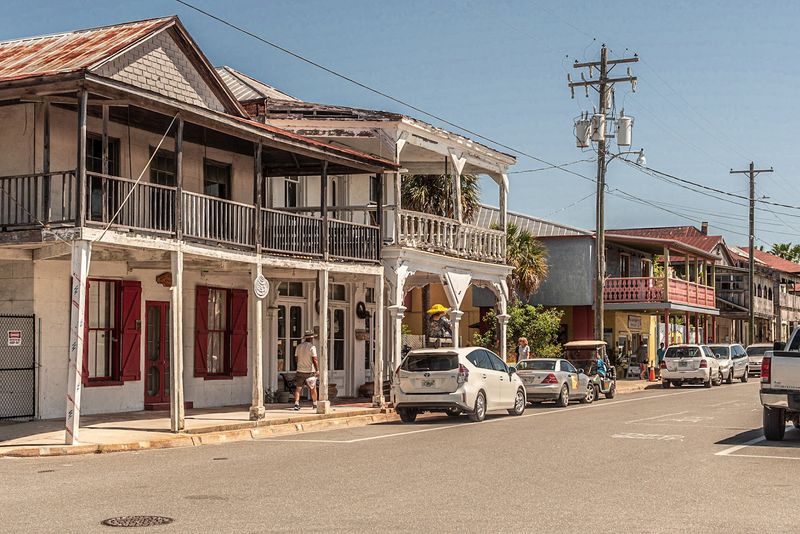
You could have knocked me over with a feather when I saw how little this island asks of your wallet. Cedar Key, a quiet town in Levy County, still moves at an Old Florida pace.
The whole downtown can be walked in under an hour. Weathered wooden storefronts line the streets, and Dock Street looks out over boats bobbing at the marina.
Art lovers do well here. Several galleries open their doors with no admission charge, showing paintings, pottery, and photography by island artists.
Camping nearby keeps overnight costs low. Sites close to the Shell Mound Unit put you within easy reach of the water and the marsh.
Just outside town lies the Lower Suwannee National Wildlife Refuge. Roughly 30 miles of protected coastline give birdwatchers plenty to scan with binoculars.
Hiking trails cut through hammocks and salt marsh, and paddlers can slip into estuary channels. Early mornings bring herons, ibis, and the occasional roseate spoonbill.
Shell Mound, part of the refuge, holds an archaeological trail built atop ancient shell deposits. A fishing pier there costs nothing to walk out on.
Kayakers often aim for Atsena Otie Key, a small island just offshore. Old ruins and a historic cemetery hide among the trees, remnants of a settlement once busy with a pencil mill.
Sunsets over the Gulf turn the whole waterfront orange, and nobody charges admission for that. Pack snacks, a hat, and patience for slow island rhythms.
3. Cocoa Beach
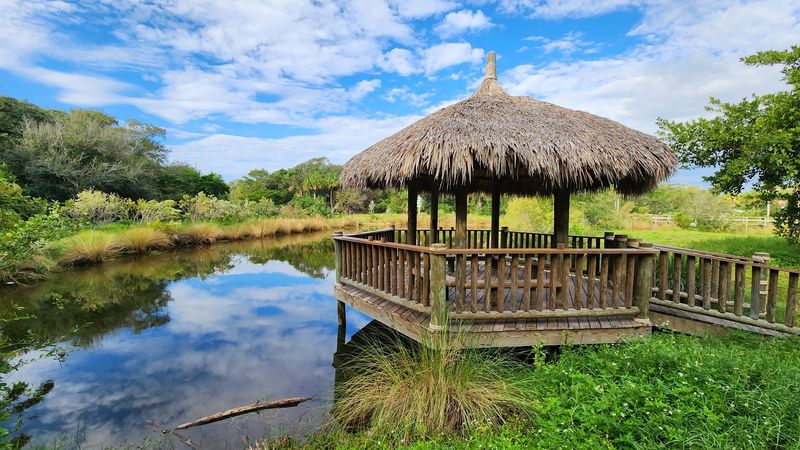
Cocoa Beach mixes surf culture with rocket watching, and both can be surprisingly inexpensive to enjoy.
Walking onto the beach costs nothing, but parking is a separate expense at many access points. Miles of soft sand stretch north and south, and sunrise over the Atlantic arrives free every single morning.
The pier stretches about 800 feet into the Atlantic. Anglers should check current pier fishing fees, but an individual saltwater license generally is not required when fishing from a properly licensed pier.
Rocket launches turn the whole shoreline into an outdoor theater. Cape Canaveral sits just up the coast, and public viewing areas let you watch liftoffs without buying a ticket.
Kennedy Space Center is roughly 20-plus miles away by road, making it a doable splurge day from Cocoa Beach. Plan it early, since exhibits and bus tours eat up hours quickly.
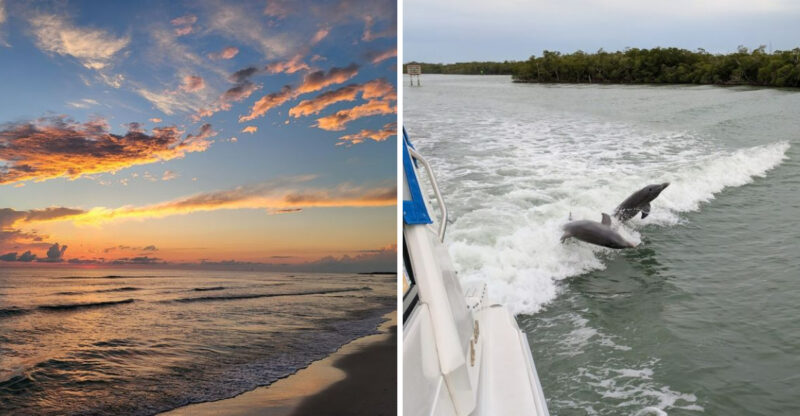
Wildlife shows up often. Dolphins surf the swells, manatees drift in the Banana River, and sea turtles nest on the beach during summer.
Merritt Island National Wildlife Refuge sits north of Cape Canaveral. Black Point Wildlife Drive offers alligators, wading birds, and marsh views for a modest refuge entrance fee.
Surfboard rentals stay reasonable, and the waves here suit beginners better than most Atlantic breaks. Lessons often run in groups, which trims the cost further.
Pack an umbrella, since shade is scarce along the open sand. A cooler helps too, because boardwalk snacks add up fast.
4. St. Augustine
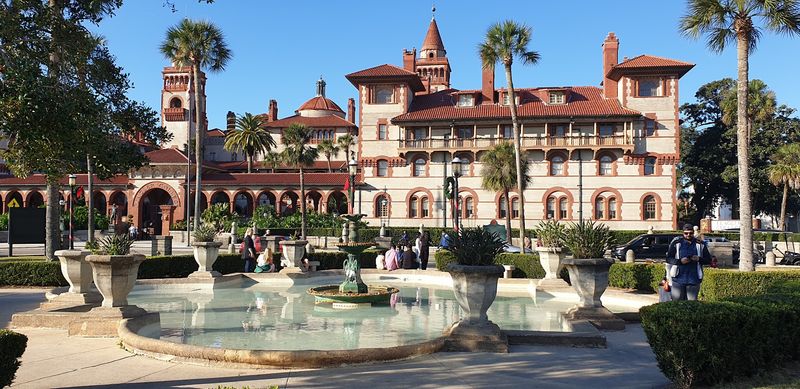
Centuries of history can fill a weekend without draining your savings.
St. Augustine is the oldest continuously occupied European-founded settlement in the continental United States, with centuries of history packed into its historic core.
Castillo de San Marcos charges entry to go inside the fort. The grounds around it, though, stay open at no cost, and the coquina walls look mighty from the outside.
A riverside walk along the Matanzas gives you breezes, cannons in view, and pelicans overhead. Bring a camera at golden hour for the best light on the ramparts.
The Lightner Museum fills the former Hotel Alcazar. Its courtyard and lower levels can be seen without a ticket, showing off Gilded Age arches and gardens.
About 14 miles south sits Fort Matanzas National Monument. Admission is free, and so is the short ferry ride to the 1740s Spanish watchtower, though free boarding passes are required and ferry service does not run on Tuesdays or Wednesdays.
The Cathedral Basilica dates to 1797 and welcomes people inside at no charge. Stained glass and carved details reward a quiet few minutes.
St. George Street runs pedestrian-only through the historic district. Window shopping, street musicians, and old coquina buildings make the stroll worthwhile.
Parking costs less if you leave the car outside the core and walk in. Comfortable shoes matter here, since those cobblestones are uneven by design.
Spring and fall bring milder air and thinner crowds. Book lodging slightly inland to trim nightly costs.
5. Anna Maria Island
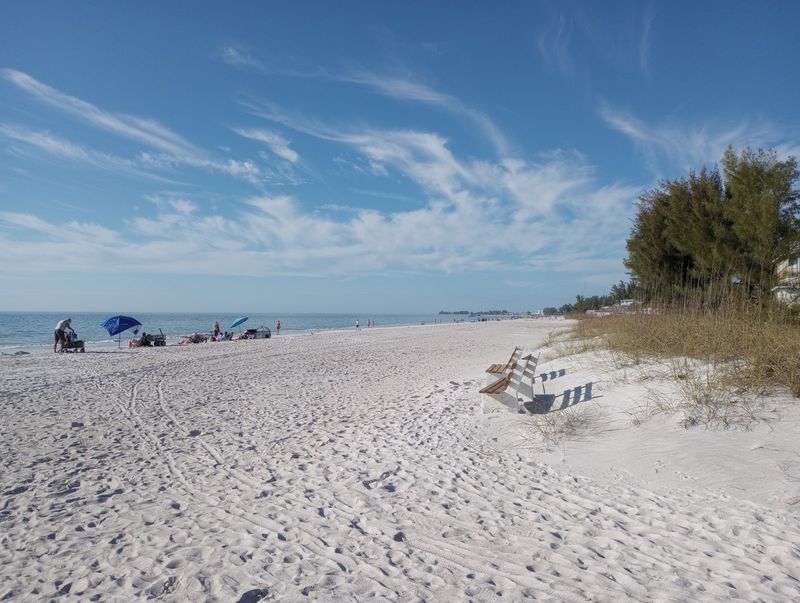
Here’s a budget perk worth noticing: free transportation runs the length of the island. Anna Maria Island keeps its skyline low, with pastel cottages instead of towers.
The island trolley travels the full length of the barrier island. It costs nothing to ride, stops every few blocks, and runs daily.
That single detail changes the math of a beach trip. Park once, then hop on and off between beaches, shops, and lunch stops without paying for gas or meters.
Manatee Public Beach and Coquina Beach both sit along the route. Restrooms, showers, and shaded picnic areas make long days easy.
Sunset at the Anna Maria City Pier, on the island’s northern end, ranks as the best free show around. Local musicians sometimes play while the sky turns pink over the water.
Shelling picks up after storms, especially in the early morning. Bring a mesh bag and check the tide chart before heading out.
Pine Avenue holds small boutiques and art galleries inside restored cottages. Browsing costs nothing, and the gardens along the street are worth a slow walk.
Bikes work beautifully here since the island stays flat and narrow. Rentals cost less than most parking situations on the mainland.
Weekday trips beat weekends for elbow room on the sand. Winter months bring cooler water but far calmer beaches.
Low buildings, warm water, and a trolley that asks nothing in return make this island a budget traveler’s happy accident.
6. Gainesville
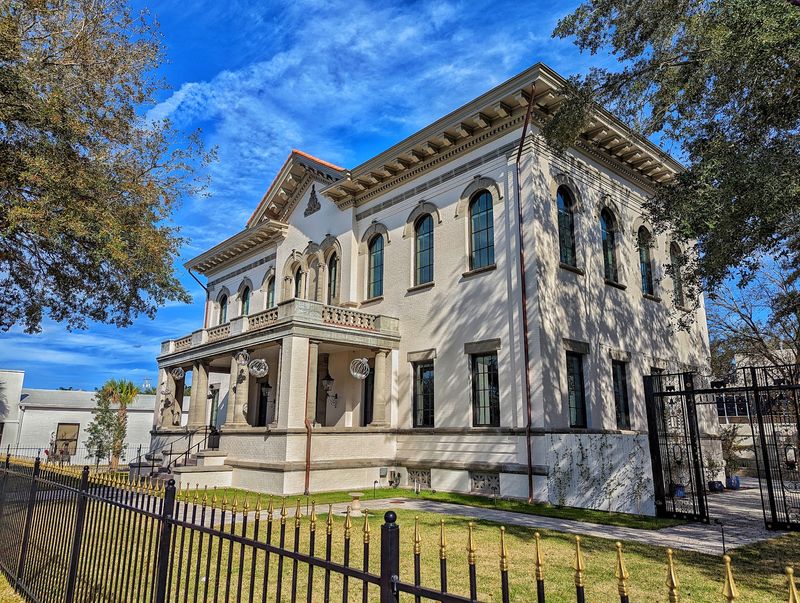
Let me be real for a second, a college town rarely tops nature lists. Gainesville quietly breaks that pattern with a dramatic sinkhole, free bat viewing, and plenty of low-cost outdoor stops.
Devil’s Millhopper Geological State Park protects a bowl-shaped cavity about 120 feet deep. Cool air, ferns, and trickling waterfalls create a miniature rainforest at the bottom.
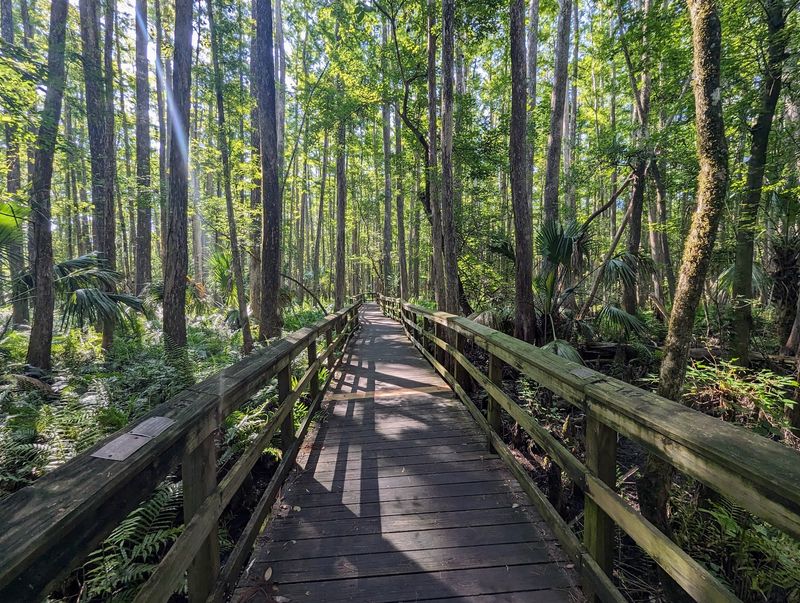
A boardwalk staircase descends into the sinkhole. Interpretive signs explain how limestone collapsed and how fossils turned up in the layers below.
The park carries National Natural Landmark status. Short loop trails above the rim add a pleasant stretch of shaded hiking.
Over on the University of Florida campus, the Florida Museum of Natural History would normally make another budget-friendly stop, but its public exhibits building is currently closed for a major expansion project.
The museum expects to reopen later in 2026, though an exact date has not yet been announced.
Downtown Gainesville brings affordable food, music venues, and coffee shops fueled by student budgets. Weekday specials often stretch a small amount of money surprisingly far.
Nearby, campus gardens and bat houses add more no-cost stops. At dusk, thousands of bats stream out over Lake Alice, which is quite a sight.
Parking near campus works best on weekends when lots open up. Cooler months keep the sinkhole trails comfortable and less humid.
Devil’s Millhopper Geological State Park sits at 4732 Millhopper Rd., Gainesville, FL 32653. Geology, fossils, and cheap tacos rarely share a single itinerary this neatly.
7. Mount Dora
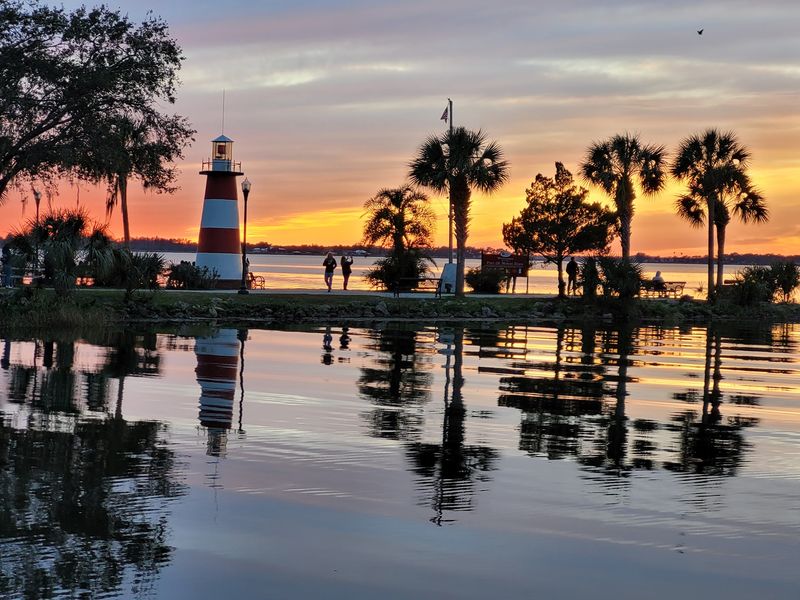
I am still trying to wrap my head around a calendar this packed. Mount Dora earned the nickname festival city, and it works hard to keep it.
Festivals, art fairs, craft shows, and antique events fill the calendar throughout the year. Many, including the Mount Dora Arts Festival and the Spring Festival of Arts and Crafts, cost nothing to attend.
Hundreds of artists and crafters set up along the streets during big weekends. Browsing painted canvases, jewelry, and woodwork fills an afternoon without opening your wallet.
Renninger’s Antique Extravaganza pulls in dealers from far beyond the county. Treasure hunters arrive early, coffee in hand, hoping for the good stuff.
Between events, the historic downtown holds its own. Brick sidewalks, oak shade, and small shops make wandering the main draw.
Lake Dora sits below the town center. Benches along the shoreline give you sunset views and passing boats for free.
Other events rotate through the year, including garden shows and classic car gatherings. Checking the town calendar before you drive up helps you time a trip well.
Some major festivals offer shuttle service from designated parking areas, so check the specific event’s parking plan before arriving. That saves both money and the headache of circling for a space.
Autumn and winter weekends bring the most comfortable weather. Mornings are quieter if crowds are not your thing.
8. Wild Florida, Kenansville
Are you seeing what I am seeing, a marsh full of wildlife bundled into one ticket? Wild Florida, out in Kenansville, offers several ticket types and packages that combine selected attractions.
Airboat tours skim across the Central Florida Everglades headwaters. Wind in your face, sawgrass on both sides, and alligators watching from the shallows.
Guides point out eagles, herons, and hawks as you go. Ear protection comes with the ride, since those engines roar.
Combo tickets usually include the Gator Park. Over 200 native and exotic animals live there, from snakes and sloths to big bull alligators.
Hands-on alligator demonstrations run throughout the day. Kids learn how the animals hunt, breathe, and survive summers.
Some packages add a self-guided drive-thru safari park. You stay in your own vehicle while more than 150 exotic animals roam nearby.
Zebras, bison, and wildebeest wander close to the road. The self-guided route gives everyone in the car a close look at the animals along the way.
Bundled admission can help with the budget. A Drive-Thru Safari ticket currently includes the Alligator Park, while airboat tickets also include Alligator Park admission.
Morning slots tend to bring cooler air and more active animals. Afternoon storms are common in summer, so early booking pays off.
Bring sunscreen, a hat, and closed shoes. Boardwalks in the park sit in full sun most of the day.
9. Jonathan Dickinson State Park, Hobe Sound
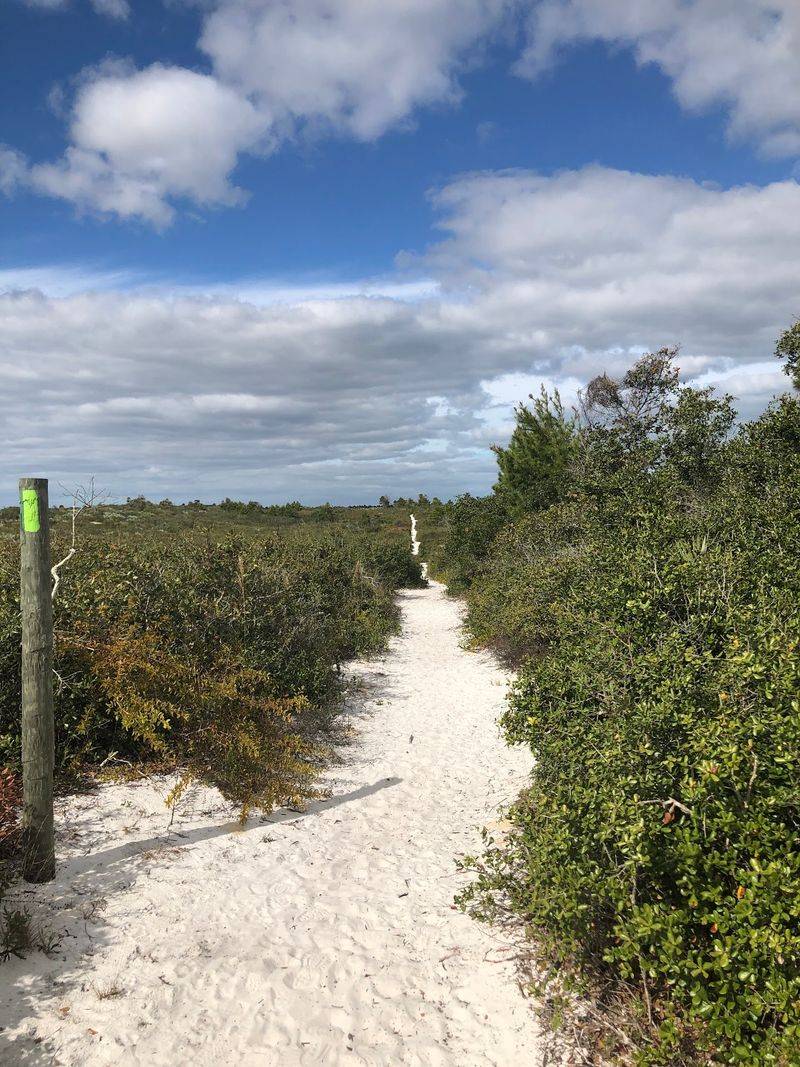
Manatees show up on this river regularly. Jonathan Dickinson State Park, tucked into Hobe Sound, ranks as the largest state park in southeast Florida.
Entrance fees stay low, which makes a full day outdoors an easy call. Coastal sand hills, scrub forest, and river swamp all sit within the same boundary.
The Loxahatchee River runs through the middle of it. It holds the title of the state’s first federally designated Wild and Scenic River.
Visitors can launch their own canoes, kayaks, or paddleboards from the park, but on-site paddling rentals are currently unavailable. Paddlers glide beneath cypress trees while ospreys circle overhead.
Manatees surface often in cooler months, along with wading birds and bald eagles. Turtles line up on fallen logs like they paid for seats.
Trails stretch for miles through pine flatwoods and sand pine scrub. Cyclists get their own routes, and the terrain stays mostly flat.
Trapper Nelson’s historic site sits upriver and is currently accessible by personal watercraft Wednesday through Monday; regular park boat tours are unavailable. The story of the Wildman of the Loxahatchee draws curious paddlers year after year.
Hobe Mountain holds an observation tower built atop an ancient sand dune. Climbing it gives sweeping views out toward the Atlantic.
Camping inside the park stretches a road trip budget nicely. Sites fill fast in winter, so reserve ahead.
Bring bug spray for dusk and plenty of water for the trails. Jonathan Dickinson State Park is located at 16450 SE Federal Highway, Hobe Sound.