Alabama Is Home To A Beautiful Botanical Garden With Free Admission
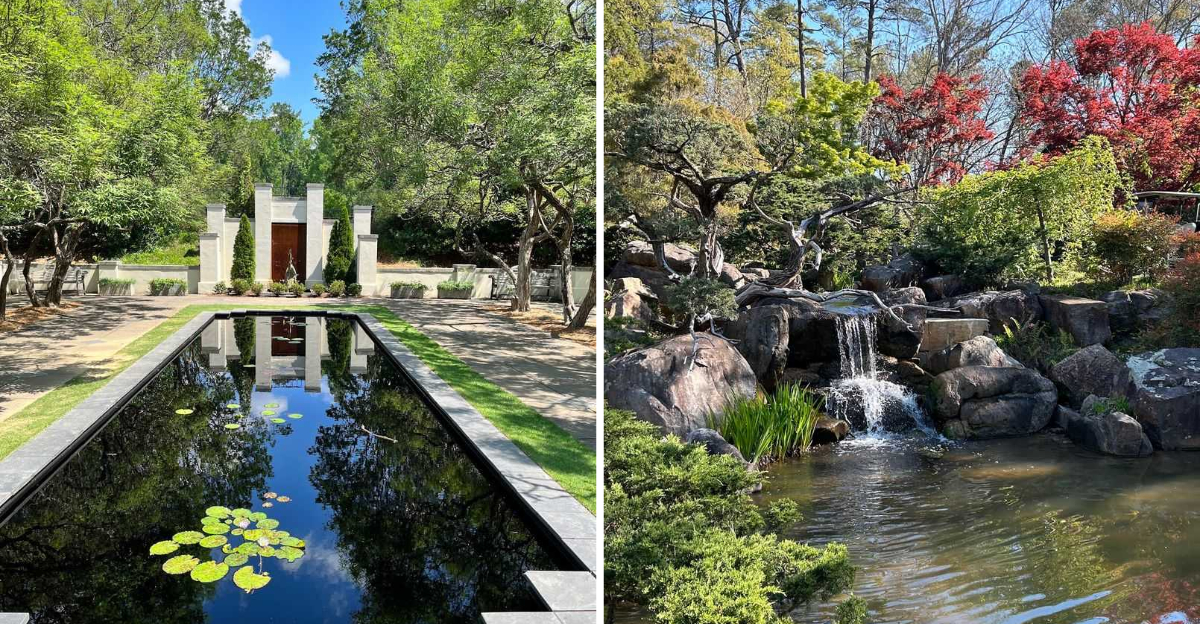
Free admission usually comes with modest expectations. This garden completely ignores that rule.
Spread across dozens of beautifully landscaped acres in Alabama, it invites you to wander through themed gardens, tropical conservatories, peaceful walking paths, and colorful displays.
The best part? Not spending a penny at the gate!
Every turn reveals something different. One path bursts with flowers, while another feels like stepping into a completely different climate.
You don’t need to know the names of the plants to enjoy it.
Just take your time, look around, and let the place surprise you. It’s remarkably easy to lose an entire afternoon here.
A Flourishing History Rooted In Vision
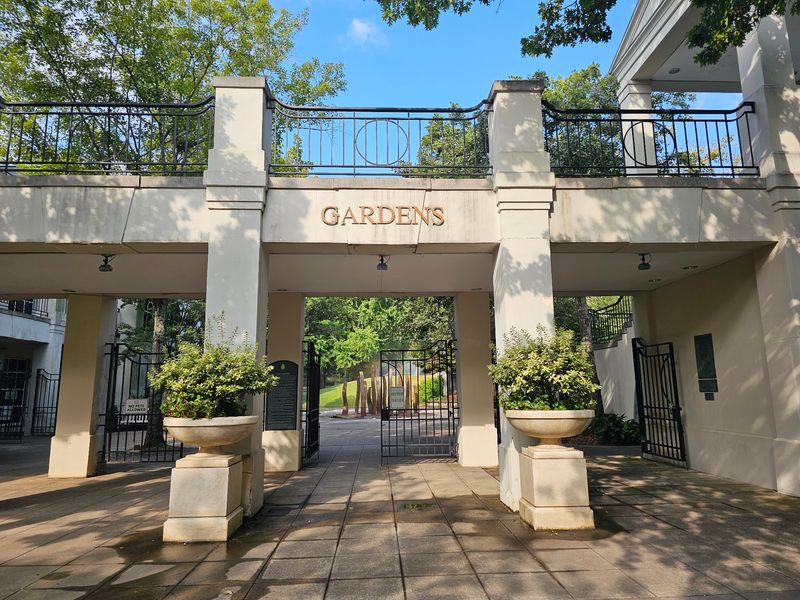
Back in 1961, a bold idea took root in the heart of Birmingham.
Then-Mayor James W. Morgan saw a stretch of unused city property and imagined something far greater than an empty lot.
He wanted a place where every resident could connect with nature, learn about plants, and find peaceful refuge from city life.
Mayor Morgan sought guidance from some of North America’s finest botanical minds. He eventually commissioned Dr. Henry E.Teuscher, a distinguished curator from Montreal’s Botanical Gardens, to draft a master plan.
That collaboration shaped everything you see at the Birmingham Botanical Gardens today, from the layout of its winding paths to the placement of its garden rooms.
The gates officially opened to the public in 1963, welcoming visitors to what would become Alabama’s largest living museum. Just one year later, the Birmingham Botanical Society was established to support the growing site.
That organization, later renamed the Friends of Birmingham Botanical Gardens in 2003, continues to play a critical role in fundraising and preservation.
You will find this remarkable destination at 2612 Lane Park Rd in Birmingham, right in the city’s southern neighborhoods.
67 Acres Of Pure Botanical Wonder
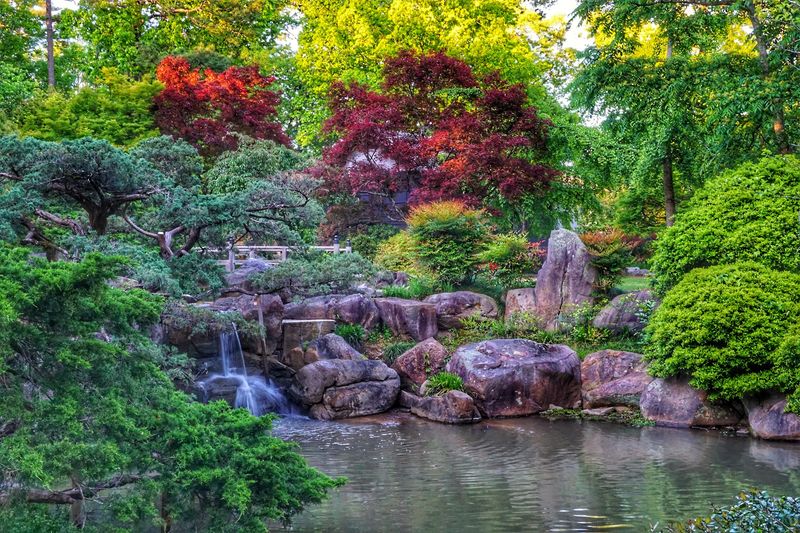
Sixty-seven and a half acres sounds like a number until you actually start walking it.
At Birmingham Botanical Gardens, those acres unfold into more than 25 distinct garden spaces, each one carefully designed to showcase a different corner of the plant world.
The sheer variety on display here makes every visit feel like a new adventure, even for those who have been many times before.
Over 10,000 different plant species thrive across these grounds, creating a constantly shifting palette of color, texture, and fragrance throughout the year.
From formal rose arrangements to wild woodland settings, the landscape never stays the same from season to season.
Spring brings blooms so vivid they almost feel unreal, while summer offers deep green canopies that shade the walking paths from Alabama’s warm sun.
The thoughtfully maintained trails weave through microclimates that support plants from vastly different parts of the world. This diversity makes the gardens an invaluable resource for horticulturists, educators, and curious visitors alike.
The Iconic Glass Conservatory Inside
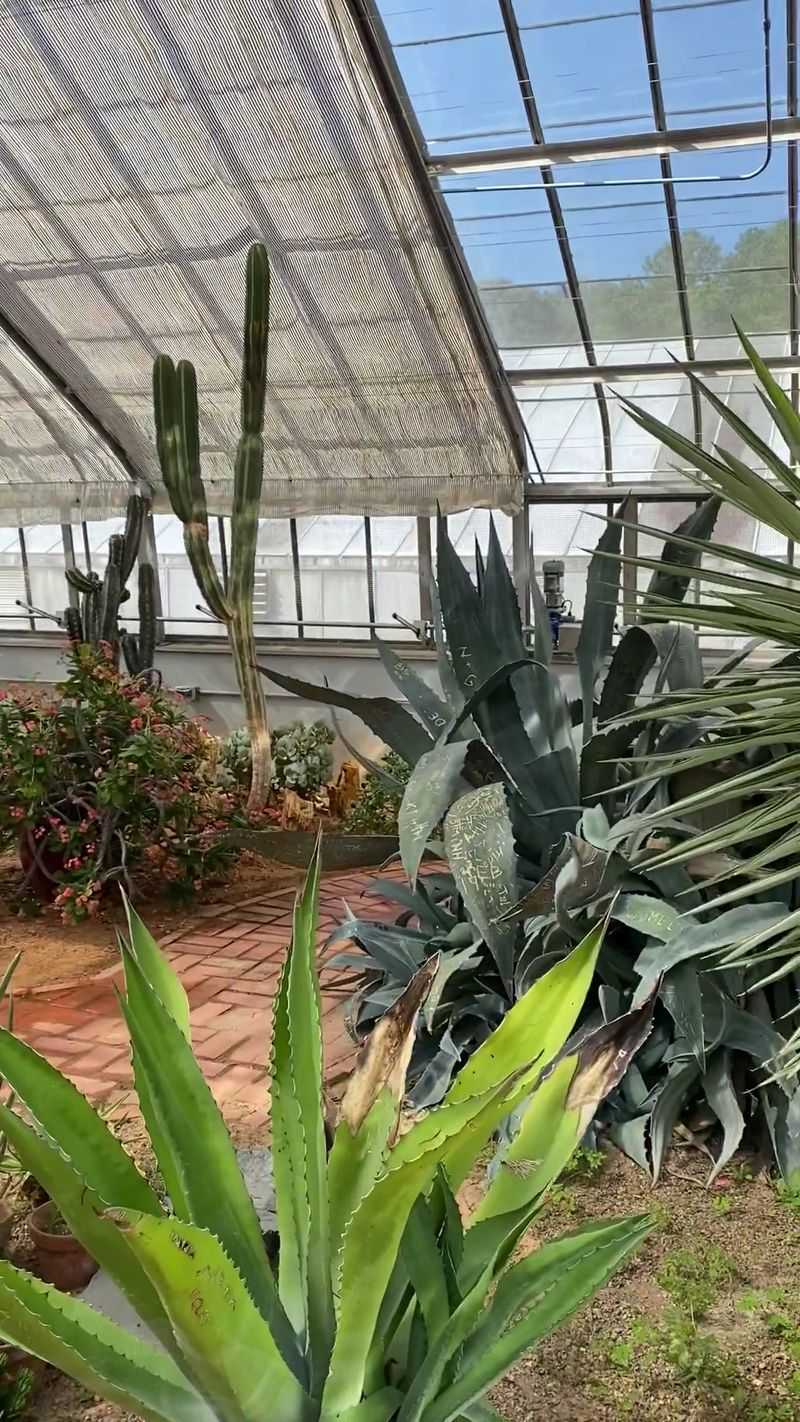
There is something almost magical about pushing open a glass door and walking straight into a tropical rainforest while you are standing in the middle of Alabama.
The Conservatory at Birmingham Botanical Gardens has been doing exactly that since it was built in 1962, manufactured by the renowned glasshouse company Lord and Burnham. It remains one of the most visually striking structures on the entire property.
Three distinct environments live under this iconic glasshouse roof. The tropical house brims with lush exotic flora, including vanilla orchids and banana trees that offer a glimpse into humid equatorial climates.
Right next door, the desert house shifts the mood entirely, showcasing arid species from places like the Sonoran Desert and South Africa, where plants survive on very little water and a lot of resilience.
The third space is a fragrant citrus house that fills with an intoxicating aroma of blossoms during winter months, long before summer fruits appear. Just outside the Conservatory, a charming Floral Clock adds a whimsical touch to the surroundings.
The Japanese Garden’s Quiet Magic
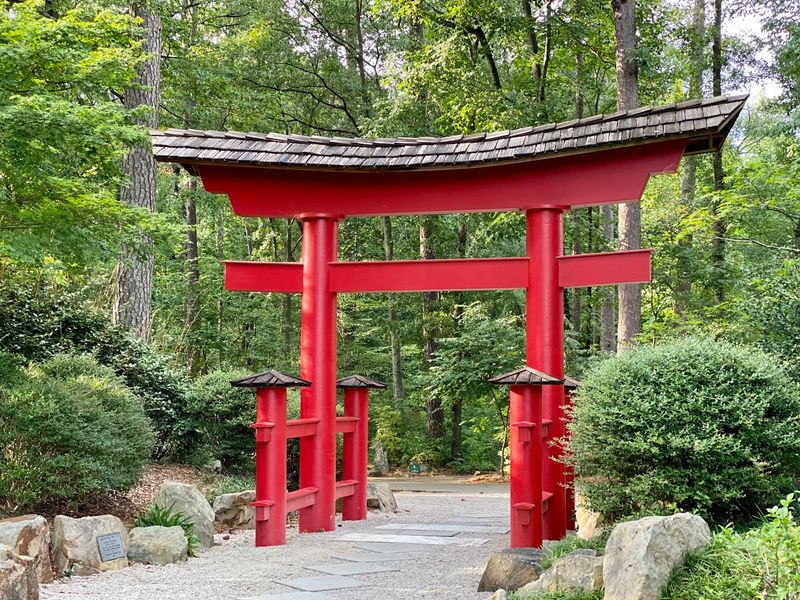
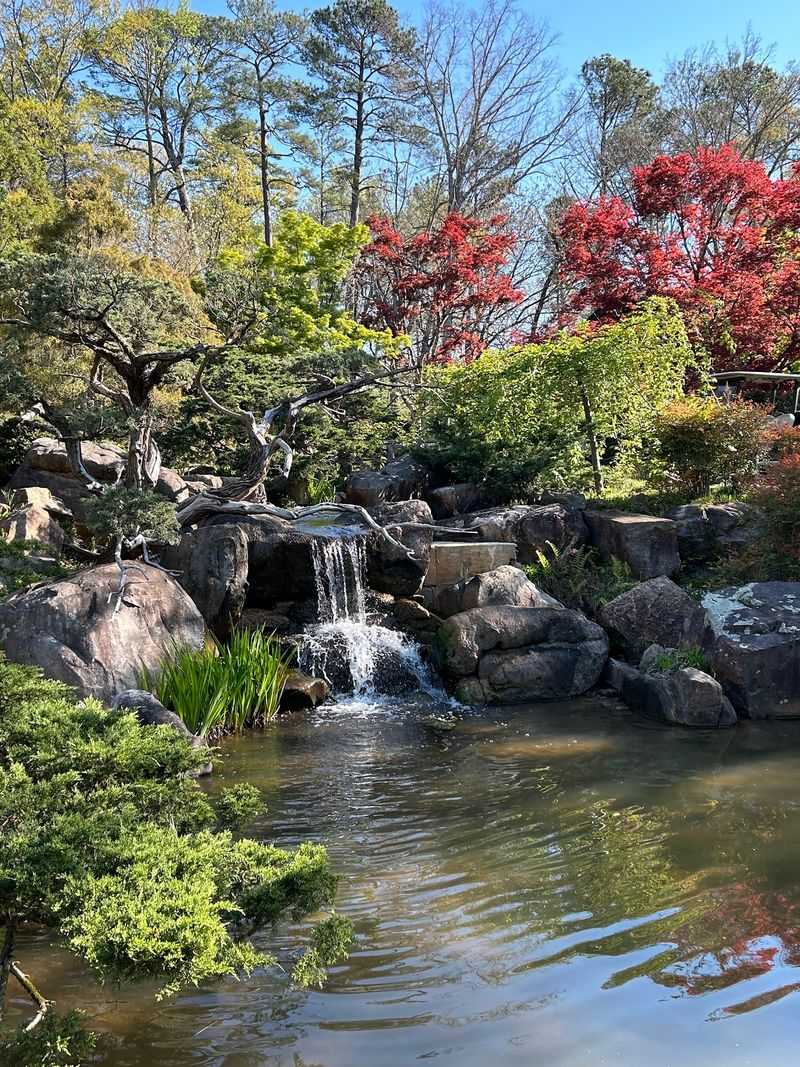
This serene space, which officially opened in 1967, was designed with deep respect for traditional Japanese garden principles.
Every element, from the gracefully pruned shrubs to the carefully placed stone lanterns, works together to create a landscape of profound calm.
The koi ponds are an undeniable highlight. Visitors of all ages find themselves lingering on the wooden bridge, watching brightly colored koi and turtles glide through the water below.
The reflecting pool area holds a quietly beautiful sculpture of Echo, the mountain nymph from Ovid’s Metamorphoses, seated beneath a canopy of Japanese maples.
A historically significant tea house, originally brought to Birmingham from the New York World’s Fair, adds another layer of cultural richness to this garden room.
The bamboo groves and water features create natural sound barriers that soften the outside world completely. Many visitors say this section alone is worth the entire trip, and it is easy to understand why.
Spend time here in the early morning when the garden is quiet and the light filters gently through the maples.
Native Plants And Wildflower Glory
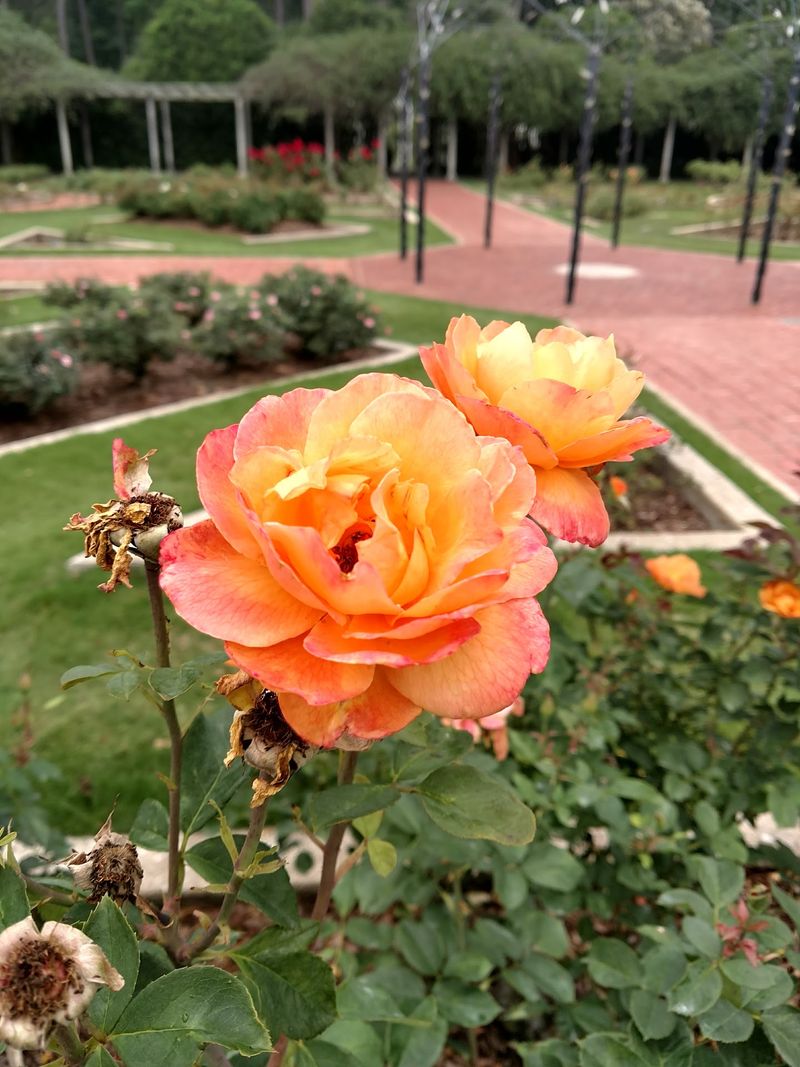
Few garden spaces carry as much ecological meaning as the Kaul Wildflower Garden.
Established in the early 1960s by passionate advocates including Mrs. Bobbe Kaul, this remarkable area was built from the rubble of a former rock quarry.
What was once industrial debris became a thriving showcase of more than 275 native plant species, celebrating the biodiversity that makes this state so botanically rich.
Among the plants growing here, you can find the longleaf pine, which happens to be the state’s official state tree. The garden also shelters the rare Boynton oak, a species that draws botanists and plant enthusiasts from around the region.
An adjacent area replicates the Bibb County Glades, a fascinating botanical environment described as a “botanical lost world” that is home to 61 rare plant species found almost nowhere else.
This garden carries a strong conservation message without ever feeling like a lecture. The rocky terrain and naturalistic planting style make it feel genuinely wild, like a preserved piece of the landscape rather than a curated display.
Sculpture, Art, And Garden Paths
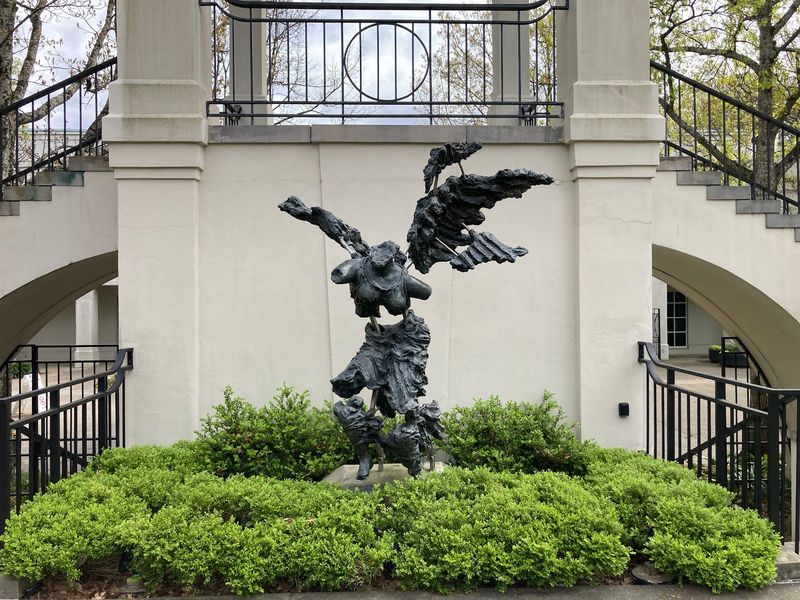
Not every art gallery has a sky for a ceiling and birdsong for background music.
At Birmingham Botanical Gardens, more than 30 original outdoor sculptures are placed throughout the grounds, turning a garden stroll into something that also engages the mind and imagination.
Each piece is thoughtfully positioned to complement its natural surroundings rather than compete with them.
Some sculptures stand in open clearings where they catch the full light of the Alabama sun. Others are tucked into shadier corners, partially framed by foliage, creating a sense of discovery as you round a bend in the path.
The interplay between human-made form and organic growth gives the gardens a dynamic quality that changes with every season as plants grow, bloom, and recede around the fixed art pieces.
The walking paths themselves deserve recognition as part of the overall design. Miles of well-maintained trails wind through the property, many of them hard-surfaced and wide enough to feel accessible and inviting.
Benches and swings are scattered along the routes, offering spots to rest, reflect, or simply watch the world grow around you.
America’s Largest Public Horticulture Library
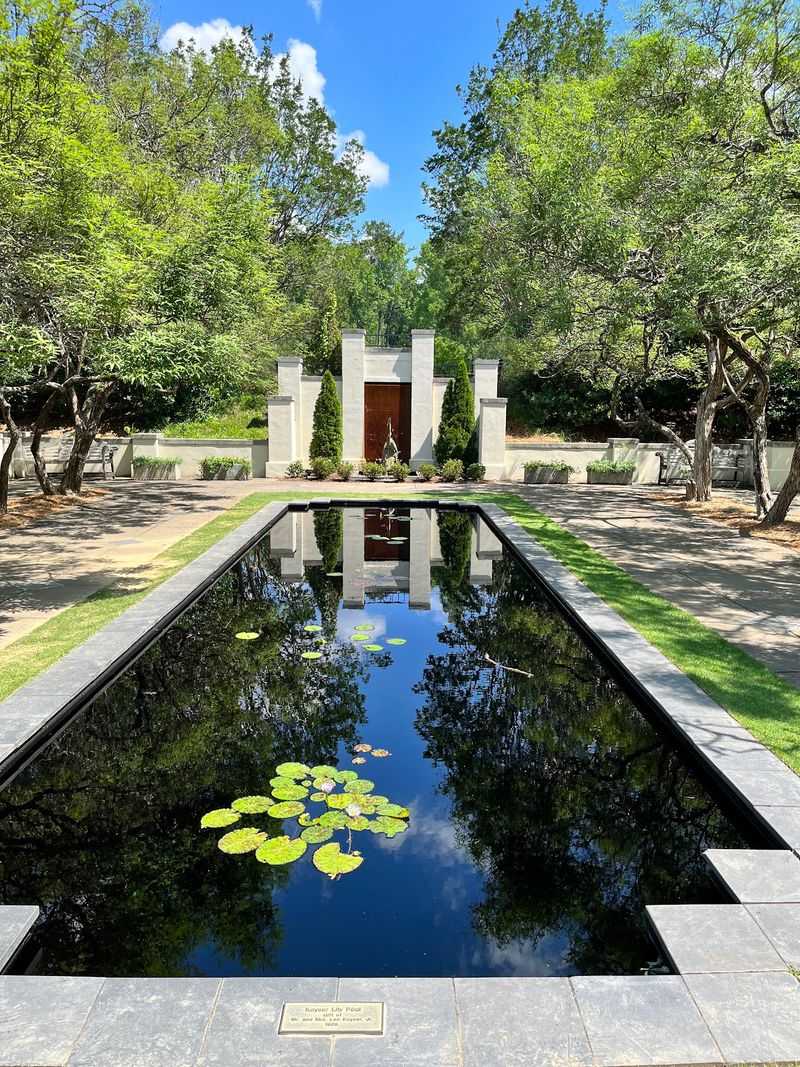
Most botanical gardens offer plants. Birmingham Botanical Gardens also offers knowledge, housed in the largest public horticulture library in the entire United States.
That is not a small claim, and the collection backs it up impressively. Over 14,000 items fill the shelves, including books, audiobooks, and DVDs covering every imaginable aspect of gardening, botany, and plant science.
The library serves a wonderfully wide audience. Novice gardeners will find beginner-friendly guides alongside advanced texts used by professional horticulturists.
Children’s sections include engaging teaching materials designed to spark curiosity about the natural world from an early age.
A unique seed exchange program encourages community members to share and cultivate native plants, fostering a deeper connection between local residents and Alabama’s rich botanical heritage.
This resource elevates the gardens from a visual experience to a truly educational one. You can spend a rainy morning browsing titles, borrowing a book on Alabama native plants, or swapping seeds with fellow gardening enthusiasts.
The library reinforces the gardens’ broader mission, which goes well beyond growing beautiful things. It is about building knowledge, sharing it freely, and inspiring the next generation of plant lovers.
Programs, Events, And Family Fun
A botanical garden that only offers plants to look at is missing a huge opportunity.
Birmingham Botanical Gardens understands this completely, running a rich calendar of educational programs, seasonal events, and community activities throughout the year.
Young children benefit from a free weekly Storytime at the Gardens, a program designed to connect early literacy with a love of the outdoors.
School groups from across Alabama take part in free Discovery Field Trips organized by the Friends of Birmingham Botanical Gardens, with hands-on learning experiences aligned to state educational standards.
Adult classes cover gardening techniques, plant sciences, and sustainable practices, drawing participants who want to deepen their knowledge beyond what any book can offer.
Seasonal plant sales are a beloved community tradition, drawing enthusiastic gardeners in search of unusual species and locally grown varieties.
The Bruno Vegetable Garden serves as a living classroom for sustainable growing, demonstrating cover crops and seasonal plantings in a way that anyone can learn from.
Throughout the year, special events animate different corners of the property, giving regular visitors fresh reasons to return.