Alabama Is Home To The World’s Biggest Space Museum And It’s Truly Incredible
I grew up believing museums were quiet places. Glass cases, dim lighting, a gift shop at the end.
Then I visited one spot in Alabama and everything I thought I knew fell apart. Rockets taller than buildings.
Real hardware that left this planet and came back. Simulators that push your stomach somewhere near your throat.
I walked out hours later with sore feet and a head full of stars. My camera roll doubled before I even reached the second building.
This is not a stop you squeeze in before lunch. It demands a full day and rewards every minute of it.
Families come for the kids and leave arguing about who had more fun. Alabama holds the largest space museum on Earth, and most travelers still drive right past it.
Once you know it exists, ignoring it becomes impossible.
The Saturn V Rocket That Will Make Your Jaw Drop
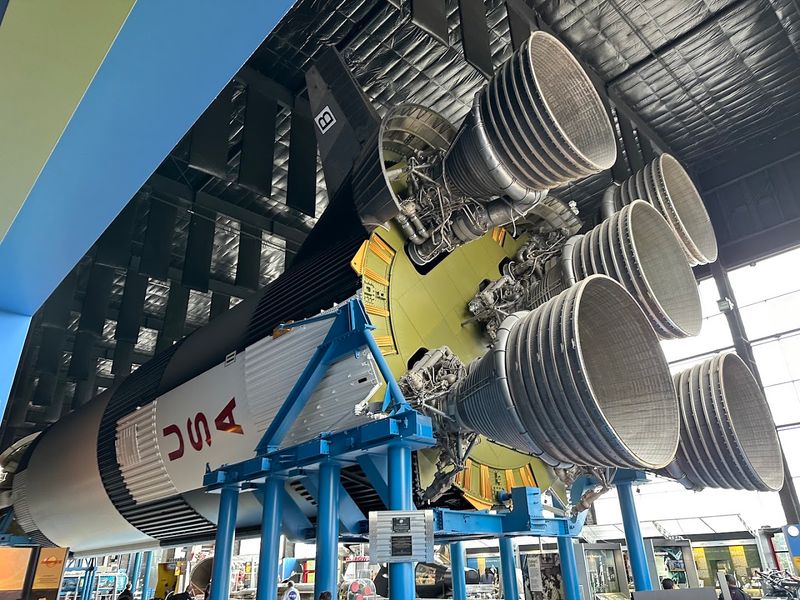
Standing beneath a real Saturn V rocket is one of those moments that rewires your brain permanently. It is 363 feet long, and you can walk the entire length of it inside the Davidson Center for Space Exploration.
This is not a replica or a model. It is one of only three remaining Saturn V rockets on Earth, and it is a National Historic Landmark.
The sheer size of it makes everything else feel small.
The Davidson Center opened in 2008 and spans 68,000 square feet, built specifically to house this rocket. Every panel, engine, and stage is right there above you, close enough to study the details.
Engineers who worked on the Apollo program sometimes visit and share stories near this exhibit. That kind of living history is rare and genuinely moving.
You can spend a full hour just walking the length of it and reading every placard. This is the crown jewel of the U.S.
Space and Rocket Center, located at 1 Tranquility Base, Huntsville, AL 35805.
The World’s Only Full-Stack Space Shuttle Display
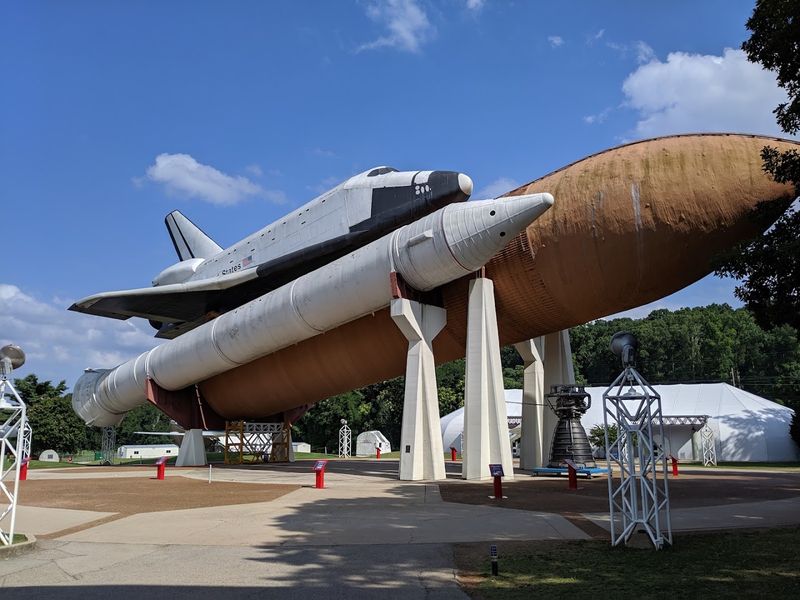
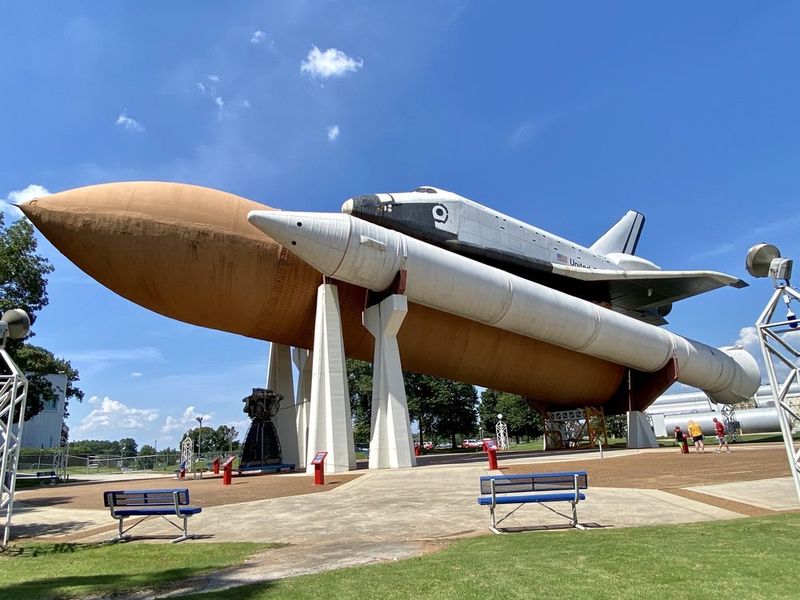
Nowhere else on the planet can you see a complete Space Shuttle stacked exactly as it launched. The Pathfinder orbiter stands tall alongside its solid rocket boosters and a full external tank.
This setup is unique to this spot, and that fact alone makes it worth the trip. Most shuttle displays show just the orbiter.
Seeing the full configuration changes your understanding of the launch entirely.
The sheer height of the stack is staggering when you stand next to it outside. You realize very quickly why astronauts described launch day as the most intense experience of their lives.
Pathfinder itself was an engineering test vehicle used to practice the logistics of moving and stacking shuttle components. It never flew to space, but it played a critical role in making those missions possible.
The outdoor exhibit area gives you room to step back and take in the whole picture. It is the kind of display that photographs can never fully capture, no matter how good your camera is.
The INTUITIVE Planetarium That Blows Every Expectation
Picture lying back in a reclining seat while 8K laser projection fills a 67-foot dome above you with the cosmos. That is exactly what the INTUITIVE Planetarium delivers every single show.
It opened in 2019 and immediately became one of the most talked-about features at this attraction. The Digital Dome Experience is unique in the entire Southeast region, which means you genuinely cannot get this anywhere nearby.
Shows cover topics like the James Webb Space Telescope, black holes, and deep space exploration. The sound system matches the visuals, which means the experience hits on multiple sensory levels simultaneously.
One smart tip is to check showtimes when you buy your ticket at the counter. Scheduling your planetarium visit early in the day helps you avoid selling out, since shows fill up faster than most visitors expect.
The planetarium also hosts live entertainment and theater experiences beyond standard astronomy shows. Plan at least 45 minutes for the show itself, and arrive a few minutes early to grab a good seat in the dome.
Dare To Explore Puts Next-Generation Space Tech On Full Display
Future space travel is not science fiction anymore, and this exhibit proves it with hardware you can actually stand next to. The Dare to Explore: Frontiers of Space section focuses entirely on current and upcoming space technologies.
A 1/10th scale model of NASA’s Space Launch System rocket anchors the exhibit with serious visual impact. Nearby, a Boeing Starliner Pressure Capsule and a ULA Vulcan rocket model show exactly where commercial spaceflight is heading.
Blue Origin’s BE-3U and BE-4 engines are part of the display too. Seeing those engines in person makes the recent surge of private space companies feel much more concrete and real.
This exhibit is especially good for older visitors who already know the Apollo story and want to understand what comes next. The balance between historical context and forward-looking content is handled really well throughout this section.
Every label is written clearly enough for younger visitors to follow along without losing the technical depth that space enthusiasts appreciate. It is one of the most current and frequently updated sections in the entire museum.
The Mars Exploration Exhibit That Feels Like Another World

Walking through the Discovering Mars: Robot Explorers exhibit feels genuinely surreal. Full-scale models of Sojourner, the Mars Exploration Rovers, and Curiosity are positioned across the floor like they just rolled in from the red planet.
The InSight Mars Lander and Ingenuity helicopter models are also part of the display. Seeing Ingenuity in person gives you a real appreciation for how small and clever that little helicopter actually is.
Each rover is paired with detailed information about its specific mission and scientific discoveries. You leave this exhibit understanding not just what the rovers look like but why each one mattered to planetary science.
The exhibit does a great job of showing the progression of Mars exploration over decades. From the tiny Sojourner to the car-sized Curiosity, the technological leap between generations is visually obvious and genuinely impressive.
Kids tend to gravitate toward the rover models immediately because they look like something from a movie. But the information panels are rich enough to keep adults engaged for a surprisingly long time too.
The Space Shot Simulator That Tests Your Nerve
Not everyone comes to a space museum expecting to feel actual G-forces, but this place delivers exactly that. The Space Shot simulator launches riders 140 feet into the air in just 2.5 seconds flat.
At the peak of the launch, riders experience four times the force of gravity pressing down on them. Then it releases, and you get two to three seconds of genuine weightlessness before coming back down.
The G-Force Accelerator is another option for visitors who want to feel what three times gravity actually does to the human body. Both experiences are add-ons beyond general admission, so budget accordingly before your visit.
These simulators are not just thrill rides for the sake of it. They are designed to give visitors a physical understanding of what astronauts experience during launch and re-entry.
The Mission to Mars ride lets guests maneuver through a simulated space environment for something a bit more story-driven. Combining two or three of these experiences in one visit turns a museum trip into something much more active and memorable.
Apollo Hardware You Can Almost Reach Out And Touch
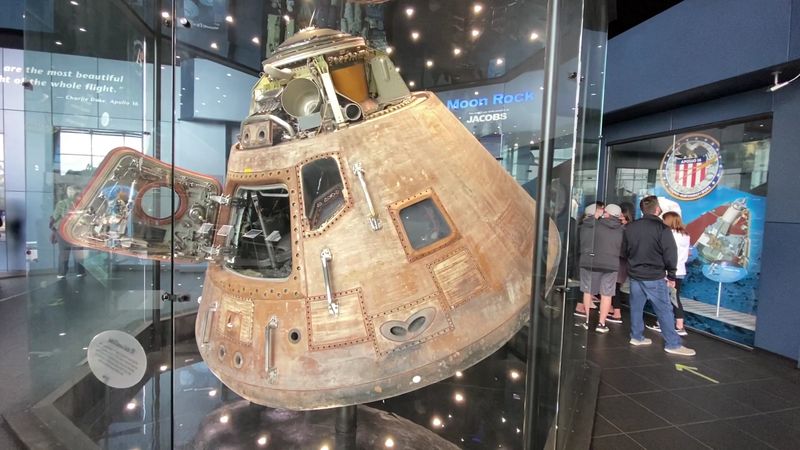
There is something deeply humbling about standing in front of hardware that actually went to the Moon. The Apollo 16 command module sits in this museum looking scorched and battered from re-entry, exactly as it should.
An Apollo 12 Moon Rock is also part of the collection. Few things on Earth create the same quiet awe as looking at a piece of another world behind a display case.
Original capsule trainers for the Mercury and Gemini programs are displayed alongside these Apollo artifacts. Climbing inside an Apollo trainer gives you an immediate sense of how impossibly cramped those early missions actually were.
The museum traces American rocketry all the way back to German V-1 and V-2 rockets, then follows the story through Redstone and Jupiter missiles to the civilian space program. That historical arc is laid out clearly and logically.
Explorer I, the first American satellite ever launched, is also part of the permanent collection. The breadth of hardware here is what earns this place the title of the largest spaceflight museum in the world.
Why Huntsville, Alabama Became Rocket City
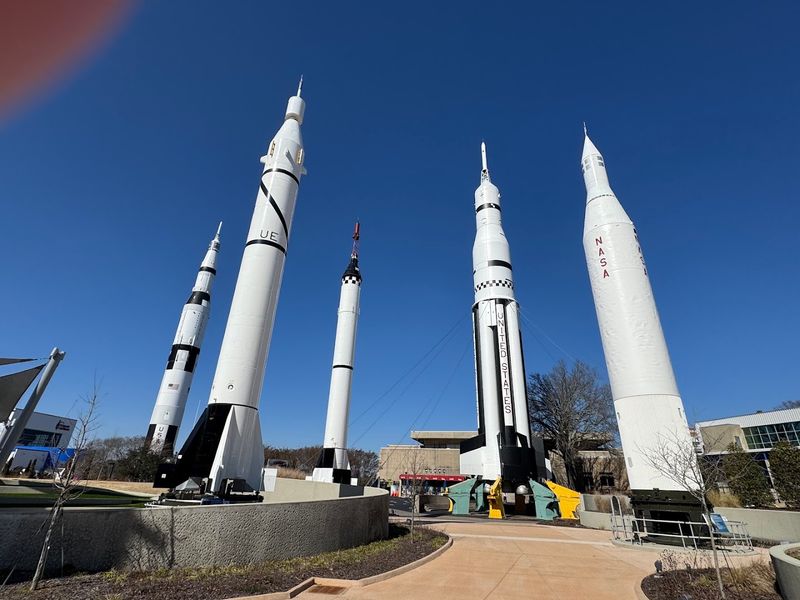
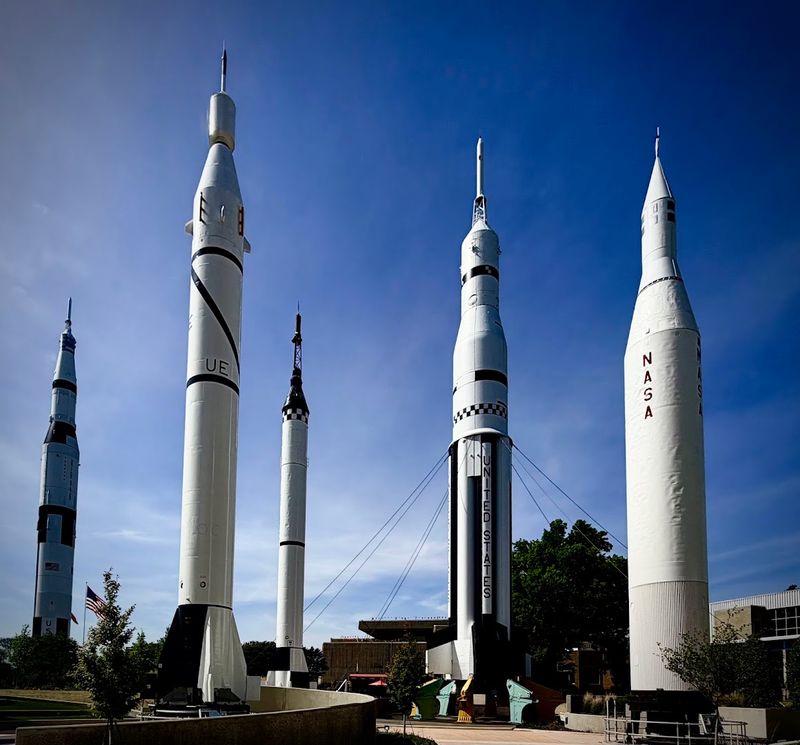
Huntsville was once known as the Watercress Capital of the World, which is a fact that surprises almost everyone who hears it. Then rocket development arrived, and the city transformed into one of the most important technology hubs in American history.
Dr. Wernher von Braun, director of NASA’s Marshall Space Flight Center, proposed the creation of this museum. His vision was to preserve and display the hardware that made the American space program possible for future generations.
The museum opened in 1970, just after the Apollo 12 Moon landing, and has welcomed nearly 17 million visitors since then. It remains Alabama’s top paid tourist attraction by a wide margin.
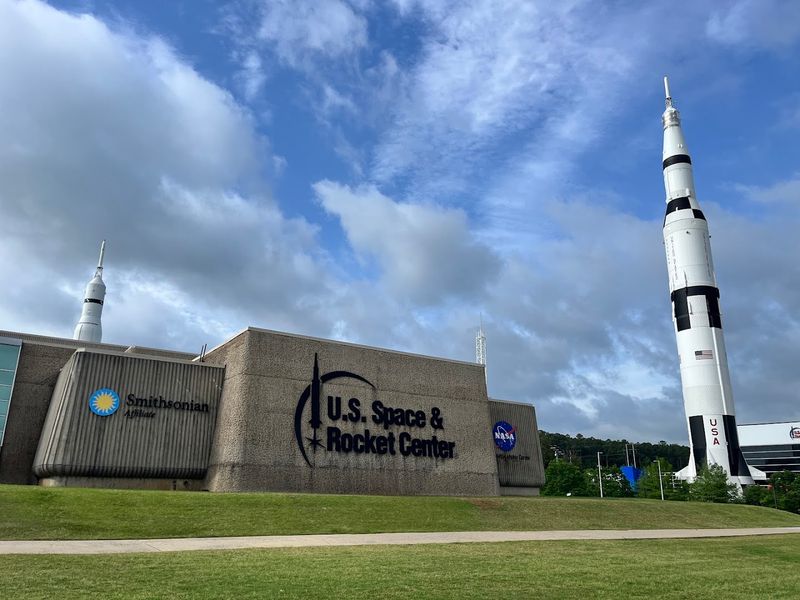
The center serves as the Official Visitor Center for NASA’s Marshall Space Flight Center and is an affiliate of the Smithsonian Institution. That dual affiliation speaks to the serious academic and historical weight this place carries.
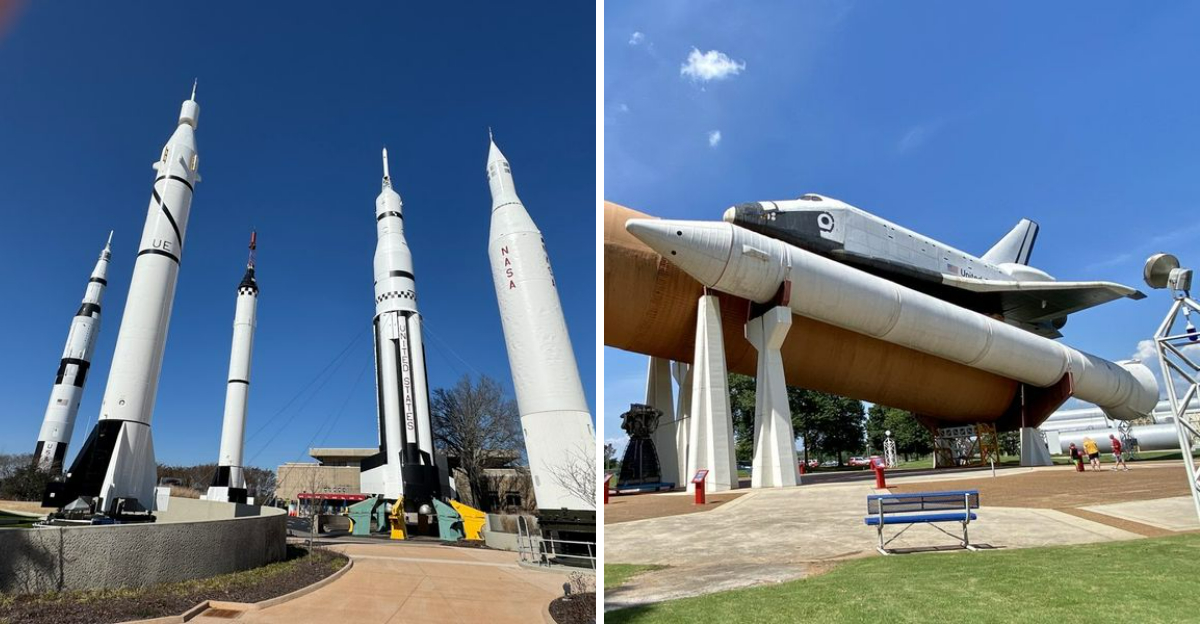
The outdoor Rocket Garden alone is worth the visit, with full-size historic rockets standing vertically against the Alabama sky. Plan for a full day, wear comfortable shoes, and arrive early to make the most of everything this place offers.