Almost Nobody Knows This Small Connecticut Town Was Once A Major Colonial Hub
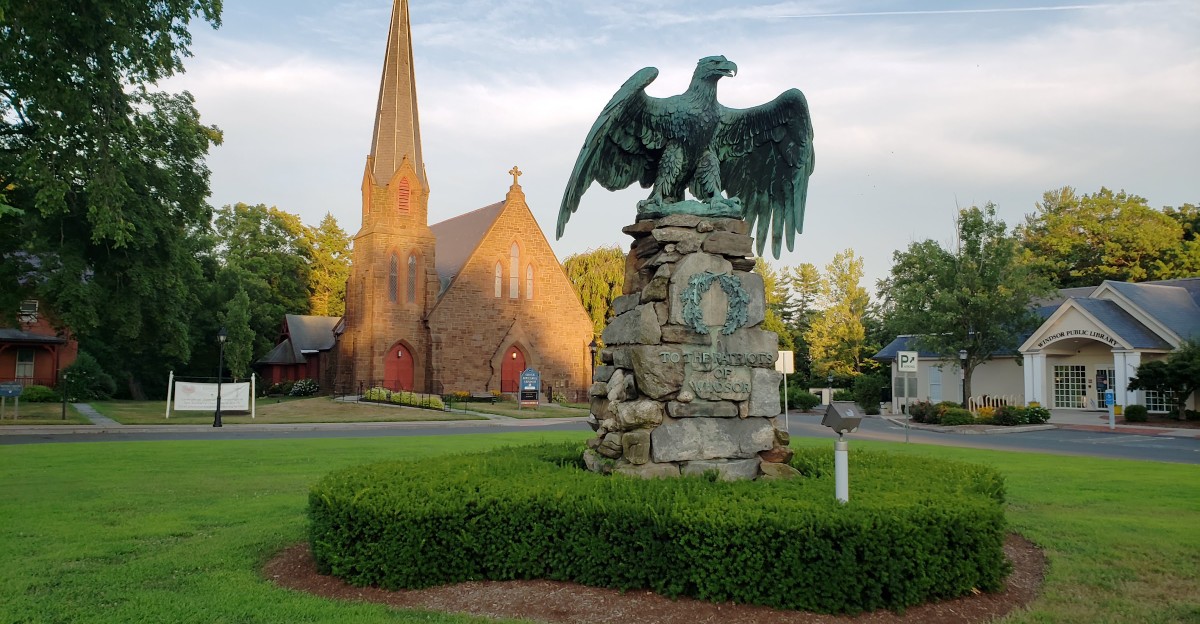
Drive through this town today and its quiet streets hardly announce that important chapters of early American life unfolded here. The modern pace can make its past surprisingly easy to underestimate.
That was not always the case.
Long before Connecticut looked anything like it does now, this community held a much more prominent role in colonial life. Its location mattered, people gathered here and decisions made nearby helped shape what came later.
Those earlier layers have not completely disappeared. Look closely and the town starts revealing reminders that its sleepy modern personality is only the latest version of a much longer story.
It is strange how history can shrink in the popular imagination. Places that once mattered enormously can eventually become names people simply pass on a road sign.
That contrast is exactly what makes this town fascinating. Its present may feel modest, but its past was anything but.
1. Centuries Of History Hide Behind Modern Windsor
History got an early start here. Very early.
Long before the corporate offices and busy commuter routes arrived, Windsor was already taking shape around the meeting of the Farmington and Connecticut rivers.
A Plymouth Colony trading post was established there in 1633, forming the basis for the town’s claim as the state’s oldest English settlement and its nickname, “Connecticut’s First Town.”
The rivers helped turn the community into an important colonial center. Farming flourished in the fertile soil, while mills and other industries followed.
By the 1700s, local residents were producing bricks, lumber products, and other goods, and ships trading with Europe and the West Indies helped move Windsor products far beyond town.
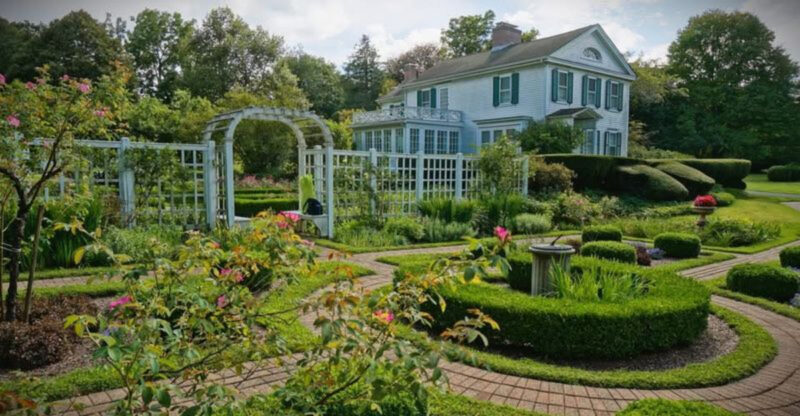
Much of that story can still be spotted without trying very hard. Historic homes and buildings remain part of everyday streets rather than feeling separated from modern life.
Today, Windsor has nearly 30,000 residents, so it hardly resembles a frozen colonial village.
Still, exploring the historic center rewards anyone willing to slow down and look closely.
Old architecture, river scenery, and centuries of history make an afternoon here feel surprisingly different from an ordinary trip through Hartford County.
2. The Town Dates All The Way Back To 1633
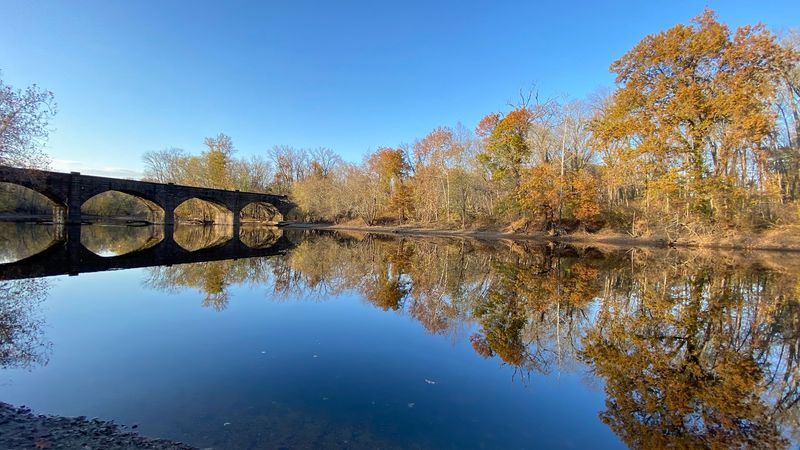
In September 1633, English colonists from Plymouth Colony established a trading post near the spot where the Farmington River meets the Connecticut River.
The place already had a name, Matianuck, used by the Native people of the valley long before any English sails appeared. Permanent English settlement followed in 1635, when Puritan families from Dorchester, Massachusetts moved in and briefly called the area Dorchester after their old home.
The settlement became known as Windsor in the 1630s and, together with Hartford and Wethersfield, became one of the three original river towns that formed the core of the state Colony.
Put plainly, the state’s story starts partly on Windsor soil. That’s a big claim for a town many travelers pass without stopping.
If dates stick in your memory better than plaques, keep 1633 in mind while you explore. Knowing the timeline makes the old burial grounds and river bends feel far more meaningful once you’re standing there.
3. Its River Valley Location Fueled Early Growth
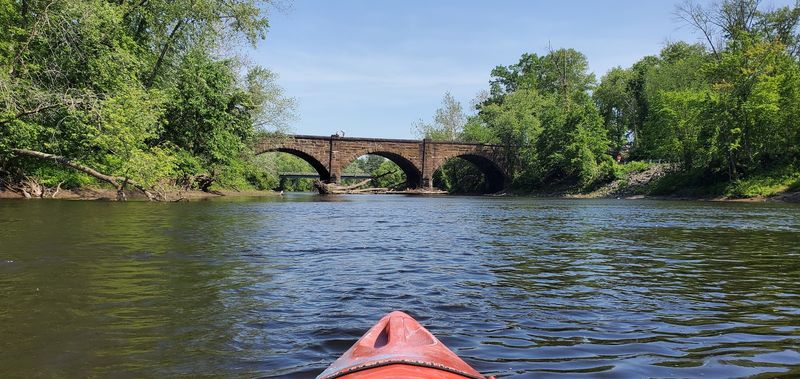
Geography did most of the heavy lifting in Windsor’s early success. Two rivers join here, and that junction offered transportation, food, and some of the richest farmland in the region.
Native American communities in the valley had used these waterways for generations as travel routes, fishing grounds, and seasonal planting land along the fertile floodplains. English arrivals recognized the same advantages almost immediately.
For the Plymouth colonists, the Connecticut River looked like a highway into the interior, and the fur trade was the prize at the end of it. Word that the Dutch had already established a trading post at present-day Hartford added urgency, pushing the English to plant their own claim upstream.
Fertile soil sealed the deal. Crops grew well in the river-deposited earth, and boats could carry the surplus away to buyers elsewhere.
Visitors today can still sense why the location mattered. Standing near the water and watching the two rivers meet makes it easier to understand why the location appealed to early settlers.
Spring and early summer bring the fullest views of the floodplain greenery, though autumn along the riverbanks has its own appeal for anyone who enjoys a slower walk with good scenery.
4. Colonial Trade Helped Windsor Prosper
Money followed the water. With river access to the wider Atlantic world, Windsor grew into a working port whose merchants traded well beyond the colony’s borders.
Ships carried out feed, timber, wheat, livestock, and tobacco bound for the West Indies. Coming back were sugar, molasses, salt, and British manufactured goods like ceramics, hardware, glass, and textiles.
Small-scale shipbuilding developed alongside all that activity.
The surprise star of the 18th-century economy was flaxseed. Farmers across the surrounding countryside brought their flaxseed to Windsor’s port for shipment to New York and Philadelphia, and by mid-century the state had become the center of North American flaxseed production, second in value only to the West Indian trade.
Tobacco deserves a mention too, since planting began in Windsor as early as 1640. The town’s sandy loam soil turned out to be nearly ideal for the crop, and tobacco farming became a lasting local industry.
Knowing all this changes how the landscape reads. Those broad flat fields north of town center are not just open space, they are the remains of an agricultural economy that once reached across an ocean.
It’s a reminder that small towns sometimes punched far above their size.
5. Historic Homes Still Reveal The Town’s Past
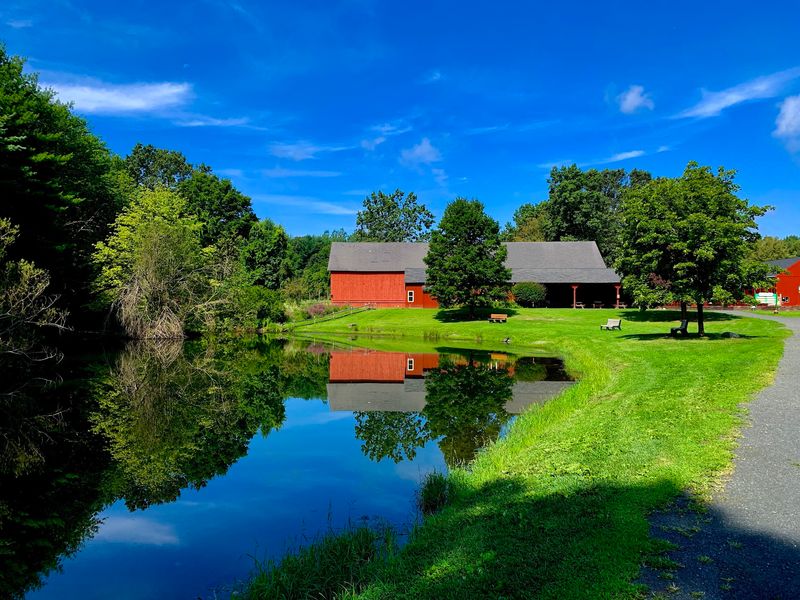
Some houses are old. Windsor has houses that make “old” feel like an understatement.
The town’s historic streets preserve architecture from several centuries, with colonial homes sharing the neighborhood with later Georgian, Federal, and Victorian buildings.
That mix makes exploring feel less like visiting a recreated historic village and more like seeing the past woven into everyday life.
One major landmark is the Loomis Homestead, whose oldest section dates to 1640. The property remained in the Loomis family for generations and survives as an extraordinary reminder of Windsor’s earliest European settlement.
Visitors can get an even closer look through the Windsor Historical Society. Its Strong-Howard House dates to 1758, while the nearby Dr. Hezekiah Chaffee House was built around 1765.
Period furnishings and carefully interpreted rooms help show what domestic life looked like centuries ago.
Palisado Avenue adds another impressive stretch of history. Its nationally recognized historic district contains architecture spanning several periods, including the Return Strong House from around 1700 and the Georgian-style Jonathan Ellsworth House from 1784.
Many historic buildings remain private homes, so outdoor sightseeing calls for a little courtesy.
Save the indoor exploring for properties open to visitors, then enjoy the rest from the sidewalk.
6. Palisado Green Preserves An Early Settlement Center
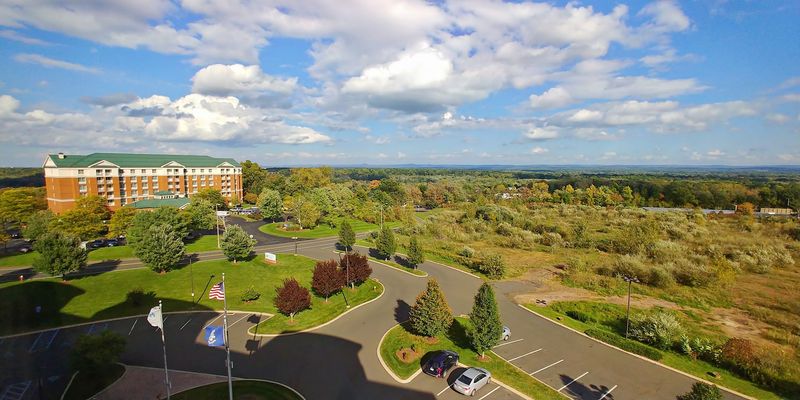
Long before shopping plazas and commuter routes, this patch of high ground overlooking the mouth of the Farmington River was the center of town life. The Dorchester settlers built their first meeting house here.
From the 1630s all the way into the 1840s, Palisado Green served as Windsor’s main commercial hub, with goods arriving directly by ship thanks to easy river access.
The name comes from a defensive choice. During the Pequot War in 1637, settlers regrouped near the green and built a palisade, a wall of vertically set logs, around their homes for protection.
Next to the green sits Palisado Cemetery, established in 1637 within the bounds of that original stockade. It is the oldest cemetery in town and reads like an open-air record of early American life, with generations of weathered stones in one small space.
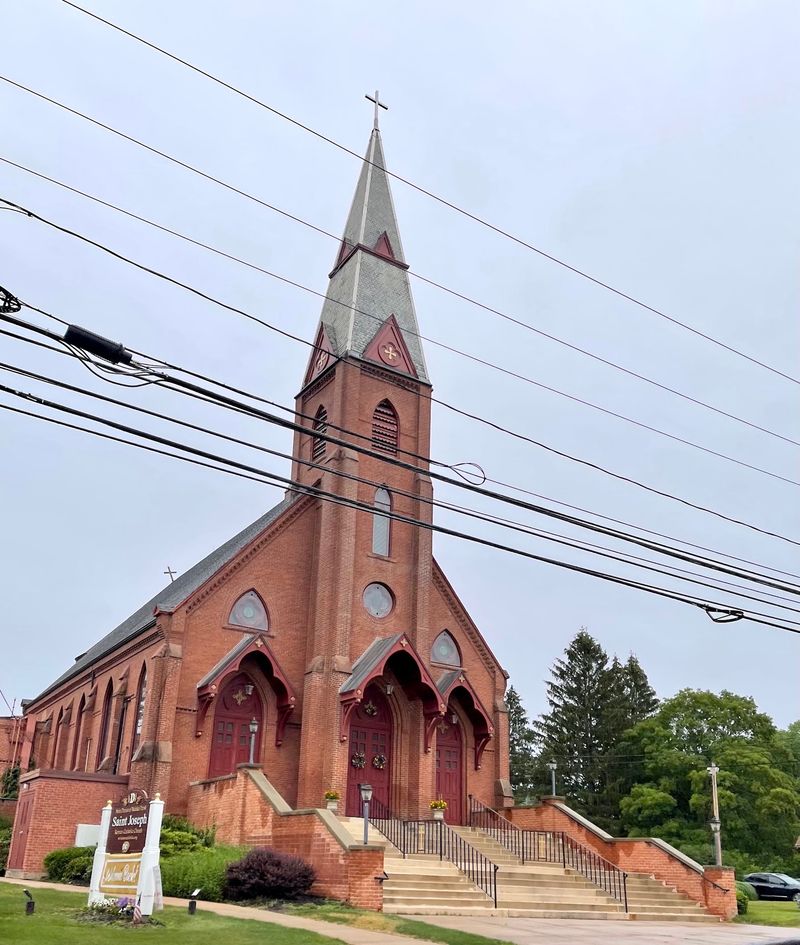
Windsor’s main church anchors the scene, a fine Federal-style building from 1794 that was moved to this prominent spot.
Walking here takes little effort and rewards a slow pace. Bring comfortable shoes, allow time to read a few headstones, and the whole area starts to feel less like a park and more like a founding site.
7. The Vintage Radio Museum Adds An Unexpected Stop
Windsor’s history does not stop with colonial houses. Fast-forward a couple of centuries and things suddenly get much more electric.
The Vintage Radio and Communications Museum follows the evolution of communication technology from the 1800s through the late 20th century.
Displays are arranged chronologically, making it easy to watch technology change from early Morse code equipment to radios, televisions, telephones, phonographs, and personal computers.
Many exhibits are hands-on, which adds some fun to all that history. Visitors can tap out their names in Morse code, tune a 1920s radio, crank a wind-up phonograph, listen to a homemade crystal set, or pick a song on a working jukebox.
Radio enthusiasts have another reason to linger. The museum operates amateur radio station W1VCM, where visitors can hear operators communicating around the world.
Classes and educational programs also explore electronics, radio building, and communications technology.
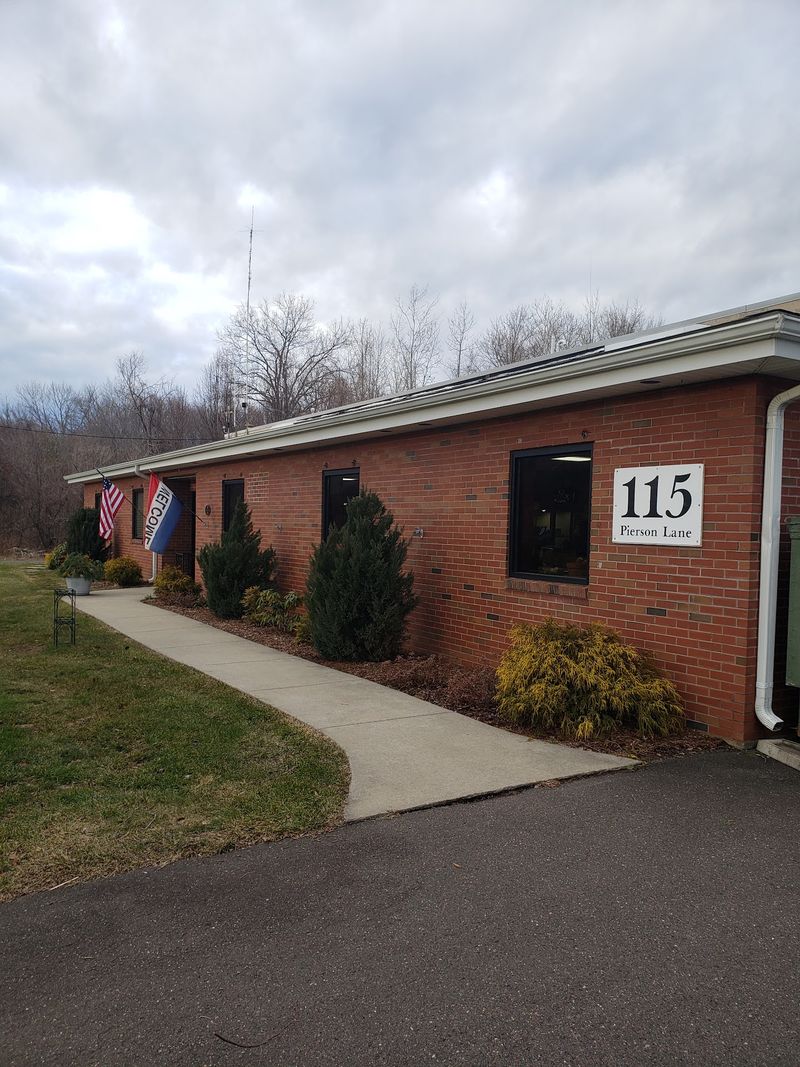
The all-volunteer museum operates at 115 Pierson Lane in Windsor.
Hours and special events can change, so checking the current schedule before visiting is a smart move.
Pairing this stop with Windsor’s colonial attractions makes for an unusual history day, jumping from centuries-old homes to the technology that eventually connected people across the globe.
8. Old Architecture Makes History Easy To Spot
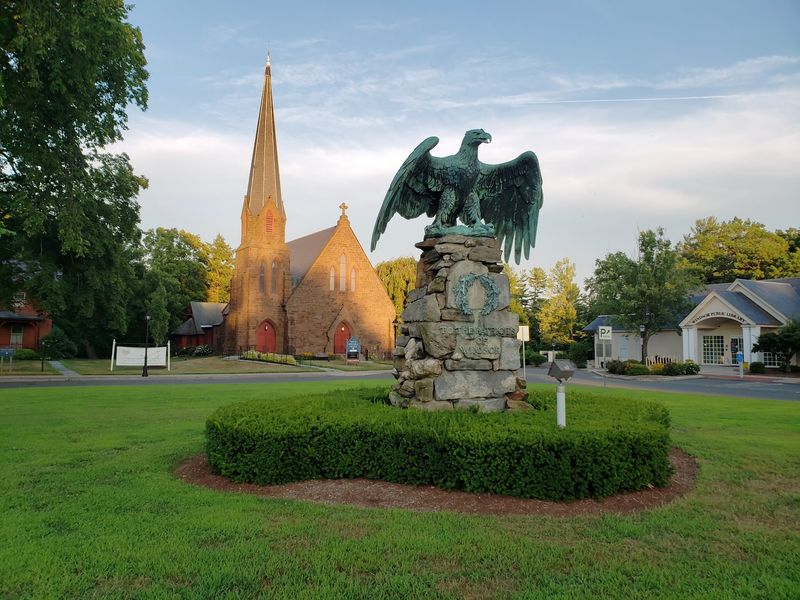
You don’t need a guided tour to find the past in Windsor. It sits right out in the open, along ordinary streets, in building shapes and rooflines that span roughly three centuries.
The Palisado Avenue Historic District offers the densest concentration, with a mostly residential streetscape of homes from the 18th through the 20th centuries standing side by side. Walking it feels like flipping through an architectural scrapbook in order.
Town center holds its own share of good-looking older buildings and stays pleasantly walkable. Among them is the Windsor Train Station, built in 1869, which now houses artists’ studios, giving a 19th-century railroad building a second creative life.
The church on Palisado Green, in its 1794 Federal style, remains one of the most recognizable landmarks in town.
With 41 properties and districts on the National Register of Historic Places, there’s genuine reward in simply looking up and looking closely.
A practical tip for visitors: park once near the town center, then explore on foot rather than driving between sights. Distances are manageable, the streets are shaded in warmer months, and the details that make Windsor special reveal themselves at walking speed.