Almost Nobody Knows This Small Georgia Town Was Once The State Capital
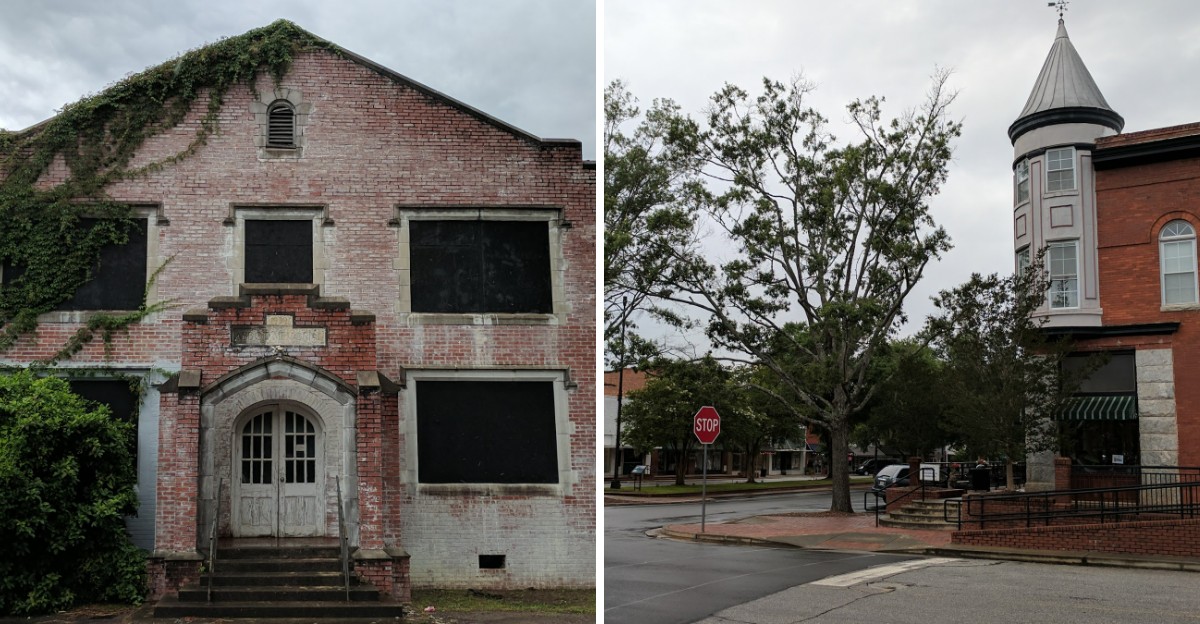
I almost skipped this town completely. It looked like a quick stoplight stop between somewhere and somewhere else, nothing more.
Then I noticed the plaque near the courthouse and stopped walking. Before Atlanta ever held any political weight, this small town ran the entire show.
Lawmakers debated here, deals were struck here, and for almost a decade, this quiet square functioned as the actual seat of Georgia’s government. Nobody driving through today would guess it.
The buildings look ordinary. The pace feels slower than slow.
But Georgia’s early history was shaped in these few blocks, back when the state was still figuring out what it wanted to become. Sometimes the most important places end up the most forgotten.
This is one of them. Keep reading, because the story only gets better from here.
A Capital Chosen With A Map And A Ruler
Back in 1786, Georgia lawmakers had a problem with geography. Savannah and Augusta sat near the coast, and settlers inland felt ignored.
The fix was simple on paper. Build a brand new capital closer to the middle of the state, where more people could actually reach it.
Commissioners bought 1,000 acres for the project. That is a lot of land for a government that was still paying off Revolutionary War debt.
The Ogeechee River sealed the choice. Planners believed boats would carry goods and passengers straight to the new seat of power.
The name honored King Louis XVI of France, thanking the French for helping during the Revolution. Few American towns can claim a French king as a namesake.
Georgia’s third capital officially held the title from 1796 to 1807. Eleven years is short, but those years shaped the state’s early laws.
Standing on the square, I kept thinking about how bold the plan felt. A raised statehouse, radiating streets, and big ambitions in the middle of farmland.
You can see it all for yourself in Louisville, Georgia 30434, about an hour southwest of Augusta.
A Street Plan Borrowed From Philadelphia
City planning in 1794 was not usually this ambitious. The layout here copied Philadelphia, which served as the United States capital at the time.
A central square anchored everything. The statehouse sat raised in the middle, with streets and blocks spreading outward like spokes.
That design told visitors something without saying a word. Government belonged at the heart of daily life, not off in a corner.
Walking the grid today feels surprisingly easy. Blocks are wide, corners are square, and you rarely need directions twice.
I appreciated how the old bones still hold up. Modern storefronts sit on streets measured out more than two centuries ago.
Bring comfortable shoes and give yourself an hour. The downtown core is compact, and the best details show up on foot.
Photographers should aim for late afternoon. Low sun hits the brick fronts and makes the whole square glow warm.
Here is the part I love most. A tiny Southern town once modeled itself on the nation’s capital city, and the blueprint survived long after the lawmakers left.
The Statehouse That Opened Late
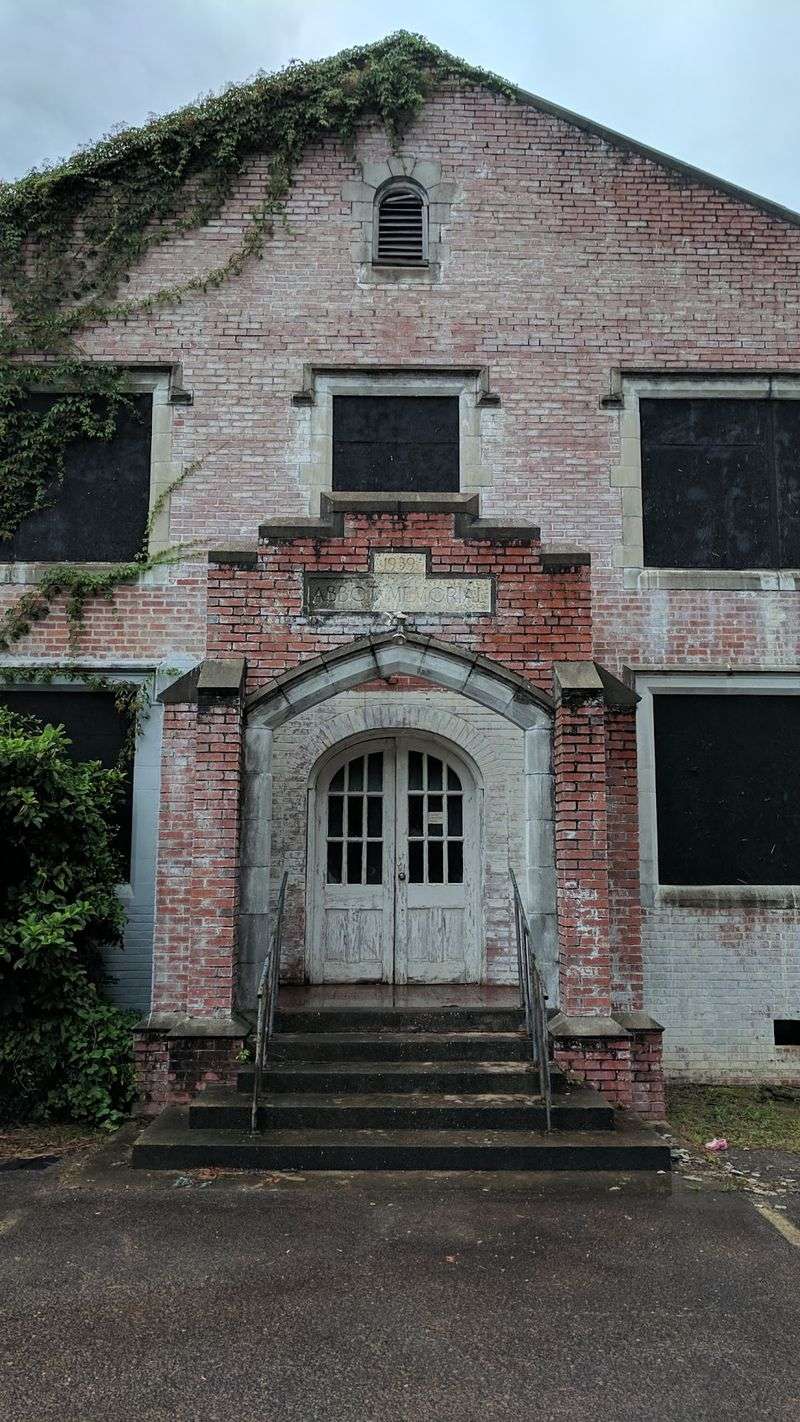
Construction delays are not a modern invention. The statehouse was supposed to open years earlier, but money and conflict got in the way.
Georgia still carried heavy Revolutionary War debt. Tensions with the Muscogee (Creek) Nation also made building risky and slow.
The doors finally opened in May 1795. A state constitutional convention met there that same month, which was a strong start.
Lawmakers gathered for the first legislative session in 1796. Georgia’s government now had a permanent home built for the purpose.
The building itself was modest by today’s standards. Two stories of brick, roughly 50 feet square, and nothing fancy about it.
Size did not equal importance. Laws passed inside those walls guided a state that stretched far to the west.
The original structure was eventually declared unsafe and demolished. Nothing of the first capitol stands on the square today, which surprises most visitors.
I found that absence oddly powerful. You stand on ordinary ground and realize Georgia’s first permanent capitol once rose right there.
The Yazoo Land Fraud Made Headlines Here
Every capital gets one scandal it never lives down. For this one, the scandal was the 1795 Yazoo land fraud.
Lawmakers sold off enormous western land claims at bargain prices. Public anger exploded once voters learned who profited.
Arguments did not stay inside the chamber. Debates spilled into the streets, where crowds gathered to voice their frustration.
The most dramatic moment involved a magnifying glass. Incriminating papers were burned publicly using sunlight, described at the time as fire from heaven.
Picture that scene for a second. No torches, no ceremony, just focused sunbeams turning documents to ash in front of a crowd.
The fraud reshaped American politics well beyond Georgia. It eventually reached the Supreme Court and influenced how contracts are understood.
For history buffs, knowing this backstory changes the visit completely. A quiet square becomes the stage for one of the era’s loudest controversies.
I read about it the night before I arrived. Standing there the next morning felt like stepping into a footnote that deserved a full chapter.
The Old Market House Still Holds The Square
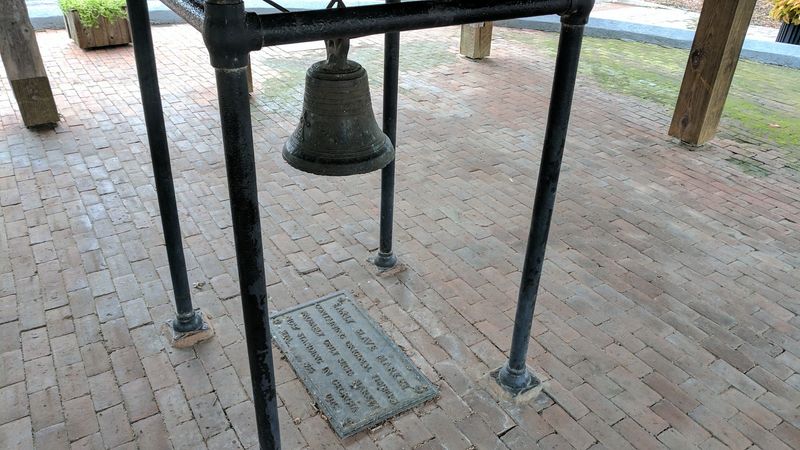
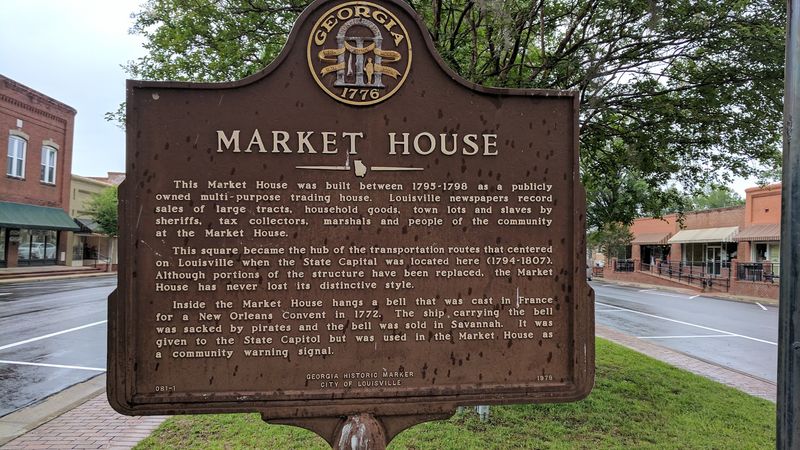
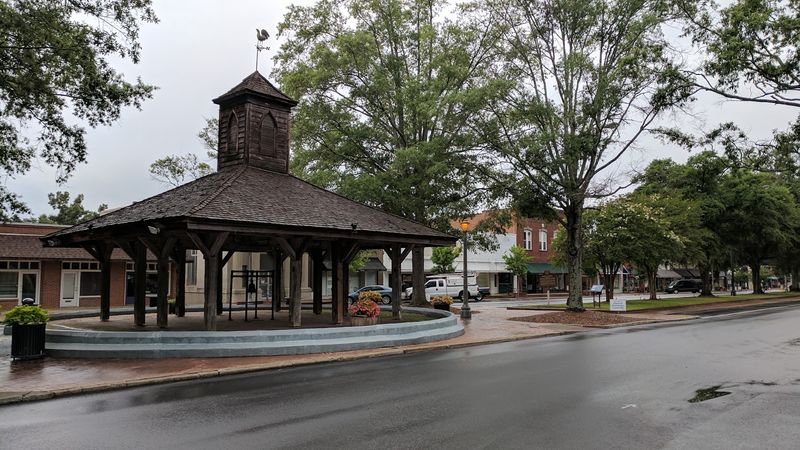
Some buildings refuse to disappear. The Old Market House went up between 1795 and 1798, and it still stands in the middle of the street.
Open sides let air and shoppers move freely. Farm produce, household goods, and all manner of items changed hands beneath that roof.
The historic Market House has served as a recognizable part of Louisville’s central square for generations.
Traffic now flows around it on both sides. Few towns anywhere let a 1790s building keep the center of a road.
The frame looks deceptively simple. Timber posts, a low roof, and a small cupola that draws every camera lens upward.
Give yourself time to read the markers nearby. They explain the commerce, the community, and the difficult chapters connected to the site.
I circled it three times before parking. From every angle it looks older than anything else in sight, because it is.
Consider it the single most recognizable landmark in the entire county.
A French Bell With A Pirate Story
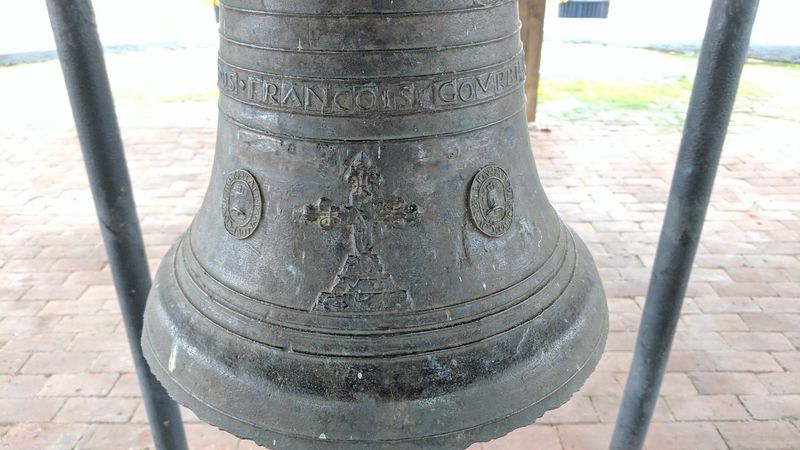
A bell hanging in the market house has traveled farther than most people. It was cast in France in 1772 for a convent in New Orleans.
The shipment never arrived as planned. Pirates attacked the vessel, and the bell was later salvaged from the wreckage.
Somehow it made its way to Georgia. Officials gave it to the state capitol, where it served as a community warning signal.
Bells did serious work in early towns. They called meetings, announced sales, and alerted residents when something needed attention fast.
Look up when you visit and you will spot it. The bronze has darkened with age, and the French casting date is part of its record.
I have seen plenty of old bells in old towns. None of them came with a shipwreck and a convent in the same sentence.
Kids tend to love this detail more than any date or statute. Pirates make history stick in a way textbooks rarely manage.
Two hundred fifty years later, it still hangs over the square it once served.
Why The Capital Packed Up And Moved West
Eleven years in, the capital experiment ran out of steam. Several problems stacked up faster than anyone could solve them.
Malaria outbreaks troubled residents repeatedly. Health worries alone gave lawmakers reason to look elsewhere.
River trade also disappointed. The Ogeechee never became the busy commercial highway planners had imagined when they picked the site.
Meanwhile, Georgia’s population kept pushing west. A town chosen for being central slowly became inconveniently eastern.
In 1807 the government relocated to Milledgeville. Another purpose built capital, another attempt at finding the true middle of the state.
The lesson feels weirdly modern. Cities get planned around predictions, and predictions do not always cooperate.
What happened next is the interesting part. The town did not vanish, it simply settled into life as a county seat.
Knowing the reasons behind the move makes the visit richer. You are not just seeing an old town, you are seeing a decision that shaped Georgia’s map.
A 1904 Courthouse On Historic Ground
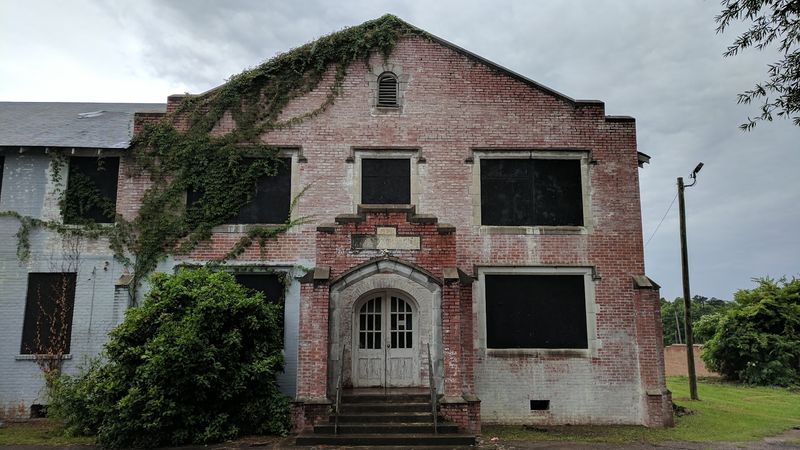
The most striking building downtown is not the oldest one. The Jefferson County Courthouse was completed in 1904, more than a century after the capitol.
Location is what makes it remarkable. It stands on the exact site where Georgia’s first permanent capitol building once stood.
The Beaux Arts design brings columns, symmetry, and confident proportions. It looks like a building that expects to be photographed.
Its architect, Willis F. Denny, grew up in this very town.
He also designed Rhodes Hall in Atlanta, one of the state’s best known landmarks.
That connection deserves more attention than it gets. A local kid designed both a grand Atlanta mansion and his hometown courthouse.
Approach from the square for the best view. The facade reads cleanly from a distance, and the details reward a closer look.
I spent a while just studying the entrance. Two eras of Georgia government occupy the same patch of earth, separated by roughly a hundred years.
Layered history like that is rare in towns this size.
Downtown Blocks, Art, And A Quiet Cemetery
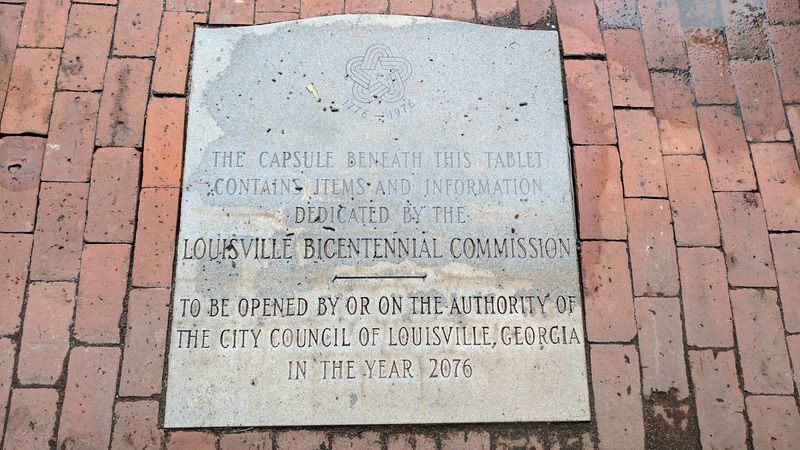
Forty one buildings make up the commercial historic district, which joined the National Register of Historic Places in 1994. That is a sizable collection for a town of about 2,400 people.
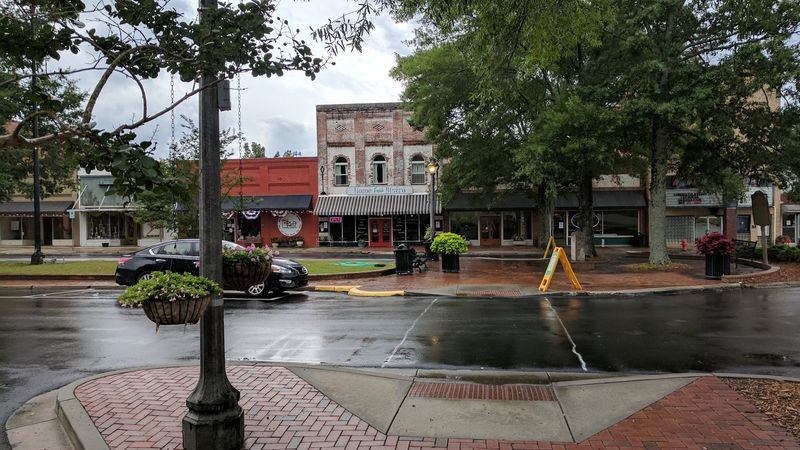
Storefronts reflect decades of trade and small business. Brick fronts, tall windows, and old signage lines still show through in places.
The Fire House Gallery adds something unexpected. Run with help from a local preservation group, it features Southern and rural art.
Volunteers with Friends of Historic Downtown work to keep the heritage visible. Their efforts explain why the district still feels cared for.
On the western edge of town sits a Revolutionary War soldiers cemetery. It is quiet, simple, and easy to miss if nobody tells you.
Go there last. After the courthouse and the market house, the stillness puts everything in perspective.
My advice is to plan a half day and skip the rush. Park once, walk the square, and read every marker you pass.
Georgia’s early government started in places like this, and the evidence is still standing.