Almost Nobody Outside Kentucky Knows About This Secret Antique Village
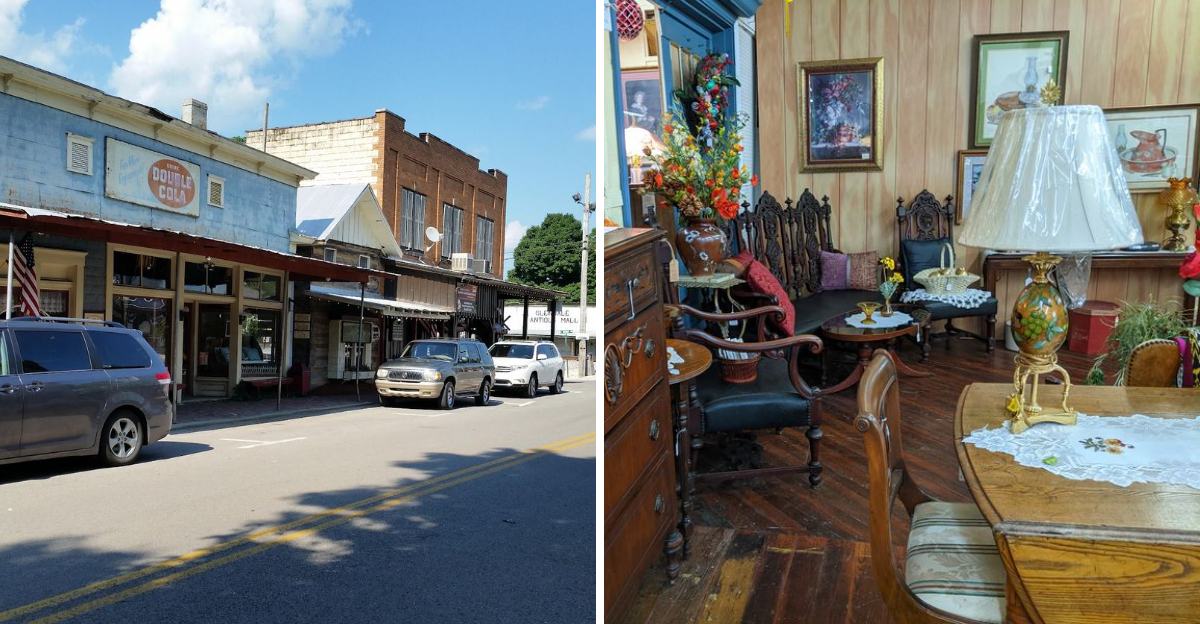
Everything in this Kentucky village is named after the train. The restaurant is called the Whistle Stop.
One of the shops is the Side Track. There is a street called Railroad Avenue, and it is not being cute about it.
The tracks run straight through the middle, and they are still active. You will get stopped.
Consider it part of the visit. The whole village fits on a few blocks.
You can park once and never move the car. One of the shops began its life as a lumber store.
The floor in there has gone wavy with age, which is either charming or a hazard depending on your footwear. People drive two and a half hours to shop here.
That is not an exaggeration, that is a review.
The Village That Antique Dreams Are Made Of
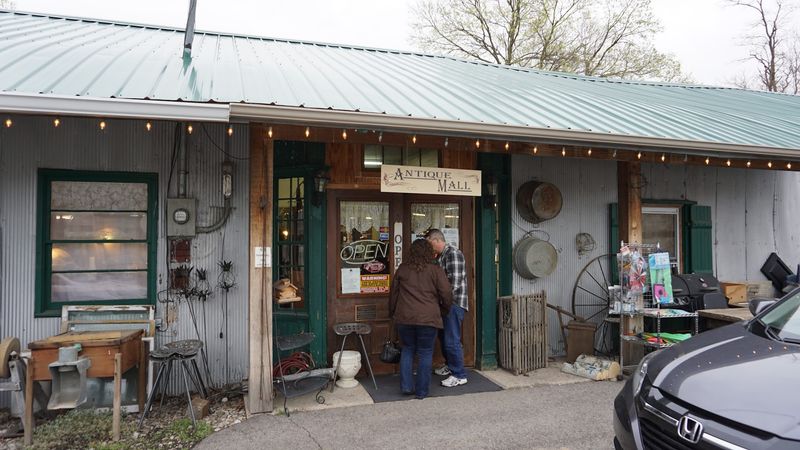
Glendale, Kentucky is the kind of place that makes you pull over and park before you even know why. This tiny village sits along the old Louisville and Nashville Railroad line, and it has been collecting charm ever since.
The whole town is essentially one long street lined with antique shops, old homes, and quiet corners. You can find it at Glendale, Kentucky, right off US-31W in Hardin County.
What makes Glendale special is how unhurried everything feels. Nobody is rushing you out the door or pitching you a sale.
Shopkeepers here actually know the stories behind their pieces, and they will tell you every single one if you let them.
The village has been a destination for serious antique hunters since the 1970s. That is not an accident.
It grew organically, one shop at a time, until it became something genuinely worth driving across the state for. First-timers often say they expected a flea market and got a history lesson instead.
That is exactly the right way to describe it.
The Railroad History That Built This Town
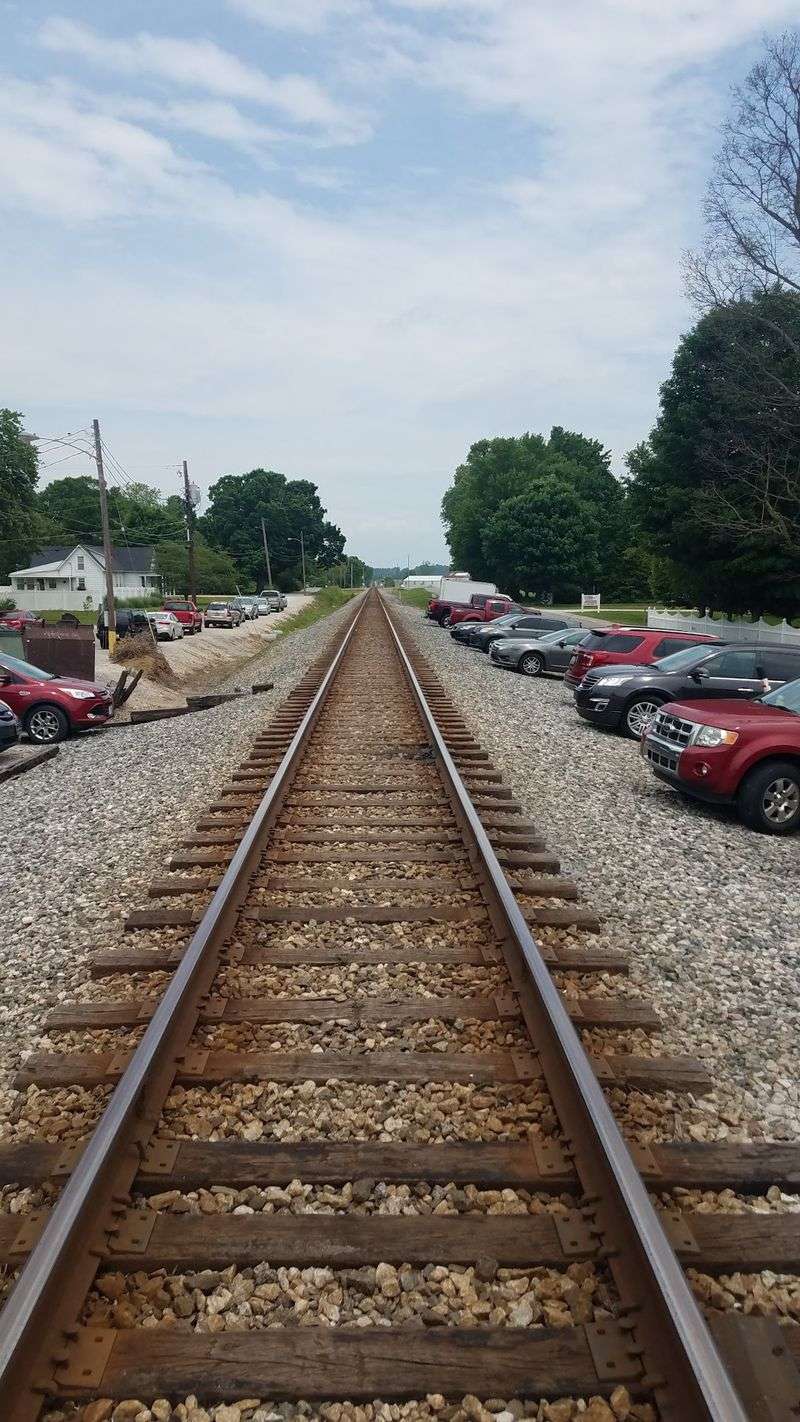
Glendale would not exist without the railroad, and that is not an exaggeration. The Louisville and Nashville Railroad put this village on the map in the 1800s, and the old depot still stands as proof.
Trains brought travelers, goods, and eventually a whole culture of trade that shaped the town’s identity for generations.
Standing near the old depot, you can almost hear the past. The building has been preserved beautifully, and it anchors the entire village with a sense of purpose.
It is not just decorative history. It is the reason the town has the bones it does today.
Many of the antique shops nearby carry railroad memorabilia, from lanterns to old timetables to cast iron pieces that once lived on working trains. Collectors who specialize in railroad history treat Glendale like a serious destination.
If you have any interest in American transportation history, this is a genuinely rewarding stop. The railroad era feels close here in a way that museums rarely manage to capture.
What The Antique Shops Look Like Inside
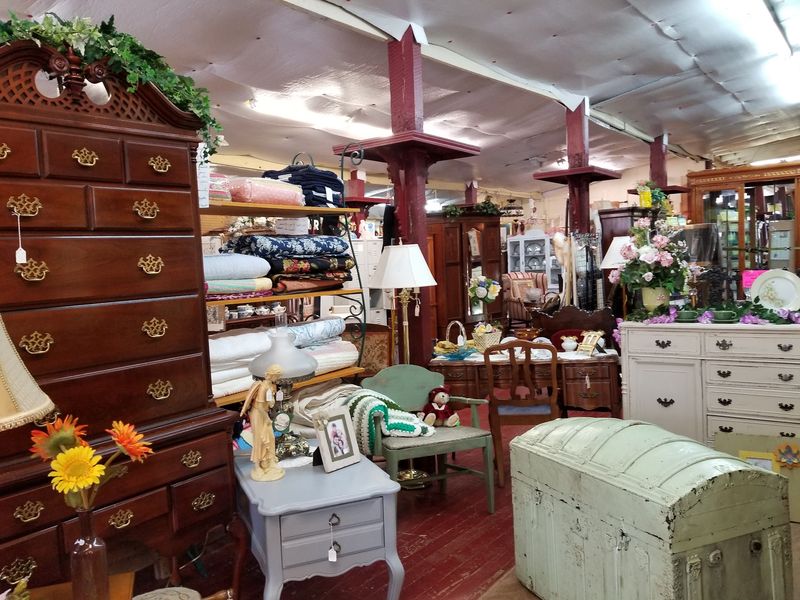
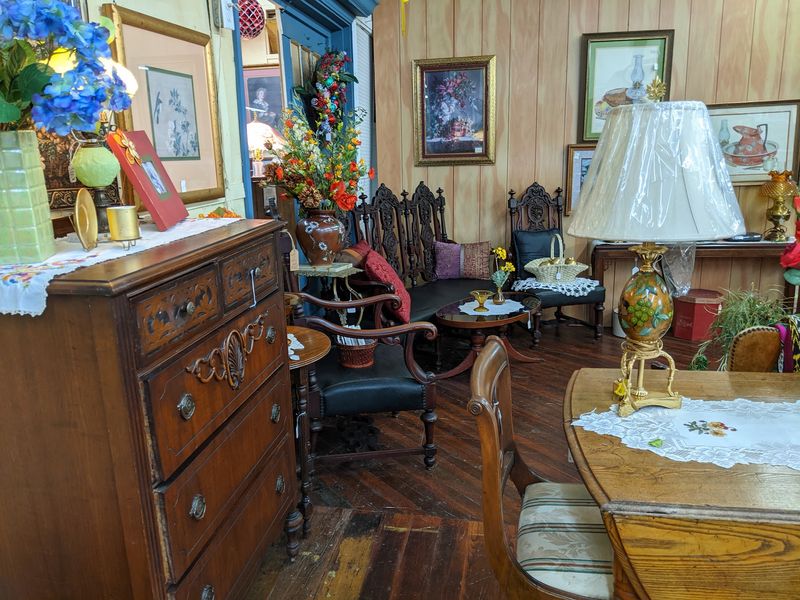
Walking into one of Glendale’s shops for the first time is a sensory experience. Every inch of floor space is used thoughtfully, with vintage furniture, glassware, farm tools, and folk art arranged in a way that feels curated rather than cluttered.
The smell alone, old wood and aged paper, tells you something real is happening here.
Most shops are independently owned, which means each one has its own personality. One might specialize in Depression-era glass.
Another leans heavily into Kentucky folk art and hand-stitched quilts. A third might be stacked floor to ceiling with vintage signage and advertising pieces.
Prices in Glendale are generally fair, especially compared to urban antique markets. Dealers here know their stuff, but they are not inflating prices for tourists.
You can find genuinely rare pieces without paying a premium just for the experience of finding them. That combination of quality and reasonable pricing is exactly why serious collectors keep coming back year after year.
Browsing here feels productive, not performative.
Quilts, Folk Art, And Kentucky Craft Traditions
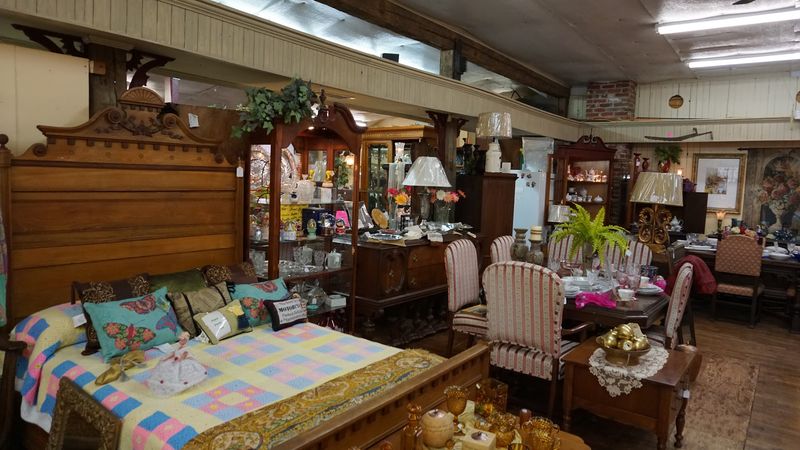
Kentucky has one of the richest craft traditions in the entire country, and Glendale is a great place to see that firsthand.
Handmade quilts show up regularly in the shops here, some of them generations old and stitched with patterns that carry regional names you will not find anywhere else. Each one is essentially a piece of wearable local history.
Folk art is another strong thread running through the village. Carved wood figures, painted furniture, and hand-thrown pottery all appear with some regularity.
These are not mass-produced decorations. They are made by hand, often by artists from surrounding communities who have been practicing their craft for decades.
Buying a piece of Kentucky folk art in Glendale feels different from buying it online or at a chain store. You often learn who made it, where they lived, and what inspired the piece.
That context adds real meaning to what you bring home. It transforms a purchase into something closer to a connection with a place and its people.
That is not something you can replicate with a click.
The Restaurants That Reward The Drive
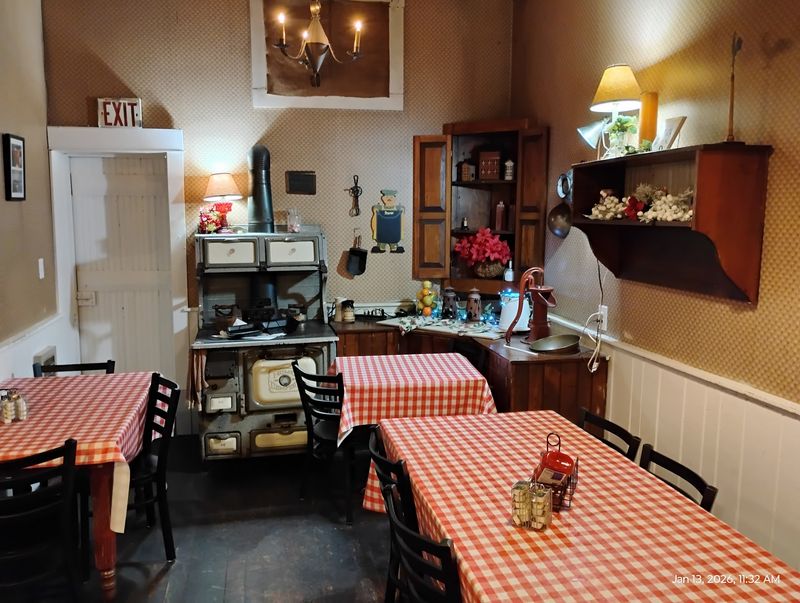
Antique hunting works up an appetite, and Glendale has a couple of spots that take the food as seriously as the history.
The Whistle Stop Restaurant is the most well-known, and it has been feeding visitors for years with home-cooked Southern food that hits exactly the right notes. Expect country ham, biscuits, and vegetables that taste like someone’s grandmother made them.
The atmosphere inside matches the town perfectly. Old photographs line the walls.
The furniture is mismatched in the best possible way. Nobody is pretending to be anything other than exactly what they are, a good home-style kitchen in a small Kentucky town.
Portions are generous and prices are honest. Lunch here after a morning of browsing shops is one of those simple pleasures that is hard to explain but easy to remember.
The food is straightforward and confident, which is the best kind. You will not find a twelve-page menu or anything fusion.
What you will find is comfort food done with genuine care, served by people who clearly enjoy feeding people well. That is more than enough.
When To Visit And What To Expect
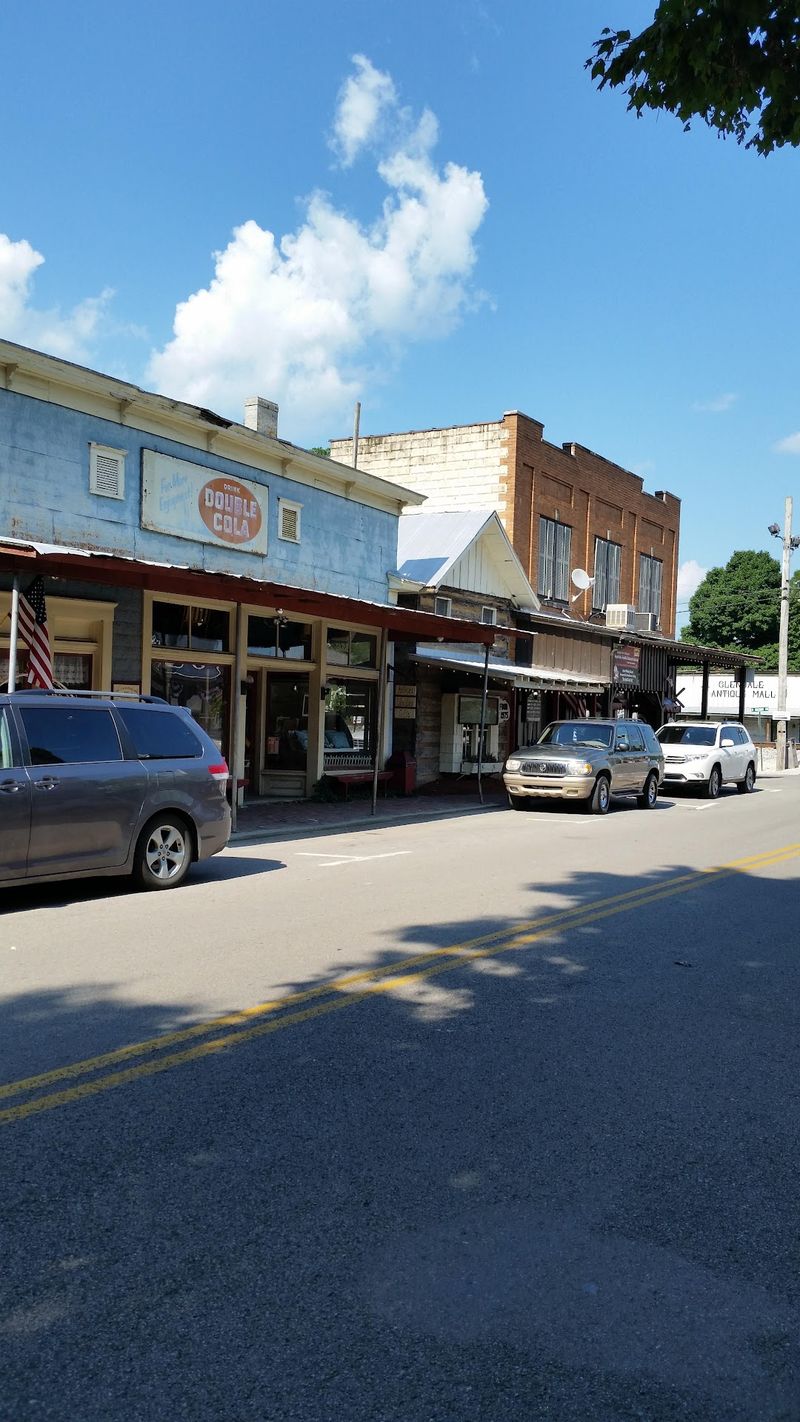
Timing your visit to Glendale does matter, though not in a complicated way. Most shops are open Thursday through Sunday, with some closing on Monday and Tuesday entirely.
Calling ahead before a long drive is always a smart move, especially if you are targeting a specific shop or type of item.
Spring and fall are the most popular seasons to visit. The weather is comfortable, the town looks its best, and the shops tend to have fresh inventory after estate sales and regional auctions.
Summer brings more casual visitors, while winter is quieter and sometimes offers better deals from dealers looking to move inventory.
The village is small enough to cover on foot in a single afternoon, but most serious visitors spread it across a full day. Bring cash because not every shop has a card reader.
Wear comfortable shoes because the sidewalks are uneven in places. Go with an open mind rather than a specific shopping list.
The best finds in Glendale are almost always the ones you were not looking for when you arrived. That is part of the charm, and it never gets old.
How It Stayed Small On Purpose
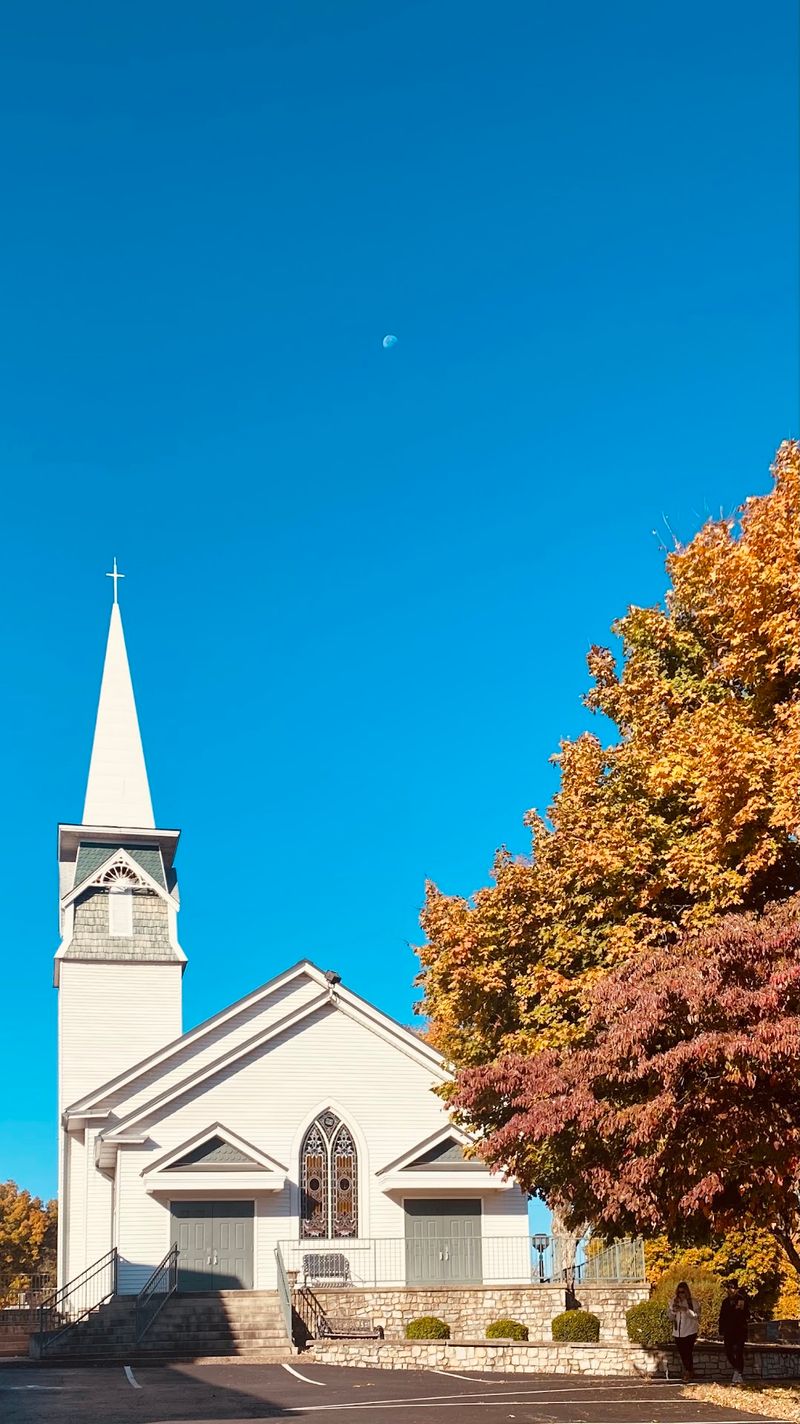
One thing that immediately stands out about Glendale is what is not there. No chain stores.
No fast food signs. No neon franchise logos competing for your attention.
The village has made a conscious choice to stay small, and that decision is the reason it still has something worth visiting.
Local shop owners have resisted the kind of commercial development that has erased similar towns across the country. That takes real commitment, especially when bigger retailers come knocking.
The result is a place that feels genuinely preserved rather than artificially restored for tourist purposes.
The community clearly values what they have built here. You can feel that in how the buildings are maintained, how the sidewalks are kept, and how residents interact with visitors.
There is a quiet pride in Glendale that does not announce itself loudly but shows up everywhere you look. For people tired of every small town looking exactly the same, this place is a real relief.
It is proof that saying no to certain kinds of growth is sometimes the most forward-thinking decision a community can make.
Why This Place Sticks With You Long After You Leave
There is something about Glendale that settles into your memory differently than a typical day trip. It is not just the things you find in the shops or the food you eat.
It is the pace of the place. Everything moves slower here, and after about twenty minutes, so do you.
I left with a small piece of Depression-era green glass and a cast iron doorstop shaped like a rabbit. Neither cost much.
Both sit on my shelf and make me think about where they came from and who owned them before. That is the kind of souvenir you cannot buy at a tourist shop.
Glendale rewards people who pay attention. The details are everywhere, the carved trim on a Victorian storefront, the handwritten price tag on a stack of old postcards, the way a dealer lights up when you ask the right question.
These are small things, but they add up to an experience that feels genuinely memorable. If you give this village a real afternoon, it will give you something back that is hard to name but easy to recognize.
Go once and you will understand.