Ancient Hunters Left Rock Art On The Boulders At These 6 Idaho Petroglyph Sites
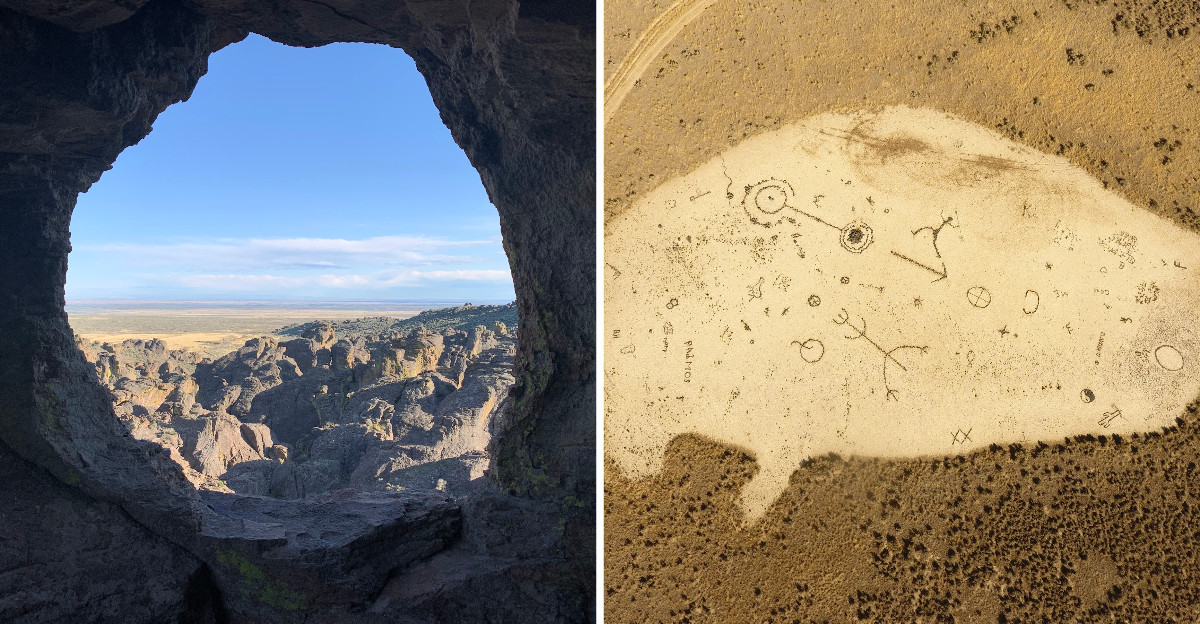
Some of the carvings on Idaho boulders may be up to 10,000 years old. That means people pecked them into stone long before anyone built a pyramid.
Many of these rocks did not even start out here.
A massive prehistoric flood rolled giant basalt boulders down the Snake River Canyon, and later artists turned them into canvases.
I love that detail. Ancient hunters looked at flood leftovers and saw a place to leave a message.
Animals, spirals, circles, and mystery shapes still cover the stone today.
I can’t imagine a better road trip for curious minds. Some sites sit right beside a road, while others ask for a little more effort.
Each one offers a quiet chance to stand where people stood thousands of years ago. So what were they trying to say, and who were they saying it to?
1. Celebration Park
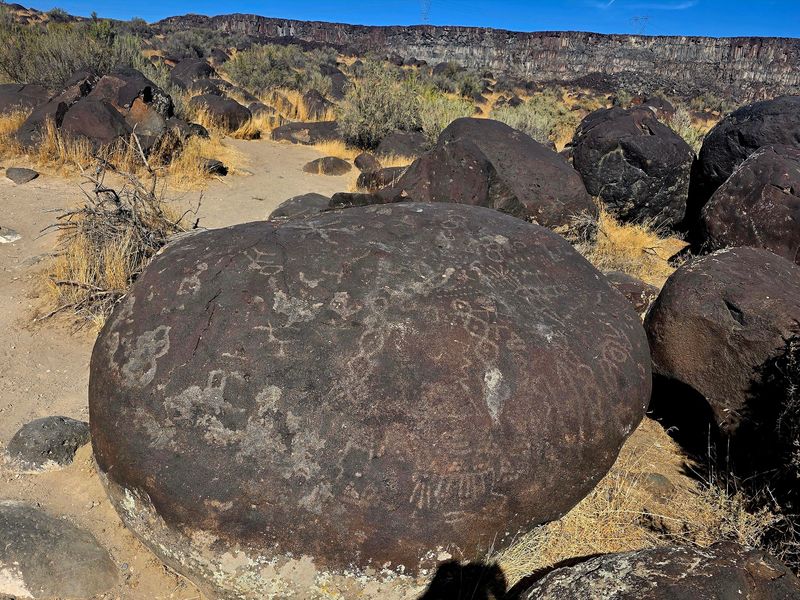
Few parks let you study ancient art and then hurl a spear like the artists did. Celebration Park pulls off both, with petroglyphs on one side and an atlatl range on the other.
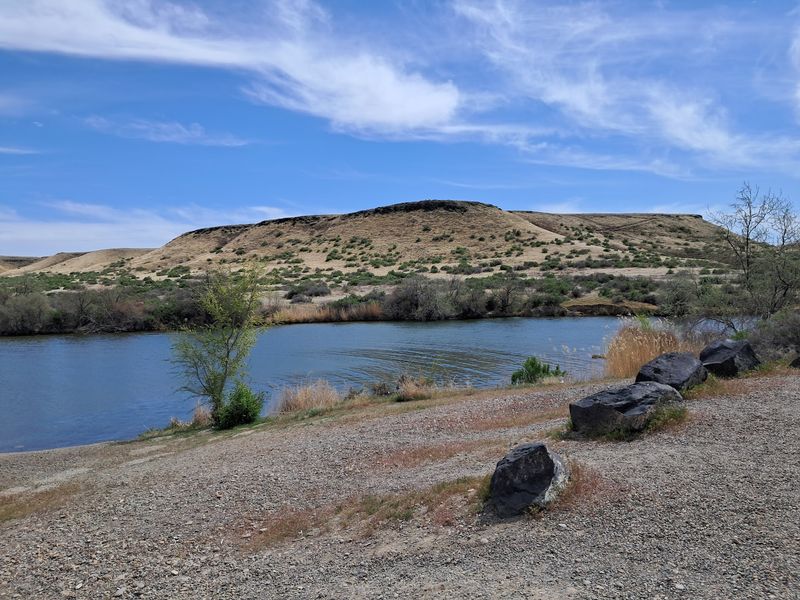
The park calls itself the only archaeological park in Idaho. Its carvings sit on dark basalt boulders nicknamed melon gravel, left behind by the Bonneville Flood.
Estimates put some of the rock art at roughly 10,000 years old. Other carvings are far younger, which makes the boulders feel like a long-running community bulletin board.
An easy trail follows the Snake River past the boulders. Informational signs along the way explain the rocks, the flood, and the images pecked into them.
The atlatl is an ancient spear-throwing tool, and the range gives you a chance to try one. It’s harder than it looks, so maybe don’t brag before your first throw.
History fans also get the Guffey Railroad Bridge, built in 1897 and now a footpath. A visitor center, picnic tables, restrooms, and camping spots round out the trip.
Families will find plenty here for curious kids, and dogs are allowed too. Bring sun protection, because the canyon can get bright fast.
Address: 5000 Victory Ln, Melba, ID 83641
2. Map Rock Petroglyphs Historic District
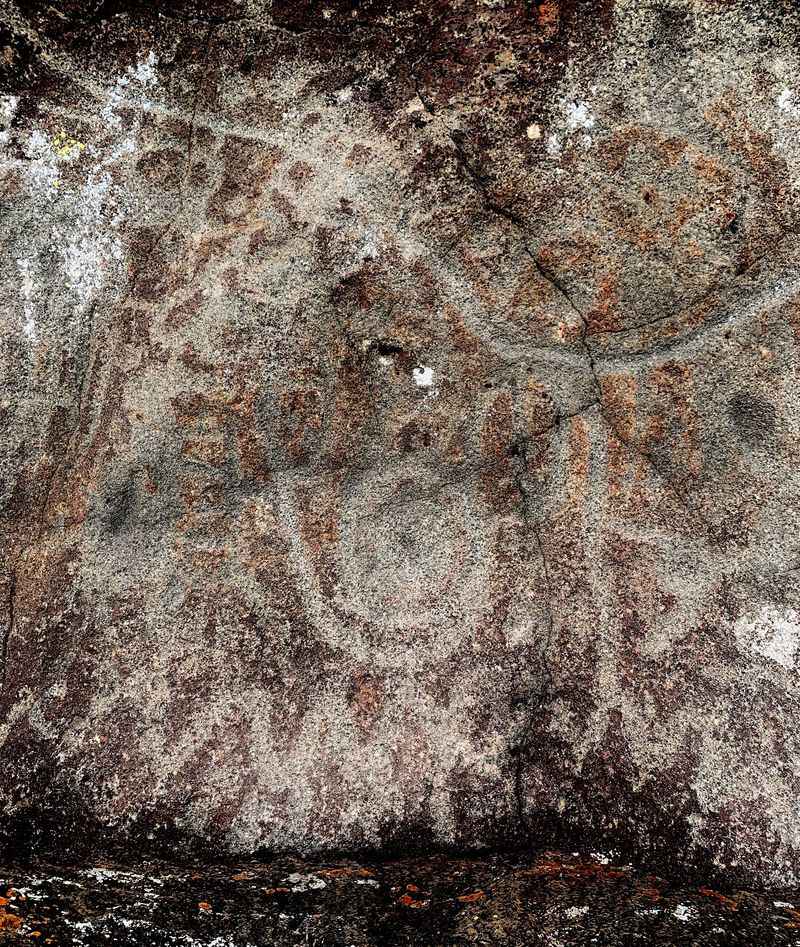
Some people believe one boulder here might be the oldest map in the world. That’s a big claim for a rock sitting beside a country road.
Map Rock earned its name in the early 1920s from naturalist Robert Limbert. He thought the carvings resembled the Snake River valley and its surrounding landscape.
Scholars still debate the map idea, and that’s half the fun. You get to stare at the lines yourself and decide whether you see rivers or something else entirely.
The carvings include animals and geometric designs. They’re thought to be the work of Northern Shoshone people, and some may be as old as 12,000 years.
Don’t stop at the main rock and drive off. About three quarters of a mile south, more petroglyphs sit roughly 60 feet up the hillside from the road.
Climbing that slope gives you a better look at the old markings and a nice view too. Wear sturdy shoes, since the terrain is rough and undeveloped.
The district joined the National Register of Historic Places in 1982. Canyon County later acquired the property and 34 surrounding acres in 2012.
Parking is limited and roadside, so pull over with care. Then enjoy a mystery that has puzzled people for a century.
Address: Map Rock Rd, Melba, ID 83641
3. Indian Rocks Historical Site
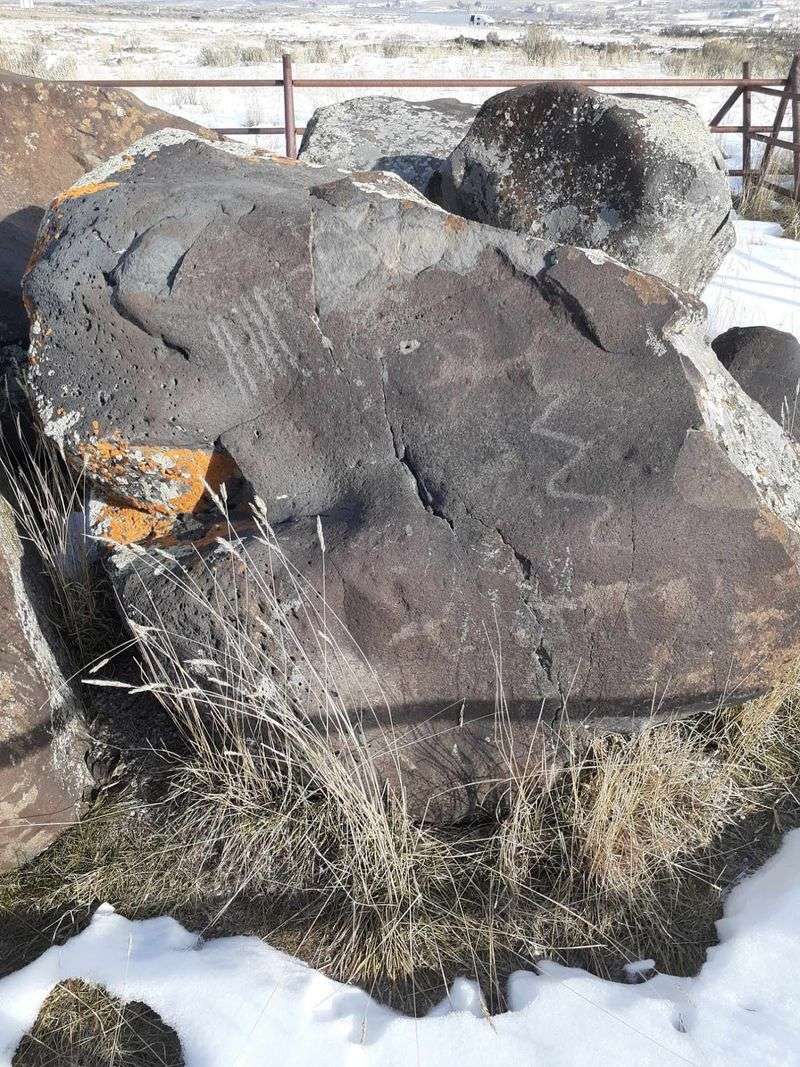
Eastern Idaho keeps its rock art story compact. A small pile of boulders near McCammon holds markings that carry deep meaning for the Shoshone-Bannock Tribes.
You won’t need a full day for this stop, and that’s part of the appeal. It makes a great break on a drive through the Portneuf River country.
The Bureau of Land Management protects the area as an Area of Critical Environmental Concern. That label exists to guard significant Native American cultural resources.
In November 2021, BLM staff installed new interpretive signs here. They created them in collaboration with the Shoshone-Bannock Tribes, so the stories come with real context.
A short trail leads you to the boulders. Along with petroglyphs, the site also has pictographs, which are painted images rather than carved ones.
Want to stretch the visit? Primitive camping is allowed on a first-come, first-served basis, so you can trade motel walls for open sky.
Kids tend to enjoy spotting the markings, almost like a stone scavenger hunt. Just remind everyone to look without touching, since skin oils harm the surfaces.
It’s a quiet place with a lot to say. Give it a few unhurried minutes and the signs will do the rest.
Address: US-30, McCammon, ID 83250
4. Guffey Butte and Black Butte Archaeological District
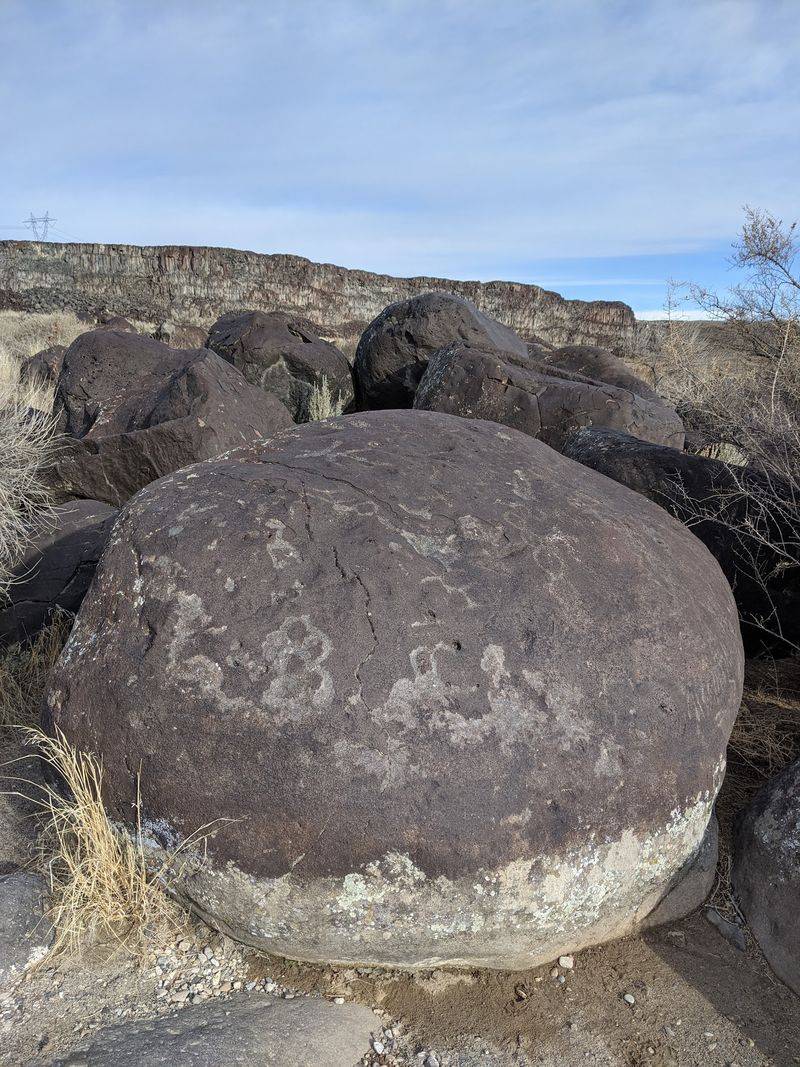
Ancient hunters didn’t just drop by this stretch of canyon to doodle. They camped, worked tools, and sheltered among the rocks, and the evidence earned formal protection.
The Guffey Butte and Black Butte Archaeological District covers volcanic basalt talus and boulder fields above the Snake River. It preserves rock shelters, tool-working sites, and rock engravings.
Here’s the bonus. The petroglyphs sit very close to the main visitor center at Celebration Park, so you can easily pair the two.
Think of it as the bigger backstory behind the park’s boulders. The carvings show what people made, while the district shows where they lived their daily lives.
The views help too. The district overlooks the Snake River, so you get canyon scenery while hunting for faint carved lines.
It’s a good spot for kids who like a mix of hiking and history. Let them guess what each figure means before you read the nearby signs.
Basalt soaks up sun, so the rocks can feel hot in warm months. Bring water and pace yourself on uneven ground.
Southwest Idaho has plenty of scenic river spots. Few let you trace thousands of years of human life in such a small walk.
Address: Melba, ID 83641
5. Little City of Rocks
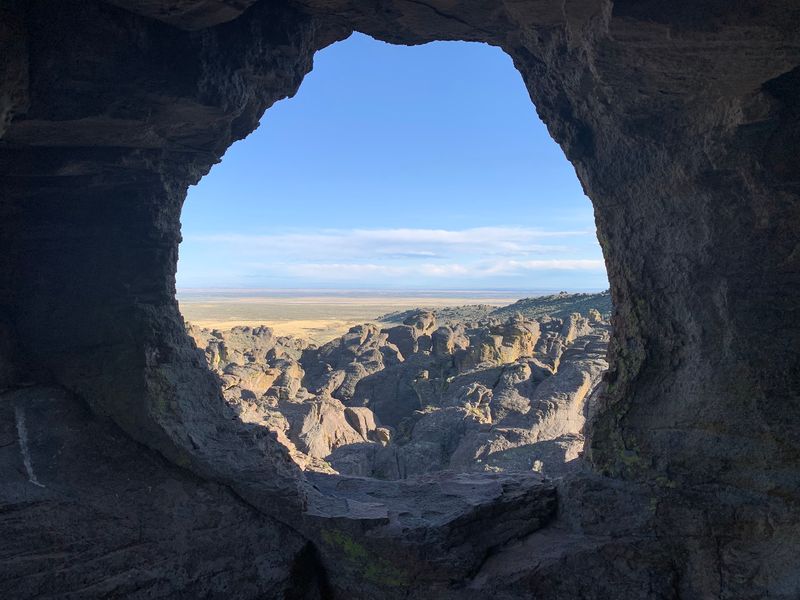
Hoodoos, spires, and mushroom-shaped stones make this place look like a town built by giants. Somewhere among those formations, ancient artists left their own marks.
Little City of Rocks sits on public land north of Gooding. A BLM sign marks access about 12.5 miles north of town on Highway 46.
The road in is short but somewhat rough. Take it slow, or walk in from the pull-off near the highway.
Once you’re there, the landscape feels almost playful. You’ll find towers, natural arches, and narrow spaces to explore between big boulders.
Native Americans carved petroglyphs here thousands of years ago. Spotting them among the strange shapes adds a treasure-hunt feeling to the hike.
A main trail plus side trails welcome hikers, mountain bikers, and horseback riders. Keep an eye out for coyotes, rabbits, and hawks along the way.
Spring is a lovely time to go, when the grass turns green and desert flowers bloom. Cattle graze these public lands, so expect some company.
Primitive, self-support camping is allowed for anyone who wants to linger. Pack what you need, because services don’t exist out here.
Address: Gooding, ID 83330
6. Rock Art
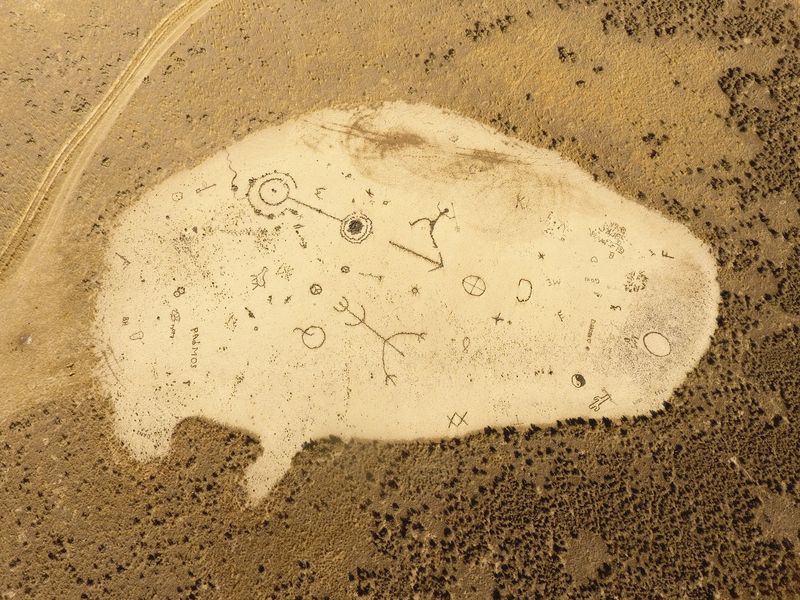
Sometimes a place doesn’t need a fancy name. This spot near Castleford simply goes by Rock Art, which tells you exactly what you came for.
Castleford is a tiny village in Twin Falls County. Head out from there and you’ll soon feel like you’re in the middle of nowhere.
That’s honestly part of the charm. The site is a little hard to find, but the drive pays off once you arrive.
Ancient Indigenous people pecked carvings into the volcanic rocks scattered across this southern Idaho desert. Those images have outlasted countless seasons of wind and sun.
Cool rock formations surround the carvings, so the scenery holds its own too. Kids usually enjoy exploring the shapes and searching for the next marking.
Plan ahead before you go. Download a map, fill your gas tank, and bring plenty of water and snacks.
Cell service can be spotty in remote desert areas. Let someone know your plans, just in case the road turns into an adventure.
Respect the carvings by looking and photographing only. They’ve lasted this long, and the next visitors deserve the same view.
Out here, quiet is part of the experience. It’s easy to wonder who sat on these rocks long ago, and what they saw.
Address: Castleford, ID 83321