Antique Farm Machinery And An 1890s Railroad Town Bring Prairie Life Back At This Nebraska Museum
A whole 1890s railroad town sits on a 200-acre campus, complete with a blacksmith, a hat maker, and the birthplace home of Henry Fonda. That last detail stopped me cold.
A Hollywood legend’s first house, parked on the prairie for anyone to see.
Then there’s the machinery. More than 150 antique tractors, cars, and farm implements fill one building.
A steam engine tractor from the 1900s shares the space with a 1925 Ford Model T Runabout.
I like how this place treats Nebraska history as something you walk through, not something you squint at behind glass. Costumed interpreters work the shops in summer.
Kids can churn butter and bake cornbread on field trips.
I can’t imagine a better way to spend a slow afternoon. So how does a prairie town from 130 years ago still feel this lively today?
A Prairie Museum Big Enough To Fill Your Whole Day
Two hundred acres is a lot of ground for one museum. The Stuhr Museum of the Prairie Pioneer in Grand Island, Nebraska, uses every bit of it.
The campus holds more than 100 historic structures and over 140,000 artifacts. That’s not a quick stroll past a few display cases.
Its stated mission focuses on community building along the Platte River Valley. The collection covers Nebraska life from roughly the 1830s through 1930, including settlers and American Indian history.
You get indoor galleries, outdoor villages, a farm machinery hall, and a Pawnee earth lodge. Each one tells a different piece of the same prairie story.
The museum is accredited by the American Alliance of Museums. That’s a serious stamp of approval for a place that also lets you watch someone shape a horseshoe.
Plenty of folks plan for two or three hours and stay much longer. Five hours goes by faster than you’d think here.
So wear comfortable shoes and bring water. The walking adds up quickly, and you’ll want energy left for the tractors at the end.
How A 1967 Dedication Became A Nebraska Landmark
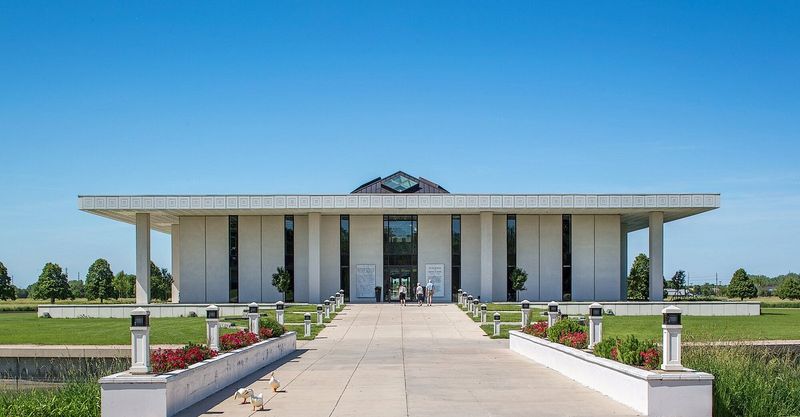
July 1967 marked the official dedication of the Stuhr Museum. Nearly six decades later, it remains one of central Nebraska’s best-known history stops.
The museum earned another honor much later. It was listed on the National Register of Historic Places on June 29, 2015.
That’s a neat twist, really. A museum built to preserve history became historic itself.
The focus has always stayed on the pioneer town builders. These were the people who created Nebraska’s first communities from open grassland and railroad lines.
Behind the scenes, there’s a research library and archives too. Materials there cover Hall County and Central Nebraska from the 1840s until 1930.
Genealogy fans and local history buffs should take note. Family roots in the area could lead to some interesting digging.
The museum also runs educational programs for all ages. School groups, scouts, and curious adults all find their way here regularly through the year.
If you grew up anywhere near Grand Island, there’s a decent chance you took a field trip here. Going back as an adult hits a little differently, in the best possible way.
Main Street Wakes Up Every Summer In Railroad Town
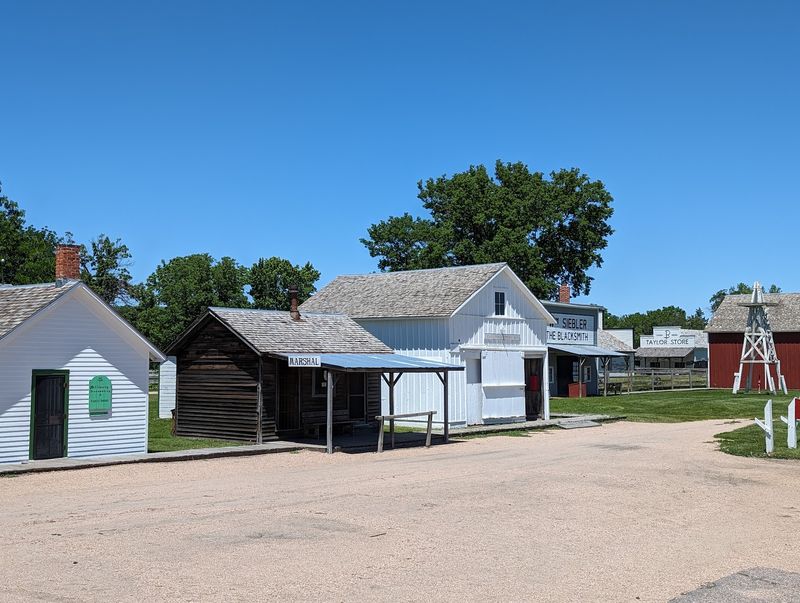
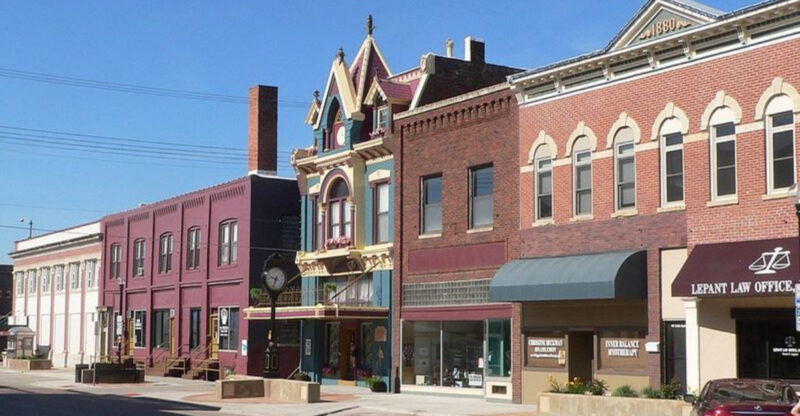
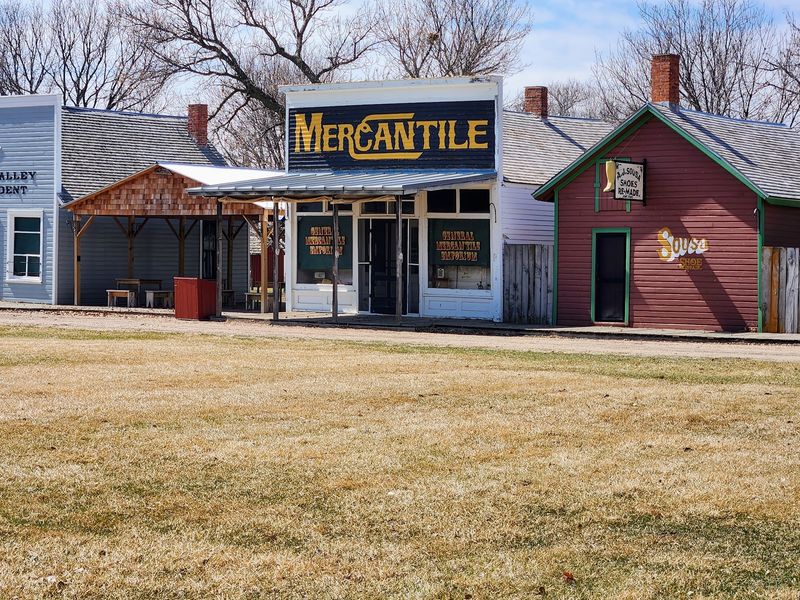
Dirt streets, wooden storefronts, and a railroad depot set the scene. Railroad Town recreates a prairie community from the 1890s, and it’s the star of the show.
From May through mid-September, costumed historical interpreters fill the homes and businesses. They work, chat, and answer questions about daily life back then.
The buildings include a depot, blacksmith shop, hardware store, post office, and mercantile. There’s also an old church with wooden benches, wood floors, and stained glass windows.
You can step inside houses and shops and see how families actually lived. Every doorway opens onto a slightly different slice of the 1890s.
Visiting outside the summer season still has value. The exteriors of the buildings can be viewed year-round, though the full living history experience runs only in the warm months.
A small heads-up for families helps here. Some buildings may be locked at times, so summer gives you the fullest picture.
Railroad Town feels like a movie set where nobody yells cut. Except everything here is genuinely old, and the people inside actually know their stuff.
Sparks Fly At The Blacksmith Shop
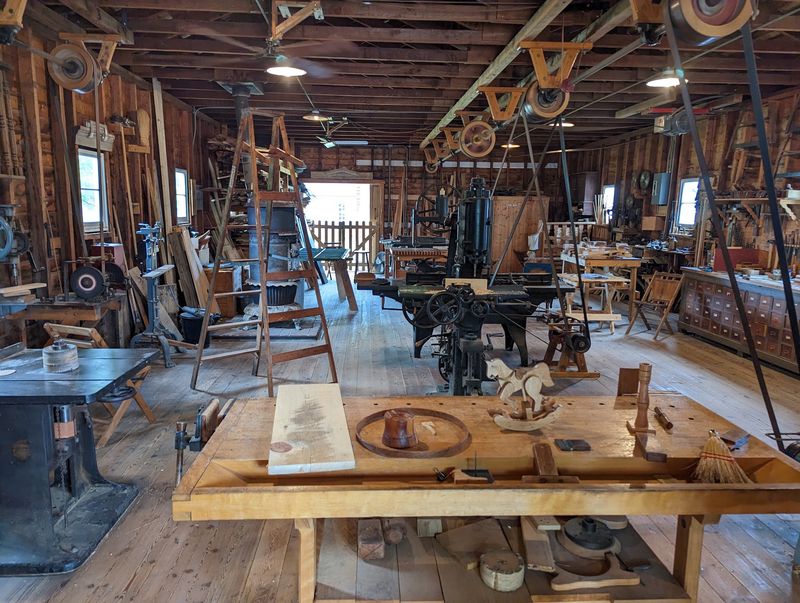
Clang. That sound of hammer on iron is the soundtrack of Railroad Town, and the blacksmith shop is where it comes from.
Of all the things people mention about Stuhr Museum, the blacksmith tops the list. It’s easy to see why.
Watching metal turn from stiff rod to useful tool is oddly hypnotic. Horseshoe making is among the trades demonstrated during the summer season.
In the 1890s, a town without a blacksmith was barely a town. Wagons, plows, and horses all depended on this one shop staying busy.
The interpreters connect those dots for visitors. Kids quickly learn that nobody back then could just order a replacement part online.
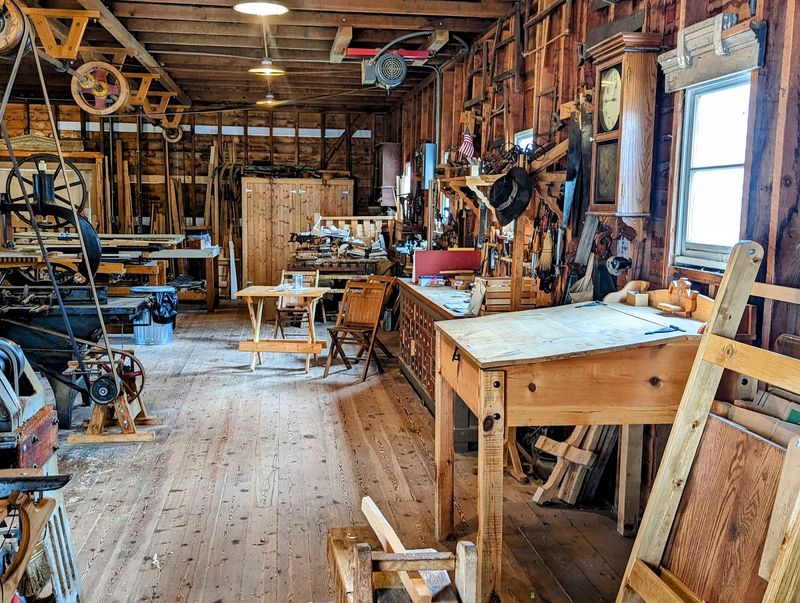
Other trades pop up around town too. Baking, hat making, and woodworking all show how prairie residents made what they needed by hand.
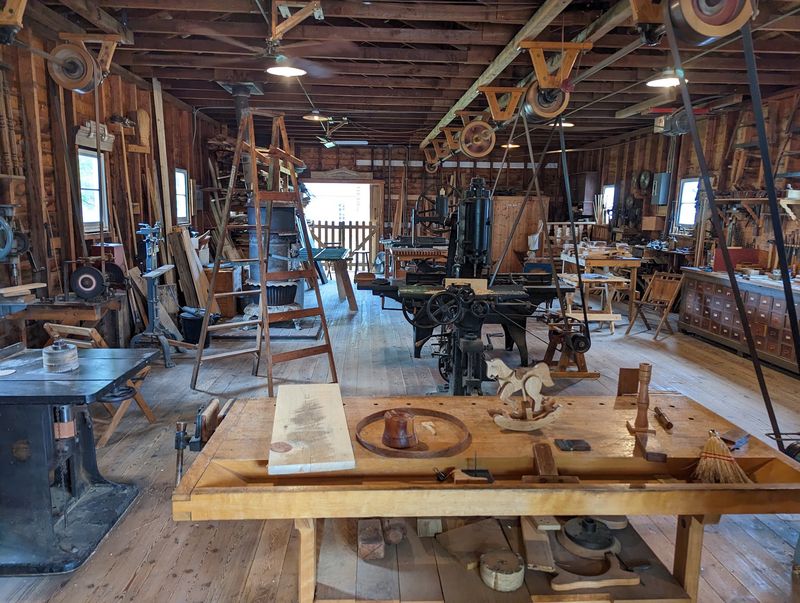
The hat maker in particular is known for friendly conversation. The woodworking shop shows how craftsmen built things in the 1890s with simple tools and lots of patience.
Stop by more than one shop if you can. Each trade adds a new layer to how a prairie town actually kept running.
Henry Fonda’s First Home Landed On The Prairie
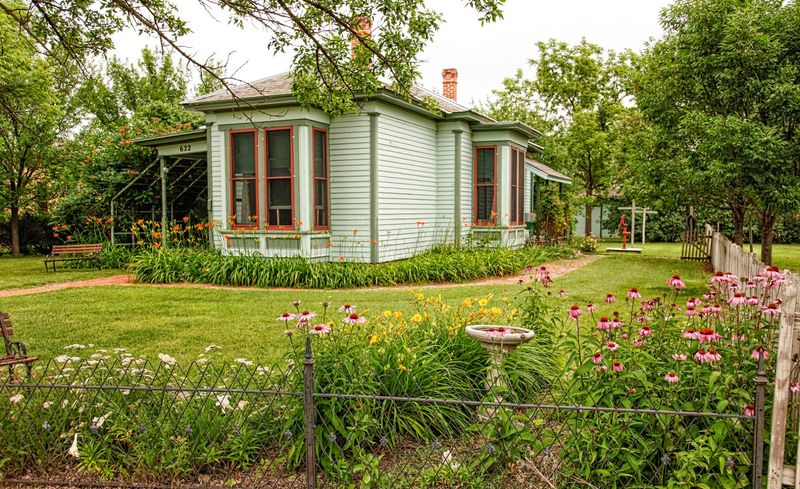
Hollywood royalty started small in Nebraska. The birthplace home of actor Henry Fonda now sits among the buildings of Railroad Town.
Fonda was born in Grand Island in 1905. His family’s modest house was later relocated to the Stuhr Museum grounds.
It’s a fun surprise for movie fans. The man who starred in classic films like 12 Angry Men began life in a humble prairie home.
Seeing it helps put his story in perspective. Big careers can start in very ordinary places.
The house fits right in with its neighbors. It looks like any other family home from the era, which is exactly the point.
Nebraskans love a good claim to fame. This one comes with a front porch you can actually look at.
Point it out to grandparents in your group. They’ll likely remember Fonda’s films and may share a story or two on the spot.
For younger visitors, it’s a reminder that famous people were once kids too. Some of them grew up on dirt streets just like these.
Steam Tractors And A Model T Steal The Show Indoors
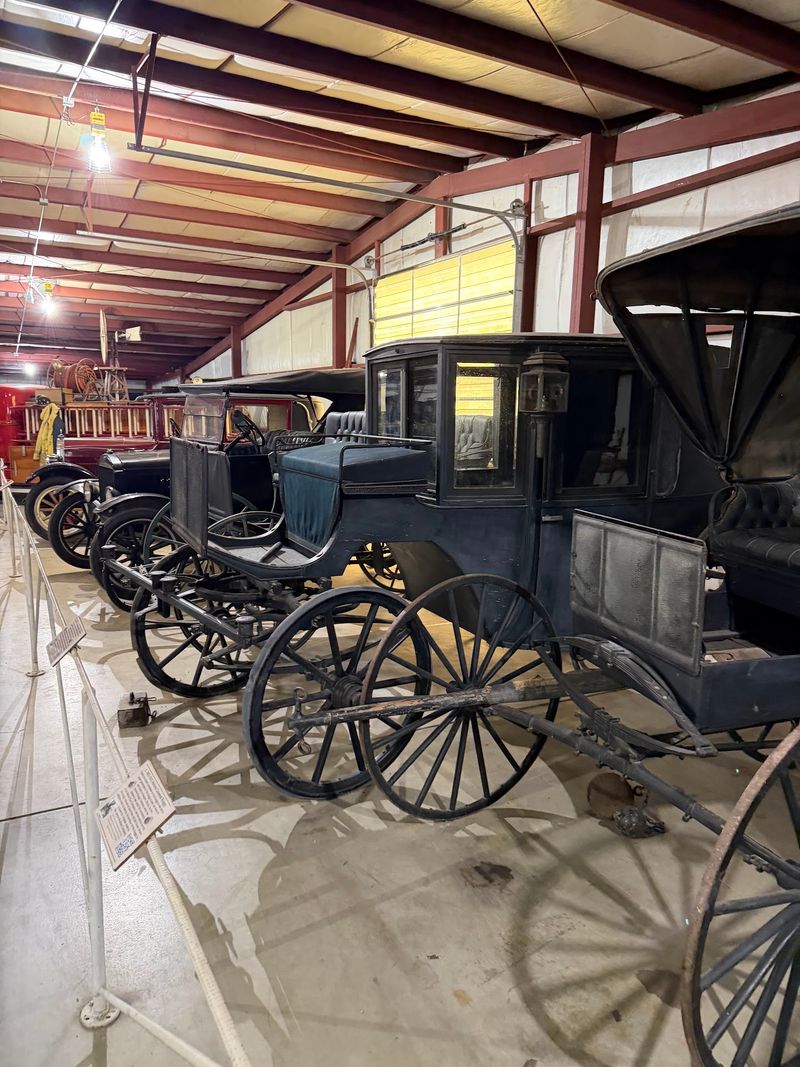
More than 150 antique tractors, automobiles, and farm implements fill the Farm Machinery and Auto Exhibit Building. Even folks who claim they don’t care about machinery tend to change their minds here.
The headliner might be a Gaar-Scott 16 HP Steam Engine Tractor from the 1900s. It’s a hulking reminder of how much muscle early farming required.
Nearby sits a 1925 Ford Model T Runabout. That little car helped put ordinary families on the road for the first time.
Then there’s the Johnston and Linihan Improved Gem Grain Grader. It dates to the late 1890s or early 1900s and sorted grain long before modern equipment existed.
Together, the collection works like a timeline of Nebraska agriculture. You can trace how farming went from horsepower to steam to gasoline.
Antique tractor clubs have even met here. That says plenty about how seriously the collection is taken.
Bring anyone who grew up on a farm. They’ll probably point at something and say they used one exactly like it.
Save time for this building. It’s easy to underestimate how long you’ll linger.
An Edward Durell Stone Building Floats On Its Own Lake
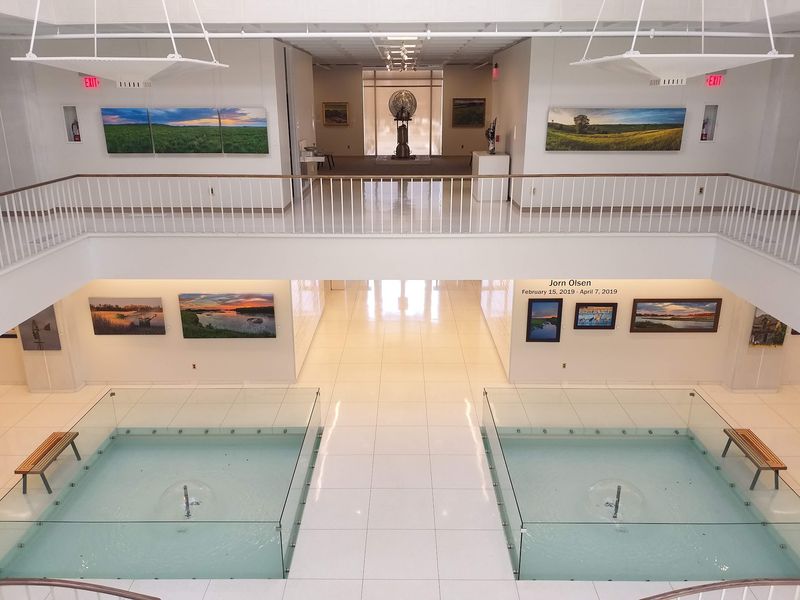
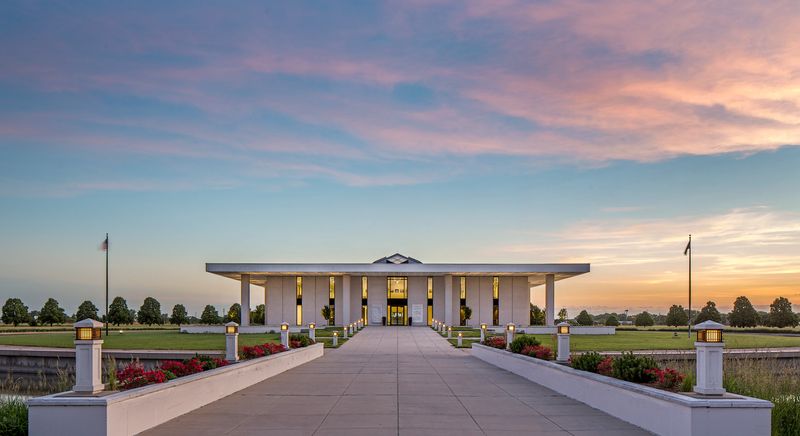
Nobody expects world-famous modern architecture in the middle of a prairie history museum. Yet here it is, gleaming white and ringed by water.
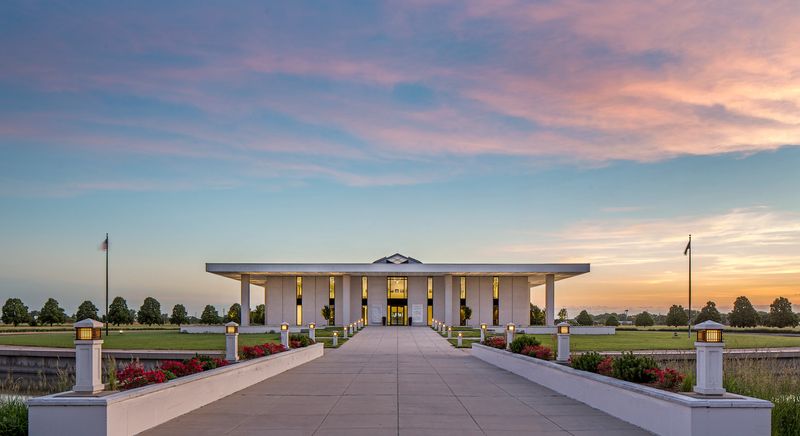
The Stuhr Building was designed by Edward Durell Stone. He’s the same architect behind the Kennedy Center in Washington, D.C.
It’s often nicknamed the Gem of the Prairie. A man-made lake surrounds the building, so it seems to rise straight from the water.
Inside, you’ll find rotating and permanent exhibits. Artwork by talented Nebraska artists shares space with pioneer history displays.
A wide portico overlooks the pond. It’s lovely enough that the building also hosts weddings and receptions.
The contrast is part of the charm. Sleek 1960s design sits just down the path from dusty 1890s streets.
Keep an eye on the water too. Canada geese gather around the pond, and bald eagles have been spotted nearby.
On a rainy day, this building becomes your best friend. The indoor exhibits alone can fill a satisfying visit when Railroad Town is closed.
Cowboy Gear Lives Inside A Giant Wagon Wheel
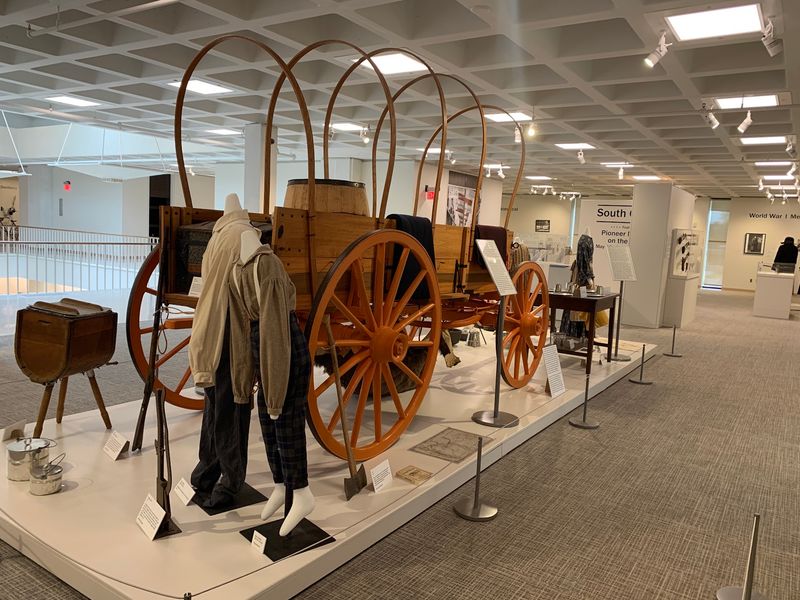
From above, the Gus Fonner Memorial Rotunda looks like a spoked pioneer wagon wheel. That clever shape fits its contents perfectly.
Inside, you’ll find a huge collection of cowboy, Old West, and Native American artifacts. The exhibits tell the story of Plains agriculture and the tools that shaped the region.
Saddles, ranch gear, and everyday implements fill the space. Each one hints at how hard frontier work could be.
The rotunda broadens the story beyond town life. It covers the open range, the ranchers, and the people who knew this land first.
It also stands out as one of the museum’s most memorable buildings. The round design makes the walk through feel like a slow loop around history.
Here’s a fun detail for kids. Ask them to guess why a building would be shaped like a wheel before you go inside.
The rotunda is open year-round along with the Stuhr Building. That makes it another reliable stop in any season.
Pair it with the main building for a full indoor afternoon. Then head outdoors when the weather cooperates.
A Pawnee Earth Lodge Reaches Further Back In Time
Long before railroads crossed Nebraska, the Pawnee Nation built homes from earth and timber. The museum includes an authentic Pawnee Earth Lodge to share that history.
The lodge teaches visitors about traditional Pawnee ways of life. Authentic Native American artifacts help bring those lessons into focus.
It’s an essential stop for understanding the land’s original people. The prairie story doesn’t start with settlers, and the museum makes that clear.
Earth lodges were sturdy, practical homes. Their thick walls helped families handle the extremes of Plains weather.
Standing near one changes how you picture early Nebraska. The landscape was already home to established communities.
The museum also recognizes Black Americans alongside Native people and early pioneers. That wider view gives a fuller picture of who shaped the region.
Bring curious questions here. Kids especially tend to wonder how a home could be built with soil.
Take your time at this stop. It adds depth to everything else you’ll see on the grounds that day.
Road Ranches Were The Truck Stops Of The 1860s
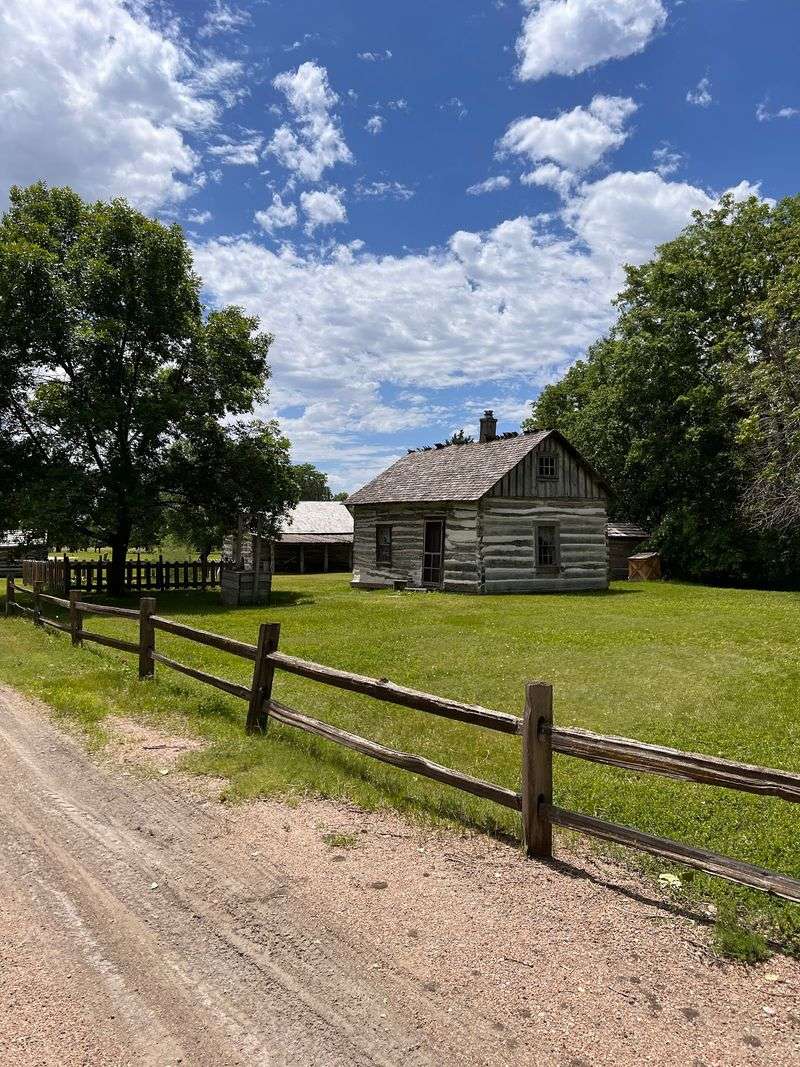
Picture travelers on the overland trails needing supplies and a place to rest. Road ranches filled that need, much like truck stops do today.
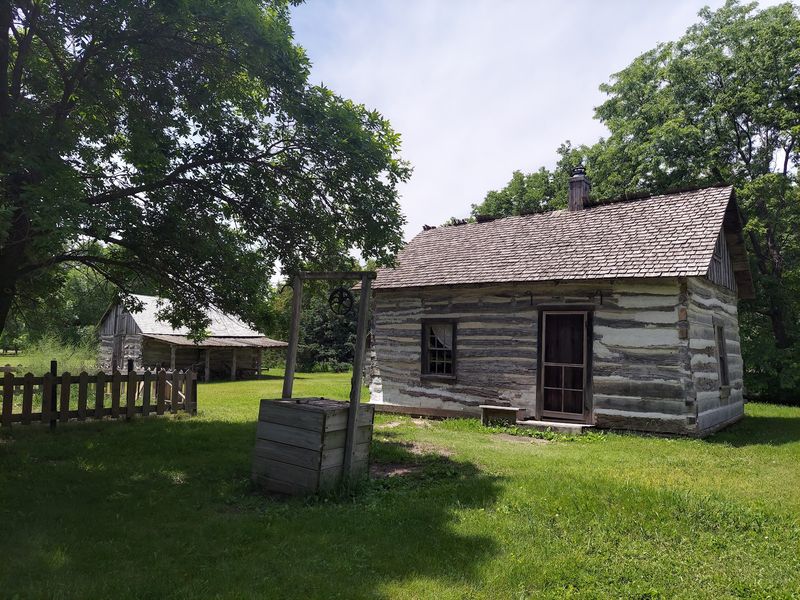
A log cabin settlement at the museum recreates these road ranches from the 1850s and 1860s. It offers a look at the long, tiring journeys of people heading west or back east.
The cabins are simple and sturdy. They show how little early travelers had compared with later town residents.
There’s more ranching history nearby. The original store from the Taylor Ranch stands on the grounds.
That ranch was a 10,000-acre sheep-feeding operation in Hall County. The size alone gives you a sense of how big early ranching could get.
Walking from the cabins to Railroad Town is like fast-forwarding a few decades. You can see Nebraska grow from trail stops into real communities.
That progression is one of the museum’s quiet strengths. Every area builds on the one before it.
Don’t skip this corner of the campus. It explains why towns like Grand Island grew where they did.
Hands-On History Kids Actually Remember
Cornbread made from scratch, butter churned by hand, and vegetable stew cooked the old way. Field trip groups get to do all of that here.
School groups learn what daily life was like in the 1890s through real chores. Cleaning, cooking, and old-fashioned games all become part of the lesson.
It’s history kids can taste. That tends to stick far longer than a worksheet ever could.
Scouts come here too, including for merit badge events. Railroad Town and the costumed interpreters make a strong impression on young visitors.
The museum suits a wide range of ages. Retirees in their 70s and energetic ten-year-olds can share the same afternoon.
Leashed dogs are allowed on the grounds. They aren’t permitted inside any buildings, so plan accordingly.
Restrooms are available in both the main museum and the village. That’s a small detail families will appreciate.
Bring water and sturdy shoes for everyone. The grounds are spread out, and little legs get tired faster than they admit.
Lunch Breaks And Souvenirs Without Leaving The Grounds
All that walking builds an appetite. Thankfully, you won’t have to leave the grounds to grab a bite.
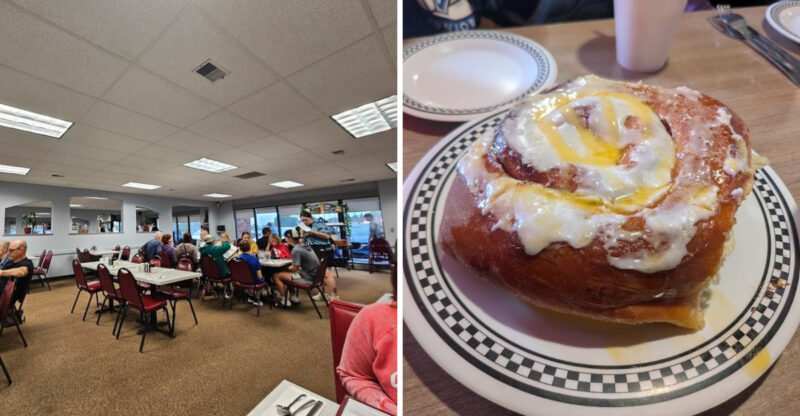
The Prairie Café inside the Stuhr Building serves sandwiches, soups, salads, and coffee. It’s an easy spot to recharge between exhibits.
During summer, the Silver Dollar Café opens in Railroad Town. It offers refreshments right in the middle of the 1890s streets, including ice cream and sandwiches.
A chicken salad sandwich there has earned some fans. Prices are known for being friendly to family budgets.
Then there’s the Prairie Treasures Gift Shop. It’s a good place to pick up a souvenir from your trip through Nebraska history.
Plenty of shopping chances are scattered around the grounds too. Little hands will likely find something to beg for.
Plan your meal around your route. Eating in Railroad Town during summer keeps you close to the action.
On cooler days, the café in the main building makes a cozy stop. You can rest up before heading to the rotunda or machinery hall.
Plan For Summer, Arrive Early, And Stay Late
Timing matters most at this museum. Summer brings Railroad Town fully to life, with interpreters working from May through mid-September.
The Stuhr Museum sits at 3133 US-34 in Grand Island, Nebraska, just off Interstate 80. That makes it an easy detour for road trippers crossing the state.
The museum is typically closed on Mondays. The main building and rotunda stay open year-round, with winter hours running November through February.
Check the schedule before you go, since hours can shift by season. Admission is reasonably priced, and NARM members can use their membership for entry.
Morning arrivals give you the most breathing room. A two-hour visit covers highlights, but four hours or more lets you see it all.
Stormy days may close the outdoor town. The indoor exhibits still make the trip worthwhile.
So is it worth the drive? For anyone who loves Nebraska history, old tractors, or a good story, the answer feels obvious.
Railroad Town will be waiting with its blacksmith ready. Just remember to bring comfortable shoes.