12 Antique Styles That Are Hot In New York And Flying Off Shelves

New York’s antique scene is buzzing with excitement as collectors and decorators hunt for timeless pieces that bring character to modern homes.
Classic furniture and décor from past centuries are making a major comeback, blending history with today’s design trends.
Shoppers across the city are snapping up everything from elegant Swedish chairs to bold Art Deco lamps, proving that old-fashioned style never truly goes out of fashion.
Whether you’re furnishing a cozy apartment or adding a statement piece to your living room, these twelve antique styles are the ones everyone is talking about right now.
1. Gustavian Furniture
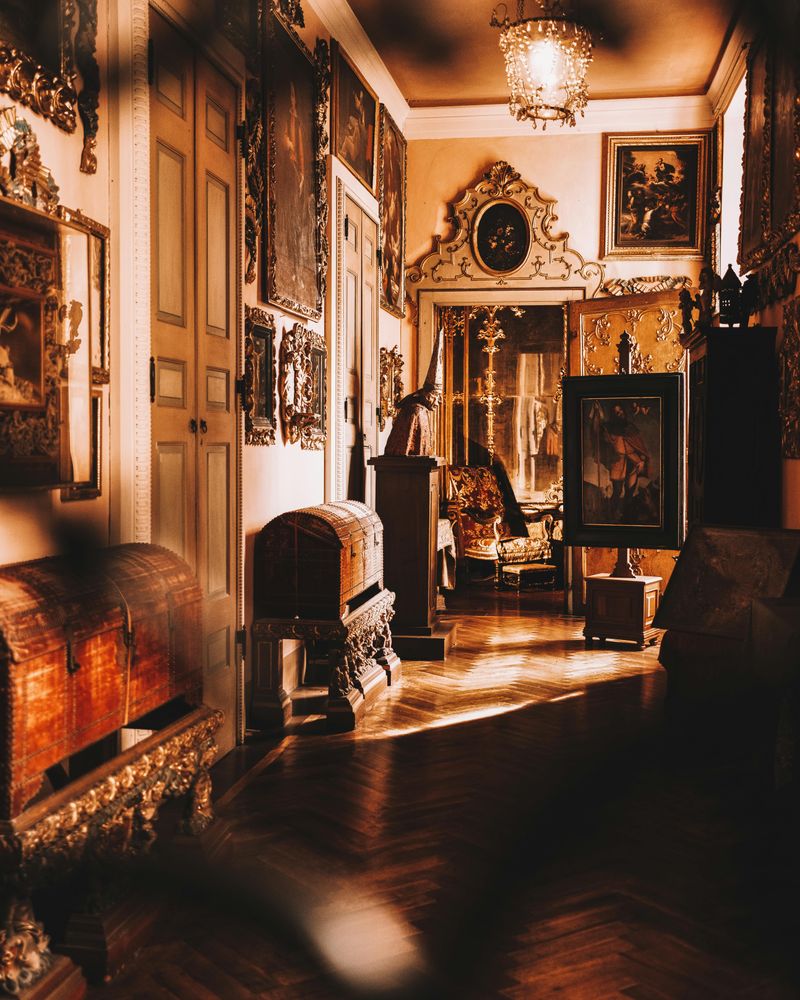
Swedish royalty knew a thing or two about timeless elegance, and Gustavian furniture proves it every single day.
Named after King Gustav III of Sweden, this 18th-century style features soft, muted colors like pale gray, cream, and dusty blue that make any room feel calm and collected.
The neoclassical lines are simple yet refined, with gentle curves and delicate carvings that whisper sophistication without shouting for attention.
New Yorkers are drawn to painted chests, cabinets, and chairs that show natural wear and distressed finishes, giving each piece a story worth telling.
The beauty lies in imperfection – scuffs and faded paint add authenticity rather than detract from value.
Gustavian pieces work beautifully in modern apartments because they balance formality with a relaxed, lived-in vibe.
Pairing one of these treasures with contemporary textiles or neutral rugs creates a look that feels both fresh and rooted in history, making it a top choice for collectors who appreciate understated charm.
2. Murano Glass

Imagine molten glass shaped by skilled hands into swirling colors and delicate, frilly edges that catch the light like frozen waves.
Murano glass hails from a small island near Venice, Italy, where artisans have perfected their craft over centuries, creating pieces that range from bold vases to whimsical figurines.
Each item is one-of-a-kind, with layers of color and texture that can’t be replicated by machines.
The frilly, ruffled accents that are trending now add a playful, romantic touch to shelves, mantels, and dining tables across New York homes.
Collectors love how these pieces bring both elegance and a sense of fun, mixing high-end artistry with a lighthearted spirit.
Murano glass works as a statement centerpiece or as part of a curated collection, and its versatility means it suits both traditional and eclectic interiors.
Hunting for authentic Murano pieces requires a careful eye, as many reproductions flood the market, but genuine items carry signatures or labels that confirm their island origins.
3. Art Deco Furniture

Jazz, flappers, and skyscrapers – Art Deco captures the glamour and optimism of the roaring twenties in furniture form.
This style emerged in the 1920s and 1930s, defined by sharp geometric shapes, rich materials like ebony and brass, and a love for symmetry and bold contrast.
Cabinets, side tables, and lighting from this era often feature sleek lines, mirrored surfaces, and exotic wood veneers that command attention the moment you walk into a room.
New York buyers are particularly drawn to Art Deco case pieces and decorative objects that add instant drama and sophistication to minimalist or contemporary spaces.
The style’s confident, almost theatrical presence makes it ideal for anyone who wants their home to feel like a stylish urban retreat.
Lighting fixtures from the Art Deco period – think chrome sconces and frosted glass chandeliers – are especially popular, casting warm, flattering light while serving as sculptural art.
Authentic pieces can be pricey, but their timeless appeal and craftsmanship make them worthy investments for serious collectors.
4. Painted Furniture

Color transforms ordinary furniture into personal expression, and painted antiques carry the brushstrokes of generations past.
Well-executed painted furniture – whether it’s a farmhouse table adorned with floral motifs or a European armoire in robin’s egg blue – adds instant warmth and character to any space.
The key is authenticity: pieces with original paint and natural patina are far more desirable than those that have been recently refinished or over-restored.
Hand-painted details like botanical designs, folk art patterns, or even simple stripes reveal the skill and creativity of artisans from centuries ago.
New Yorkers are using these colorful treasures to break up neutral palettes and inject personality into bedrooms, entryways, and dining areas.
Painted furniture pairs beautifully with both rustic and modern décor, offering flexibility that solid wood pieces sometimes lack.
When shopping, look for even wear, consistent aging, and paint that shows gentle fading rather than harsh chipping, as these signs point to genuine age and careful preservation over time.
5. Neoclassical Furniture
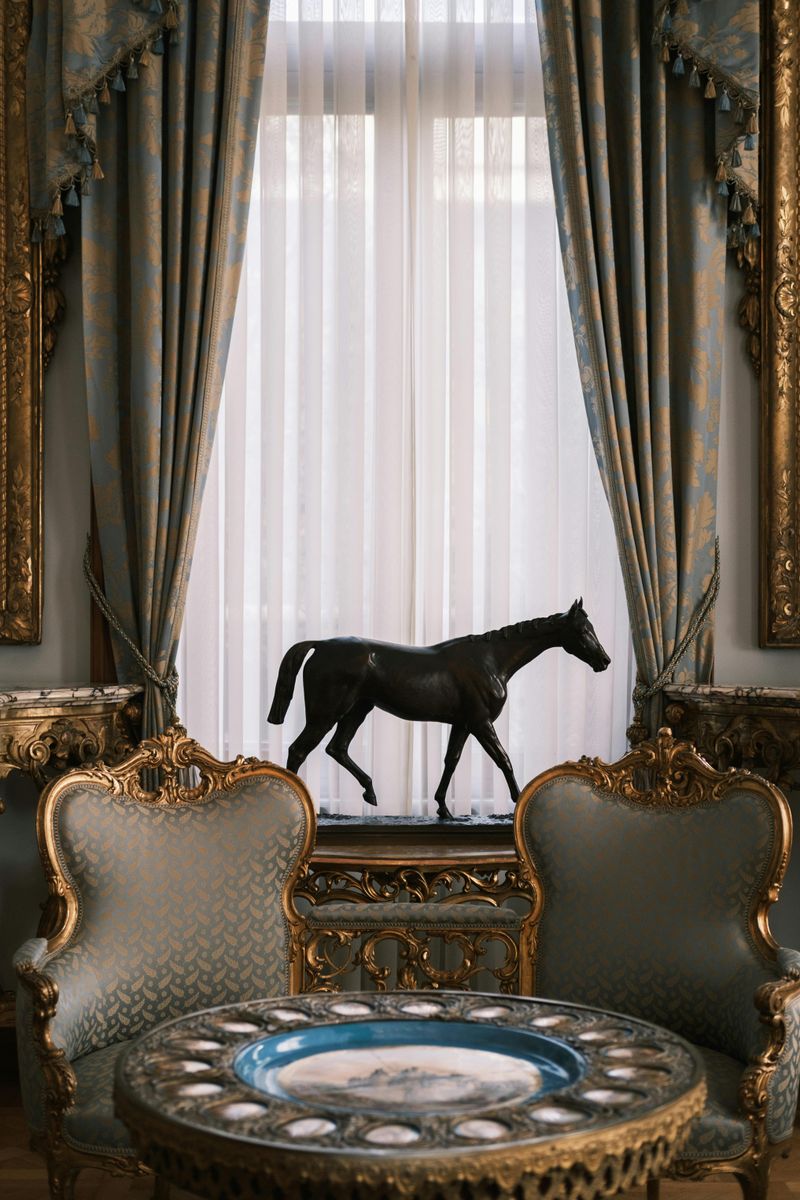
Ancient Greece and Rome inspired a furniture revolution in the late 18th and early 19th centuries, and that influence is roaring back today.
Neoclassical furniture from the late Georgian and Regency periods features graceful proportions, classical motifs like urns and laurel wreaths, and refined details that speak to educated taste.
Faux-tortoise finishes and intricate inlay work – using contrasting woods or mother-of-pearl – add layers of visual interest that mid-century modern simply can’t match.
After decades of sleek, minimalist dominance, New York collectors are rediscovering the beauty of formality and craftsmanship that neoclassical pieces offer.
These antiques work especially well in spaces with high ceilings, large windows, and architectural details that echo their grandeur.
Grand tour souvenirs, such as bronze sculptures or marble busts acquired during European travels, complement neoclassical furniture perfectly and are also seeing renewed interest.
The style’s balance of elegance and restraint makes it adaptable, fitting into both traditional brownstones and renovated lofts with equal grace and poise.
6. Victorian Parlor Chairs
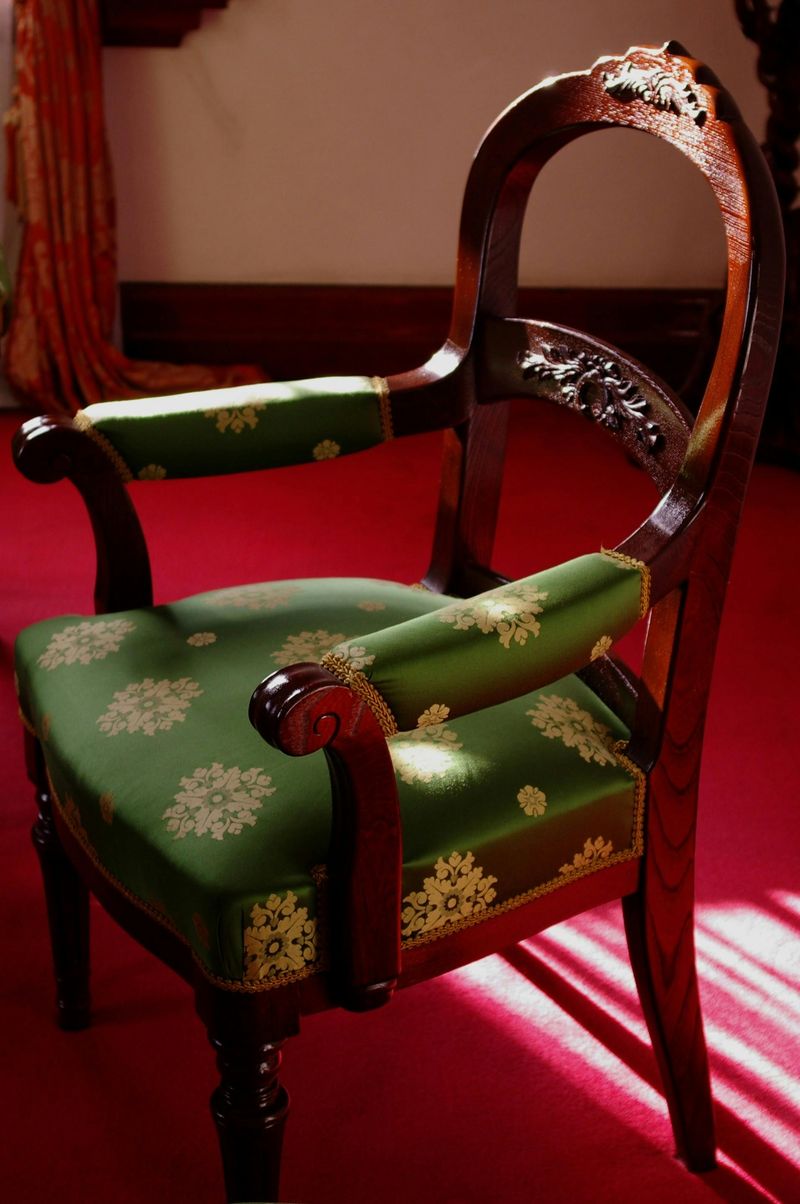
Step into a Victorian sitting room, and you’ll find chairs that were built not just for sitting, but for making an impression.
Victorian parlor chairs from the mid-to-late 1800s are known for their elaborate woodwork, curvaceous frames, and plush, tufted upholstery that invites long conversations over tea.
Carved rosewood, walnut, and mahogany frames often feature floral or scroll motifs that showcase the era’s love for detail and decoration.
These chairs are experiencing a revival in New York as homeowners seek seating that doubles as sculptural art, adding texture and history to living rooms and bedrooms.
Reupholstering in modern fabrics – like soft linens or bold velvets – can update the look while preserving the original frame’s integrity.
Parlor chairs work beautifully as accent pieces, anchoring reading nooks or flanking fireplaces with a sense of occasion and comfort.
When shopping, check the joints and frame stability, as Victorian pieces were often glued rather than screwed, and some may need professional restoration to ensure they’re both beautiful and functional for everyday use.
7. French Provincial Armoires
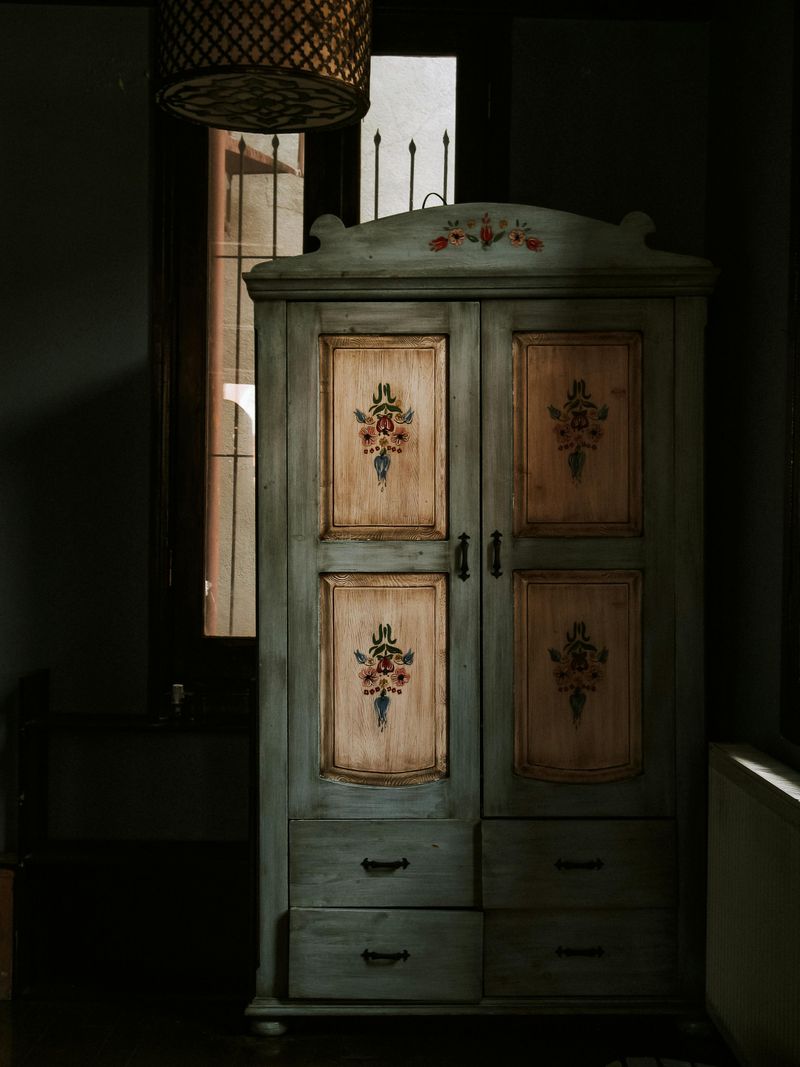
French country life celebrated simplicity and practicality, and provincial armoires embody that unpretentious elegance perfectly.
Originating from rural France in the 18th and 19th centuries, these large wardrobes were crafted from oak, cherry, or fruitwood and feature carved panels, arched doors, and sturdy construction meant to last for generations.
Their generous size makes them ideal for storage-starved New York apartments, where closet space is often at a premium.
The natural wood finishes and hand-carved details bring warmth and texture to bedrooms, hallways, or even dining rooms when repurposed as dish storage or a bar cabinet.
Unlike ornate Parisian furniture, provincial pieces have a relaxed, lived-in quality that feels approachable and homey rather than formal.
Many buyers appreciate the versatility of armoires, which can be adapted to hold everything from linens and clothing to electronics and books.
When selecting one, look for original hardware, such as iron hinges and latches, and check for any signs of insect damage or warping that could affect the doors’ function and overall longevity.
8. English Oak Refectory Tables
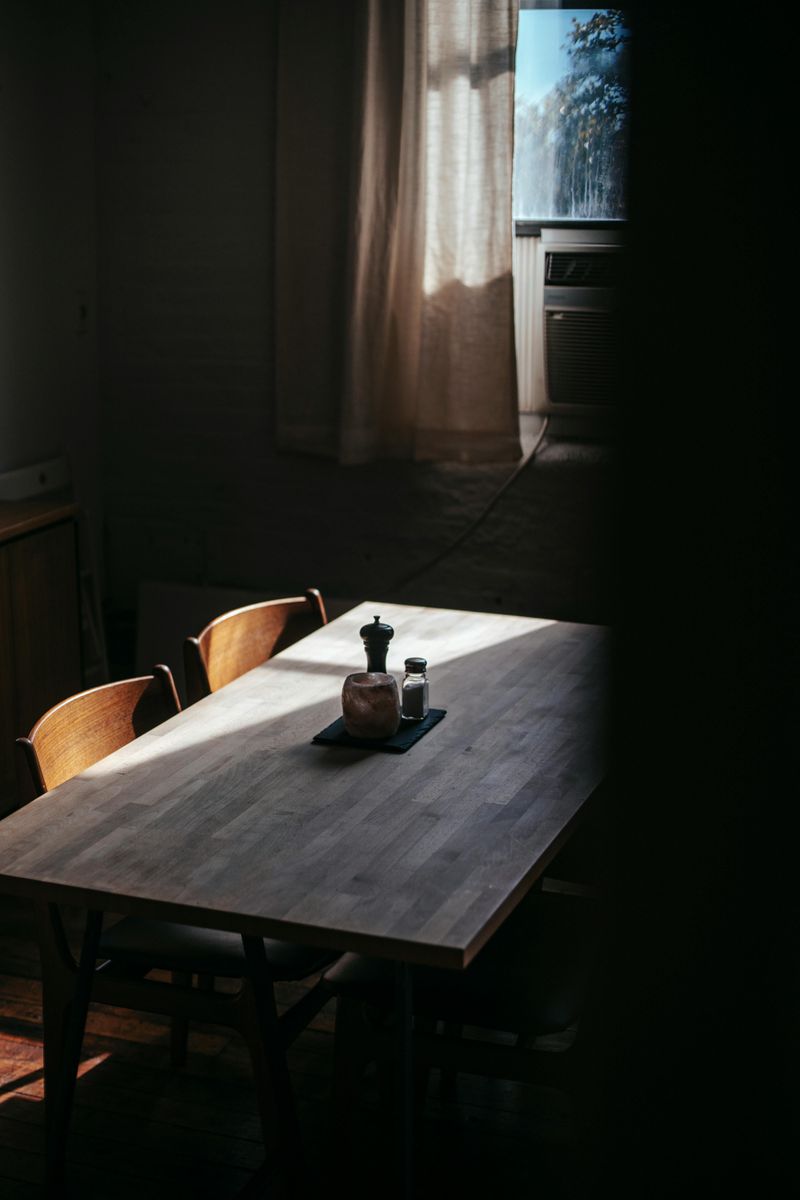
Monasteries and manor houses once gathered around these sturdy tables, and their appeal hasn’t faded after centuries of use.
English oak refectory tables date back to the Tudor and Jacobean periods, featuring thick plank tops, robust turned or carved legs, and a solid, grounded presence that anchors any dining space.
The rich, warm tones of aged oak develop a deep patina over time, adding character that new furniture simply can’t replicate.
New York families and entertainers are choosing refectory tables for their durability and timeless style, knowing they can handle everything from weeknight dinners to holiday feasts.
The generous length accommodates large gatherings, making them perfect for those who love to host and value pieces that bring people together.
Refectory tables pair well with modern chairs, mixing old and new for a look that feels curated rather than matchy-matchy.
When shopping, inspect the underside for original joinery and any repairs, as authentic pieces will show hand-cut dovetails and pegs rather than modern screws or brackets, confirming their age and craftsmanship.
9. Mid-Century Brass Accents
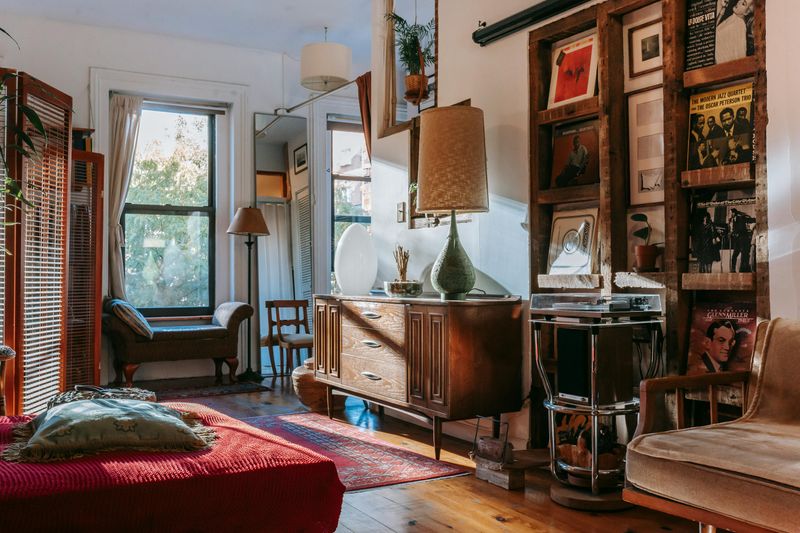
Brass had its heyday in the mid-20th century, and collectors are rediscovering its warm glow and versatile charm all over again.
Mid-century brass pieces – ranging from table lamps and candlesticks to magazine racks and serving trays – bring a touch of retro sophistication without feeling overly nostalgic.
The metal’s natural patina develops over time, shifting from bright gold to deeper, mellower tones that add depth and richness to interiors.
New Yorkers are mixing brass accents with marble, wood, and glass to create layered, textured spaces that feel both polished and inviting.
Small brass objects are easy to collect and display, making them accessible entry points for those new to antique hunting.
Brass lighting, in particular, casts a flattering, warm light that softens modern interiors and complements a wide range of color palettes.
When caring for brass antiques, some prefer to keep the natural patina for an authentic vintage look, while others polish pieces to restore their original shine – both approaches are valid and depend on personal style and the item’s intended use within the home.
10. Chinese Export Porcelain
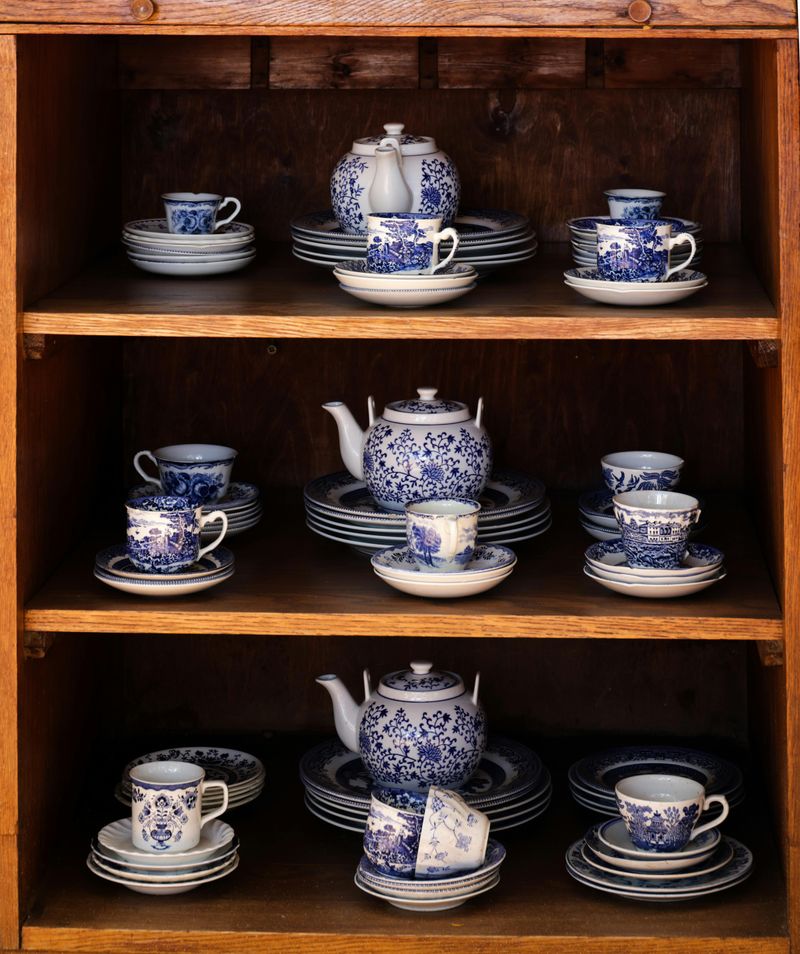
East met West in the porcelain trade centuries ago, and the result is a category of antiques that continues to captivate collectors worldwide.
Chinese export porcelain was made specifically for European and American markets during the 18th and 19th centuries, featuring intricate hand-painted designs in blue and white, famille rose palettes, or elaborate gilt details.
These pieces range from large vases and platters to delicate teacups and ginger jars, each telling a story of cross-cultural exchange and craftsmanship.
New York decorators are using Chinese export porcelain to add color, pattern, and a sense of global history to mantels, bookshelves, and dining tables.
The blue and white palette, in particular, works beautifully with both traditional and coastal-inspired interiors, offering a classic look that never feels dated.
Collecting export porcelain can start small with a single plate or bowl and grow into a curated display over time.
When shopping, examine pieces carefully for cracks, repairs, or repainting, as condition greatly affects value, and authentic antique porcelain should show consistent glaze and brushwork that reflects the hand of skilled artisans.
11. American Federal Mirrors
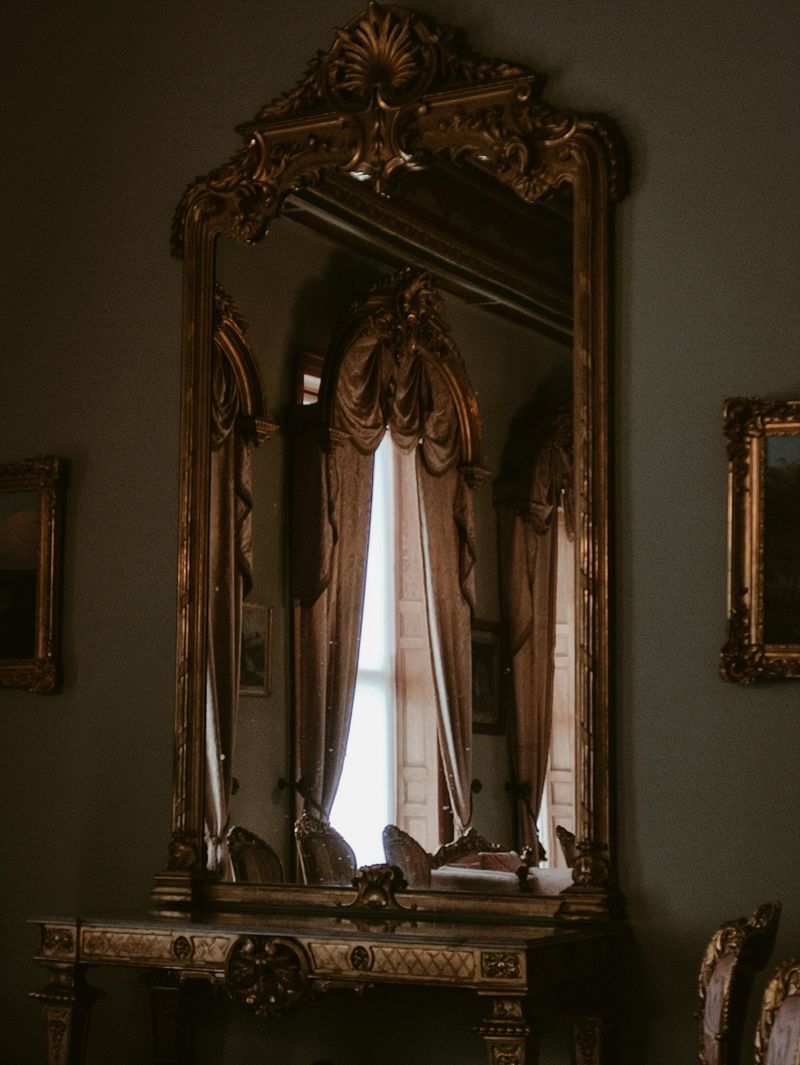
Mirrors from the Federal period reflect more than just your image – they capture the optimism and elegance of early America.
Crafted in the late 18th and early 19th centuries, American Federal mirrors feature delicate gilt wood frames, often adorned with patriotic motifs like eagles, stars, or classical urns.
The frames are typically slender and refined, with subtle decorative flourishes that enhance rather than overwhelm the glass.
New Yorkers are hanging these mirrors in entryways, dining rooms, and above mantels, where they catch and reflect light while adding a sense of history and sophistication.
The gilt finish, though sometimes worn or faded, adds warmth and visual interest to walls, making spaces feel brighter and more expansive.
Federal mirrors pair beautifully with both antique and contemporary furniture, bridging styles with ease and grace.
When selecting a mirror, check that the glass is original or period-appropriate, as old glass often has a slightly wavy or grayish tint that modern replacements lack, and ensure the frame’s gilding shows natural wear rather than harsh over-restoration that can diminish authenticity and charm.
12. Italian Renaissance Revival Furniture

Renaissance artistry experienced a second life in the 19th century, and the furniture from that revival is nothing short of spectacular.
Italian Renaissance revival pieces draw inspiration from the grandeur of 15th and 16th-century Italy, featuring heavily carved walnut or oak, architectural elements like columns and arches, and elaborate decorative motifs such as cherubs, scrolls, and mythological scenes.
These pieces were designed to impress, often serving as centerpieces in grand homes and public spaces.
New York collectors are drawn to the drama and craftsmanship of Renaissance revival furniture, using sideboards, cabinets, and tables to anchor formal dining rooms or libraries.
The style’s bold presence works best in spaces with high ceilings and ample room, where the intricate details can be appreciated without feeling overwhelming.
While these pieces are undeniably statement-makers, they also offer surprising functionality, with generous storage and sturdy construction that stands up to daily use.
When considering a Renaissance revival piece, assess the quality of the carving and the condition of the wood, as fine examples will show crisp, detailed work and rich, consistent patina that speaks to both age and careful preservation over generations.