14 Arizona Natural Wonders That Look Like They Are From Another Planet
Arizona is a pretty amazing state, right? I mean, we all know that, it’s obvious. But there’s so much more to see.
Some places there just look unreal, like they belong on Mars or something. Seriously, you see pictures and think, ‘No way that’s real.’ But it is!
Every one of these natural wonders has its own kind of magic that you won’t find anywhere else.
You could spend days exploring and still feel like you’ve barely scratched the surface. Here’s a list of spots that are so strange and beautiful.
They’ll make you feel like you’ve landed on another planet. You’re about to see Arizona like you’ve never imagined.
1. Grand Canyon National Park
Ever wondered what it feels like to stand at the edge of one of the world’s most breathtaking landscapes?
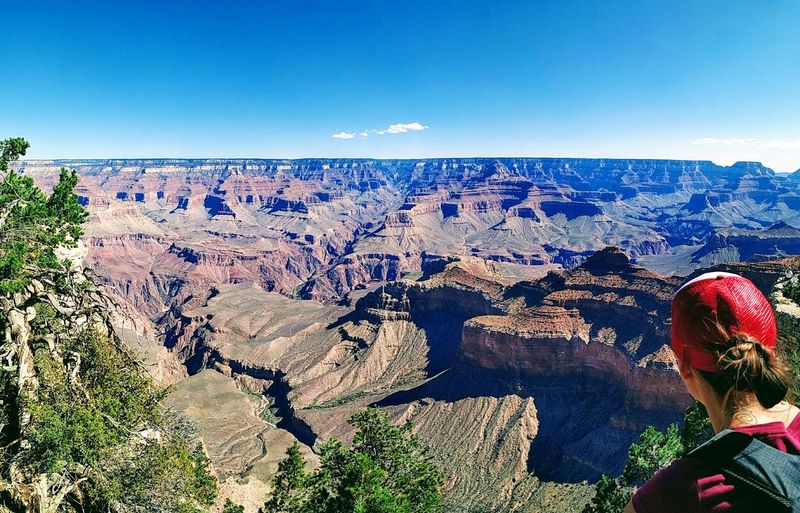
Standing at the rim of the Grand Canyon for the first time is a full-body experience that no photograph has ever truly captured.
Carved by the Colorado River over roughly five to six million years, this colossal gorge in northern Arizona stretches about 277 miles long, up to 18 miles wide, and more than a mile deep.
The exposed rock layers read like pages from Earth’s geological diary. Colors shift from creamy limestone at the top to ancient Vishnu Schist at the very bottom.
Sunrise and sunset are the best times to visit. Warm light sets the canyon walls ablaze in deep oranges and purples that feel almost too dramatic to be real.
Hiking trails range from easy rim walks to multi-day backcountry adventures. There is truly something for every fitness level.
The South Rim is open year-round and remains the most accessible. The quieter North Rim offers a more remote experience from mid-May through mid-November.
Few places on Earth demand this kind of quiet respect and wide-eyed wonder all at once.
2. Antelope Canyon
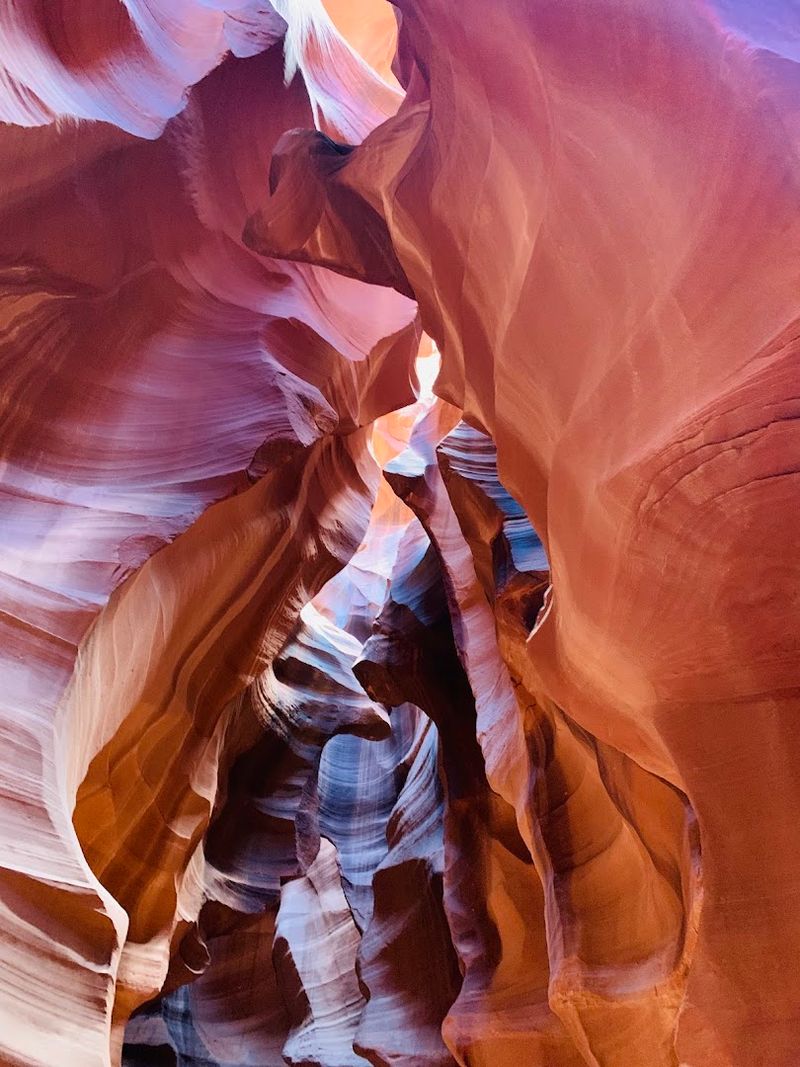
Light does something almost magical inside Antelope Canyon. It bends and twists through narrow sandstone corridors in ways that seem completely unscientific.
On Navajo Nation land near Page, Arizona, this famous slot canyon comes in two sections. Upper Antelope Canyon, known as “The Crack,” and Lower Antelope Canyon, called “The Corkscrew.”
Flash floods carved these smooth, wave-like walls over thousands of years. The result is a series of flowing curves and warm, glowing colors that shift throughout the day.
The most sought-after shots happen around midday from late spring through summer. Sunlight beams shoot directly down through the narrow openings above.
Tours are required to enter, and they are led by Navajo guides. They know every curve and lighting sweet spot inside the canyon.
Upper Antelope Canyon is generally easier to navigate and more accessible. The lower section involves ladders and is better suited for adventurous visitors.
Booking your tour weeks or even months in advance is strongly recommended. During peak season, spots sell out fast.
Let’s be honest the reason why is obvious.
3. The Wave, Vermilion Cliffs National Monument
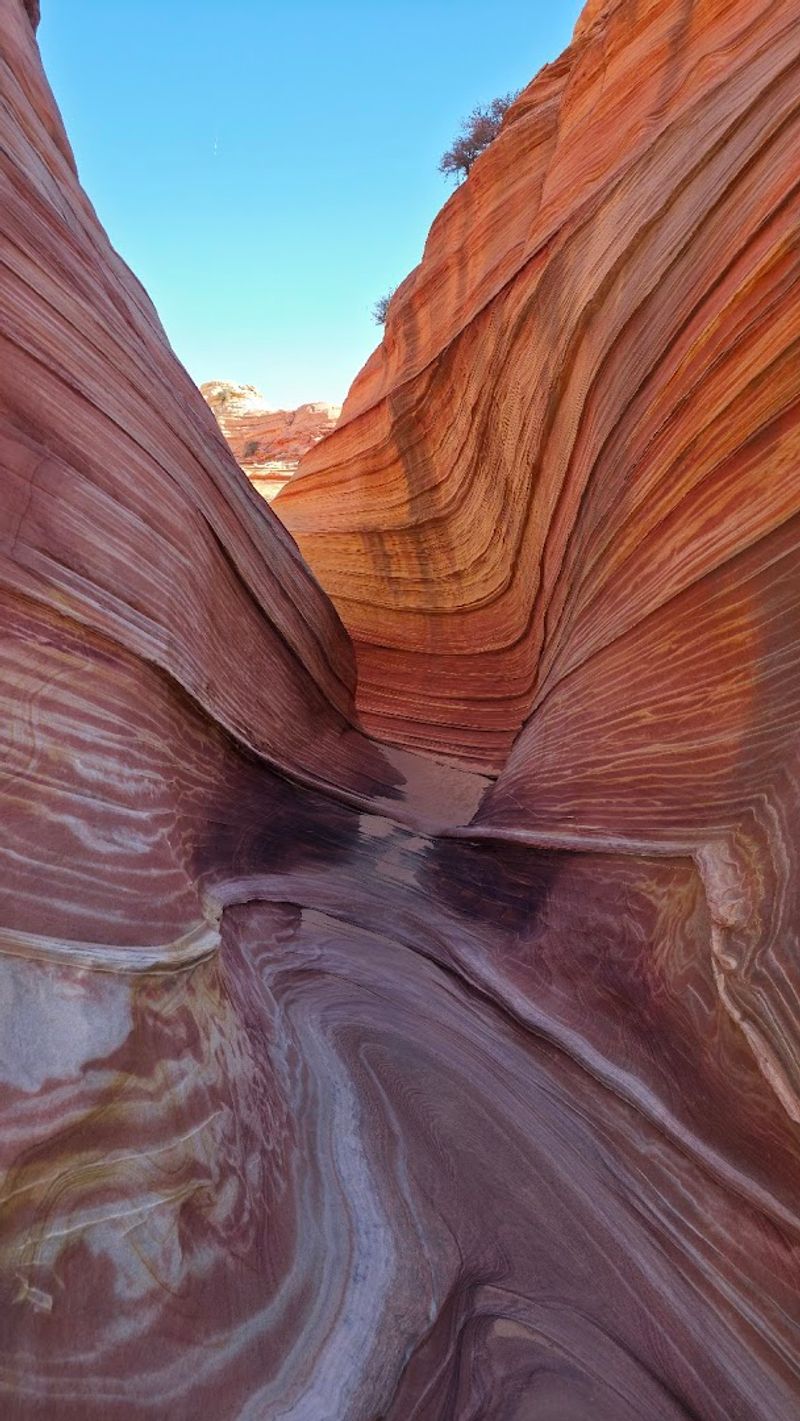
There are very few places in the world where rock looks like it forgot to stop moving. The Wave in northern Arizona is one of them.
This surreal sandstone formation, within Vermilion Cliffs National Monument near the Utah border, is on the slopes of the Coyote Buttes area. It features layered, swirling bands of red, orange, pink, and cream.
The stripes were created by ancient sand dunes that compacted over millions of years. Iron oxide gives each layer its vivid color.
Because of its extreme fragility and remote location, access is tightly controlled. A permit system is managed by the Bureau of Land Management.
The hike to reach The Wave is about six miles round trip with no marked trail. Navigating by GPS and printed maps is essential.
Patience with the permit process pays off. You know what they say: patience is the key. The reward is one of the most visually stunning sights imaginable.
4. Havasu Falls
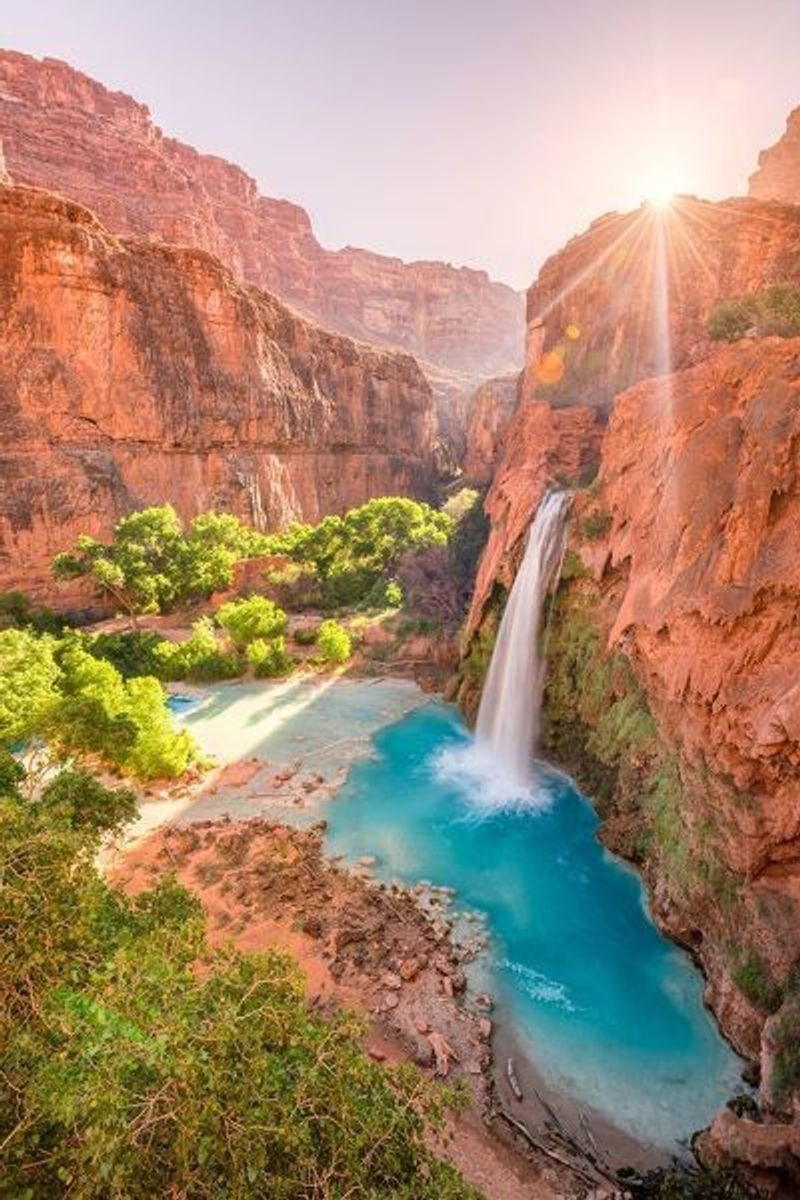
Turquoise water tumbling over rust-red canyon walls is not something most people expect to find deep inside a desert canyon. Yet Havasu Falls delivers exactly that.
Tucked within Havasupai tribal land in the western Grand Canyon region of Arizona, these stunning falls drop about 100 feet. They empty into a pool of vivid blue-green water colored by high mineral content, specifically calcium carbonate.
The contrast between the copper-red canyon walls and the electric turquoise water is genuinely jaw-dropping. Photos of this place regularly go viral for good reason.
You might want to remember this one, but getting here is not a casual afternoon trip. Visitors must hike approximately ten miles one way from the trailhead at Hualapai Hilltop.
That makes the journey both a physical challenge and a deeply rewarding adventure.
Permits are required and are managed exclusively by the Havasupai Tribe. Camping near the falls is the most popular option.
This allows visitors to spend several days exploring the surrounding waterfalls, including Mooney Falls and Beaver Falls.
This is the destination that earns its beauty through effort. Every step is absolutely worth it!
5. Petrified Forest National Park
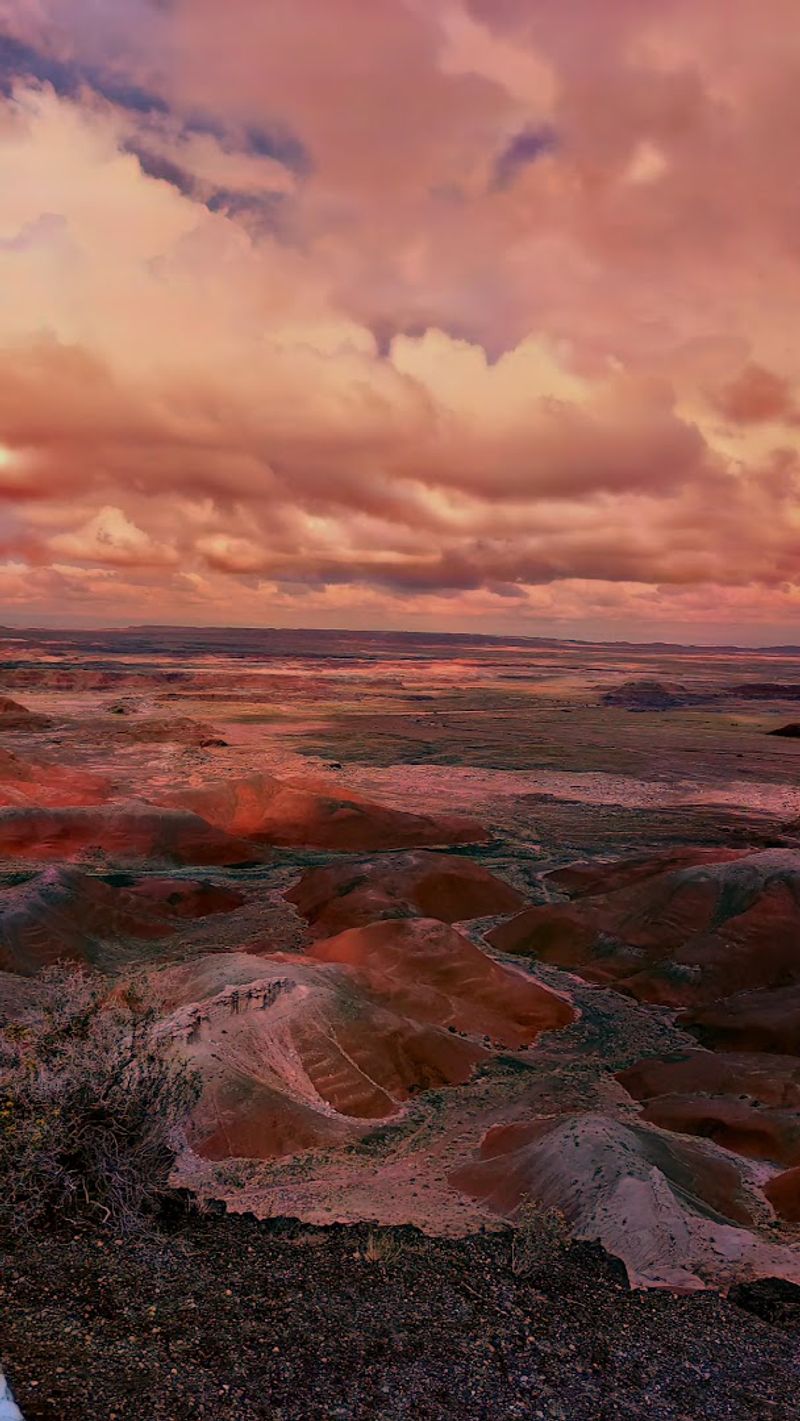
About 225 million years ago, this part of northeastern Arizona was a lush tropical forest. The fossilized remains of those ancient trees are still scattered across the desert today.
Petrified Forest National Park is home to one of the world’s largest and most colorful collections of petrified wood. Logs here have transformed into solid quartz crystal over millions of years.
The colors within each log range from deep purple and blue to rich orange, red, and yellow. These shades depend on the minerals that seeped in during the fossilization process.
It looks unreal, right?
Beyond the petrified logs, the park also contains the famous Painted Desert. This is a stretch of brilliantly banded badlands that glow in ever-changing hues depending on the time of day.
The 28-mile scenic drive through the park is a great starting point. Multiple overlooks and short trails branch off along the route.
Removing even a small piece of petrified wood from the park is illegal. Every gorgeous crystal log must stay right where it is.
Crystal Forest Trail is one of the most popular walks. It offers close-up views of hundreds of ancient logs in a relatively short loop.
6. Vermilion Cliffs National Monument
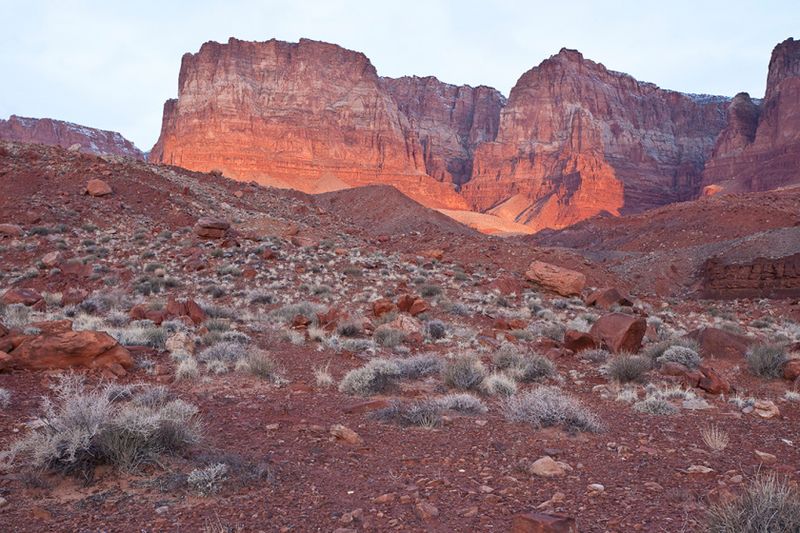
Few places in the American Southwest combine raw geological drama with near-total solitude. Vermilion Cliffs National Monument is one of those rare spots.
Stretching across about 293,000 acres of remote land near the Arizona-Utah border, this monument is vast and dramatic. It features some of the most striking cliff faces, terraces, and slot canyons in the entire Colorado Plateau region.
I almost skipped this completely, luckily I came to my senses just in time.
The cliffs themselves rise dramatically from the desert floor in shades of deep red, burnt orange, and pale cream. They were formed from ancient Jurassic-era sandstone and siltstone layers.
Beyond The Wave, which sits within this monument’s boundaries, other popular features include Coyote Buttes South, White Pocket, and Buckskin Gulch. Buckskin Gulch is one of the longest slot canyons in North America.
White Pocket is particularly spectacular, with its swirling, brain-like rock textures and wild color combinations. These patterns often look almost digitally enhanced in photos.
Most of the monument requires a high-clearance four-wheel-drive vehicle to access. Planning transportation carefully before visiting is highly recommended.
The monument is also a critical habitat for California condors. Spotting one of these massive birds soaring above the cliffs adds an unforgettable layer to any visit.
7. Monument Valley
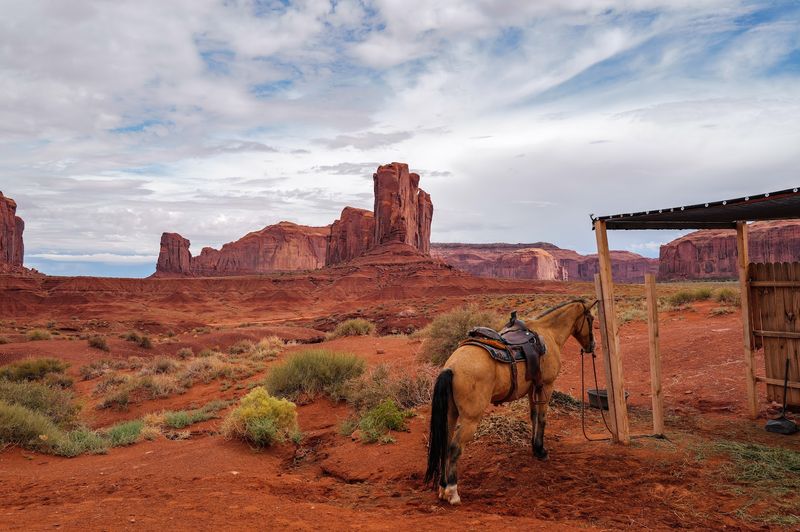
There is a reason Monument Valley has appeared in more Western films and car commercials than almost any other landscape in America.
It also shows up in countless road trip photographs. Its stunning views make it instantly recognizable.
Straddling the Arizona-Utah border within the Navajo Nation, Monument Valley Navajo Tribal Park features massive sandstone buttes and mesas. These rise as much as 1,000 feet above the flat desert floor.
The three most famous formations, known as the Mittens and Merrick Butte, are instantly recognizable silhouettes. They have become symbols of the American West.
The valley floor is a deep, rusty red from iron oxide in the soil. The contrast between that color and the brilliant blue sky above creates one of the most visually powerful landscapes on the continent.
Visiting during golden hour, either at sunrise or sunset, transforms the buttes into glowing sculptures. They seem almost too cinematic to be natural.
The 17-mile self-guided Valley Drive is accessible to most vehicles for a fee. Guided Navajo tours offer access to restricted areas and deeper cultural insights into the land.
Monument Valley is not just a backdrop. It’s a living, sacred landscape with stories stretching back centuries.
8. Lava River Cave
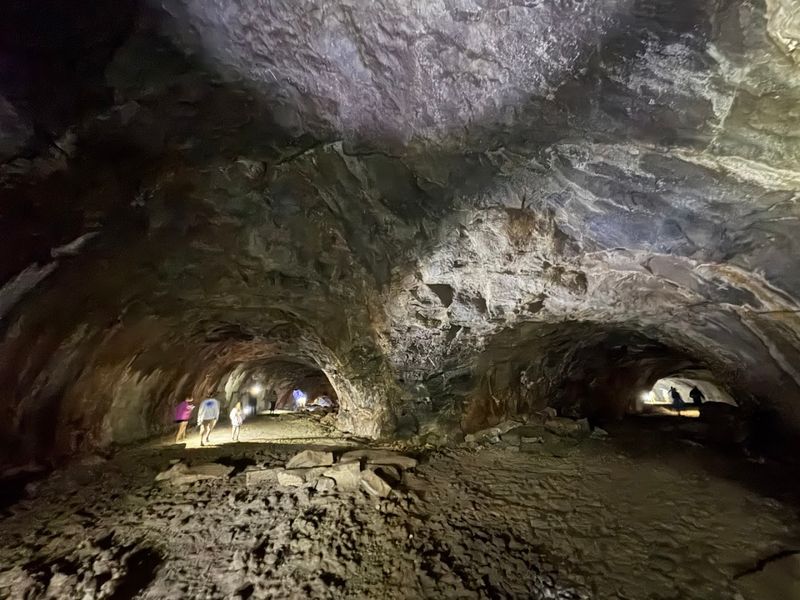
Dropping underground into a nearly mile-long volcanic lava tube is like entering a completely different world. That world is pitch black, eerily silent, and consistently cold.
Lava River Cave is located about 12 miles northwest of Flagstaff, Arizona, within the Coconino National Forest. It is one of the longest accessible lava tubes in the state.
I have to be honest, I didn’t expect to like this as much as I did.
Formed roughly 700,000 years ago when an outer shell of lava cooled and hardened while molten rock continued flowing through the interior, the cave stretches approximately 3,280 feet in length.
Temperatures inside stay around 35 to 42 degrees Fahrenheit year-round. That means packing warm layers is non-negotiable even in the middle of summer.
There is no artificial lighting inside the cave. Bringing at least two reliable light sources per person is strongly recommended by the Forest Service.
The uneven basalt floor and occasional low ceilings make for a genuinely adventurous crawl-and-scramble experience. Older kids and adults as well tend to absolutely love it.
9. Tonto Natural Bridge
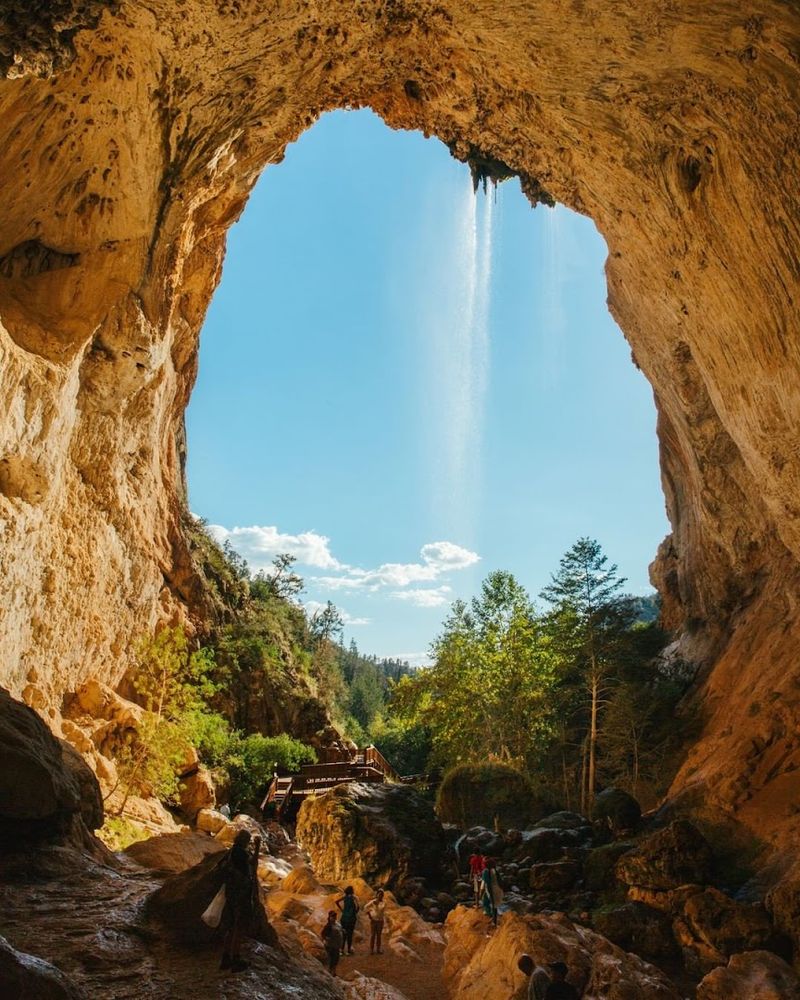
Often considered one of the largest natural travertine bridges in the world, Tonto Natural Bridge is a geological feature that makes you pause.
This might sound a little dramatic, but hear me out. It can genuinely make you reconsider your sense of scale.
Located within Tonto Natural Bridge State Park near Payson, Arizona, this incredible formation spans about 183 feet across a deep canyon. It rises roughly 150 feet above the stream flowing through it.
Travertine, a form of limestone deposited by mineral-rich water, built this arch slowly over thousands of years. Water trickled through cracks and gradually cemented material together into a massive, solid span.
The park offers several trails leading down into the canyon and under the bridge itself. Visitors can wade through cool water and look straight up at the underside of the arch.
Pine Creek flows through the canyon beneath the bridge year-round. It creates a refreshing and surprisingly lush oasis within the surrounding high desert landscape.
The hike down to the creek involves some steep and slippery terrain. Wearing water shoes or sturdy sandals with grip is a smart call.
Tonto Natural Bridge is one of Arizona’s lesser-known treasures. Crowds here are refreshingly manageable compared to more famous sites.
10. Horseshoe Bend
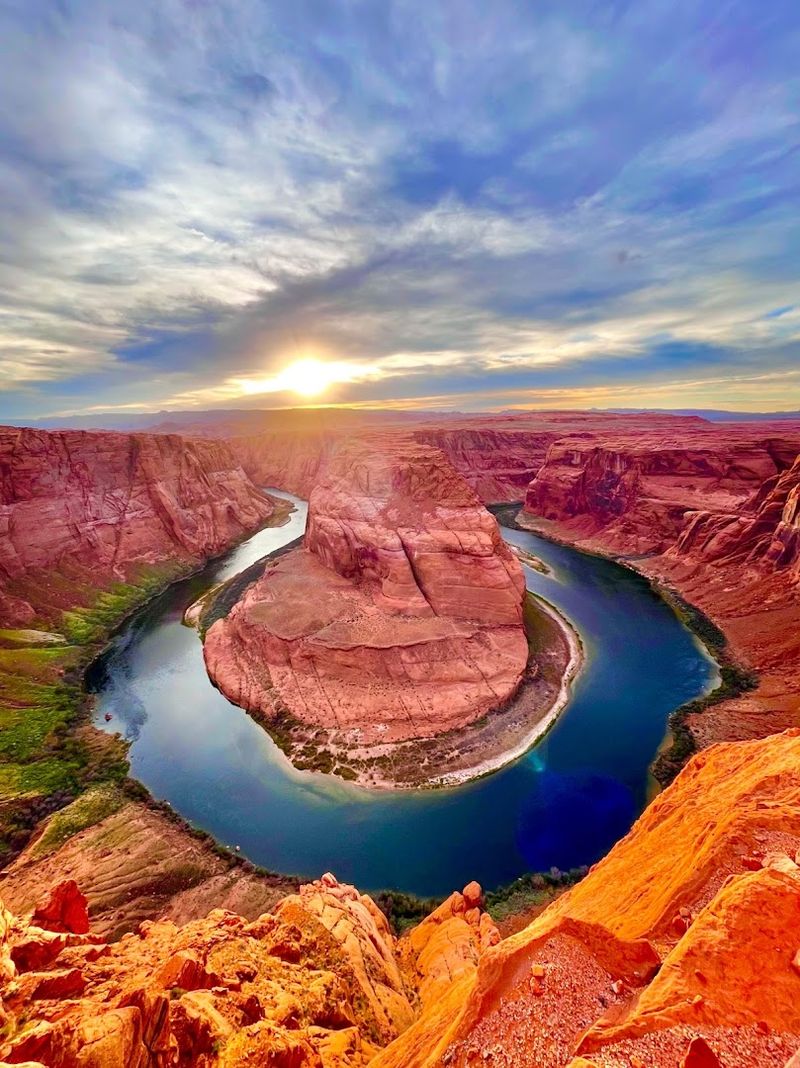
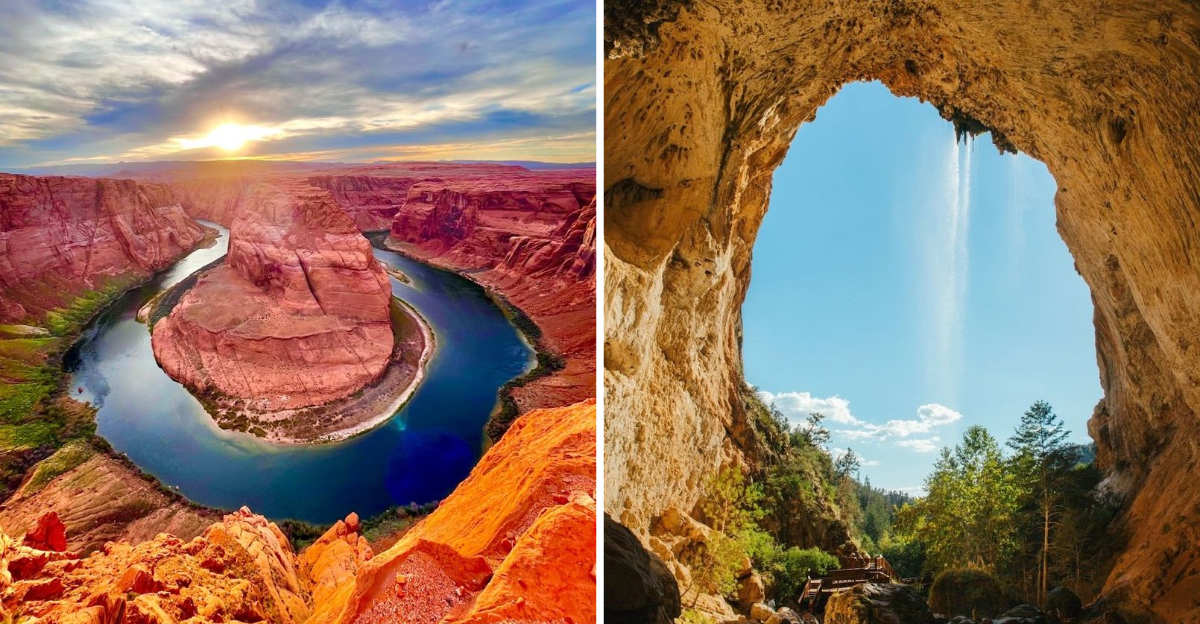
Geology occasionally creates shapes so perfectly dramatic that they look almost intentional. Horseshoe Bend near Page, Arizona, is a prime example of that idea.
The Colorado River curves nearly 270 degrees around a massive sandstone peninsula here. It creates a near-perfect horseshoe shape that drops roughly 1,000 feet from the overlook above.
It’s the kind of view that makes you want to stay a little longer and just take it all in.
The viewpoint sits just outside Glen Canyon National Recreation Area. It has become one of the most photographed spots in the entire American Southwest.
Getting there requires only a 1.5-mile round-trip hike from the parking area. This makes it one of the most accessible dramatic overlooks in the region.
Sunrise and sunset both offer extraordinary lighting. Even midday brings vivid contrast between the blue-green river and warm reddish cliffs.
Wide-angle camera lenses are almost a must here. The scale of the scene is so vast that standard shots barely capture what your eyes actually see.
11. Chiricahua National Monument
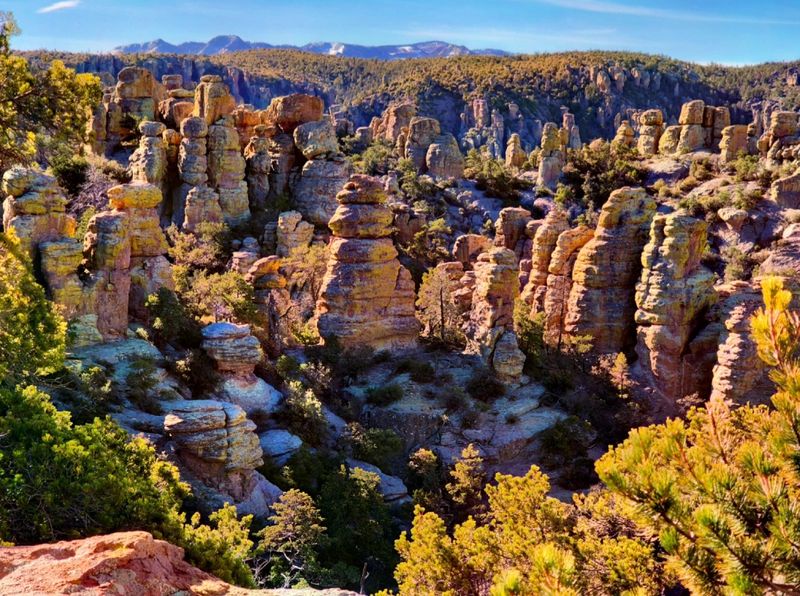
Thousands of towering rock columns, balanced boulders, and stone spires crowd the hillsides of Chiricahua National Monument in southeastern Arizona. The landscape looks sculpted rather than natural.
Known locally as the Wonderland of Rocks, this monument sits in the Chiricahua Mountains near Willcox, Arizona. It was formed from volcanic ash that erupted from a massive caldera about 27 million years ago.
Over millions of years, erosion carved the hardened ash into extraordinary pillars and formations. Some of them balance in ways that seem to defy basic physics.
Isn’t it amazing how something this massive even stays standing?
The monument features more than 17 miles of hiking trails winding through these formations. They range from easy nature walks to more strenuous ridge hikes with panoramic views.
Heart of Rocks Loop is widely considered the best trail in the park. It passes landmarks like Balanced Rock, Big Balanced Rock, and the Punch and Judy formations.
Wildlife here is remarkably diverse, with over 170 species of birds recorded. You might also spot white-tailed deer, coatis, and even the occasional black bear.
Because of its remote location in far southeastern Arizona, Chiricahua sees far fewer visitors than most national monuments. This makes the whole experience seems genuinely serene and personal.
12. Oak Creek Canyon
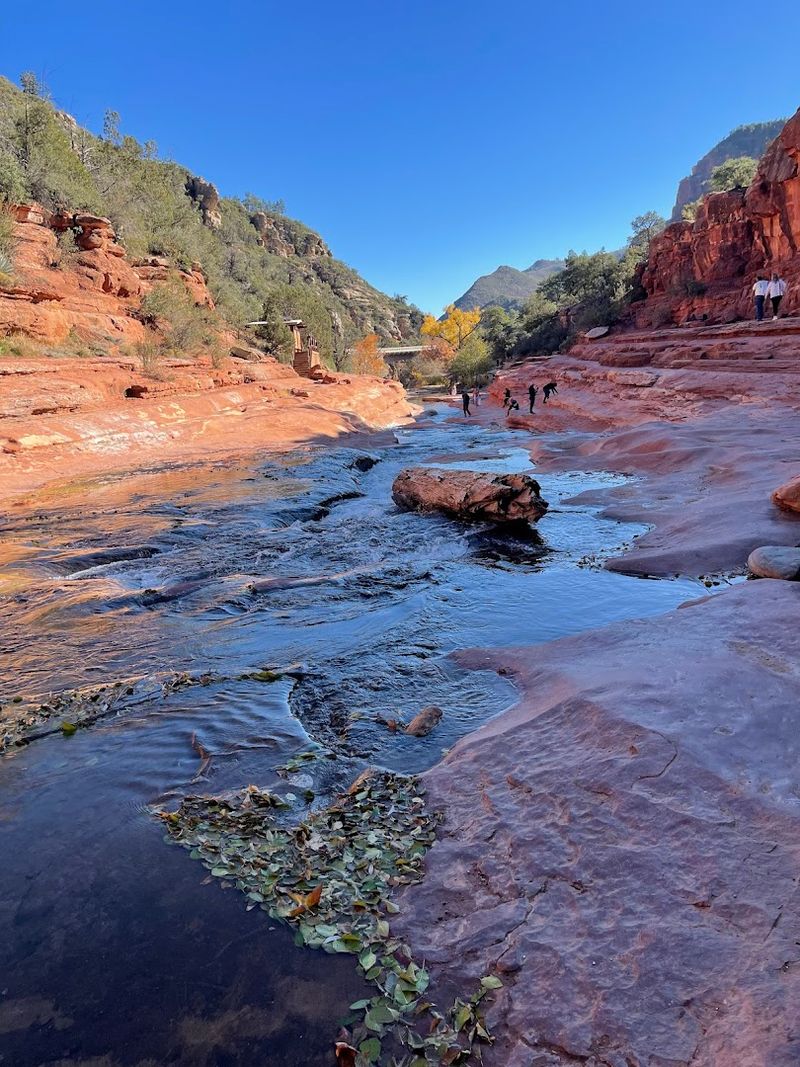
Red rock walls towering above a lush, tree-filled canyon floor is not what most people picture when they think of Arizona. But Oak Creek Canyon near Sedona delivers that contrast with stunning confidence.
Stretching about 16 miles along Arizona State Route 89A between Sedona and Flagstaff, Oak Creek Canyon is carved by Oak Creek. This year-round stream supports a surprisingly rich riparian ecosystem.
The canyon walls display layers of Permian and Triassic-era rock in shades of deep red, orange, and cream. Meanwhile, the canyon floor is shaded by oak, sycamore, cottonwood, and Arizona cypress trees.
Fall is a particularly magical time to visit, when the deciduous trees along the creek turn gold and amber. These colors pop against the permanent red backdrop of the cliffs above.
Slide Rock State Park, located within the canyon, is one of the most popular natural swimming spots in the state. It features a natural sandstone water slide carved by the creek.
Fishing, hiking, birdwatching, and photography are all excellent here. The canyon offers different moods and colors depending on the season and time of day.
The drive through the canyon alone is worth the trip. Pullouts offer jaw-dropping views around nearly every curve.
13. Ringbolt Hot Springs
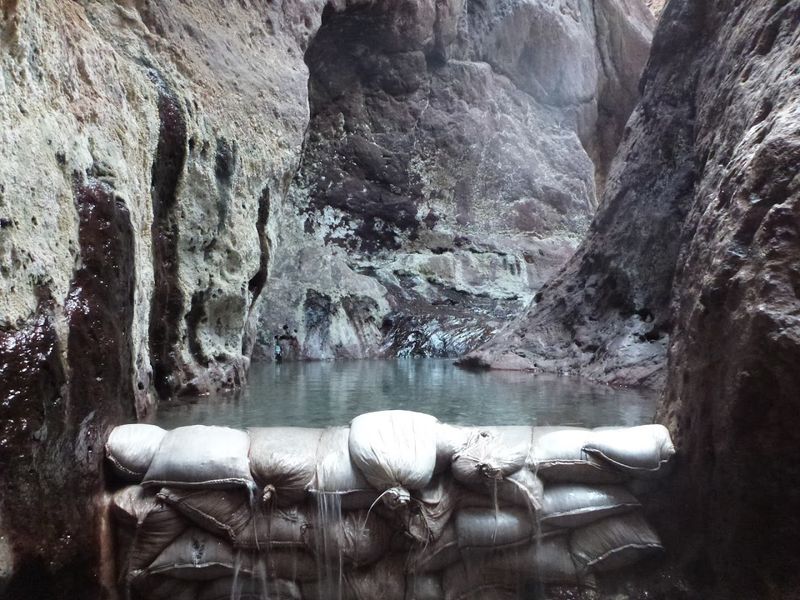
Soaking in a natural hot spring along the Colorado River seems almost too good to be real.
Surrounded by narrow canyon walls glowing in the light, the setting only adds to the magic. Yet somehow, Ringbolt Hot Springs turns that dreamlike experience into reality.
Also known as Arizona Hot Springs, this geological wonder is on the Arizona side of the Nevada–Arizona border near Hoover Dam.
Warm mineral water seeps out of the canyon walls and flows through a series of small terraced pools. Then it drops into the Colorado River below, creating a range of soaking spots at different temperatures.
Reaching the springs requires a hike of roughly six miles round trip. The trail passes through a narrow slot canyon, including one tight section where you’ll need to climb a fixed ladder.
The best time to visit is late fall through early spring, when cooler air temperatures make the warm water feel especially inviting and the desert light in the canyon is at its most golden.
The reason why people come back is pretty obvious.
14. Saguaro National Park
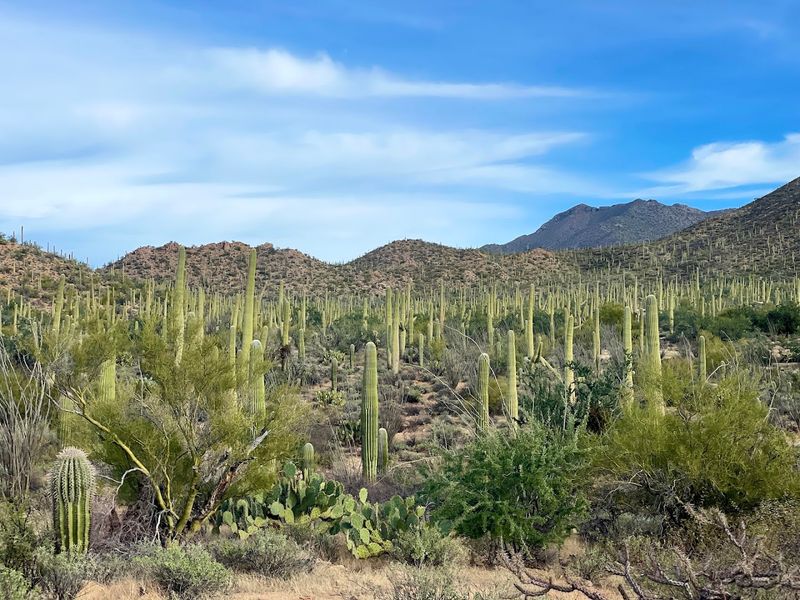
Would you believe me if I told you that giant saguaro cacti reach up to 40 feet? It stretches in every direction across the Sonoran Desert.
That creates a landscape so distinct and otherworldly that it almost functions as Arizona’s own alien skyline.
Saguaro National Park is split into two separate districts on either side of Tucson, Arizona: the Rincon Mountain District to the east and the Tucson Mountain District to the west. The saguaro cactus is found only in the Sonoran Desert.
This park protects tens of thousands of these iconic plants, some of which are over 150 years old.
Each saguaro grows very slowly, not even sprouting its first arm until it is around 75 years old. That makes every multi-armed giant in the park a genuinely ancient living thing.
Sunset in the park is particularly spectacular, when the cacti become dark silhouettes against skies painted in vivid shades of orange, pink, and deep purple.
Both districts offer excellent hiking trails, with the Valley View Overlook Trail in the west and the Cactus Forest Loop Drive in the east being strong starting points for first-time visitors.
Spring brings the added bonus of saguaro blooms, small white flowers that crown the tops of the cacti and attract bats, birds, and bees in a flurry of desert pollination activity.