10 Arizona Towns Where A Modest Monthly Budget Can Stretch Further
Housing costs vary sharply across Arizona, but several smaller communities still offer rents below those found in the state’s largest metro areas.
Smaller towns near rivers, desert ranges, and old mining corridors often keep rent, groceries, and utilities more manageable than larger cities.
The numbers matter, but so does daily life.
Historic streets, local parks, wildlife areas, and easy weekend drives add value that never shows up on a utility bill. That balance is the real draw!
For anyone watching fixed costs closely, these towns offer a mix of lower-cost rental possibilities, scenery, history, and nearby activities worth comparing carefully.
1. Douglas
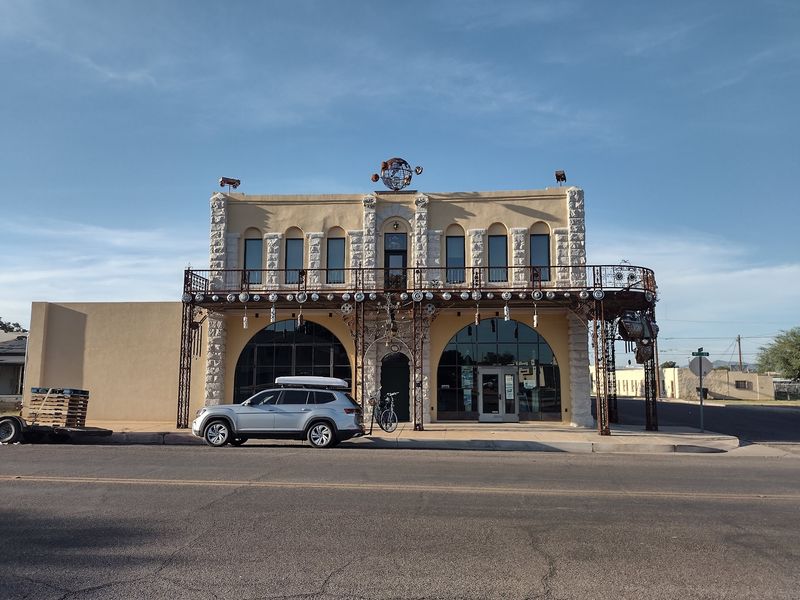
Copper barons once built a small empire right here on the Mexican border. The streets still carry that early 1900s swagger in brick and stone.
Douglas sits in Cochise County, framed by rugged borderland mountains and wide desert sky. Housing costs run dramatically below the national average here.
Current September 2026 data puts the average one-bedroom apartment in Douglas at about $807 per month, with individual listings sometimes available for less.
Even Douglas requires careful budgeting: an average $807 one-bedroom plus a basic grocery budget leaves only about $239 of a $1,300 total for electricity, water, and other utilities.
That combination keeps a $1,300 budget realistic with a little breathing room. Housing remains one of Douglas’s clearest affordability advantages, with current one-bedroom apartment rent far below the national average.
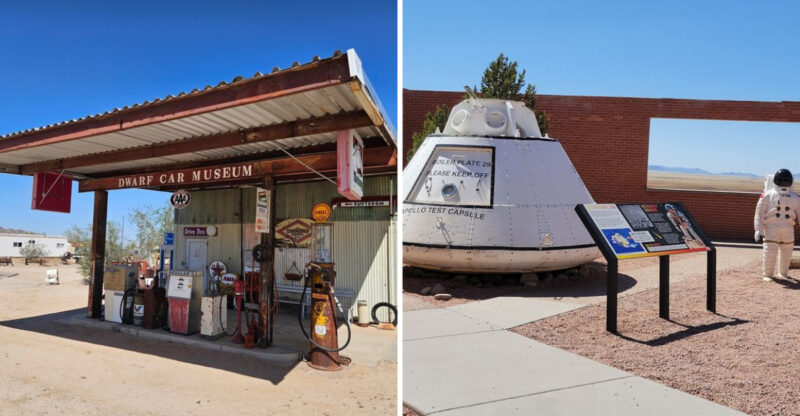
The Gadsden Hotel draws attention for its stained glass and grand staircase. The Grand Theatre, built in 1919, appears on the National Register of Historic Places.
History buffs can tour the Douglas-Williams House, once home to mining magnate James S. Douglas. It now serves the local historical society.
Nearby San Bernardino National Wildlife Refuge is one of Arizona’s most biologically diverse refuges, with more than 1,600 species cataloged, while San Bernardino and Leslie Canyon together have recorded more than 330 bird species.
Leslie Canyon National Wildlife Refuge adds hiking and photography options nearby. Slaughter Ranch Museum shows how cattle life worked generations ago.
2. Winslow
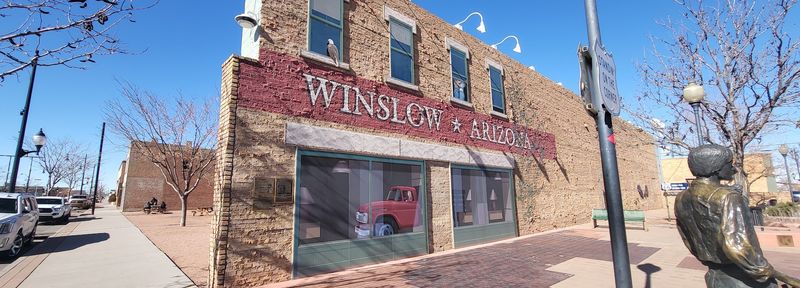
A single song turned this railroad town into a road trip legend. Travelers still pull over just to snap a photo on one famous corner.
Winslow rests in Navajo County along historic Route 66, high on the Colorado Plateau. Elevation near 4,900 feet keeps summers milder than Phoenix.
Winslow may cost less than some larger Arizona markets, but current one-bedroom apartment rent averages about $1,342, already exceeding the article’s entire $1,300 monthly target.
Grocery and utility costs vary by household, and they need to be budgeted separately from Winslow’s current rental costs.
La Posada Hotel anchors the downtown, a restored 1930s railroad hotel with gardens and tile work. Train watchers gather nearby all day long.
Standin on the Corner Park keeps the Route 66 spirit alive with murals and a flatbed Ford. It costs nothing to enjoy.
Homolovi State Park sits just north, protecting ancestral Hopi village sites and petroglyphs. Camping there is straightforward and affordable.
Meteor Crater lies about a half hour west, a giant bowl punched into the plateau. The former Little Painted Desert County Park still offers striking badlands views, but the site is no longer maintained as a county park and has no visitor facilities.
Freight trains rumble through constantly, part of the local soundtrack. The frequent freight trains remain a noticeable part of Winslow’s railroad-town atmosphere.
3. San Luis
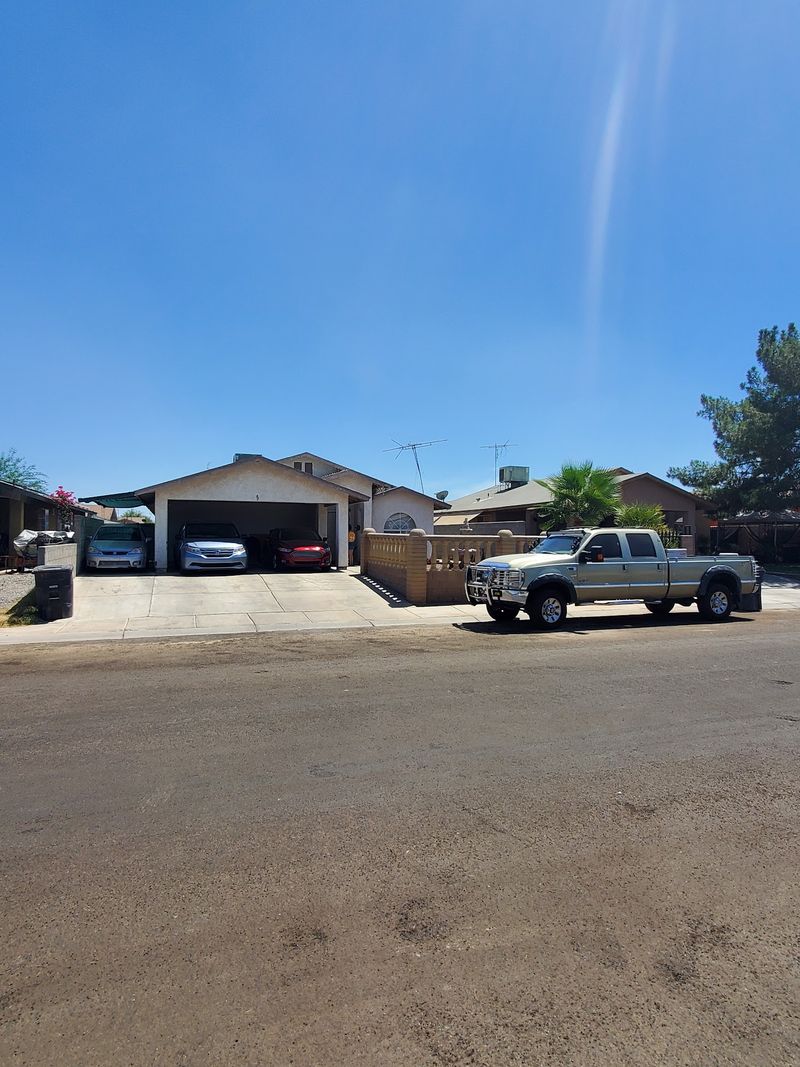
Just imagine for a second a town where two countries share a daily rhythm. Shoppers, farmworkers, and families cross back and forth like it is nothing.
San Luis sits at Arizona’s southwestern tip in Yuma County, pressed against the Mexican border. Agriculture drives almost everything here.
Winter vegetable fields stretch in every direction, feeding much of the country. Lettuce harvests peak between November and March.
San Luis has some inexpensive apartment options, with current one-bedroom data around $725, although the rental inventory is very small and Zillow’s broader all-property average is much higher.
Agriculture is central to the local economy, with the San Luis area producing winter crops such as lettuce and cauliflower, but current evidence does not establish that residents consistently pay less for groceries because of that production.
Utilities do climb in summer, when temperatures routinely pass 110 degrees. Budgeting extra for cooling from June through September is smart.
Culture here leans bilingual and warm, with Mexican food traditions everywhere. Mexican food traditions are a visible part of the city’s dining scene, alongside national and regional businesses.
Yuma sits about 25 miles north for larger shopping and medical services. The drive takes roughly half an hour.
The Colorado River delta region attracts birdwatchers during cooler months. Sand dunes west of town draw off-road enthusiasts too.
Community events reflect the city’s strong connection with Mexican and border culture, though individual festival schedules should be checked before a visit.
4. Eloy
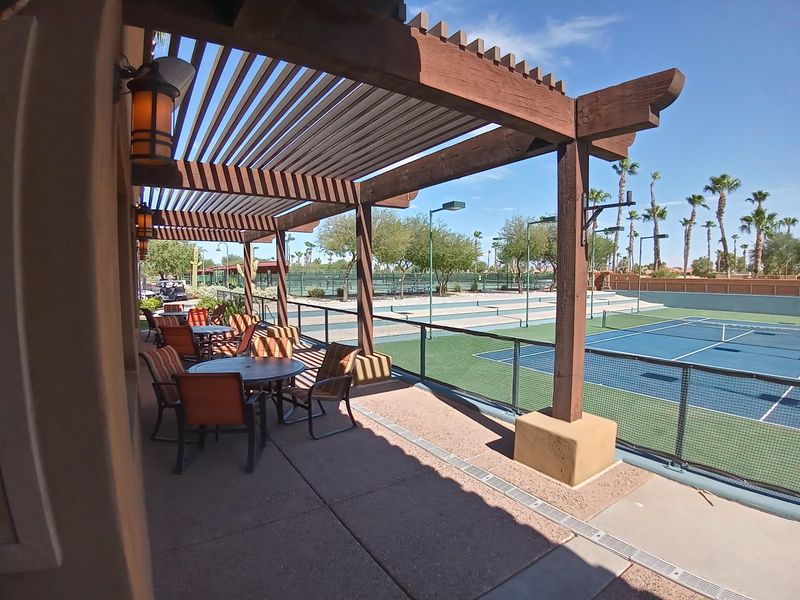
Look up around midday and you might spot parachutes blooming overhead. This farming community happens to be a world capital for falling out of airplanes.
Eloy occupies Pinal County, roughly halfway between Phoenix and Tucson along Interstate 10. Cotton and alfalfa fields surround the town.
Skydive Arizona operates a major international skydiving facility in Eloy and currently describes itself as having the world’s largest skydiving aircraft fleet.
Eloy remains one of the stronger affordability candidates on this list, with current apartment data putting an average one-bedroom at about $501, although houses and other rental types cost considerably more.
Grocery bills run close to national averages, with a Walmart handling most shopping needs. Bigger selections wait in Casa Grande nearby.
Utilities spike during brutal summer months, so shaded units and good insulation matter. Evaporative coolers help trim electric costs.
Picacho Peak State Park rises about 15 minutes south, famous for spring wildflowers. Golden poppies blanket the slopes in March.
Hikers tackle the Hunter Trail, which uses steel cables on steep sections. The summit view stretches for miles.
Picacho Pass was the site of the westernmost fatal engagement of the Civil War, and a Civil War living-history encampment is currently scheduled at Picacho Peak State Park for November 21–22, 2026.
Central location means Tucson and Phoenix both sit within an hour’s drive. Weekend options multiply quickly.
Eloy delivers cheap living with a surprising dose of aerial excitement.
5. Apache Junction
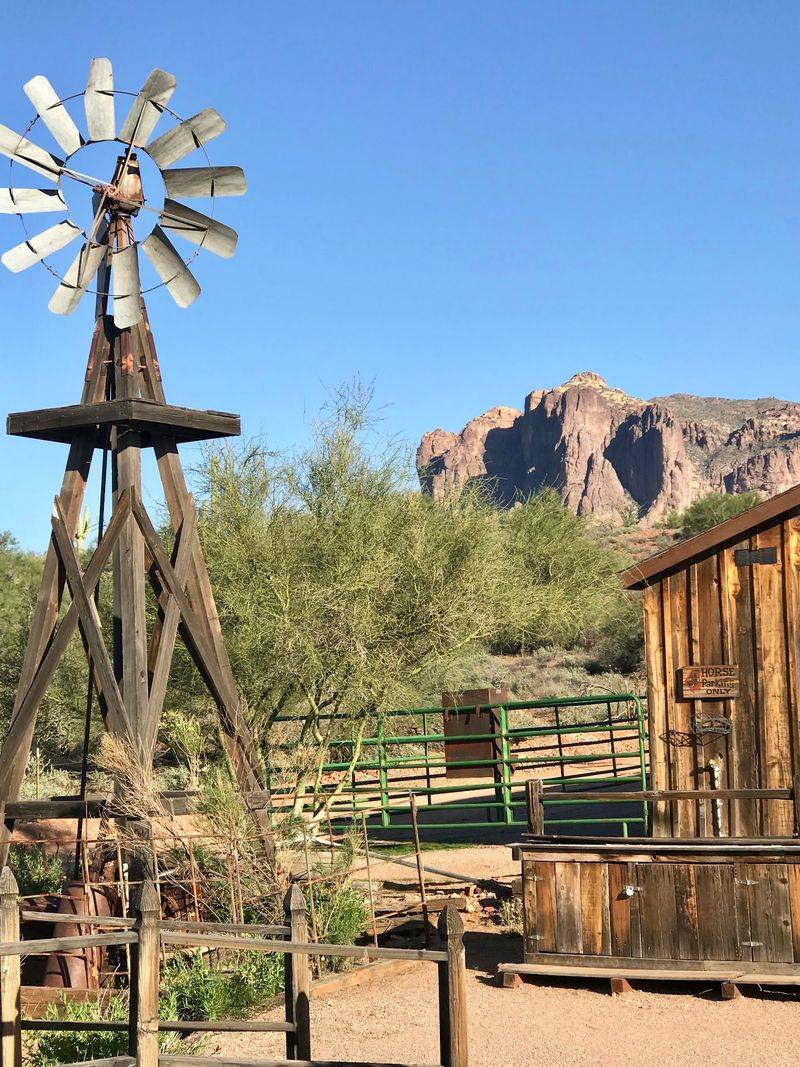
Legends of a lost gold mine still float around these jagged peaks. Treasure hunters have searched for well over a century without much luck.
Apache Junction sits at the eastern edge of the Phoenix metro area in Pinal County. The Superstition Mountains dominate the skyline.
Some lower-priced housing exists in Apache Junction, but current one-bedroom apartment rent averages about $1,278, leaving essentially no room in a $1,300 budget for groceries or utilities.
Rental prices and lease terms vary by property and season, so current listings should be compared rather than assuming year-round leases are always cheaper.
Groceries stay competitive thanks to several supermarket chains in town. Warehouse clubs in Mesa sit fifteen minutes west.
Utility bills climb hard in July and August. Many residents rely on ceiling fans and blackout curtains to help.
Lost Dutchman State Park offers trails right into the Superstition Wilderness. Sunrise hikes beat the heat easily.
The Apache Trail winds northeast toward Canyon Lake and old mining territory. Scenery gets dramatic fast.
Goldfield Ghost Town recreates an 1890s mining settlement with a narrow gauge railroad. Kids enjoy the gold panning.
The Arizona Renaissance Festival operates seasonally in nearby Gold Canyon; the upcoming 2027 season runs weekends from February 6 through April 4, plus Presidents’ Day Monday.
Phoenix jobs remain reachable, though the commute stretches during rush hour. Apache Junction blends desert drama with prices that still make sense.
6. Nogales
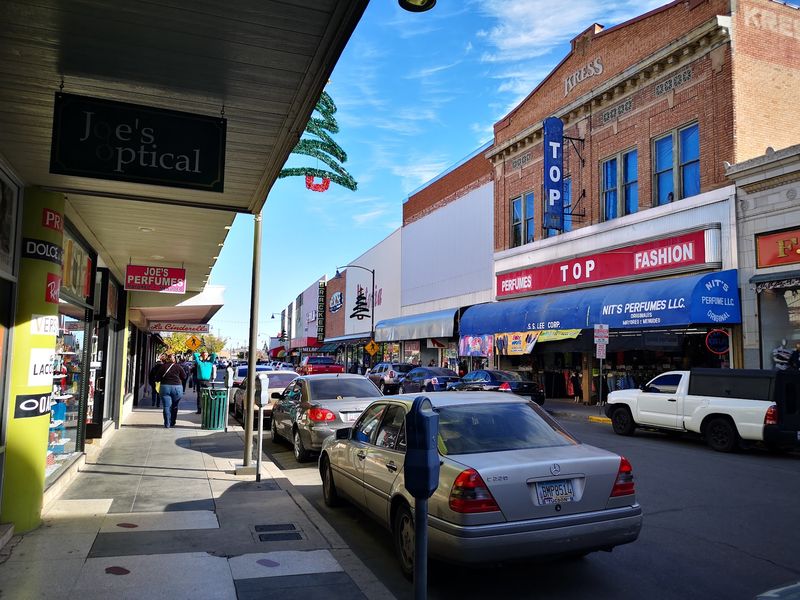
Produce trucks by the thousands roll through here every winter. Much of America’s cold-season tomato supply passes through this one border crossing.
Nogales anchors Santa Cruz County in southern Arizona, sitting at about 3,800 feet elevation. That altitude softens summer heat considerably.
Nogales remains relatively inexpensive for renters, with current one-bedroom apartment rent averaging about $856, although that still leaves little room in a $1,300 total budget once food and utilities are included.
Nogales is a major fresh-produce gateway, handling more than 37 percent of Mexican produce imported into the United States, but that does not by itself prove groceries are cheaper than in Tucson.
Nogales’ higher elevation moderates its climate compared with Arizona’s hottest low-desert cities, but household utility costs still vary widely by property and usage.
Downtown mixes historic buildings, murals, and shops selling Mexican imports. Spanish and English blend in most conversations.
The Pimeria Alta Museum occupies a former city hall and fire station. Exhibits cover regional history in detail.
Tumacácori National Historical Park lies roughly 18 miles north of Nogales by road and preserves three Spanish colonial mission sites, with visitor facilities centered at the Tumacácori mission.
Patagonia Lake State Park lies northeast, popular for fishing, kayaking, and birding. Rare species show up regularly.
Madera Canyon and the Santa Rita Mountains attract hikers seeking cooler air. Trails climb through oak and pine. Nogales rewards residents with bicultural energy and a budget that actually stretches.
7. Benson
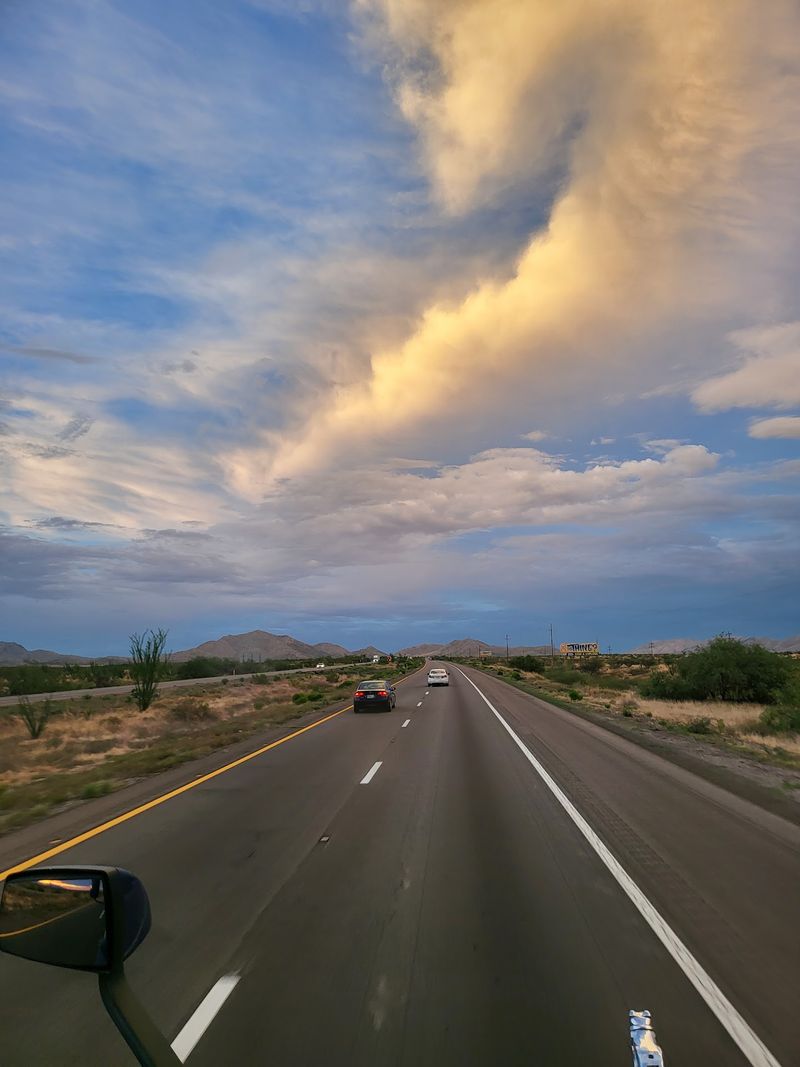
Two cavers kept an enormous secret hidden for fourteen years. What they found underground became one of Arizona’s most protected natural wonders.
Benson rests along the San Pedro River in Cochise County, about 45 miles east of Tucson. Elevation near 3,600 feet moderates the climate.
Benson remains relatively affordable, with current one-bedroom rent around $900 across rental types and about $787 for apartments and condos in one current dataset.
Benson has local grocery options, while larger shopping trips are available in the Tucson area; individual grocery costs depend on household shopping habits.
Benson’s roughly 3,600-foot elevation moderates temperatures compared with Arizona’s lower deserts, though actual utility bills depend on the home and energy use.
Kartchner Caverns State Park lies south of Benson and offers guided cave tours; advance reservations are strongly advisable because tours are not guaranteed without one, although same-day space can sometimes be available.
The San Pedro Riparian National Conservation Area draws serious birders. Hundreds of species migrate through this green corridor.
Railroad history runs deep, since the Southern Pacific founded the town in 1880. Trains still pass through daily.
Tombstone sits about 25 miles south for Old West sightseeing. Bisbee’s artsy streets are roughly an hour away.
Dark skies add to Benson’s outdoor appeal, while access to nearby religious or retreat properties should be confirmed directly before planning a visit. Benson gives you small-town calm with world-class caves practically in the backyard.
8. Bullhead City
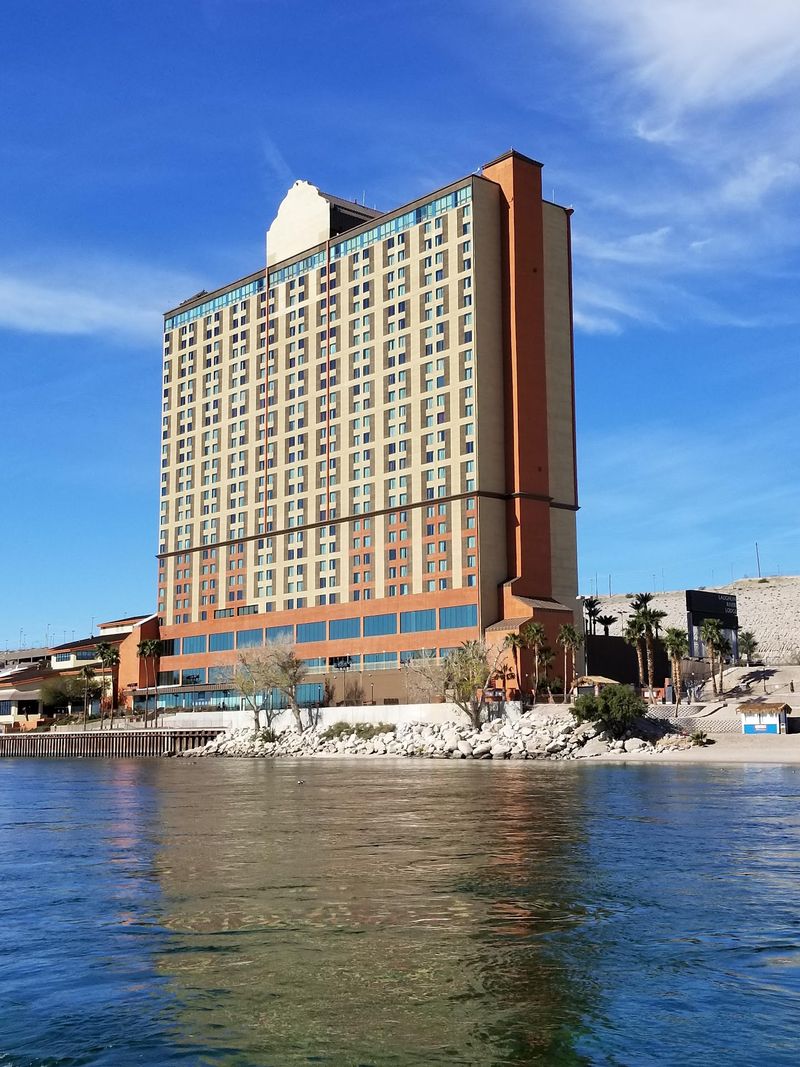
Water skiers zip past desert mountains on a river that never seems to quit. Boating season here technically lasts all twelve months.
Bullhead City stretches along the Colorado River in Mohave County, directly across from Laughlin, Nevada. The river defines daily life.
Bullhead City’s current average one-bedroom apartment rent is about $976, lower than the national average but high enough that a $1,300 rent-food-utilities budget would be extremely difficult.
Groceries run about average, with several large chains competing for shoppers. Nevada stores across the bridge add choices.
Summer utilities demand real planning, since temperatures regularly exceed 115 degrees. Winter energy use can be substantially lower than during Bullhead City’s extreme summer heat, but utility bills do not disappear and vary by household.
Snowbirds arrive each October, filling parks and restaurants through April. The population swells noticeably.
Davis Dam sits just north, creating Lake Mohave and steady fishing opportunities. Striped bass draw plenty of anglers.
Rotary Park spreads across riverfront acreage with beaches, launch ramps, and shaded picnic areas. Locals gather there constantly.
Oatman, a former gold mining town with wild burros wandering Main Street, sits about 30 minutes southeast. Route 66 runs right through it.
Lake Havasu City and Kingman both fall within easy driving range for day trips.
Bullhead City suits anyone whose ideal budget includes a boat and endless sunshine.
9. Coolidge
An ancient four-story earthen building has stood in this farming valley for roughly 700 years. Nobody fully understands why it was built.
Coolidge occupies central Pinal County, surrounded by cotton fields and irrigation canals. Farming shaped the town from the start.
Coolidge rents remain below many Phoenix-area markets, but current one-bedroom apartment rent averages about $1,012, leaving only about $34 after even a basic $253.90 food budget before utilities are paid.
Grocery spending stays manageable, though selection is limited compared to bigger cities. The city of Casa Grande is a short drive from Coolidge and provides a broader range of shopping and services.
Cooling bills dominate summer budgets here. Shade trees and covered parking genuinely help.
Casa Grande Ruins National Monument protects structures built by the Ancestral Sonoran Desert people, including the four-story Great House completed around 1350 C.E.
Rangers explain ancient irrigation systems that once watered thousands of desert acres. Those canals influenced modern farming layouts.
Coolidge Municipal Airport hosts a city-sponsored fly-in on the first Saturday of each month from November through April.
Picacho Peak and the Gila River Indian Community both sit within short driving distance. Weekend exploring comes easy.
Downtown keeps a handful of family-run eateries and antique shops. Foot traffic stays relaxed.
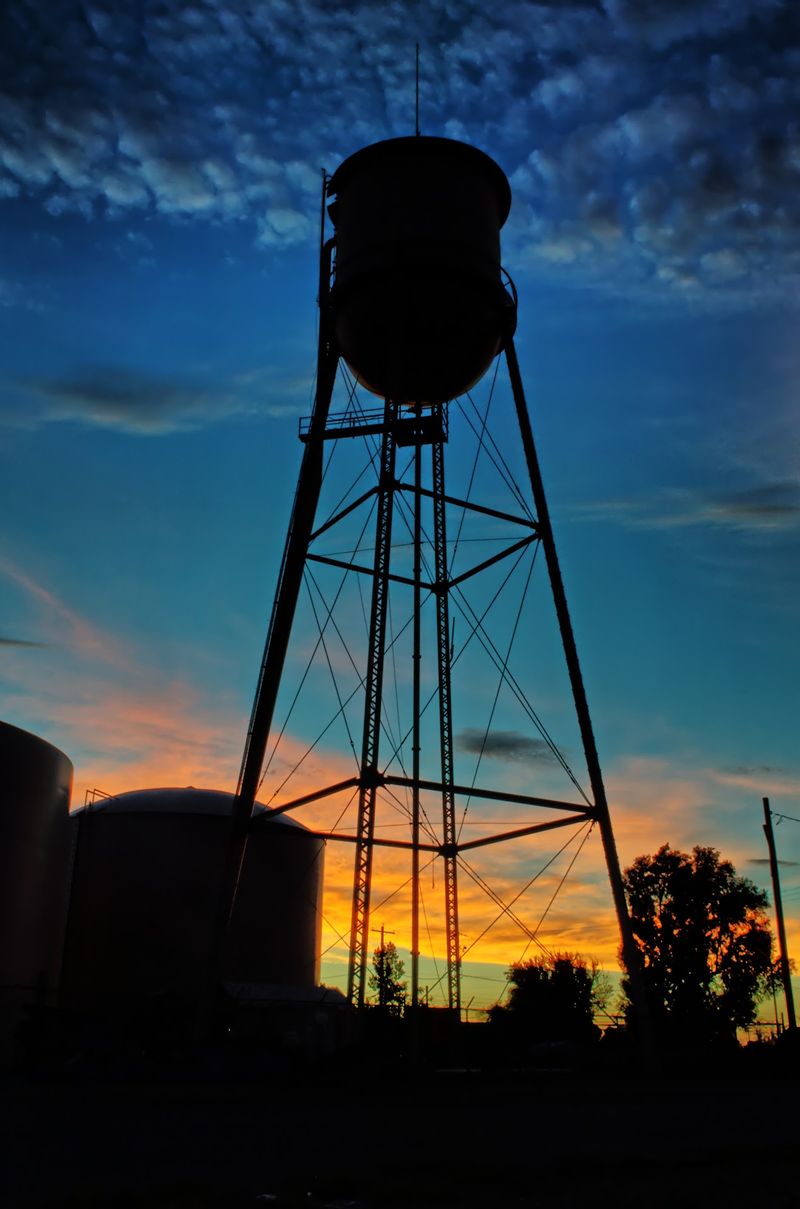
Sunsets over open farmland here glow orange across miles of flat horizon. Coolidge offers ancient history, agricultural roots, and rent that leaves money for gas.
10. Safford
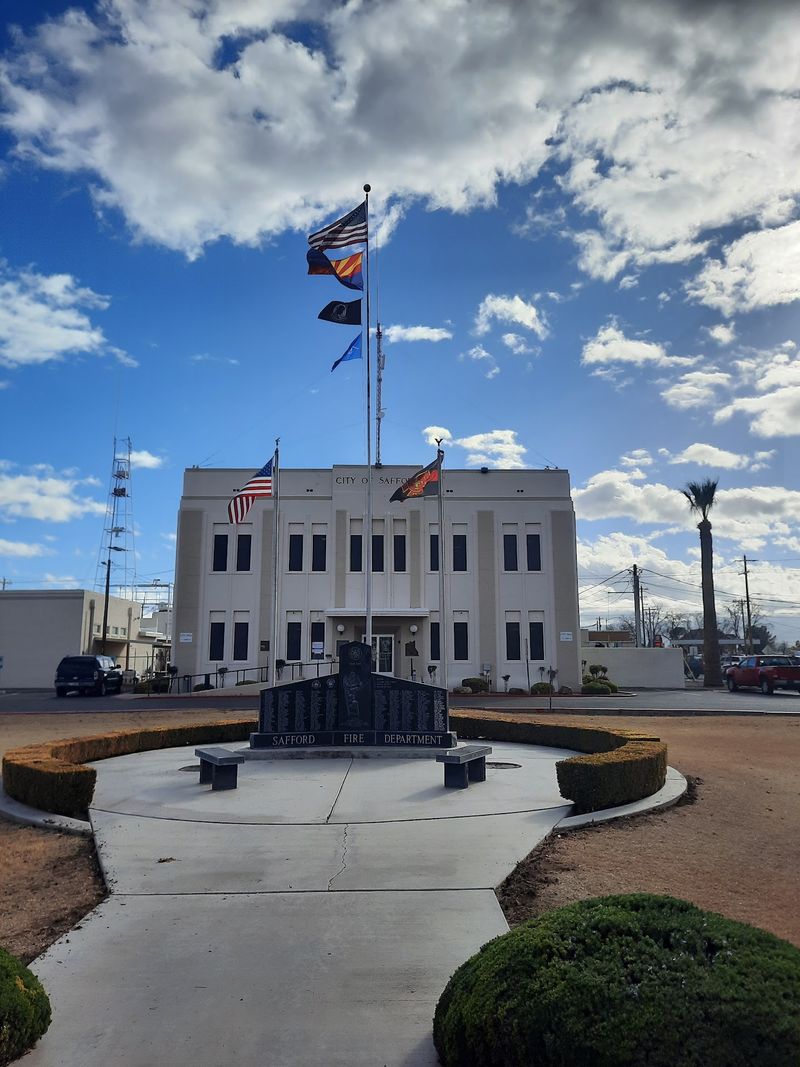
Mount Graham rises to more than 10,700 feet in elevation, roughly 7,800 feet above the Safford area, creating a dramatic transition from desert valley to high mountain forest.
Safford anchors Graham County in the Gila Valley, tucked in southeastern Arizona. Mount Graham dominates every view.
Some Safford apartments remain inexpensive, with current one-bedroom data around $677, but the market is small and broader rental estimates vary sharply by property type.
Groceries cost close to state averages, handled by a few local supermarkets. Nothing requires a long drive.
Safford sits near 2,900 feet, but household utility costs still depend heavily on the property, cooling needs, and individual energy use.
Roper Lake State Park sits south of Safford and remains open for fishing, camping, swimming, and hiking, but its former hot-spring tub is permanently closed.
The Swift Trail climbs Mount Graham through five life zones in about 35 miles. Pine forests appear where cactus once stood.
Mount Graham International Observatory operates near the summit, and seasonal tours are available. Dark skies make the location ideal.
Hot Well Dunes Recreation Area combines roughly 2,000 acres of OHV terrain with solar-pumped hot tubs, although a major 2026–27 improvement project may temporarily affect some facilities and is relocating the tubs.
Eastern Arizona College’s Discovery Park offers astronomy exhibits, a 20-inch research-grade telescope, trails, and science programming with general admission currently free.