Around 1,000 Trumpeter Swans Winter On The Open Water Of Idaho’s Henry’s Fork
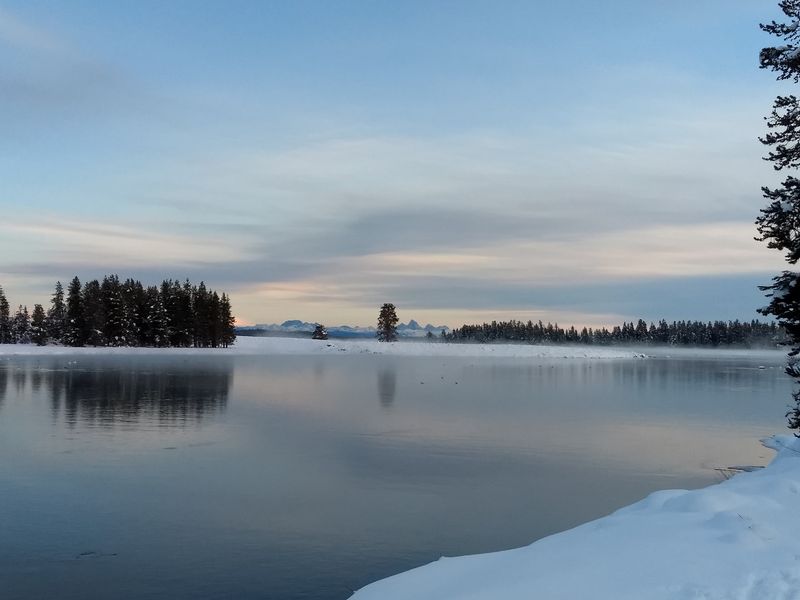
Snow piles up along the riverbanks of eastern Idaho, yet one ribbon of water refuses to freeze, and roughly 1,000 giant white birds know exactly where to find it. Trumpeter Swans, the largest waterfowl in North America, gather on the Henry’s Fork every winter to feed, rest, and call out across the cold air.
Their story is one of survival, comeback, and a river that stays warm enough to keep them going. Grab a coat and some binoculars, because this is one of the best free wildlife shows in the state.
1. A River That Refuses To Freeze
Springs are the secret. Deep underground, water bubbles up at a steady temperature year round, and much of it feeds the upper Henry’s Fork near Island Park in eastern Idaho.
When January hits and lakes across Fremont County lock up under thick ice, stretches of the river keep flowing. On frosty mornings you can watch steam curl off the surface while snow sits heavy on the banks.
It looks a little like a giant pot of soup simmering in the woods.
For a Trumpeter Swan, that open water is everything. A frozen lake offers nothing to eat and no runway for takeoff, so a swan stuck in the wrong spot is in real trouble.
The Henry’s Fork solves both problems at once.
The river is also called the North Fork of the Snake River, and it winds through Fremont and Madison counties before joining the main Snake. Along the way it passes meadows, forests, and farmland, giving swans plenty of choices as conditions change.
Anglers have long praised the Henry’s Fork for trout. Birders, though, know its winter claim to fame is feathered, white, and about the size of a small child when it stands up on the ice shelf.
2. Meet North America’s Biggest Waterfowl
Eight feet. That is how wide a Trumpeter Swan’s wings can stretch, which is wider than most adults are tall.
A big male can weigh close to 30 pounds, making it the heaviest flying bird native to North America.
Spotting one is easy once you know what to look for. The feathers are pure white from head to tail, while the bill, legs, and feet are solid black.
Against a snowy Idaho riverbank, they almost glow.
Younger swans look different. Called cygnets, they wear grayish brown feathers during their first winter and often have a pinkish tint on the bill.
Seeing a family with gray youngsters tagging along behind white parents is a real treat.
People sometimes mix them up with Tundra Swans, which also pass through Idaho. Trumpeters are larger, and their bills lack the small yellow spot near the eye that many Tundra Swans show.
Size matters for more than bragging rights. A body this heavy needs a lot of fuel and a long running start to get airborne, which explains why these birds are so picky about where they spend the coldest months of the year.
3. The Call That Gave Them Their Name
Close your eyes on a quiet winter morning along the Henry’s Fork, and you might think someone is practicing a brass instrument in the trees. That deep, honking blast is exactly why these birds earned the name trumpeter.
Their sound comes from an unusually long windpipe that loops inside the breastbone before reaching the lungs. Like the tubing on a real trumpet or French horn, that extra length gives the call its rich, booming tone.
Swans use their voices for all kinds of reasons. Mates call back and forth to stay connected, families keep track of wandering youngsters, and groups get noisy right before taking flight together.
Many visitors say the sound sticks with them longer than the sight. A single call can carry a surprisingly long way across still, cold air, bouncing off snowbanks and drifting over the water.
Fun fact: pairs often perform a greeting display, bobbing their heads and calling loudly while flapping their wings. It looks a bit like an excited reunion, and in a way, it is.
Bring a phone and record a short clip. Back home, that audio might bring the whole snowy morning right back.
4. Seventy Birds To Forty-Six Thousand
Back in 1935, the count was grim. Only about 70 Trumpeter Swans were known to remain in the United States outside Alaska, and many people feared the species would vanish from the Lower 48 entirely.
Hunting for feathers and meat had pushed them to the edge during the 1800s and early 1900s. Swan quills even made popular writing pens, and their soft skins were sold for powder puffs.
The survivors hung on in remote corners of the Greater Yellowstone area, including spots close to eastern Idaho. Red Rock Lakes in Montana became a protected refuge, giving the small flock a safe place to recover.
Protection, habitat work, and decades of patient effort slowly turned things around. Wildlife agencies, volunteers, and groups like the Trumpeter Swan Society tracked nests, moved birds to new areas, and kept wetlands healthy.
Today the North American population is estimated at more than 46,000 birds. That is one of the best wildlife comebacks in the country, and it is happening right on Idaho’s doorstep.
Every swan floating on the Henry’s Fork is part of that story. Watching one paddle past feels a little like seeing living proof that people can fix their mistakes.
5. Canadian Visitors And Idaho Locals
Not every swan on the river is a hometown bird. In fact, most of the winter crowd arrives from Canada, flying south once their northern lakes start to freeze over in late fall.
Idaho’s own resident population is small. Roughly 20 nesting pairs raise families in the state, staying near the same wetlands all year long.
Come winter, they suddenly have a lot of company.
Migrants join resident swans across the tri-state area where Idaho, Montana, and Wyoming meet. Together they form what biologists call the Rocky Mountain Population, and the Henry’s Fork ranks among its most important winter gathering spots.
Imagine a quiet neighborhood where a few families live, and then hundreds of cousins pull into town for the holidays. That is basically what happens on the river between November and spring.
Scientists keep a close eye on the mix because the two groups behave differently. Canadian birds have been growing in number, while the local nesting flock remains fragile and needs careful protection.
Next time you spot a big group, try counting. You might be looking at swans that hatched in Alberta or the Yukon, now resting a long flight away from home.
6. Harriman State Park In Island Park
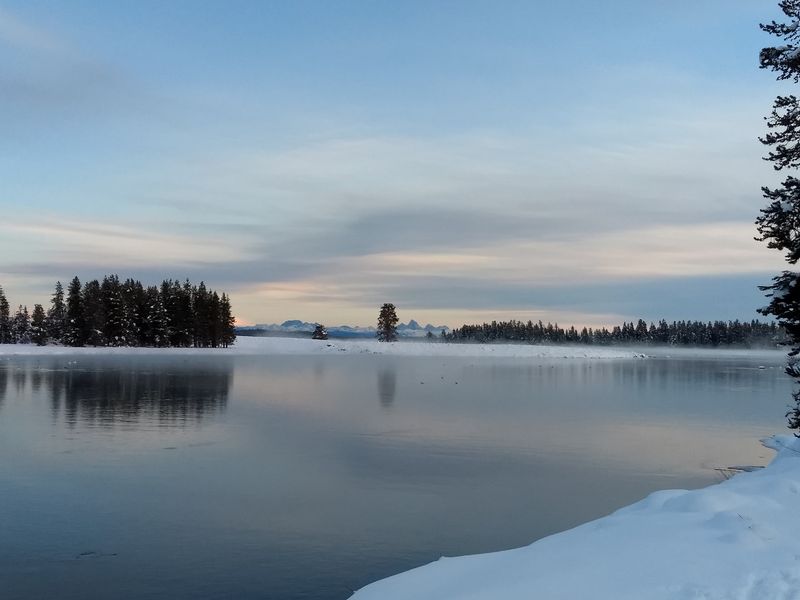
Old ranch buildings, snowy meadows, and a slow bend of river make Harriman State Park one of the easiest places in Idaho to see wintering swans. The park sits along the Henry’s Fork just south of Island Park, off Highway 20.
Once a private cattle ranch and getaway owned by wealthy families, the land became a state park and now protects a long stretch of riverbank. Part of it is managed as a wildlife refuge, which helps keep the swans calm.
Prime viewing runs from about November through April. On a good day you might see dozens of white shapes dotting the water, tipping their heads under to graze on plants.
Winter visitors often explore on cross-country skis or snowshoes, gliding along groomed trails that follow the river. Yurts and cabins in the park are available to rent for anyone wanting to stay overnight.
Expect a small vehicle entry fee, and check conditions before driving, since snow can pile up fast at this elevation.
Dress warm, move slowly, and keep your distance. Bring a thermos of cocoa, because standing still by a frozen meadow gets chilly in a hurry.
7. Twenty Pounds Of Greens A Day
Hungry does not begin to describe it. An adult Trumpeter Swan can eat up to 20 pounds of aquatic plants in a single day, which is a lot of salad for any creature.
Most of that food grows underwater. Swans reach it by plunging their long necks below the surface, sometimes tipping their whole body forward until only a white tail and black feet stick up in the air.
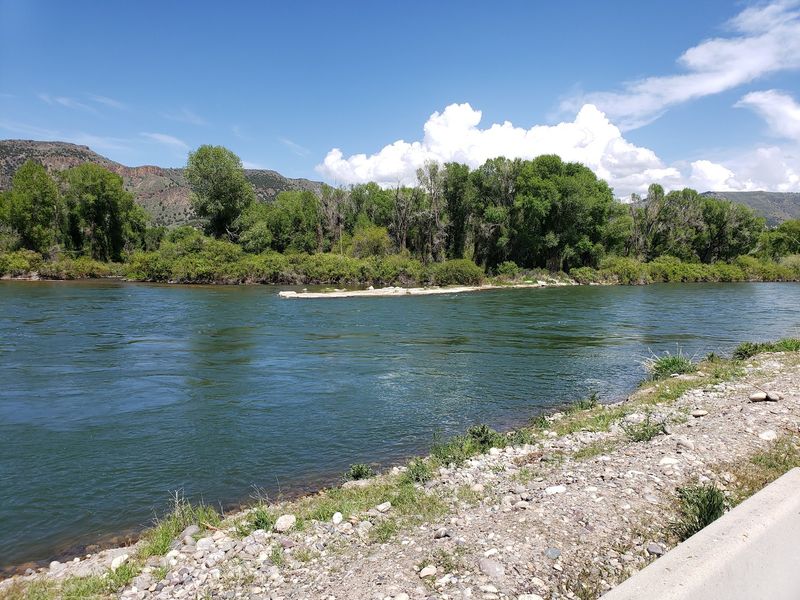
The clear, spring-fed water of the Henry’s Fork makes this possible all winter. Sunlight reaches the riverbed, plants keep growing, and swans can keep grazing even on frigid days.
Watching them feed is oddly relaxing. They paddle slowly, dip, come back up with dripping greens, and repeat the routine over and over like a calm, steady machine.
Swans also use their large feet to stir up the bottom, loosening roots and tubers so they float within reach. Ducks sometimes hang around nearby, hoping to grab leftovers.
So much eating has a purpose. Staying warm through long Idaho nights burns huge amounts of energy, and a well-fed swan has a much better chance of making it to spring in good shape.
8. Spuds On The Menu
Here is a twist only Idaho could pull off: some swans have started eating potatoes. Small spuds left behind in harvested farm fields have become a surprising winter snack for these big birds.
Biologists consider it a fairly new habit. Swans walk across the fields, poking through dirt and snow to find leftover potatoes that were too tiny for the harvest machines to grab.
Grain works too. When bitter cold arrives, swans often gather near where the Henry’s Fork meets the South Fork of the Snake River.
Around the Deer Parks Wildlife Management Area, unharvested grain fields offer extra calories close to open water.
Experts think this flexible diet may be one reason the Canadian migrant population keeps growing. A bird that can switch from river plants to farm leftovers has more options when weather turns rough.
For locals in Madison and Jefferson counties, seeing a flock of giant white birds strolling through a potato field can be a real head-turner. It is not the usual image of a graceful swan gliding across a pond.
Still, it fits perfectly in a state famous for its spuds. Even the wildlife seems to agree they are worth eating.
9. Watching Without Spooking
Patience pays off with swans. They are naturally wary of people, and getting too close can send a whole group flapping and running across the water to escape.
That scramble costs them a lot. Taking off a heavy body burns precious energy that swans need to stay warm, so every unnecessary flight makes winter a little harder.
A good rule is simple: if a swan stops feeding, raises its head, and starts watching you, you are too close. Back up slowly and let it settle down again.
Binoculars or a spotting scope make a huge difference. You can see feathers, family groups, and feeding behavior clearly without stepping closer.
Some swans in busy viewing areas have grown more tolerant of quiet visitors. Even so, staying in your vehicle or on established trails keeps things peaceful for everyone.
Skip the bread. Feeding swans can make them sick and teaches them to hang around roads and people, which rarely ends well for the birds.
Talk softly, keep pets leashed, and avoid sudden movements. The best moments often come after you stand still for a while and the swans simply forget you are there.
10. Planning A Winter Swan Trip
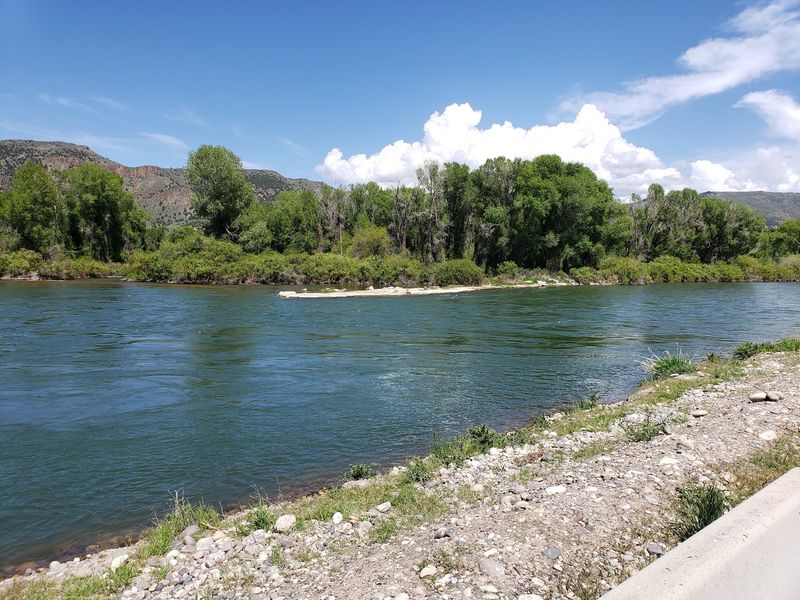
Mid-winter is go time. December through February usually brings the biggest swan gatherings to the Henry’s Fork, when frozen lakes elsewhere push birds onto the open river.
Island Park and Harriman State Park make strong starting points, reachable by Highway 20 north of Ashton. Farther south, areas near Rexburg and the Deer Parks Wildlife Management Area offer good chances during extreme cold snaps.
Roads can get slick fast in eastern Idaho, so carry chains, a shovel, and extra blankets. Check road reports before heading out, especially near Targhee Pass and higher elevations.
Mornings tend to be quiet and active. Swans feed steadily early in the day, and soft light makes those white feathers pop in photos.
Pack layers, warm boots, snacks, and a hot drink. Standing on a riverbank in single digit temperatures feels colder than you might expect.
Groups like the Henry’s Fork Wildlife Alliance sometimes share sighting updates and swan education, which can help you time a visit well.
Most of all, take your time. Watching a thousand swans spend winter on a steaming Idaho river is the kind of memory that makes a long, cold drive feel completely worth it.