At Pocatello’s Bannock County Historical Complex, A Rebuilt Fort Hall Recalls Idaho’s Fur Trade And Oregon Trail Days
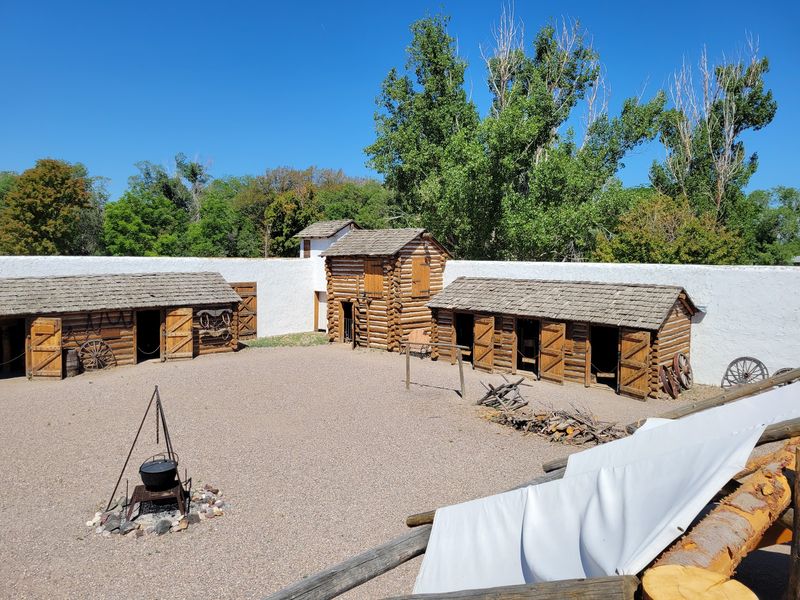
A full-size log fort, built from Hudson’s Bay Company floor plans, stands a short stroll from a zoo with bison and elk. That pairing alone made me look twice, and it gets better.
The original post once sold supplies to Oregon Trail families after a brutal 500-mile stretch of dust and sagebrush. The rebuilt version uses thick log walls, and the air inside stays noticeably cooler on hot summer days.
A path leads past the fort to a three-quarter-scale frontier town with a school, a church, and storefront windows full of exhibits. Back indoors, a museum holds everything from a horse-drawn stagecoach to a Japanese shrine.
I like how one Idaho stop can cover beaver trappers, railroad workers, and Victorian parlors in a single afternoon without breaking the budget. Ready to see which era grabs you first?
Three Eras Of History Packed Into One Pocatello Stop
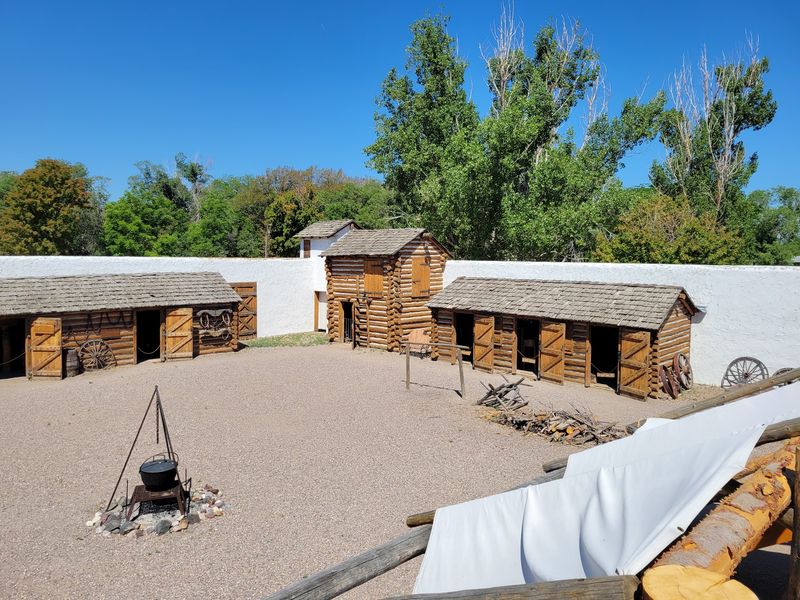
Most towns get one museum and call it a day. The Bannock County Historical Complex in Pocatello hands you three attractions on the same grounds instead.
First comes the Bannock County Historical Museum, which covers the story of Pocatello and the surrounding county. Next is the Fort Hall Replica, a full-scale log trading post that steals most of the attention.
Then there’s Pocatello Junction, a small frontier village built at three-quarter scale. It shows how a humble train stop grew into the city that sits around it today.
Keeping all of this running takes a real community effort. The Bannock County Historical Society oversees the complex, with support from both Bannock County and the City of Pocatello.
That society isn’t some recent arrival, either. It formed back in 1922 to protect local objects, documents, and photographs for future generations.
For southeastern Idaho families, the setup is wonderfully efficient. You can trace fur trappers, wagon trains, and railroad boomtowns without moving the car once.
Each piece adds a new layer to the same regional story. Together, they turn a quick roadside stop into a surprisingly complete history lesson with plenty of room to wander.
Why Weary Wagon Families Counted The Miles To Fort Hall
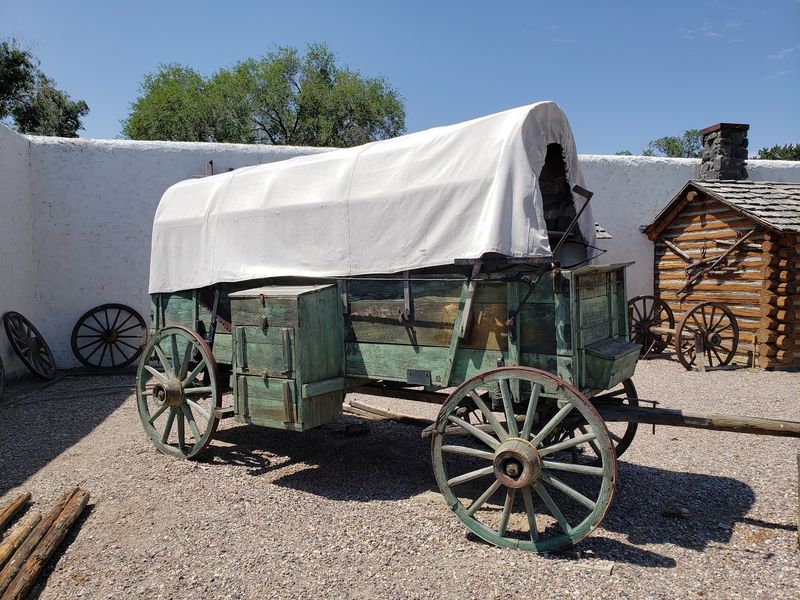
Back in 1834, a businessman named Nathaniel Jarvis Wyeth built a fur trading post on the Snake River Plain. His goal was bold, since the British Hudson’s Bay Company largely controlled the western fur trade.
Competing with that giant proved tough. By 1837, the Hudson’s Bay Company had acquired the post and turned it into one of the busiest trading hubs in the valley.
Beaver pelts drove the early business. Fashionable top hats back east demanded so much fur that western beaver populations dropped sharply.
Then the wagons arrived, and the fort found a second purpose. Emigrants on the Oregon and California Trails reached it after a grueling 500-mile stretch across open country.
Fort Hall offered rest, supplies, and repairs at exactly the right moment. It also marked a major decision point, because the two trails split nearby toward very different destinations.
Hundreds of thousands of emigrants passed through the region during the trail years. Many arrived with worn wagons, tired animals, and dwindling food.
Knowing that backstory changes how the replica feels. Those log walls stood for relief, a fresh start, and a chance to keep heading west.
Old Tools And Original Floor Plans Built This Replica
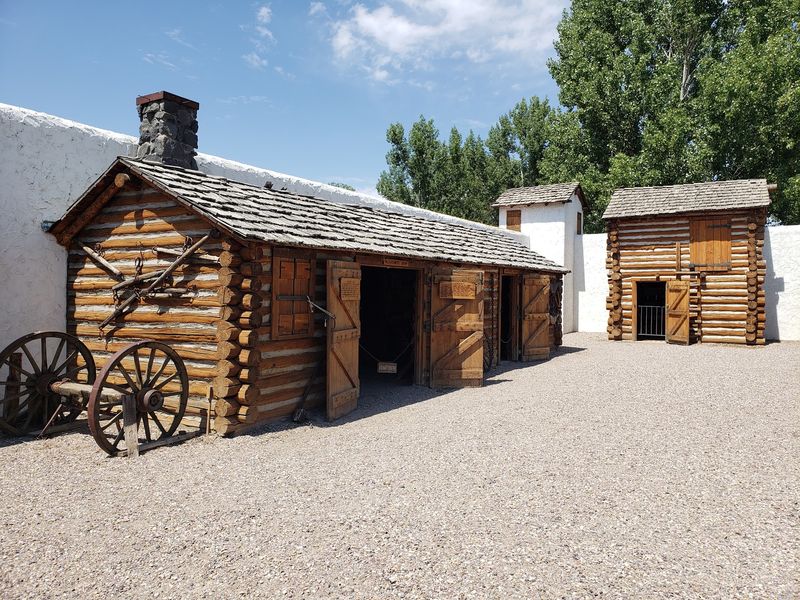
Copying a fort from memory would have been easy. The builders of this replica chose the harder path and used original Hudson’s Bay Company floor plans.
Craftsmen worked with traditional methods and tools to raise the structure. That choice gives the place an honest, handmade feel instead of a theme-park polish.
The project started as a commemorative monument for Idaho’s Territorial Centennial in 1963. Construction wrapped up in 1964, and the fort has welcomed curious visitors ever since.
Thick logs do more than look rugged. They were sealed with pitch, and the interiors stay noticeably cooler than the sunny grounds outside.
Scale matters here too. The Fort Hall Replica is built full-size, so the gates, walls, and rooms match what traders and emigrants would have seen.
The original fort site sits elsewhere in southeastern Idaho, away from Pocatello. Having a faithful copy beside the museum makes the story far easier to experience in person.
History books can describe a frontier outpost all day long. Standing inside one built from the same plans is a different kind of lesson entirely.
Every Room Inside The Gates Covers A Different Frontier Job
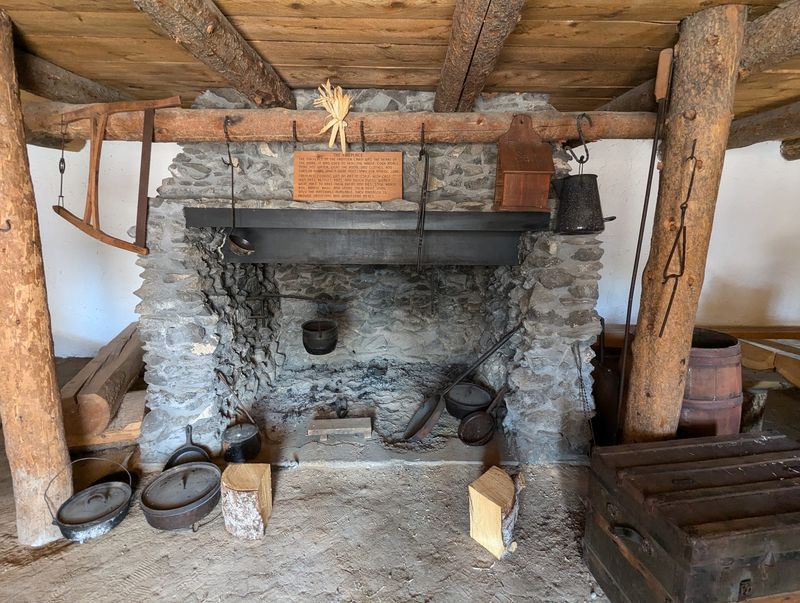
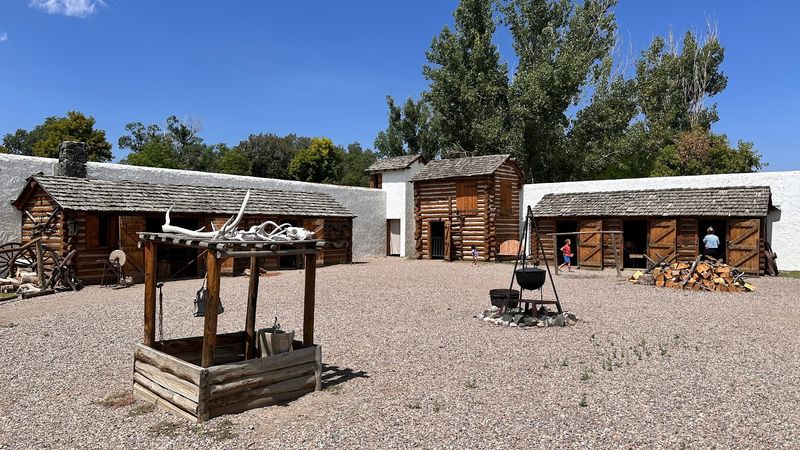
Push past those massive wooden gates, and the fort opens into a series of themed spaces. Each one shows a different slice of daily life at a busy trading post.
The Company Hall hints at the business side of the operation. Nearby, the Frontier Room and the Indian Room explore the people who traded, traveled, and lived throughout the region.
Curious how the boss lived? The Factor’s Quarter shows the space set aside for the post’s chief trader.
Hands-on trades get their spotlight too. A blacksmith and carpenter’s room reveals the skills that kept wagons rolling and buildings standing.
Emigrants relied on those skills more than you might guess. A broken wheel or cracked axle could stall a family’s entire journey west.
The fort has multiple floors to explore, so take your time climbing around. A video presentation, roughly fifteen minutes long, walks through the fort’s history for anyone who prefers watching over reading.
Keep an eye out for beaver pelt top hats among the displays. They’re a fun reminder that fashion once shaped an entire chapter of Idaho history.
A Stagecoach, A Shrine, And Prohibition Evidence Under One Roof
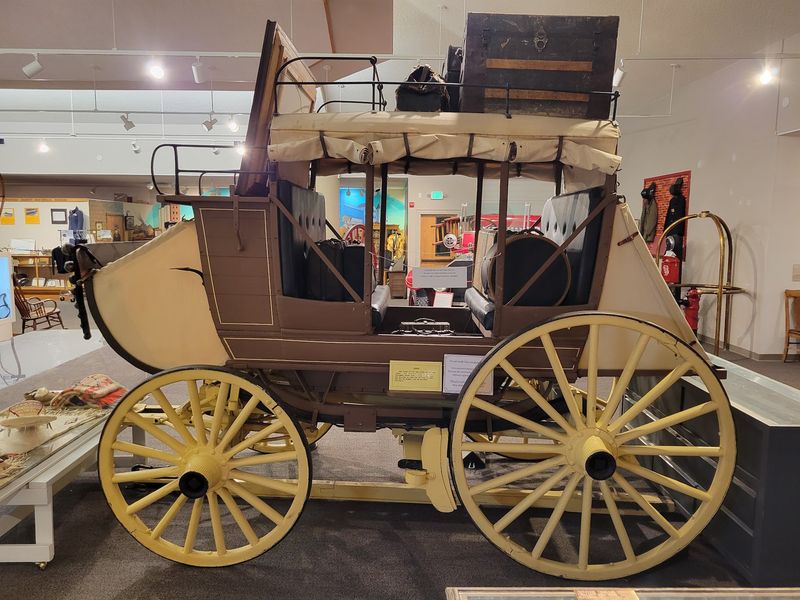
Few small museums can claim a real Holladay Overland Stage Co. stagecoach. The Bannock County Historical Museum has one, and it sets the tone for a delightfully varied collection.
Built with donations for Idaho’s Centennial Celebration in 1990, the museum stays open year-round. That makes it the anchor of the complex when the outdoor attractions close for the season.
Railroad history plays a starring role, which fits a city born as a train stop. Other exhibits cover early medical practices and the inner workings of a general store.
A Victorian parlor and a room tied to the Standrod Mansion show how prosperous families once lived. Elsewhere, a Japanese Shrine offers a glimpse of another community’s place in local history.
Printing presses and photography studio artifacts reveal how news and portraits got made. Telegraph and telephone gear recalls the days of party lines and switchboard operators.
Fire department relics, old cavalry uniforms, and ranching equipment fill out the rooms. Then there’s prohibition police evidence, which is exactly as intriguing as it sounds.
Shoshoni and Bannock photographs and objects, plus local archaeological specimens, honor the region’s earliest residents. They bring a respectful, essential perspective to the whole story.
Pocatello Junction Shrinks A Railroad Town To Three-Quarter Size
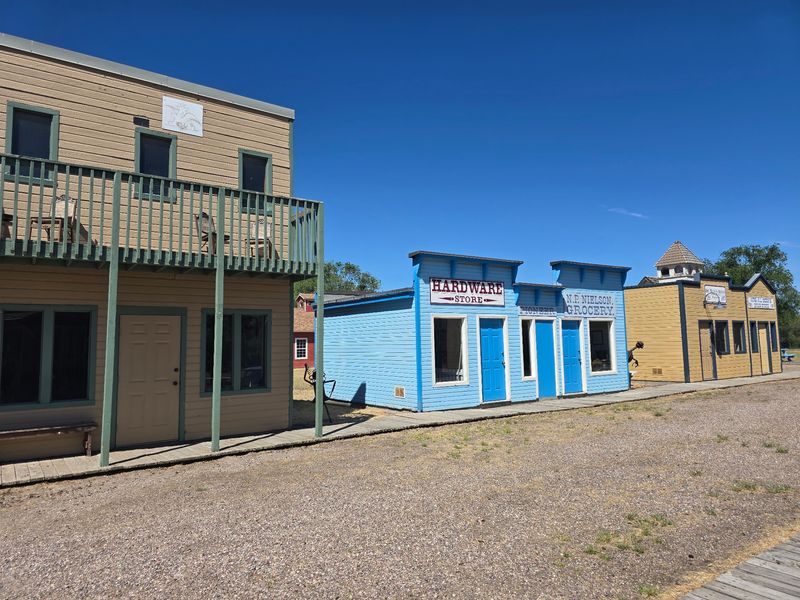
Grown-ups might feel a bit like giants here. Pocatello Junction recreates the original train stop at three-quarter scale, and the effect is oddly charming.
The village includes 12 replica buildings that represent the core businesses and community spaces of early Pocatello. Think of it as the town’s baby picture, preserved in wood.
A long footpath connects the area to the rest of the complex. Strolling it gives you time to switch mental gears from fur trappers to railroad settlers.
Storefront windows hold exhibits that show what each business needed to function. A school and a church round out the essentials every growing frontier town required.
Like the museum, the village was built in 1990 for the State of Idaho’s Centennial Celebration. Community donations helped bring it to life.
The setup makes a clever companion to the fort. One shows travelers passing through, while the other shows people deciding to stay and build something lasting.
Kids tend to find the smaller scale especially appealing. Peering into each window feels a bit like exploring a giant, walkable dollhouse from the 1800s.
Scavenger Hunts And Train Exhibits Keep Young Explorers Busy
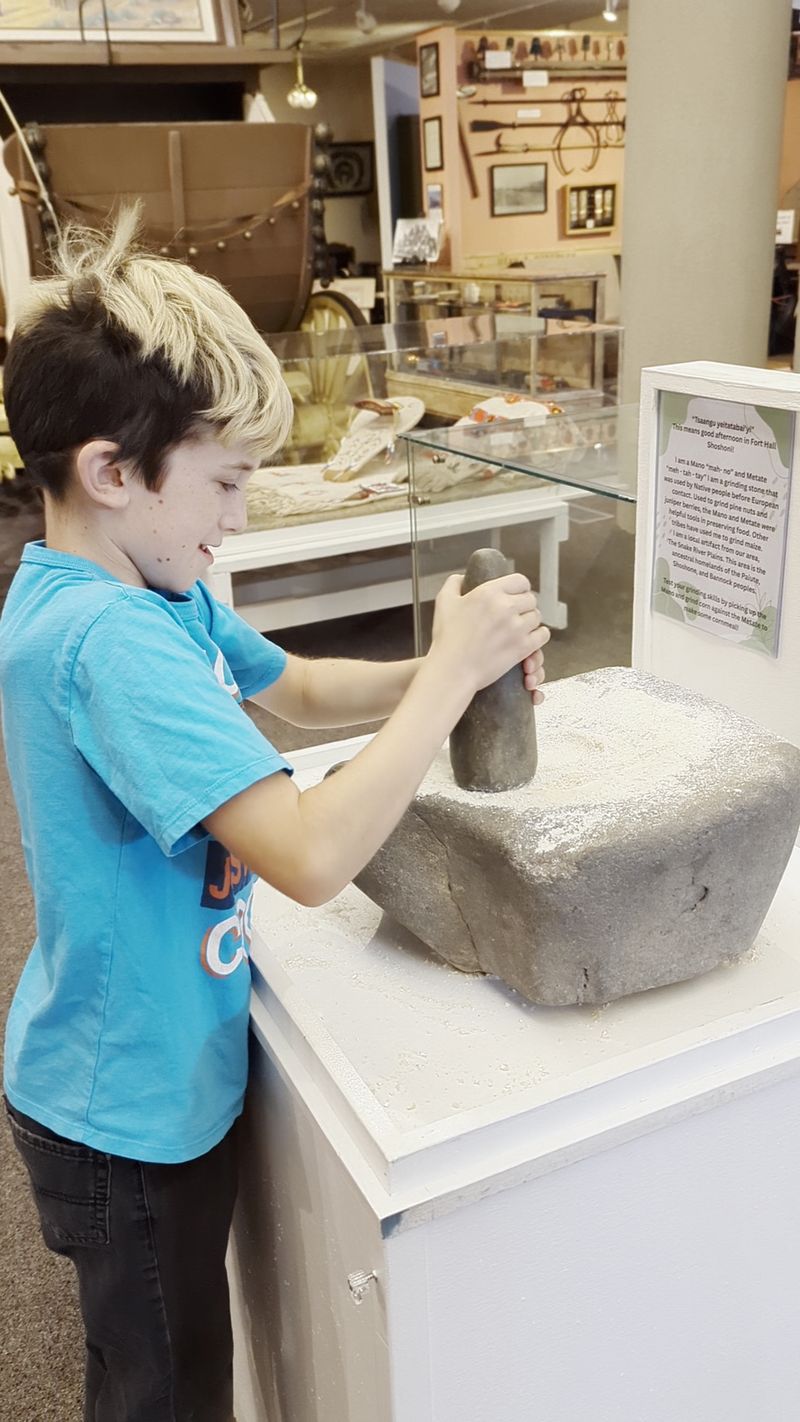
Bored kids at a history museum? The staff here has a sneaky fix in the form of scavenger hunts.
The hunts turn reading labels into a game, which works wonders on restless young minds. They also stay available when the outdoor attractions are closed for the season.
The museum’s train exhibit is a natural crowd-pleaser for little railroad fans. Pocatello grew up around the tracks, so the display connects nicely to the town outside.
Outdoors, the fort and the frontier village give children room to roam. Climbing through log rooms beats staring at glass cases any day of the week.
A small gift shop waits near the end of the visit. It carries books on regional history, souvenirs, and plush versions of local wildlife.
The museum itself stays clean and well organized, with good lighting throughout. Air conditioning offers welcome relief during southeastern Idaho’s warm summer afternoons.
Speaking of heat, plan an early start in July and August. The outdoor grounds get toasty by midday, and fresh legs make every building more fun to explore.
Bison Next Door And Dutch Oven Dinners By The Fort
History buffs and animal lovers rarely agree on weekend plans. This corner of Pocatello solves that problem neatly.
Zoo Idaho sits right beside the Bannock County Historical Complex. It operates separately, but the short distance makes a combined outing incredibly easy.
The zoo focuses on native Idaho wildlife, including elk and bison. Seeing those animals after learning about frontier life adds a fitting real-world connection.
Right next to the fort, a park area offers shelters and a stage. That space hosts community gatherings that lean happily into the frontier theme.
Past events have included traditional Dutch oven dinners and mountain men presentations. Lively dances have filled the grounds too, bringing music to the old trading post atmosphere.
Event schedules change from year to year, so check before planning around one. Even on a quiet day, the shelters make a handy spot for a packed lunch.
Pairing history with wildlife stretches a short visit into a full afternoon. It’s a low-cost formula that works for grandparents, toddlers, and everyone in between.
Timing Your Trip Around The Fort’s Summer Season
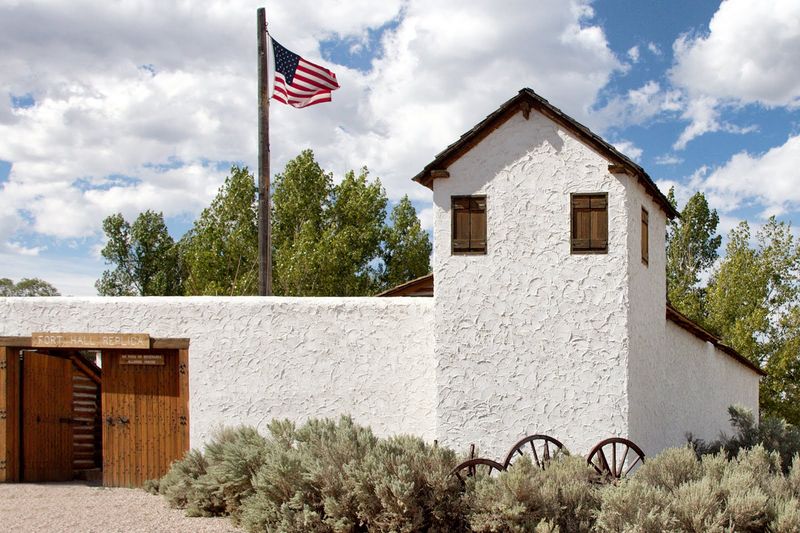
Season matters more here than at most museums. The Fort Hall Replica and Pocatello Junction open only from roughly May through October, weather permitting.
Opening dates can shift slightly each spring, so confirm before you go. A winter trip still works, but it centers on the indoor museum exhibits.
You’ll find the complex at 3000 Avenue of the Chiefs, Pocatello, ID 83204. It’s an easy detour for travelers crossing southeastern Idaho on the interstate.
Entry costs a small fee, generally just a few dollars. That’s a friendly price for a museum, a full-size fort, and a frontier village combined.
Budget at least an hour for the fort and museum together. Add more time if you plan to walk the village path or linger over the video.
A tiny team runs the operation after significant budget cuts. Hours can occasionally shift on slow days, so a quick call ahead before a long drive is smart.
Friendly, knowledgeable staff staff the front desk when you arrive. If your timing lines up, you might even catch a guided tour.
A Small-Budget Stop With A Big Frontier Payoff
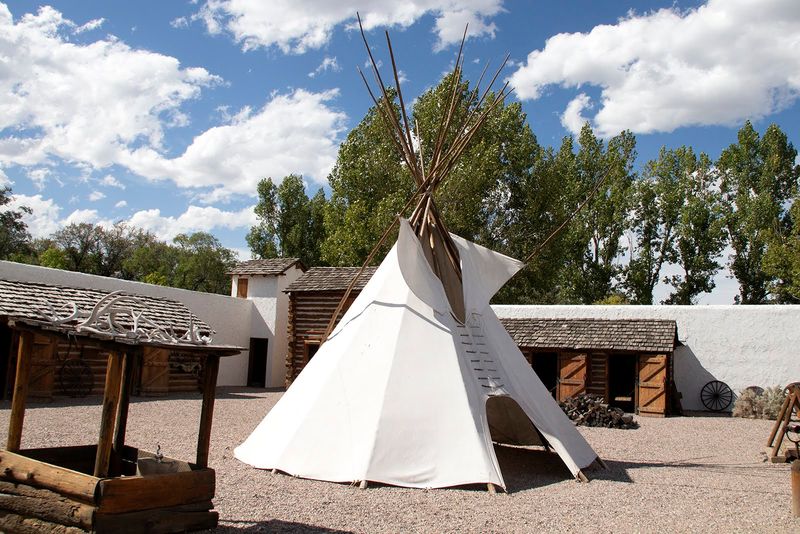
Plenty of attractions promise to transport you back in time. Very few hand you a fort built from the actual trading company’s floor plans to back it up.
The Bannock County Historical Complex delivers that and more for a modest fee. Fur trappers, wagon families, railroad builders, and Shoshoni and Bannock history all share the same grounds.
Oregon Trail fans will appreciate the context most. Standing inside those log rooms makes the old emigrant journals feel much more personal.
Families get room to roam, scavenger hunts, and a zoo next door. Near-retirees and road-trippers get a calm, affordable break with plenty to read and see.
Plan around the summer season if the fort is your main goal. Arrive early on hot days, and give the museum the time it quietly deserves.
Idaho has bigger museums and flashier attractions, no question. Still, this one carries a homegrown spirit, kept alive by a small team and a community that clearly cares.
Next time you’re rolling through Pocatello, the old trading post makes a worthy pause. The wagon trains certainly thought so.