This Atlanta Georgia Museum Shows How Paper Changed Civilization With Over 10,000 Amazing Artifacts
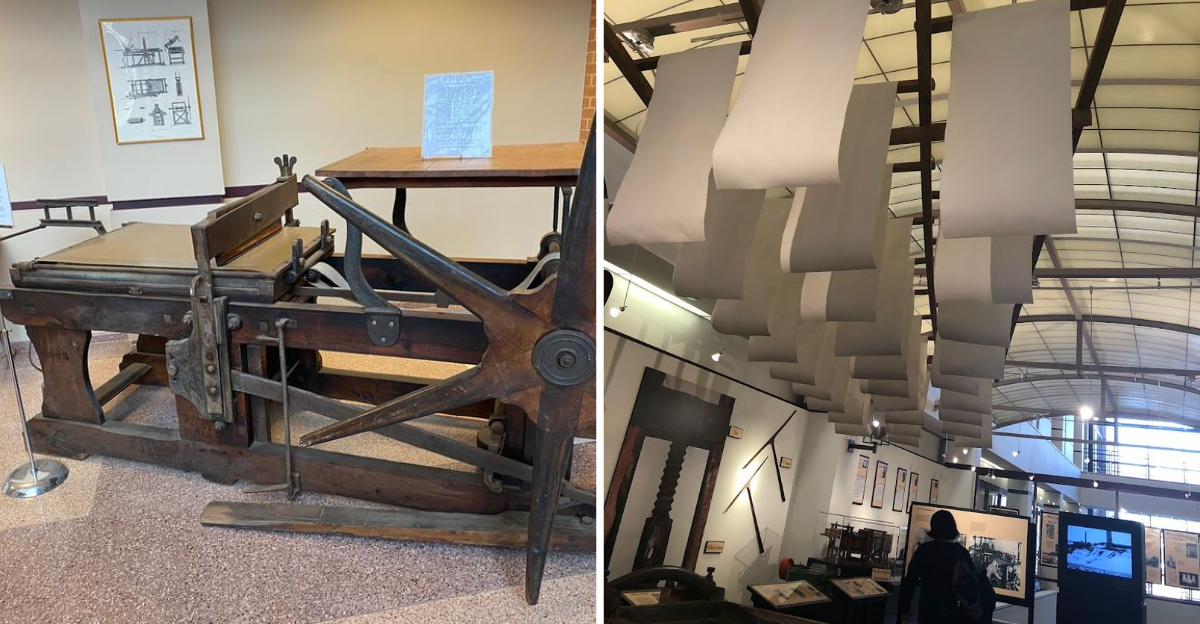
Tucked inside the Georgia Tech campus in Atlanta, the Robert C. Williams Museum of Papermaking is one of the most surprisingly fascinating museums you may ever stumble upon. Housing over 10,000 artifacts, rare books, tools, and manuscripts, it tells the story of how paper quietly shaped the entire course of human civilization.
From ancient writing surfaces to cutting-edge paper engineering, the museum covers thousands of years of history in one compact, welcoming space.
Whether you are a history buff, a curious family, or just looking for something genuinely different to do in Atlanta, this museum delivers in ways few expect.
1. A Collection That Spans the Entire History of Paper
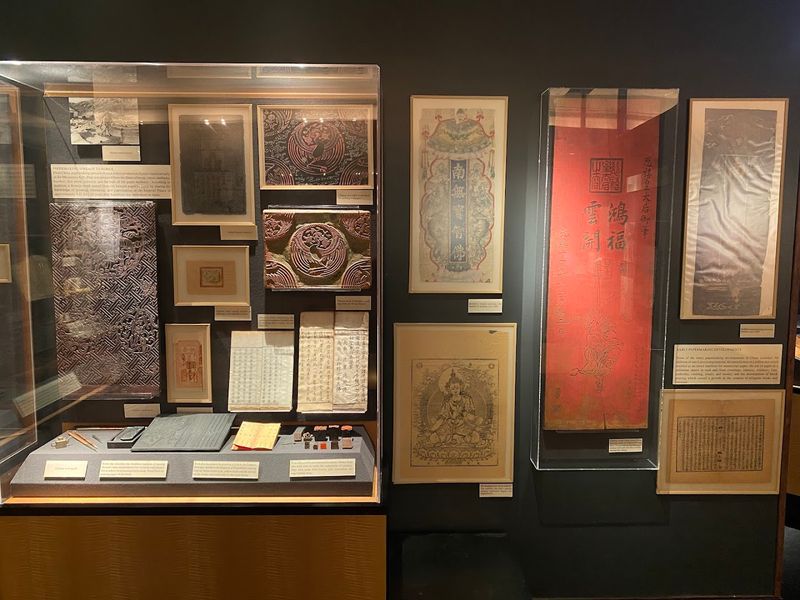
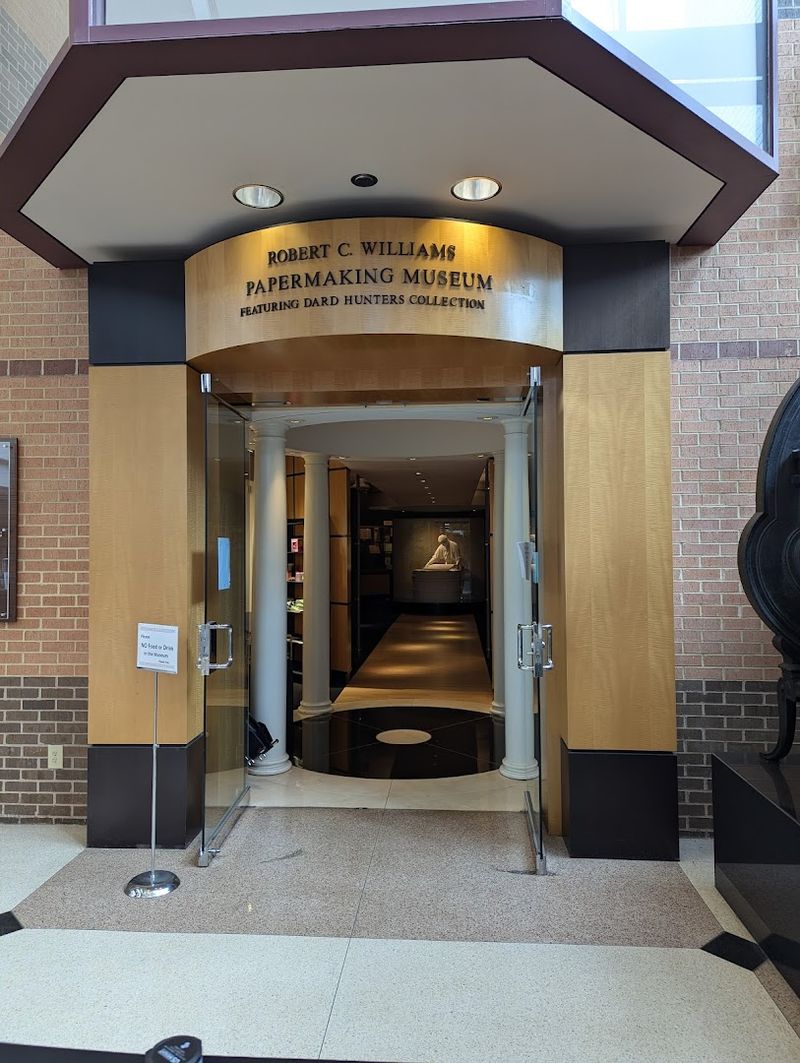
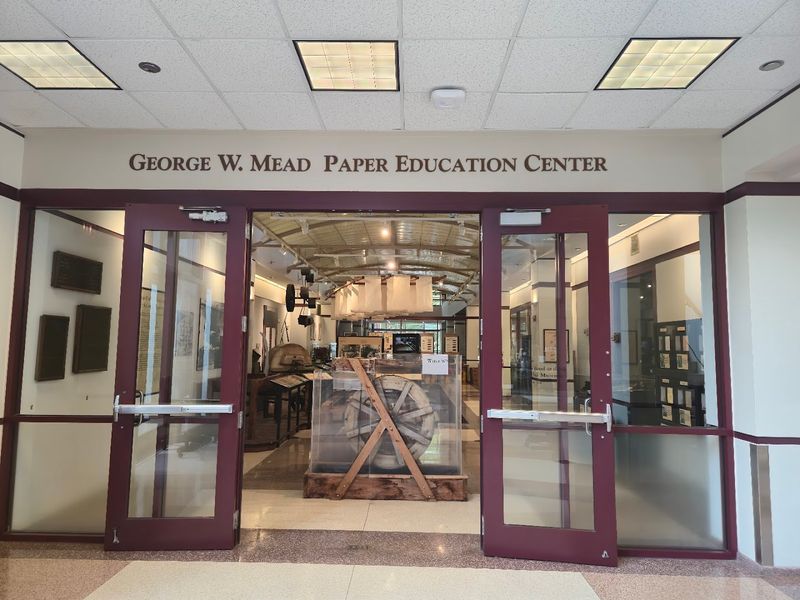
Few museums can claim to hold the world’s largest collection of papermaking artifacts, but this one can. The Robert C. Williams Museum of Papermaking, located at 500 10th St NW, Atlanta, GA 30332, on the Georgia Tech campus in Atlanta, Georgia, is home to over 10,000 objects that trace paper’s journey from ancient plant fibers to modern sheets.
Walking through the exhibits feels like flipping through the pages of human history itself. Ancient writing materials sit alongside industrial-era machines, creating a timeline that is both educational and visually compelling.
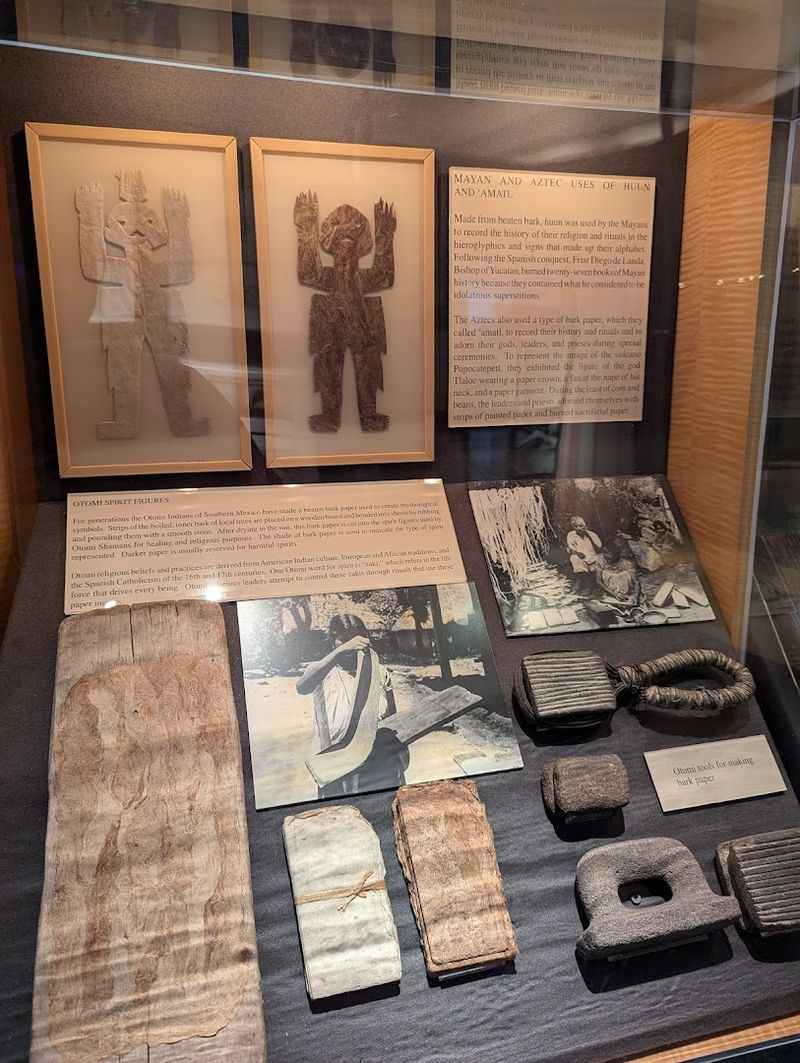
The collection includes watermarks, tools, manuscripts, and finished paper samples gathered from cultures around the world. Visitors often remark that they had no idea paper had such a rich and complex story. For anyone who appreciates how everyday materials shape society, this is a collection that genuinely earns your time and attention.
2. Dard Hunter’s Remarkable Legacy Lives Here
Not many people have dedicated an entire lifetime to understanding a single material, but Dard Hunter did exactly that with paper. Hunter founded this museum in 1939, pouring decades of personal research, travel, and craftsmanship into building what became the world’s most significant papermaking archive.
His story is genuinely inspiring. Hunter traveled across Asia, Europe, and beyond to study ancient papermaking techniques firsthand, often recreating the tools and methods himself. His work helped preserve knowledge that might otherwise have been lost entirely.
The museum’s exhibits dedicated to Hunter feel personal and warm, almost like stepping into a scholar’s private study. Photographs, handmade books, and original equipment he used tell the story of a man driven by pure intellectual curiosity. For visitors who enjoy learning about passionate individuals who changed their fields, the Dard Hunter sections of this museum are quietly unforgettable and deeply human.
3. Hands-On Workshops That Let You Make Real Paper
There is something genuinely satisfying about pulling a sheet of handmade paper out of a vat of water and fiber. The museum offers interactive papermaking workshops where participants of all ages can experience the craft from start to finish, moving through each step of the traditional process.
Workshops cover fiber soaking, sheet formation using hand molds, pressing, and drying, giving visitors a tactile understanding that no display case can replicate. It tends to be especially popular with school groups, but adults find it just as engaging and surprisingly meditative.
Booking ahead is recommended since workshop spots fill up, particularly during school field trip seasons and weekends. The experience leaves visitors with a tangible takeaway, a sheet of paper they made themselves, which turns out to be one of the most memorable souvenirs imaginable. It transforms the museum from a passive viewing experience into something actively participatory and genuinely fun.
4. Over 2,000 Rare Books That Paper Historians Dream About
Bibliophiles, this section is for you. The museum holds over 2,000 rare books documenting the science, industry, artistry, and cultural significance of paper and printing across centuries. Many of these volumes are not available anywhere else in the world in such concentration.
Titles range from early technical manuals on papermaking to beautifully illustrated works on typography, bookbinding, and printing history. Some date back several centuries and are handled with the kind of care that rare archives deserve.
Researchers and serious students of book history can arrange access to the archives for in-depth study, making the museum a genuine academic resource beyond its public exhibits. For casual visitors, even the display cases holding selected rare volumes feel like windows into another era. There is something quietly awe-inspiring about seeing a centuries-old book and knowing the paper it was printed on was made entirely by hand, one sheet at a time.
5. The Watermark Archive Is Genuinely One of a Kind
Most people have seen watermarks on currency or stationery without giving them much thought. At this museum, watermarks get the spotlight they deserve, with an extensive archive showcasing historical and modern examples that reveal just how sophisticated paper design has been for centuries.
Watermarks were originally used by papermakers to identify their mills and signal quality. Over time, they evolved into complex artistic and security devices. The collection here traces that evolution across different cultures, time periods, and purposes, from medieval European mills to contemporary currency design.
Viewing the watermarks properly requires holding sheets up to light, which the museum facilitates beautifully. It turns a simple act into something almost magical, revealing hidden images that have been embedded in paper for hundreds of years. For visitors who enjoy the intersection of craft, art, and history, the watermark archive is one of those unexpected highlights that people tend to mention long after their visit ends.
6. Early Hand Molds and Industrial Machines Tell a Technology Story
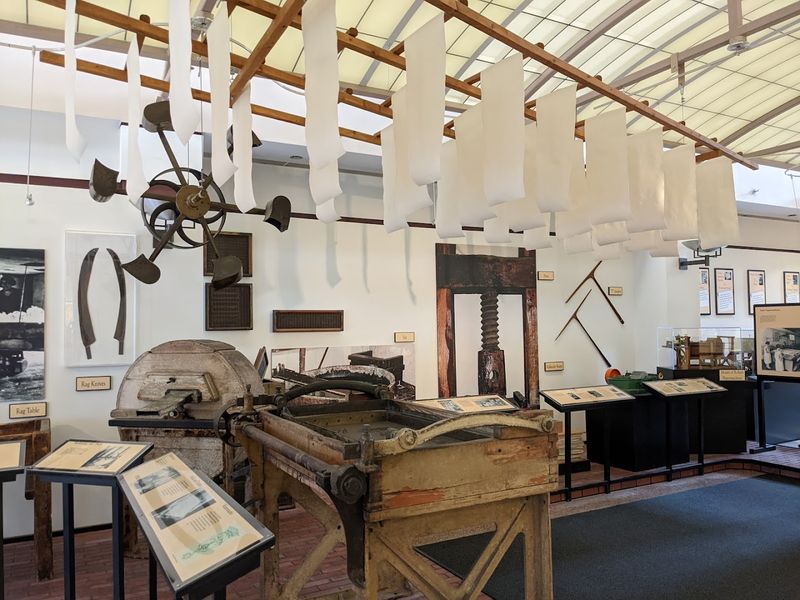
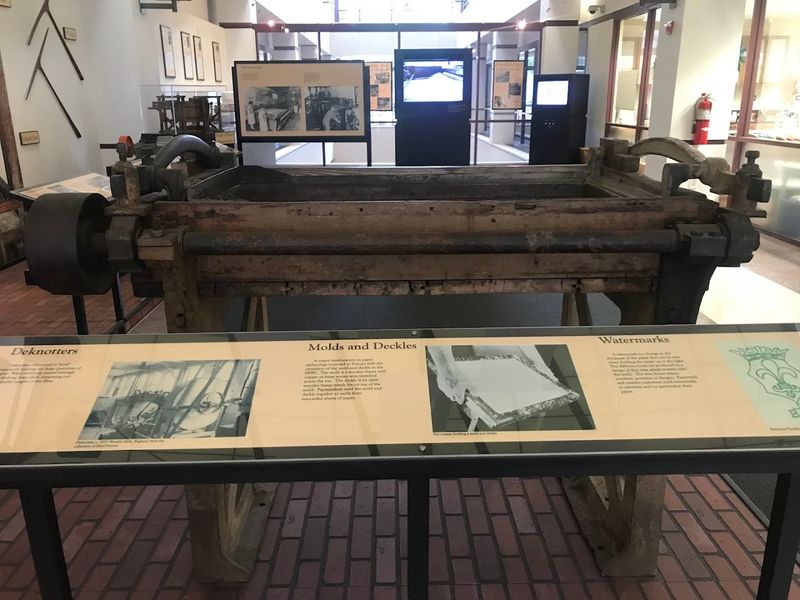
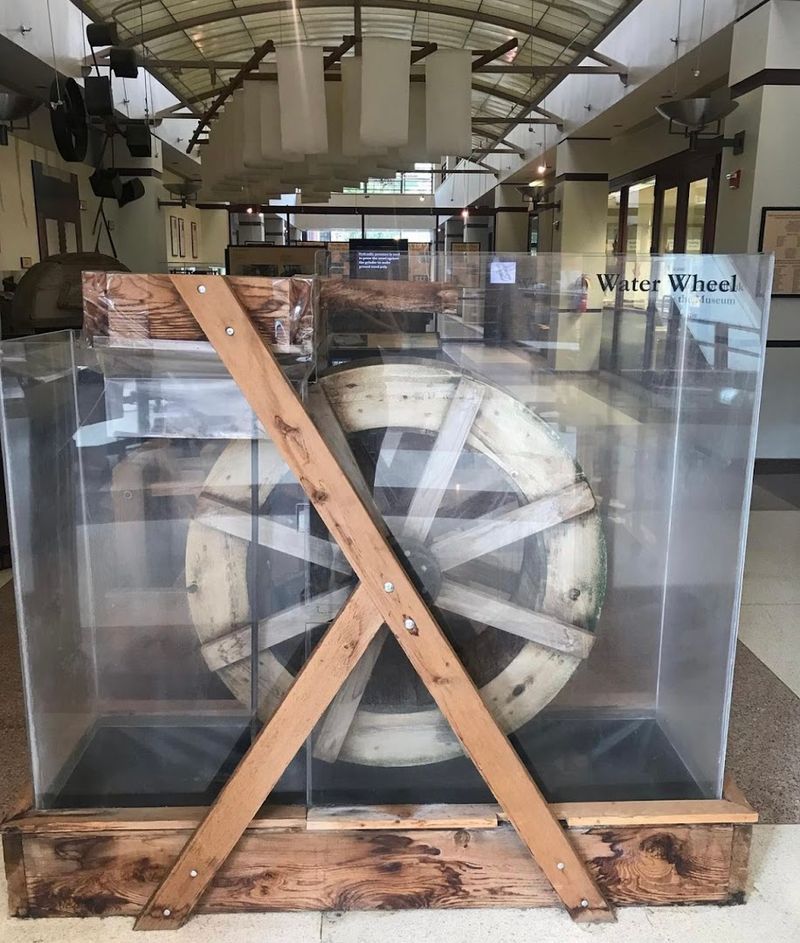
Technology history does not always get told in exciting ways, but the equipment on display at this museum manages to make the evolution of papermaking feel genuinely dramatic. From delicate hand molds used by craftsmen centuries ago to the hulking industrial machines that transformed paper production, the progression is striking.
Each piece of equipment tells a chapter of a larger story about how human ingenuity scaled a craft into an industry. Seeing a hand mold alongside a mechanized production device from a century later makes the leap in scale immediately tangible in a way that written descriptions simply cannot match.
Labels and explanatory panels are well-written and accessible, making the technical content approachable for visitors without engineering backgrounds. Families with kids who are into how things work tend to linger here longer than expected. The machines have a satisfying physical presence that photographs cannot fully capture, so seeing them in person is genuinely worthwhile.
7. Rotating Contemporary Art Exhibits Keep Every Visit Fresh
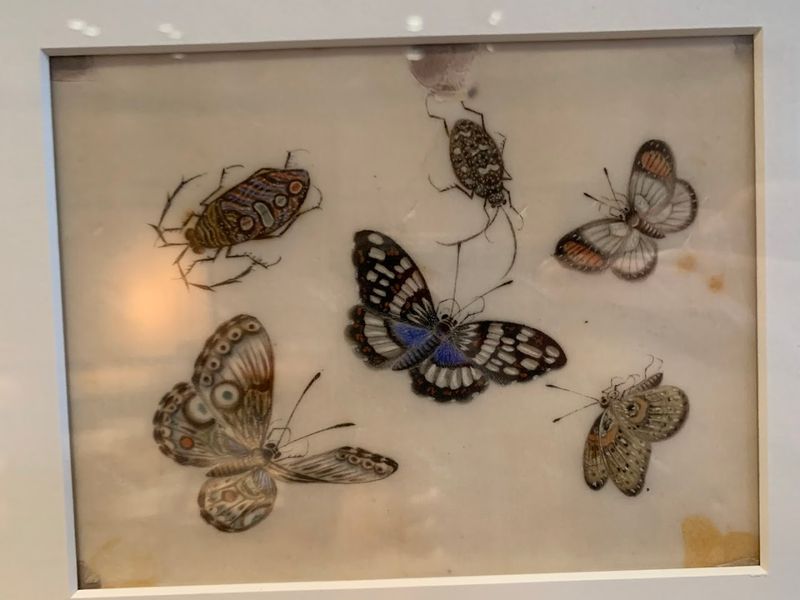
A museum that only looks backward risks feeling static, but the Robert C. Williams Museum keeps things lively with rotating contemporary art exhibitions that explore paper’s role in modern creative practice. These shows bring in work from living artists who push the boundaries of what paper can be and do.
Past exhibitions have explored themes ranging from cultural identity to environmental awareness, all using paper as a central medium or subject. The contrast between ancient artifacts and contemporary artwork creates a dialogue across centuries that feels genuinely thought-provoking.
Because the rotating exhibits change periodically, returning visitors will find something new to experience each time. Checking the museum’s website before visiting is a good habit to catch any current shows that might align with personal interests. For art lovers who might not have considered a papermaking museum as a gallery destination, these contemporary exhibits often reframe the entire experience in unexpectedly meaningful ways.
8. Educational Programs Designed for Every Type of Learner
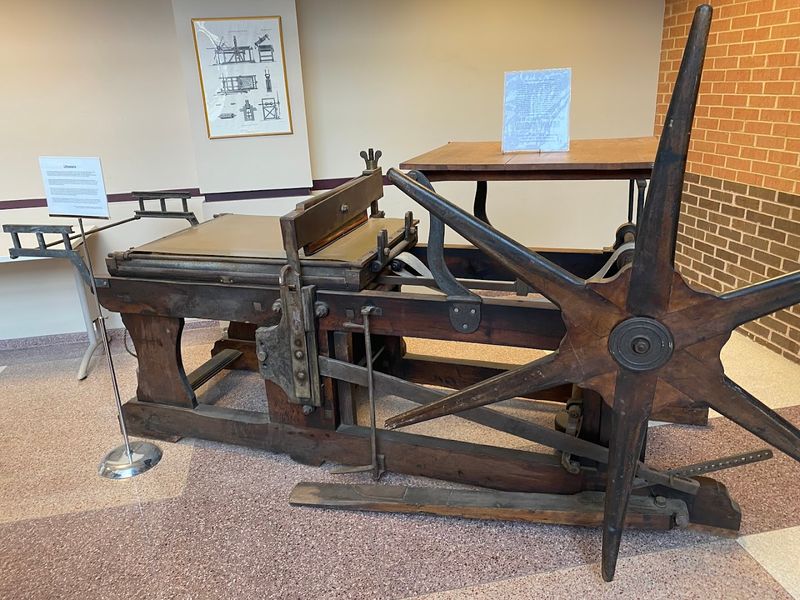
Good museums know their audience is never just one type of person, and this one has built its educational programming around that reality. Tours and programs are tailored for school groups, adult learners, university students, and general visitors, each with a different focus and depth of engagement.
School field trips here tend to be memorable because the combination of historical artifacts and hands-on workshops gives students multiple ways to connect with the material. Teachers often find that students who struggle to engage with traditional classroom learning come alive in this kind of tactile environment.
Adult tours tend to go deeper into the technical and cultural history, while family visits can be more exploratory and self-paced. The staff are knowledgeable and approachable, willing to adjust explanations based on the group’s interests and background. Reaching out to the museum in advance to arrange a guided experience rather than a solo walkthrough tends to result in a noticeably richer visit overall.
9. Community Events Connect the Museum to Atlanta’s Broader Culture
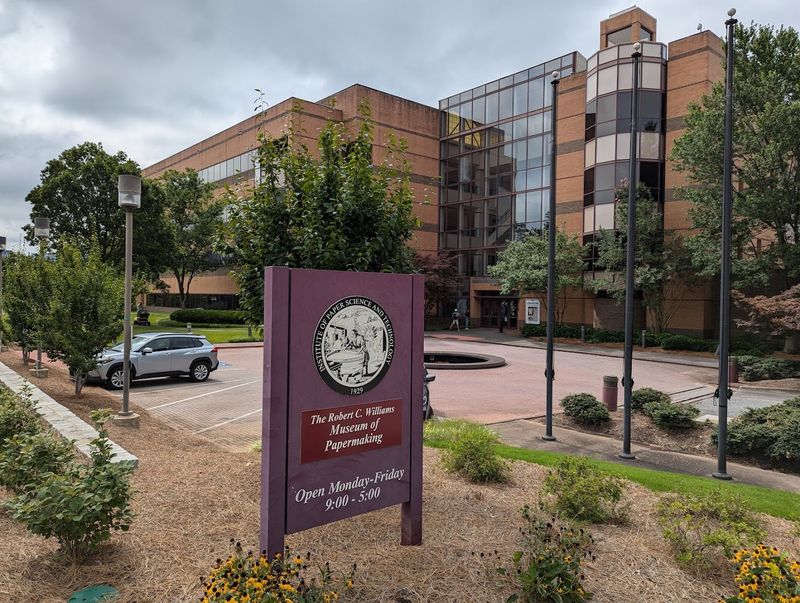
Beyond its permanent collection and scheduled tours, this museum functions as an active community hub. Artist talks, science festivals, special themed events, and collaborative programming bring the museum into conversation with Atlanta’s broader cultural life throughout the year.
Events like these attract visitors who might not otherwise think of a papermaking museum as a destination, broadening the audience and keeping the space feeling alive rather than purely archival. Past events have connected the museum with local schools, community organizations, and the Georgia Tech academic community in meaningful ways.
Checking the museum’s event calendar before planning a visit is a smart move, since attending during a special event can add a whole extra layer to the experience. Some events are ticketed while others remain free, so confirming details in advance helps with planning. For Atlanta locals looking for culturally rich activities that go beyond the usual weekend options, the museum’s event programming is worth following regularly.
10. Research Opportunities That Attract Scholars Worldwide
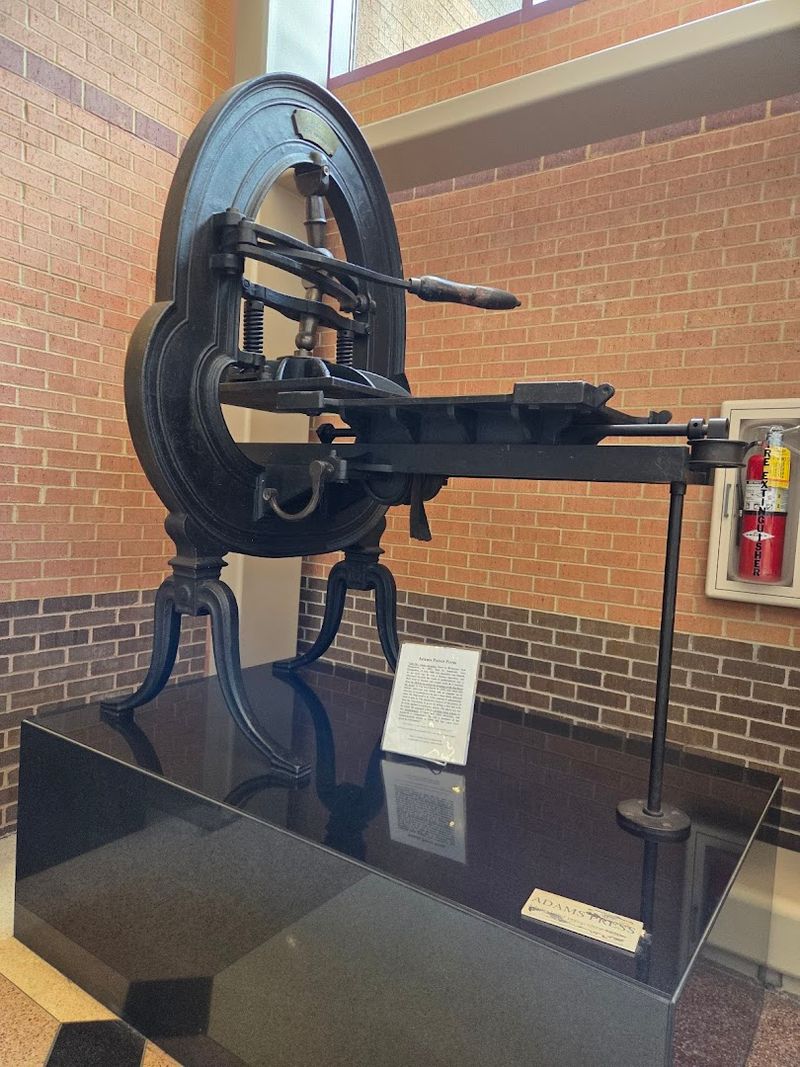
The museum is not just for casual visitors. Its archives and library represent one of the most comprehensive research resources on papermaking history and technology available anywhere in the world, drawing scholars, historians, and students from across the globe.
Researchers can arrange access to primary source materials including rare manuscripts, technical documents, Dard Hunter’s personal correspondence, and an extensive collection of paper samples from different eras and regions. The depth of the holdings makes it a serious academic destination as well as a public museum.
For graduate students, independent researchers, or educators developing curriculum around book arts, material culture, or industrial history, the museum offers access that would be difficult to replicate through any other single institution. Contacting the museum ahead of time to arrange a research visit is essential since archive access typically requires an appointment. The staff are experienced at supporting scholarly work and can help guide researchers toward relevant materials efficiently.
11. Cultural Exhibits Celebrating African American Works on Paper
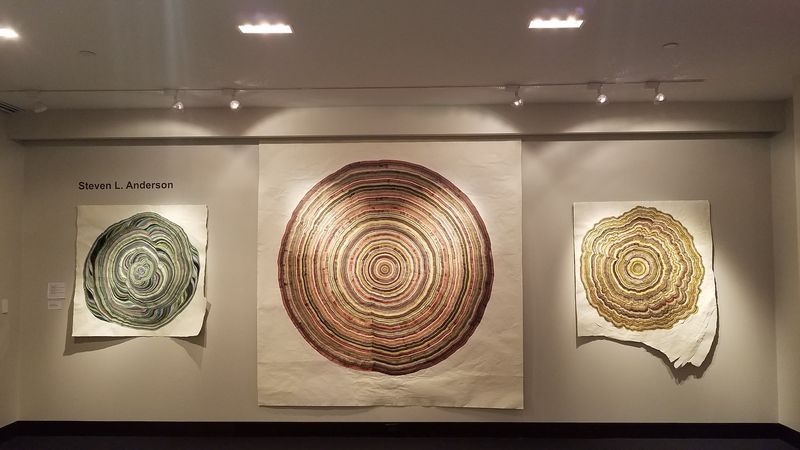
One of the museum’s most meaningful recent exhibitions has been “A Community of Artists: African American Works on Paper,” a show that highlights significant artworks by Black artists and connects the history of paper to broader cultural narratives. It is the kind of programming that reminds visitors how deeply paper intersects with storytelling, identity, and community.
Exhibitions like this one reflect a curatorial commitment to making the museum’s content relevant beyond technical history. By centering the voices and creative contributions of African American artists, the show brings a richness to the museum that extends well beyond papermaking craft.
For visitors interested in art history, social history, or cultural representation in museum spaces, this type of exhibit adds considerable depth to what might otherwise be perceived as a narrowly technical institution. The museum’s willingness to frame paper as a medium for cultural expression rather than just an industrial product makes it a more complete and compelling destination for a wider range of visitors.
12. The Full Papermaking Process Experienced Step by Step
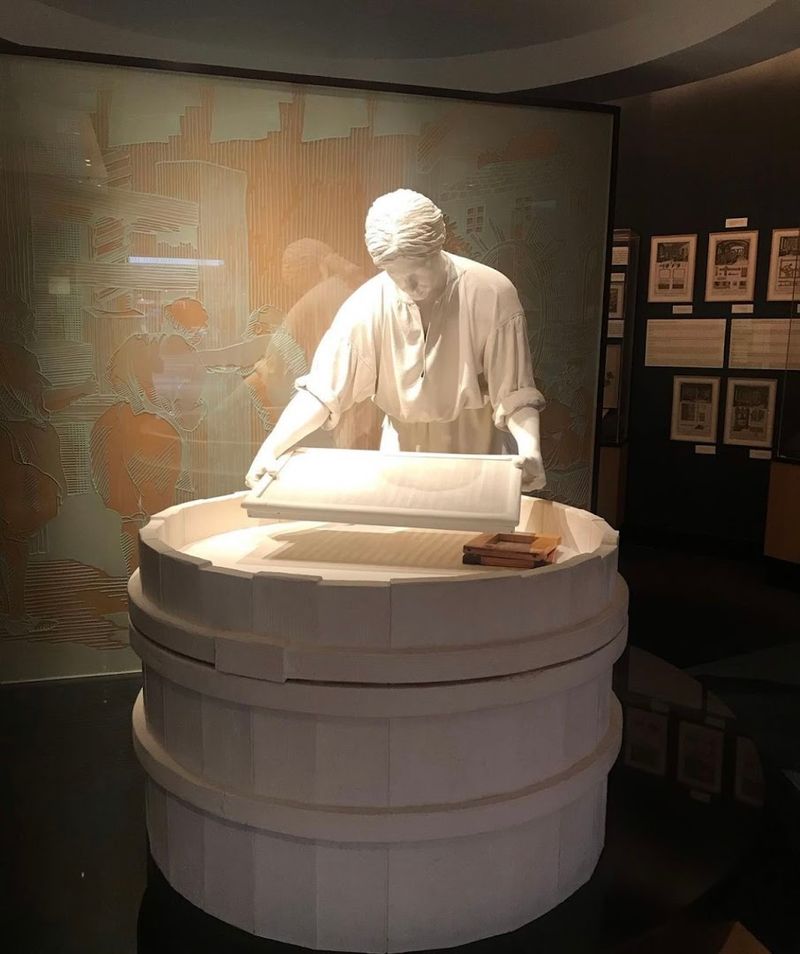
Understanding how paper is actually made changes the way you look at every book, envelope, and notebook you have ever touched. The museum walks visitors through the complete traditional papermaking process in a way that is clear, engaging, and genuinely illuminating for people of all ages.
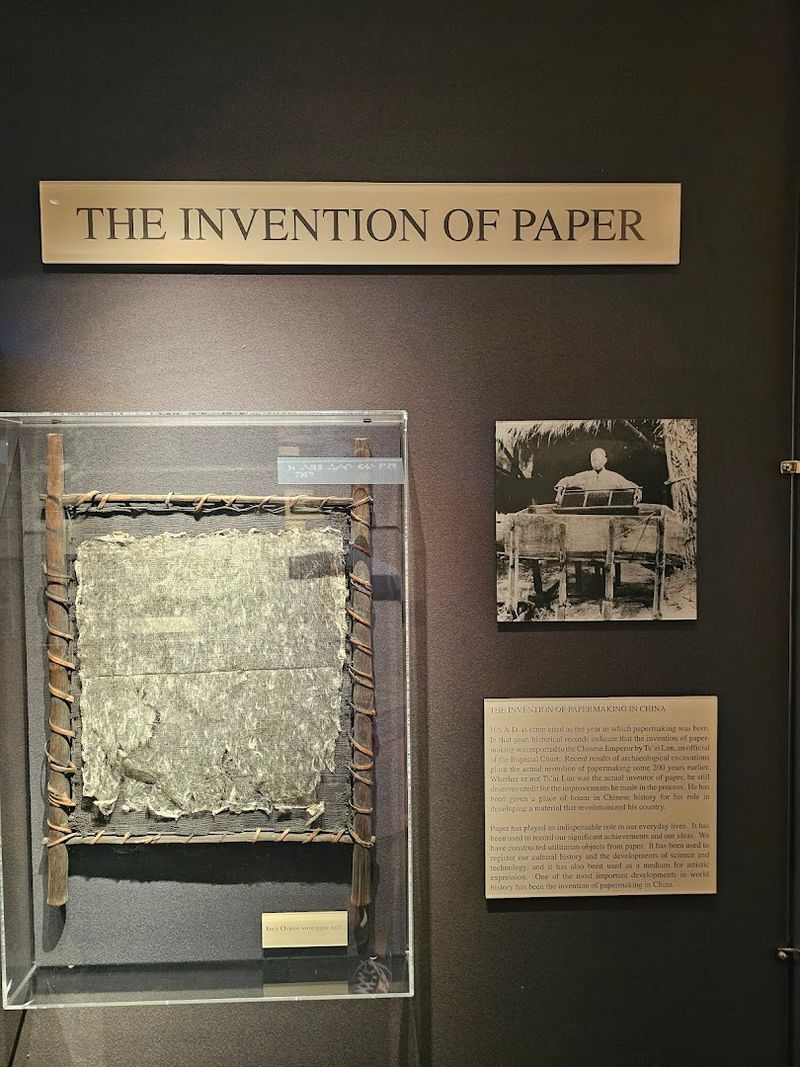
Starting with raw plant fibers, the process moves through pulping, vatting, sheet formation on a mold, couching, pressing, and drying. Each step is explained with both historical context and practical detail, connecting ancient techniques to the principles still used in handmade paper production today.
Visitors who take part in a hands-on workshop get to move through these steps themselves rather than simply observing them. Even for those who only watch a demonstration, seeing the process unfold in real time creates a lasting appreciation for the labor and skill involved in producing something most people take completely for granted. Paper, it turns out, has always been worth paying attention to.
13. Sustainability Conversations That Feel Genuinely Relevant Today
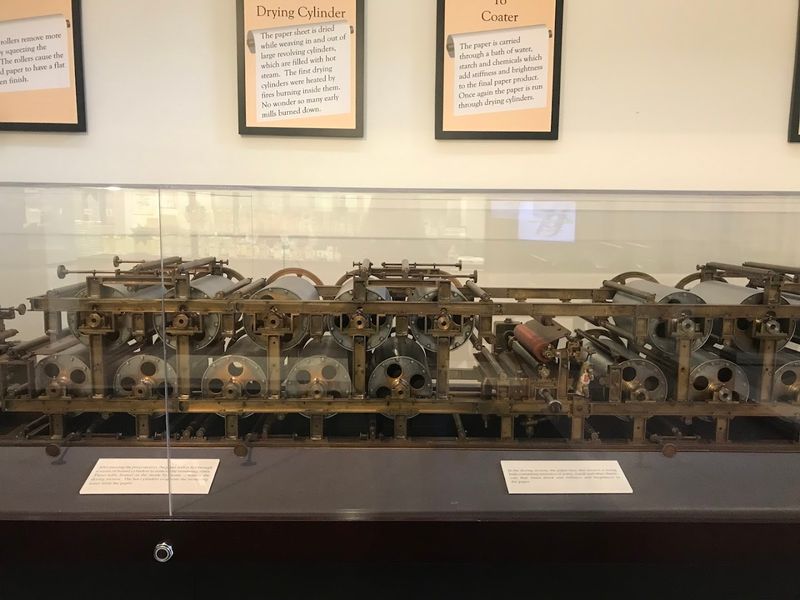
Paper might seem like a simple material, but its production has significant environmental implications that the museum addresses directly and thoughtfully. Exhibits on sustainable forestry, recycling, and the environmental footprint of paper production connect historical content to contemporary concerns in ways that feel timely rather than preachy.
Learning about where paper fiber comes from, how forests are managed for paper production, and how recycling systems work gives visitors a more complete picture of the material they interact with daily. For students studying environmental science or sustainability, these sections provide real-world context that classroom learning often lacks.
The museum avoids oversimplifying these issues, acknowledging the complexity of balancing industrial demand with environmental responsibility. That honesty makes the content more credible and more useful as a starting point for deeper thinking. For families who want to model environmentally conscious curiosity in their kids, the sustainability sections offer accessible entry points into conversations that matter well beyond the museum walls.
14. Kinetic Joy Exhibit Explores Paper Engineering in Motion
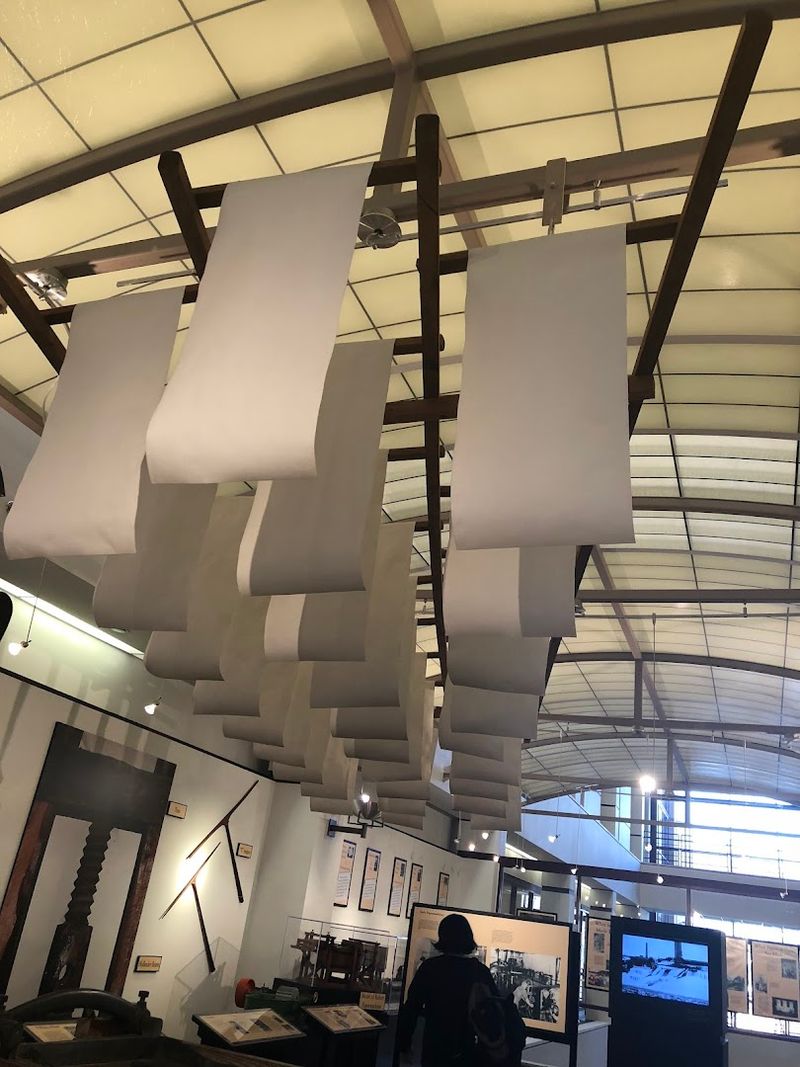
Paper is not just flat. The museum’s “Kinetic Joy: Basic Principles of Paper Engineering” exhibit proves that convincingly, exploring how paper can fold, pivot, spring, and move in ways that blur the line between craft and mechanical design. It is one of those exhibits that makes visitors stop and say, genuinely, that they had no idea paper could do that.
Pop-up books, origami-inspired engineering, and movable paper structures are examined both as art forms and as applications of real mechanical principles. The exhibit makes abstract concepts like tension, compression, and pivot points tangible through paper models that visitors can observe and sometimes interact with directly.
For kids with an engineering or design curiosity, this section tends to be a favorite. Adults who grew up making paper airplanes or folding origami cranes will find the exhibit both nostalgic and genuinely eye-opening in its depth. It is a reminder that creativity and engineering are not separate pursuits but deeply connected ones.
15. Family-Friendly Layout That Works for All Ages
Taking kids to a museum and keeping everyone genuinely engaged is not always easy, but this one manages it with a layout and programming approach that works across a wide age range. Exhibits are accessible and visually interesting enough to hold children’s attention, while offering enough depth to satisfy adult curiosity simultaneously.
The hands-on workshop element is particularly effective for family visits, giving younger visitors something active to participate in rather than simply walking past display cases. Parents often find that the workshop sparks conversations about history, science, and craft that continue long after the visit ends.
The museum is compact enough that it does not feel overwhelming for families managing young children, and the pacing can be adjusted based on the group’s energy and interest level. Weekday visits tend to be quieter and more relaxed than weekends, which is worth considering when planning with younger kids. Overall, it offers a genuinely rewarding family outing that does not require a full day to complete.
16. Free Admission Makes It One of Atlanta’s Best-Value Cultural Stops
In a city full of paid attractions, a world-class museum that charges nothing for general admission is a genuine gift. The Robert C. Williams Museum of Papermaking, at 500 10th Street NW on the Georgia Tech campus, welcomes visitors during regular operating hours without an entry fee, making it one of Atlanta’s most accessible cultural experiences.
Free admission removes the pressure that sometimes accompanies paid museum visits, allowing guests to explore at their own pace without feeling obligated to see everything in order to justify the cost. That relaxed atmosphere tends to make the experience more enjoyable overall.
For budget-conscious travelers, families, students, and locals looking for enriching activities without spending money, this museum belongs near the top of any Atlanta itinerary. Parking on or near the Georgia Tech campus may involve a fee, so factoring that in when planning is worthwhile. But the museum itself remains completely free, which in a world of rising admission prices feels increasingly rare and genuinely appreciated.