Atlanta’s Georgia High Museum Was One Of The First To Collect Photography, And Now It Houses Over 8,500 Prints
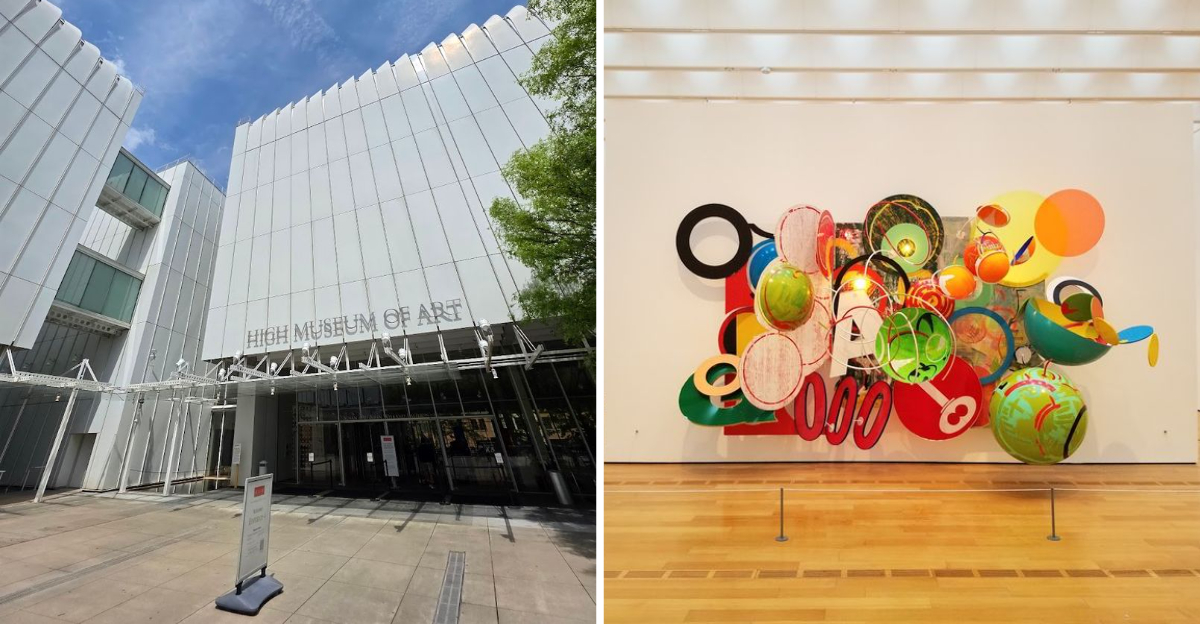
In the vibrant Midtown Arts District of Atlanta, the High Museum of Art has long stood as one of the South’s most respected cultural landmarks. Since its founding in 1905, the museum has grown into a dynamic space where creativity, history, and innovation come together under one roof. Early on, the High set itself apart by collecting photography at a time when many museums did not yet view it as a major art form.
That forward thinking spirit still shapes the institution today. Visitors can explore more than 18,000 works across several collection areas, including an impressive archive of photographic prints that highlights the power of the medium. The museum’s welcoming atmosphere and thoughtful exhibitions make it easy for both seasoned art enthusiasts and curious newcomers to connect with the work on display.
A visit to the High offers an inspiring look at art in many forms.
1. An Extraordinary Photography Collection That Helped Define the Art Form
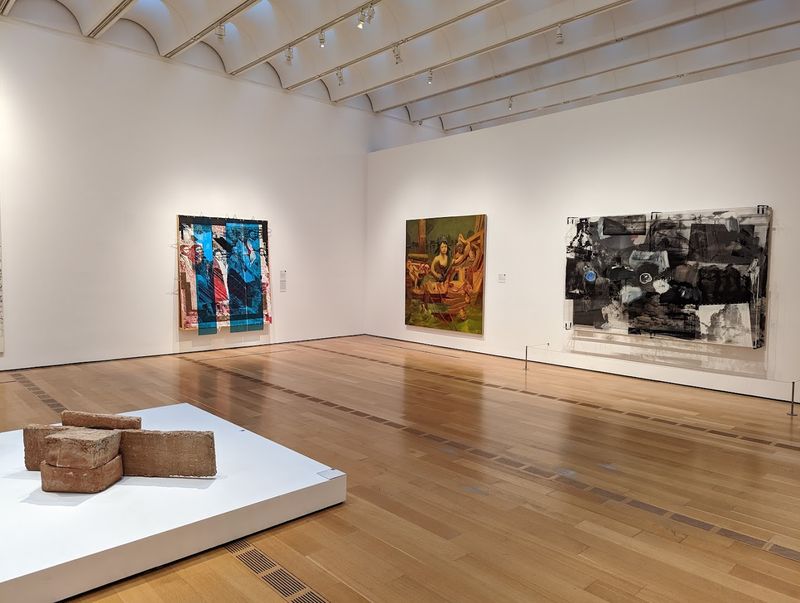
Few museums in the United States can claim they helped legitimize photography as fine art, but the High Museum of Art in Atlanta genuinely can. Located at 1280 Peachtree Street NE, Atlanta, GA 30309, the High began collecting photographs decades before it became standard practice, building a reputation as a true pioneer in the field.
The photography collection now holds over 8,500 prints, with particular strengths in American modernist and documentary traditions from the mid-20th century. Names like Dorothea Lange and Walker Evans appear alongside contemporary voices pushing the boundaries of the medium.
Visiting this collection feels less like walking through a museum and more like flipping through a visual diary of American life. Prints are displayed thoughtfully, and the curation invites slow, attentive looking rather than a quick stroll. Photography lovers will find the depth here genuinely satisfying, while newcomers may leave with a fresh appreciation for the art form.
2. Over 18,000 Works Spanning Seven Distinct Collection Areas
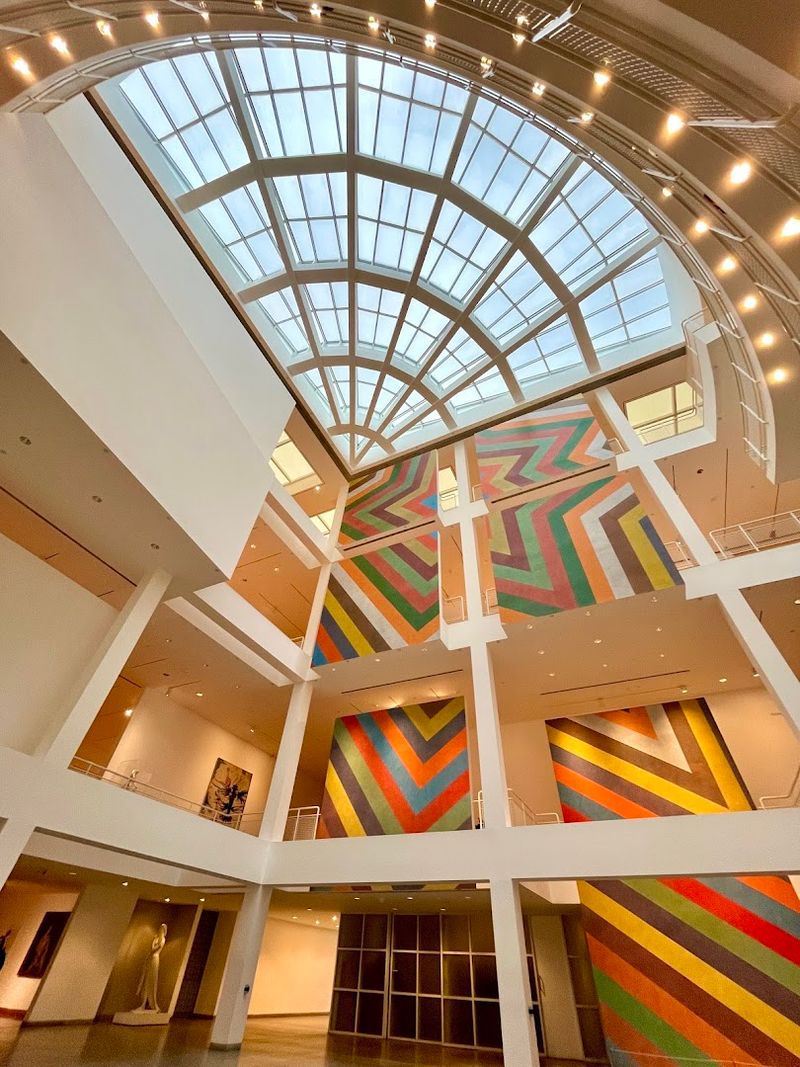
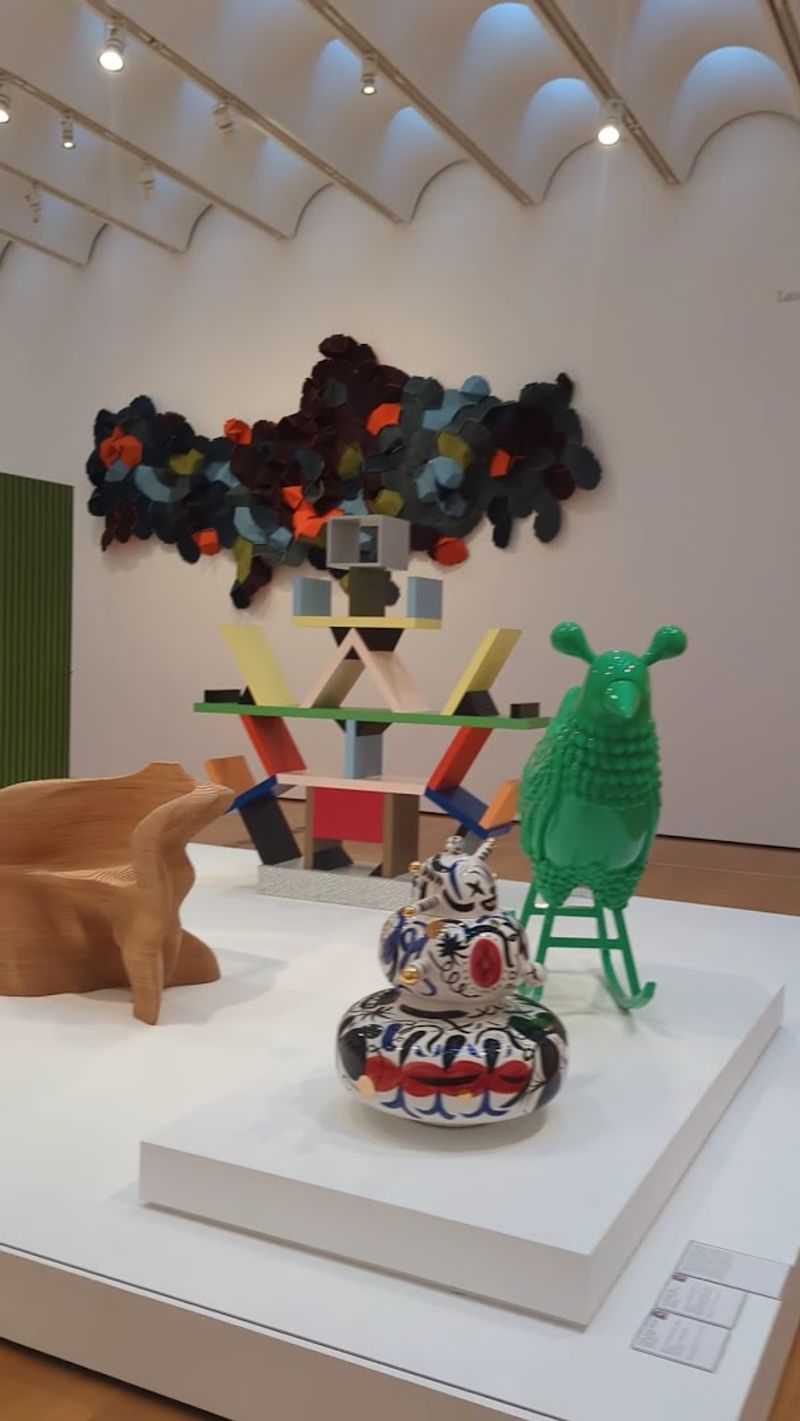
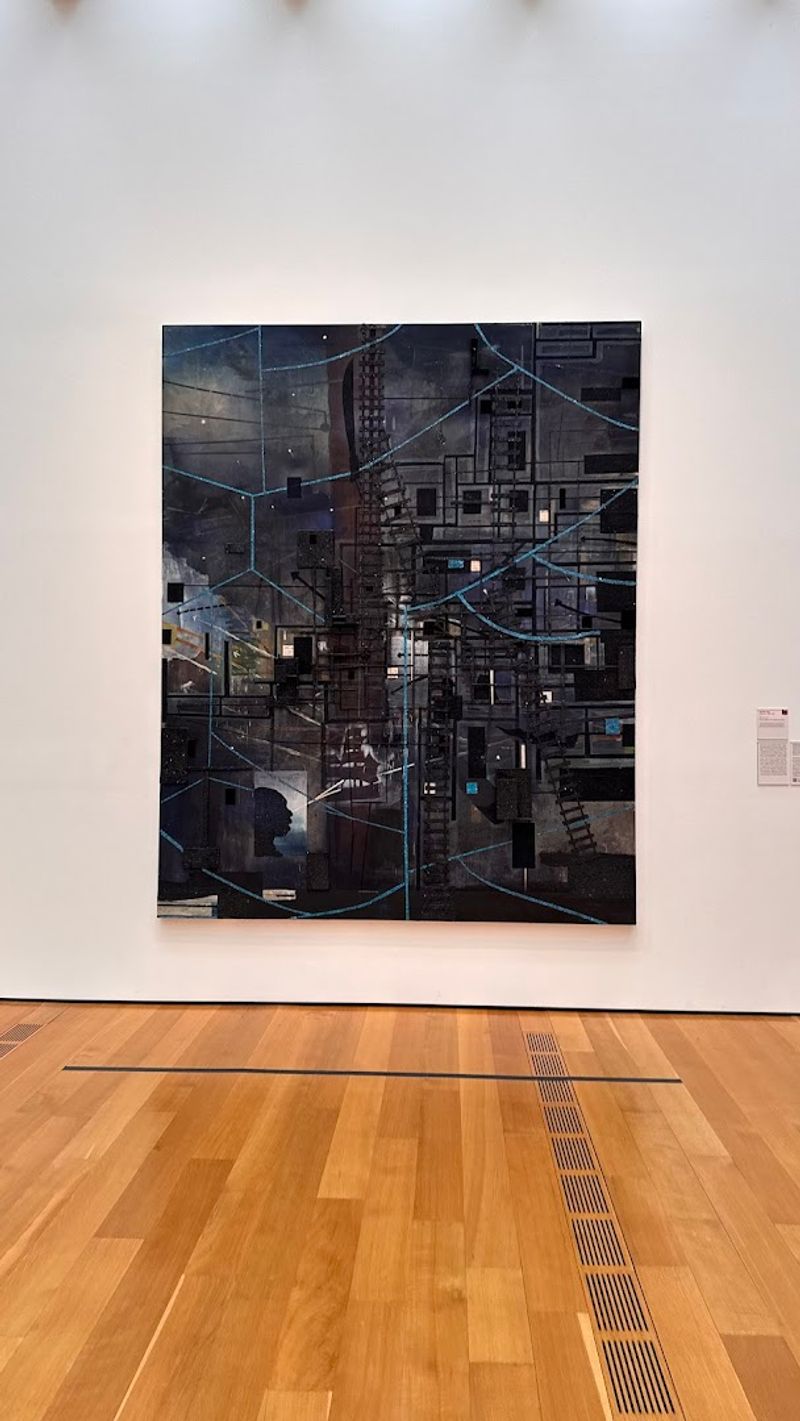
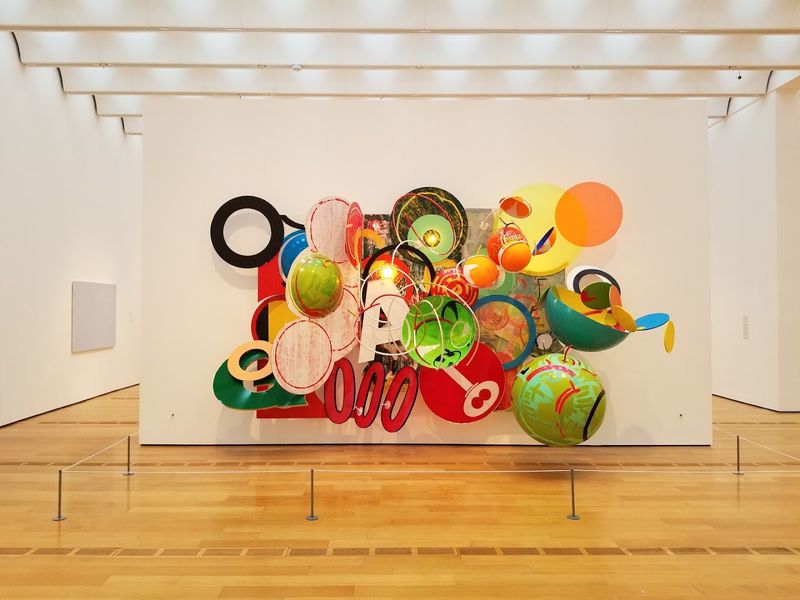
Some museums specialize narrowly; the High Museum of Art takes a broader approach that rewards repeat visits. The collection spans seven categories: African, American, European, modern and contemporary, folk and self-taught, decorative arts and design, and photography, giving visitors an unusually wide range of artistic traditions to explore in a single afternoon.
The museum’s footprint is large enough to house all of this without feeling cramped or rushed. Each collection area has its own distinct atmosphere, which helps visitors transition naturally from one tradition to another.
Practically speaking, it helps to pick two or three areas to focus on during a single visit rather than attempting everything at once. The folk and self-taught art section tends to surprise visitors who did not expect it, offering raw, expressive works that hold their own alongside the more formally trained artists. A museum map from the welcome desk is genuinely useful here.
3. Architecture by Richard Meier and Renzo Piano Worth Admiring on Its Own
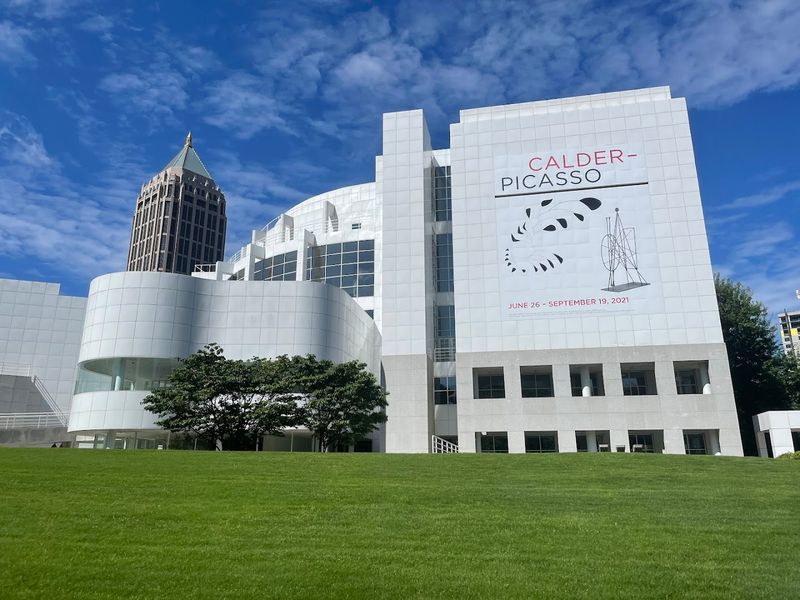
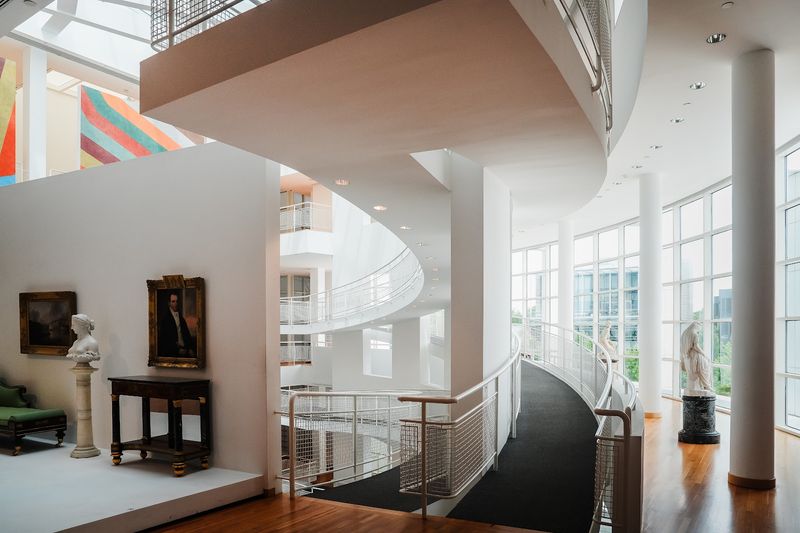
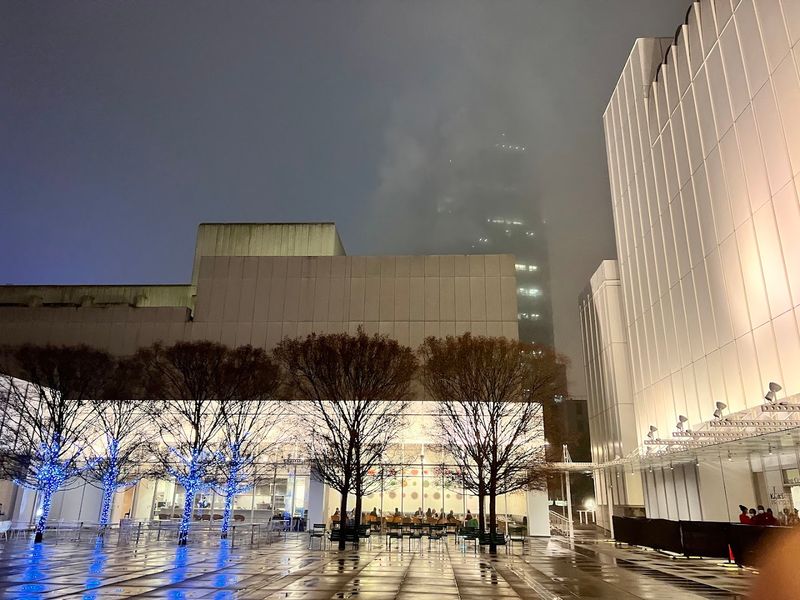
Before stepping inside a single gallery, visitors are already experiencing something remarkable. The original 1983 building was designed by Pritzker Prize-winning architect Richard Meier, whose signature white geometric forms and light-filled interiors set a high standard for museum architecture in the American South.
The museum expanded in 2005 with three additional pavilions designed by Renzo Piano, another Pritzker laureate, creating a campus that feels cohesive yet architecturally rich. The three-story glass atrium in the Meier building remains the most photographed spot, flooding the interior with natural light that shifts throughout the day.
Arriving in the morning tends to offer the best light for appreciating the atrium’s geometry. The curving pedestrian ramps inside the original building are both functional and sculptural, turning a simple walk between floors into a visual experience. Architecture enthusiasts often spend considerable time just studying the building itself before entering the galleries.
4. Rotating Special Exhibitions That Keep Every Visit Feeling Fresh
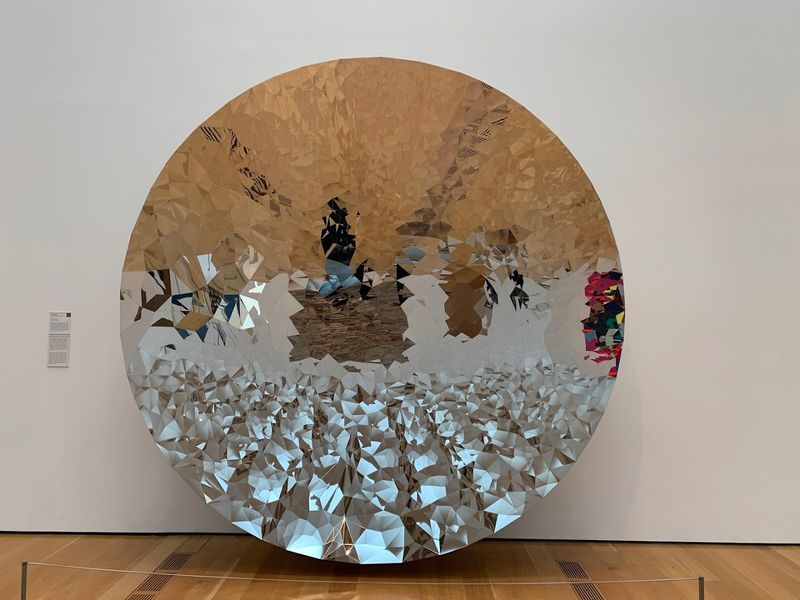
One of the quiet strengths of the High Museum is its commitment to bringing in exhibitions that feel genuinely relevant rather than just prestigious. Past programming has included shows like “The Lost World: The Art of Minnie Evans” and “Blazing Light: Photographs by Mimi Plumb,” both of which drew visitors who might not typically seek out a museum experience.
The exhibition calendar shifts regularly, which means even frequent visitors have reason to return throughout the year. Checking the museum’s website before planning a trip is always worthwhile, as some special exhibitions require separate ticketing or have limited capacity.
Weekday visits tend to offer a calmer, less crowded experience for special exhibitions, especially during the first few weeks after an opening. The museum does a solid job of contextualizing each show with wall text that is informative without being overwhelming, making special exhibitions accessible even to visitors unfamiliar with the featured artist or movement.
5. The Greene Family Learning Gallery for Hands-On Family Fun

Bringing children to an art museum can feel like a gamble, but the Greene Family Learning Gallery genuinely tips the odds in a family’s favor. This dedicated interactive space gives younger visitors a place to create rather than just observe, with activities designed around color, shape, form, and materials that connect directly to works on view in the main galleries.
Families visiting the High Museum of Art often cite this gallery as a highlight, particularly for children between ages four and ten. The space is designed with enough open floor area that kids can move around freely, which matters after a long walk through quieter gallery spaces.
Staff in the Learning Gallery tend to be approachable and encouraging, helping children engage with art-making without pressure or rigid instruction. Parents appreciate that the activities are genuinely connected to the collection rather than feeling like generic craft stations tacked on as an afterthought.
6. Friday Events That Turn a Museum Night Into a Social Occasion
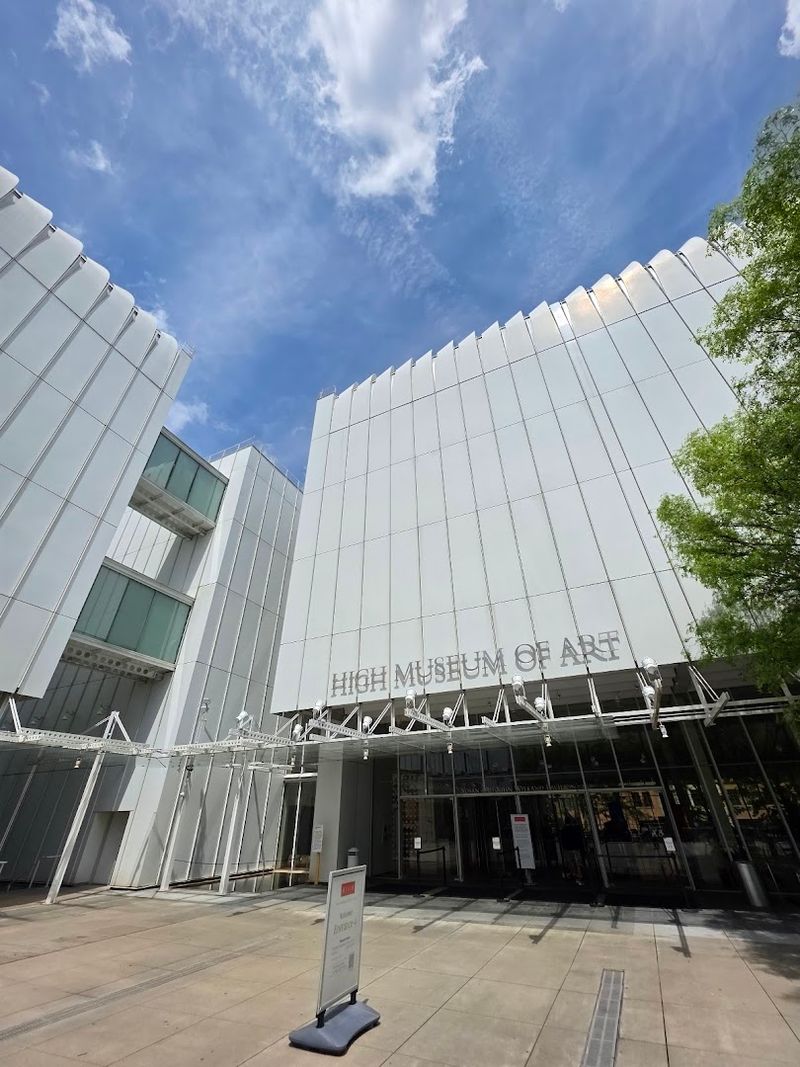
Not every museum visit has to be quiet and contemplative, and the High Museum clearly understands that. Programs like “HIGH Frequency Friday” and “Friday Jazz” have built a loyal following among Atlanta locals who appreciate the combination of live music, art access, and a relaxed social atmosphere all in one venue.
These evening events take place at the High Museum of Art and typically draw a younger, more diverse crowd than daytime visits. The gallery spaces feel different at night, with lighting that creates a warmer, more intimate mood than the bright natural light of afternoon hours.
Refreshments are usually available during these events, and the combination of live jazz and open galleries tends to encourage a slower, more conversational pace through the art. Checking the museum’s event calendar in advance is recommended, as these evenings can sell out or have specific themes that may appeal to particular interests.
7. Lectures, Workshops, and Guided Tours That Go Beyond Surface-Level Looking
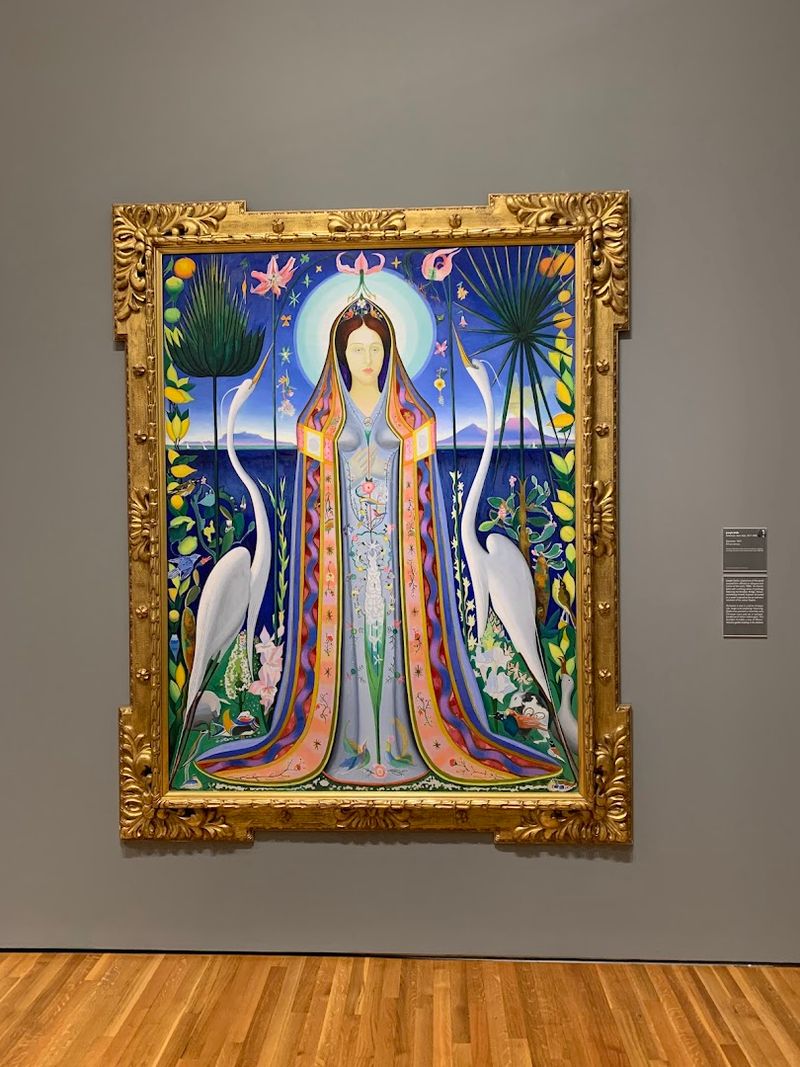
Seeing art is one thing; understanding the context behind it adds an entirely different layer to the experience. The High Museum offers a range of educational programs including lectures, hands-on workshops, and guided tours that help visitors connect more deeply with what they are looking at, regardless of their existing art knowledge.
The docent-led “HIGHlights” tours are a particularly popular option, engaging visitors directly with specific works and offering insights that wall text alone cannot provide. These tours typically last around an hour and are paced to allow for genuine conversation and questions.
Workshops tend to be more intimate and are often tied to current exhibitions, giving participants a chance to respond creatively to the art on view. For visitors who want more than a passive walk-through, booking a tour or workshop in advance through the museum’s website is a straightforward process that adds real value to the visit.
8. On-Site Dining at CJ’s Cafe and the Elise Restaurant
Museum hunger is real, and the High Museum handles it better than most cultural institutions. CJ’s Cafe offers a casual, approachable menu of salads, sandwiches, and light snacks that work well for a quick break between galleries without requiring a full sit-down commitment.
For something more substantial, Elise is a French-Italian restaurant located inside the museum serving fresh, locally sourced dishes in a setting that feels like a genuine dining destination rather than a museum afterthought. The menu changes seasonally, reflecting what is available from regional producers.
Elise tends to be busier on weekends and during special exhibition openings, so making a reservation ahead of time is a smart move if a proper meal is part of the plan. CJ’s Cafe operates on a walk-in basis and is a comfortable spot to recharge midway through a long museum day without losing much time to the visit.
9. Full Accessibility That Makes the Museum Welcoming for Everyone
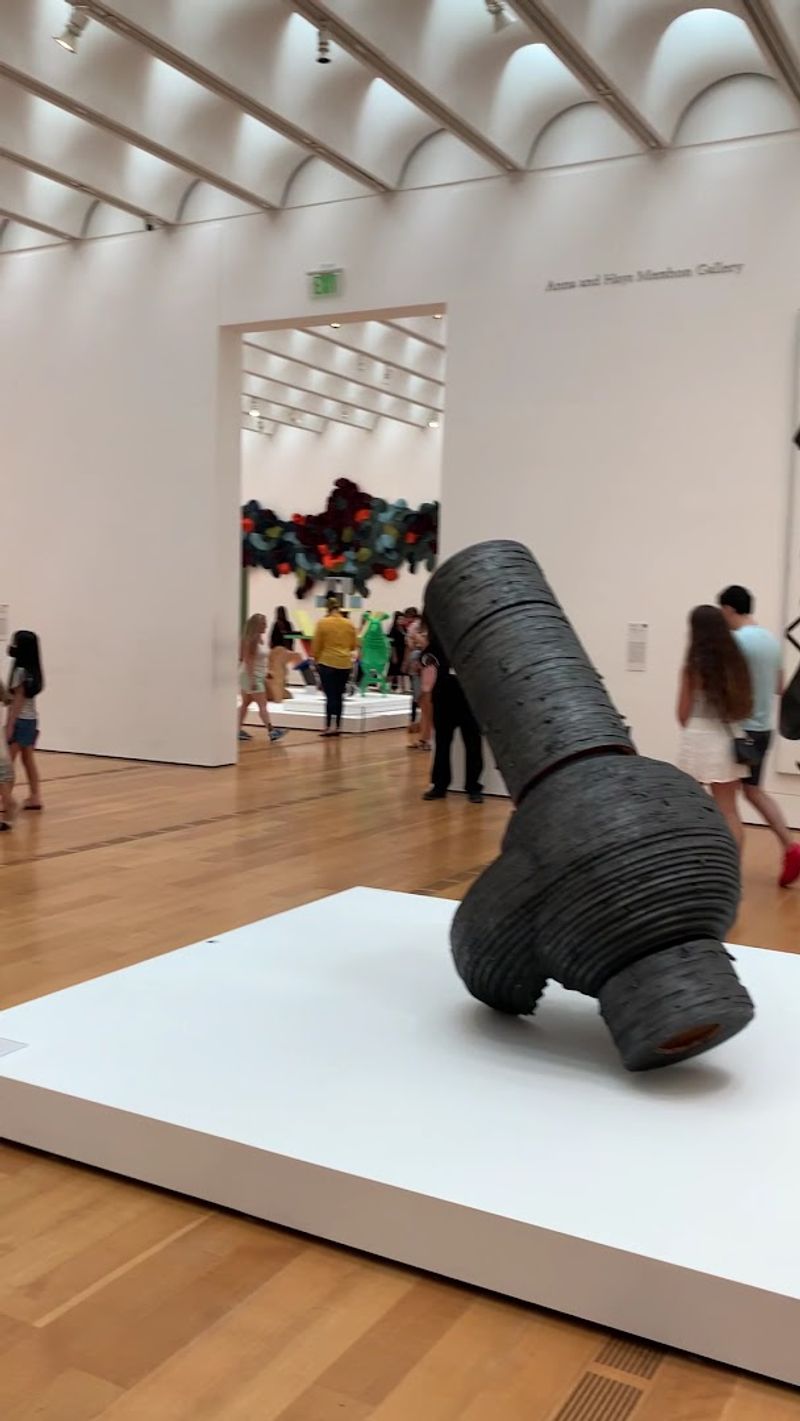
Accessibility at the High Museum of Art goes beyond basic compliance, reflecting a genuine effort to make the space welcoming for all visitors. Elevators, ramps, and courtesy wheelchairs available upon request ensure that mobility considerations do not limit anyone’s ability to experience the full collection.
The museum also offers programs and resources for visitors with visual or hearing impairments, including audio guides and touch tours for select exhibitions. These offerings are worth exploring ahead of a visit by checking the accessibility section of the museum’s website.
The building’s layout, particularly in the original Richard Meier wing, is designed with circulation in mind, and the wide corridors and open gallery spaces tend to feel comfortable rather than congested even on busy days. Families with strollers will also appreciate the thoughtful layout, which makes navigating between floors and galleries far less stressful than in older museum buildings.
10. A Prime Midtown Location Surrounded by Atlanta’s Best Attractions
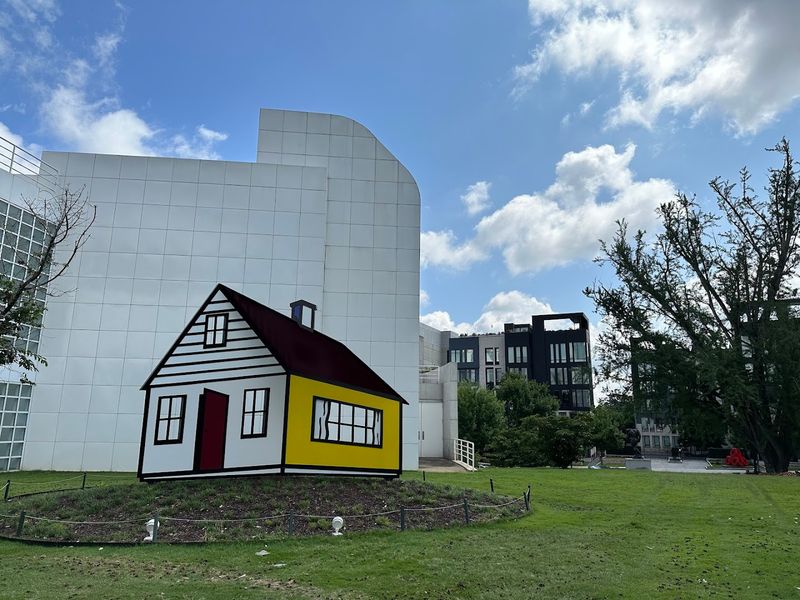
Geography works in the High Museum’s favor in a meaningful way. Sitting in the middle of Midtown Atlanta, one of the city’s most walkable and culturally rich neighborhoods, the museum fits naturally into a full day of exploration that could include theater, dining, parks, and other cultural stops all within easy reach.
The museum’s address places it close to Piedmont Park, the Fox Theatre, and a dense cluster of restaurants and cafes that make pre- or post-visit plans easy to arrange. The surrounding streetscape is pleasant for walking, particularly in the spring and fall when Atlanta’s weather is at its most comfortable.
Visitors arriving by MARTA can exit at Arts Center Station and reach the museum in a short walk, avoiding the need to deal with parking entirely. For those driving, the museum has its own parking deck, though weekends and special event days tend to fill it earlier than expected.
11. Free Admission for Children Under Five and Affordable Family Pricing
Cost is a real consideration when planning a family outing, and the High Museum addresses it with a policy that makes visits genuinely accessible. Children aged five and under are admitted free, which immediately reduces the financial pressure for families with young kids in tow.
General admission pricing for adults and older children is competitive with similar museums in major American cities, and periodic free admission days or discounted community programs can reduce costs further. Checking the museum’s website before a visit is always a good habit for finding any available deals.
The combination of free child admission and the Greene Family Learning Gallery makes the High a particularly strong choice for families looking for a meaningful cultural outing that does not strain the budget. Visiting on a weekday rather than a weekend also tends to make the experience calmer and more relaxed for young children who may find large weekend crowds overwhelming.
12. Membership Perks That Reward Regular Visitors Generously
For anyone planning to visit more than once a year, a High Museum membership quickly pays for itself. Members receive free unlimited general admission, early access to new exhibitions, exclusive discounts on programs and the museum shop, and complimentary parking, which alone can offset a meaningful portion of the membership cost in a city where parking adds up fast.
Memberships are available through the High Museum of Art and can be purchased online or at the welcome desk. Several membership tiers exist, ranging from individual options to family packages that cover households with children.
Early exhibition access is one of the most practical perks, allowing members to experience new shows before they become crowded and before the opening-weekend energy fades. For Atlanta residents who treat the High as a regular part of their cultural life, membership transforms the museum from an occasional destination into a genuine community anchor worth returning to throughout the year.
13. Docent-Led HIGHlights Tours That Bring the Collection to Life
There is a particular kind of museum magic that happens when the right guide stands in front of a work of art and says something that makes everything click. The HIGHlights tours at the High Museum are built around exactly that experience, pairing knowledgeable docents with carefully selected works to create conversations rather than lectures.
These tours depart regularly from the main lobby of the High Museum and are included with general admission, making them an easy addition to any visit without requiring extra planning or expense. Tour length tends to run around an hour, covering a curated selection of works rather than attempting to address the entire collection.
Groups tend to stay small enough that questions and discussion feel natural rather than awkward, and the docents are known for tailoring their focus based on the interests of the group. First-time visitors especially benefit from starting their visit with a HIGHlights tour before exploring independently.
14. Over a Century of Cultural Significance to Atlanta and the South
An institution that has been part of a city’s cultural life since 1905 carries a kind of weight that newer venues simply cannot replicate. The High Museum of Art has spent more than a century serving as Atlanta’s primary visual arts anchor, hosting festivals, live performances, public conversations, and educational programs that have shaped how generations of Georgians relate to art.
The museum has grown enormously from its early days as a modest art association into a major international institution with a globally recognized collection. That growth reflects both the ambitions of the museum’s leadership and the cultural appetite of a city that has consistently invested in the arts.
Understanding the museum’s history adds a layer of appreciation to a visit that purely aesthetic enjoyment cannot fully provide. The High is not just a building full of art; it is a living record of how Atlanta has chosen to define itself culturally across more than a hundred years of change and growth.
15. Easy Access via MARTA and Convenient On-Site Parking Options
Getting to a destination should never be the hardest part of enjoying it, and the High Museum scores well on logistics. MARTA’s Arts Center Station puts visitors within a short, manageable walk of the museum’s entrance, making it one of the more transit-friendly cultural destinations in a city not always celebrated for its public transportation options.
The High Museum of Art also has a dedicated parking deck for visitors who prefer to drive, with rates that are reasonable by Atlanta standards. Museum members receive complimentary parking, which is a notable perk for those who visit frequently.
Weekend parking tends to fill faster, particularly during popular special exhibitions or Friday evening events, so arriving earlier in the day or using MARTA on those occasions is a practical strategy. The walk from Arts Center Station is straightforward and well-marked, passing through a pleasant stretch of Midtown streetscape that sets a nice tone before the museum visit even begins.