Baby Boomers Are Shaking Up North Carolina’s Housing Scene
Picture this: a generation with decades of home equity, retirement savings, and a clear vision of their golden years is rewriting the rules of real estate. Baby Boomers are transforming housing markets across the Tar Heel State in ways that affect everyone from young families to developers.
Their purchasing power and lifestyle choices are creating ripples that touch every corner of housing, from suburban neighborhoods to mountain retreats. Understanding these shifts helps explain why the market looks so different today than it did just five years ago.
Buying Suburban Homes
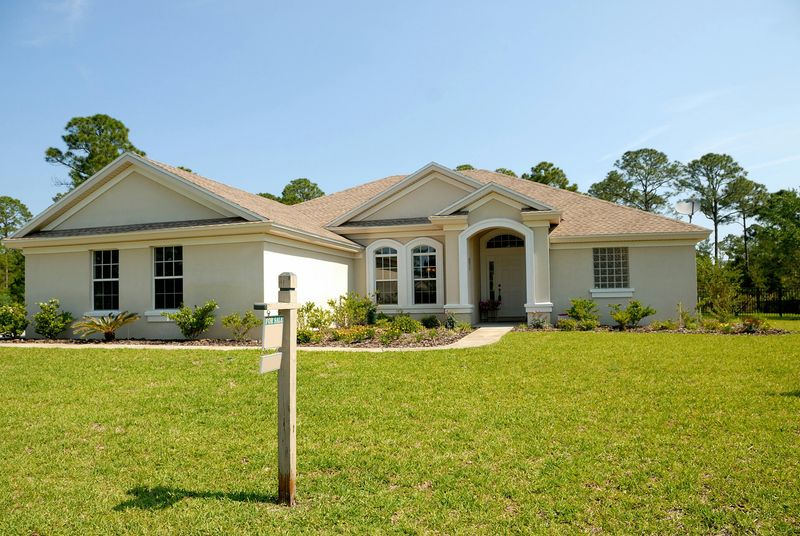
Ever notice how quiet suburban streets are suddenly bustling with activity? The Tar Heel State’s suburban neighborhoods are experiencing a surge in interest from an unexpected group of buyers.
Baby Boomers in North Carolina are snapping up suburban properties at rates that surprise even seasoned real estate agents. Between 2018 and 2023, their share of home purchases jumped from 32% to nearly 39%, overtaking younger generations entirely.
Many Boomers prefer suburban living because it offers the perfect balance between city amenities and peaceful surroundings. These neighborhoods provide easy access to healthcare facilities, shopping centers, and recreational activities without the hustle of urban life.
The appeal lies in walkable communities with mature trees and established infrastructure.
Financial advantages give this generation a significant edge in competitive markets. Many arrive with substantial down payments or make all-cash offers that younger buyers simply cannot match.
This purchasing power allows them to move quickly when they find the right property.
The trend creates interesting dynamics in family-friendly neighborhoods. Schools, parks, and community centers that once catered primarily to young families now serve a more diverse age range.
Suburban areas are adapting to accommodate residents who value both tranquility and convenience in their retirement years.
Downsizing To Smaller Homes
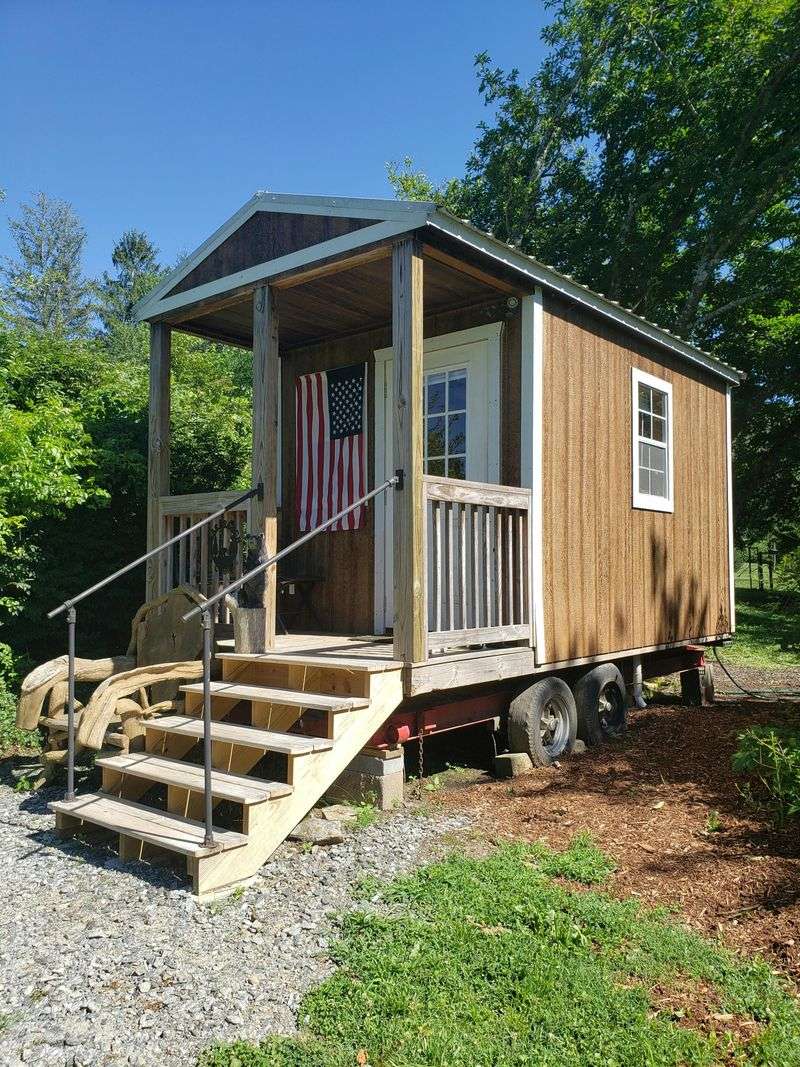
The empty nest isn’t just a metaphor anymore, it’s a real estate movement. Across the state, a significant shift is happening as one generation trades spacious family homes for cozy, manageable properties.
Baby Boomers in North Carolina are leading a downsizing revolution that’s changing inventory patterns and neighborhood demographics in surprising ways.
Why the sudden interest in smaller spaces? Maintaining a large home becomes less appealing when children move out, and retirement priorities shift.
Lower utility bills, reduced maintenance costs, and simplified upkeep make compact living increasingly attractive. Many discover that less square footage actually means more freedom to travel and enjoy hobbies.
Ranch-style homes and condominiums with single-story layouts are particularly popular choices. These properties eliminate stairs, reduce cleaning time, and often include community amenities like pools and fitness centers.
The appeal extends beyond convenience to lifestyle enhancement.
This downsizing trend has a ripple effect throughout housing markets. When Boomers sell their larger homes, they create opportunities for growing families seeking more space.
However, competition for smaller, well-located properties intensifies as more people embrace rightsizing. Real estate professionals report that desirable downsizing options often receive multiple offers within days of listing.
Renovating Older Homes
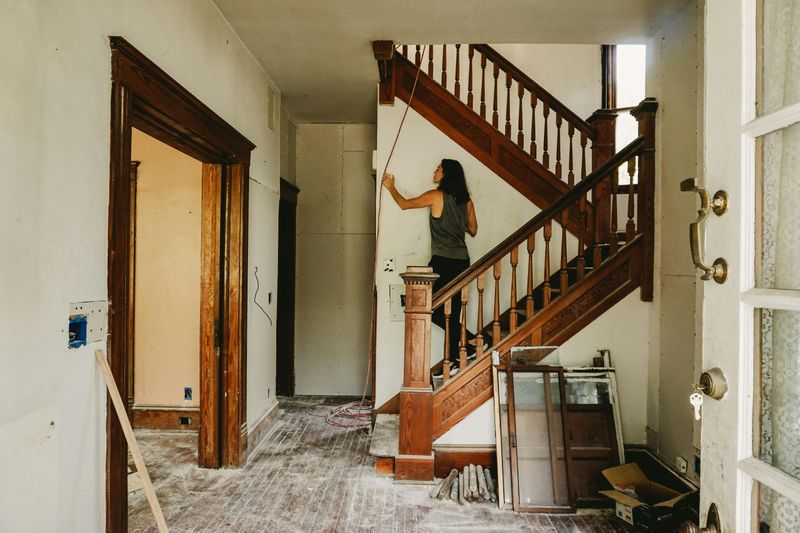
Sledgehammers and paint brushes are getting a workout in neighborhoods with character and history. Instead of buying new construction, many are choosing properties with good bones and transforming them into dream homes.
Baby Boomers in North Carolina are breathing new life into older houses through thoughtful renovations that blend modern amenities with classic charm.
These renovation projects often focus on creating age-friendly features without sacrificing style. Widened doorways, walk-in showers, and improved lighting make homes safer and more comfortable.
Kitchen and bathroom updates rank among the most popular improvements, combining accessibility with contemporary design.
The economic impact of this renovation boom extends far beyond individual properties. Local contractors, designers, and suppliers benefit from steady demand for remodeling services.
Hardware stores and specialty shops report increased sales of everything from grab bars to energy-efficient appliances.
Historic neighborhoods particularly benefit from this trend. Homes that might have fallen into disrepair find new owners willing to invest in their restoration.
The result is revitalized communities where vintage architecture meets modern functionality. Property values in these areas often rise as more renovated homes set new standards for the neighborhood, creating a positive cycle of improvement and investment.
Boosting Luxury Market Demand
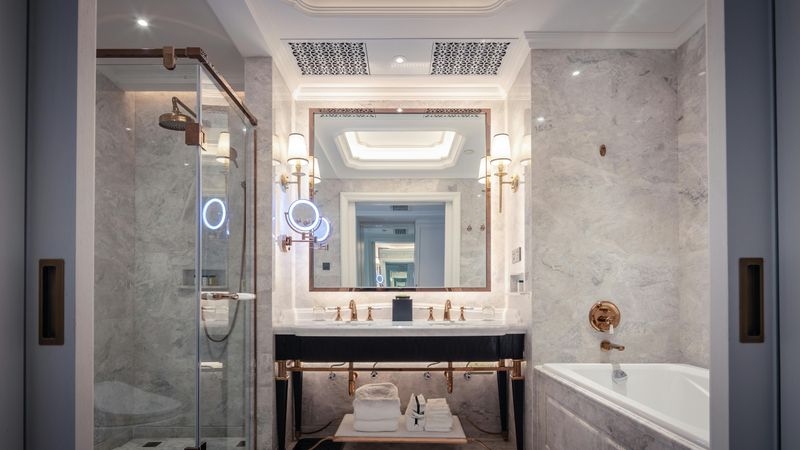
Champagne tastes meet champagne budgets in an unexpected market segment. High-end properties across the state are finding eager buyers with decades of accumulated wealth and refined preferences.
Baby Boomers in North Carolina are driving luxury real estate demand to levels that exceed pre-pandemic peaks, reshaping what developers and builders prioritize.
These buyers aren’t just purchasing houses, they’re investing in lifestyle experiences. Gourmet kitchens, spa-like bathrooms, and outdoor entertainment spaces top their wish lists.
Many seek properties with mountain views, waterfront access, or golf course locations that offer resort-style living year-round.
Financial capability sets this demographic apart in the luxury segment. Many arrive with substantial equity from previous home sales, healthy retirement portfolios, and no mortgage concerns.
This purchasing power allows them to negotiate from strength and often close deals quickly without financing contingencies.
The luxury market’s growth influences broader housing trends throughout the region. Builders and developers respond by creating more upscale communities tailored to affluent retirees.
Amenities like clubhouses, wine cellars, and private fitness centers become standard features rather than rare luxuries. Real estate professionals note that luxury listings targeting this demographic often sell faster than comparable properties marketed to younger buyers, reflecting strong demand and serious intent.
Driving Retirement Community Growth
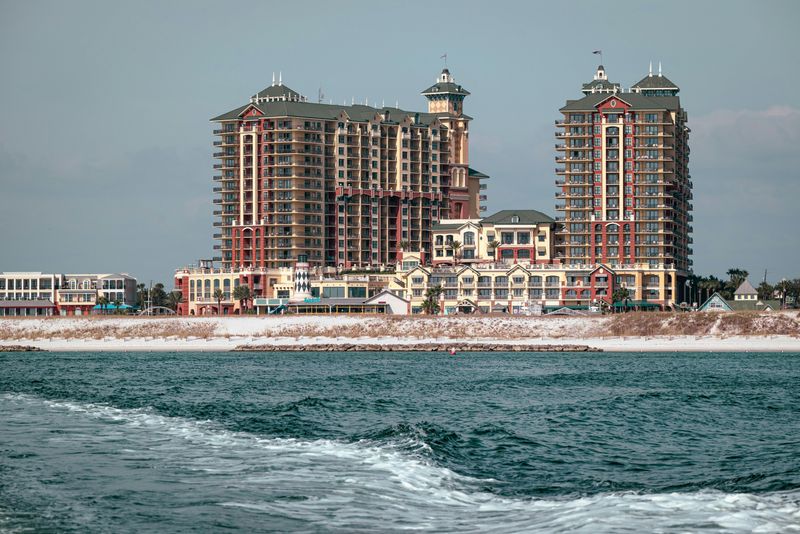
Imagine neighborhoods designed entirely around the idea that your best years are still ahead. Across the state, specialized communities are sprouting up faster than kudzu in summer.
Baby Boomers in North Carolina are fueling explosive growth in retirement-focused developments that offer maintenance-free living and built-in social networks.
These aren’t your grandparents’ retirement villages. Modern communities feature resort-style amenities including fitness centers, craft studios, and event spaces for concerts and lectures.
Many include restaurants, medical offices, and convenience services all within walking distance. The emphasis is on active, engaged living rather than simply providing shelter.
Social connection ranks high among reasons people choose these communities. Neighbors share similar life stages, interests, and schedules, making friendships easier to form.
Organized activities, clubs, and outings create opportunities for connection that might require more effort in traditional neighborhoods.
Developers are responding to demand by building larger and more diverse retirement communities. Some focus on specific interests like golf or arts, while others emphasize wellness and outdoor recreation.
The variety means buyers can find communities that match their personalities and priorities. This growth creates construction jobs, supports local businesses, and brings economic vitality to areas that host these developments.
Shaping Multi-Generational Housing
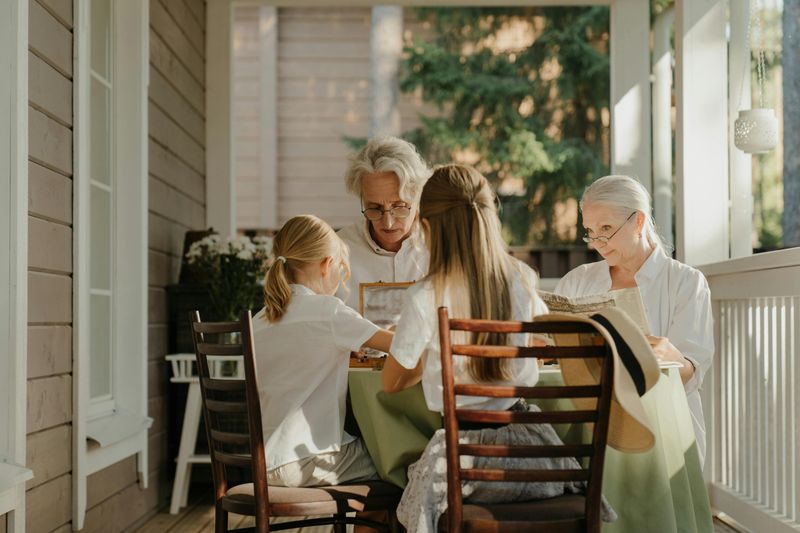
Family dynamics are evolving, and housing must evolve with them. A growing number of households now span three or even four generations under one roof.
Baby Boomers in North Carolina are pioneering multi-generational living arrangements that benefit everyone involved while creating demand for homes designed to accommodate extended families.
These arrangements work for various reasons. Some Boomers move in with adult children to help with grandchild care, while others welcome aging parents into their homes.
Economic factors play a role as families pool resources to afford better properties than they could individually. Emotional benefits include stronger family bonds and built-in support systems.
Home design must adapt to make multi-generational living comfortable. Features like separate entrances, in-law suites, and dual master bedrooms allow privacy while keeping families close.
Builders are responding by creating floor plans specifically for this market, with flexible spaces that can serve multiple purposes.
The trend challenges traditional assumptions about household composition and housing needs. Real estate agents now ask different questions about family situations and living preferences.
Appraisers consider how multi-generational features affect property values. Communities benefit from the stability these households bring, as they tend to stay in homes longer and invest in their neighborhoods.
Buying Second/Seasonal Homes
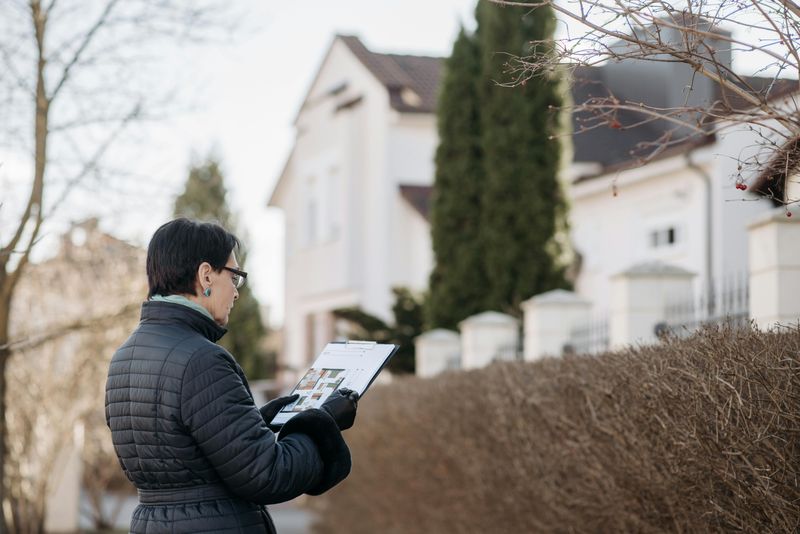
Why settle for one home when you can have two? Coastal towns and mountain villages are experiencing a second-home boom that’s changing their character and economy.
Baby Boomers in North Carolina are purchasing vacation properties at impressive rates, splitting their time between different regions to enjoy the state’s diverse geography and climate.
The appeal of seasonal homes is easy to understand. Summer at the beach and fall in the mountains offer the best of both worlds without permanent commitment to either.
Many use these properties as trial runs for eventual retirement relocations. Others simply enjoy having escape options depending on season and mood.
Financial stability makes owning multiple properties feasible for this generation. Many have paid off primary residences and have investment income that supports additional mortgage payments or cash purchases.
Some offset costs by renting their second homes when not in use, turning vacation properties into income generators.
Local economies in popular second-home destinations feel significant impacts. Property values rise as demand increases, benefiting existing homeowners but challenging local workers seeking affordable housing.
Restaurants, shops, and service businesses gain customers but may struggle with seasonal fluctuations. Towns balance welcoming part-time residents with maintaining community character and ensuring housing availability for year-round workers.
Raising Prices In Small Towns
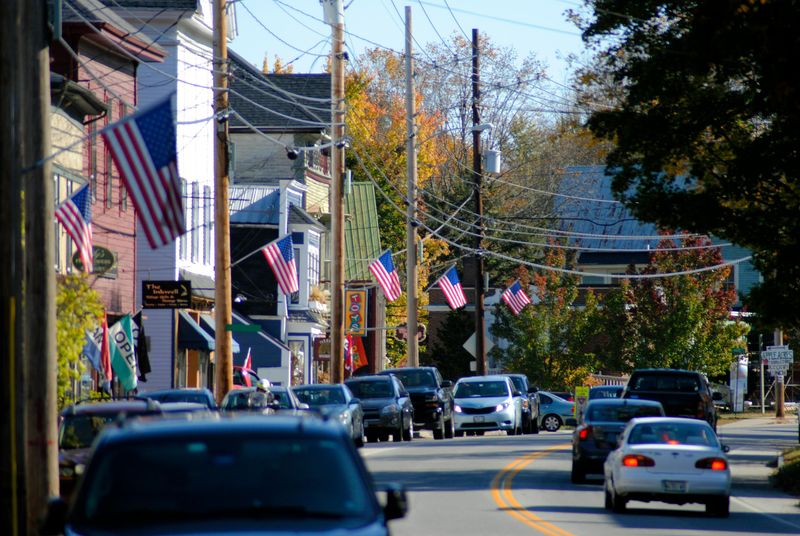
Quaint main streets and tight-knit communities are attracting attention from buyers seeking charm and affordability. Small towns across the state are experiencing price increases that surprise long-time residents.
Baby Boomers in North Carolina are discovering these hidden gems, bringing demand that pushes values upward and transforms local real estate markets.
What draws this generation to smaller communities? Lower costs of living, reduced traffic, and genuine neighborliness top the list.
Many small towns offer historic architecture, local character, and a slower pace that appeals to people leaving behind decades of busy urban or suburban life. The promise of knowing your neighbors by name holds genuine appeal.
The influx of new residents with substantial purchasing power changes local dynamics. Homes that sat on the market for months now receive multiple offers within weeks.
Properties that once sold for modest sums command prices that reflect increased competition. Long-time residents sometimes find themselves priced out of their own communities.
Economic effects extend beyond real estate. New residents support local businesses, dine at restaurants, and attend community events.
Property tax revenues increase, potentially funding improvements to schools and infrastructure. However, rapid change can strain small-town resources and alter the character that made these places attractive initially, creating tension between growth and preservation.
Influencing Home Style Trends
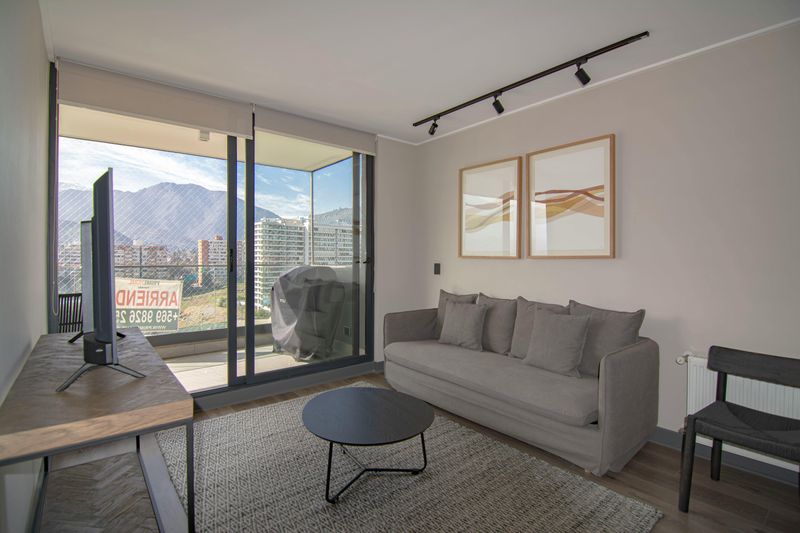
Open floor plans and smart technology are reshaping what homes look like inside. Design preferences from one generation are influencing builders, architects, and developers throughout the state.
Baby Boomers in North Carolina are driving style trends that prioritize comfort, accessibility, and low maintenance over features that appealed to previous generations.
Single-story living ranks high among design priorities. Homes without stairs eliminate fall risks and make aging in place realistic for decades.
Wide hallways, lever-style door handles, and curbless showers appear in new construction even when not specifically required, as builders anticipate buyer preferences.
Natural light and indoor-outdoor connections matter more than formal dining rooms or separate living spaces. Large windows, sliding glass doors, and covered patios extend living areas beyond interior walls.
These features appeal across generations but receive particular emphasis when targeting Boomer buyers.
Low-maintenance materials and finishes are increasingly standard. Durable flooring that resists scratches and stains replaces delicate options.
Exterior materials that never need painting gain popularity over wood siding requiring regular upkeep. Landscaping trends favor native plants and hardscaping over high-maintenance lawns.
These preferences influence what builders include in new developments and what renovators choose when updating older properties, gradually shifting aesthetic standards throughout residential markets.
Extending Homeownership Age
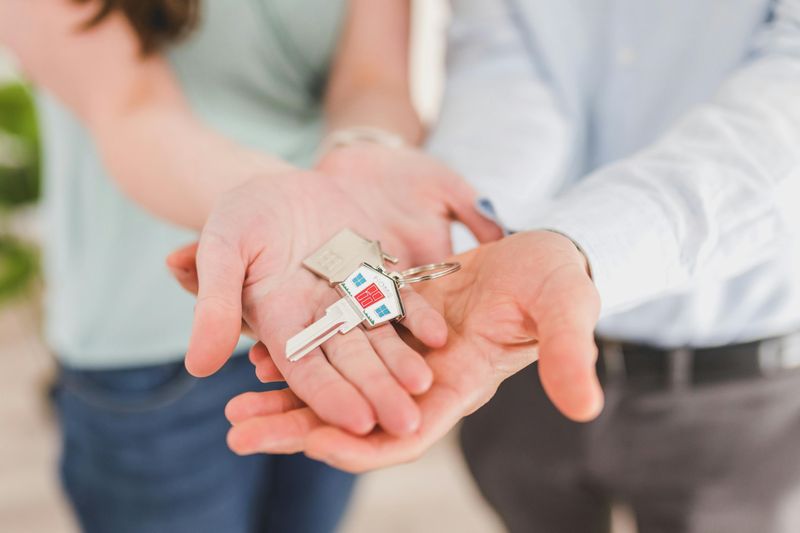
Retirement no longer means selling the family home and moving to a smaller place. A significant shift is happening in how long people remain homeowners rather than transitioning to rentals or assisted living.
Baby Boomers in North Carolina are staying in their homes much longer than previous generations, fundamentally changing housing inventory dynamics and neighborhood demographics.
Several factors drive this trend toward aging in place. Improved health and longevity mean people remain active and independent longer.
Financial considerations favor staying put when mortgage-free homeownership costs less than renting or facility fees. Emotional attachments to familiar neighborhoods and established social connections make moving less appealing.
Home modifications make extended homeownership practical. Installing grab bars, improving lighting, and eliminating trip hazards allow safe aging in familiar surroundings.
Some hire help for maintenance tasks that become physically challenging. Technology like medical alert systems and smart home devices provide safety nets that reduce family concerns.
This extended homeownership affects housing availability significantly. Homes that might have turned over every decade now stay with the same owners for twenty years or more.
Younger buyers find fewer properties entering the market, particularly in desirable established neighborhoods. The phenomenon contributes to inventory shortages that push prices higher and make market entry more challenging for first-time buyers seeking homes in mature communities.
Increasing Demand For Smart/Accessible Homes

Technology meets practicality in homes designed for the future. Voice-activated lights, automated thermostats, and remote-controlled security systems are no longer luxuries but expected features.
Baby Boomers in North Carolina are driving demand for smart home technology combined with accessible design, creating a market segment that barely existed a decade ago.
Smart features offer convenience that becomes increasingly valuable over time. Controlling lights, locks, and temperature without moving from your chair appeals to everyone but proves especially useful as mobility decreases.
Video doorbells allow screening visitors without answering the door. Smart appliances can be monitored remotely, providing peace of mind for family members.
Accessibility features integrate seamlessly with smart technology. Motion-sensor lighting prevents stumbling in dark hallways.
Smart faucets with touchless operation eliminate struggling with difficult handles. Voice-controlled systems help people with limited mobility or dexterity maintain independence longer.
Builders and developers recognize this combined demand for smart and accessible features. New construction increasingly includes pre-wired systems ready for smart device integration.
Universal design principles that benefit all ages appear in standard floor plans rather than as special accommodations. The result is housing stock that serves diverse needs while incorporating cutting-edge technology, raising expectations for what modern homes should offer regardless of buyer age.
Driving Rentals & Assisted Living Market
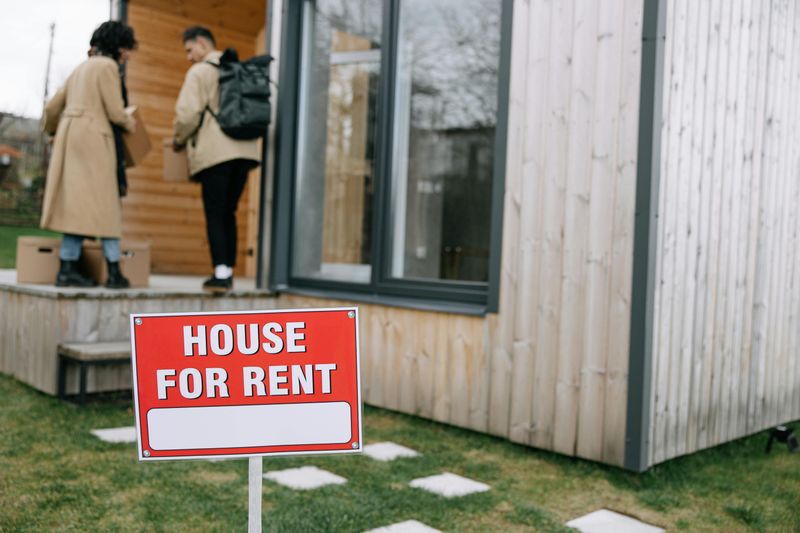
Not everyone chooses to buy property or age in place indefinitely. A growing segment prefers the flexibility and services that rental and assisted living communities provide.
Baby Boomers in North Carolina are reshaping rental markets and driving development of upscale senior housing options that blur lines between apartments, assisted living, and resort living.
Rental appeal lies in freedom from maintenance responsibilities and flexibility to relocate easily. No worries about roof repairs, lawn care, or property taxes.
Amenities like fitness centers, social activities, and on-site dining add value beyond simple shelter. For some, renting in retirement makes more financial sense than tying up capital in real estate.
Assisted living facilities are evolving to meet changing expectations. Today’s options often resemble luxury apartments more than institutional settings.
Private units, restaurant-style dining, and robust activity calendars attract residents seeking support services without sacrificing independence or dignity. The stigma once associated with these communities is fading.
Developers respond to demand by building more upscale rental and assisted living properties. These facilities bring jobs to local communities and generate steady economic activity.
The variety of options means people can find housing that matches their needs and budgets, whether seeking basic apartments or full-service luxury communities. This market growth provides alternatives to traditional homeownership that previous generations lacked.
Encouraging Eco-Friendly Upgrades
Green isn’t just a color, it’s a lifestyle choice gaining momentum across generations. Environmental consciousness is influencing home improvements and purchase decisions in meaningful ways.
Baby Boomers in North Carolina are increasingly investing in eco-friendly upgrades that reduce environmental impact while lowering utility costs and improving comfort.
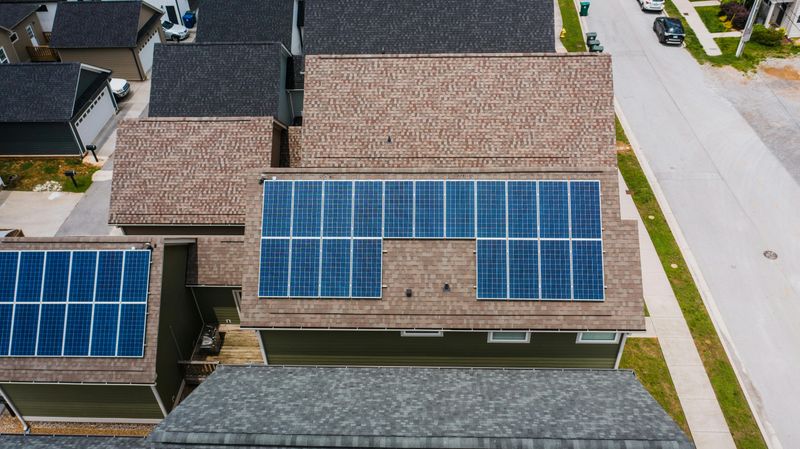
Solar panels represent the most visible green upgrade. Falling installation costs and improved technology make solar power accessible to average homeowners.
Many see panels as sound investments that pay for themselves through energy savings. State and federal incentives sweeten the deal, making the decision easier.
Energy-efficient windows, improved insulation, and high-efficiency HVAC systems deliver immediate benefits. Lower utility bills appeal to people on fixed incomes or simply seeking to reduce expenses.
Improved comfort from better temperature control and reduced drafts makes homes more pleasant year-round. These upgrades often increase property values, providing returns beyond monthly savings.
Water conservation measures like low-flow fixtures and drought-resistant landscaping address environmental concerns while reducing costs. Rainwater collection systems and native plant gardens require less maintenance than traditional approaches.
LED lighting throughout homes cuts electricity use dramatically. These individual choices collectively impact regional energy and water consumption, supporting broader sustainability goals while benefiting individual homeowners through reduced operating costs and enhanced property appeal.
Creating Competition For Family Homes

Bidding wars aren’t just for hot urban markets anymore. Three-bedroom homes in good school districts are seeing unexpected competition that frustrates young families trying to put down roots.
Baby Boomers in North Carolina are competing with younger generations for the same properties, creating market dynamics that challenge traditional assumptions about who buys what.
Why would retirees want family-sized homes? Some seek space for visiting children and grandchildren during holidays and vacations.
Others want home offices, craft rooms, or space for hobbies that require dedicated areas. Many simply prefer not to downsize, finding comfort in familiar space even after children leave.
Financial advantages give Boomer buyers edges in competitive situations. Cash offers or large down payments beat financing contingencies that younger buyers require.
Flexible closing timelines accommodate sellers’ needs better than buyers juggling job starts and school schedules. Pre-approval for higher amounts allows offering above asking price when competition heats up.
The competition frustrates first-time buyers and growing families who feel priced out of neighborhoods they hoped to call home. Real estate agents report that younger clients lose multiple bids before succeeding, extending home searches and increasing stress.
The situation contributes to broader affordability challenges, particularly in desirable areas with good schools and amenities. Market observers debate whether this competition represents temporary conditions or permanent shifts in buying patterns.