This Nebraska Dam Becomes A Winter Hangout For Bald Eagles, And Visitors Can Watch The Show
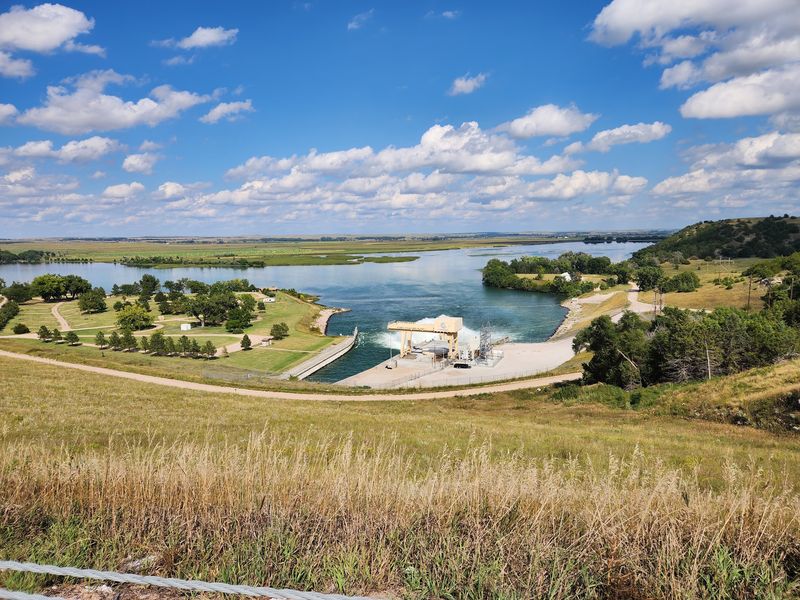
A spinning hydroplant is the reason dozens of bald eagles spend their winter at one Nebraska lake. Its churning water keeps a stretch of lake open while the land around it freezes solid.
Some of these birds fly in from as far away as Alaska, Canada, and the Great Lakes. They come for the fish, and past counts in the area have topped 200 eagles at once.
I love that the best seat for all this is a public viewing facility right on the shore. No park permit is needed to stop by, and the eagles handle the entertainment.
I can’t imagine a better reason to bundle up on a January weekend. These birds stay wild and wary, chasing each other over the open water for a stolen meal.
So how close can you get to a winter full of national symbols?
Nebraska’s Biggest Lake Saves Its Winter Show For Below The Dam
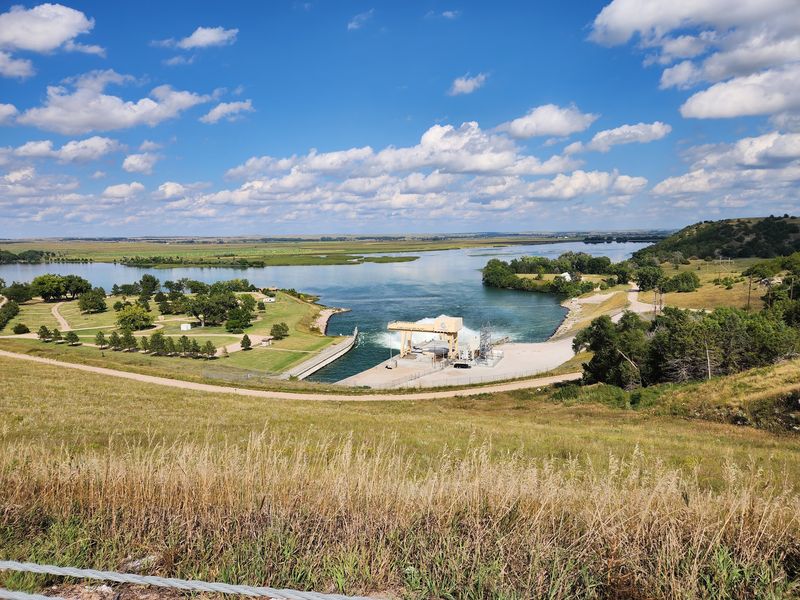
Most folks know Lake McConaughy State Recreation Area as a summer place. In winter, the real action shifts to the bottom of Kingsley Dam.
The recreation area surrounds Lake McConaughy, the largest lake in Nebraska, just north of Ogallala. Locals simply call it Lake Mac, and the nickname fits the casual mood.
Kingsley Dam holds the big lake back on its eastern edge. Below it sits Lake Ogallala, a smaller body of water often called the Little Lake.
That little lake is the winter headliner. Water rushing out of the dam’s hydroplant keeps part of it open when the surrounding landscape locks up in ice.
Open water means fish, and fish mean eagles. Each winter, bald eagles gather here in numbers that can climb into the dozens or far beyond.
The Central Nebraska Public Power and Irrigation District runs the dam and its hydroplant. The district also keeps a public eagle viewing facility on the shore below the dam’s south end.
So the summer beach destination has a second personality. It just needs cold weather, a little patience, and a good pair of binoculars to reveal it.
A New Deal Project That Moved A Mountain Of Earth
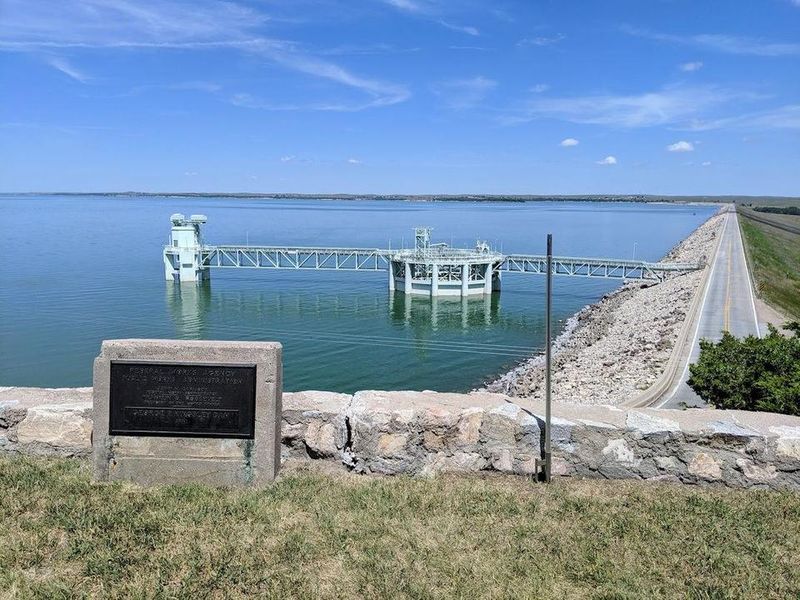
Kingsley Dam was built between 1936 and 1941. It came together as a New Deal project during a time when the country badly needed work.
When crews finished in 1941, it ranked as the second largest hydraulically filled earthen dam in the world. That’s a big claim for a project on the western Nebraska plains.
Hydraulic filling means builders moved soil with water rather than stacking it dry. The result is a massive earthen wall instead of a concrete one.
The numbers still impress. The dam stands 162 feet tall and stretches 3.1 miles long.
Three miles is not a short stroll. You could drive across it before your coffee cools, but walking it would take a while.
More than eight decades later, the structure still holds back Lake McConaughy. It also still does the job that makes winter eagle viewing possible today.
I like that a Depression-era project ended up giving bald eagles a winter address. Nobody moving dirt in the 1930s planned for that.
History buffs and bird lovers can share the same drive. One gets a landmark, and the other gets a front-row seat to the birds.
A Lake So Big It Feels Like The Coast Took A Wrong Turn
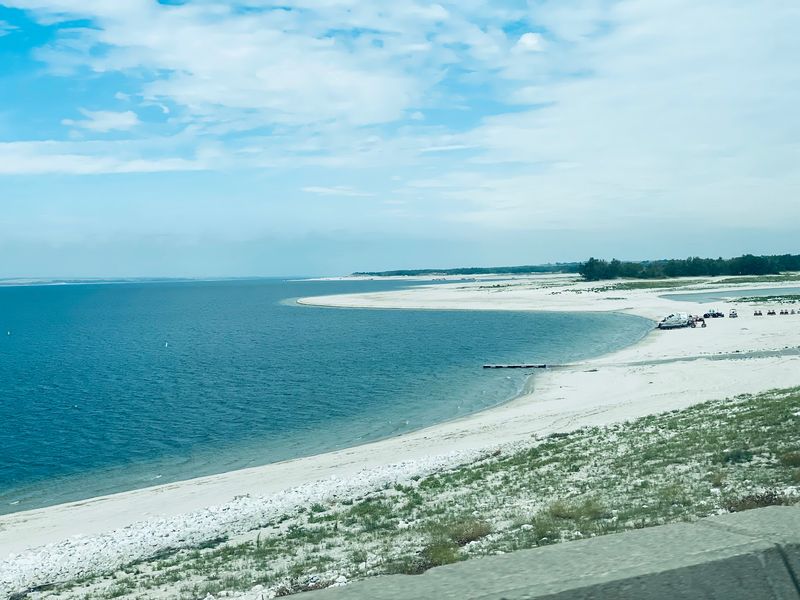
Twenty-two miles long and four miles wide. Those are the measurements of Lake McConaughy at full capacity, and they explain why Lake Mac feels so huge.
Near the dam, the water reaches about 142 feet deep. That depth helps make the reservoir Nebraska’s largest lake.
In warm months, the lake is known for white sandy beaches and clear water. People camp right on the sand, and anglers come for walleye.
Winter tells a quieter story. The beaches empty out, and much of the surface can freeze.
Size matters for eagles, too. A body of water this large sits on the Central Flyway, a major route for migrating birds.
Keith County, home to the lake, logs somewhere between 320 and 340 bird species. It has been called the best place in the state to go birding.
So the eagles are not crashing a summer party. They are arriving at one of the busiest bird neighborhoods in Nebraska.
The off-season simply hands them the stage. Beach towels out, binoculars in, and the lake slips into its winter wardrobe.
Thank The Turbines For Keeping The Water Wide Open
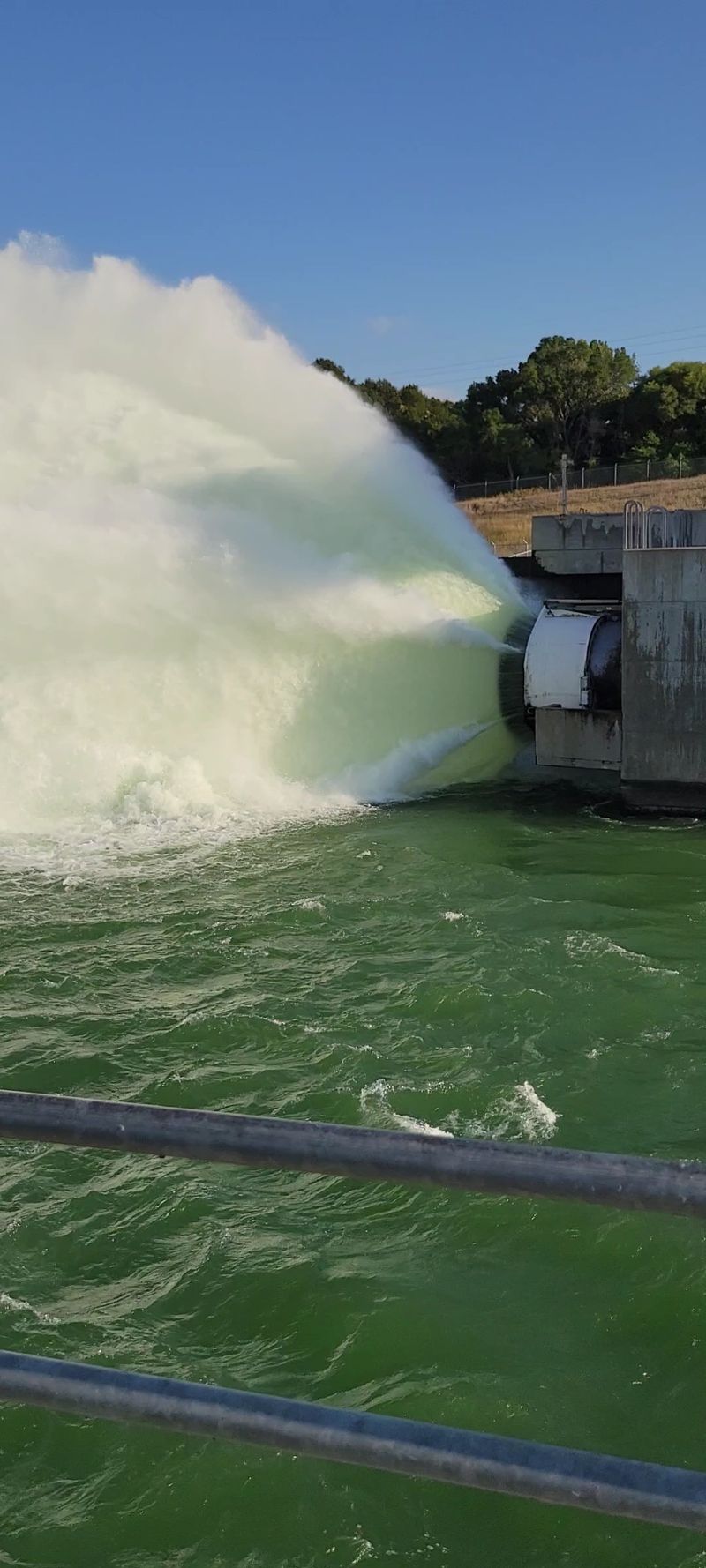
A power plant is the eagles’ best friend at Lake Ogallala. The Kingsley Hydroplant was added to the dam in 1984.
It can produce up to 50 megawatts of electricity. That output comes from water rushing through the plant and out the other side.
The rushing water creates turbulence below the dam. Turbulence keeps that stretch of water ice-free when other lakes and rivers freeze over.
For a bald eagle, open water is everything in winter. Ice turns a lake into a locked pantry, and a hungry eagle needs the door open.
The churn does more than keep ice away. It helps keep fish within reach, giving eagles a steady food supply all season.
Weather still matters. Eagle numbers rise and fall depending on how harsh the winter gets.
Still, the hydroplant gives the birds a reliable reason to show up. Few winter attractions in Nebraska can credit an electric plant for their wildlife.
On a frozen January morning, that patch of moving water may be the liveliest spot for miles. Birds notice that kind of thing.
Engineering and eagles make an odd pair. Here, they work as a team.
Some Of These Winter Visitors Logged Serious Frequent Flyer Miles
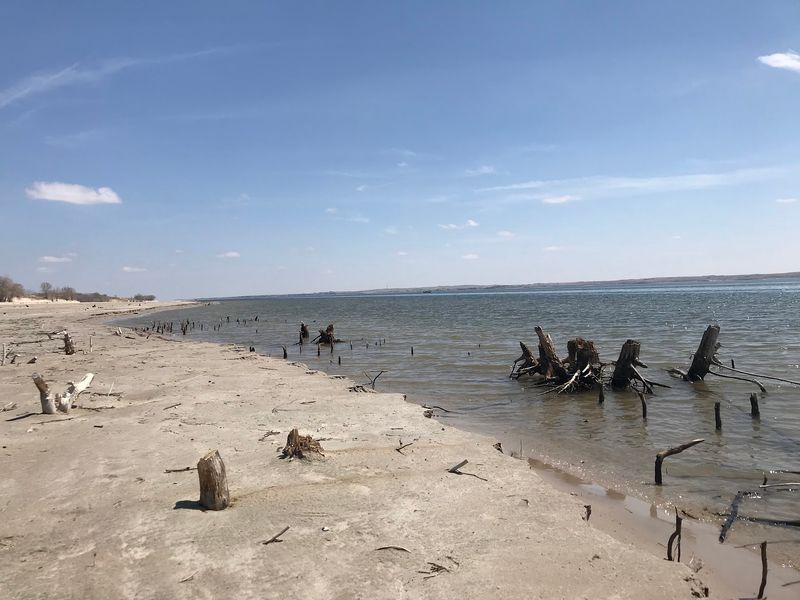
Alaska, Canada, and the Great Lakes region. Bald eagles reaching Lake Ogallala can come from as far north as those places.
Their reason is simple. Harsh northern winters freeze their usual waters, so they head south looking for open water and food.
Nebraska turns out to be a smart stopover. The open stretch below Kingsley Dam offers both of those needs in one spot.
Most of the action runs from December through February. January and February tend to be the prime months for watching.
Counts swing from year to year. Past tallies in the area have reached anywhere from about 200 to 368 eagles.
A 1997 survey found something impressive along the North Platte River. Bald eagle use there, including Lake McConaughy and Ogallala, rose 150 percent over the 1980 to 1996 average.
I can’t help but admire the effort. Some of these birds cross a good chunk of the continent for a reliable fish dinner.
That makes each sighting feel a little more earned. You drove from Kearney or North Platte, and they flew in from the far north.
Shad, Carp, And An Occasional Airborne Food Fight
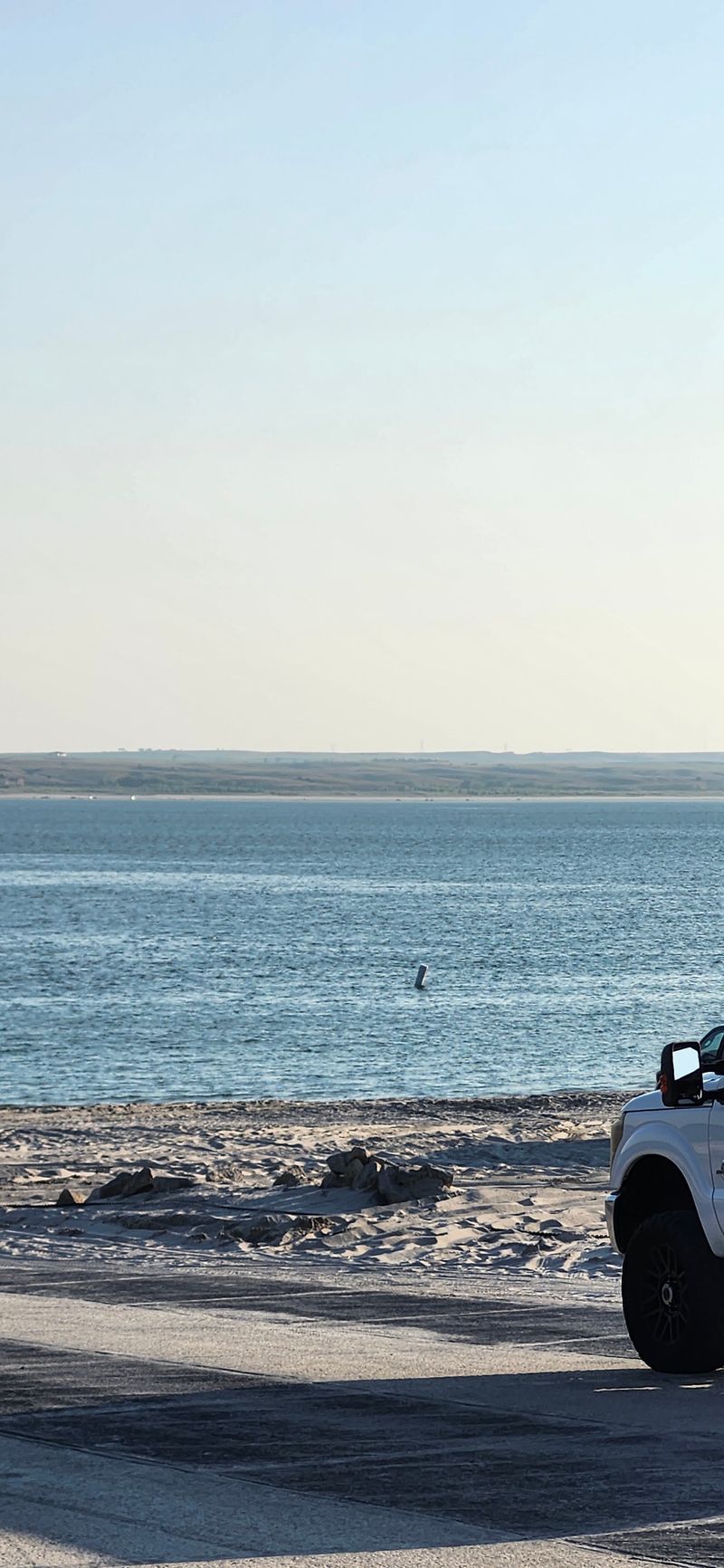
Shad and alewife top the list. These small fish make up much of what eagles grab from the open water below the dam.
Bigger catches happen, too. Catfish and carp sometimes end up in an eagle’s talons.
Bald eagles are also opportunists. They will hunt waterfowl when the chance comes, and they scavenge carrion without much fuss.
Watching them fish is the real draw. An eagle may sweep low, snatch something near the surface, and lift off with it.
Food is also why the drama starts. Visitors may see aerial chases as one eagle tries to steal another’s catch.
Sometimes two birds even grapple in mid-air over a single fish. It’s basically a winter food fight, only airborne.
Anglers in the group will relate. Everyone wants the fish someone else just caught.
The steady supply is what keeps the eagles around for weeks. Without the hydroplant’s open water, this menu would vanish under the ice.
The Little Lake keeps the kitchen open all winter. That’s a rare thing on the plains when temperatures drop.
Bring patience along with your coffee. Meal times run on eagle schedules, not yours.
Wild, Wary, And Best Admired From A Respectful Distance
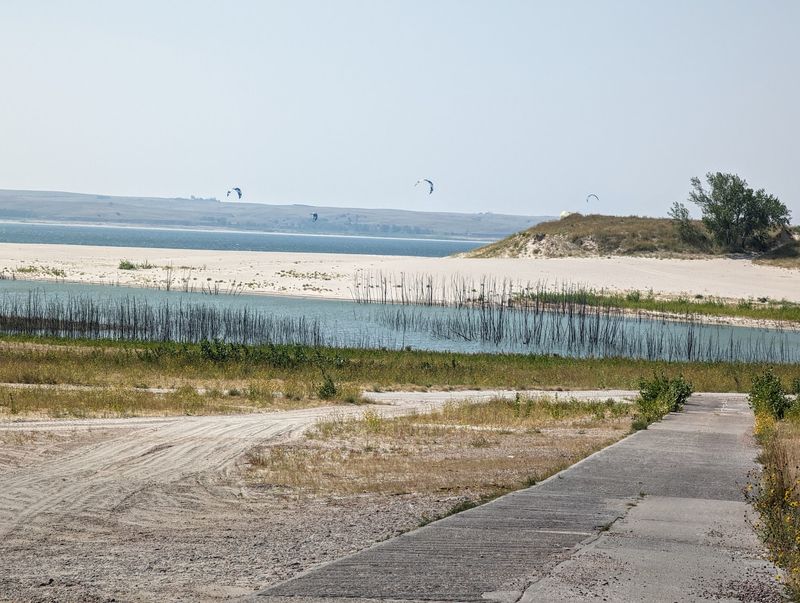
Don’t expect a photo-op handshake. The eagles at Lake Ogallala are wild, wary, and unapproachable.
That’s a good thing. Keeping their distance from people is part of how wild birds stay healthy and safe.
They don’t spend all day on the water, either. Roosting usually happens in mature cottonwoods and shelterbelts near the feeding areas.
Scan the trees as well as the lake. A white head stands out against bare winter branches.
Adults are the classic picture, with white heads and tails. Younger eagles look mostly brown and can be easy to mistake for other raptors.
Good optics make all the difference. The viewing facility has a limited number of binoculars, so bringing your own pair is a smart move.
A spotting scope or a camera with a long lens helps even more. You get detail without bothering the birds one bit.
Quiet voices help, too. Eagles that feel undisturbed are more likely to stay put and keep fishing.
Patience pays here more than anywhere. One perched bird can suddenly launch into a fishing run.
It’s a live nature documentary with one rule. Nobody steps into the frame.
A Comeback Story Worth Celebrating Every January
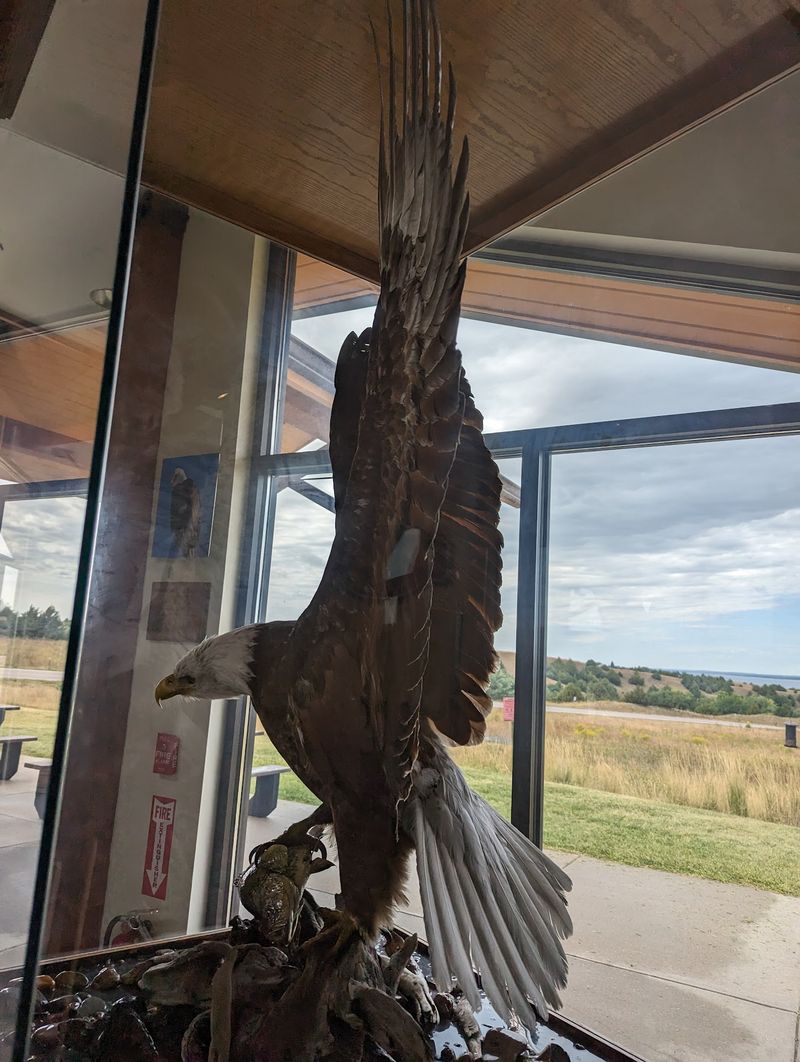
Bald eagles were not always this easy to find in Nebraska. Their recovery ranks among the great wildlife turnarounds in American history.
The 1972 ban on the pesticide DDT played a crucial role. Federal protections did the rest of the heavy lifting.
Slowly, the numbers climbed back. In 1991, the first occupied bald eagle nest in Nebraska was spotted.
By 1995, eagles were moved off the endangered species list. In 2007, they came off the threatened and endangered list entirely.
So every bird perched in a cottonwood below Kingsley Dam carries that history. It’s a living scorecard for decades of conservation work.
I believe that’s what makes this gathering feel bigger than a birdwatching trip. You’re seeing proof that patience and protection can pay off.
Families with kids get a ready-made lesson, too. Few science classes can compete with a real national symbol hauling a fish out of icy water.
Grandparents may remember a time when spotting even one eagle felt rare. Now, a winter morning here can bring several at once.
That shift happened within a lifetime. It deserves a moment of quiet appreciation from the shoreline.
Your Front-Row Seat On The Shore Of The Little Lake
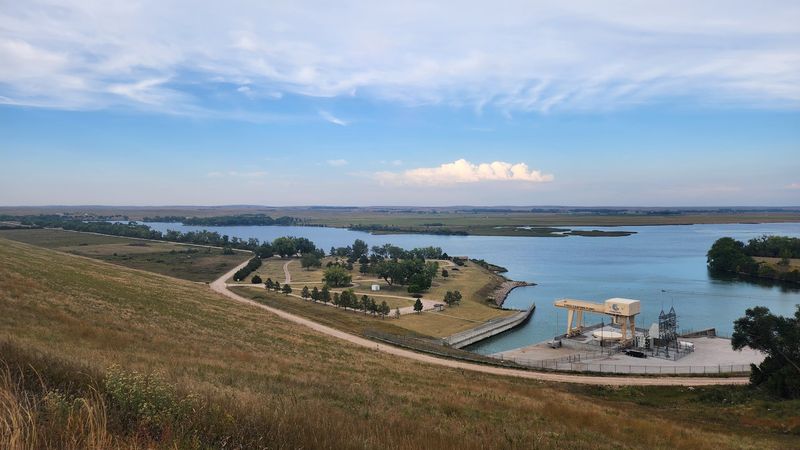
Below the south end of Kingsley Dam, right on the shore of Lake Ogallala, sits the public eagle viewing facility. The Central Nebraska Public Power and Irrigation District maintains it for winter visitors.
The setup is simple and focused. It exists for watching eagles over the open water created by the hydroplant.
Season schedules shift a little each year. In recent winters, the facility has opened on weekend mornings from late December through late February.
Checking with the district before you go is wise. Dates and hours can change with weather and conditions.
A limited supply of binoculars waits at the facility. Since there are only a few, packing your own keeps you from waiting your turn.
Here’s a nice bonus. No park permit is required to visit the eagle viewing facility itself.
That changes if you head elsewhere. A permit is needed for other activities within the Lake McConaughy or Lake Ogallala State Recreation Areas.
Dress for the season. A western Nebraska winter morning near open water can feel colder than the thermometer suggests.
Layers, gloves, and a thermos turn a chilly wait into a pleasant one. The eagles certainly won’t rush on your account.
The Drive Includes A Three-Mile Dam Crossing
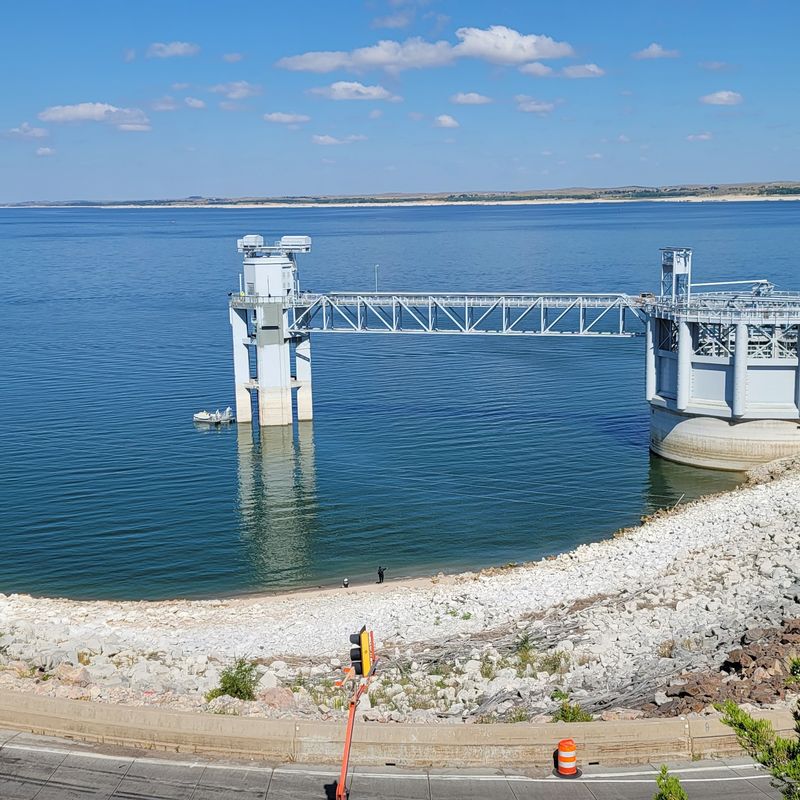
Getting there starts in Ogallala. Head north out of town on Highway 26 toward the big lake.
At the junction of Highway 26 and Highway 61, turn right and go east. You’ll pass the Water Information Center before crossing the dam itself.
Watch for the sign pointing right to the Eagle Viewing Facility. It’s easy to follow once you know to look for it.
Fair warning about the last stretch. The access road is gravel and can be steep, so take it slow in winter conditions.
For mapping, Lake McConaughy State Recreation Area lists its address as 1475 NE-61, Ogallala, NE 69153. That puts you in the right neighborhood for the dam and the eagle viewing area.
Ogallala sits right off Interstate 80, which keeps the trip simple from much of the state. A day trip works well from towns along the interstate corridor.
Kingsley Dam itself is part of the scenery on the drive. Crossing a 3.1-mile earthen dam is not an everyday commute.
Plan around the morning schedule. Showing up early gives you the full window to watch.
Gas up in town before heading north. Winter roads reward a little planning.
Plenty To Fill The Rest Of Your Day
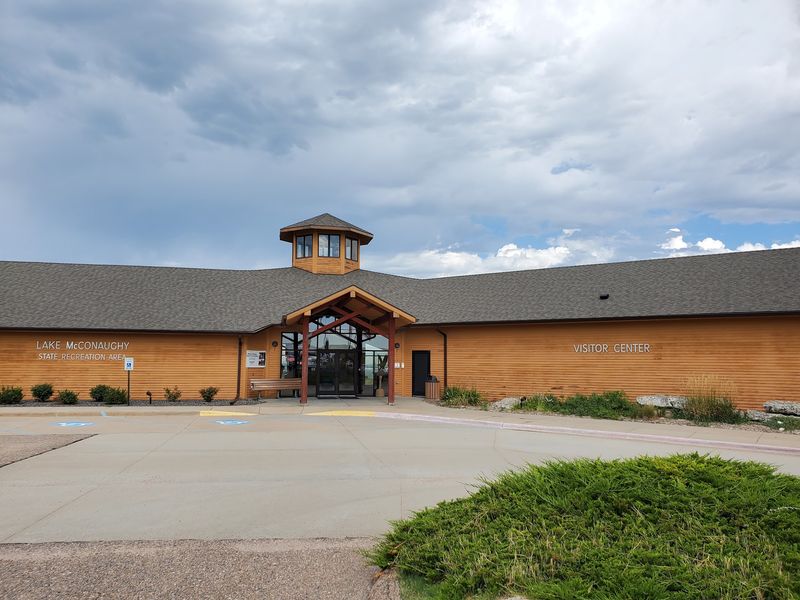
Eagles may be the headliners, but the supporting cast is strong. The Lake McConaughy Visitor and Water Interpretive Center is Nebraska’s first water museum.
Inside, you’ll find a 50-seat theater. The Cabela’s Aquarium gives a close look at fish without any ice fishing required.
It’s a natural follow-up to a morning of eagle watching. You get a better sense of the underwater world that keeps lakes like this one going.
Stretching your legs is easy, too. The Lake Ogallala Hike-Bike Trail runs about two miles along the east side of Lake Ogallala.
Back in Ogallala, Front Street offers a western-themed historical attraction. It’s best known for the Crystal Palace Revue during the summer season.
Birders may want to plan a return trip. Sandhill cranes and American white pelicans pass through in March and early April.
Waterfowl, grebes, gulls, and shorebirds round out the list. With 320 to 340 species recorded in Keith County, the checklist rarely runs dry.
Golfers have options in warmer months at Crandall Creek Golf Club and Bayside Golf Club. One region, many reasons to come back.
Seasonal schedules vary at many area stops. A quick call ahead keeps the day smooth.
Why This Winter Drive Earns A Spot On Your Calendar
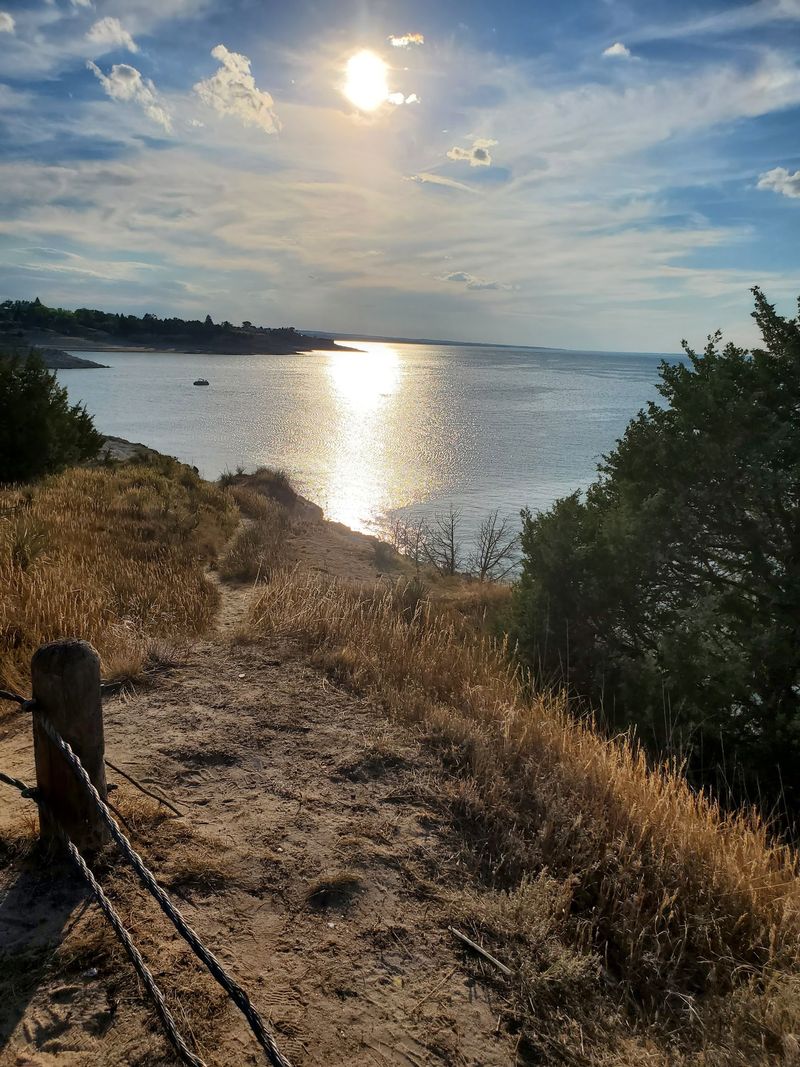
Cold weather keeps most people inside. At Lake Ogallala, it’s the very thing that brings the eagles in.
That’s the charm of Lake McConaughy State Recreation Area in winter. A summer beach hotspot becomes one of the best places in Nebraska to watch bald eagles.
The trip suits a lot of people. Families, retirees, photographers, and anyone who has never watched a wild eagle fish can all find something here.
It also makes a fine weekend outing without much fuss. You need warm clothes, binoculars, and a morning to spare.
I like that the whole thing ties together so neatly. A New Deal dam, a 1984 hydroplant, and a conservation comeback all meet at one shoreline.
Nothing about the show is guaranteed, of course. Eagle numbers depend on the weather, and wild birds keep their own schedules.
That uncertainty is part of the fun. Each visit can play out a little differently from the last.
So when January rolls around, consider pointing the car toward Ogallala. The eagles are already making the long trip, and your drive is much shorter.
Pack a thermos and some patience. The Little Lake will handle the rest.