Balor And Zephyr Are Two Rescued Belugas Now Living At This Georgia Attraction
Two young whales once flew across an ocean to reach a new home. I did not believe it either until I saw them myself.
Their journey started far away, in a facility that could no longer care for them properly. A rescue team built custom slings, arranged cargo flights, and monitored every hour of the trip.
Weeks of planning led to one careful, high stakes move. Now they swim together in a massive tank built specifically for their size and needs.
I watched them glide past the glass, curious and completely unbothered by the crowd. Kids pressed their hands against the glass, trying to get closer.
Staff members spoke about the whales like family, tracking every small change in their behavior. Georgia is home to a rescue story most visitors never expect to find.
Georgia gave these two whales a second chance most people never hear about.
Two New Faces In The Cold Water Gallery
Balor is 10 years old. Zephyr is 7.
Together they make one of the most talked about pairs in Atlanta right now.
Both are male beluga whales, and both weigh around 1,100 pounds. That is a lot of whale to move across a continent.
They arrived on August 13, 2026, after a long and carefully planned journey. Their previous home was Marineland, a park and zoo in Niagara Falls, Ontario, Canada.
What strikes me about belugas is how expressive they look. Their rounded foreheads and pale skin give them a face that seems almost curious about you.
Belugas are Arctic natives, built for icy water. They have no dorsal fin, which helps them move under sheets of ice and hold onto body heat.
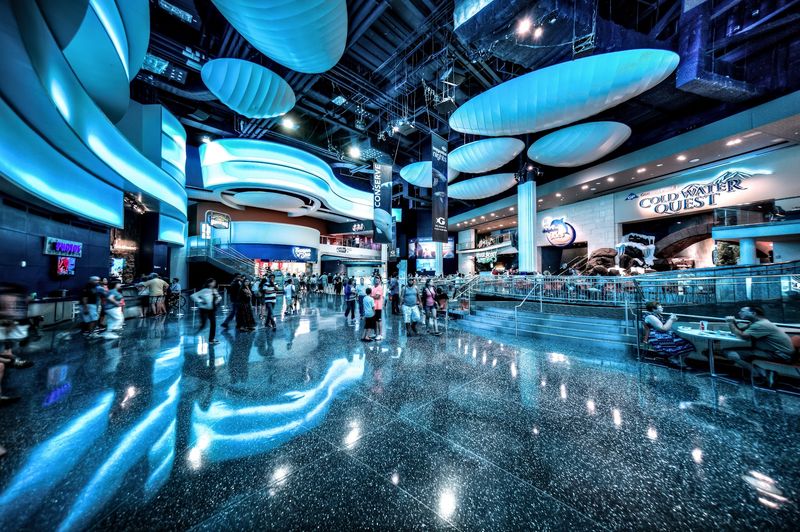
Visitors can find them in the Cold Water Quest gallery, one of eight themed exhibit areas here. The lighting is cool and calm, which suits the animals well.
If you want to see them, plan on a weekday. Weekends get busy, and the beluga windows draw a crowd.
The address is 225 Baker St NW, Atlanta, GA 30313, right in the downtown core. On-site parking runs around $30.
A Rescue Mission That Spanned Two Countries
Thirty beluga whales needed new homes. That was the size of the problem facing wildlife specialists.
The whales came from Marineland in Canada, which has now closed. Finding room for that many belugas took international cooperation.
Balor and Zephyr were two of those thirty. Their placement here was part of a major international beluga relocation effort.
Planning took many months. Teams mapped out every step, from lifting the animals to landing the plane.
Each whale was raised in a padded sling to protect its body. Belugas have no legs to support their weight, so support matters enormously.
They traveled in specially designed transport systems that supported them throughout the journey. Crews stayed beside them the entire trip, checking vital signs again and again.
The flight came in by cargo plane to Hartsfield-Jackson Atlanta International Airport. From there it was a short road trip downtown.
Other rescued belugas went to Shedd Aquarium and SeaWorld facilities. The animals were matched to homes based on age, health, and personality.
Knowing all that made watching them swim feel different. These are not just animals in a tank.
They are the result of enormous effort.
Why These Two Whales Were Chosen
Not every whale fits every home. Matching animals to facilities is careful work, not guesswork.
Balor and Zephyr were both born and raised in human care. That means they already knew trainers, feeding routines, and daily handling.
Their ages helped too. A 10-year-old and a 7-year-old are young enough to adapt but old enough to be steady.
Specialists carefully considered which facilities could best meet each whale’s individual needs.
Here is a detail worth knowing. Making room for them meant one resident had to move first.
A 16-year-old male beluga named Nunavik was transferred to Mystic Aquarium in Connecticut. That move opened space for the two newcomers.
It reads like a housing shuffle, and honestly it kind of was. Every whale needed enough room to thrive.
Decisions like these come from decades of experience with belugas. The team here has cared for these animals for many years.
Watching Balor glide past the glass, none of that planning shows. He just looks like a whale enjoying his afternoon, which is the whole point.
Slow And Steady Introductions Behind The Scenes
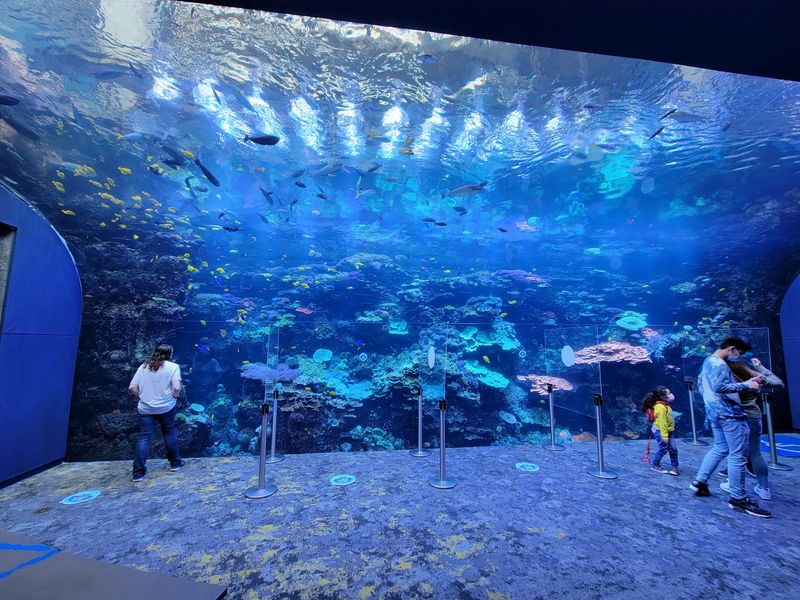
Nobody drops a new whale into a crowded pool. Balor and Zephyr started out completely away from public view.
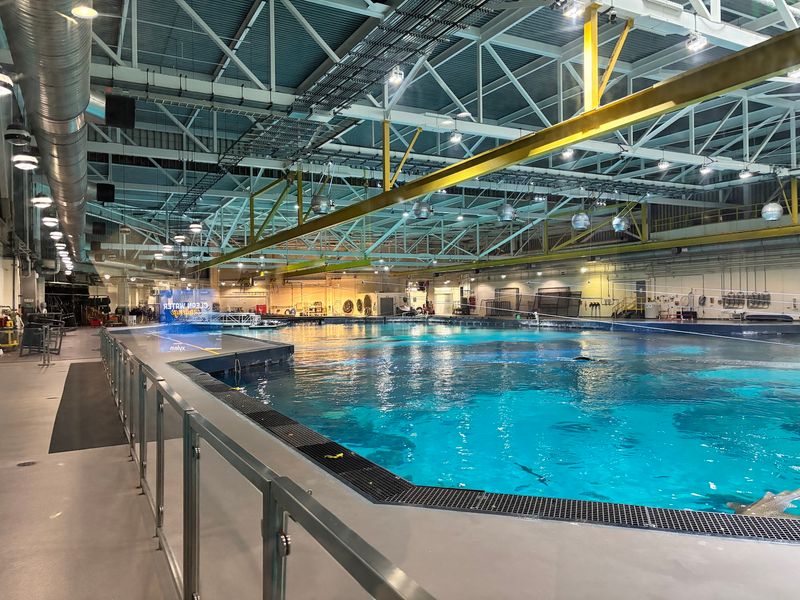
They spent their first stretch in a behind-the-scenes area. Quiet water, familiar routines, and no crowds.
That time let them adjust at their own pace. Sudden change stresses marine mammals, so patience was the strategy.
Trainers began working with them early on. Simple sessions built trust and helped staff learn each whale’s habits.
The next step was meeting the neighbors. Four female belugas already lived here as an established pod.
Introducing two males to four females could have gone slowly. Instead, both newcomers acclimated and joined the group without drama.
Belugas are social animals by nature. In the Arctic they travel in groups, so company suits them.
I find this part genuinely reassuring. The care team clearly prioritized comfort over speed.
If you take a behind-the-scenes tour, book well ahead. Those spots fill up fast, and they give you a look at the working side of animal care.
The tours are worth the extra cost. Seeing the equipment and pools changes how you view the exhibits.
Meet A Beluga Up Close In Cold Water Quest
Glass is nice. Standing in the water beside a beluga is something else entirely.
Special beluga encounter programs run in the Cold Water Quest gallery. Guests get close to the animals with trainers guiding every moment.
You learn how these whales are trained and what their day looks like. Trainers answer questions and explain the care routine.
These sessions are popular, so booking early is smart. Same-day availability is rarely a safe bet.
Encounters cost extra on top of admission. Many visitors say the experience justifies the price.
Belugas are sometimes called sea canaries because of their chirps and whistles. Hearing that up close is hard to forget.
Their melon-shaped forehead can change shape as they make sounds. It is one of the strangest and most charming things about them.
Sea lion encounters and sleepover programs are also offered here. Families with older kids tend to love the overnight option.
My advice is simple. Pick one add-on experience and commit to it rather than trying everything at once.
You will remember the encounter far longer than another lap around the exhibits.
Arctic Bodies Built For Freezing Water
A whale without a dorsal fin looks almost unfinished. There is a solid reason for that missing feature.
Belugas are native to Arctic regions, where ice covers much of the surface. A tall fin would only get in the way.
Instead they have a low ridge along the back. It lets them slip beneath ice sheets without injury.
Losing the fin also cuts heat loss. Less exposed surface means less warmth escaping into freezing water.
Their thick blubber layer does the rest. It works like a built-in winter coat.
Keeping Arctic animals healthy in Georgia takes serious engineering. Water temperature, filtration, and lighting are all managed closely.
Diets are individualized for each whale. What Balor eats is not identical to what Zephyr eats.
Veterinary care here is described as world class, backed by decades of beluga experience. That track record matters for animals this specialized.
Standing at the viewing window, you feel the temperature difference in the gallery. The whole space is designed around the animals, not the guests.
Small detail, big impact. It is one of the reasons this exhibit feels so convincing.
A Long Record Of Beluga Rescues
Balor and Zephyr are not the first belugas helped by this team. The rescue history here goes back years.
Staff assisted in rescuing a stranded beluga calf in Alaska. Stranded calves need round-the-clock support to survive.
Another mission involved helping relocate two belugas from Ukraine to a new home in Spain.
Those two whales were relocated to Valencia, Spain. They now live in a facility equipped for their needs.
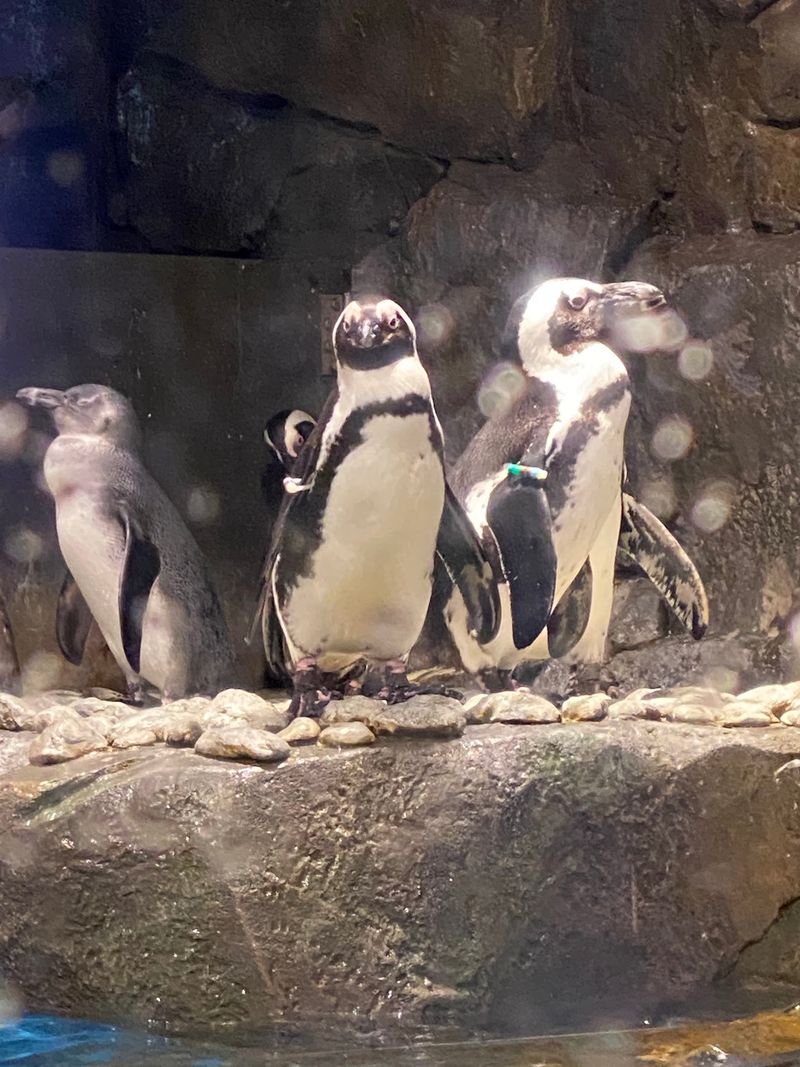
Rescue work here reaches beyond whales. Teams have supported African penguins and California sea lions.
African penguins face serious population pressures in the wild. Sea lion strandings happen regularly along the California coast.
The aquarium operates as a non-profit organization. That structure shapes where the money goes.
Admission and program fees help fund research and conservation projects worldwide. Your ticket is part of that chain.
Educators throughout the building talk about this work openly. Several visitors mention the conservation talks as a favorite part of the day.
Hearing it in person hits harder than reading it online. The staff clearly care about the animals they discuss.
Planning Your Visit Without The Headache
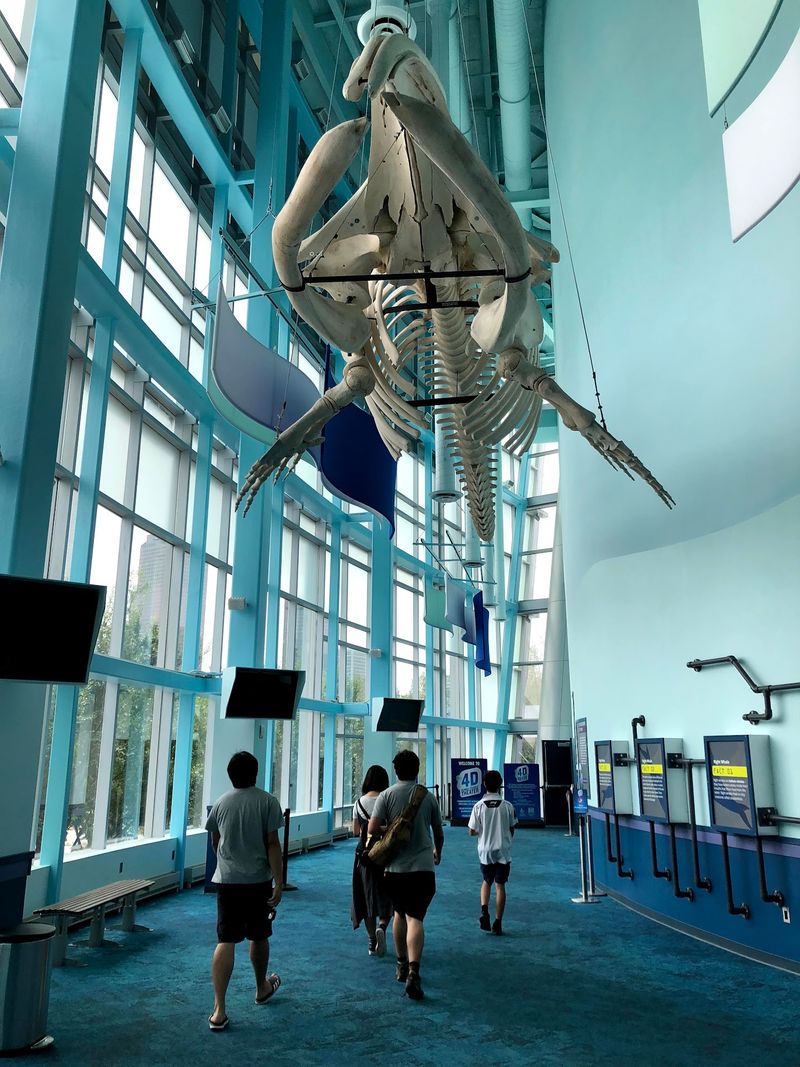
Timing changes everything here. Arrive at the wrong hour and you spend your day in a crowd.
Mornings are calmer than afternoons. Weekdays beat weekends by a wide margin.
Shows require a reserved time slot, and reservations come free with admission. Book them before you start exploring.
Plan on at least four hours. Plenty of visitors stay six or more without running out of things to see.
Bring a refillable water bottle. Refill stations and restrooms are easy to find throughout the two floors.
Skip the photo line near the entrance if you are short on time. Signs marked for the museum entrance take you straight in.
Eight galleries cover rivers, oceans, freshwater, and cold water habitats. The beluga pod lives in that last one.
Food options are broad but priced like an attraction. Eating before you arrive saves money if that matters to you.
If you plan to leave and return, check the aquarium’s re-entry procedure before exiting.
Everything Else Sharing The Building
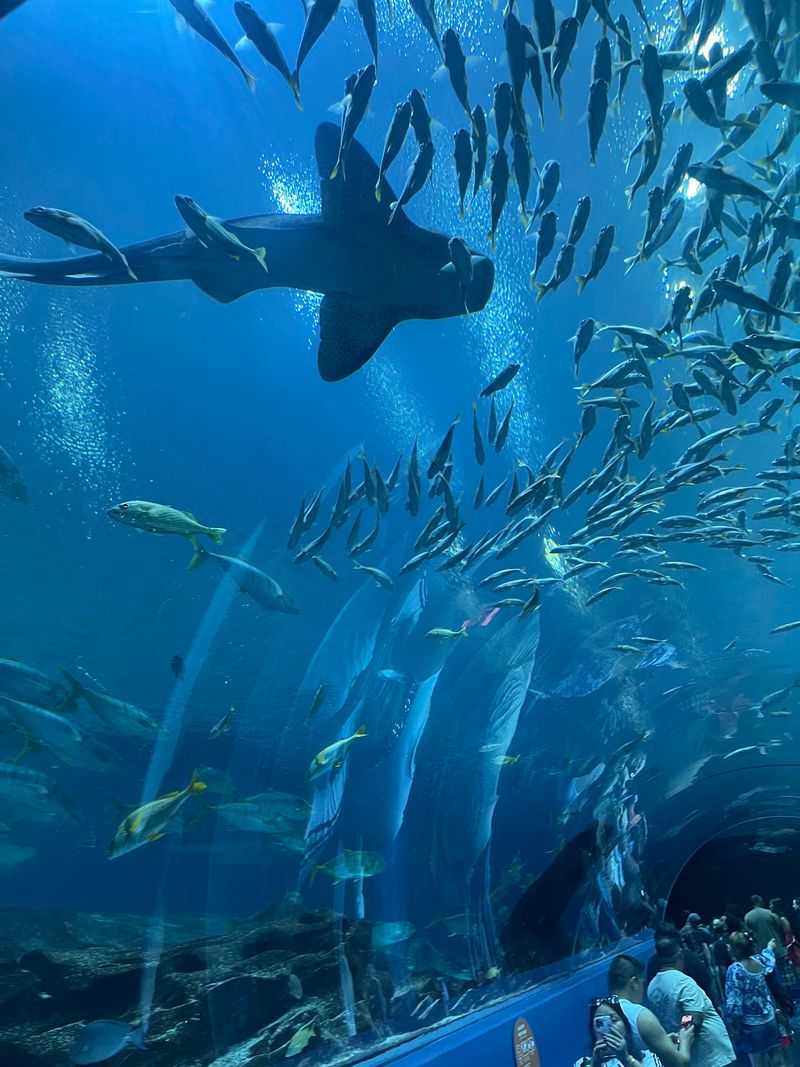
Two belugas brought me in. Tens of thousands of other animals kept me exploring.
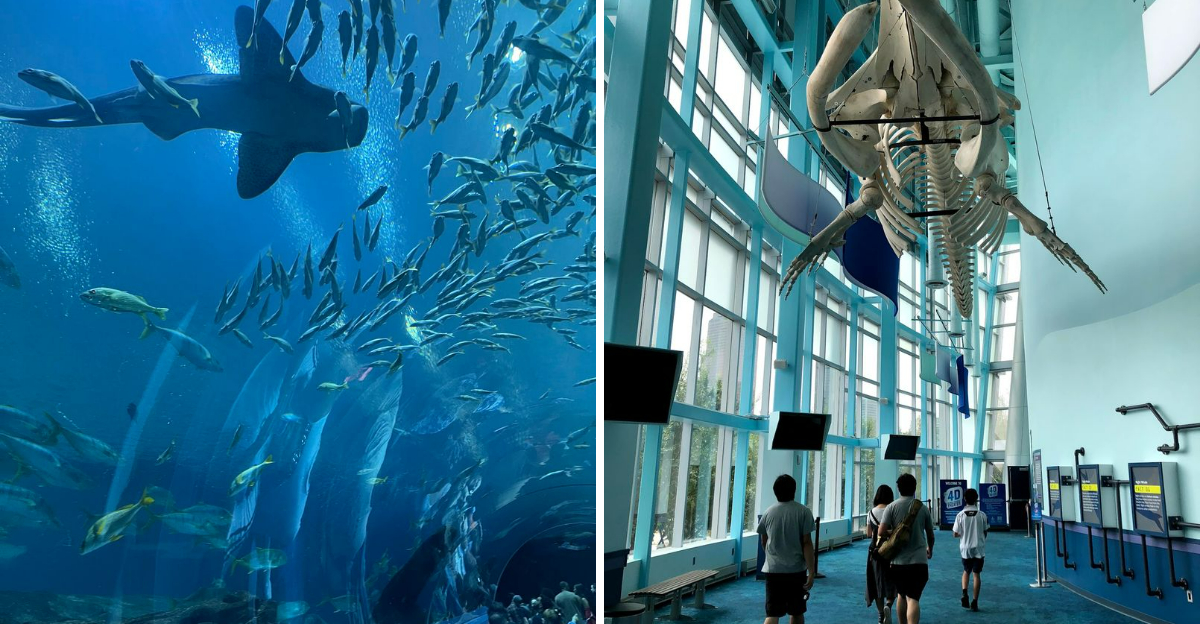
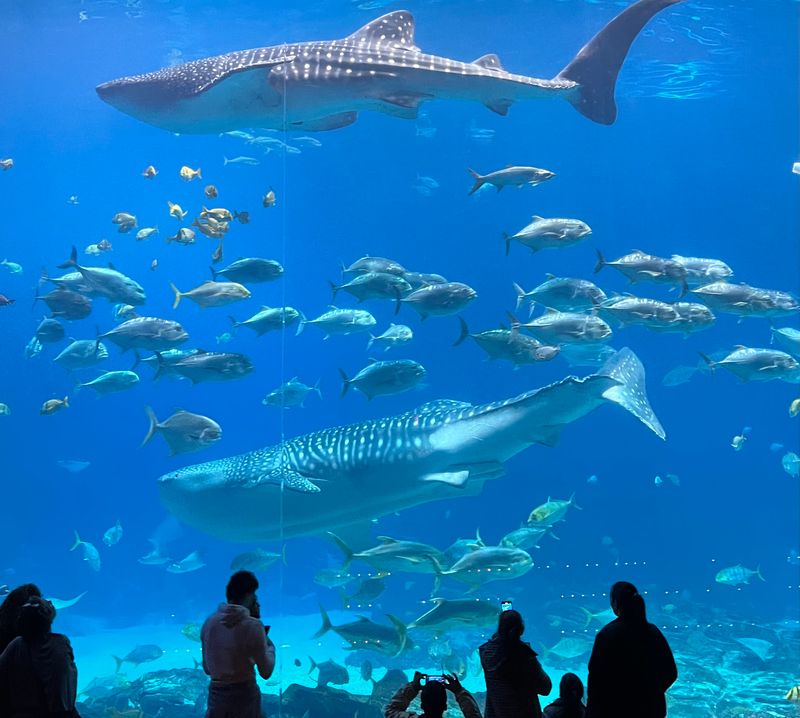
The Ocean Voyager exhibit holds a whale shark, the largest fish species alive. Standing under that tank feels genuinely strange.
Manta rays glide overhead in the same tunnel. Looking up while they pass is the photo everyone tries to get.
Dolphin and sea lion presentations run in two theaters. Both are included with admission if you reserve a slot.
Penguins, sea otters, and jellyfish each have their own following. The otters are chaos in the best way.
Touch pools let you reach in and meet stingrays. Kids gravitate there and stay far longer than parents expect.
A 4D theater adds effects to the film experience. It is a good rest stop midway through the day.
Interactive screens let younger visitors design sea creatures that come to life. Clearly aimed at kids, and they love it.
Balor and Zephyr found a good place to land. So did I, honestly.