Bathroom Renovations In Virginia That Commonly Backfire On Buyers
Bathroom renovations can add real value to a Virginia home, but not every upgrade leads to happy buyers or a strong return on investment.
Some choices that seem appealing during the planning stage may actually turn off potential purchasers or drain your budget without boosting your home’s appeal.
Understanding which bathroom changes commonly backfire helps homeowners make smarter decisions that protect their investment and attract buyers when it’s time to sell.
1. Installing Overly Personalized Tile Designs
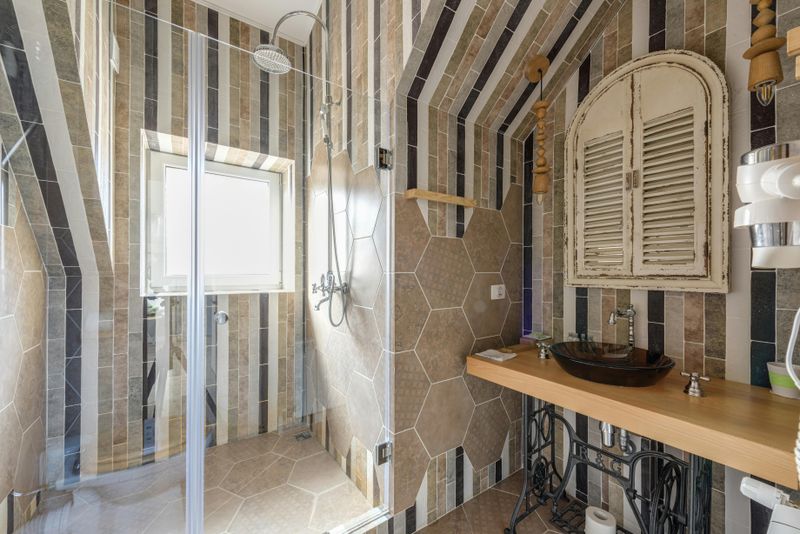
Bright purple geometric tiles or a mural of your favorite beach scene might bring you joy every morning, but future buyers could see it as a major project to undo.
Custom tile work often reflects individual taste rather than universal appeal.
Neutral tile choices in classic patterns tend to attract more buyers because they allow people to imagine their own style in the space.
Bold personal statements in permanent fixtures can reduce the number of interested purchasers.
Virginia buyers typically prefer timeless designs that won’t require immediate changes.
Choosing standard subway tiles or simple stone patterns keeps options open and budgets flexible for the next homeowner.
2. Adding Excessive Luxury Features
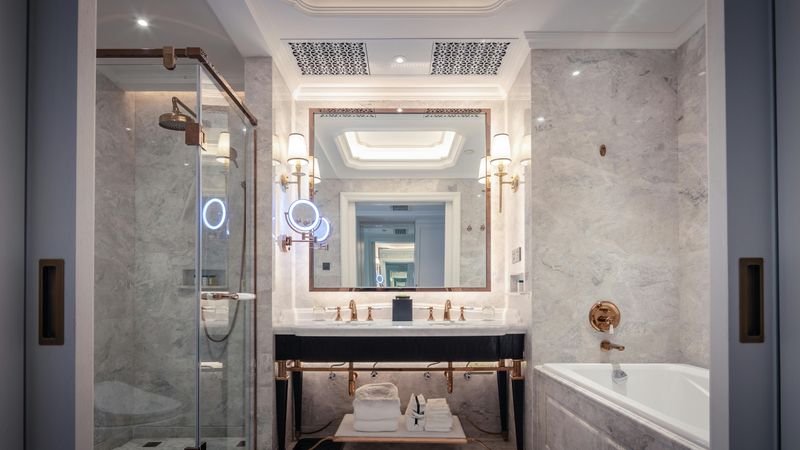
A heated marble floor and a rainfall shower system with chromotherapy lighting sound amazing, but these upgrades might not return their cost at resale.
High-end bathroom additions often deliver surprisingly low returns on investment, sometimes under thirty-five percent.
Buyers in many Virginia neighborhoods expect functional, attractive bathrooms but may not value ultra-luxury touches enough to pay significantly more.
The gap between renovation cost and added home value can be disappointing.
Matching your bathroom’s quality to your neighborhood’s typical home values makes more financial sense.
Over-improving beyond local standards rarely translates to proportional price increases when selling.
3. Choosing Style Over Practical Function
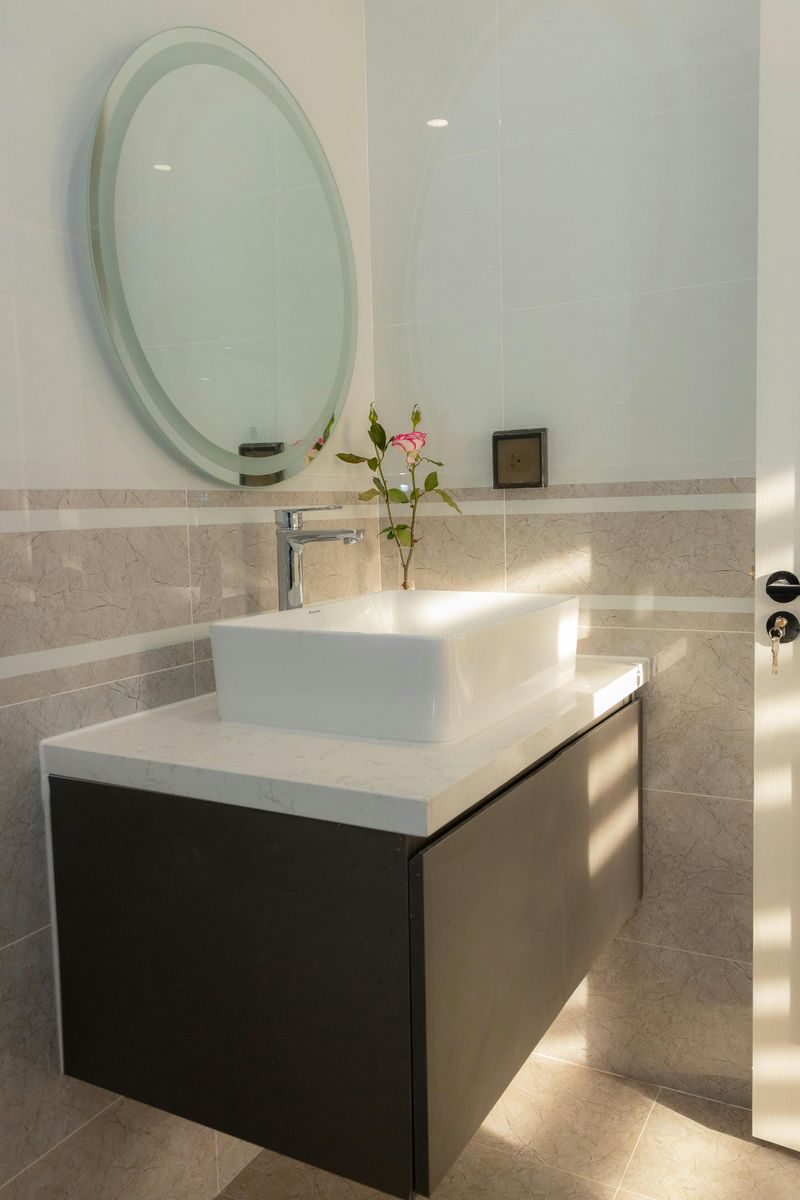
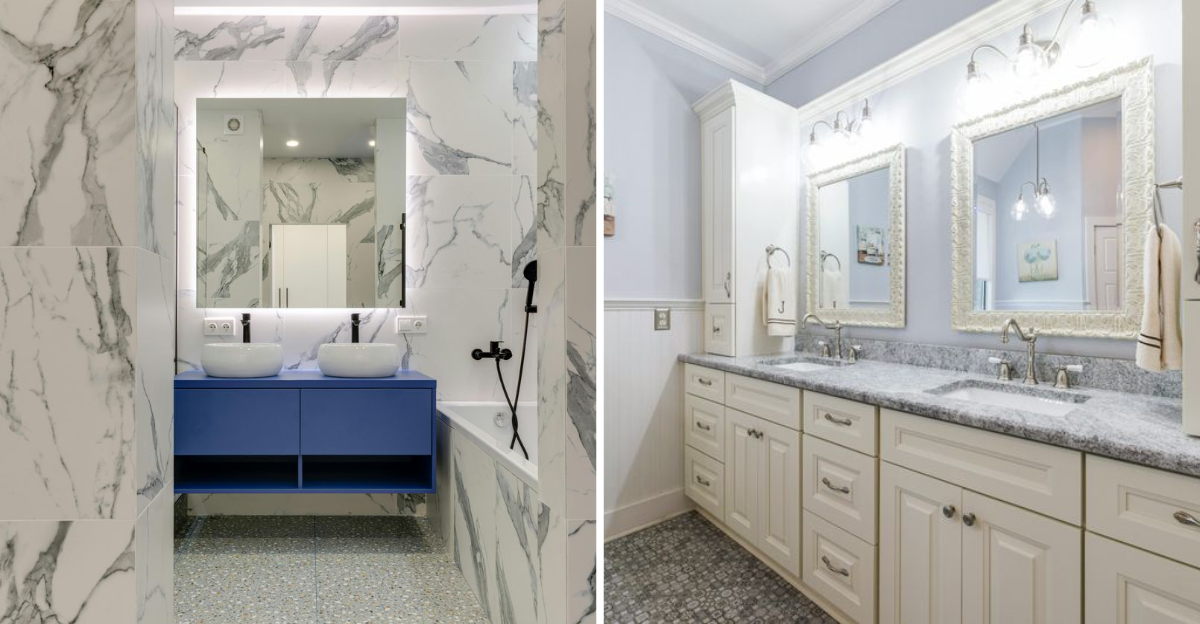
Vessel sinks perched high on countertops look sculptural and modern, but they create splashing problems and awkward heights for daily use.
Families with children often find these trendy fixtures frustrating rather than functional.
Prioritizing appearance without considering everyday usability can make a bathroom feel beautiful but uncomfortable.
Buyers testing faucets and imagining their morning routines may notice these practical shortcomings quickly.
Balancing visual appeal with real-world convenience creates spaces people actually enjoy using.
Storage accessibility, comfortable counter heights, and easy-to-clean surfaces matter more than most homeowners initially realize when planning renovations.
4. Using Cheap Materials To Cut Costs
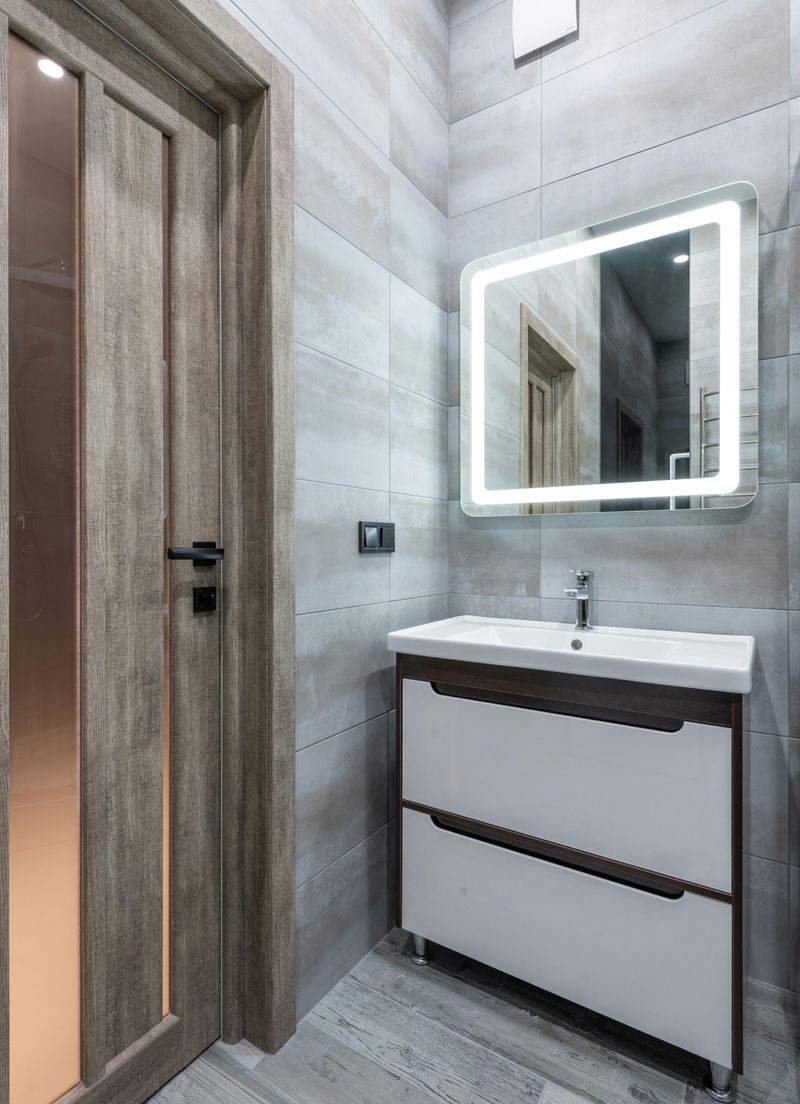
Budget-friendly might sound smart initially, but flimsy vanities and thin flooring show wear quickly and signal corner-cutting to potential buyers.
Quality materials demonstrate care and reduce the likelihood of needing repairs soon after purchase.
Inexpensive fixtures often lack durability, leading to leaks, cracks, or discoloration that become obvious during home inspections.
Buyers may request price reductions or walk away entirely when they spot these red flags.
Investing in mid-range quality materials provides longevity without breaking the bank.
Solid construction and reliable finishes maintain their appearance longer and reassure buyers about the renovation’s overall standard.
5. Ignoring Virginia’s Humidity And Ventilation Needs
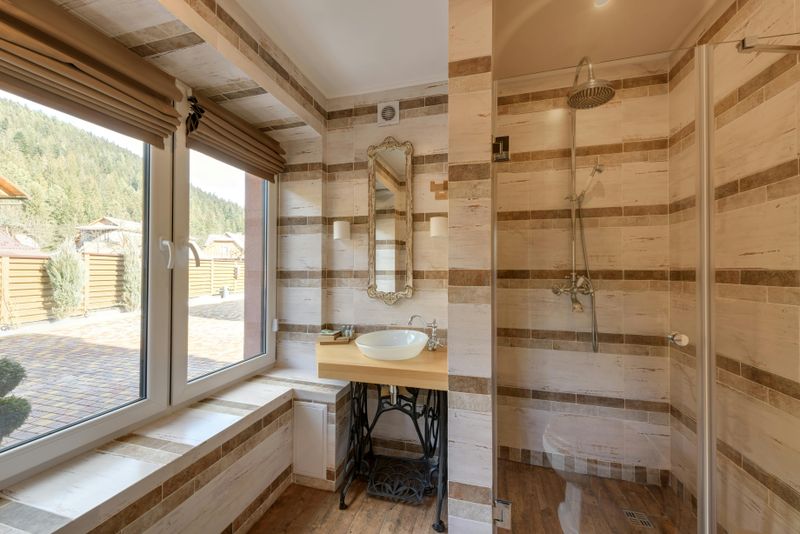
Virginia’s climate brings significant humidity, especially during summer months, making proper bathroom ventilation absolutely essential.
Skipping or undersizing exhaust fans leads to moisture buildup that encourages mold and mildew growth.
Buyers inspecting homes pay close attention to bathrooms for signs of water damage or poor air circulation.
Visible mold, peeling paint, or musty odors immediately raise concerns about deeper structural problems.
Installing adequate ventilation systems and choosing moisture-resistant materials protects your investment from climate-related damage.
Proper planning for regional weather conditions demonstrates thoughtful renovation work that buyers appreciate and trust.
6. Over-Improving Beyond Neighborhood Standards
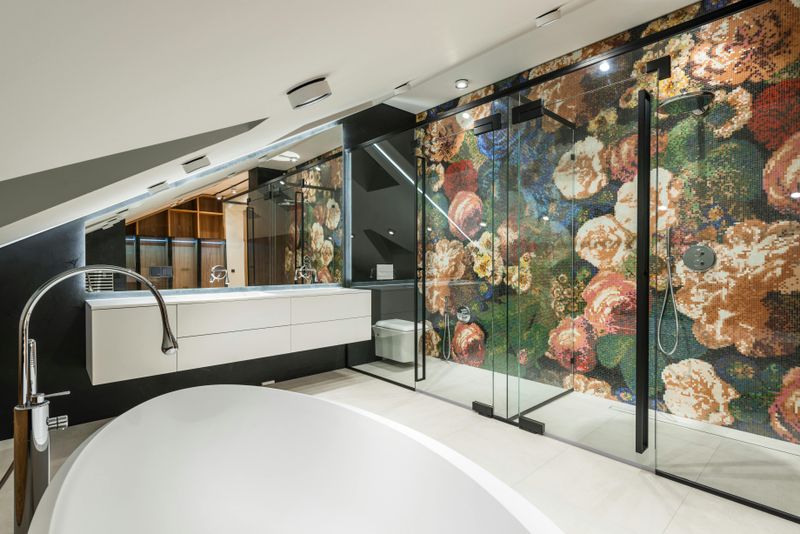
Installing a spa-worthy bathroom in a modest neighborhood creates a mismatch between your home’s features and local market expectations.
Buyers shopping in specific price ranges may not pay extra for upgrades that exceed area norms.
Real estate values depend heavily on comparable properties nearby, so exceeding neighborhood standards rarely recovers full renovation costs.
Your beautiful bathroom becomes an expensive personal indulgence rather than a smart investment.
Researching typical home values and features in your Virginia community helps guide appropriate renovation budgets.
Matching or slightly exceeding local standards tends to deliver better returns than dramatically outpacing surrounding properties.
7. Creating Cramped Layouts With Poor Space Planning
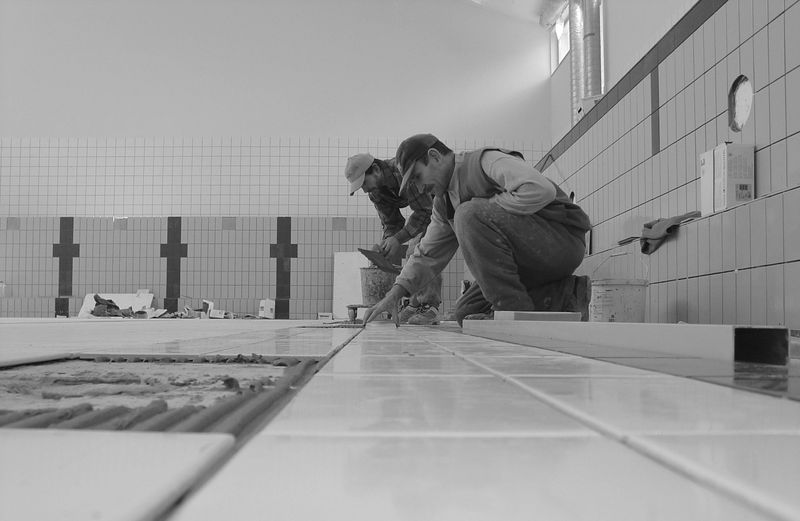
Squeezing too many features into a small bathroom or placing fixtures awkwardly makes the space feel uncomfortable and difficult to navigate.
Even beautiful finishes cannot compensate for layouts that force users to maneuver awkwardly.
Buyers walking through cramped bathrooms immediately sense the impracticality, regardless of attractive tile or modern fixtures.
Inadequate clearance around toilets, narrow shower entries, or blocked pathways create negative first impressions.
Thoughtful space planning prioritizes comfortable movement and logical fixture placement before selecting decorative elements.
Sometimes fewer features arranged well serve buyers better than packed spaces that feel cluttered and claustrophobic.
8. Selecting High-Maintenance Materials And Finishes
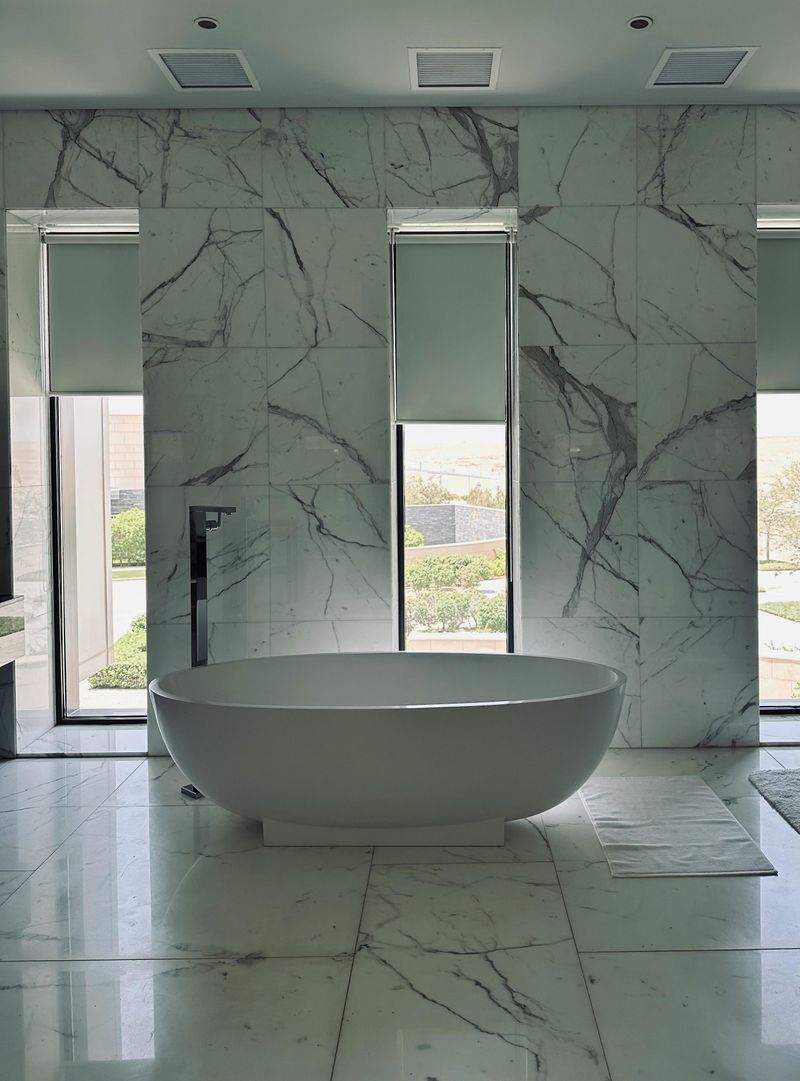
Natural stone that requires regular sealing or intricate tile patterns with numerous grout lines create ongoing maintenance burdens.
Buyers often prefer easy-care surfaces that look good without demanding constant attention.
Materials that stain easily, show water spots prominently, or require special cleaning products can discourage potential purchasers.
Modern families typically value convenience alongside aesthetics when evaluating bathrooms.
Choosing durable, low-maintenance finishes demonstrates consideration for busy lifestyles.
Quartz countertops, large-format tiles with minimal grout, and finishes that resist water spots appeal to practical buyers seeking beautiful but manageable spaces.
9. Skipping Necessary Permits And Building Codes
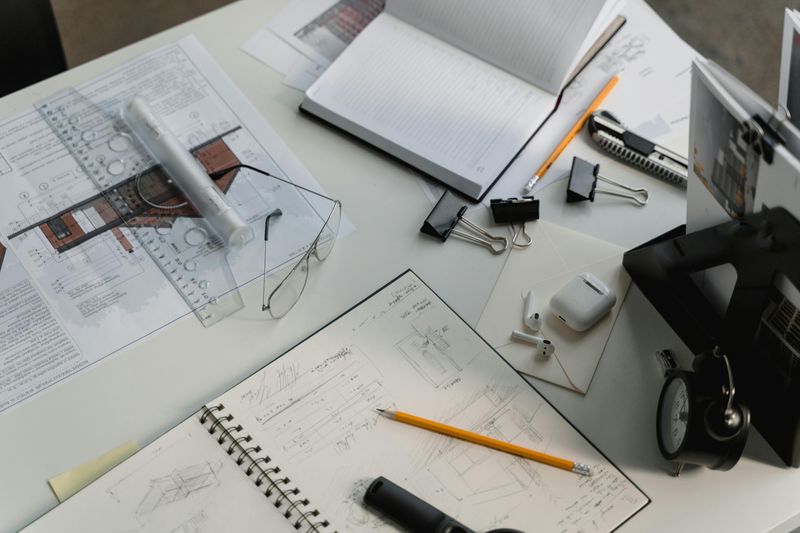
Avoiding permit processes or ignoring local building codes might save time initially, but these shortcuts create serious problems during home sales.
Unpermitted work raises red flags during inspections and may require expensive corrections before closing.
Virginia building codes exist to ensure safety, proper construction methods, and adequate plumbing and electrical work.
Buyers discovering unpermitted renovations often request significant price reductions or terminate purchase agreements entirely.
Obtaining proper permits and following regulations protects both current homeowners and future buyers.
Legal compliance provides documentation that work was completed correctly, offering peace of mind and avoiding potential legal complications.
10. Installing Inadequate Or Poor Lighting
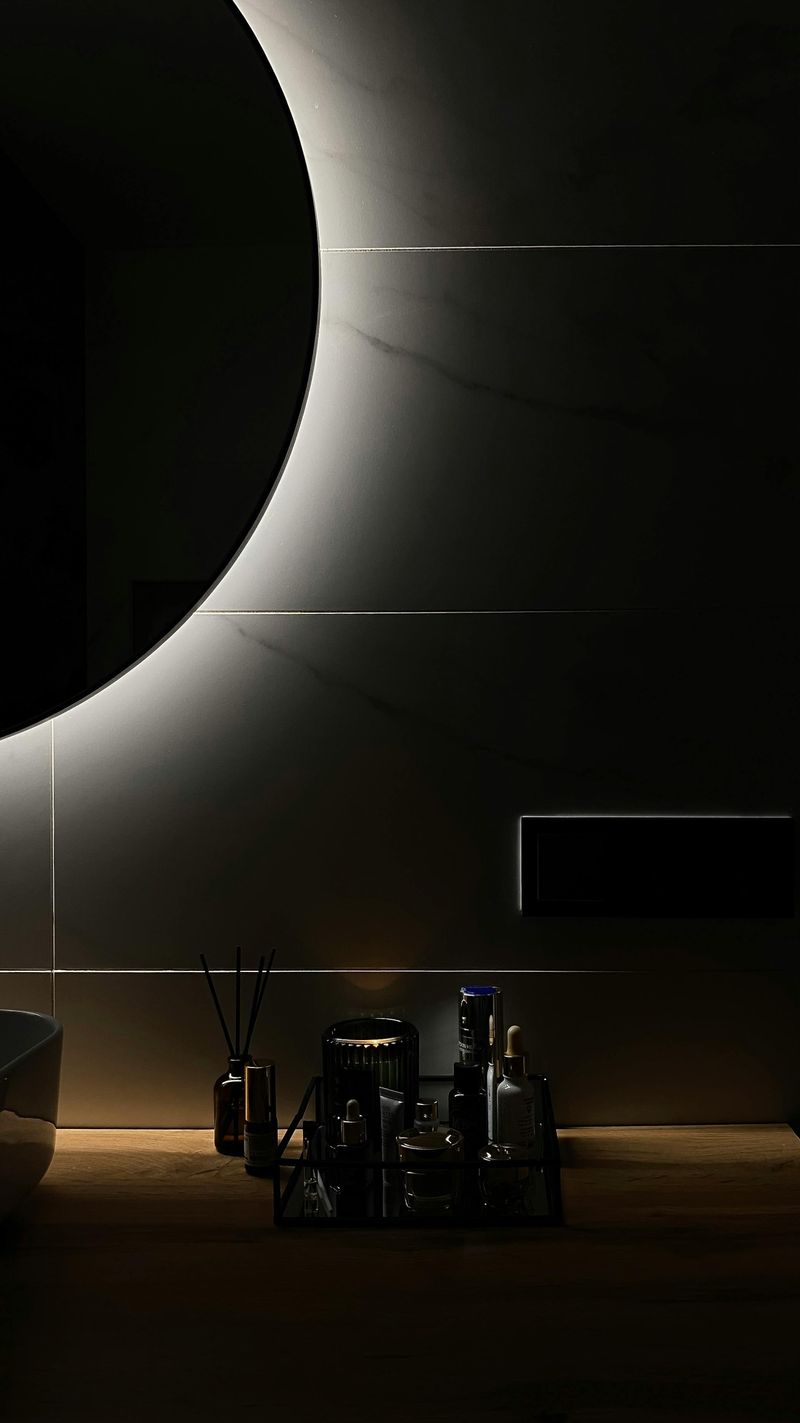
A single overhead fixture might provide basic illumination, but bathrooms need layered lighting for grooming tasks, ambiance, and safety.
Dim or poorly placed lights make spaces feel smaller, less inviting, and difficult to use effectively.
Buyers notice lighting quality immediately because it affects how the entire bathroom appears and functions.
Dark corners, harsh shadows on faces, or insufficient brightness near mirrors create unfavorable impressions.
Combining ambient ceiling lights, task lighting near mirrors, and accent lighting enhances both functionality and atmosphere.
Well-lit bathrooms feel more spacious, welcoming, and valuable to potential purchasers evaluating your Virginia home.
11. Following Fleeting Trends Instead Of Timeless Design
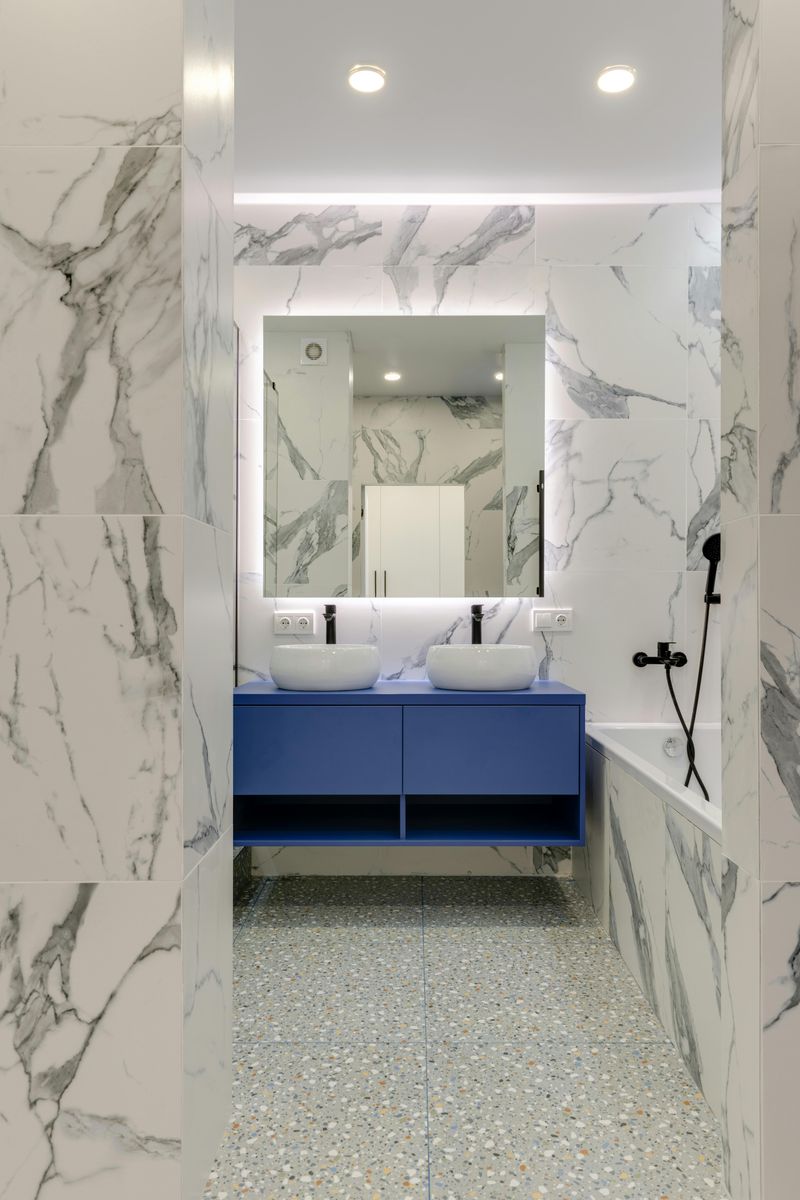
Barn door entries to bathrooms or industrial pipe fixtures might dominate design magazines today, but trends fade quickly and can make renovations look dated within just a few years.
What feels fresh now may appear tired by the time you sell.
Buyers often prefer classic designs that remain appealing across decades rather than styles tied to specific moments.
Trendy choices can actually reduce a bathroom’s longevity and broad market appeal.
Timeless color palettes, traditional fixture styles, and classic materials maintain their attractiveness regardless of changing fashion.
Neutral foundations with easily updated accessories offer flexibility without committing to soon-to-be-dated permanent features.
12. Underestimating Renovation Costs And Budget
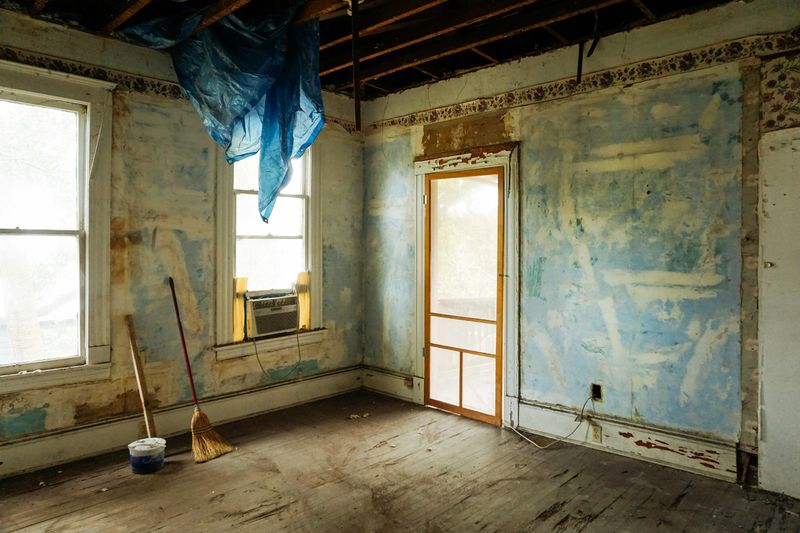
Bathroom renovations frequently cost more than initial estimates, especially when unexpected plumbing issues or structural problems emerge.
Failing to budget for contingencies can leave projects incomplete or force compromising on quality.
Buyers encountering half-finished bathrooms or obvious budget shortcuts lose confidence in the entire property.
Incomplete renovations suggest financial problems or poor planning that extends beyond just the bathroom.
Careful planning with realistic budgets that include fifteen to twenty percent contingency funds helps projects reach proper completion.
Finished renovations done right add value, while abandoned or compromised projects detract significantly from home appeal and buyer trust.
13. Overlooking Sufficient Storage Solutions
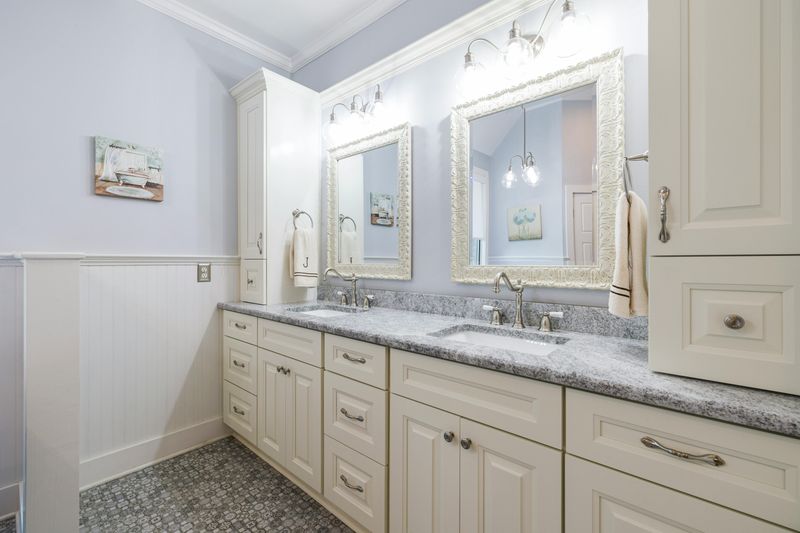
Beautiful countertops lose their appeal when toiletries, towels, and cleaning supplies have nowhere to go except cluttering visible surfaces.
Inadequate storage makes bathrooms feel disorganized regardless of attractive finishes.
Buyers evaluating bathrooms mentally inventory where they would store their belongings, and insufficient options become immediately apparent.
Lack of practical storage ranks among the most common buyer complaints about otherwise attractive bathrooms.
Incorporating built-in cabinets, recessed shelving, or well-planned vanities with adequate drawer space addresses real daily needs.
Thoughtful storage solutions demonstrate understanding of how people actually use bathrooms, making spaces more functional and appealing.
14. Failing To Plan For Future Accessibility Needs
Step-in tubs, narrow doorways, and fixtures requiring significant reach or bending may work fine now but limit future usability.
Aging homeowners or family members with mobility challenges find these features increasingly problematic.
Buyers thinking long-term appreciate bathrooms designed with flexibility for changing needs.
Universal design elements like curbless showers or reinforced walls for potential grab bars add value without appearing institutional.
Planning for accessibility does not mean sacrificing style, but rather creating spaces that serve users throughout different life stages.
Virginia’s growing population of older adults makes these considerations increasingly relevant to maintaining strong resale value.
15. Attempting Complex DIY Work Without Professional Expertise

Plumbing connections, electrical wiring, and proper waterproofing require specific skills that YouTube tutorials cannot fully teach.
Well-intentioned DIY efforts often result in leaks, code violations, or finishes that look amateurish upon close inspection.
Buyers and their inspectors can typically identify amateur workmanship, which raises concerns about hidden problems throughout the home.
Poor installation may require complete demolition and professional rebuilding, eliminating any initial cost savings.
Hiring experienced contractors ensures renovations meet professional standards and local Virginia building requirements.
Quality workmanship provides documentation, warranties, and confidence that attracts buyers rather than frightening them away with obvious mistakes.