20 Beautiful Bend, Oregon Hikes Perfect For Outdoor Adventures
Bend has many trails and each one genuinely earns its place here. Oregon looks entirely different on every route across this whole varied list.
Pine forests open onto lava fields and the contrast always surprises visitors. Summit views arrive without warning and the scale lands harder than expected.
Every skill level finds something appropriate and satisfying to attempt here. Families and serious trekkers alike leave with something specific and lasting.
I finished one route and immediately planned which one comes next. Each trail earns its spot through something tangible and entirely its own.
Lace up and trust that Bend will handle the rest from there.
1. Lava River Cave Trail
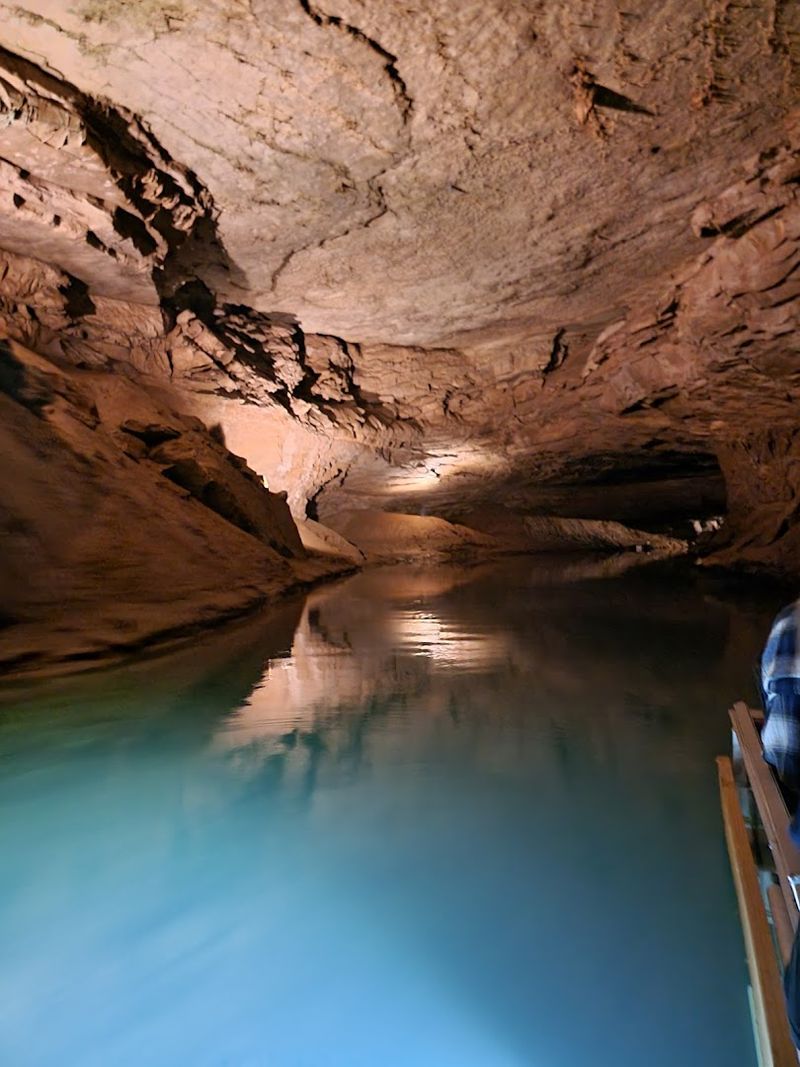
Can you believe there is a mile-long lava tube hiding right beneath the Oregon ponderosa forest?
The Lava River Cave Trail takes you underground into a volcanic tunnel formed roughly 80,000 years ago. It is one of the longest uncollapsed lava tubes in the state.
The cave stays around 42 degrees Fahrenheit year-round, so bring a warm jacket no matter what season you go. You will also need a lantern or headlamp because the darkness inside is absolute.
The trail stretches about two miles round trip underground. The ceiling height varies dramatically, from towering chambers to low crawl zones.
Kids and adults both find the geological formations fascinating. This trail is managed by the U.S.Forest Service. It is open seasonally, usually from mid-May through fall.
2. Abiqua Falls
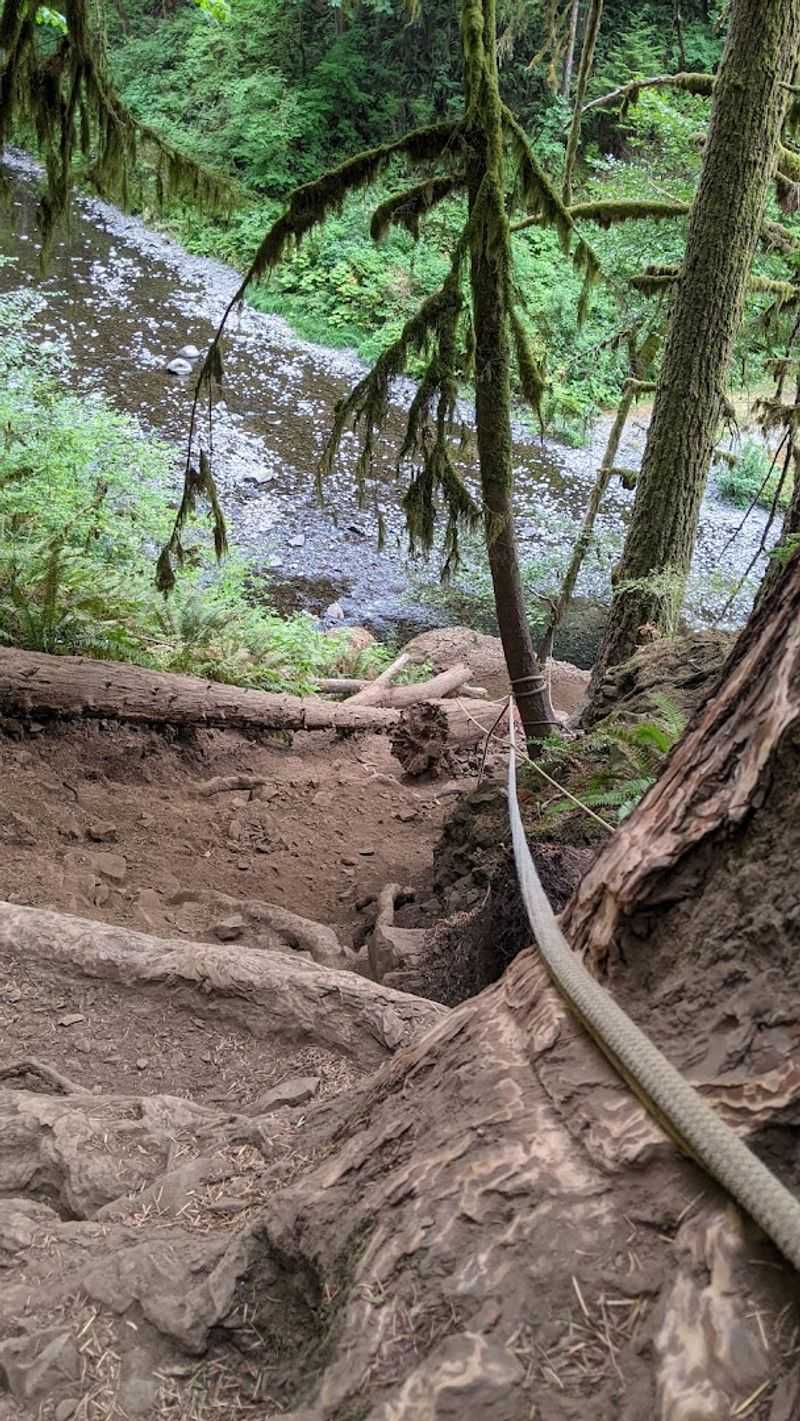
Trust me, the scramble to reach this waterfall is every bit worth the effort.
Abiqua Falls near Scotts Mills in the Willamette Valley region of Oregon is one of those hidden rewards that most casual hikers never find. The trail is rugged and unmaintained, which keeps the crowds away.
Getting there requires navigating a steep, rocky descent and crossing a creek. Sturdy footwear with ankle support is not optional here.
The payoff is a dramatic horseshoe-shaped basalt amphitheater surrounding a 92-foot waterfall that drops into a shallow turquoise pool.
The surrounding walls are draped in moss and ferns, creating a cathedral-like atmosphere that feels ancient and untouched. Photography enthusiasts love the way the light filters in during morning hours.
The hike itself is roughly three miles round trip with significant elevation change.
3. South Sister Trail
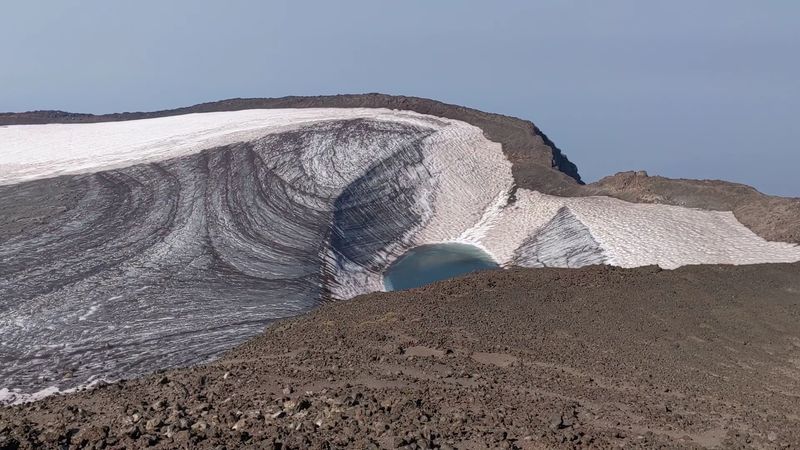
I never would have guessed that a non-technical summit climb in Oregon could leave me this breathless, and not just from the altitude.
The South Sister Trail in the Three Sisters Wilderness leads to the third-highest peak in the state at 10,358 feet. This is a serious all-day adventure.
The round trip is roughly 12 miles with about 4,900 feet of elevation gain. Most hikers start from the Devils Lake Trailhead.
The upper section crosses loose volcanic rock and often snow well into summer.
At the summit, you are rewarded with a crater lake and jaw-dropping panoramic views of the Cascade Range. On clear days, you can see Mount Jefferson, Mount Hood, and even Mount Rainier far to the north.
The hike demands good fitness, proper layers, and plenty of water. A free self-issue wilderness permit is required at the trailhead.
Starting before sunrise is the single best decision you can make for this climb.
4. West Metolius River Trail
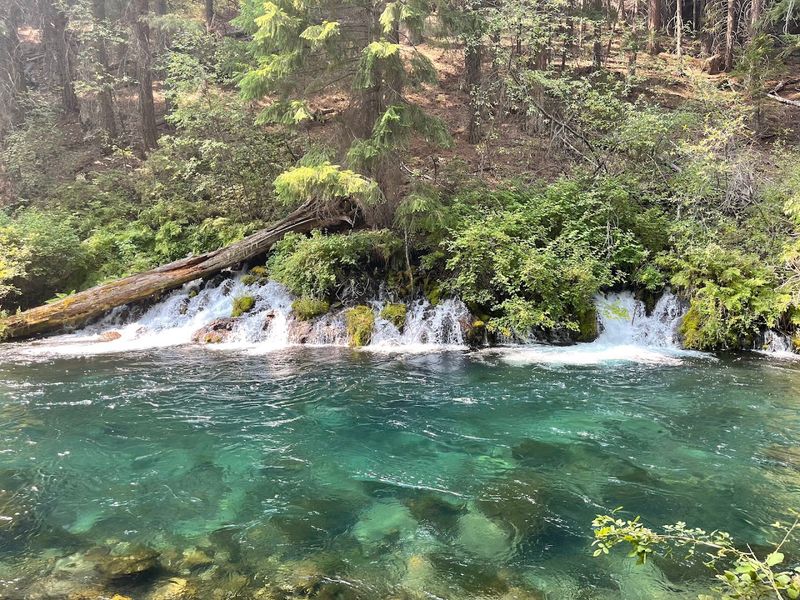
Believe me, not every great hike in Oregon involves climbing a mountain or chasing a waterfall.
The West Metolius River Trail near Camp Sherman follows one of the most pristine spring-fed rivers in the entire Pacific Northwest. The Metolius River springs fully formed from the base of Black Butte.
This trail runs along the western bank for roughly six miles one way through towering ponderosa pines and Douglas fir. The path is mostly flat, making it accessible for a wide range of hikers.
Wildlife sightings along this corridor are common. Osprey, bald eagles, and deer are regular companions on this walk.
The trail eventually reaches Candle Creek Campground before looping back.
Spring and fall are the quietest and most magical seasons here. The Metolius is also a federally designated Wild and Scenic River.
5. Sahalie & Koosah Falls
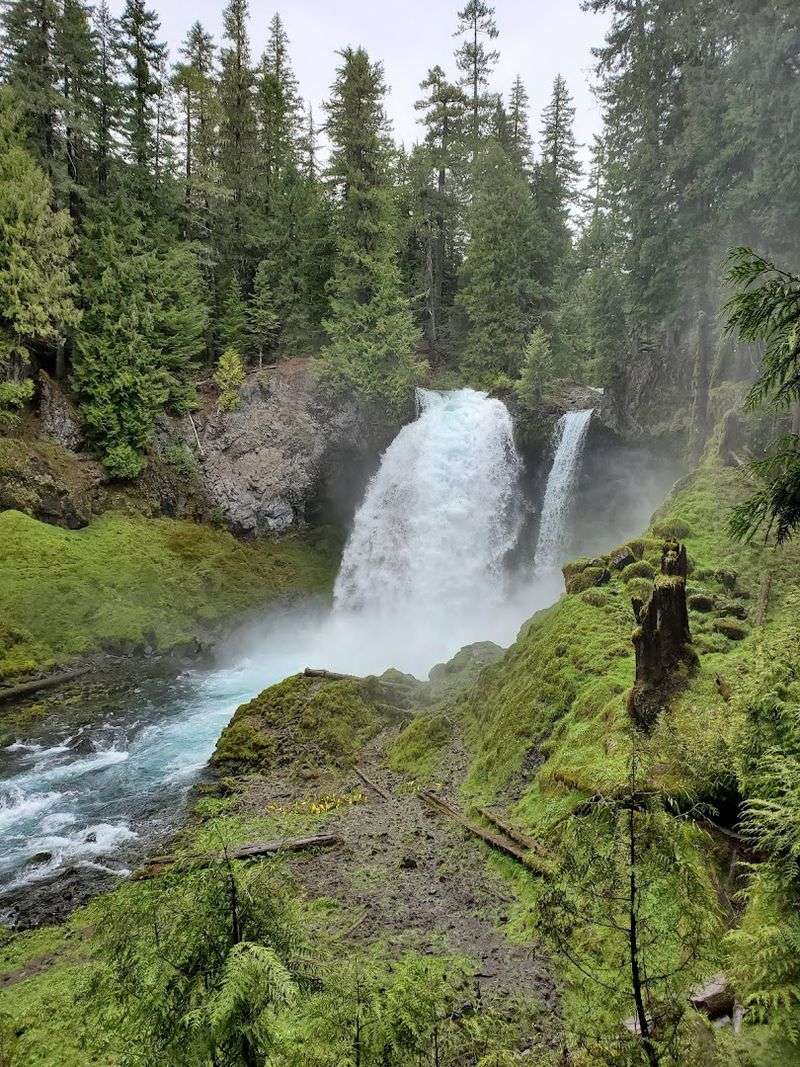
Would you ever think that two world-class waterfalls could sit less than a mile apart on the same river?
Sahalie and Koosah Falls along the McKenzie River in the Willamette National Forest deliver a double waterfall experience that is hard to match anywhere in the state. The loop connecting them is only about 2.6 miles.
Sahalie Falls drops 100 feet in a thundering cascade of white water over ancient lava. Koosah Falls, just downstream, plunges 70 feet into a swirling pool of electric turquoise.
Both are genuinely spectacular.
The trail loops through old-growth forest with interpretive signs explaining the volcanic geology of the area. The path is well-maintained and relatively flat, making it family-friendly.
The falls are most powerful during spring snowmelt but remain impressive year-round. Parking at the Sahalie Falls Trailhead off Highway 126 is the standard starting point.
6. Tamolitch Blue Pool
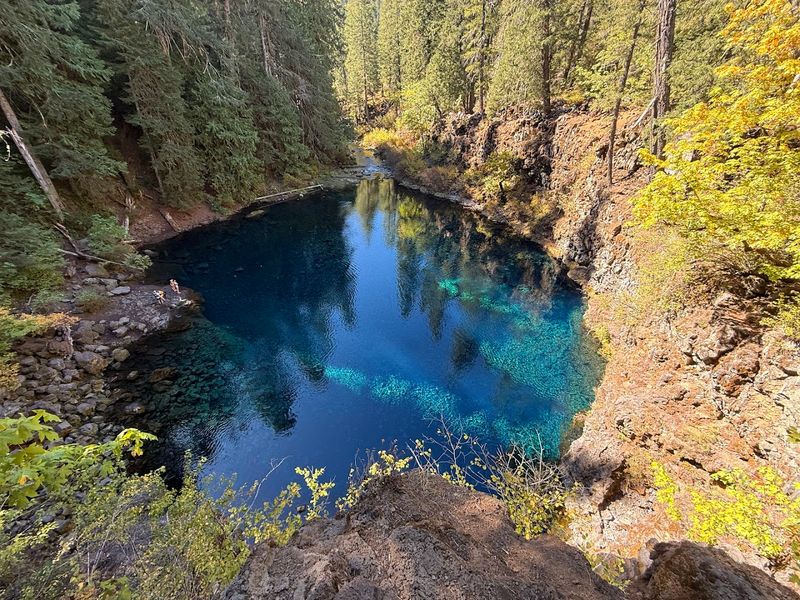
I know, a pool so blue it looks like someone poured food coloring into the river.
The Tamolitch Blue Pool on the McKenzie River near Sisters is one of the most photographed natural features in the entire state. The name comes from a Chinook word meaning tub or bucket.
The hike to reach it is about four miles round trip along the McKenzie River National Recreation Trail. The path winds through beautiful old lava flows and mixed forest.
What makes this spot so unusual is that the river disappears underground upstream and reappears here in a dramatic upwelling.
The pool is fed by cold underground springs, keeping the water around 34 to 38 degrees Fahrenheit even in summer. Swimming is possible for the brave, but the cold is genuinely intense.
The surrounding black lava walls create a striking contrast with the vivid blue water.
7. Tumalo Falls
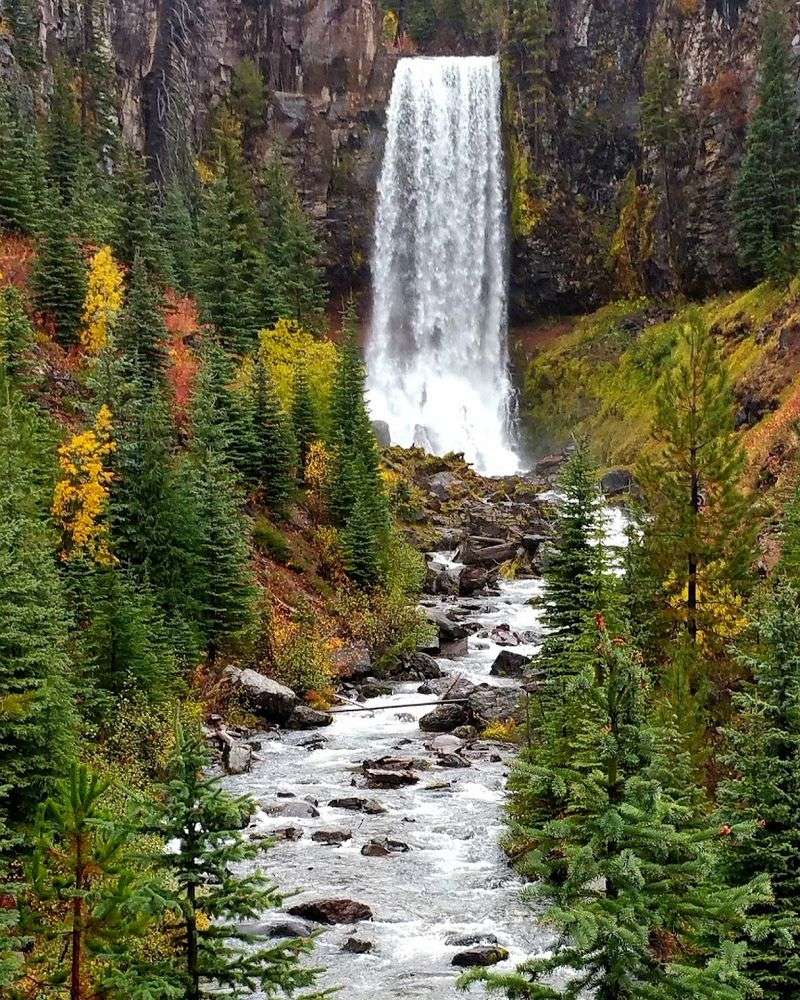
Just a short drive west of Bend is one of the most accessible yet genuinely dramatic waterfalls in the region.
Tumalo Falls drops 97 feet in a single powerful plunge that you can see from the parking area, but the real fun starts when you hike further up the trail. The main falls are just the opening act.
The trail continues up Tumalo Creek past a series of smaller cascades into the upper canyon. The full out-and-back to the upper falls is around seven miles round trip.
The elevation gain is steady but manageable for most fit hikers.
Dogs are welcome on leash, which makes this a popular weekend outing for pet owners. Parking requires a Northwest Forest Pass or day-use fee.
8. Salt Creek Falls
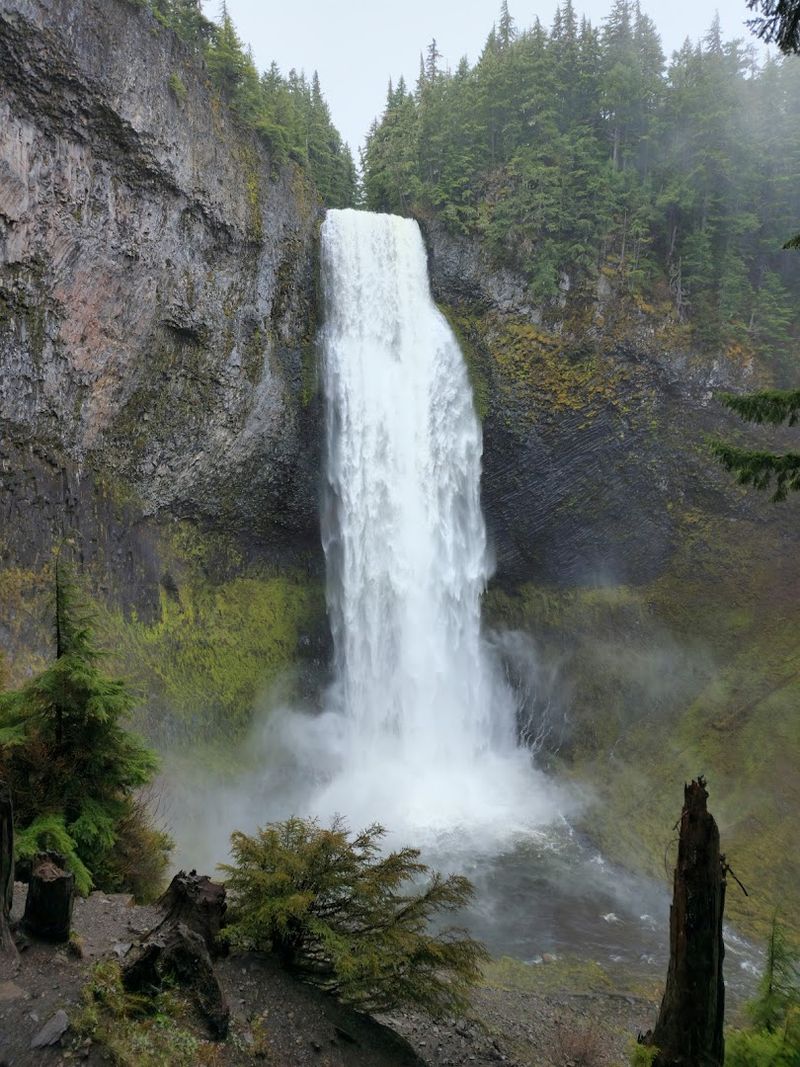
It might seem almost unfair that one waterfall can be this tall and this easy to reach, right?
Salt Creek Falls near Oakridge in the Willamette National Forest drops an extraordinary 286 feet, making it the second-tallest waterfall in the entire state.
A short paved path leads to the main overlook, but a steeper trail descends into the canyon for a close-up view from the base. The mist at the bottom is refreshing and the roar of the falls is genuinely powerful.
The round trip to the base and back is under two miles.
A longer connecting trail links Salt Creek Falls to the Diamond Creek Falls Loop, adding several more miles and a second impressive waterfall to the outing. The surrounding old-growth forest adds a lush, green backdrop throughout the year.
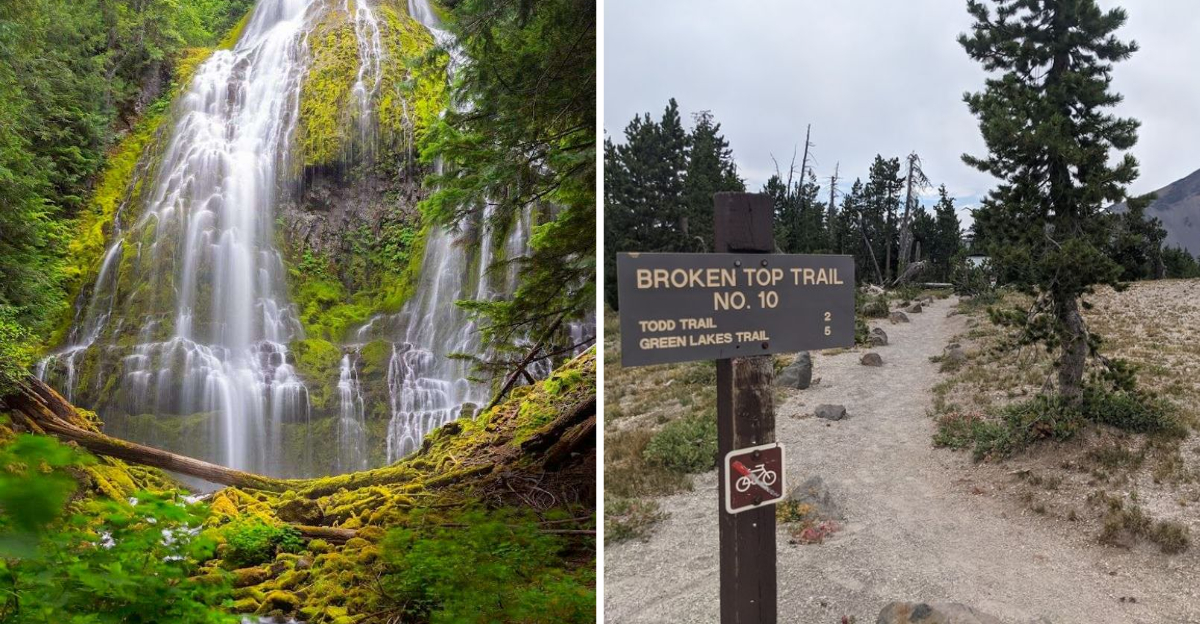
9. Broken Top Trail To No Name Lake
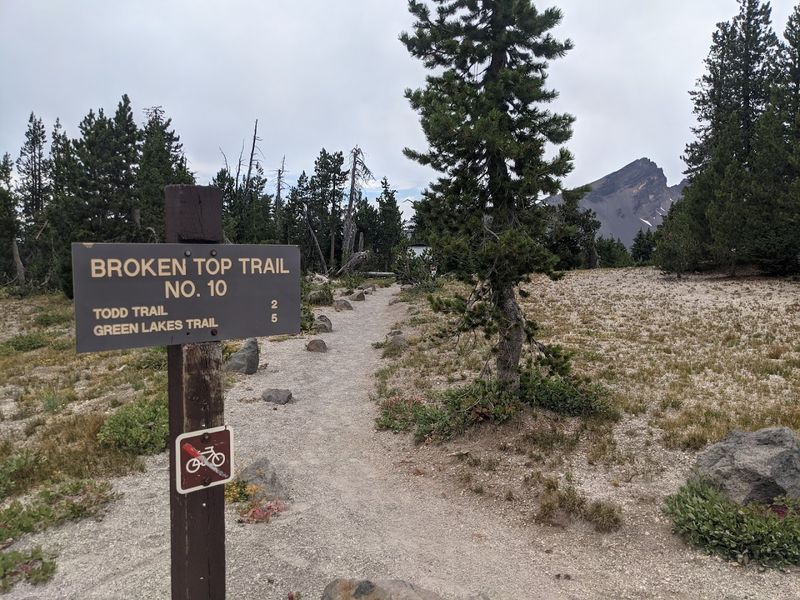
Who would have thought that a lake with no official name could be one of the most jaw-dropping destinations in the Oregon Cascades?
The Broken Top Trail to No Name Lake in the Three Sisters Wilderness rewards hikers with a remote alpine cirque that feels completely off the grid. The volcanic spires of Broken Top tower above the water.
The hike is roughly nine miles round trip with about 1,800 feet of elevation gain. The trail starts from the Todd Lake Trailhead and passes through beautiful meadows before climbing into rocky alpine terrain.
No Name Lake sits at the base of Broken Top’s north face at around 7,400 feet elevation. The color of the water shifts with the light, ranging from steel gray to deep green.
Camping near the lake requires a wilderness permit and Leave No Trace practices. This is a quieter alternative to the heavily trafficked Green Lakes Trail.
10. Cleetwood Cove Trail, At Crater Lake National Park
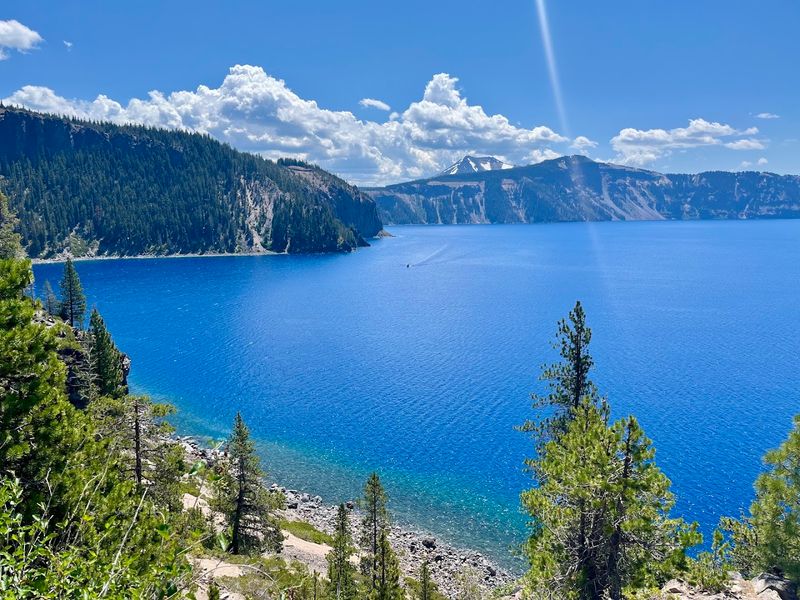
I must admit, the only way to actually touch the water at Crater Lake is to earn it with your legs.
The Cleetwood Cove Trail at Crater Lake National Park is the sole legal route down to the lake’s shoreline. That fact alone makes it one of the most unique hikes in the entire national park system.
The trail is just 2.2 miles round trip, but it drops 700 feet in elevation over only one mile going down. That means the return climb is steep and relentless.
Bring water and take your time on the way back up.
At the bottom, you can swim in the incredibly clear and cold water or board a boat tour that circles the caldera. Crater Lake sits at 6,178 feet above sea level and holds the deepest lake in the United States at 1,943 feet.
The blue color is legendary and completely natural.
11. White River Falls
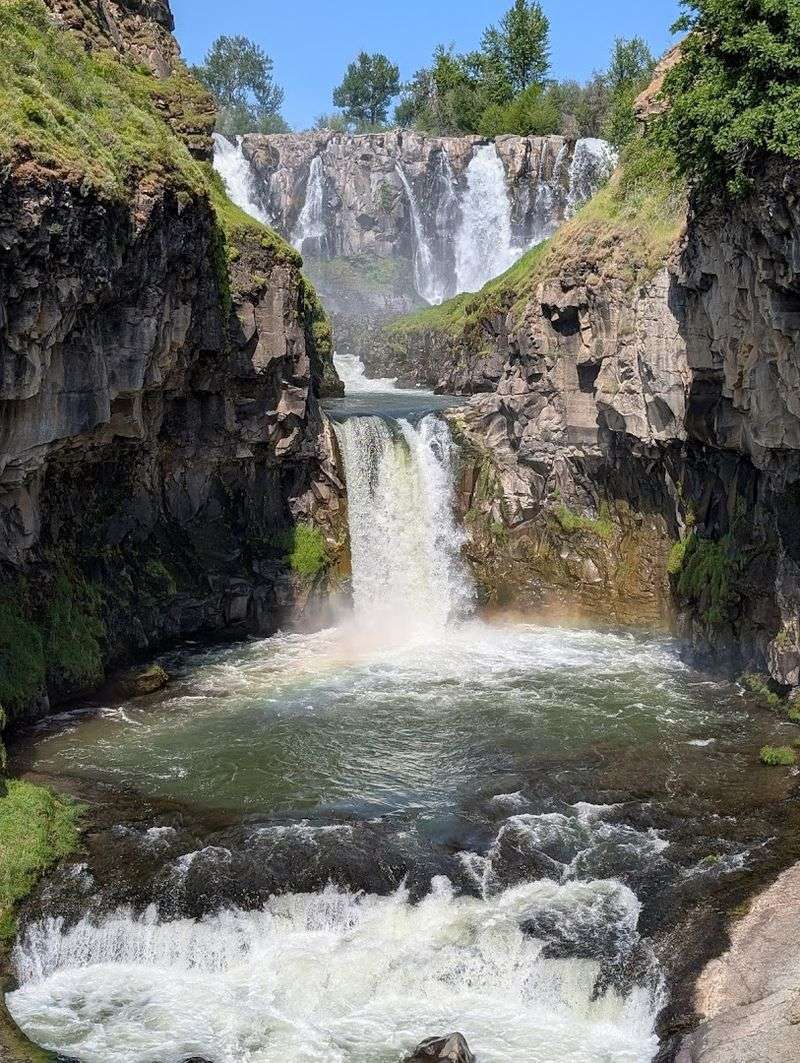
You might not believe me, but one of Oregon’s most striking waterfalls sits in the middle of dry, golden high desert country.
White River Falls State Park near Tygh Valley is a hidden spot that most out-of-state visitors never find. The contrast between the desert landscape and the rushing falls is genuinely startling.
The main falls drop about 90 feet over a series of basalt ledges before continuing downstream in a second smaller cascade. The trail down to the base is short, under one mile round trip, but it is steep and rocky.
Old ruins of a hydroelectric power plant from the early 1900s sit near the bottom.
The park is free to enter and rarely crowded, even on summer weekends. The White River runs with glacial melt from Mount Hood, giving the water a milky, pale color that matches its name.
12. Moraine Lake Trail
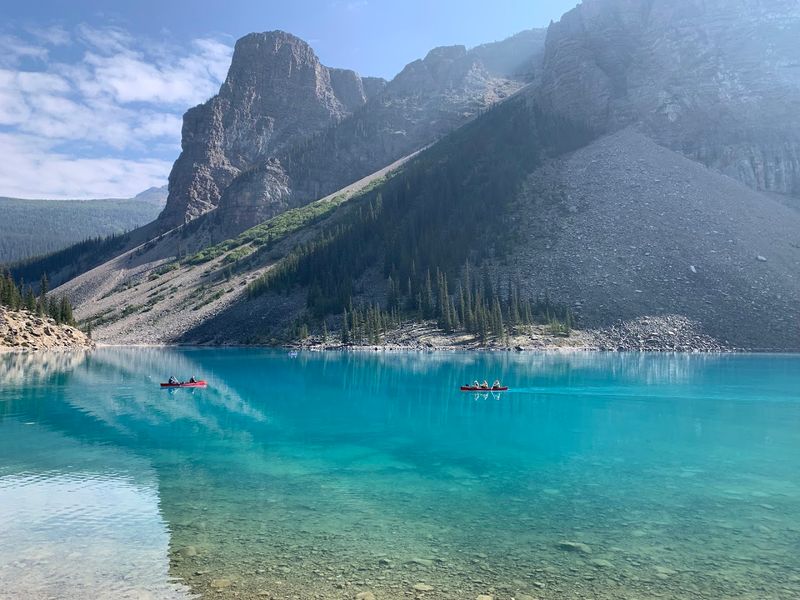
Doesn’t it sound interesting that a glacier left behind a perfectly formed lake just waiting to be discovered on foot?
The Moraine Lake Trail in the Three Sisters Wilderness, leads to a quiet alpine lake cradled by ancient glacial moraines. It is far less crowded than nearby Green Lakes, making it a smart choice for solitude seekers.
The hike is approximately 9.4 miles round trip starting from the Devils Lake Trailhead. The elevation gain is moderate at around 1,000 feet.
The trail passes through open pumice flats and sparse subalpine forest before reaching the lake.
Moraine Lake sits at roughly 6,600 feet and reflects the surrounding ridgeline in calm conditions. The South Sister looms impressively in the background throughout much of the approach.
Early morning light on the water is particularly photogenic. Backpacking is permitted with a wilderness permit, and the lake area offers several good camping spots.
13. Green Lakes, Soda Creek Trail
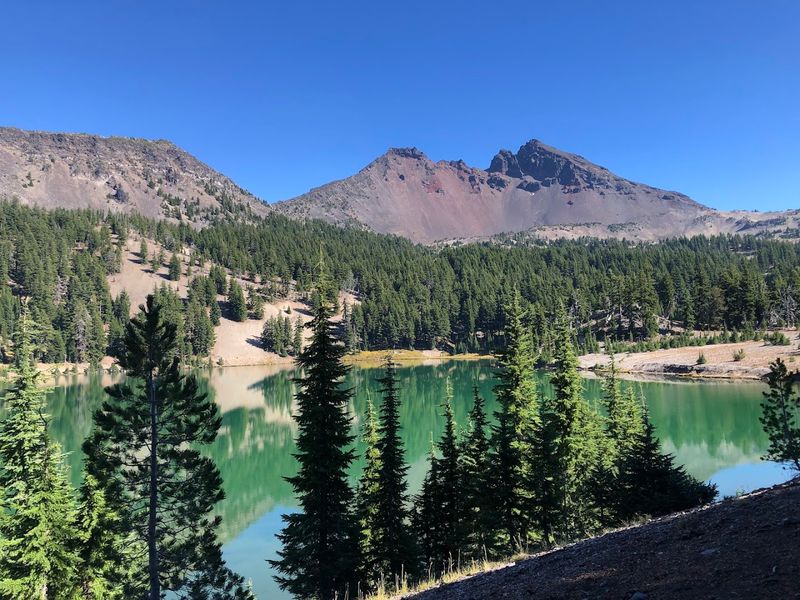
There is something almost unreal about stumbling into a meadow where three bright green lakes sit directly below two volcanic peaks.
The Green Lakes and Soda Creek Trail in the Three Sisters Wilderness is one of the most popular hikes in the entire region, and the popularity is completely justified. The scenery is consistently stunning from start to finish.
The standard route from the Soda Creek Trailhead is about 9.2 miles round trip with 1,100 feet of elevation gain. The trail follows Soda Creek through old-growth forest before opening into wide volcanic meadows.
Wildflowers in July and August are extraordinary.
The three Green Lakes range in elevation from 6,500 to 6,600 feet. South Sister and Broken Top frame the lakes on either side in a dramatic volcanic panorama.
A wilderness permit is required for both day use and camping during the busy summer season.
14. Paulina Peak Trail
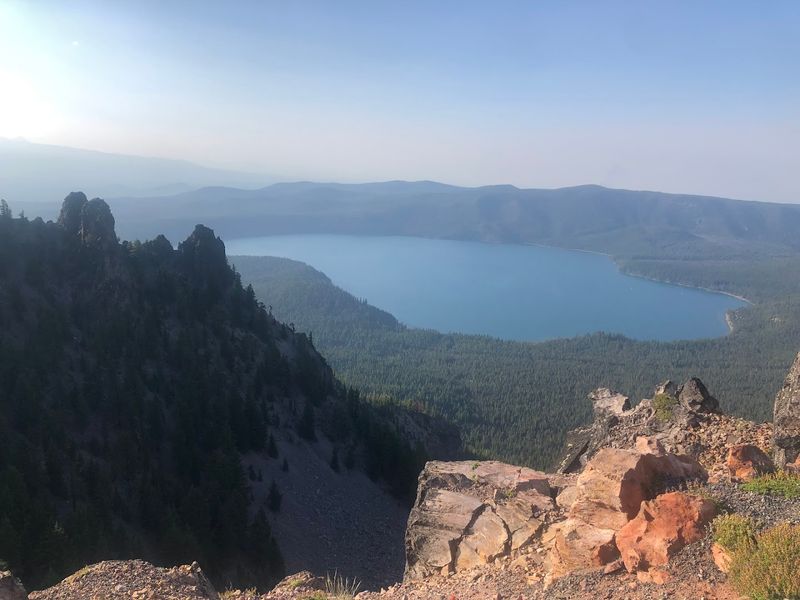
I never would have guessed that hiking to the top of a volcano would reveal a crater containing two lakes inside it.
The Paulina Peak Trail at Newberry Volcano National Monument near La Pine takes you to the highest point on the rim of the Newberry Caldera at 7,985 feet.
The trail to the summit is about four miles round trip from Paulina Lake Campground with around 1,500 feet of elevation gain. An alternate route from the summit parking area cuts the distance significantly.
Both options deliver the same remarkable summit panorama.
From the top, you can see Paulina Lake and East Lake sitting side by side inside the ancient caldera below. The obsidian flows on the flanks of the volcano are visible and fascinating.
On clear days, the view extends to the Cascades and even into the Great Basin.
15. Shevlin Park Loop Trail
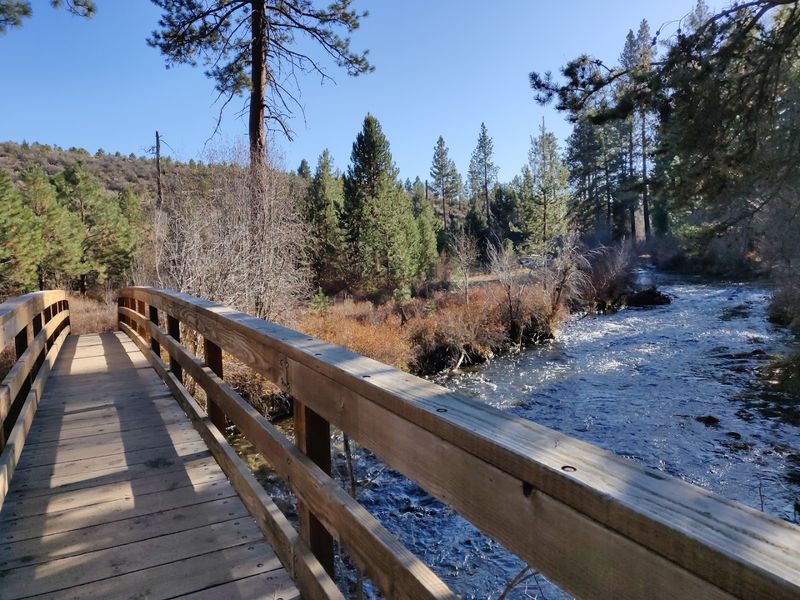
Not every great hike needs to be a grueling all-day suffer fest to leave a lasting impression.
The Shevlin Park Loop Trail in Bend is one of the local favorites that delivers towering ponderosa pines, creek crossings, and canyon views within the city limits.
The full loop is about five miles with minimal elevation change, making it ideal for runners, families, and anyone wanting a mellow but beautiful outing.
Tumalo Creek runs through the park and provides a pleasant soundtrack for the entire walk. The canyon walls in the eastern section of the loop add a surprising sense of depth and drama.
The park is free and open year-round, which makes it a genuine everyday treasure for Bend residents. Shevlin Park is located on Shevlin Park Road just west of downtown Bend.
16. Sparks Lake
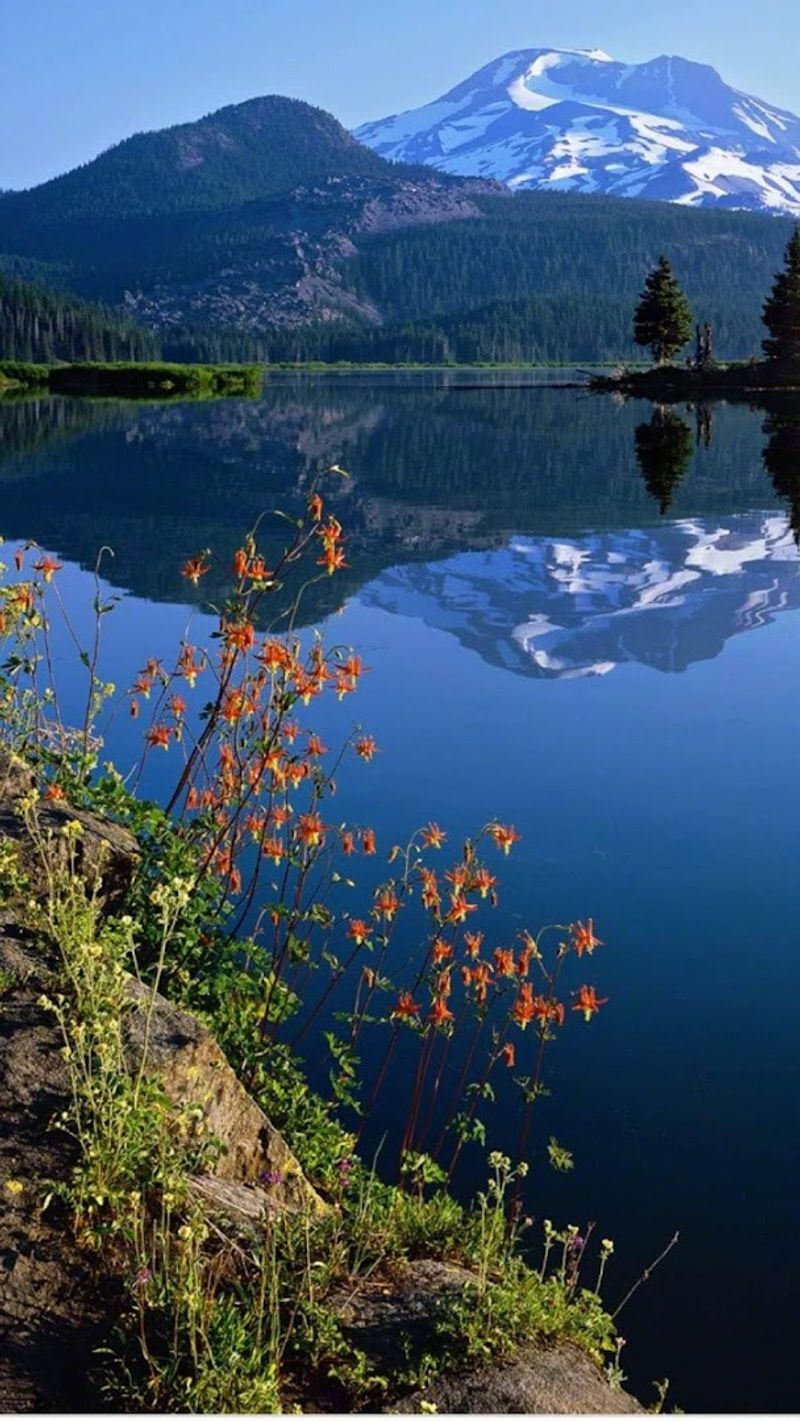
Can you believe that one of the most photographed lakes in Oregon sits at the end of a nearly flat walk through a volcanic landscape?
Sparks Lake near Bend in the Three Sisters Wilderness area is less a traditional hike and more a wander through an open, otherworldly lava field.
The main trail around the lake is about 3.6 miles with virtually no elevation gain. The volcanic rock formations along the shoreline are dramatic and constantly interesting.
At the right hour, the reflections of South Sister and Broken Top on the water surface are mirror-perfect.
Kayaking and canoeing are popular activities on the lake, and a small boat ramp is available near the parking area. Wildflowers bloom in the surrounding meadows from June through August.
17. Proxy Falls
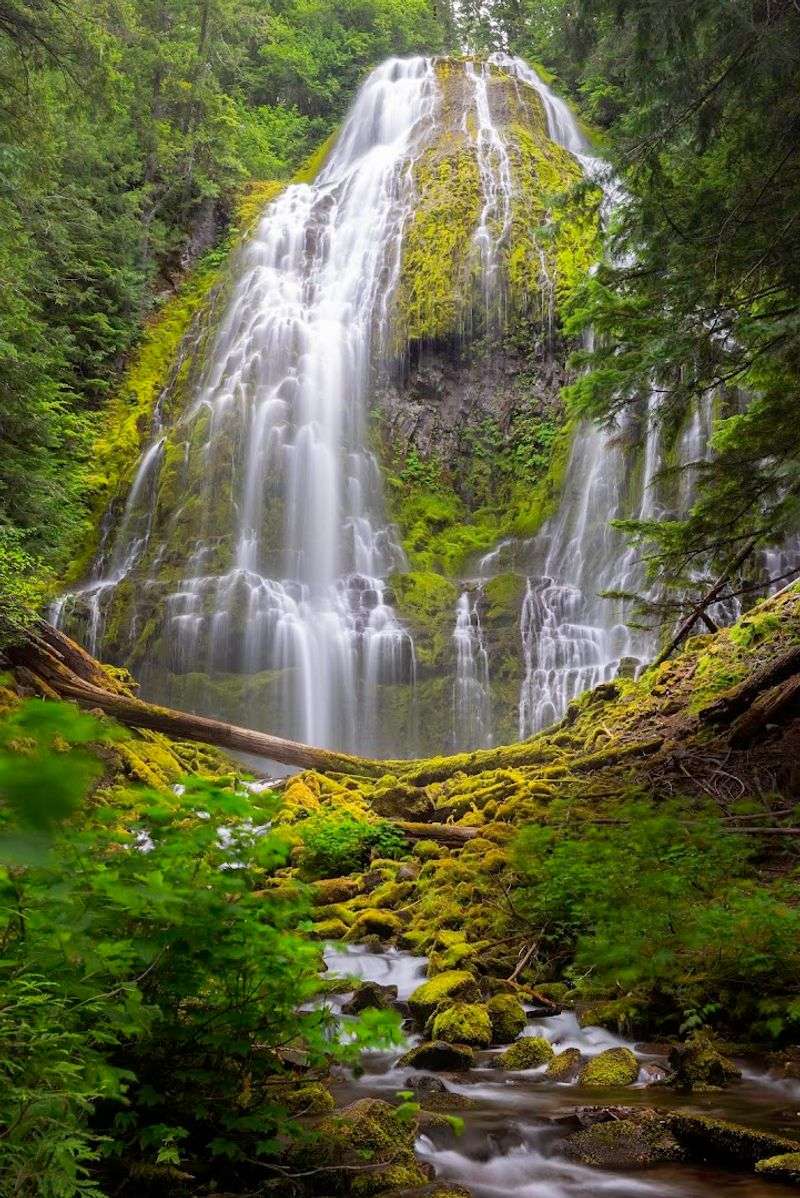
There is a waterfall in Oregon that drops over a wall of basalt columns and then completely disappears into a lava field at the bottom. I am still thinking about it.
Proxy Falls in the Three Sisters Wilderness near Sisters is one of the most geologically fascinating waterfalls in the Pacific Northwest. The water literally vanishes into the porous volcanic rock.
The loop trail to both the Upper and Lower Proxy Falls is only about 1.6 miles round trip. The path winds through stunning old-growth forest with enormous Douglas firs.
Both waterfalls are visible on the same short loop, making the effort-to-reward ratio almost laughably good.
Upper Proxy Falls drops about 200 feet in a wide, fan-shaped curtain of water. Lower Proxy Falls is narrower and more elegant, dropping around 100 feet.
18. Misery Ridge Trail, At Smith Rock State Park
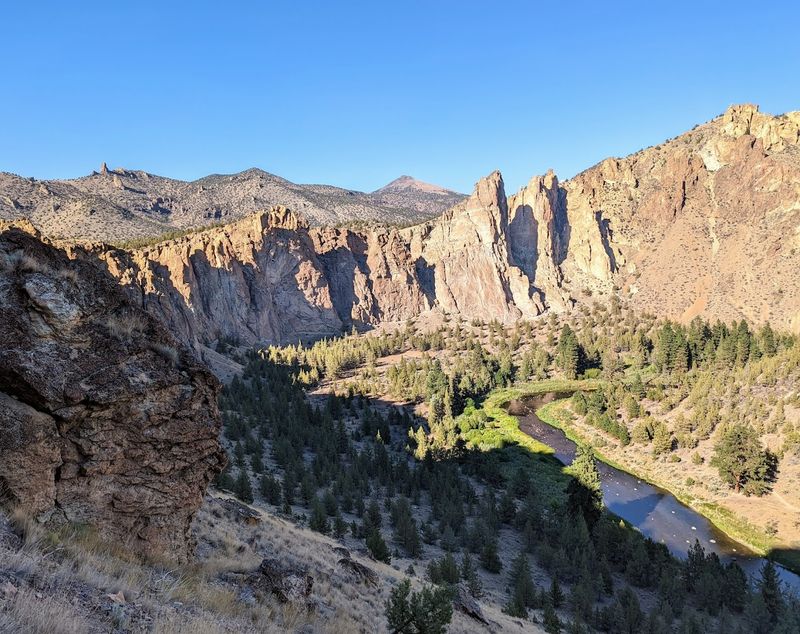
The name alone should tell you something important before you even lace up your boots.
The Misery Ridge Trail at Smith Rock State Park near Terrebonne is the most famous and demanding hike in the park, and it earns its dramatic title with a relentless 700-foot climb up steep switchbacks.
The full Misery Ridge Loop is about 3.8 miles and combines the ridge ascent with the River Trail below.
The Crooked River snakes through the canyon floor far below, creating a stunning visual contrast with the towering orange and red volcanic tuff formations. Rock climbers can often be spotted on the famous spires.
Smith Rock is widely credited as the birthplace of modern sport climbing in the United States. The park is open year-round, and the trail can be hiked in all seasons with proper preparation.
19. Deschutes River Trail
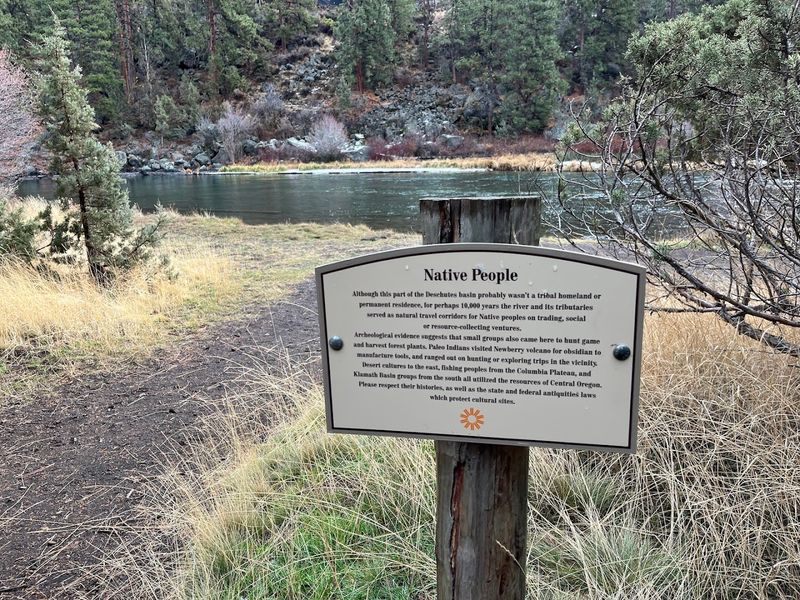
Some trails are built for speed and summits, but this one is built for the pure pleasure of moving through a beautiful river canyon.
The Deschutes River Trail near Bend, stretches for over 20 miles along the banks of the Deschutes River through a striking high desert canyon. It is one of the most versatile trails in the region for hiking, running, and cycling.
The trail passes through a mix of juniper scrub, basalt rimrock, and open meadows with the river always nearby. Multiple access points allow you to choose your own distance and starting point.
The Meadow Day Use Area and Dillon Falls are two of the most popular entry points.
Dillon Falls and Lava Island Falls are two significant river features visible directly from the trail. The trail is accessible year-round and particularly beautiful in early spring when wildflowers begin to bloom.
The Deschutes River is a designated Wild and Scenic River.
20. Tumalo Peak
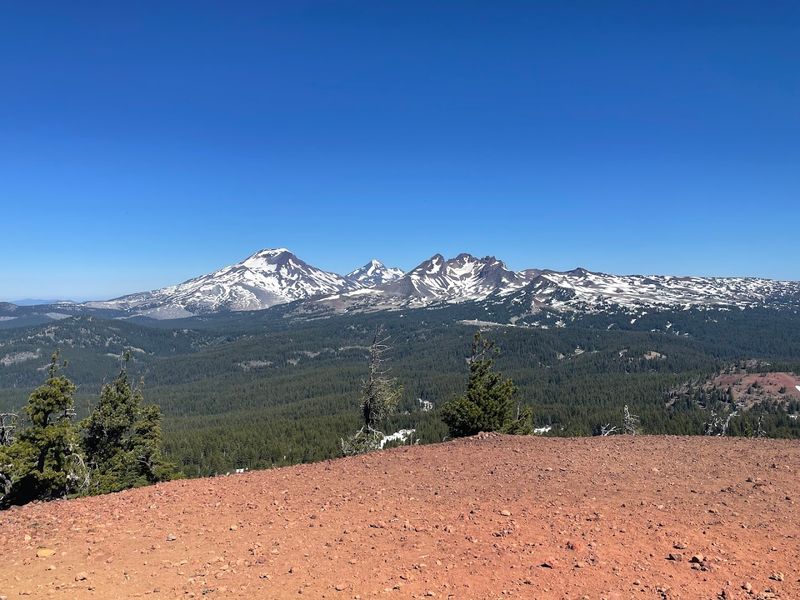
For those who want a summit experience without committing to a 12-mile suffer march, this peak delivers something genuinely special.
Tumalo Peak in the Three Sisters Wilderness, rises to 7,775 feet and offers one of the most comprehensive panoramic views in all of Central Oregon.
The hike is approximately 7.2 miles round trip from the Dutchman Flat Sno-Park Trailhead. The elevation gain is around 1,500 feet, which is challenging but not extreme.
The upper section crosses open pumice slopes with wide, unobstructed views in every direction.
From the summit, you can see South Sister, Broken Top, Bachelor Butte, and on clear days, a long stretch of the Cascade Range from north to south.
The volcanic pumice landscape near the top has a lunar, otherworldly quality that feels totally unlike the forested trails below.