10 Beautiful Colorado Hiking Trails That Don’t Get As Much Hype As They Should
Colorado’s most famous trails have a secret. They’re often crowded and sometimes overshadow the many quieter trails scattered across the state.
The Rockies hold hundreds of trails that never make the listicles. No crowds.
No permit lotteries. Just raw, untouched mountain scenery and the quiet that most hikers drive right past.
I’ve spent years wandering off the beaten path in this state. What I found would genuinely surprise you.
Some lead to viewpoints that rival anything in Rocky Mountain National Park. Others cross landscapes so unusual and beautiful they feel almost unreal.
A few are quiet enough that you may not see another hiker all day. These trails deserve to be on every hiker’s list.
They just haven’t been, until now.
1. Devil’s Head Lookout Trail, Sedalia
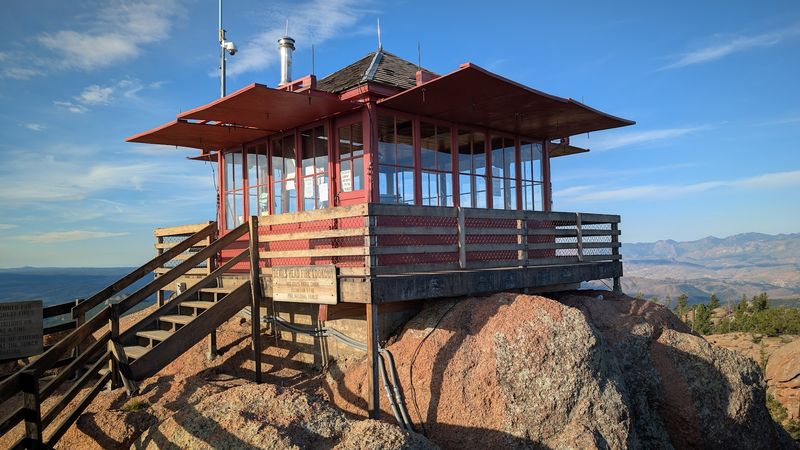
A few historic fire lookout towers are still maintained here, and this one near Sedalia is among the most famous. Even so, many visitors to the area still overlook it.
The trail is about 1.4 miles one way, making it manageable for most fitness levels, including older kids.
The path winds through a ponderosa pine forest that smells incredible, especially on a warm morning. Granite boulders line the route as you climb, giving the landscape a rugged, ancient feeling.
Near the summit, you will climb a series of wooden stairs to reach the lookout tower itself, which dates back to 1912 and is one of the last staffed fire lookouts in the region.
The views from the top stretch for miles across the Pike National Forest. On a clear day, you can spot distant peaks and rolling ridgelines that seem to go on forever.
Bring a light jacket because the wind picks up fast at elevation. The trail is best visited on weekday mornings when foot traffic is lightest.
2. Rattlesnake Gulch Trail, Eldorado Canyon State Park
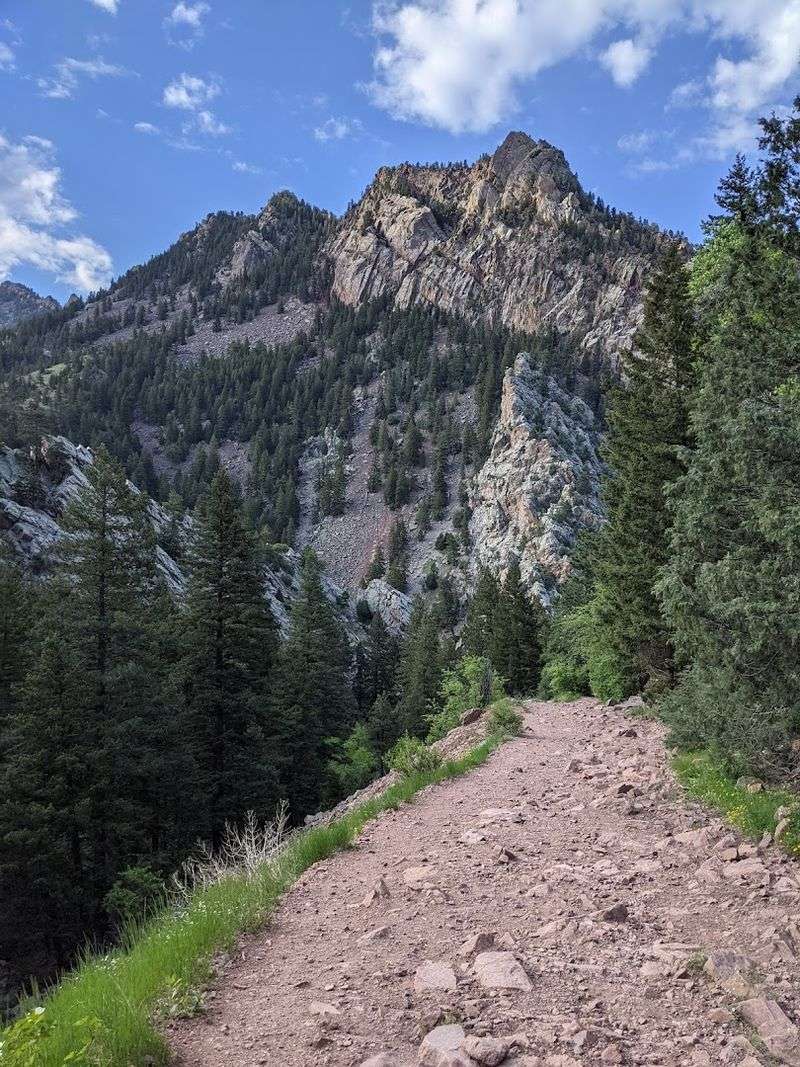
Eldorado Canyon State Park gets attention for rock climbing, but the Rattlesnake Gulch Trail is a quieter side of the park that many visitors miss. This trail climbs about 1.5 miles to the ruins of the old Crags Hotel, a resort that burned down in the early 1900s.
There is something eerie and fascinating about stumbling across stone foundations in the middle of a canyon.
The trail itself moves through open scrub and scattered pines before revealing sweeping views of the canyon below. The red and tan sandstone walls tower on both sides, and the contrast of rock against sky is genuinely striking.
You do not need advanced hiking experience to complete this route, but the elevation gain will get your heart pumping.
Eldorado Canyon sits just south of Boulder, so it makes an easy day trip from Denver or elsewhere along the Front Range. The geology feels especially vivid here, with layers of exposed rock all around you.
Bring plenty of water, since the upper sections offer very little shade. On weekends, it also helps to arrive early before the climbers fill the lot.
Portions of the upper loop are sometimes closed seasonally to protect nesting golden eagles, so it is worth checking current park updates before visiting.
3. Herman Gulch Trail, Near Silver Plume
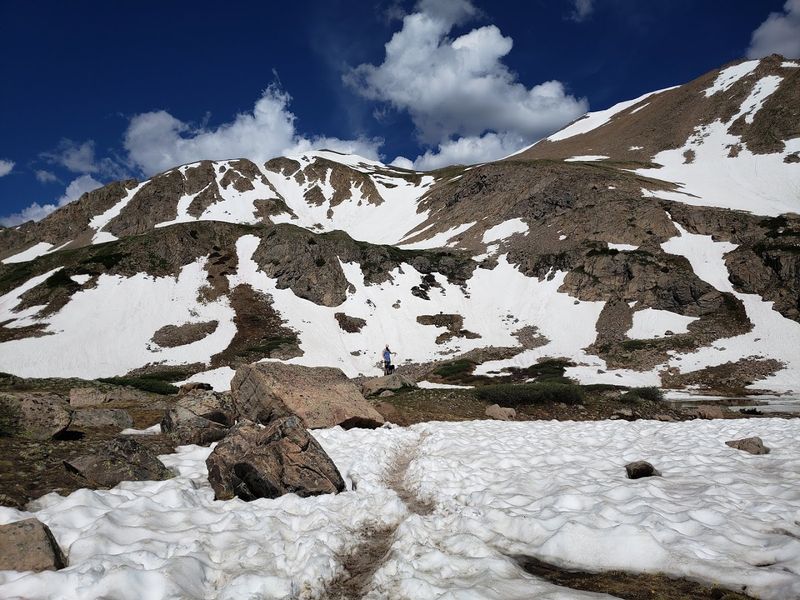
Pull off Interstate 70 near Silver Plume and you are minutes from one of the most beautiful alpine valleys in the region. Many drivers pass right by without realizing what waits above the trailhead.
Herman Gulch Trail is a 6.8-mile out-and-back route that climbs into a wide, open basin ringed by high peaks. The wildflowers in July and August are absolutely outrageous, with whole hillsides covered in columbines, paintbrush, and asters.
The trail follows Herman Creek for much of the lower section, and the sound of rushing water keeps you company the whole way up. As you gain elevation, the trees thin out and the views open up dramatically.
The upper basin feels almost otherworldly, with rocky cirque walls and a small tarn reflecting the sky on calm days.
Herman Gulch sits high enough that the air feels thin and the weather can change fast. Starting early is a smart move, especially in summer when afternoon storms are common.
Since the trailhead is right off Interstate 70, it is one of the easiest alpine hikes in the state to reach. Bring layers and good footwear because the upper section can be rocky and uneven.
4. Mayflower Gulch Trail, Near Copper Mountain
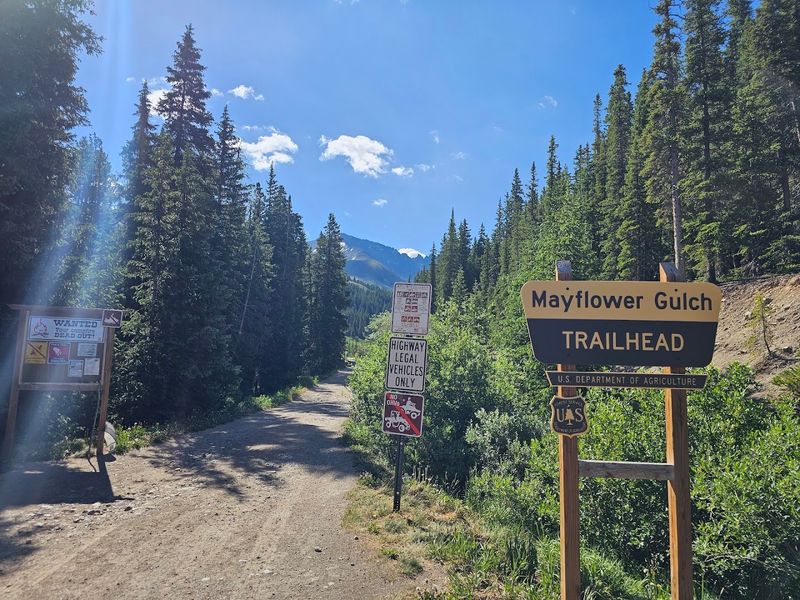
A rusted mining operation sits at the end of this trail near Copper Mountain. Most people have never heard of it.
This 4.4-mile out-and-back hike leads through a wide mountain valley to the remains of the historic Boston Mine. It was one of many mining operations that once worked this area.
The rusted machinery and weathered wooden structures feel like a time capsule from the region’s mining era.
The trail gains elevation gradually, making it a solid choice for hikers who want alpine scenery without a brutal climb. Tall peaks surround the gulch on three sides, and snow often lingers on the upper slopes well into summer.
The contrast between the industrial ruins and the raw mountain landscape creates a mood that is hard to describe but easy to feel.
Fall is an especially good time to visit. The willows and aspens along the valley floor turn gold and orange.
The trailhead sits just off Highway 91, a short drive from Copper Mountain Resort. Even on busy weekends, this trail rarely gets crowded because most visitors are focused on the resort or more famous nearby hikes.
Dogs are welcome on leash, so feel free to bring your hiking partner along.
5. Chief Mountain Trail, Near Idaho Springs
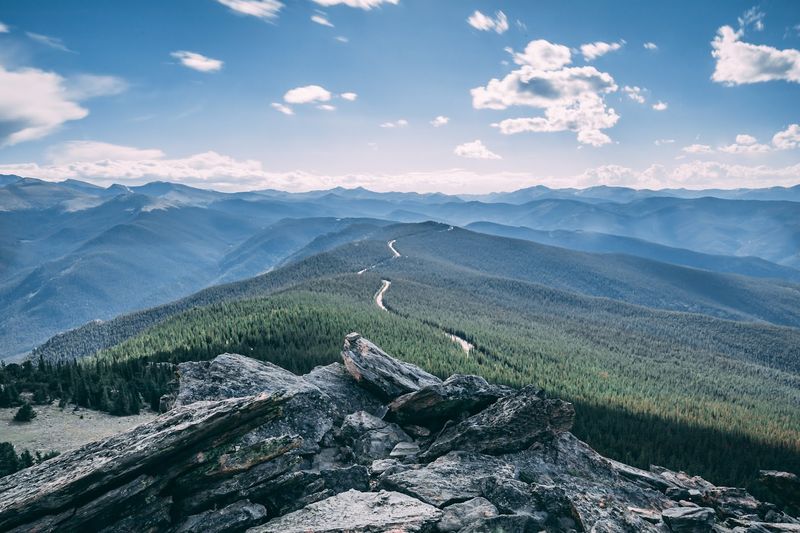
Thousands of people drive Highway 103 every summer, but many do not realize a short summit hike starts nearby. That is their loss.
The hike is about 3 miles round trip, gaining around 900 feet in elevation, which makes it one of the more approachable summit hikes in the Front Range.
The trail moves through thick spruce and fir forest before breaking out onto open rocky terrain near the top. Views from the summit stretch across the Continental Divide, with layers of ridgelines fading into the distance.
On a clear day, you can see all the way to the Denver metro area far below to the east.
Chief Mountain sits at 11,709 feet, so the air feels noticeably thin even for acclimatized hikers. The trailhead is off Colorado Highway 103 near Echo Lake.
It makes an easy add-on to a drive along the Mount Evans Scenic Byway. Wildflowers bloom along the lower trail in summer, and the fall colors in the surrounding forest are worth a special trip.
Parking is limited, so arriving before 8 a.m. on weekends is a smart strategy.
6. Ice Lakes Basin Trail, Near Silverton
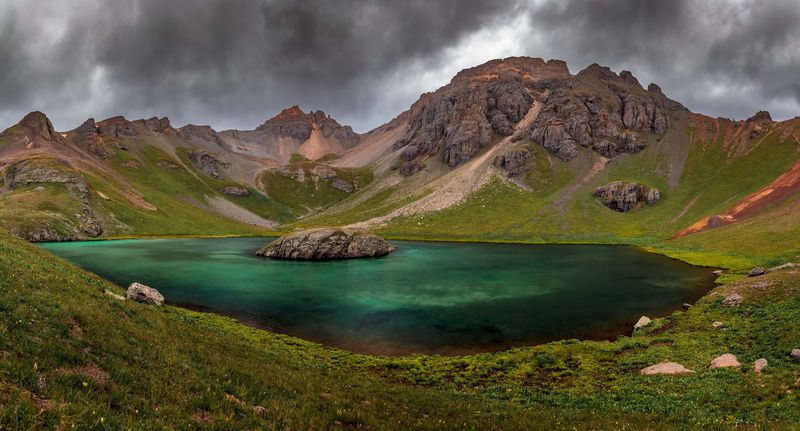
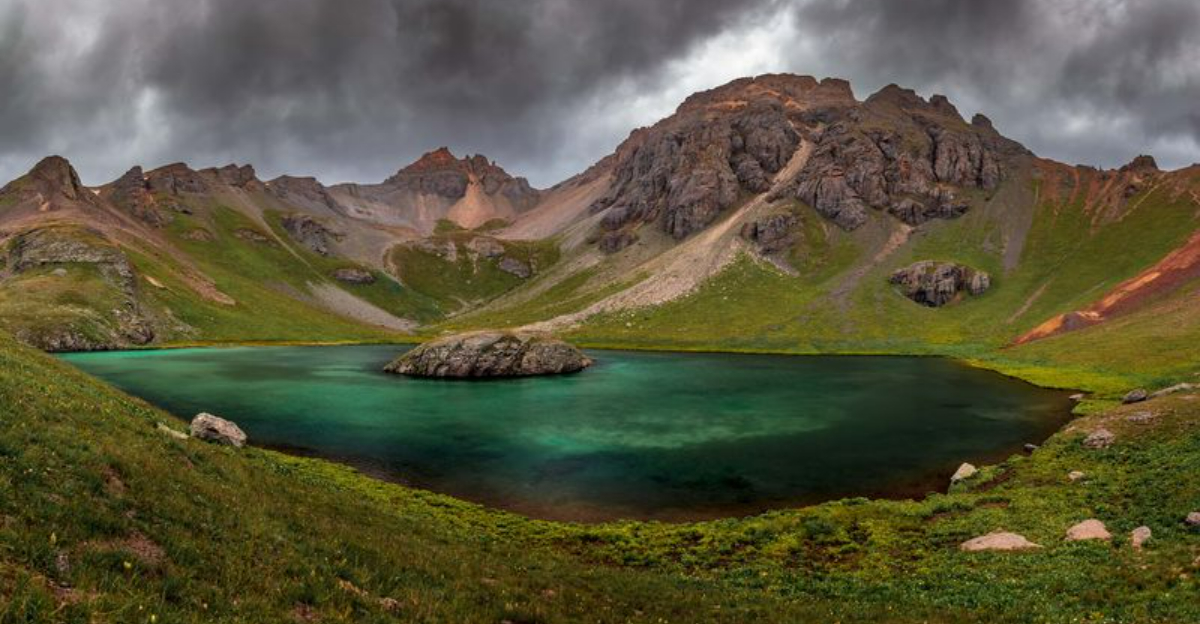
Few places in the Rockies produce the kind of audible gasp that Ice Lakes Basin does when you first see the water. The lakes glow an almost unreal shade of turquoise blue, fed by snowmelt filtering through mineral-rich rock.
This trail near Silverton is one of the most visually stunning hikes in the San Juan Mountains. It has also become one of the most photographed alpine destinations in the region.
The hike is about 8 miles round trip with significant elevation gain, so it rewards those who come prepared. Lower Ice Lake sits at high alpine elevation above treeline, and the upper basin pushes even higher.
In mid-July, the wildflowers here rival almost anything else in the Rockies, with color spreading across the slopes.
Silverton itself is a charming old mining town worth exploring before or after your hike. The drive to the trailhead on South Mineral Creek Road is unpaved but manageable in a standard vehicle during dry conditions.
High country weather moves fast, so an early start is essential to avoid afternoon lightning. Bring trekking poles because the descent on loose rock can be slippery after rain.
7. Montgomery Reservoir Trail, Near Alma
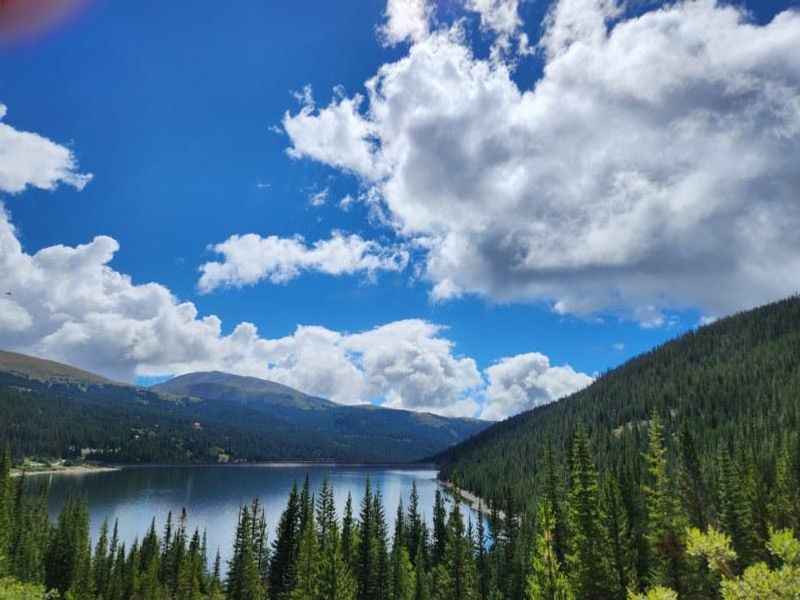
Alma is the highest incorporated town in the United States. The trails around it are somehow still quiet.
Montgomery Reservoir is the best example of that. Sitting at around 11,000 feet, the reservoir is framed by open tundra and distant peaks.
The landscape feels wide and exposed, a sharp contrast to the dense forest trails many hikers know best. The walking routes around the reservoir are short and relatively gentle, making it a rare find for families with younger children.
The area sits in South Park, one of the region’s large high-altitude valleys, which gives the whole place a big-sky feeling. Fishing is popular here, and the reservoir holds decent populations of trout.
Even if you are not into fishing, the walk around the water is peaceful in a way that is hard to replicate elsewhere.
The drive up from Fairplay takes you through open ranch land and past historic mining remnants. Weather at this elevation can turn cold even in July, so a warm layer in your pack is always a good idea.
The lack of crowds makes this one of the most underrated spots in the state.
8. Mohawk Lakes Trail, Near Breckenridge
Breckenridge draws enormous crowds, but most visitors stick to the ski resort and the main town. The Mohawk Lakes Trail is a local favorite and a more adventurous alternative to the busy resort area below.
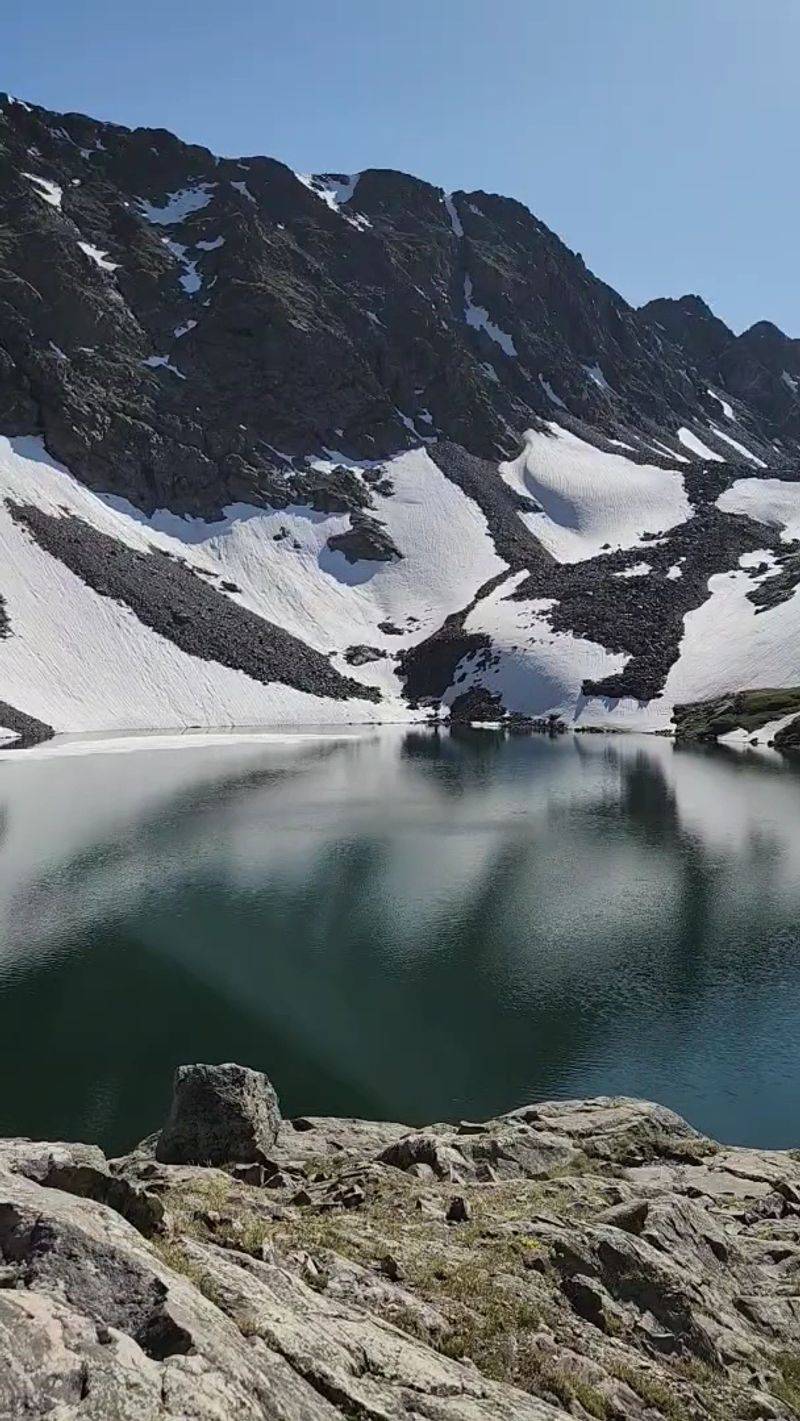
It climbs into a stunning alpine basin above treeline. At about 9 miles round trip with nearly 2,000 feet of gain, this hike earns its views honestly.
Along the way, you pass multiple waterfalls and the ruins of old mining cabins that date back to the silver boom of the 1880s. The trail passes Lower Mohawk Lake before continuing up to Upper Mohawk Lake, which sits in a dramatic rocky cirque.
The reflection of the surrounding peaks in the water on a calm morning is the kind of image that stays with you.
The route begins at Spruce Creek Trailhead just south of Breckenridge, and it is easy to reach from town. The area’s mining history is woven into the landscape here in a tangible way, with old equipment and foundations scattered along the upper route.
Peak wildflower season runs from mid-July through early August. Bring sunscreen because the sun at high altitude is much stronger than most people expect, even on overcast days.
9. Booth Falls Trail, Vail
Most people come to Vail for the ski slopes or the upscale dining. Many never realize that one of the area’s best hikes starts just minutes from the resort.
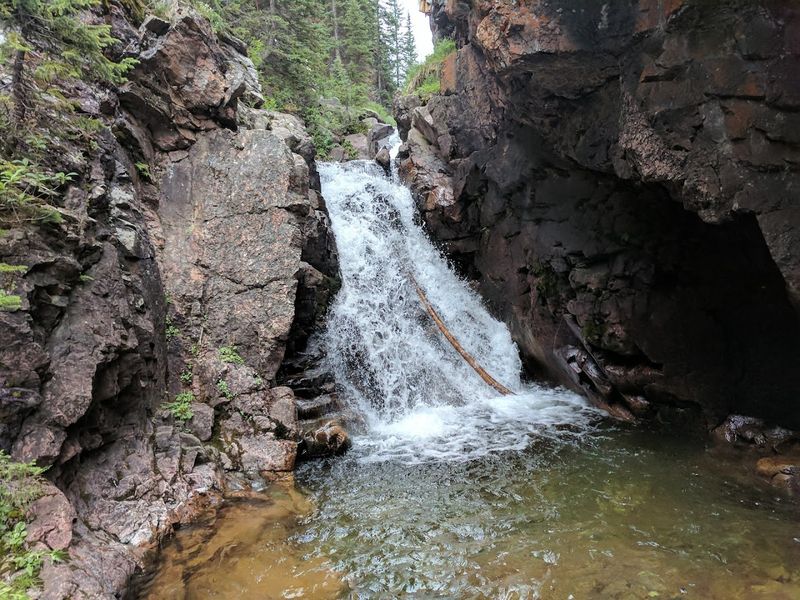
Booth Falls is worth making that trade. The hike is about 4 miles round trip, passing through thick forest and open meadows before reaching one of the tallest waterfalls in the Eagle River Valley.
The falls drop roughly 60 feet over a granite ledge, and the roar of the water is something you hear long before you see it.
The lower portion of the trail is popular with families because the forest is shady and the terrain is not too demanding. Above the falls, the trail continues into an alpine basin where elk are commonly spotted grazing in the meadows.
The upper section is less traveled and rewards those willing to push a bit further with sweeping views of the Gore Range.
The trailhead sits right in East Vail, making this one of the easiest wilderness hikes to reach in any mountain town in the region. Spring and early summer are particularly good times to visit when snowmelt keeps the falls at full force.
Wildflowers bloom along the upper meadows through July and August, adding bursts of color to an already beautiful landscape.
10. Lost Lake Via Hessie Trail, Near Nederland
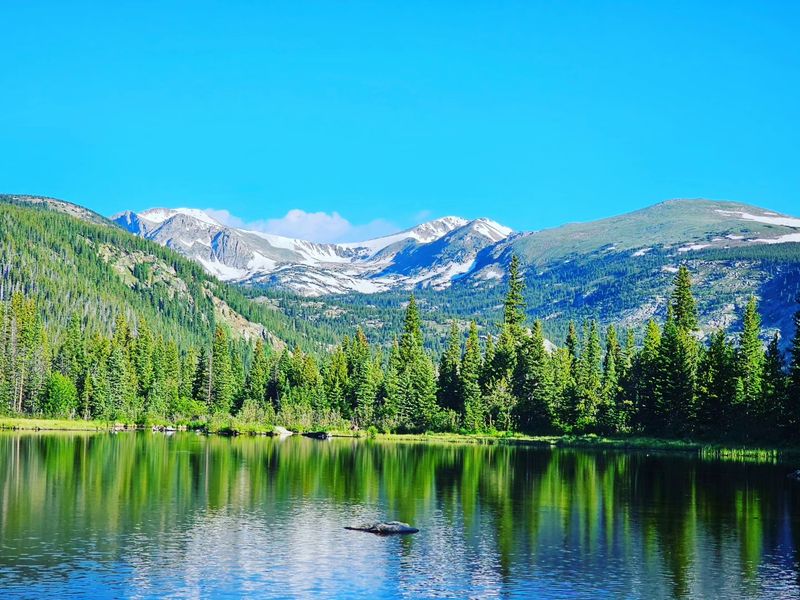
Nederland is already off most people’s radar. The Hessie Trailhead just outside town is the starting point for several beautiful mountain hikes.
That is exactly why this hike is worth your time. The hike to Lost Lake from Hessie Trailhead is roughly 4 miles round trip.
Along the way, you pass through a beautiful stand of aspens that is especially impressive in fall.
The trail follows the North Fork of Middle Boulder Creek through a valley that feels lush and almost enchanted in summer. Multiple creek crossings add a playful element to the hike, and the sound of water is constant.
Lost Lake itself is calm and clear, ringed by trees with a rocky ridge rising behind it.
Fall is the absolute best time to do this hike. The aspens turn a brilliant gold that reflects off the lake surface, creating a scene that photographers travel long distances to capture.
Nederland is worth a stop on the way back, with good coffee shops and a distinct local character. Parking at the Hessie Trailhead fills up fast on fall weekends, so arriving by 7 a.m. is not an exaggeration.
Autumn in the mountains is something truly special.