Benedictine Sisters Keep A Museum Of Pioneer Artifacts Inside Their Idaho Hilltop Monastery
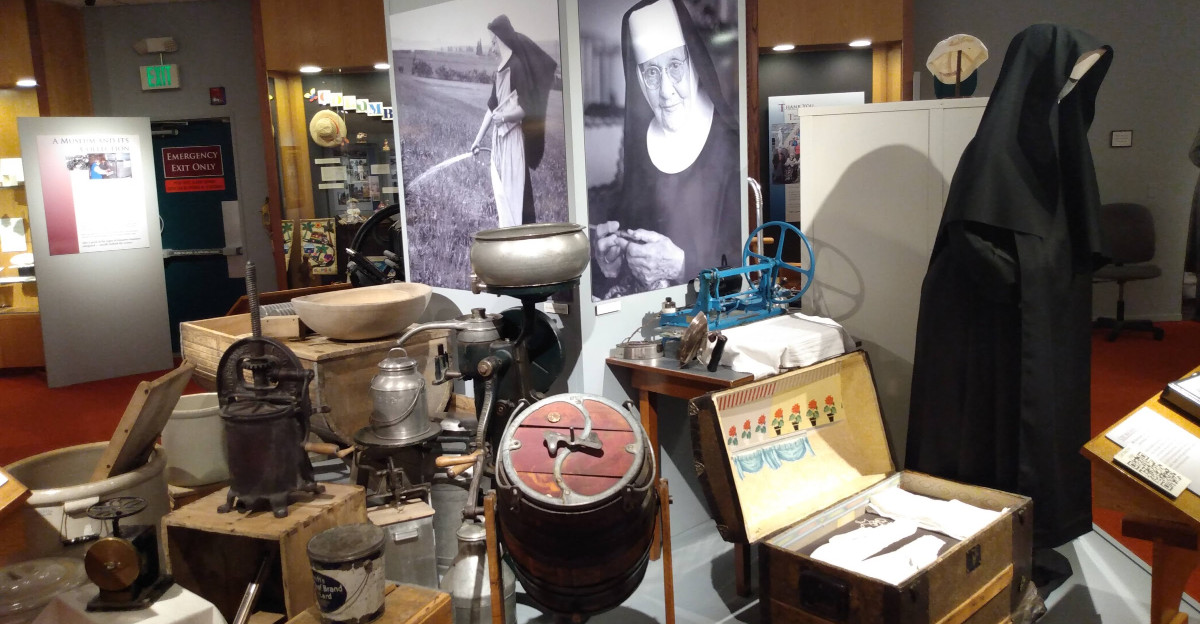
A 13,000-year-old stone spear point sits in a museum run by Benedictine sisters.
It’s on loan from an archaeological site just down the road. That alone made me stop scrolling.
The collection started in 1931 inside a school attic.
One teaching sister gathered local relics because she believed they mattered. Her hunch turned into one of the most thorough history stops in Idaho.
Today the museum shares a hilltop with a working monastery built from stone quarried on site.
The sisters still sponsor it. Exhibits cover pioneers, miners, the Nez Perce people and a few famously colorful characters.
I like how quiet devotion and frontier grit share the same address here.
You get prairie views, a gift shop and a century of stories in one stop. What exactly did that attic collection grow into?
A Stone Monastery Watching Over The Camas Prairie
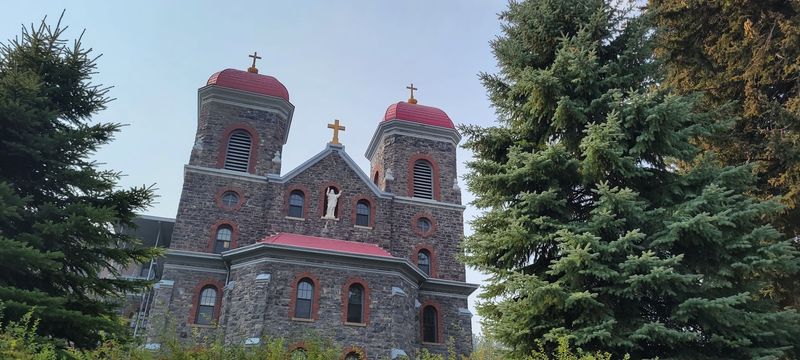
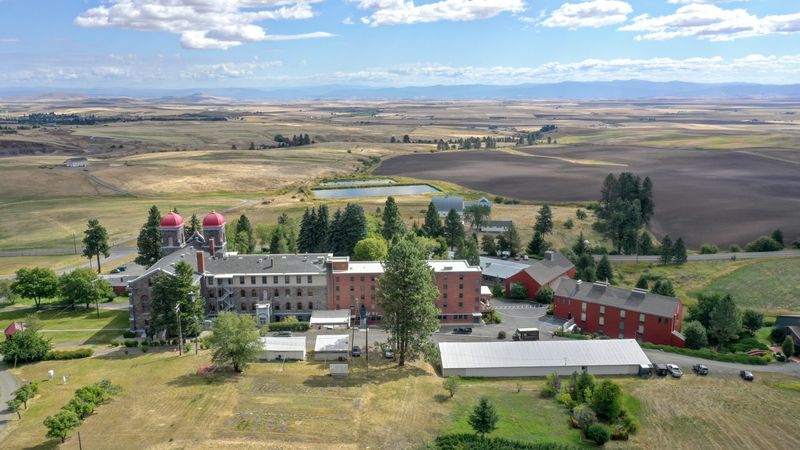
High on a hill outside Cottonwood, the Historical Museum at St Gertrude’s shares its home with the Monastery of St. Gertrude. The setting comes first, and it’s a big one.
From up here, views stretch across the Camas Prairie toward the Clearwater and Bitterroot Mountains. Farmland rolls out in every direction like a patchwork quilt nobody finished folding.
The monastery itself was built in the 1920s in a Romanesque revival style. Its builders used blue porphyry stone quarried right from the nearby hillside.
That means the walls literally came out of the ground they stand on. Not many Idaho buildings can claim that kind of hometown loyalty.
The chapel is listed on the National Register of Historic Places. It anchors a campus that also holds the museum, a gift shop, an inn and a retreat center.
So this isn’t a lonely little building on a back road. It’s a whole hilltop community with its own story, and the museum is where that story gets told.
Plan to look up before you head inside. The towers and the stonework earn a slow walk around the grounds.
Swiss Sisters Who Put Down Roots In 1907
Long before anyone hung a museum sign, a group of Benedictine sisters arrived in this corner of Idaho. They came from Switzerland and the Rhineland and established the community in 1907.
Picking a hilltop on the Camas Prairie was a bold move. Winters here aren’t exactly gentle, and the region was still raw frontier country.
The sisters stayed, built and taught. Their presence shaped the area for well over a century, which is why their own history fills part of the museum.
Today the Monastery of St. Gertrude remains an active Benedictine community. It’s the only community of religious women of its kind based in Idaho.
That detail changes how the visit feels. You’re not touring a preserved relic of a group that moved on.
The people who sponsor the exhibits still live and work on the same hill. Their daily life continues just beyond the gallery walls.
Visitors should keep that in mind and treat the grounds with the respect any home deserves. Quiet voices go a long way here.
It’s history with the lights still on, and that’s rare.
Sister Alfreda’s Attic And The Collection It Launched
Every great museum needs a stubborn founder. Here, that founder was Sister Alfreda Elsensohn, a respected Idaho historian and teacher.
In 1931 she brought a collection to St. Gertrude’s Academy. With no gallery available, it went straight into the school attic.
Honestly, the image of students climbing stairs to see pioneer relics among the rafters is delightful. It sounds like the start of a children’s mystery novel.
The so-called attic museum kept growing. By 1954 it had earned a dedicated basement room, which counts as a promotion even if it moved downward.
Those early years built the foundation for the Historical Museum at St Gertrude’s you can visit now. Her instinct to save ordinary objects turned out to be remarkably wise.
Sister Alfreda also wrote about the region’s history. Her work helped preserve stories that might otherwise have faded with each passing generation.
I believe that’s the quiet heart of this place. One person decided local history was worth keeping, and decades later a whole region benefits.
Look for her influence as you move through the galleries. Her fingerprints are on the whole idea.
Pioneers, Miners And Characters Bigger Than Their Valleys
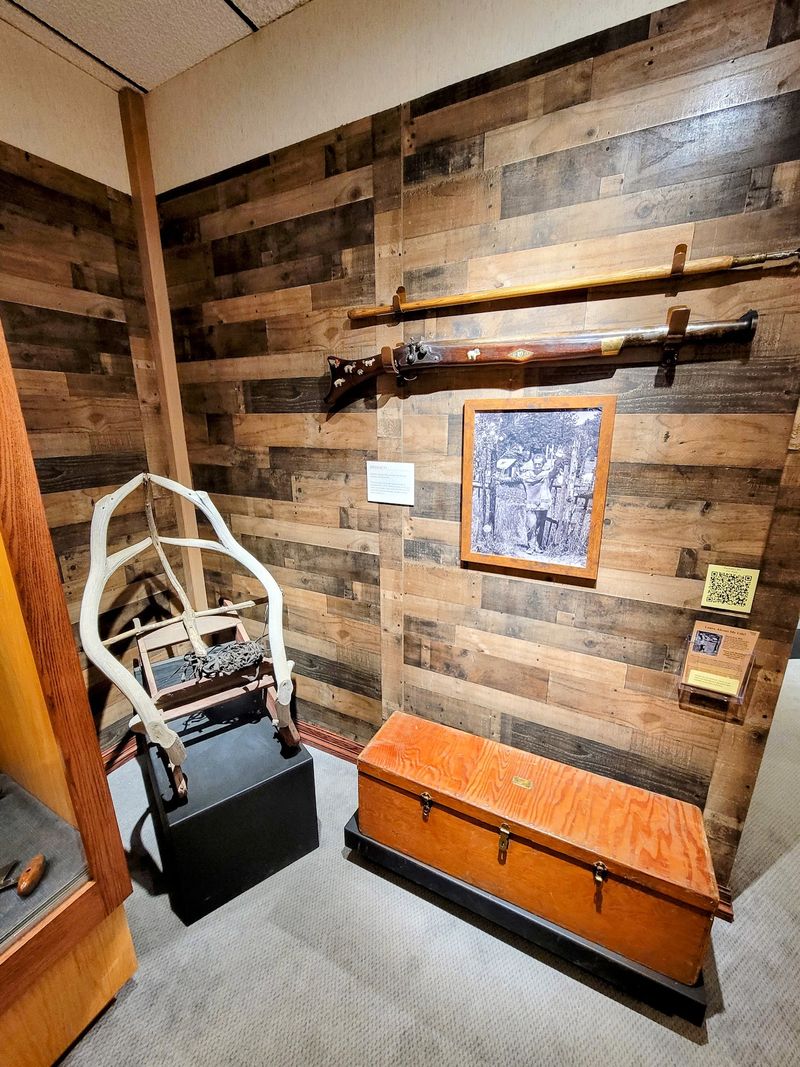
Polly Bemis and Buckskin Bill are the kind of names that make a history buff grin. Both appear in the exhibits, alongside plenty of other colorful local figures.
The museum preserves the heritage of the Camas Prairie, the Snake River, the Salmon River and surrounding areas. That’s a lot of rugged territory to cover.
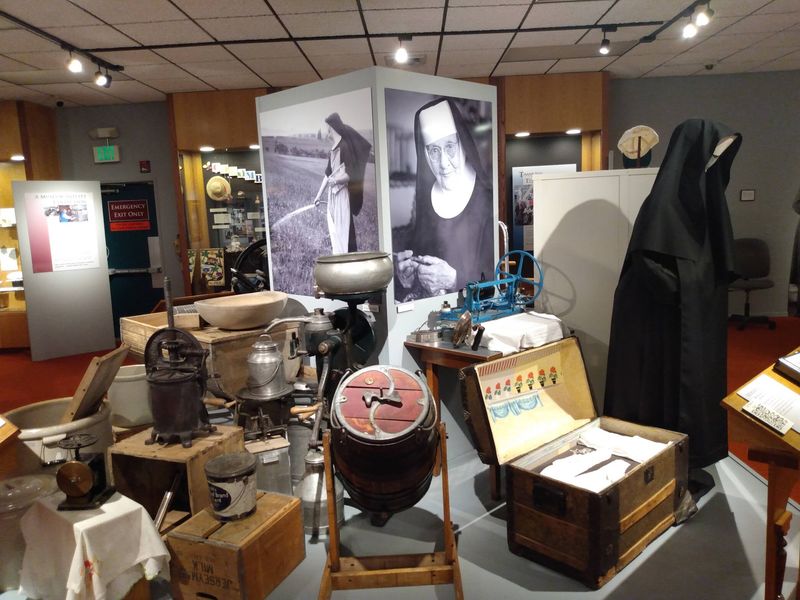
Exhibits trace pioneer and settler life across north-central Idaho. Household goods, tools and everyday objects show how families actually got through the work and the weather.
Displays also explore Chinese mining in Idaho. It’s a chapter many residents never learned much about in school.
The Nez Perce people are part of the story too. Their deep roots in this landscape come through in the collection.
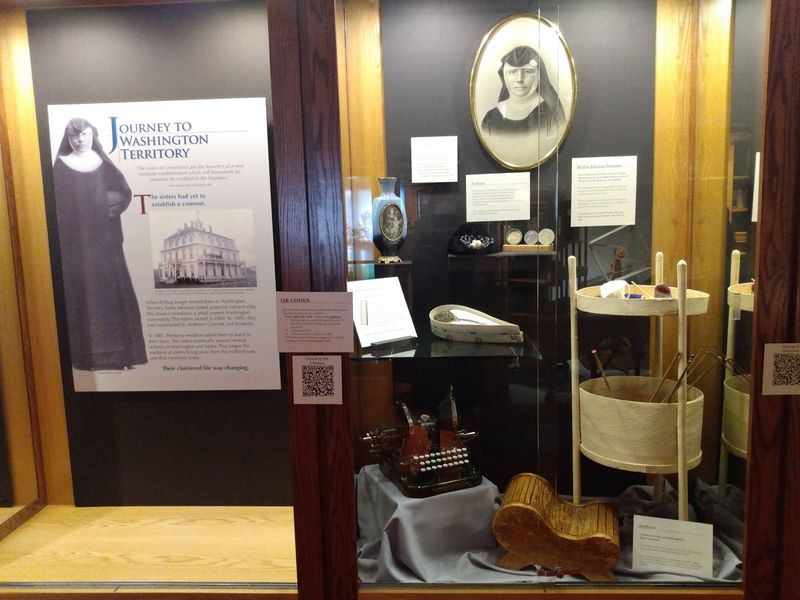
And yes, the sisters’ own history gets its due. Their arrival and work form a thread running through the region’s bigger narrative.
Expect variety more than one narrow theme. You might move from mining gear to frontier personalities in a few steps.
An audio guide has been part of the experience, helping the stories land. Allow enough time, because the details pile up quickly in the best way.
A 13,000-Year-Old Point And Treasures From The 14th Century
Thirteen thousand years. That’s the estimated age of a Western Stemmed Point now on display here.
It’s on loan from the Cooper’s Ferry Archaeological Site near Cottonwood. Seeing something that old from practically next door puts Idaho’s human story in a whole new light.
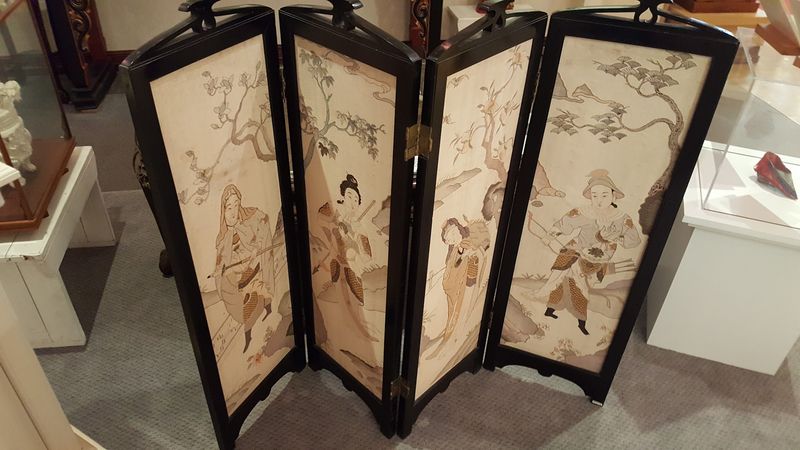
Then the museum swerves in a completely different direction. The Rhoades Emmanuel Gallery holds rare Asian and European artifacts dating back to the 14th century.
Nobody expects that on a prairie hilltop. It’s a bit like finding a European treasure chest in a farmhouse pantry.
The contrast is part of the fun. One room speaks to ancient local life, and another opens a window onto distant cultures and centuries.
Together they stretch the visit beyond pioneer wagons and mining tools. You get both deep local roots and a wider view of the world.
Take time with the ancient point especially. Small objects like this can be easy to pass, yet they carry an enormous timeline.
Families with curious kids might turn it into a game. Ask which item is oldest, then watch faces when the answer comes.
Beyond The Galleries: Books, Handcrafts And An Inn
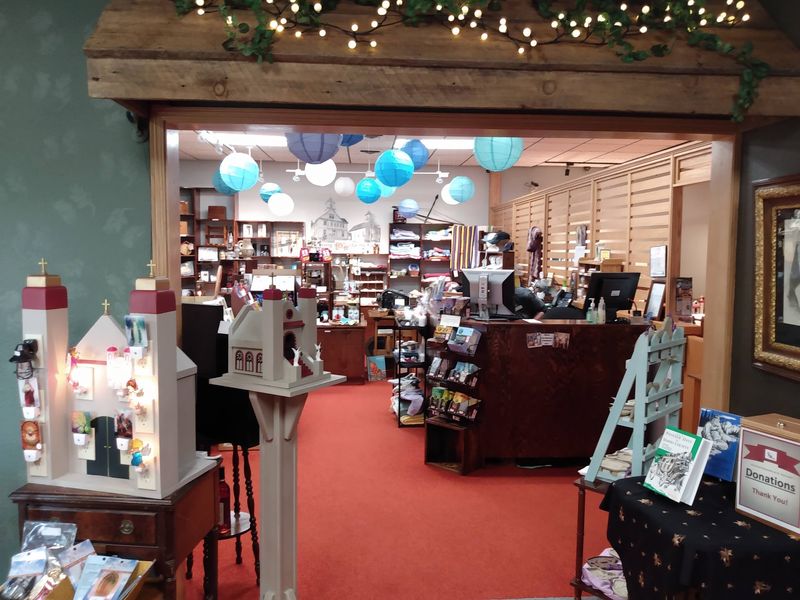
Leaving empty-handed is harder than it sounds. The Book & Gift Shop carries books on Idaho history plus handcrafts made by the sisters and local artisans.
It’s a handy stop for anyone who finishes the exhibits wanting more reading. Regional history titles can be tough to find in a big-box store.
Overnight options exist too. The Inn at St. Gertrude operates as a bed and breakfast on the monastery grounds.
The Spirit Center hosts retreats for individuals and groups. It gives the hilltop a role beyond day visits.
Even a short trip can include more than the museum. The chapel and grounds round out the experience nicely.
Everything sits at 465 Keuterville Road, Cottonwood, ID 83522. That keeps logistics simple, since the inn, shop and museum share one campus.
For a slower weekend, pairing a museum visit with a night at the inn makes sense. You’d wake up to those prairie views instead of driving home in the dark.
Just check availability ahead of time. Retreats and lodging run on their own schedules separate from the museum.
Hours, Holidays And The Drive Off Highway 95
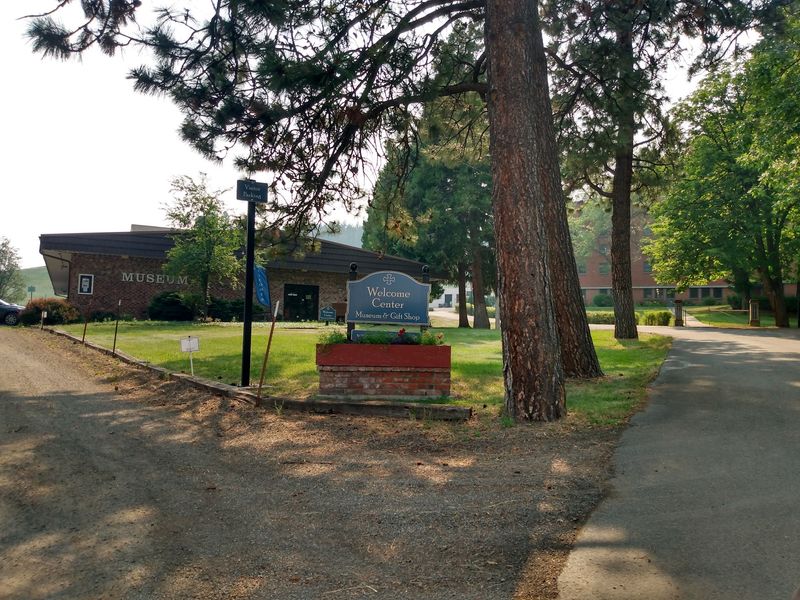
Good news for planners: the museum is open year-round. Hours run Monday through Saturday, from morning until mid-afternoon.
Sundays are closed, so don’t build a Sunday road trip around it. The museum also closes for major holidays.
Those include Memorial Day, the Fourth of July, Labor Day and Thanksgiving weekend. It also shuts from Christmas Eve through New Year’s Day.
Admission is modest, and children under six get in free. Students pay a reduced rate, which helps families stretching a budget.
Getting there means leaving U.S. Highway 95 near Cottonwood.
Signage along the highway has been limited, so set your navigation before you lose signal.
A little detour, then up the hill to the monastery. The drive itself shows off the Camas Prairie at its most wide open.
Fall and spring bring lectures and family-friendly educational events. Checking the schedule could add a bonus to your visit.
The museum also underwent a major remodel between 2015 and 2021. So even if you visited years ago, the exhibits have changed a lot since then.
Worth The Detour For Anyone Who Loves Idaho Stories
Some road trips need a reason to slow down. The Historical Museum at St Gertrude’s gives a very good one.
History fans get depth and variety in a single building. Families get something educational that doesn’t feel like homework.
Near-retirees and slow travelers may love the pace most. There’s a chapel, a gift shop, an inn and a view that rewards lingering.
What sticks with me is the story behind the collection. A teaching sister’s attic project grew into a respected regional museum in rural Idaho.
It still sits beside the community that started it. That continuity feels uncommon and worth honoring.
The mix keeps it interesting too. Ancient stone tools, frontier personalities, Chinese mining history and centuries-old global treasures all share one roof.
Is it flashy? Not really, and that’s part of the appeal.
It’s a thoughtful, well-kept place where north-central Idaho explains itself one object at a time. If you’re anywhere near Cottonwood on a weekday, I can’t imagine skipping the turn up that hill.
Bring curiosity and some patience. The stories here deserve both.