17 Best Fishing Spots In California Where The Catch Is Worth It This Spring
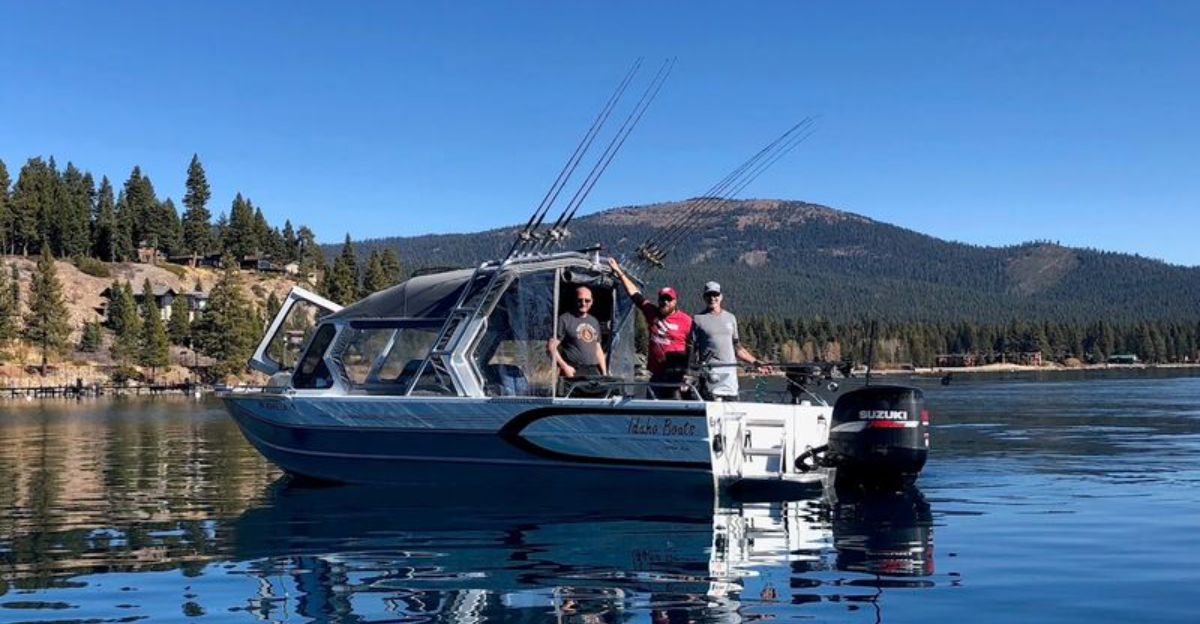
There’s a moment right before the line tightens. It’s subtle. Easy to miss. But once you notice it, everything else disappears.
Time stretches out differently near the water. Minutes slow down, thoughts drift, and attention narrows to what’s happening just beneath the surface. It’s not loud or dramatic. It’s steady. Almost addictive.
A great fishing spot doesn’t need to prove anything. It delivers quietly, without the crowds or the pressure to perform. The kind of place where patience feels natural and every cast carries just enough possibility to keep you fully there.
California turns ordinary days into the kind you replay in your head long after you leave.
The real draw isn’t just the catch. It’s the rhythm, the stillness, and the feeling that you’ve found a place worth returning to.
1. Clear Lake
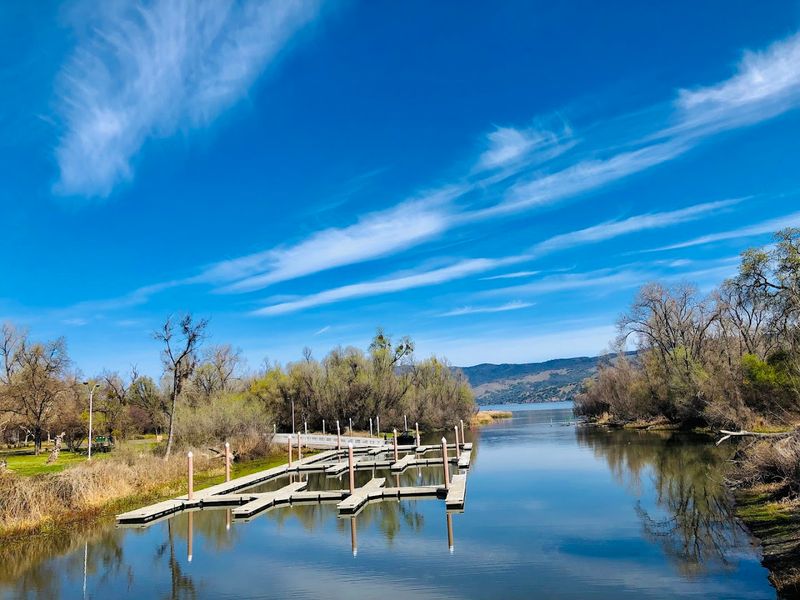
Known widely as the Bass Capital of the West, Clear Lake holds the title of the largest natural freshwater lake entirely within California.
Largemouth bass thrive here in impressive numbers, and it is not uncommon for anglers to land multiple fish in a single outing during the spring spawning season.
The shallow, warm water creates ideal habitat that bass absolutely love.
Beyond bass, the lake also supports healthy populations of crappie, bluegill, and catfish, giving visiting anglers plenty of variety to work with.
Both shore fishing and boat fishing produce results here, and the lake is large enough that even on busy weekends there tends to be room to find a quiet corner.
Bass tournaments are held here regularly, which speaks to the lake’s consistent fish production.
Spring is widely considered the peak season for largemouth bass at Clear Lake, as fish move into shallower areas to spawn and become much more aggressive toward lures.
Water temperature plays a big role in fish behavior here, so paying attention to seasonal patterns can really improve catch rates.
Crappie fishing tends to pick up in the cooler months, adding another reason to visit outside of peak summer.
2. Sacramento River
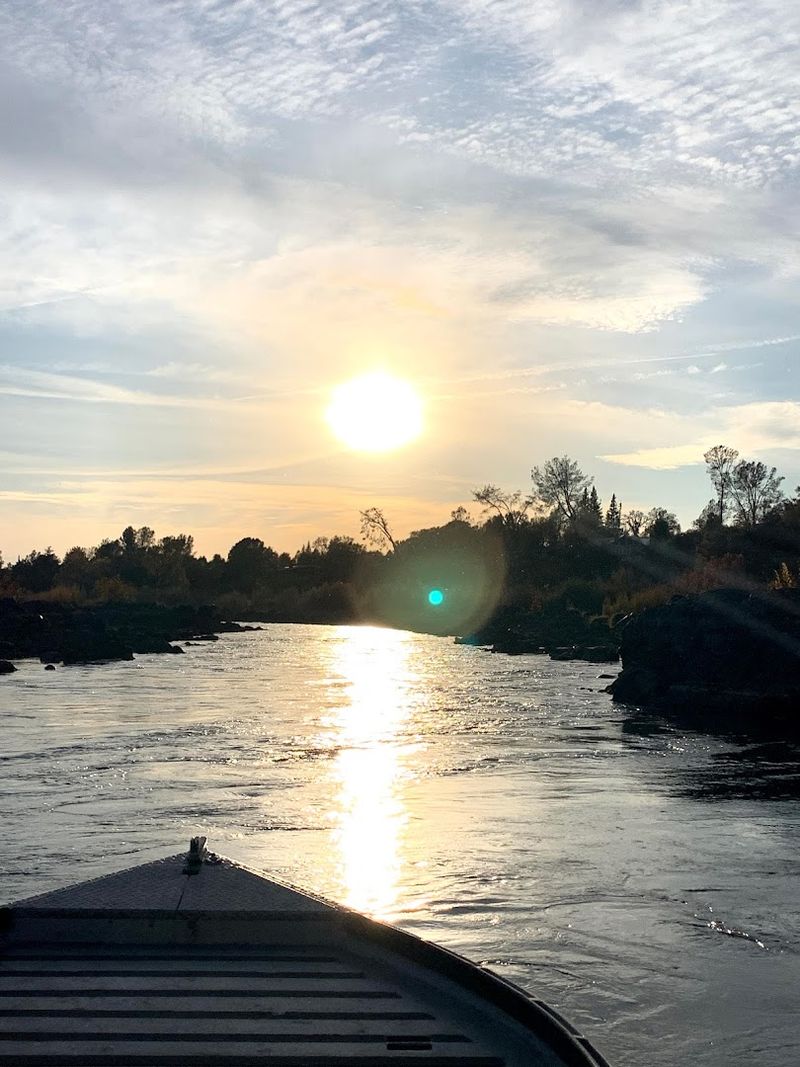
Running nearly 400 miles through Northern California, the Sacramento River is one of the most important waterways in the state for both ecology and fishing.
Chinook salmon runs are a major draw here, with fall runs bringing large numbers of fish through stretches near Redding and Red Bluff.
Steelhead trout also move through the river during winter months, offering another exciting target for experienced anglers.
Rainbow trout and striped bass round out the species list, making the Sacramento one of the most versatile river fishing destinations in the state.
Fly fishing is a popular method along the upper stretches, where the water runs cold and clear over rocky beds. Drift boat fishing with a guide is another common way to cover more water efficiently.
Regulations on the Sacramento River can vary significantly depending on the stretch being fished, so reviewing the current California Department of Fish and Wildlife guidelines before any trip is essential.
Some sections have special wild trout regulations or gear restrictions that are easy to miss without careful reading.
The river tends to fish best in early morning hours when temperatures are cooler and fish are more actively feeding near the surface.
3. Shasta Lake
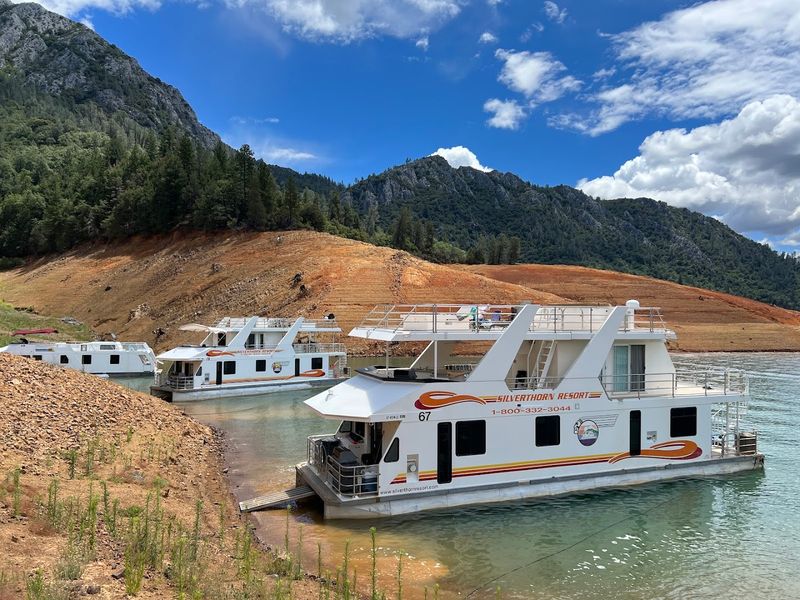
As the largest reservoir in California, Shasta Lake offers an enormous amount of fishable water spread across nearly 30,000 surface acres.
The lake is well known for producing spotted bass, largemouth bass, and smallmouth bass in good numbers throughout the warmer months.
Rainbow trout and brown trout add variety for anglers who prefer cold-water species.
Landlocked king salmon are perhaps the most exciting target at Shasta, as these fish can grow to impressive sizes and put up a serious fight on light tackle.
The lake’s many coves, submerged points, and rocky structures create natural holding spots that concentrate fish in predictable patterns.
Trolling with flashers and lures is a proven method for reaching salmon that tend to suspend in deeper water columns.
Water levels at Shasta can fluctuate considerably depending on drought conditions and water management decisions, which can affect access and fish location from season to season.
Checking current lake levels before a trip helps with planning, especially for those launching boats from specific ramps.
Bass fishing tends to peak in spring and early summer when fish are shallow and actively pursuing baitfish along rocky banks and submerged timber.
4. Russian River
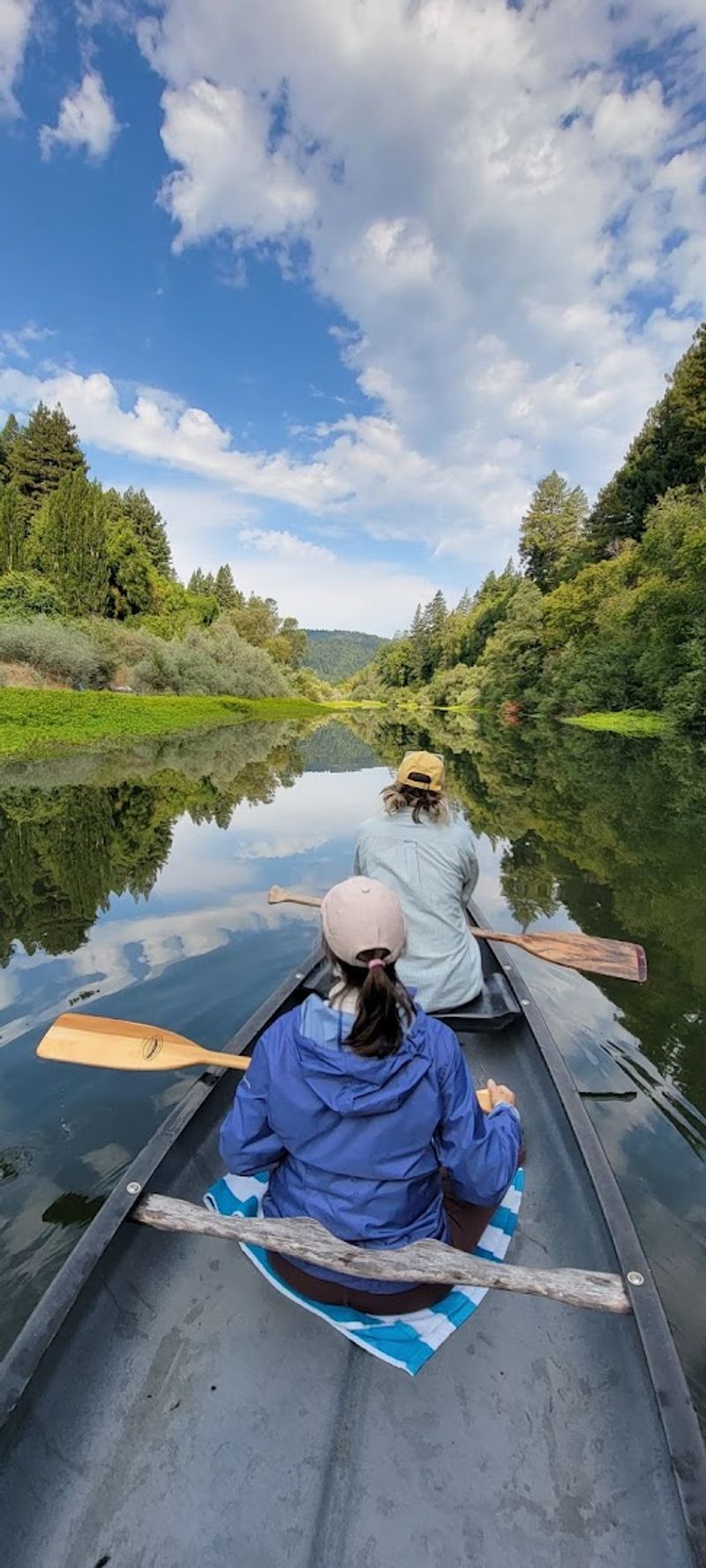
Flowing through Sonoma and Mendocino counties before emptying into the Pacific Ocean near Jenner, the Russian River has a long-standing reputation as one of Northern California’s best steelhead streams.
Winter steelhead runs typically peak between December and March, drawing serious fly anglers from across the state.
The river’s gravel bars and deep pools create classic holding water that steelhead favor during their upstream migration.
Coho salmon, which are listed as threatened in California, can also be spotted in the river during fall runs, though regulations strictly prohibit targeting them.
Warm-water species like largemouth bass and sunfish occupy the slower, deeper sections of the lower river during summer months.
The upper river tends to run clearer and cooler, making it more productive for trout during dry season low-water conditions.
Access to the Russian River is possible at several county and state parks along its course, and wading is a common approach for anglers targeting steelhead in the shallower riffles.
Conditions can change quickly after rain events, as the river is prone to rapid rises and drops in flow.
Checking current water conditions and flow rates before heading out is always a practical step for anyone planning a wade-fishing trip here.
5. Mono Lake Area
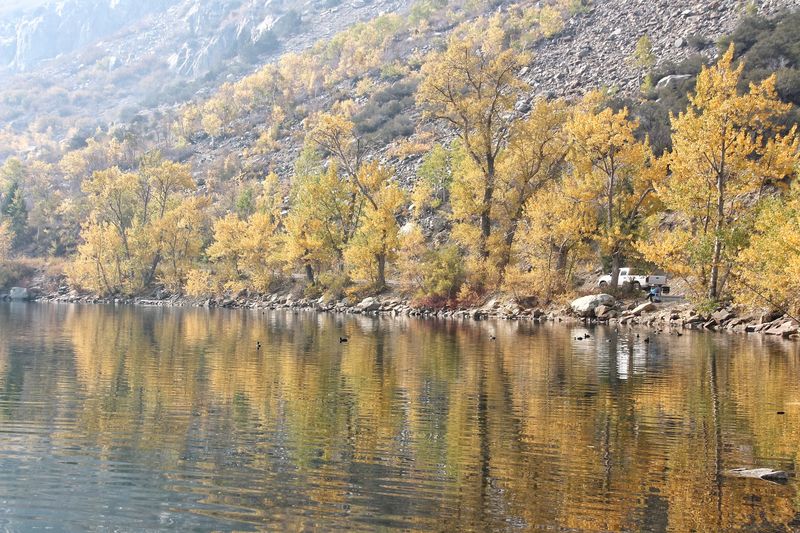
Mono Lake is one of the most geologically unique bodies of water in California, sitting at the edge of the Great Basin in the Eastern Sierra region.
The lake is highly alkaline and salty, which means it does not support fish at all, but the surrounding streams that feed into it are a different story entirely.
Lee Vining Creek and Rush Creek, which flow into Mono Lake, hold wild trout and offer quality fishing in a dramatic high-desert setting.
The area around Mono Lake is more of a scenic destination for anglers looking to combine sightseeing with nearby stream fishing rather than lake fishing itself.
The tufa towers rising from the lake’s surface create one of the most visually striking backdrops in the state.
Nearby Grant Lake and the June Lake Loop offer productive trout fishing within a short drive of Mono Lake.
Elevation in this area sits above 6,000 feet, which means weather can shift quickly even during summer months, so layering clothing is a practical approach.
The fishing season in the surrounding streams typically runs from late spring through fall, depending on snowmelt and water levels.
The entire Eastern Sierra region around Mono Lake is considered one of California’s most rewarding trout fishing corridors.
6. Owens River
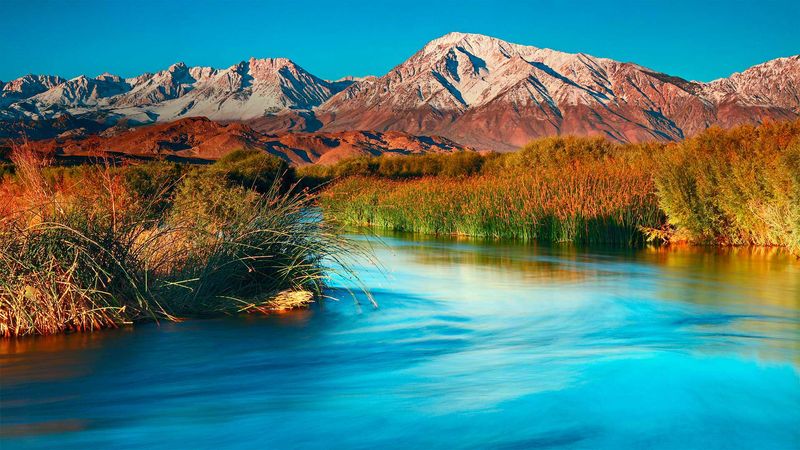
Winding through the Owens Valley between the Sierra Nevada and White Mountains, the Owens River is one of California’s most celebrated wild trout fisheries.
The lower Owens River below Pleasant Valley Reservoir is a designated Wild Trout Water, meaning it is managed specifically to protect and sustain naturally reproducing fish populations.
Brown trout are the primary target here, and the river is known for producing fish of impressive size.
Fly fishing is the dominant method on the Owens, and the river’s spring creek-like character rewards anglers who pay close attention to insect hatches and presentation.
The meadow sections flow slowly and clearly, allowing fish to be spotted and stalked before casting.
This sight-fishing style of angling is a genuine highlight for those who enjoy the more technical side of trout fishing.
Access to the wild trout section is managed through the Los Angeles Department of Water and Power, and a special permit is required in addition to a standard California fishing license.
The season typically runs from late April through November, and midweek visits tend to offer a more peaceful experience on this stretch.
Evening hatches during summer can trigger spectacular surface feeding activity that makes the Owens River feel genuinely special.
7. Crowley Lake
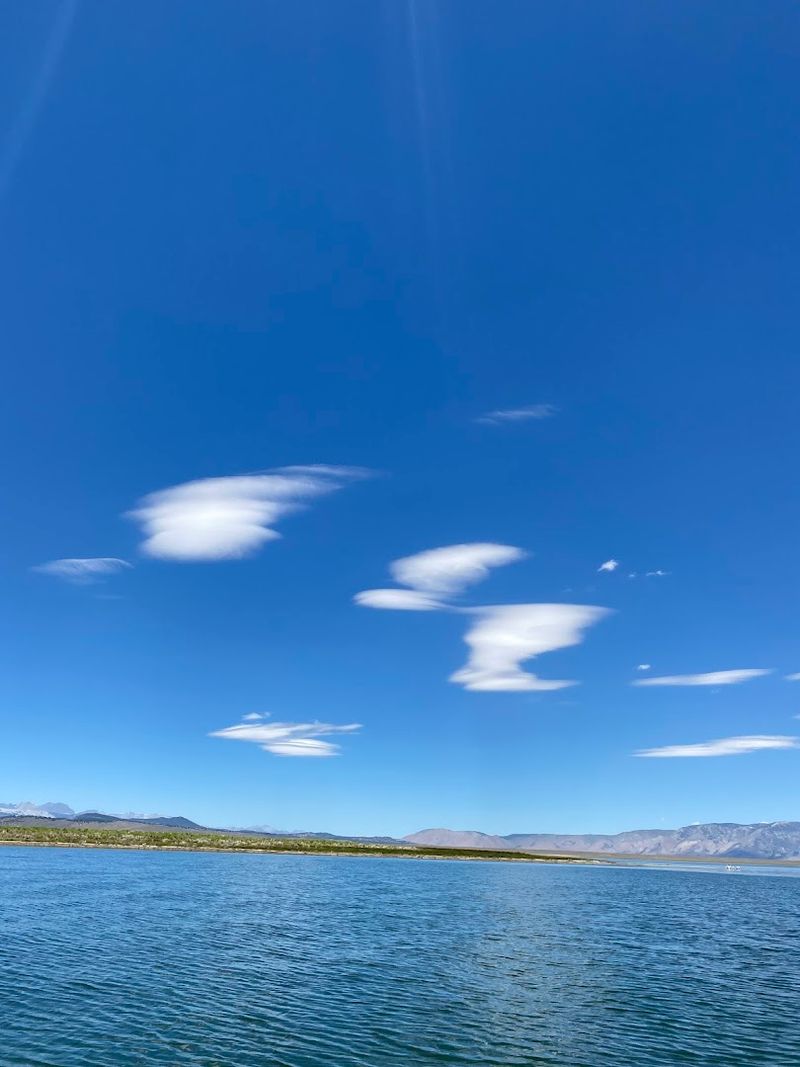
Crowley Lake sits at about 6,800 feet in the Eastern Sierra and is considered one of the top trout fisheries in the entire state of California.
The reservoir is stocked regularly with rainbow trout by the California Department of Fish and Wildlife, but it also supports a strong population of naturally reproducing brown trout.
Opening day at Crowley in late April draws large crowds of anglers eager to get on the water after the long winter closure.
Trolling and baitfishing from boats are both effective methods here, and the lake’s relatively open structure makes it easy to cover water efficiently.
Shore fishing is productive near the inlet areas where fresh water enters the lake and concentrates feeding fish.
Early morning and late evening tend to produce the most action, especially during the warmer summer months when midday heat pushes trout deeper.
The surrounding landscape of volcanic ridges and wide-open skies gives Crowley a distinctly remote feel despite being accessible from US Highway 395.
Facilities near the lake include a marina with boat rentals, which makes it accessible for anglers who do not own a boat.
Brown trout in the 3 to 5 pound range are caught here with regularity, and larger fish show up every season to keep things exciting.
8. Delta (Sacramento-San Joaquin River Delta)
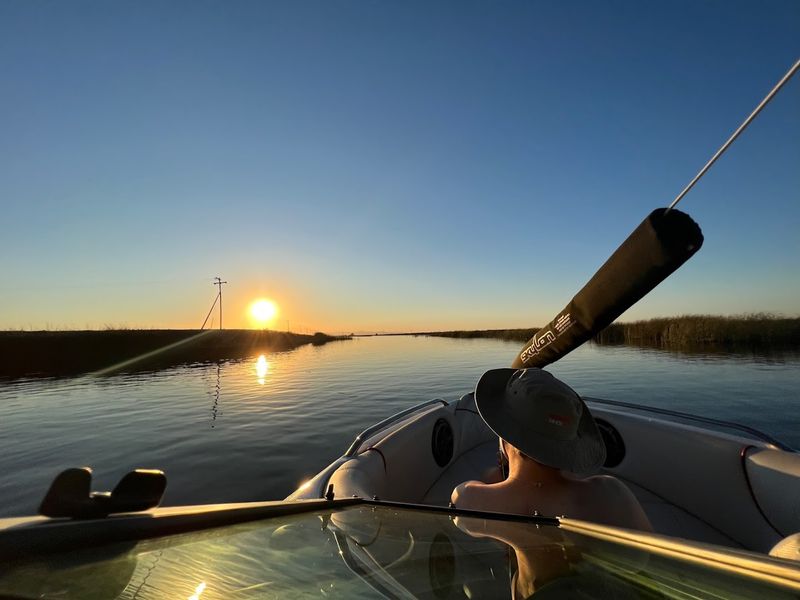
Covering over 1,100 miles of interconnected waterways, the Sacramento-San Joaquin River Delta is one of the most complex and productive fishing environments in California.
Striped bass are arguably the most prized target in the Delta, with fish regularly reaching 20 pounds or more during peak season.
Largemouth bass are also abundant throughout the tule-lined channels and sloughs that define the Delta’s landscape.
Catfish, white sturgeon, and black bass round out an impressive species list that keeps anglers busy year-round.
The maze of waterways means there is always somewhere new to explore, and local knowledge plays a big role in consistently finding fish.
Boat fishing is the most effective way to navigate the Delta, though some bank access points exist near towns like Stockton and Isleton.
Striped bass fishing tends to peak in fall and spring when fish are actively moving through the system.
White sturgeon are present year-round but are subject to strict size and bag limits under California regulations, so reviewing current rules before targeting them is essential.
The Delta’s proximity to the Sacramento area makes it one of the most accessible big-water fishing destinations in the state for Central California residents.
9. Lake Berryessa
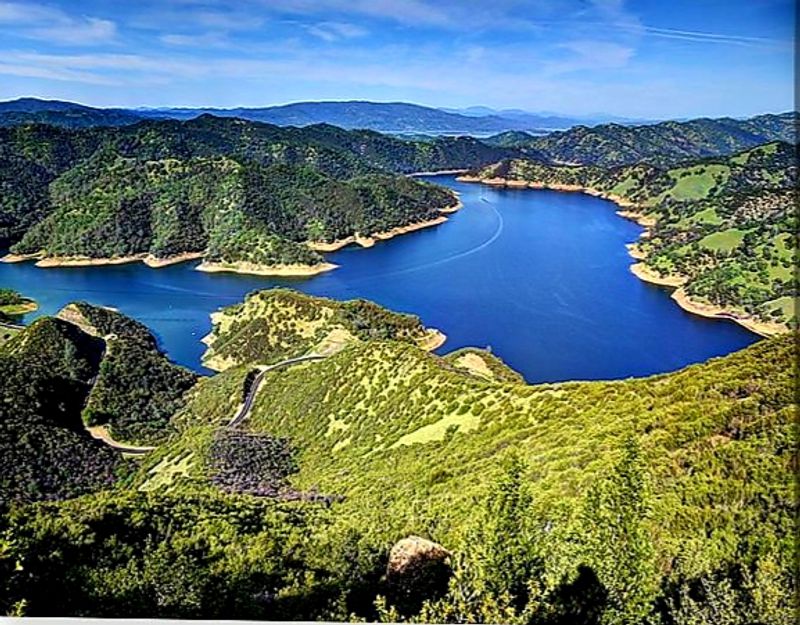
Tucked into the hills of Napa County, Lake Berryessa is the largest lake in the San Francisco Bay Area region and one of Northern California’s most popular fishing destinations.
The reservoir stretches over 13,000 acres and holds a solid mix of largemouth bass, smallmouth bass, spotted bass, rainbow trout, and kokanee salmon.
Bass fishing here can be excellent during spring when fish move into the shallows along the rocky shoreline.
Kokanee salmon are a surprising highlight at Berryessa, as the lake supports a self-sustaining population that draws trollers throughout the cooler months.
Rainbow trout are stocked regularly and provide consistent action for shore anglers and boaters alike.
The lake’s clear water and submerged canyon structure create interesting fishing conditions that reward anglers who learn the bottom contours.
Access to Lake Berryessa is managed through the Bureau of Reclamation, and several concession areas around the lake offer boat launches, rentals, and basic supplies.
The lake is about 90 minutes from San Francisco, making it a realistic day-trip destination for Bay Area anglers.
Weekday visits tend to be noticeably quieter than weekends, especially during summer when recreational boating traffic can disrupt fishing in the shallower coves.
10. Big Bear Lake
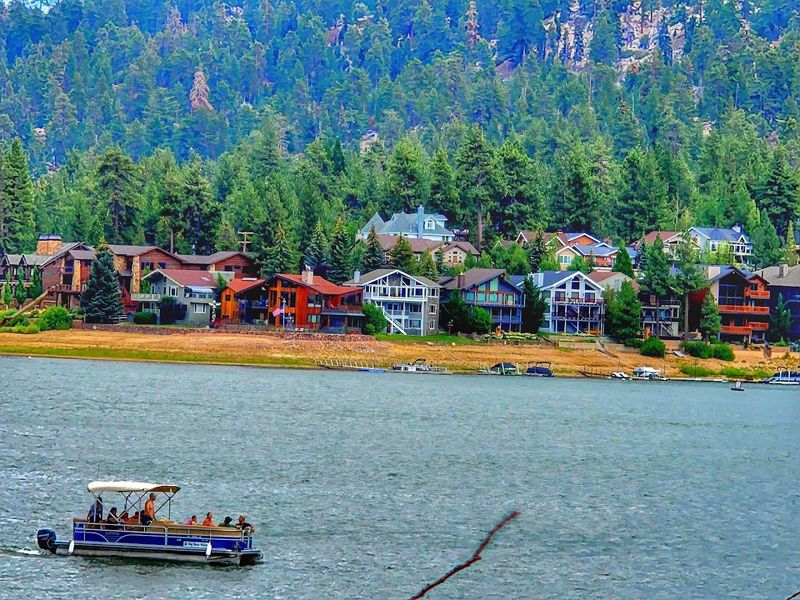
Perched at 6,752 feet in the San Bernardino Mountains, Big Bear Lake is one of Southern California’s most beloved mountain fishing destinations.
The lake is stocked with rainbow trout by the California Department of Fish and Wildlife throughout the year, making it a reliable spot for anglers of all experience levels.
Largemouth bass also inhabit the lake and provide exciting action during the warmer months.
Trout fishing tends to be most productive in the cooler months of fall and winter when water temperatures drop into the ideal range for active feeding.
Baitfishing from shore with PowerBait or salmon eggs is a popular and effective approach for planted rainbow trout near the marina areas.
Boat fishing opens up access to deeper water where larger holdover trout tend to congregate during summer.
The town of Big Bear Lake surrounds the water and offers a range of amenities including bait shops, boat rentals, and fishing guides who know the lake well.
A valid California fishing license is required, and the lake operates under standard statewide regulations for trout.
The combination of mountain scenery, accessible fishing, and nearby lodging makes Big Bear Lake a practical and enjoyable destination for families and solo anglers alike.
11. Lake Tahoe
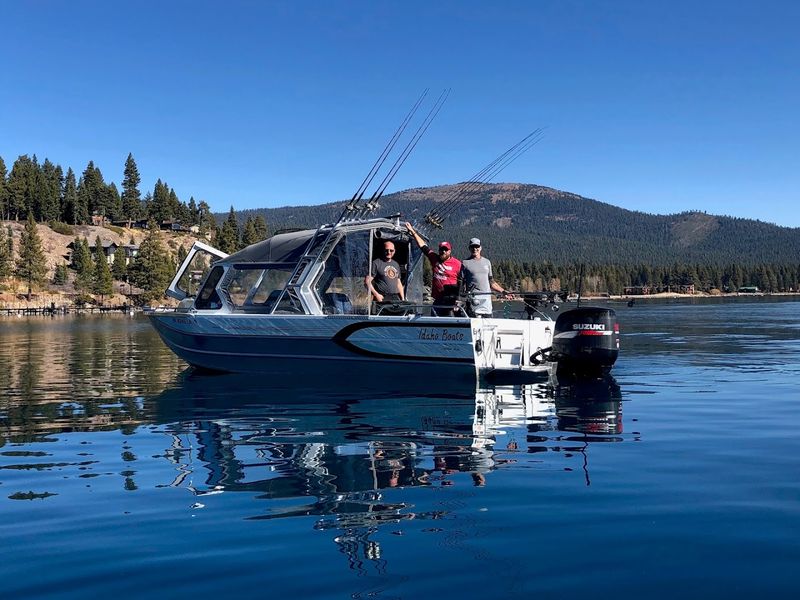
Sitting at over 6,000 feet above sea level, Lake Tahoe is one of the most visually stunning places to fish in all of California.
The water is famously clear, sometimes offering visibility of up to 70 feet, which makes spotting fish beneath the surface surprisingly possible on calm days.
Anglers here tend to target Mackinaw lake trout, rainbow trout, and brown trout throughout the year.
The deeper sections of the lake hold Mackinaw that can weigh well over 10 pounds, making trolling a popular and productive technique for those with access to a boat.
Shore fishing is also possible at several access points around the lake, though boat fishing tends to produce more consistent results in the deeper zones.
Kokanee salmon are another exciting target during their seasonal runs.
Fishing regulations at Lake Tahoe are enforced by the California Department of Fish and Wildlife, so checking current rules before heading out is always a smart move.
The lake sits on the California-Nevada border, and licensing requirements can differ depending on which side an angler fishes from.
Fall and winter months often bring the most active bites for larger lake trout.
12. Castaic Lake
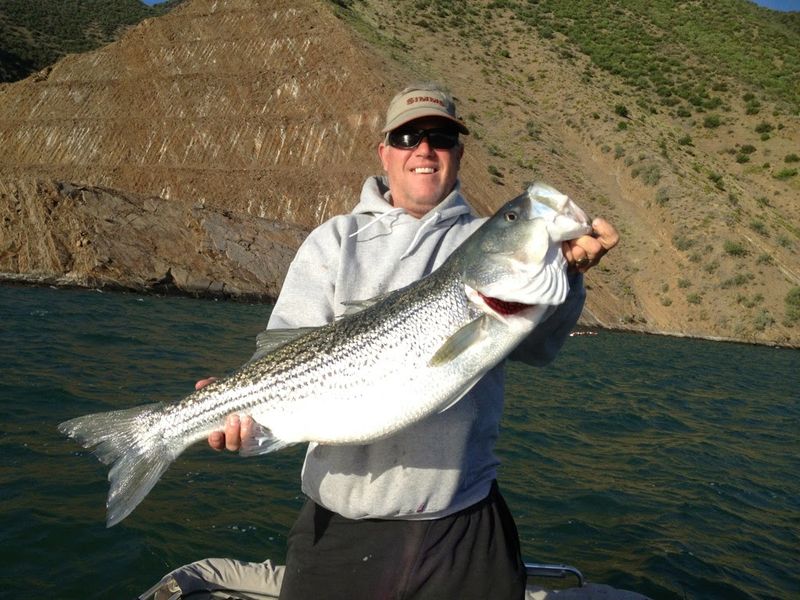
Located in Los Angeles County just north of the city, Castaic Lake holds a remarkable place in bass fishing history as the site where the former world record largemouth bass was caught back in 1991.
That fish weighed 22 pounds and 1 ounce, a number that still sparks conversation among bass anglers who visit hoping to find something extraordinary in the water.
The lake continues to produce large bass to this day, making it a genuine destination for trophy hunters.
Striped bass are another significant draw at Castaic, with fish regularly reaching double-digit weights during good years.
Trout are also stocked in the lake and serve double duty as a target species and as forage for the larger stripers and bass.
The reservoir’s deep, clear water and rocky structure create conditions that large predatory fish clearly favor.
Castaic Lake is operated by the Los Angeles County Department of Parks and Recreation, and boat launches are available for anglers bringing their own vessels.
The lower lagoon section of the reservoir is a popular spot for shore anglers, especially families and beginners targeting stocked trout.
Spring is generally the most active season for big bass, though striped bass can be productive throughout much of the year depending on water temperature and forage availability.
13. Lake Casitas
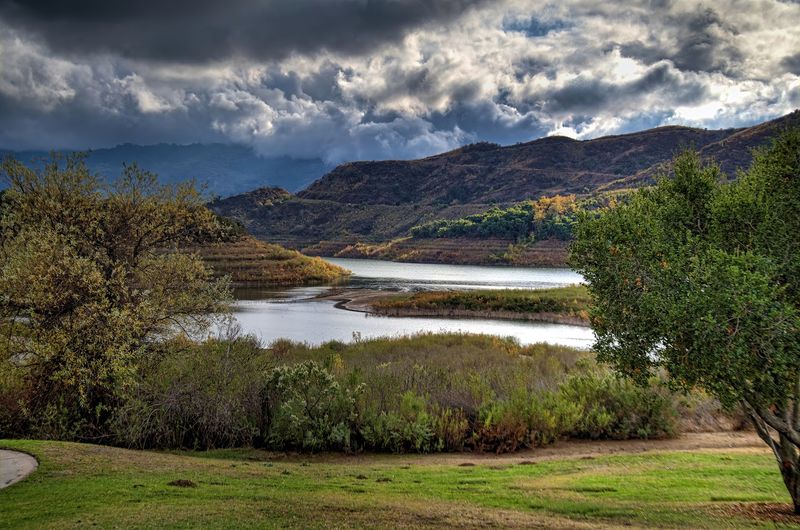
Sitting in the hills above Ojai in Ventura County, Lake Casitas is one of the most carefully managed fishing reservoirs in Southern California.
The lake is closed to swimming and body contact with the water, which means it experiences far less recreational disturbance than most Southern California lakes.
That protection has allowed the fish population to thrive in a relatively undisturbed environment.
Largemouth bass are the primary draw, and Casitas has a well-earned reputation for producing large fish consistently over the years.
The lake also holds quality populations of channel catfish, crappie, bluegill, and rainbow trout.
Trout are stocked regularly during cooler months, and they tend to hold up well in the lake’s cool, clear water.
Bass fishing at Casitas rewards patient anglers who work the submerged timber and rocky points methodically.
The lake’s relatively calm atmosphere and natural surroundings give it a distinctly peaceful quality compared to busier Southern California reservoirs.
Boat rentals are available at the lake’s marina, making it accessible for those without their own equipment.
A valid California fishing license is required, and anglers should review current special regulations for Casitas, as the lake operates under some specific rules regarding bait and gear that differ from standard statewide guidelines.
14. Santa Monica Pier
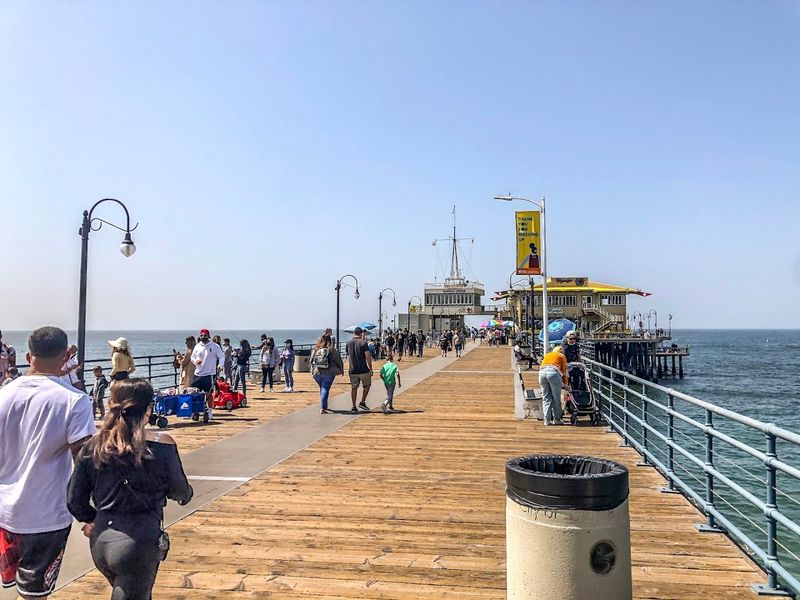
Standing over the Pacific Ocean at the foot of Colorado Avenue in Santa Monica, the Santa Monica Pier is one of the most accessible saltwater fishing spots in all of Southern California.
The pier sits at 200 Santa Monica Pier, Santa Monica, CA 90401, and it offers free fishing access without the need for a California fishing license, which makes it especially welcoming for beginners and casual anglers.
Perch, mackerel, jacksmelt, and halibut are among the species commonly caught from the pier’s wooden planks.
The pier stretches about 1,600 feet into the ocean, putting anglers over deeper water where species variety tends to increase.
Mackerel runs during summer can be fast and furious, with multiple fish being caught on sabiki rigs in quick succession.
Halibut are a more patient pursuit, often requiring live bait or soft plastic lures bounced along the sandy bottom.
Bait and tackle are available at a shop on the pier itself, so bringing every piece of gear is not strictly necessary for a casual outing.
The pier is open to the public year-round and tends to be busiest on summer weekends when tourist traffic mixes with the local fishing crowd.
Early mornings on weekdays offer a quieter and generally more productive experience for anglers who prefer fewer distractions.
15. Channel Islands National Park
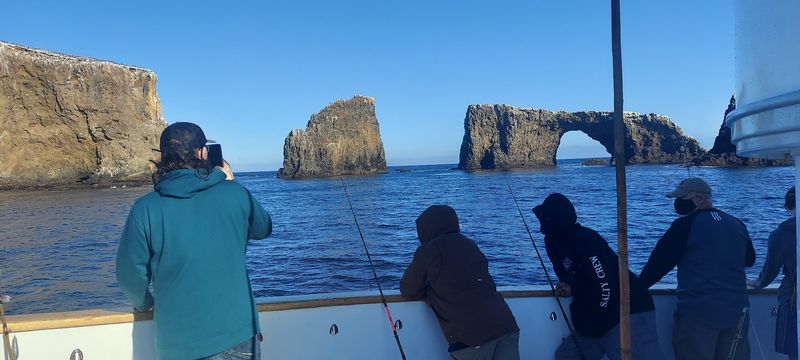
Stretching across five islands off the coast of Southern California, Channel Islands National Park offers some of the most spectacular and productive saltwater fishing available anywhere in the state.
The waters surrounding the islands are rich with marine life thanks to the convergence of cold and warm ocean currents that create exceptionally productive feeding conditions.
Rockfish, lingcod, calico bass, yellowtail, and white seabass are all regularly caught in these waters.
Accessing the islands requires a boat, and numerous licensed sportfishing charter operations depart from Ventura, Oxnard, and Santa Barbara throughout the year.
Half-day and full-day trips are available depending on the target species and the specific island destination.
The kelp forests around the islands are particularly productive for calico bass, which hold tight to the canopy and respond aggressively to surface lures and swimbaits.
Yellowtail fishing around the Channel Islands can be exceptional during summer and fall when warm water pushes north along the coast.
Regulations for fishing within the national park boundaries are strict, and some areas are designated as marine protected zones where fishing is prohibited.
Reviewing the current California Department of Fish and Wildlife regulations alongside National Park Service rules before booking a trip is an essential step for anyone planning to fish these waters.
16. San Diego Bay
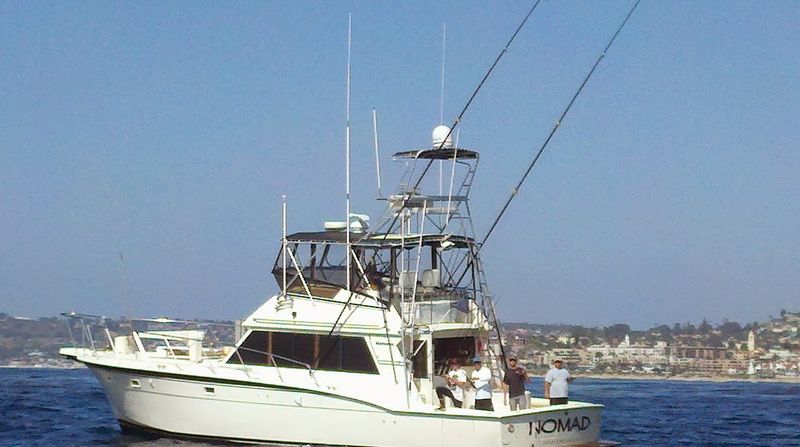
Few urban fishing experiences in California match what San Diego Bay has to offer, with its calm protected waters and surprising variety of species available year-round.
Halibut are one of the most sought-after targets in the bay, with fish regularly caught in the shallower sandy areas near the edges of the channel.
Spotted bay bass, also known as sand bass, are abundant throughout the bay and provide consistent action on light tackle.
Leopard sharks are another popular catch in San Diego Bay, especially during summer when they move into the shallower, warmer sections in large numbers.
Catching and releasing leopard sharks has become something of a local tradition, as these fish are protected under California regulations and must be returned to the water.
The bay also holds corbina, yellowfin croaker, and the occasional white seabass near structure and deeper channels.
Shore fishing access points are scattered throughout the bay, including Shelter Island, Harbor Island, and Chula Vista, giving anglers without boats plenty of options.
The Embarcadero area also provides walkable access to the waterfront where fishing is permitted in designated zones.
San Diego’s mild year-round climate means the bay fishes well in every season, making it one of the most consistently productive spots on this list.
17. Lake Isabella
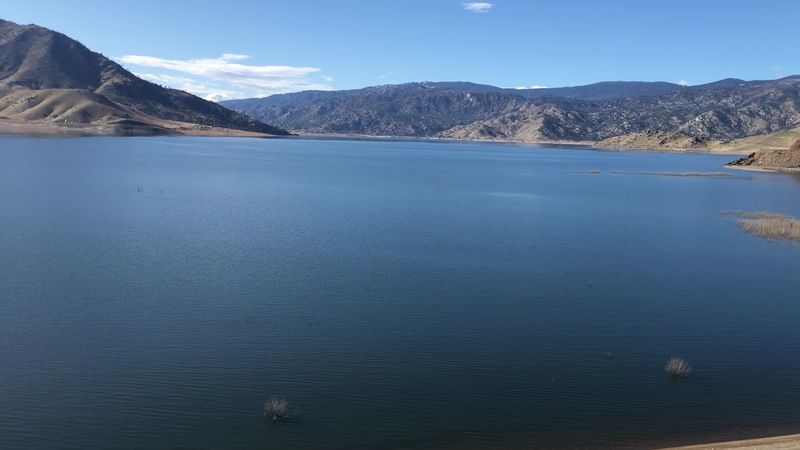
Sitting in the Kern River Valley at the southern end of the Sierra Nevada, Lake Isabella is the largest freshwater lake in Southern California by surface area.
The reservoir was created by the Kern River and offers a genuinely rugged fishing experience far from the crowds of coastal Southern California.
Largemouth bass and smallmouth bass are the primary targets here, with smallmouth particularly well suited to the rocky, clear-water environment.
Rainbow trout are stocked during cooler months and provide exciting action for shore and boat anglers throughout fall and winter.
Striped bass are also present in the lake and can reach impressive sizes, though populations fluctuate depending on water conditions and management decisions.
Channel catfish round out the species list and are a popular nighttime target for anglers fishing from shore with cut bait.
Water levels at Isabella have historically been affected by drought conditions in the Kern River watershed, so checking current lake elevation before planning a trip is a practical precaution.
Boat launches and basic facilities are available around the lake, and the nearby town of Lake Isabella provides access to bait shops and fuel.
The wide-open desert mountain scenery combined with quality bass and trout fishing gives Lake Isabella a character that feels genuinely different from the more polished reservoirs closer to major California cities.