10 Best Must-See Attractions In Wisconsin For An Unforgettable Statewide Road Trip
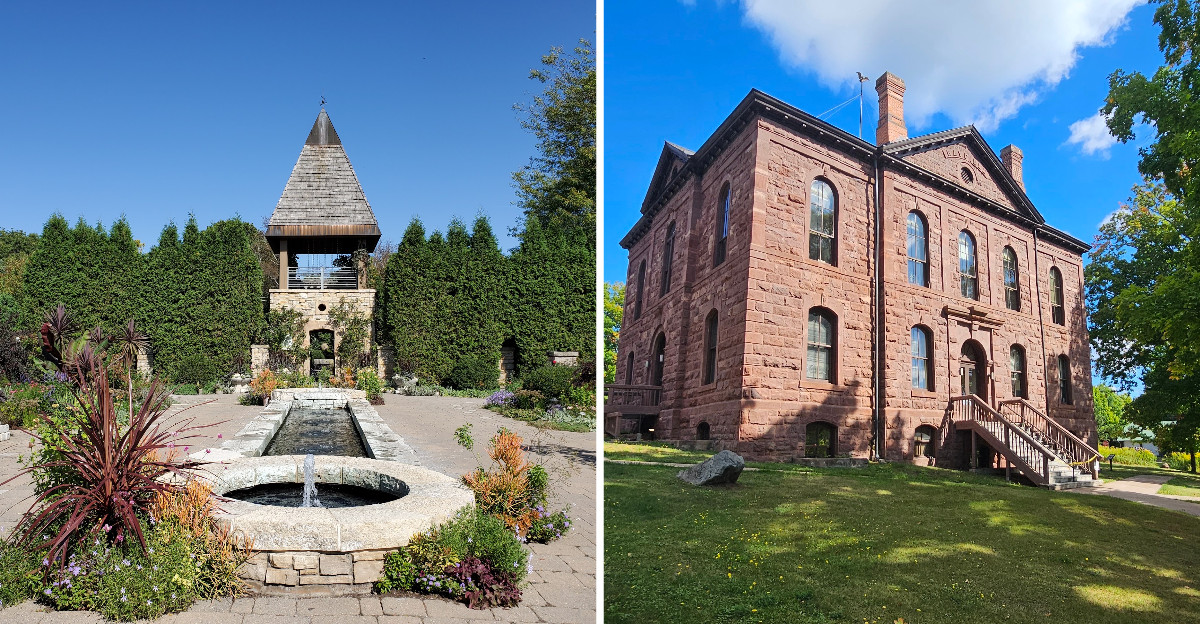
A submarine, a cave, a legendary stadium, and something completely bizarre can all land on the same Wisconsin itinerary. How is that not fun?
The state has a way of changing the mood every few miles, which makes a long road trip feel surprisingly fresh.
One stop dives into history. Another sends you underground. Then something strange appears that was never part of the original plan.
Those detours are usually the best part. A statewide adventure works better when it leaves room for a little chaos.
The route may look messy on the map, but the stories afterward will be anything but boring.
1. The House On The Rock, Spring Green
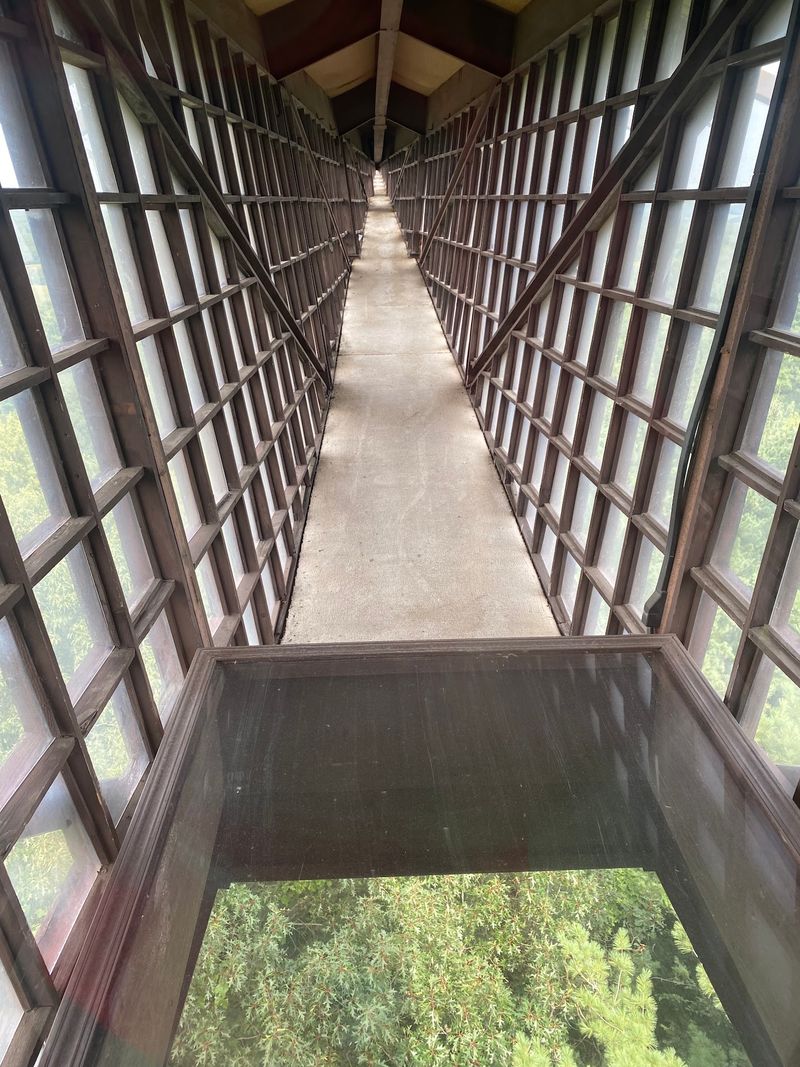
My jaw hit the floor before I even reached the first room. Honestly, nothing prepares you for this level of glorious weirdness.
The House on the Rock began taking shape in the mid-1940s, when Alex Jordan started building above Deer Shelter Rock.
The Original House rose atop a 60-foot chimney of stone and opened to the public in 1960.
Low ceilings, dim passageways, uneven levels, and rooms packed with unusual objects give the attraction its disorienting atmosphere.
Collections range from mechanical music machines and dolls to decorative pieces that blur the line between museum display and spectacle.
The Streets of Yesterday shifts the setting again, recreating a 19th-century American street with red-brick pathways, storefronts, a sheriff’s office, a carriage house, and antiques.
Heritage of the Sea takes the scale in another direction. More than 200 model ships share the space with maritime displays and a sea-creature sculpture stretching 200 feet through the gallery.
Then comes the carousel, filled with 269 handcrafted creatures, more than 20,000 lights, and 182 chandeliers.
Save attention for the Infinity Room, which projects 218 feet over the valley without supports beneath its outer end. More than 3,000 pieces of glass line the structure.
Seeing the attraction can take three to five hours. The House on the Rock is at 5754 State Road 23 in Spring Green.
2. EAA Aviation Museum, Oshkosh
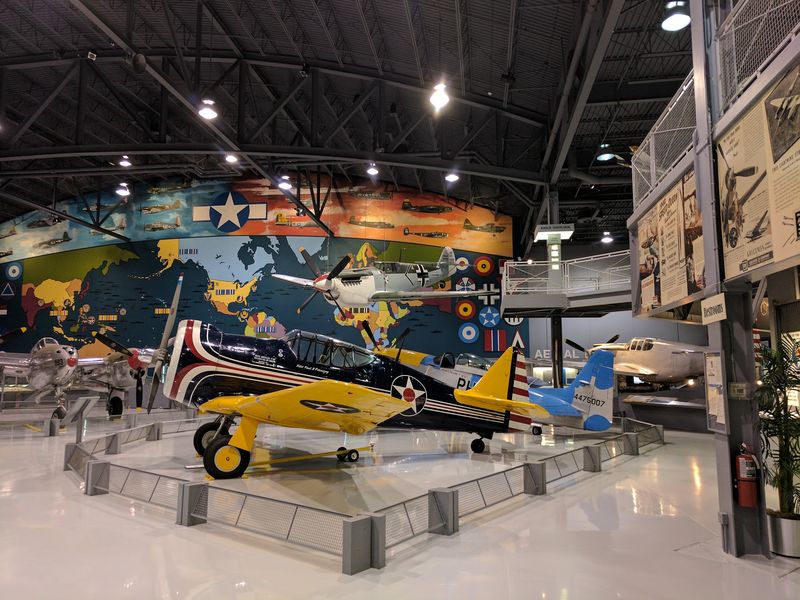
Are you seeing what I am seeing, or did a whole sky just park indoors? Wings of every shape crowd the halls, and my neck got a workout.
The EAA Aviation Museum holds more than 200 aircraft and 20,000 artifacts on display, covering early flight, homebuilt airplanes, record-setting aircraft, aerobatics, air racing, military aviation, and innovation.
The current Aviation Center was dedicated in Oshkosh in 1983, giving EAA a permanent home for its collection. Rotating displays add stories without pushing the historic aircraft aside.
The Eagle Hangar concentrates on World War II aviation, pairing aircraft with artifacts that connect the machines to the people who flew, maintained, and depended on them.
Record-breaking flight gets its own spotlight in the Innovations Gallery.
An accurate replica of Voyager represents the aircraft that completed the first nonstop, non-refueled flight around the world in 1986, and visitors can look into its cramped cockpit.
KidVenture makes the museum hands-on. Its Raptor Gallery has 16 interactive exhibits, and visitors can climb into the cockpit of a half-scale F-22 model.
From May through October, Pioneer Airport recreates an early airfield with more than 50 vintage airplanes and seven hangars. Vintage-aircraft rides are offered when weather and volunteer pilots allow.
The museum is at 3000 Poberezny Road in Oshkosh and opens daily from 10 a.m. to 5 p.m.
3. Harley-Davidson Museum, Milwaukee
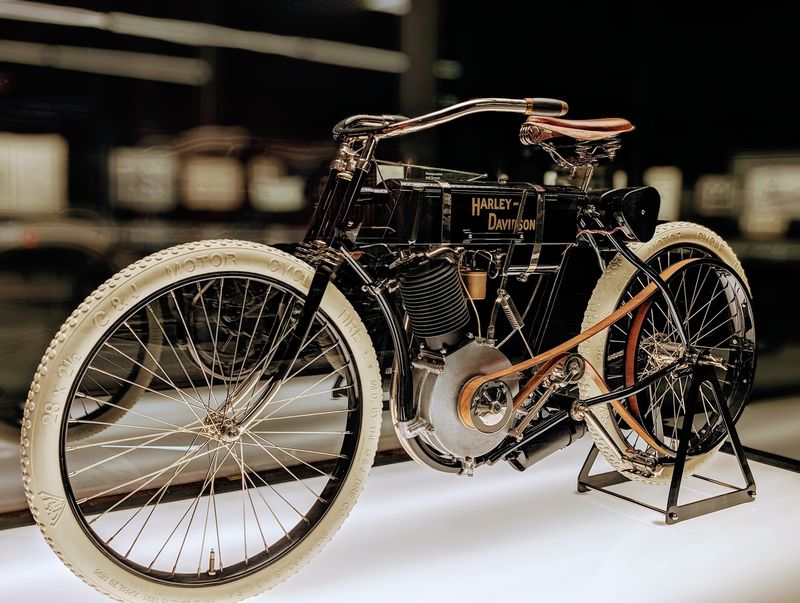
Just imagine for a second the rumble of an engine vibrating through your chest. Now picture a century of that sound packed under one roof.
The Harley-Davidson Museum occupies a 20-acre campus beside the Menomonee River in Milwaukee.
Its permanent exhibits follow the company from its 1903 beginnings through more than 120 years of design, racing, culture, customization, and mechanical development.
Two floors hold motorcycles, memorabilia, interactive displays, and stories from generations of riders. Behind the public galleries, Harley-Davidson’s corporate archives preserve hundreds of motorcycles alongside extensive records and artifacts.
Serial Number One is an essential stop. The oldest known Harley-Davidson motorcycle connects the polished museum complex to the company’s earliest experiments with powered bicycles.
Those beginnings were remarkably modest. Harley-Davidson traces its first motorcycle work to a 10-by-15-foot wooden shed in the Davidson family’s backyard, far from the global brand that followed.
Racing history adds depth. Early competition bikes and displays explain how speed, durability, engineering, and the board-track era helped shape the company’s reputation.
Customization gets plenty of room too. Special exhibitions explore custom builds, design, art, popular culture, and personal expression.
The Model Year Experience Gallery brings the story into the present, with motorcycles visitors can sit on.
The museum is at 400 W. Canal St. in Milwaukee and opens daily from 10 a.m. to 5 p.m.
4. Lambeau Field, Green Bay
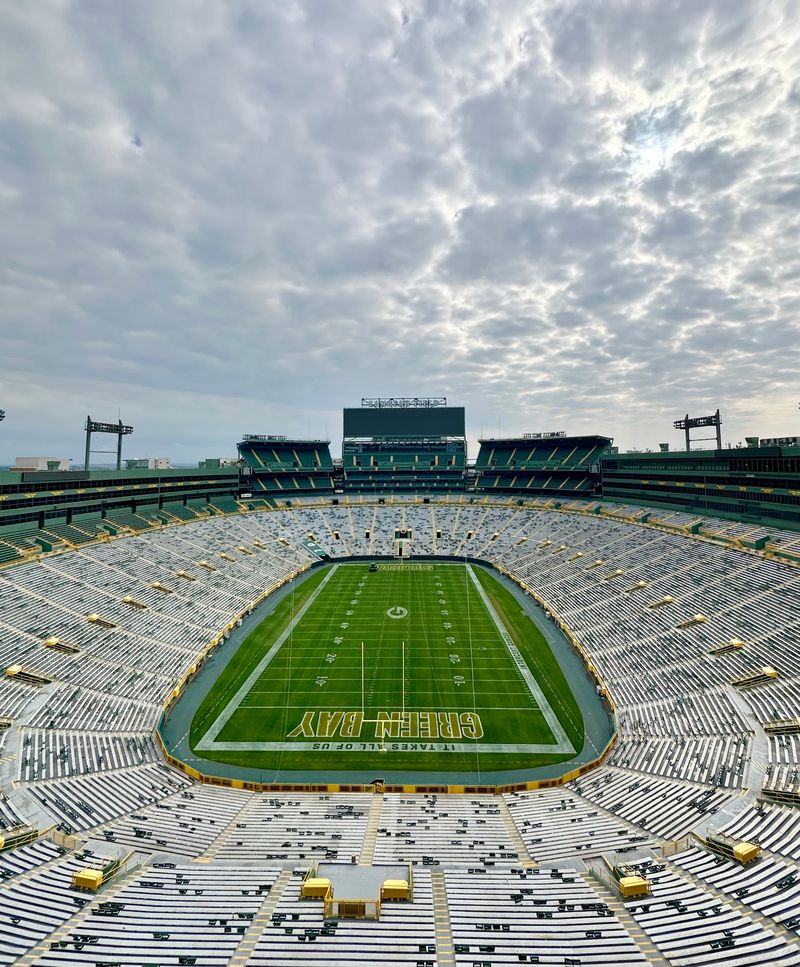
Let’s be real for a second, some stadiums are buildings and some are legends. Football fans know which category this belongs to.
Lambeau Field opened in 1957 and enters its 70th season in 2026.
The Packers describe it as the NFL’s oldest continually operating stadium, and later expansions have brought seating capacity to 81,041.
Guided stadium tours offer several levels of access, so the exact route depends on the ticket selected. Classic, Champions, and Legendary options build on one another with deeper looks around the stadium.
Tour access can include the player tunnel and views from field level, though operations, weather, and events can affect access. Tours are not offered on Packers home-game days.
The Packers Hall of Fame adds another stop inside. Its roughly 15,000 square feet cover two levels and nine galleries devoted to team history, players, coaches, memorable seasons, and Green Bay’s bond with the team.
Championship history gets attention, including the team’s Super Bowl trophies. Another display recreates Vince Lombardi’s office with his original desk, giving the story a human scale.
Outside, statues of Curly Lambeau and Vince Lombardi stand near the stadium.
Next door, Titletown extends the visit with a public park, warm-weather playground, winter skating, tubing, dining, and other attractions.
Lambeau Field is at 1265 Lombardi Ave. in Green Bay. Cheesehead hats remain optional.
5. Circus World, Baraboo
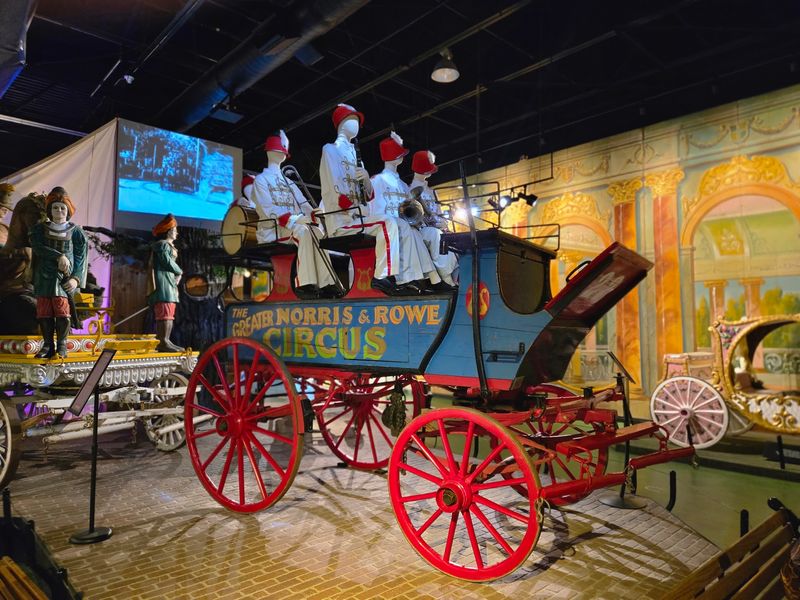
Who knew a small Wisconsin town once held the biggest show on earth?
Circus World occupies part of the Baraboo winter quarters of the Ringling Bros. Circus. The brothers made Baraboo their base in 1884, and the circus continued wintering there until 1918.
Seven surviving structures on the grounds hold National Historic Landmark status. Together they form the nation’s largest and oldest surviving group of circus winter-quarter buildings.
The wagon collection is another reason to stop. Circus World describes it as the world’s largest collection of authentic circus wagons, with richly carved and painted vehicles showing how elaborate traveling shows became.
Restoration is part of the story rather than hidden behind the scenes. Exhibits explain the specialized work required to conserve wooden wagons that endured travel, weather, and heavy use.
Summer brings Circus World’s most theatrical version. The 2026 Big Top season featured aerial acts, juggling, clowning, and live performances, but the season ended on September 6.
Fall visits are quieter and more museum-focused. From September 8 through September 25, 2026, Circus World is open Monday through Friday from 10 a.m. to 4 p.m., with no live performances.
Seven exhibit buildings cover circus history through wagons, posters, costumes, artifacts, photographs, and stories.
Circus World is at 550 Water St. in Baraboo, where spectacle and history still share the same address.
6. Cave Of The Mounds, Blue Mounds
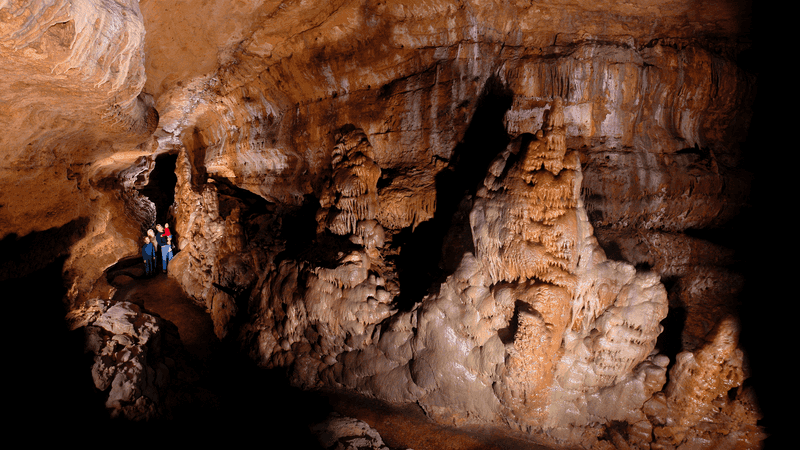
Here’s a crazy thought for a road trip: go underground. Trust me, Wisconsin’s coolest views hide beneath a farm field.
Cave of the Mounds was discovered accidentally on August 4, 1939, when a quarry blast broke into an underground chamber. The discovery drew attention, and public tours began the following year.
Its geological importance earned federal recognition. Cave of the Mounds became a National Natural Landmark in 1988, recognizing Wisconsin’s underground limestone landscape.
The cave developed within limestone created from ancient marine deposits. Over time, slightly acidic groundwater dissolved passages through the rock and deposited the calcite formations visible today.
Guided routes pass stalactites, stalagmites, columns, flowstone, and other formations under placed lighting. Mineral staining adds variation to the walls, so the underground scenery does not look uniformly white or gray.
The cave remains around 50 degrees Fahrenheit year-round, so a light jacket helps in summer. A typical tour covers about 0.6 mile and averages 45 minutes.
Paths are paved and well lit, with seven staircases. Surfaces can feel damp, but the route is not normally muddy or slippery.
Above ground, visitors can explore gardens, prairie areas, walking trails, and gemstone-mining activities.
Cave of the Mounds is at 2975 Cave of the Mounds Road in Blue Mounds. The temperature shift happens fast, but the geological story took millions of years.
7. Wisconsin Maritime Museum, Manitowoc
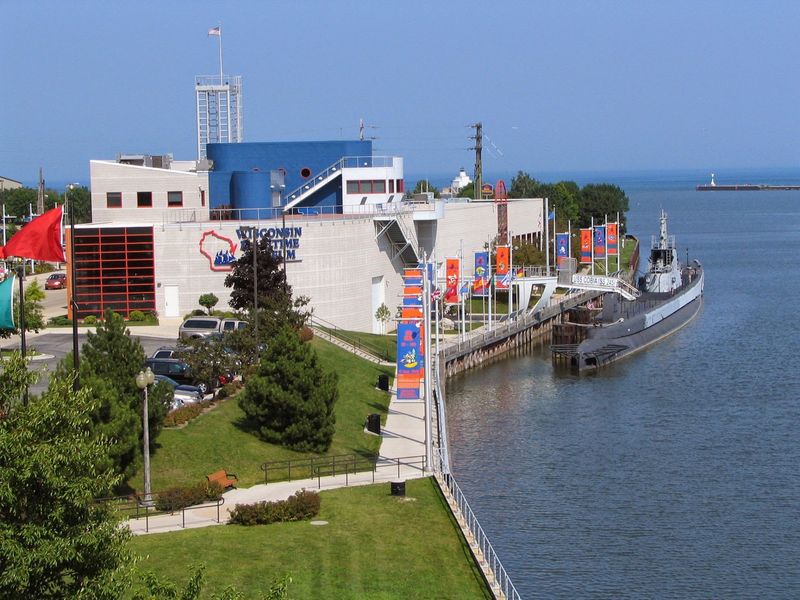
I never expected to climb inside a submarine in the Midwest. Yet here one floats, docked calmly on a river near Lake Michigan.
The Wisconsin Maritime Museum tells a larger story than one submarine. Manitowoc became a wartime shipbuilding center, producing 28 submarines for the U.S. Navy during World War II.
USS Cobia was not one of those Manitowoc-built boats. It was launched in Groton, Connecticut, in 1943 and completed six World War II patrols before becoming a memorial to Manitowoc’s wartime shipbuilding story.
Restoration has returned much of Cobia to its 1945 configuration. Its SJ-1 radar has also been restored to operating condition and is regarded as one of the oldest operating radar sets of its kind.
Guided submarine tours move through tight hatches, sleeping quarters, machinery spaces, and the torpedo room. The compact dimensions make daily life aboard a wartime submarine easier to understand.
Bunks, narrow passages, and the galley reveal how many sailors shared limited space for weeks at a time.
Back inside the museum, exhibits broaden the focus to Great Lakes maritime history, shipbuilding, navigation, shipwrecks, engines, models, and Wisconsin’s relationship with the water.
Overnight programs allow qualifying groups and guests to sleep aboard Cobia.
The Wisconsin Maritime Museum is at 75 Maritime Drive in Manitowoc. The submarine is one chapter of the city’s maritime story.
8. Pendarvis, Mineral Point
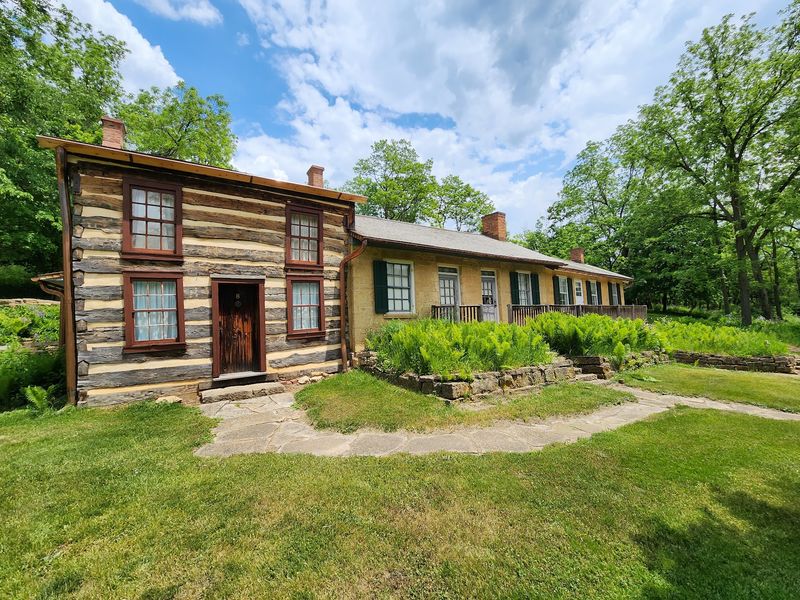
It is surprising how charming a mining town can be. Picture quiet stone cottages tucked into a hillside, looking unchanged for two centuries.
Pendarvis preserves the story of Cornish immigrants who came to southwestern Wisconsin during the lead-mining boom of the early 1830s. Their arrival shaped Mineral Point’s architecture, food traditions, and cultural identity.
Several of the site’s stone cottages date from roughly 1842 to 1852. Their thick local-limestone walls reflect local materials and building knowledge brought into the settlement.
Tours do more than recreate one nineteenth-century moment. Interpretation explains how Robert Neal and Edgar Hellum began preserving the cottages in the twentieth century, helping save buildings that might have disappeared.
Pendarvis, Trelawny, and neighboring structures line Shake Rag Street, where the arrangement makes the surviving mining-era landscape easy to appreciate.
Behind the cottages, Merry Christmas Mine Hill preserves another side of history. More than 100 historic mining depressions and shafts, called badger holes, remain across restored prairie.
Those hillside diggings connect directly with Wisconsin’s Badger State identity, born from miners who sheltered in crude hillside excavations.
Pendarvis operates seasonally, while the mine hill trails remain an outdoor option. Mineral Point adds galleries, studios, and historic storefronts nearby.
Pendarvis is at 114 Shake Rag St. in Mineral Point. The cottages are small, but the stories around them are anything but.
9. Olbrich Botanical Gardens, Madison
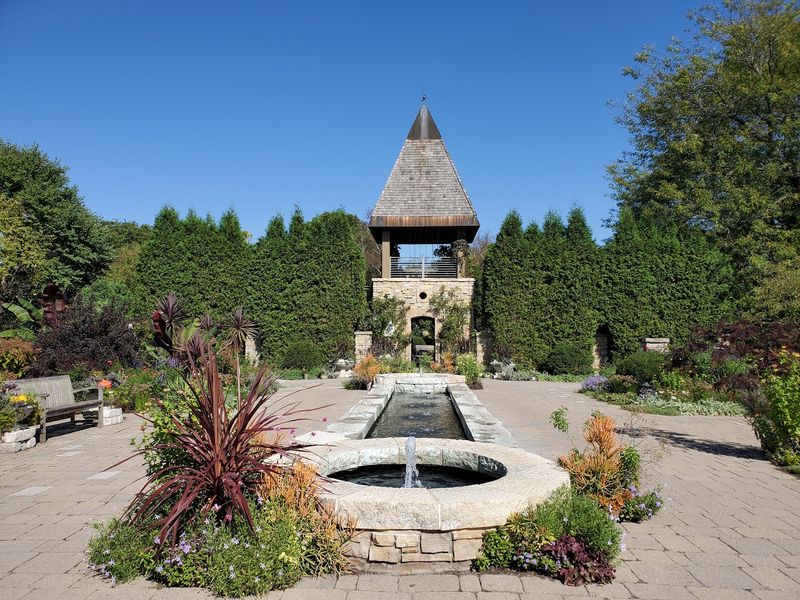
Call me crazy, but I could spend a day smelling flowers. Somehow hours vanish once the paths start winding.
Olbrich Botanical Gardens covers 16 acres on Madison’s east side near Lake Monona. The outdoor gardens change through the seasons, while the Bolz Conservatory keeps tropical plants growing under glass year-round.
The Royal Thai Pavilion is the garden’s centerpiece.
It was a gift from Thailand’s government and the Thai Chapter of the University of Wisconsin Alumni Association, and Olbrich describes it as the only Thai pavilion in the continental United States within a garden.
Crafted in Thailand before being assembled in Madison, the pavilion combines intricate decoration with gold detailing. Tropical plantings complement the structure.
A different mood appears in the Sunken Garden. Its formal English-inspired layout surrounds an 80-foot reflecting pool, using clipped plantings and symmetry.
The Bolz Conservatory rises 50 feet inside a glass pyramid measuring 100 by 100 feet. More than 650 plants grow around a waterfall and tropical features.
Summer brings the annual Blooming Butterflies exhibition, while roses now appear in the Tower Garden rather than a dedicated Rose Garden.
Lake Monona and nearby parks and bicycle connections make the gardens easy to combine with a longer outdoor day.
Olbrich Botanical Gardens is at 3330 Atwood Ave. in Madison. Stopping to smell the roses is still possible.
10. Apostle Islands National Lakeshore Headquarters, Bayfield
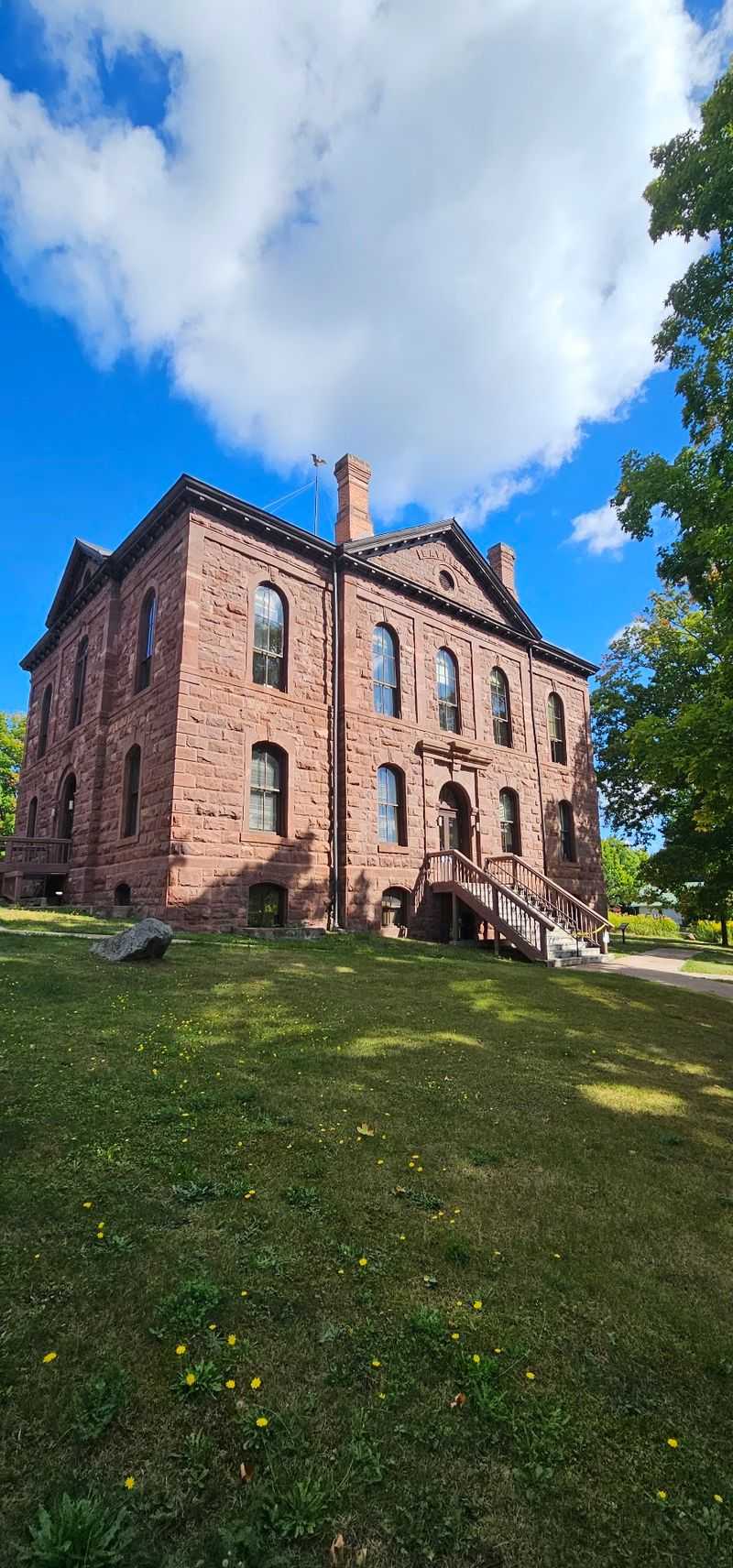
Sea caves in Wisconsin sound made up. The sandstone arches are real, and they blaze red near sunset.
The Bayfield headquarters is a useful first stop for Apostle Islands National Lakeshore. It occupies the historic Old County Courthouse at 415 Washington Ave., with information, exhibits, a park film, permits, and a bookstore inside.
Staff provide maps and information about weather, lake conditions, camping, and access. That matters on Lake Superior, where conditions can change rapidly and some destinations require boats.
The national lakeshore protects 21 islands and a 12-mile stretch of mainland Lake Superior shoreline. Beaches, forests, sea caves, wilderness, historic sites, and Ojibwe cultural connections shape the larger park.
Sea caves are signature features. Kayakers can reach sandstone formations along the mainland and islands, but calm conditions are essential.
Winter can transform the mainland caves into ice formations, though safe access is not guaranteed.
Apostle Islands has the largest collection of lighthouses in the National Park System, with nine lighthouses identified in the current park brochure.
Seasonal boat cruises offer another way to explore the islands, while primitive campsites support longer stays. Lake conditions deserve respect in every season.
The Bayfield headquarters is open Monday through Friday from 9 a.m. to 4 p.m. through September 30, 2026.