11 Best Small Towns Near Sacramento, California For A Quick Fall Road Trip

A fall road trip does not need to turn into a full weekend operation.
Sometimes you want one good main street, a little color in the trees, and enough distance from Sacramento to make the day feel different without spending half of it in the car.
That is where these towns come in.
Small communities near Sacramento, California make it easy to trade city traffic for slower streets, foothill scenery, and the kind of lunch stop that becomes the highlight of the whole trip.
Pick one. Leave after breakfast. Be back before the suitcase even feels necessary.
And if you accidentally come home with apples, antiques, pie, or three things you absolutely did not need? That still counts as a successful fall drive.
1. Nevada City

Photographers set alarms for October mornings here, and once you see the maples along Broad Street you will understand why.
Nevada City sits about 60 miles from Sacramento, roughly an hour up Highway 49, and it holds some of the brightest fall color in California.
Century-old red maples, liquidambars, and other leafy giants line the Victorian neighborhoods, glowing gold, orange, and deep crimson. Peak color usually arrives in mid-October and can linger until Thanksgiving.
Downtown looks like a movie set nobody had to build. Brick storefronts, iron shutters, and roofed balconies date to the Gold Rush, and the Nevada Theatre has hosted shows since the 1860s.
Grab a self-guided fall colors map from the chamber of commerce, then wander past the National Exchange Hotel for a drink under antique chandeliers.
Hungry travelers do well at Three Forks Bakery and Brewing Co., which pours local beer beside fresh bread, while Nevada City Winery offers tastings a short walk away.
With daylight left, drive out to the Bridgeport Covered Bridge or visit Malakoff Diggins State Historic Park, where old hydraulic mining carved orange cliffs into the hillsides.
A fun bit of history: the town still keeps a set of old-fashioned gas streetlamps burning downtown.
Parking fills fast on autumn weekends, so arrive before ten and plan to walk everywhere. Bring a jacket too, because the canyon air cools quickly once the sun slips behind the pines.
2. Sutter Creek

Locals call Sutter Creek the Jewel of the Mother Lode, and the nickname holds up in autumn. The drive takes about 45 minutes southeast of Sacramento, which makes it an easy Saturday escape.
Dogwoods, maples, and cottonwoods paint the creek banks in soft reds and butter yellows. Warm afternoons and chilly nights make walking Main Street feel just right.
Between enjoying restaurants and trying delicious food, browse antique shops, art galleries, and small boutiques tucked into 1800s brick buildings.
The wooden sidewalks and balconies have barely changed since miners walked them.
Cyclists and hikers love the back roads that wind out of town past oak groves and vineyard rows. Shenandoah Road, in particular, delivers one scenic curve after another.
Pack a picnic and stop at a winery patio for lunch instead of rushing back. Many pour by the glass, and several welcome dogs on the lawn.
Rooms book quickly during harvest, so reserve a bed and breakfast early if you want to stay overnight. Otherwise, leave Sacramento by nine and you will still have hours of golden light to enjoy.
One more tip: check the town calendar, since fall weekends often bring live music, barrel tastings, and open-air craft markets.
3. Placerville

Apple Hill alone justifies the trip. Just east of Placerville, more than 50 family farms, bakeries, and breweries open their gates each fall for apple picking, warm cider donuts, and pumpkin patches.
The town sits roughly 45 minutes from Sacramento along Highway 50, close enough for breakfast at home and pie by noon.
Hills around Placerville glow gold and crimson by mid-October, and the light hits the orchards beautifully in late afternoon.
Weekend traffic on the Apple Hill loop can crawl, so weekdays are gold if your schedule allows.
Historic Main Street rewards a slow stroll with coffee shops, vintage stores, bookshops, and locally owned boutiques. The town was once nicknamed Hangtown, a reminder of rough Gold Rush justice.
Gold Bug Park and Mine lets you walk right into a lighted mine shaft, which kids usually rank as the best part of the day.
Area wineries throw harvest festivals with grape stomps, live bands, and food trucks. Several sit on ridgetops with views stretching toward the Sierra.
Bring cash for farm stands, wear shoes you do not mind getting dusty, and carry a box for everything you buy.
Apples ripen through September and October, so pick your variety and plan around it. Honeycrisp goes early, while Fuji and Granny Smith hang on later in the season.
Leaving before four helps you avoid the long line of cars heading back down toward the highway.
4. Auburn

Crisp air, golden leaves, and Gold Rush brick buildings make Auburn feel like a postcard in October. The drive from Sacramento takes about 45 minutes up Interstate 80.
Scenic driving is a highlight here, especially along Foresthill Divide Road and the twisting stretch of Highway 49 toward the American River canyon.
Auburn State Recreation Area covers thousands of acres of trails for hiking, running, and mountain biking. Cooler temperatures make the canyon climbs far more pleasant than in summer.
Old Town Auburn packs antique stores, galleries, and small restaurants into a few sloping blocks. Look for the giant statue of gold miner Claude Chana, a local landmark that surprises first-time visitors.
Community events such as the Auburn Community Harvest Carnival bring games, costumes, and treats for younger travelers.
Auburn also calls itself the Endurance Capital of the World thanks to legendary trail races that finish in town. Runners crowd the coffee shops on race weekends, and the energy is contagious.
Start at the visitor center for a walking map, then finish the day watching sunset from the Foresthill Bridge overlook, the tallest bridge in California.
Wear layers, since canyon shade can feel ten degrees cooler than a sunny sidewalk, and bring water even on short trails.
5. Grass Valley

Sugar maples and sweet gum trees near the North Star Mining Museum put on one of the loudest color shows in the Sierra foothills.
Grass Valley sits about 60 miles northeast of Sacramento, right next door to Nevada City, so you can easily see both in one day.
Downtown holds rows of Victorian-era buildings filled with bakeries, bookstores, galleries, and cafes. Dogwoods and maples along Mill Street glow orange once the nights turn cold.
History runs deep underground here. Empire Mine State Historic Park preserves one of California’s richest hard-rock gold mines, complete with a stone mansion, rose gardens, and miles of walking paths.
Cornish miners settled the area and brought their meat-filled pasties with them, which local bakeries still sell today. Order one warm and eat it while wandering.
September brings the Draft Horse Classic and Harvest Fair at the county fairgrounds, where enormous horses pull wagons in front of packed grandstands.
Autumn also means farm stands, apple cider, and craft fairs in the surrounding countryside. Ask a shop owner where the color is peaking, because they track it closely.
Trails at Empire Mine work well for families, with wide gravel paths and plenty of benches. Serious hikers can head toward the Yuba River instead.
Evenings get chilly fast at 2,400 feet, so toss a fleece in the car and consider staying for dinner and live music before driving home.
6. Amador City

California’s smallest incorporated city fits into a single curve of Highway 49, and that is exactly its charm. Amador City covers barely a few blocks, with fewer than 200 residents.
The drive from Sacramento runs about an hour southeast, and the town sits minutes from Sutter Creek.
Antique hunters treat the tiny main street as a treasure chest.
Shops stuffed with vintage glassware, old signs, and furniture share the block with tasting rooms and a historic hotel.
The Imperial Hotel, built in 1879, anchors the corner with brick walls and a restaurant that draws diners from all over Amador County.
Above town stand the remains of the Keystone Mine, once one of the most productive gold mines in the region. Its old headframe still peeks over the rooftops.
Fall color comes from black oaks, sycamores, and grapevines that turn rust and yellow along Amador Creek. Mornings often start foggy, then clear into blue-sky afternoons.
Because everything sits within a two-minute walk, park once and stay on foot. You can see the whole town in an hour.
Some shops keep short hours midweek, so call ahead if a specific store is your reason for driving out. Photographers love the late light on the brick facades.
Combine Amador City with Sutter Creek and Volcano for a loop that feels much longer than the miles suggest.
7. Winters

Pumpkins, cornstalks, and haystacks appear on the sidewalks of downtown Winters every October, courtesy of nearby farms.
The little Yolo County town sits about 35 minutes west of Sacramento, past miles of orchards.
Walnut and almond trees turn yellow along the country roads, and roadside stands sell fresh nuts by the bag.
Food is the real draw. Restaurants around the small plaza build menus around whatever the local farms just harvested, from squash and figs to olive oil pressed a few miles away.
Putah Creek Nature Park offers a shady, flat walk right at the edge of downtown, ideal for stretching your legs after the drive.
Cyclists know Winters well because it marks the start of the climb toward Lake Berryessa and the Blue Ridge. The old steel bridge over Putah Creek makes a great photo stop.
Downtown covers only a few blocks, yet it holds a bakery, coffee roaster, taproom, and a restored early 1900s theater.
Weekend evenings often bring live music to the plaza, and the whole scene feels like a small-town movie.
Fun fact: Winters got its name from a landowner who donated property for the railroad in the 1870s, not from the season.
Plan lunch reservations if you visit on a Saturday, since seating is limited and popular spots fill early. Then loop north through Yolo farmland toward Davis for a longer, prettier drive home.
Bring a cooler for produce and olive oil.
8. Camino

Cider donuts, hayrides, and rows of apple trees define Camino from late August through October. The tiny community sits in the heart of Apple Hill, just past Placerville on Highway 50.
Farms here open barns and orchards to visitors, selling pies, jams, fresh-pressed juice, and pumpkins straight from the field.
Cherry trees, maples, and grapevines turn red and gold across the ridge, with the higher Sierra peaks visible on clear days.
Crowds are real, especially on October Saturdays. Arriving at opening time, around nine or ten, saves you from long shuttle lines and packed parking lots.
Giving the area two or three days lets you explore without racing between farms. Cabins and small inns nearby make a relaxed base.
Kids gravitate toward the farms with animals, train rides, and craft booths, while adults linger over tastings and homemade pie.
Bring cash, a cooler, and layers, because mornings at 3,000 feet start cold and afternoons warm up quickly.
Camino also sits close to Jenkinson Lake at Sly Park, a peaceful spot for a picnic away from the apple crowds.
Look for the old lumber town buildings along Carson Road, a reminder that timber, not fruit, first put Camino on the map. Check farm websites before leaving, since hours change week to week.
9. Volcano

Fewer than 150 people live in Volcano, and the whole place feels like a secret.
In a limestone bowl about an hour southeast of Sacramento, the town got its name from early miners who thought the crater-like valley looked volcanic. It never actually had a volcano.
The 1856 St. George Hotel still stands with its wide porches and ivy-covered walls, serving meals and drinks to travelers.
Autumn turns the surrounding oaks, maples, and sycamores gold, and the creek beside the road runs clear and cold.
History sits out in the open here. A Civil War era cannon called Old Abe rests near the main street, and stone ruins from the 1850s peek out from the brush.
Nearby Indian Grinding Rock State Historic Park protects more than a thousand mortar holes carved by the Miwok people, plus a reconstructed village and roundhouse.
Black Chasm Cavern, just up the road, offers guided tours past delicate crystal formations, a good backup plan if the weather turns.
Volcano Theatre Company performs in a small hillside space, and shows sometimes run into the fall.
Services are limited, so fill your gas tank in Sutter Creek or Pine Grove first. Cell coverage can vanish along the canyon road, which honestly adds to the appeal.
Come for a slow afternoon, a porch dinner, and the kind of quiet that city weekends rarely offer.
10. Georgetown

Georgetown earned the nickname Pride of the Mountains, and its unusually wide main street explains part of the story.
After a fire in the 1850s, residents rebuilt Main Street about 100 feet across to slow the next blaze.
The town sits on a forested ridge about an hour northeast of Sacramento, above the American River canyon.
Tall pines mix with black oaks and dogwoods, so fall color arrives in patches of yellow and deep red against evergreen.
Old wooden storefronts, a historic hotel, and a couple of friendly saloons anchor the downtown, which takes about twenty minutes to walk end to end.
Outdoor recreation is the main event. Trails and dirt roads in the Georgetown Divide area lead toward swimming holes, waterfalls, and overlooks, and mountain bikers rave about the singletrack.
Drive Wentworth Springs Road or Highway 193 for curvy, scenic miles with almost no traffic.
Local orchards and small farms sell apples and pumpkins in season, and roadside signs will point the way.
Marshall Gold Discovery State Historic Park in Coloma lies about twenty minutes south, where James Marshall found gold in 1848 and started the rush.
Combining Georgetown with Coloma makes an excellent half-day loop, especially if you like river views.
Bring snacks and a full tank, since restaurants keep small-town hours and close early. Check road conditions late in the season too, because the first mountain storms can arrive by November.
11. Locke

Locke looks nothing like the other towns on this list, and that is the point. Built by Chinese immigrants in 1915, it remains the largest and best-preserved rural Chinese American community in the United States.
The village sits on the Sacramento River levee in the Delta, roughly 40 minutes south of the city near Walnut Grove.
Wooden buildings lean together along a narrow main street, with second-floor balconies and hand-painted signs still in place.
Self-guided walking tours take about an hour. Start at the Locke Boarding House Museum and Visitor Center, then visit the Dai Loy Museum, a former gambling hall left much as it was.
Al the Wop’s, a longtime restaurant with an odd name and a steak-and-peanut-butter tradition, has fed curious visitors for decades.
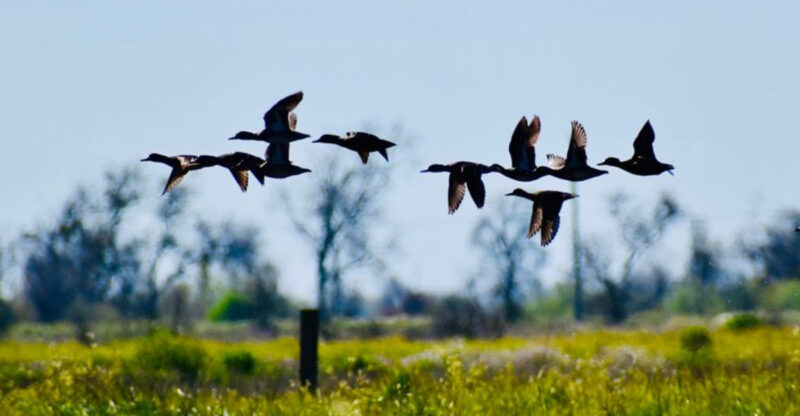
Autumn brings cooler air and softer light to the Delta, plus flocks of migrating birds settling into the flooded fields nearby.
Pear and walnut orchards along the levee roads turn yellow, and the drive on Highway 160 follows the river past drawbridges and old farmhouses.
Respect matters here because people still live in these buildings. Keep voices low, stay on public streets, and ask before photographing homes.
Pair Locke with a stop in Walnut Grove or Isleton for lunch, then finish with a Delta ferry ride, which crosses free of charge. Sunset over the river makes the whole trip worthwhile.