Birders Are Spotting Rufous Hummingbirds At Idaho Feeders In November Instead Of Mexico
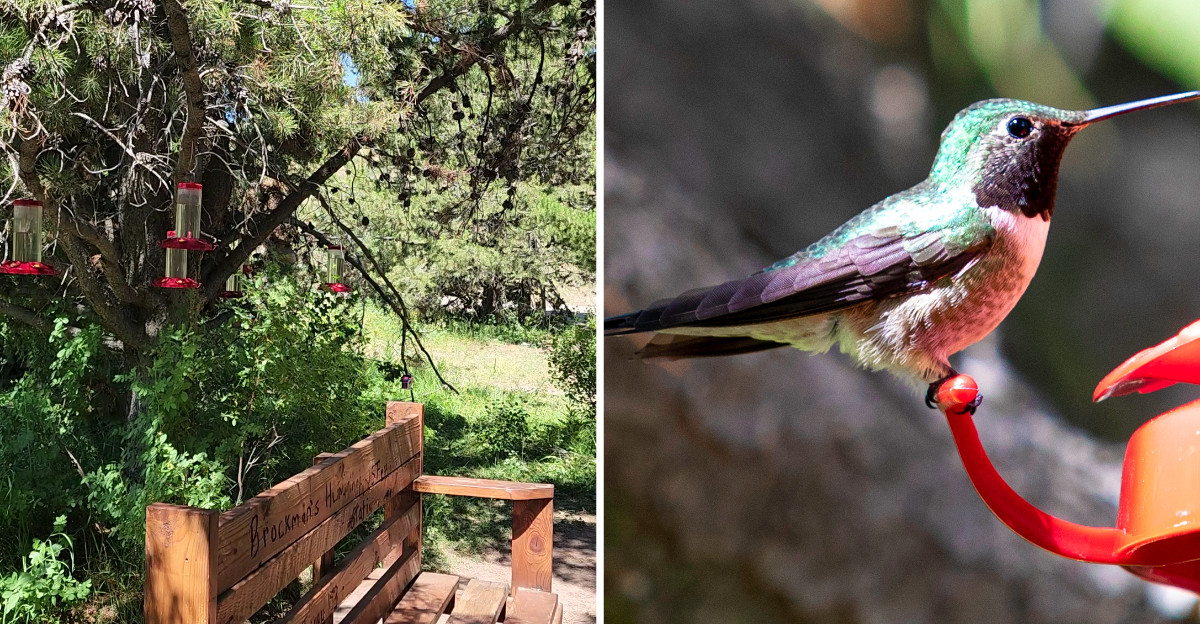
A bird about three inches long, weighing roughly as much as a penny, is sipping sugar water in Idaho while frost covers the lawn.
Most Rufous Hummingbirds should be in Mexico by now. Their southbound trip through the Rockies usually wraps up by early fall.
That makes a November sighting feel like finding a sunbather at a ski lift.
These birds fly one of the longest migrations of any bird for their size. Some travel close to 4,000 miles one way between Alaska and Mexico.
I love that a backyard feeder can suddenly become the center of a real mystery. Birders across the West have been noting late hummingbirds for years.
Some of those stragglers stick around far longer than anyone expects.
So what keeps a bird built for summer hanging out near snow? And what should you do if one shows up at your window?
1. The Copper Bird That Should Be Gone
Few birds look like a tiny flying ember, but a male Rufous Hummingbird pulls it off. His back and sides glow orange, and his throat flashes red-orange in good light.
Females and young birds look different. They have green backs, rusty sides, and a small spot of orange on the throat.
In a normal year, adults pass through Idaho mostly in mid to late summer. They chase wildflowers in the mountains on their way south toward Mexico.
That’s why a November visitor makes birders blink twice. The calendar says snow shovels, yet the feeder says summer.
Late sightings are not brand new, though. Birders across the western United States have recorded stragglers for decades, and the reports keep coming.
What makes these birds fun is how easy they are to notice. A rusty hummingbird zipping past a frosty window is hard to mistake for a sparrow.
If you live in the Treasure Valley, Magic Valley, or the Panhandle, you may already have one buzzing past your porch. It pays to look twice before you pack the feeder away for winter.
A short look at the bird’s colors can turn an ordinary morning into a real local sighting. Keep binoculars near the kitchen window just in case.
2. The Clockwise Loop
Here’s a route with real style. Rufous Hummingbirds travel in a big clockwise loop across western North America.
In spring, many head north along the Pacific Coast. Early flowers bloom there first, giving them a steady snack trail.
Heading south, they swing inland through the Rocky Mountains. Late summer wildflowers in high meadows feed them on the return.
Idaho sits right in that southbound lane. That’s why mountain areas like the Sawtooths and central Idaho often see them in July and August.
By early fall, most of them have pushed past the state. Their surge through the Rockies usually wraps up around then.
So a November bird is way off the usual timeline. It’s like seeing a summer camper still pitching a tent after Thanksgiving.
The loop also explains why sightings feel seasonal for many Idahoans. You might see them in mountain cabins, then never at your town feeder.
Knowing the loop helps you understand how odd a late visitor really is. It also helps you appreciate just how tightly these birds track the bloom calendar.
3. Torpor, The Built-In Survival Trick
Cold nights would seem impossible for a bird this small. Hummingbirds, though, have a clever trick called torpor.
At night, a hummingbird can drop its body temperature and slow its heart rate. That saves a lot of energy while it isn’t eating.
Picture a phone switching to low-power mode, but feathered. The bird looks almost frozen in place, yet it’s resting on purpose.
In the morning, it warms back up and heads straight for food. That first feeder visit after sunrise can matter a great deal.
Torpor helps explain how some hummingbirds handle chilly fall weather. It doesn’t make them snowproof, but it buys them time.
If you ever find a still hummingbird on a cold morning, it may be in torpor. Experts generally advise giving it space and contacting a licensed wildlife rehabilitator if it seems hurt.
Some birds survive surprisingly cold temperatures with this method. Food supply, shelter, and weather all play a part, too.
So when an Idaho feeder hosts a November visitor, torpor is part of the story. That tiny body has more tricks than you’d guess.
4. Why Young Birds Often Linger
Teenagers aren’t the only ones who miss curfew. Many late-season Rufous sightings in North America involve immature birds.
Young hummingbirds make their first migration without a parent leading the way. They rely on instinct, and instinct sometimes points them in odd directions.
Some young birds wander east or north instead of south. That’s one theory for why Rufous Hummingbirds turn up in unexpected spots each fall.
Adult males usually head south first. Females and young birds tend to move later in the season.
So the bird at your November feeder may be green-backed with rusty sides. Don’t expect the full copper glow every time.
Identifying age takes practice and good photos. Banders can tell more by examining the bird in hand.
For backyard watchers, the takeaway is simple. A late hummingbird isn’t always a lost bird, but it may be a young one learning the map.
It’s a little heartwarming, honestly. Somewhere in Idaho, a first-time traveler found a feeder and decided the scenery was fine for now.
5. The Gulf Coast Wintering Shift
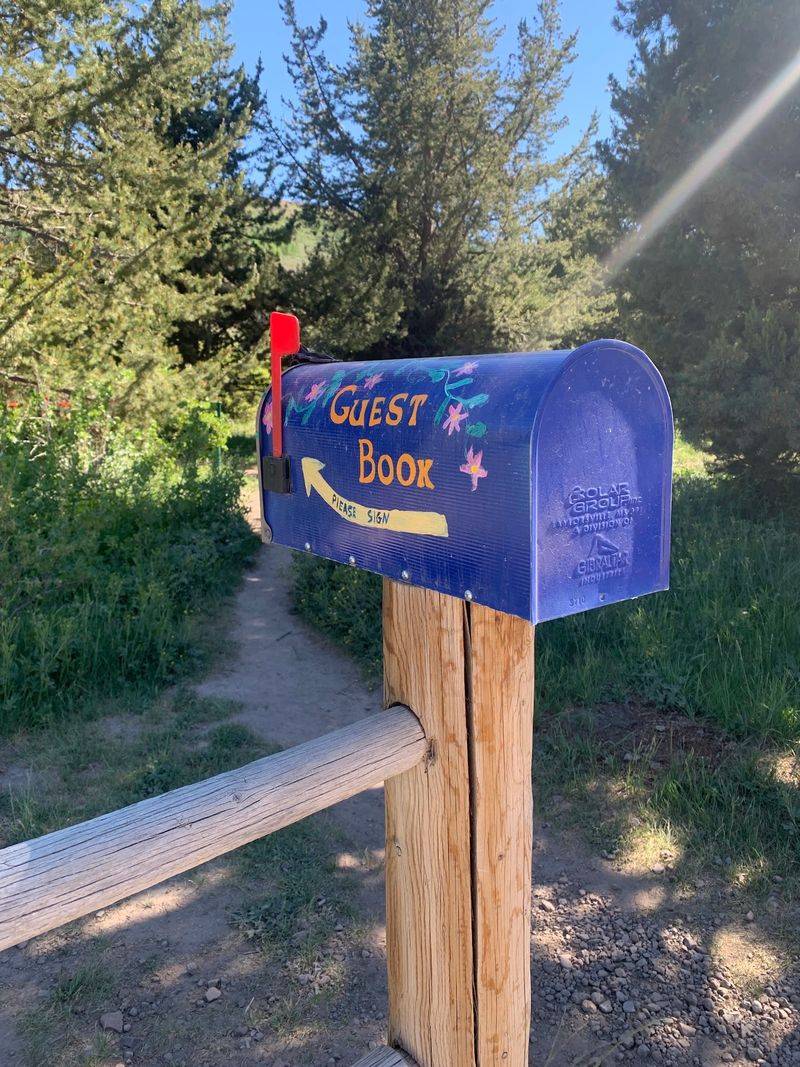
Some Rufous Hummingbirds have rewritten their winter plans entirely. Since the late twentieth century, more of them have wintered in the southeastern United States.
Gulf Coast states now host Rufous Hummingbirds most winters. Banders there have documented the birds for years.
Researchers have looked at warmer winters and more backyard feeders as possible reasons. Garden plants that bloom in cold months may help, too.
That shift shows the species can adjust its routines. It also makes late Idaho sightings feel less like flukes.
Not every straggler is headed to Louisiana or Alabama, of course. Some may simply be running behind on the usual trip to Mexico.
Still, the pattern is a reminder that migration isn’t frozen in time. Birds respond to food, weather, and habitat changes.
Idaho birders are part of tracking that change. Each late record adds a dot to a bigger map.
It’s a fun thought for your next cup of coffee by the window. Your backyard could be one small piece of a continent-wide story.
6. Anna’s Hummingbird, Tthe Winter Neighbor
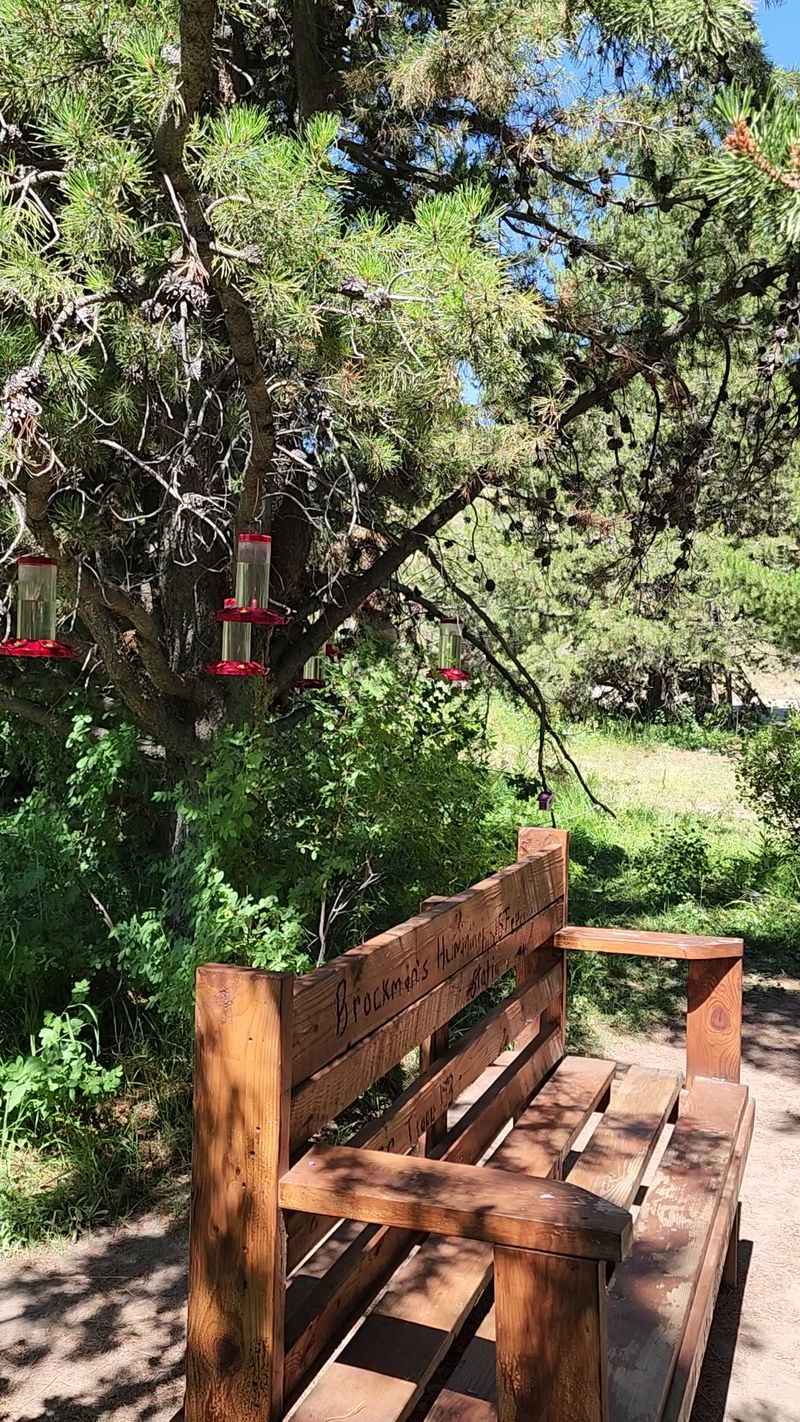
Before you shout Rufous, check for a pink head. Anna’s Hummingbirds have expanded their range and now show up in Idaho during colder months.
Males have a rose-pink crown and throat. They look much grayer and greener than a Rufous.
Anna’s Hummingbirds are known for handling cold better than many hummingbirds. They’ve spread north and inland over recent decades.
Winter reports from the Boise area and other parts of southern Idaho have become more familiar. That means a winter hummingbird in Idaho isn’t automatically a Rufous.
The two can even share feeders, though sharing may be a generous word. Rufous Hummingbirds rarely play nice.
Look at the color of the sides. Rufous shows orange or cinnamon, while Anna’s looks more gray-green.
Getting it right matters for the records. A late Rufous is the bigger surprise, so good ID keeps the data clean.
Either bird is a treat in November. You’ll just want the correct name before bragging to your neighbors.
7. The Feeder Myth That Won’t Go Away
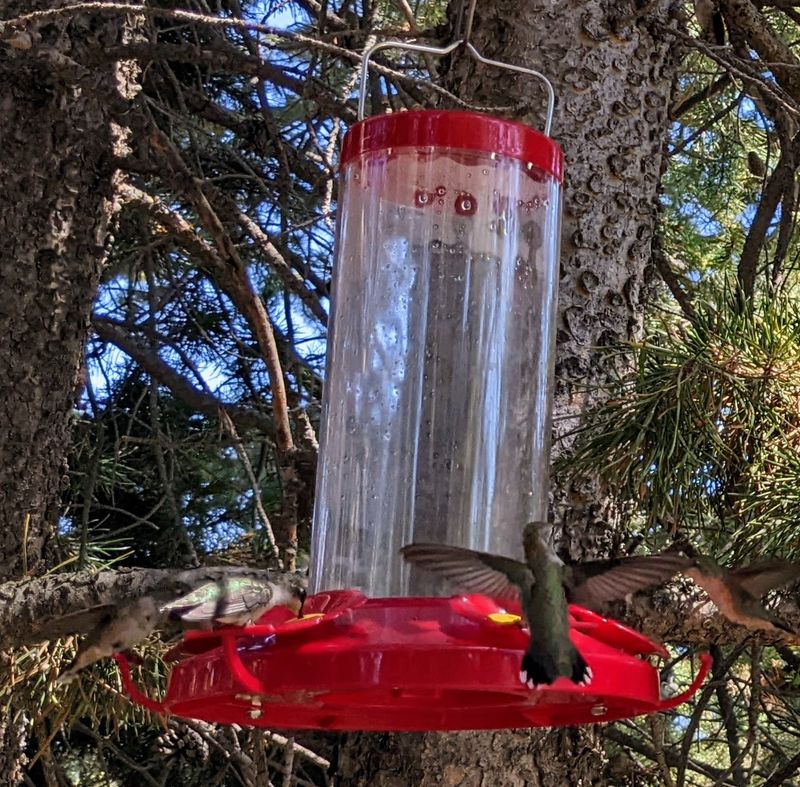
Plenty of folks take feeders down in fall for one reason. They worry a feeder will trick hummingbirds into staying too long.
Experts generally say that’s a myth. Day length and internal rhythms drive migration far more than any single feeder.
Healthy hummingbirds leave when their bodies tell them to go. A sugar water station won’t cancel the trip.
Leaving a feeder up can help late migrants refuel. That includes stragglers moving through Idaho after most have left.
Many bird groups suggest keeping feeders up a couple of weeks after your last sighting. That way, you won’t miss a late traveler.
If a bird does stay into winter, the reason likely isn’t your feeder. Weather, age, and routing may all play bigger roles.
So relax about the guilt. Your feeder is a rest stop, not a trap.
Honestly, a clean feeder in November might be the reason someone in your county gets a great record this year.
8. Keeping Nectar From Freezing
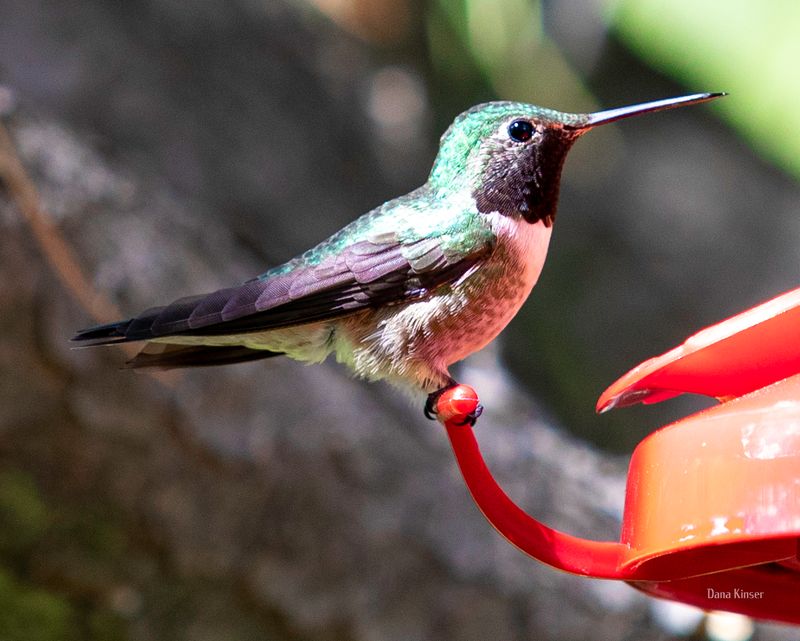
Frozen nectar is a real winter headache. Sugar water freezes at a lower temperature than plain water, but Idaho nights can still beat it.
Many hosts rotate two feeders. One stays indoors to thaw while the other hangs outside.
Others hang a outdoor-rated light or heater near the feeder. Commercial feeder heaters exist for exactly this job.
Hand warmers taped to a feeder are another trick some people use. Safety comes first with any heat source, especially near wood or dry plants.
Bring the feeder out early in the morning. That’s when a hummingbird waking from torpor needs fuel most.
Hang feeders where they’re shielded from wind. A porch corner or eave can make a difference.
It sounds like a lot of fuss for one bird. Then again, that bird flew from somewhere north of Idaho to reach you.
A little effort keeps the snack bar open on cold mornings. Your guest will likely show up right on time.