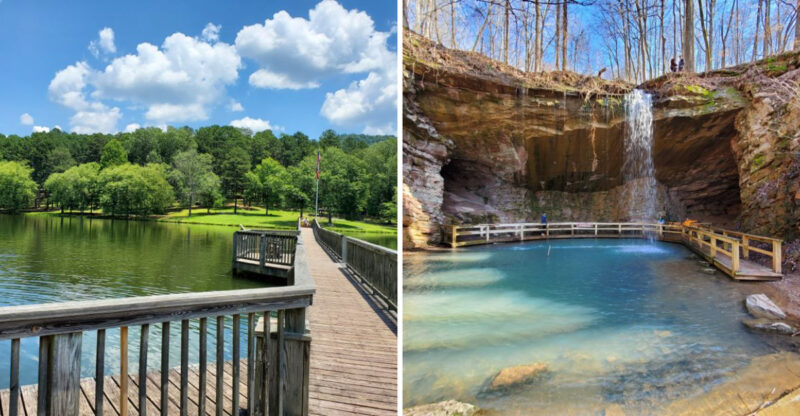
This Blue Ridge Georgia Museum Lets You Hear Alleged Bigfoot Vocalizations
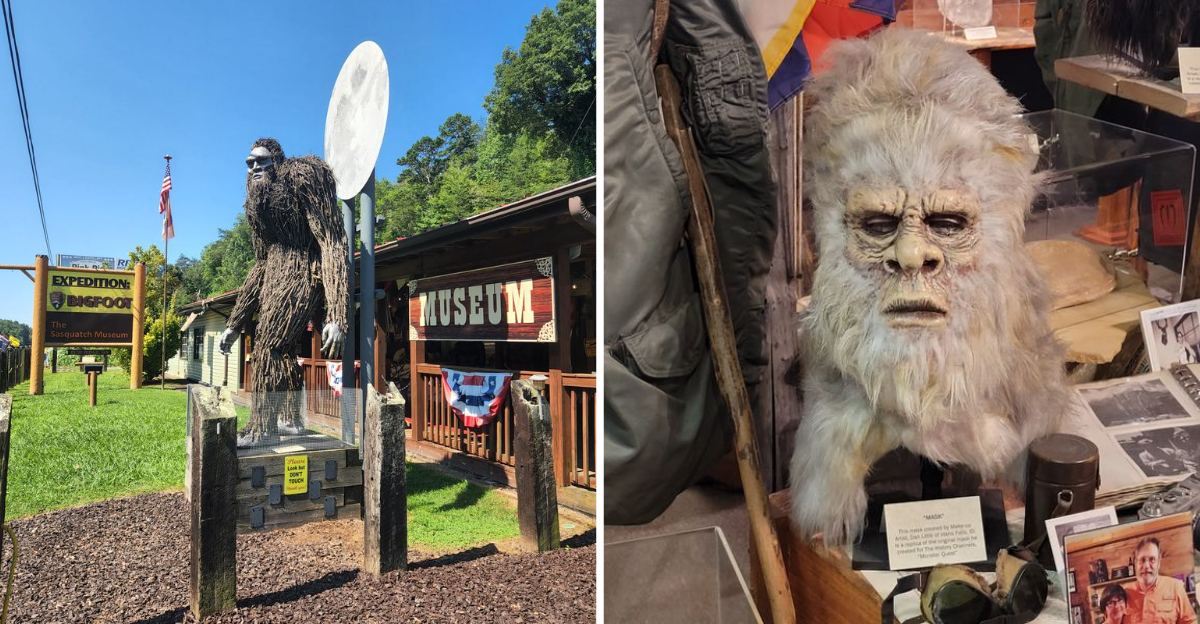
Have you ever wondered what Bigfoot might actually sound like if the legend were real? In Blue Ridge, Georgia, there is a place where that mystery feels closer than you might expect. Expedition Bigfoot!
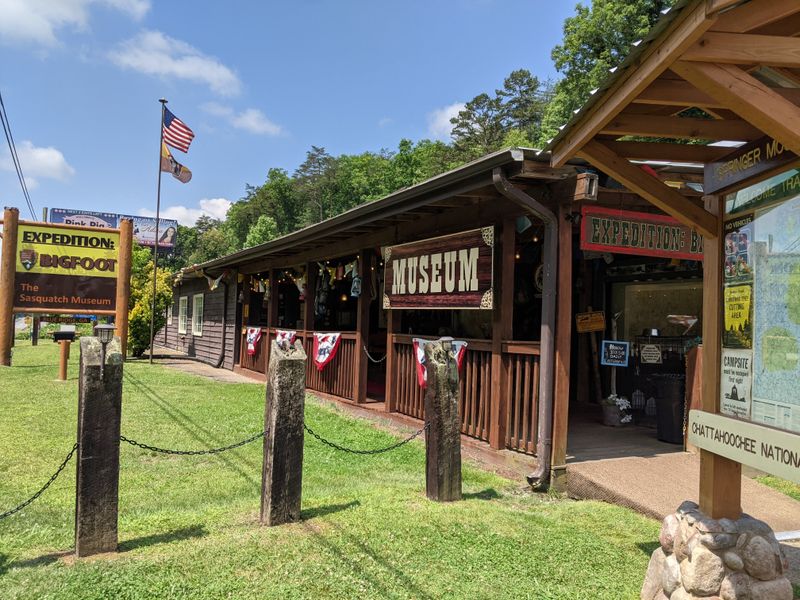
The Sasquatch Museum, located at 1934 Highway 515 South, invites visitors into the fascinating world of cryptozoology. From the moment you walk in, the experience blends curiosity, folklore, and interactive discovery. Guests can listen to mysterious vocalizations that some believe belong to the elusive Sasquatch, adding an eerie layer to the adventure.
The museum features alleged evidence, detailed exhibits, and stories gathered from sightings across the country. Displays are designed to spark imagination while exploring the cultural impact of the Bigfoot legend. Whether you are a skeptic, a believer, or simply love unusual attractions, Expedition Bigfoot delivers an experience that is equal parts fun and mysterious, making it a must visit stop in the North Georgia mountains.
1. Hear Authentic Alleged Bigfoot Vocalizations
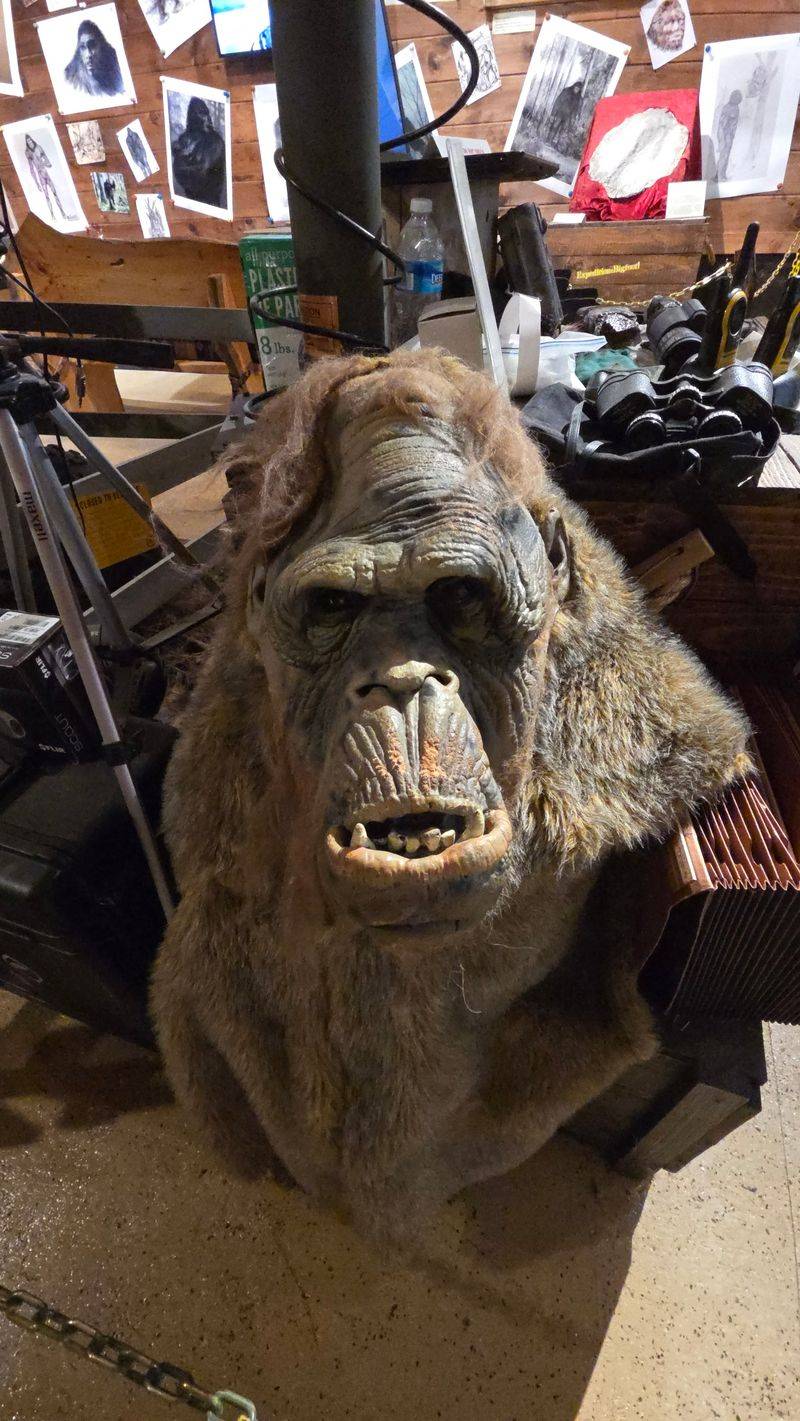
Walking into the audio section feels like stepping into the woods at night. You can put on headphones and hear recordings collected from forests across North America. Some sound like deep howls while others resemble eerie whoops echoing through trees.
These recordings come from researchers who spent years in remote wilderness areas. The museum staff explains where each sound was captured and under what circumstances. You’ll hear the famous Sierra Sounds and other mysterious calls that have puzzled scientists for decades.
Many visitors get goosebumps when they listen to these strange noises. Whether you believe in Bigfoot or not, the experience is genuinely thrilling. The audio quality is excellent, letting you catch every detail of these puzzling recordings.
Kids especially love this exhibit because it feels like being part of a real investigation. You can compare different vocalizations and form your own opinions about what made them.
2. Examine Plaster Casts of Giant Footprints
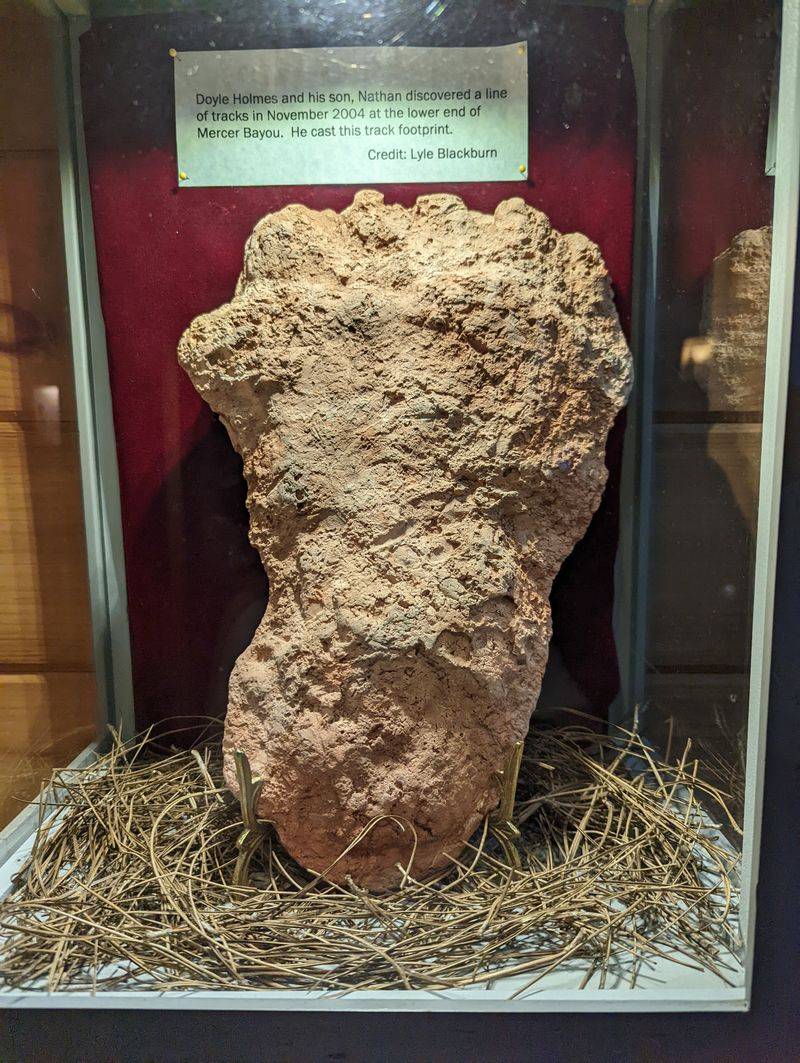
Giant footprint casts line the walls, some measuring over 18 inches long. These plaster molds were made at locations where witnesses reported Bigfoot sightings. You can see the toe impressions, heel marks, and unique dermal ridges that make each cast fascinating.
The museum displays casts from different regions, showing variations in size and shape. Some prints show five distinct toes while others appear worn or partial. Experts have analyzed these casts for years, debating their authenticity and origin.
What makes this exhibit special is the comparison section. You can place your own foot next to the casts to understand the massive scale. The size difference is shocking and makes you wonder what creature could leave such enormous tracks.
Detailed information cards explain where each cast originated. Some come from the Pacific Northwest while others were found in the Appalachian Mountains. The collection represents decades of field research.
3. View Hair and Tissue Sample Evidence
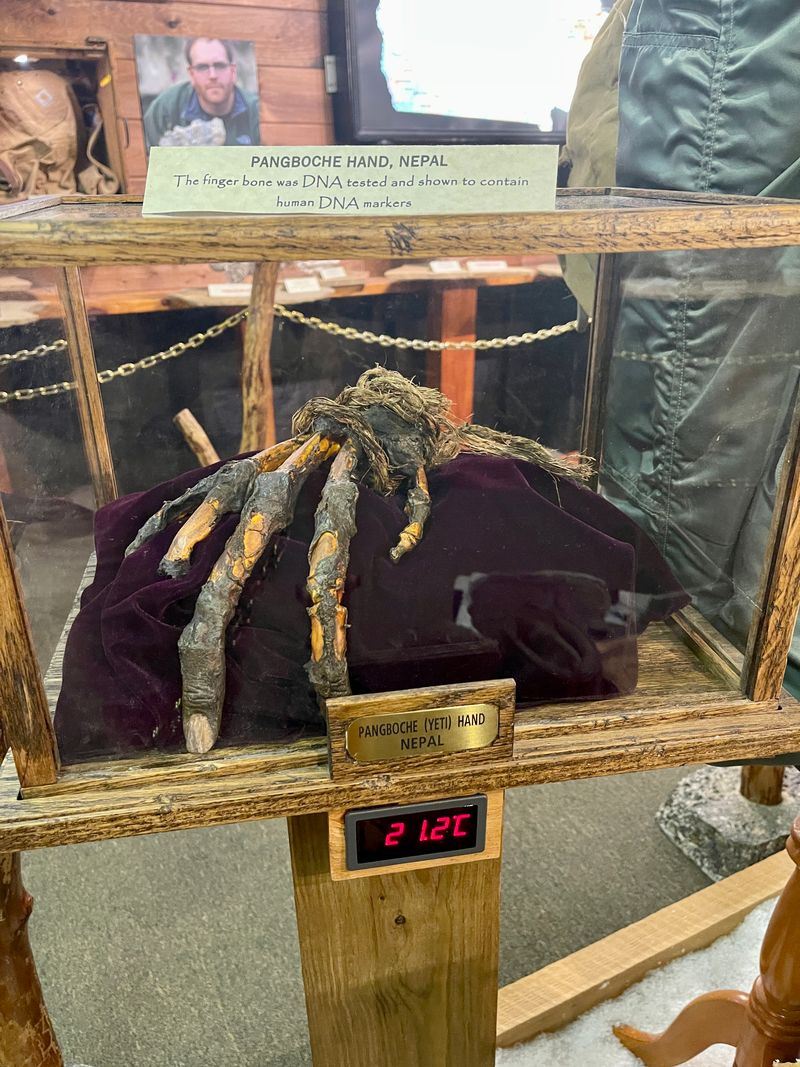
Mysterious hair samples sit preserved in glass cases throughout the museum. These strands were collected from tree bark, fences, and remote forest locations after reported encounters. Scientists have tested many samples, with results that remain inconclusive and intriguing.
The exhibit explains DNA testing methods used on these specimens. Some samples matched known animals while others produced puzzling results that didn’t fit existing databases. You can read about the laboratory processes and scientific debates surrounding this evidence.
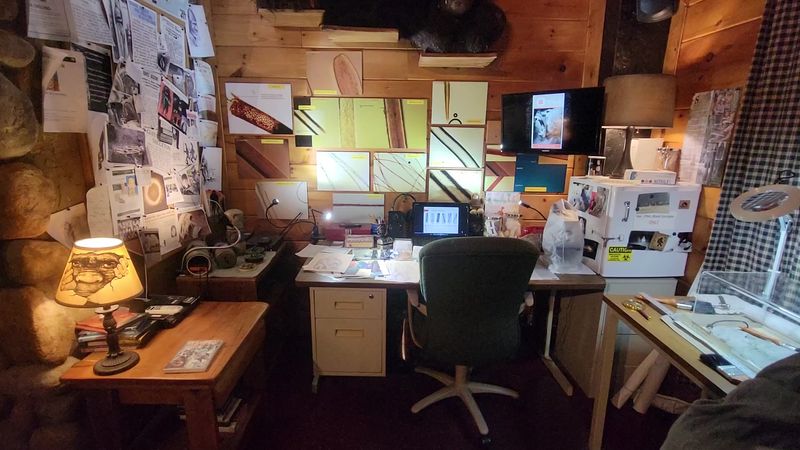
Microscope stations let you examine enlarged images of hair structures. The thickness and scale patterns differ from common wildlife like bears or deer. This hands-on element helps you understand why researchers find certain samples so compelling.
The museum doesn’t claim all evidence is definitive proof. Instead, it presents the facts and lets visitors draw their own conclusions. This honest approach makes the exhibit more credible and educational for everyone.
4. Explore Historical Sighting Maps and Reports
A massive map covers an entire wall, dotted with pins marking reported Bigfoot encounters. Each pin represents a documented sighting, creating a visual pattern across North America. The concentration of reports in certain regions tells an interesting story about habitat and human activity.
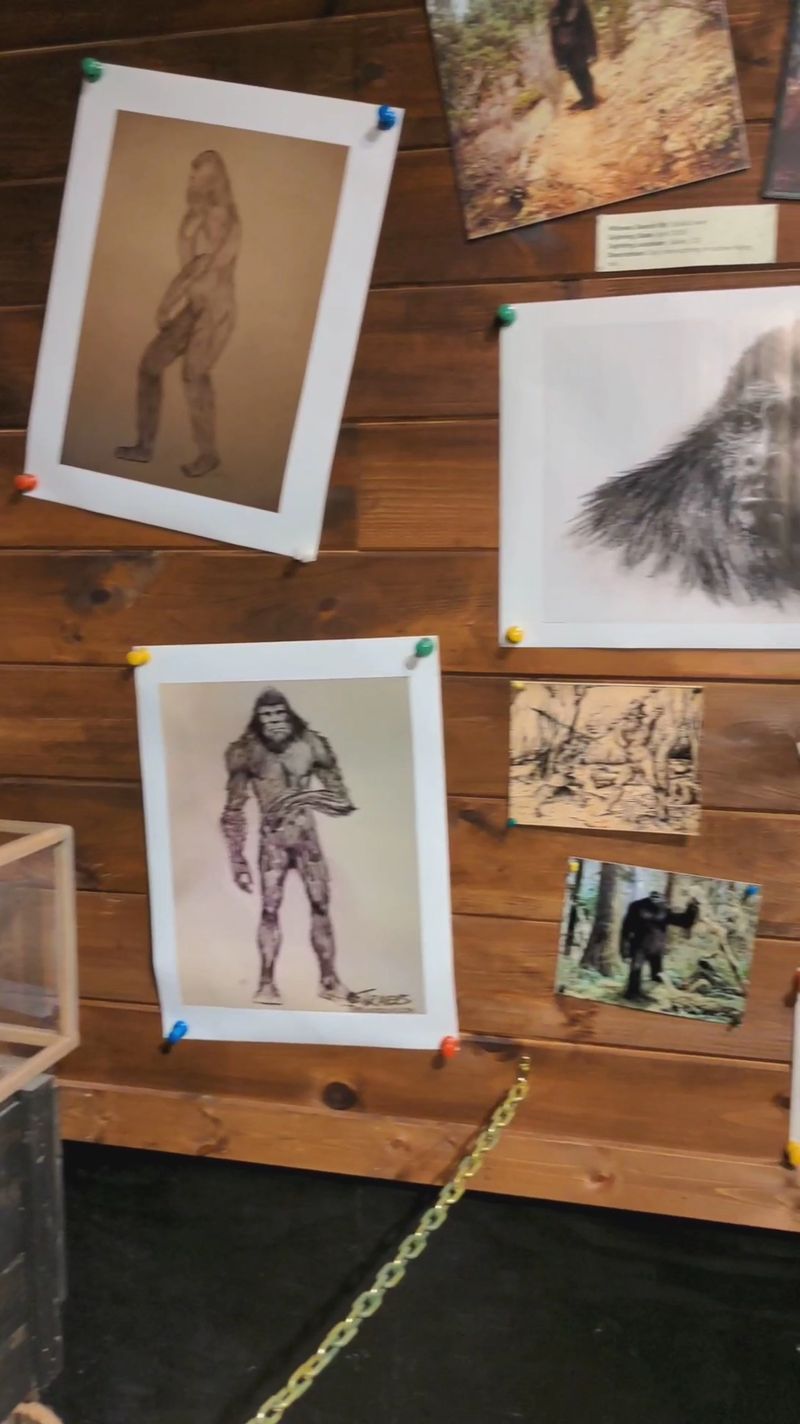
You can read detailed accounts from witnesses who submitted reports over the decades. Some descriptions are brief while others include sketches and specific details about behavior and appearance. The consistency across independent reports from different time periods raises thought-provoking questions.
Interactive touchscreens let you filter sightings by year, location, and type of encounter. This technology makes it easy to spot trends and patterns. You might notice clusters around national forests or remote mountain ranges.
Historical newspaper clippings complement the modern reports. These vintage articles show that Bigfoot stories go back centuries in Native American folklore and early settler accounts. The timeline perspective adds depth to the phenomenon.
5. Watch Documentary Films and Witness Interviews
A comfortable theater room plays documentaries featuring people who claim to have seen Bigfoot. These aren’t Hollywood movies but real interviews with hunters, hikers, and forest workers. Their emotional reactions and detailed descriptions make compelling viewing regardless of your beliefs.
The film collection includes famous footage analysis and expedition documentaries. You’ll see the Patterson-Gimlin film broken down frame by frame with expert commentary. Scientists, skeptics, and believers all share their perspectives on the evidence.
What strikes many visitors is the sincerity of the witnesses. These are ordinary people with nothing to gain from making up stories. Their accounts often include specific details about smells, sounds, and behaviors that match other independent reports.
The theater offers a nice break from walking through exhibits. You can sit down, relax, and absorb information in a different format. Films run continuously throughout the day, so you can drop in anytime.
6. Study Native American Legends and Folklore
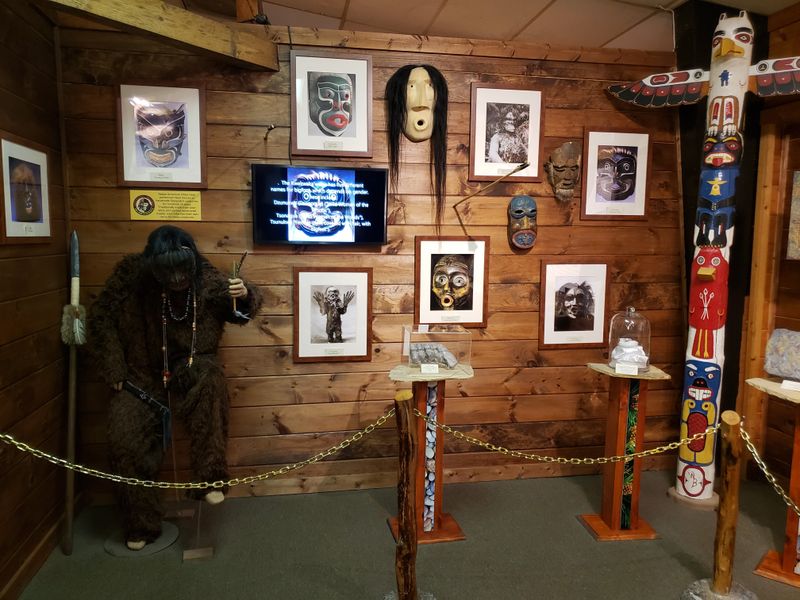
Long before the term Bigfoot existed, Native American tribes told stories about forest giants. The museum honors these traditions with exhibits explaining various tribal names and legends. The Salish people called them Sasquatch, meaning wild man or hairy man in their language.
Different tribes have unique stories but share common themes. Many describe these creatures as guardians of the forest or spiritual beings. Some tales warn against disrespecting nature while others speak of peaceful coexistence between humans and these mysterious beings.
Beautiful artwork depicts traditional interpretations of these legends. The paintings and carvings show how indigenous cultures viewed these creatures with respect rather than fear. This cultural perspective adds richness to the Bigfoot phenomenon beyond modern sightings.
Reading these ancient stories makes you think differently about the mystery. Perhaps there’s wisdom in folklore that modern science overlooks. The exhibit encourages visitors to appreciate indigenous knowledge and environmental stewardship.
7. See Famous Patterson-Gimlin Film Analysis
The most famous piece of Bigfoot evidence gets its own special section. Filmed in 1967 at Bluff Creek, California, the Patterson-Gimlin footage shows a large, hairy figure walking through a clearing. You can watch the original film and enhanced versions that reveal surprising details.
Frame-by-frame analysis highlights the creature’s muscle movement, gait, and proportions. Experts have studied this footage for over 50 years, with opinions ranging from obvious hoax to genuine unknown primate. The debate itself is fascinating to explore.
The museum presents arguments from both believers and skeptics. You’ll learn about costume technology available in 1967 and why some experts think the figure couldn’t be a person in a suit. Biomechanical analysis suggests unusual joint flexibility and stride length.
Visitors spend considerable time at this exhibit, replaying the footage and reading different interpretations. It’s the closest thing to photographic evidence that exists, making it central to any serious discussion about Bigfoot’s existence.
8. Browse the Bigfoot Research Library
Book lovers appreciate the research library filled with volumes about cryptozoology and wildlife biology. You’ll find scientific journals, expedition accounts, and analyses written by researchers who dedicated their lives to this mystery. The collection spans decades of investigation and thought.
Some books present skeptical viewpoints while others argue for Bigfoot’s existence. This balanced approach lets you explore multiple perspectives. You can sit in comfortable chairs and page through field guides, photography collections, and academic papers.
The library includes rare publications that are hard to find elsewhere. First-edition books about early sightings and vintage research reports offer historical context. These materials show how attitudes and investigation methods have evolved over time.
Staff members can recommend books based on your interests. Whether you want scientific analysis or adventure stories, there’s something for everyone. Many visitors discover new information that challenges their preconceptions about this enduring mystery.
9. Interactive Exhibits for Kids and Families
Young explorers get hands-on activities designed just for them. Kids can practice making plaster casts of footprints and learn basic tracking skills. These interactive stations teach scientific methods while keeping children engaged and entertained throughout their visit.
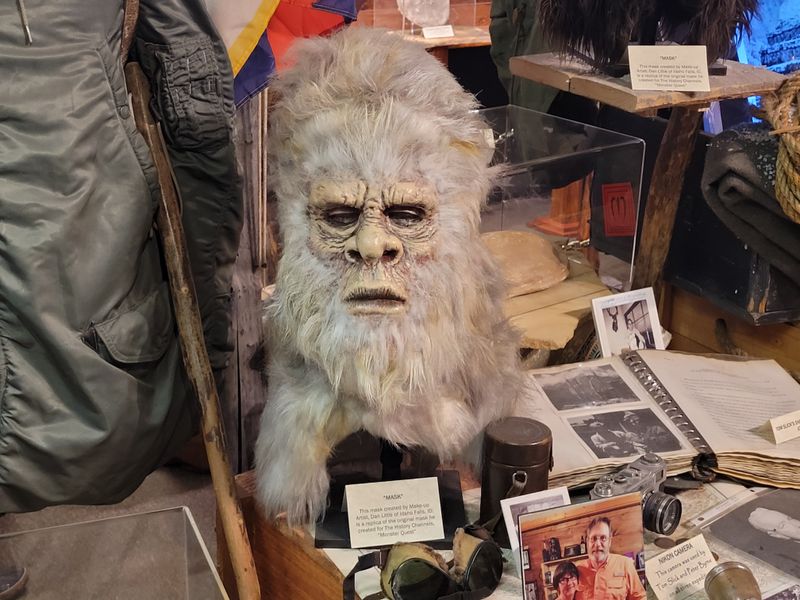
A special section lets kids dress up in Bigfoot costumes for fun photos. They can also participate in a scavenger hunt that takes them through different exhibits. Finding clues and solving puzzles makes learning about cryptozoology exciting rather than overwhelming.
Educational games teach children about forest ecosystems and animal behavior. Understanding real wildlife helps them think critically about what Bigfoot might be if it exists. The museum encourages curiosity and scientific thinking in age-appropriate ways.
Parents appreciate that exhibits spark conversations about evidence, critical thinking, and respecting nature. The family-friendly atmosphere makes this an excellent destination for visitors of all ages. Everyone leaves with new knowledge and memorable experiences.
10. Gift Shop with Unique Bigfoot Merchandise
Before leaving, you’ll want to browse the gift shop packed with fun souvenirs. From t-shirts and hats to plush Bigfoot toys, there’s something for every budget. Many items are exclusive to this museum, making them special mementos of your visit.
Book selections include field guides, children’s stories, and serious research publications. You can also find DVDs of documentaries and classic Bigfoot films. These make great gifts for friends interested in mysteries and unexplained phenomena.
Local artisans contribute handmade items like wood carvings and paintings. Supporting these creators helps the regional economy while giving you truly unique keepsakes. The quality and creativity of these pieces often surprise first-time visitors.
Staff members are knowledgeable about the products and can help you choose the perfect item. Whether you want something silly or serious, educational or entertaining, the shop delivers. Many people end up buying more than they planned because everything is so tempting.
11. Meet Knowledgeable Staff and Researchers
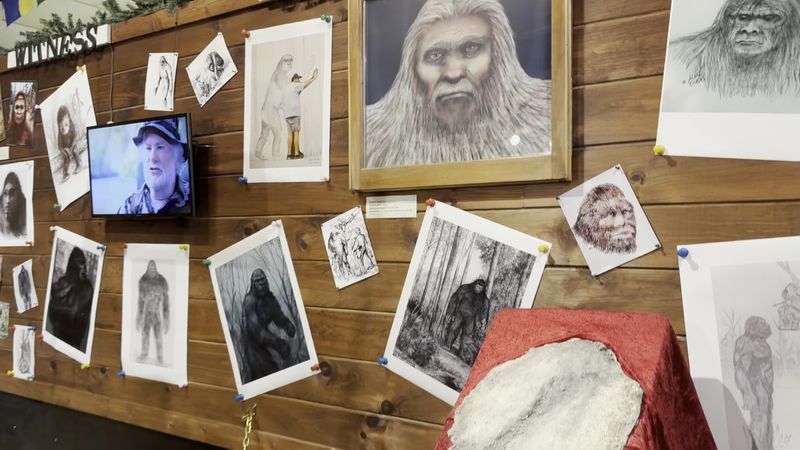
The people working here aren’t just employees—they’re passionate enthusiasts who love sharing information. Many have personal experiences or research backgrounds that add depth to their explanations. They answer questions thoughtfully without pushing any particular belief system on visitors.
Some staff members have participated in field expeditions and can share firsthand stories. Their enthusiasm is contagious, making even skeptical visitors more interested in the subject. You’ll learn about investigation techniques and what it’s like to search for evidence in remote wilderness.
Guest researchers occasionally visit the museum to give talks and presentations. These special events offer chances to meet people actively studying the Bigfoot phenomenon. You can ask questions and hear about the latest findings and theories.
The respectful, educational approach sets this museum apart from tourist traps. Staff members encourage critical thinking rather than blind belief. This professional atmosphere makes the experience more credible and enjoyable for serious learners and curious families alike.
12. Convenient Blue Ridge Mountain Location
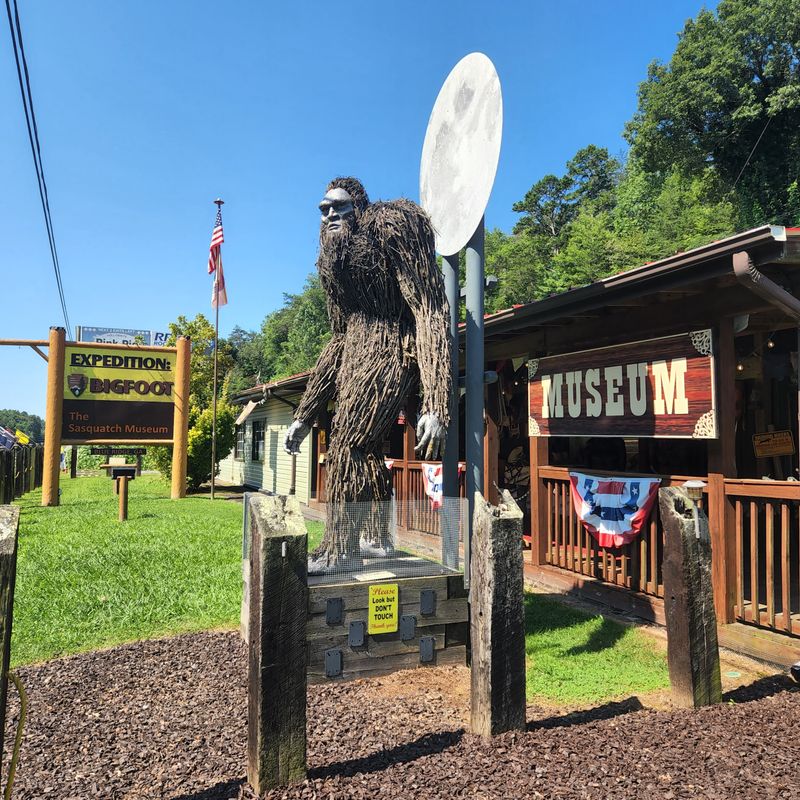
Finding the museum is easy since it’s located right in downtown Blue Ridge at 1934 Highway 515. The charming mountain town offers plenty of other attractions, making this a perfect stop during a North Georgia adventure. You can combine your visit with hiking, shopping, or dining at local restaurants.
Blue Ridge itself is known for natural beauty and outdoor recreation. The surrounding mountains provide the perfect backdrop for a Bigfoot museum. After exploring the exhibits, you might feel inspired to take a hike and keep your eyes open for unusual signs.
Parking is convenient with spaces available near the entrance. The location is accessible for visitors with mobility concerns. You won’t need to trek through difficult terrain to reach this fascinating destination.
Many tourists make the museum part of a weekend getaway. The area offers lodging options from cozy cabins to hotels. Planning a full day in Blue Ridge lets you experience mountain culture while diving into cryptozoology mysteries.
13. Affordable Admission Prices for Everyone
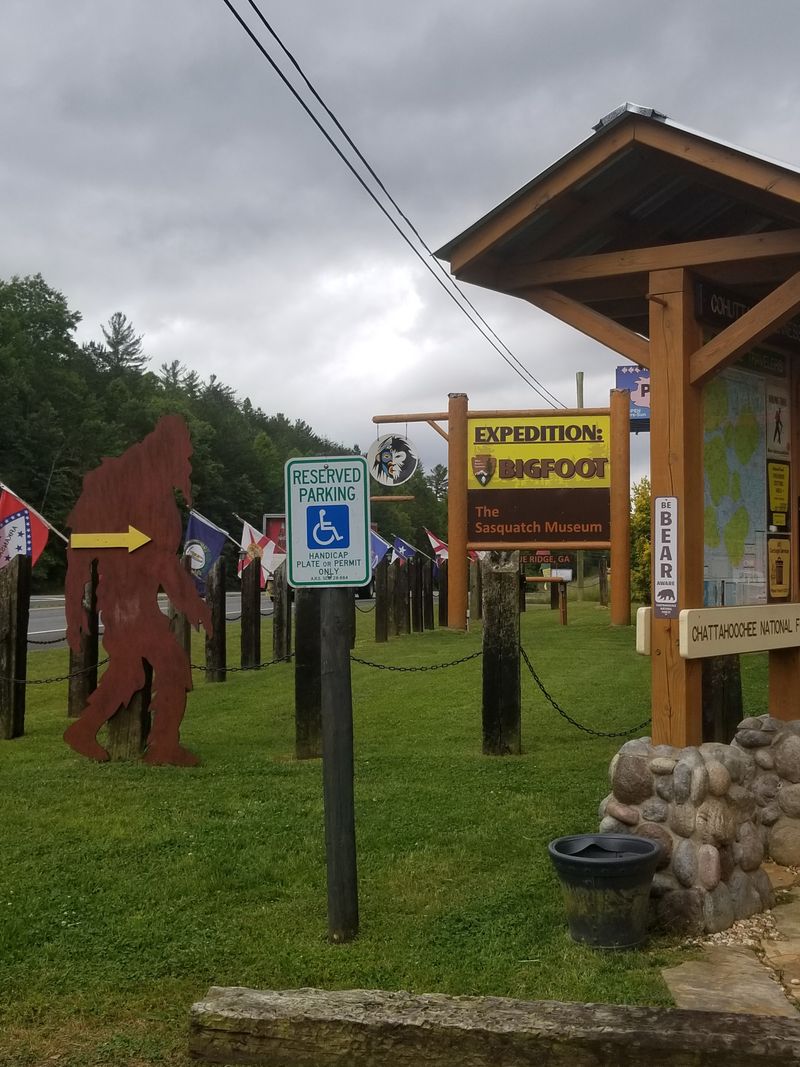
Getting in won’t break your budget, with reasonable ticket prices that make this an accessible adventure. Adults, children, and seniors all have affordable options. Family packages offer even better value if you’re visiting with multiple people.
Considering the quality and quantity of exhibits, the admission price represents excellent value. You could easily spend two to three hours exploring everything. The educational content and entertainment value far exceed what you pay at the door.
Group rates are available for schools, scout troops, and other organizations. Educational groups especially benefit from the museum’s resources. Teachers find the exhibits helpful for lessons about critical thinking, scientific method, and cultural studies.
Unlike some attractions that nickel-and-dime visitors with extra fees, your ticket includes access to all exhibits. There are no hidden charges for audio guides or special sections. This straightforward pricing makes budgeting simple when planning your visit.
14. Perfect Photo Opportunities Throughout
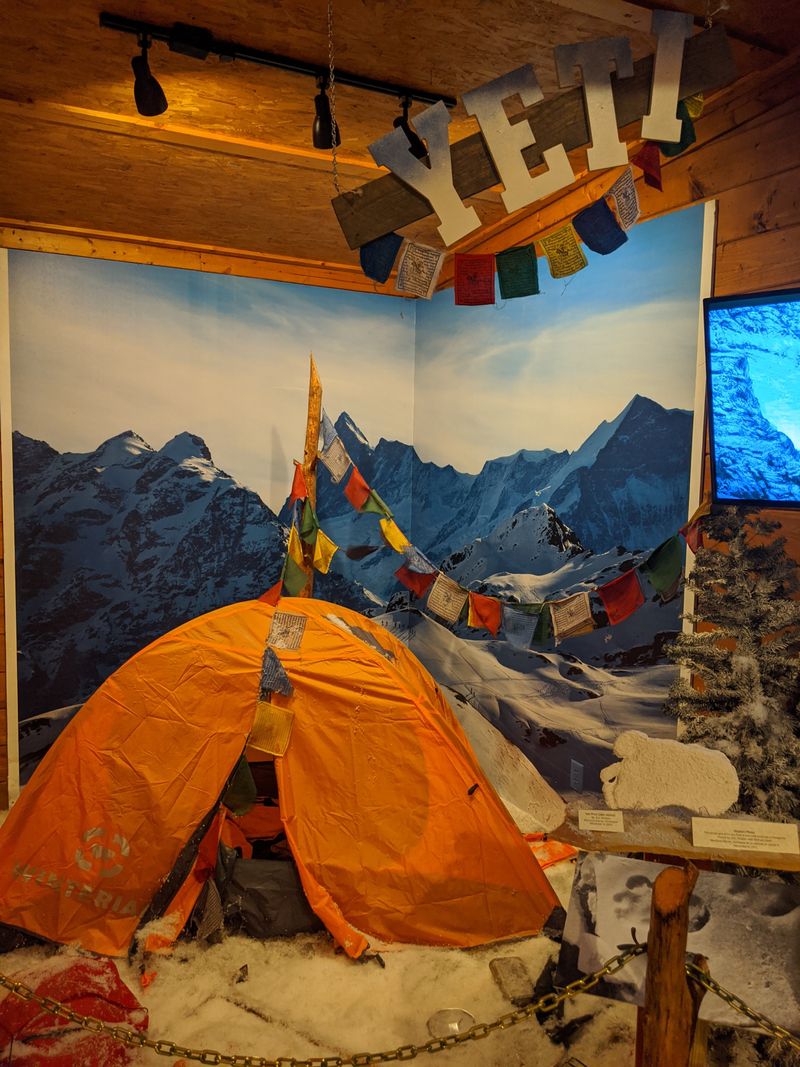
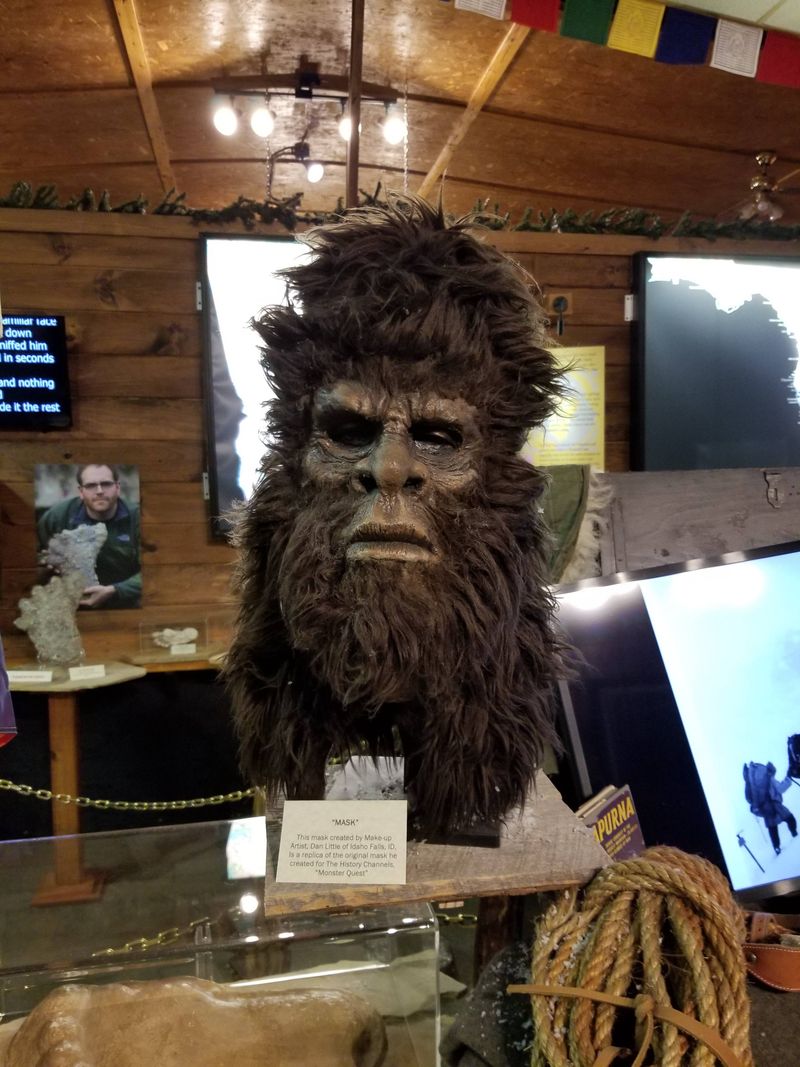
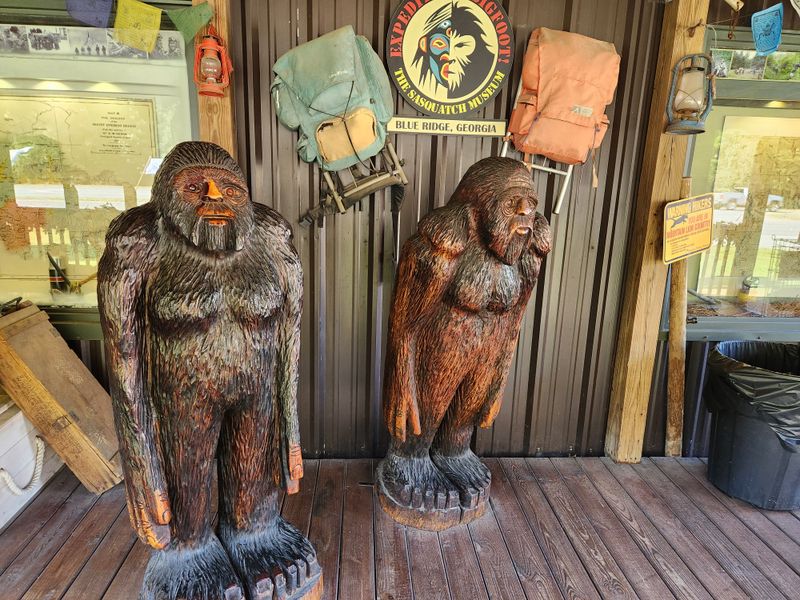
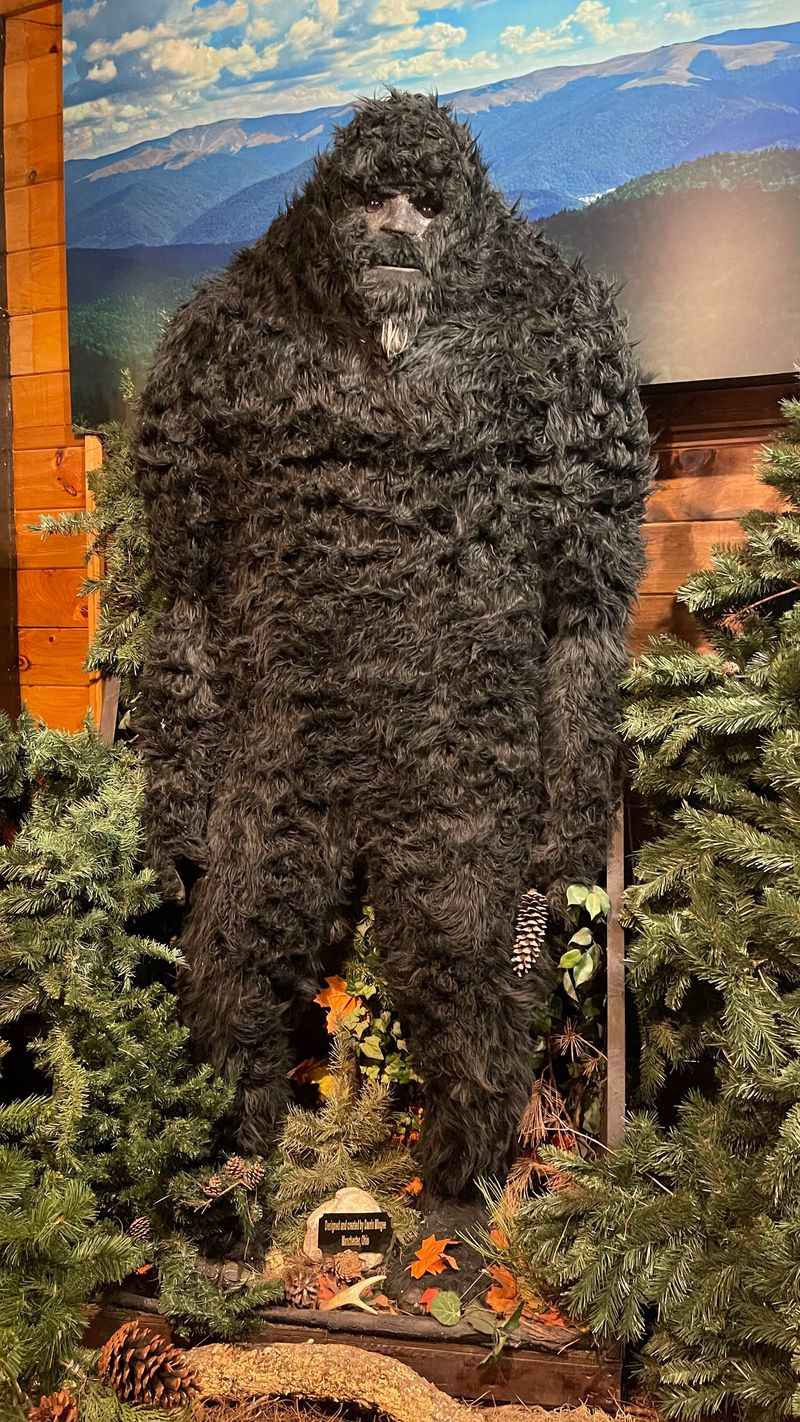
Cameras are welcome and encouraged throughout the museum. Life-size Bigfoot figures provide fun photo backdrops that look great on social media. You can snap pictures next to footprint casts, in front of exhibits, and with various displays.
The museum understands that sharing your experience extends the educational mission. Your photos might spark conversations with friends about evidence, wildlife, and scientific investigation. Many visitors post their pictures online, helping spread awareness about this unique attraction.
Lighting in the museum is designed to make photography easy without flash. You’ll get clear shots of exhibits and information panels. The staff doesn’t mind if you take your time composing the perfect picture.
Kids especially love posing with the larger-than-life Sasquatch models. These playful moments create lasting memories beyond just learning facts. Your photo collection becomes a visual story of your adventure into the world of cryptozoology and mystery.
15. Support for Ongoing Bigfoot Research
Your admission helps fund continued investigation into this enduring mystery. The museum supports researchers who conduct field studies in remote wilderness areas. This connection between public education and active research makes your visit meaningful beyond entertainment.
Exhibits explain current research projects and methodologies being used today. Modern technology like trail cameras, audio recording equipment, and DNA analysis have transformed how investigators approach the subject. You’ll learn about scientific protocols that make research more credible.
The museum serves as a hub for the cryptozoology community. Researchers share findings here and connect with others interested in the field. This network helps advance understanding while maintaining rigorous standards for evidence evaluation.
Whether Bigfoot exists or not, the research teaches valuable lessons about wildlife biology, ecology, and scientific method. Supporting this work contributes to broader conservation efforts and environmental awareness. Your visit becomes part of something larger than just a day trip to an interesting museum.