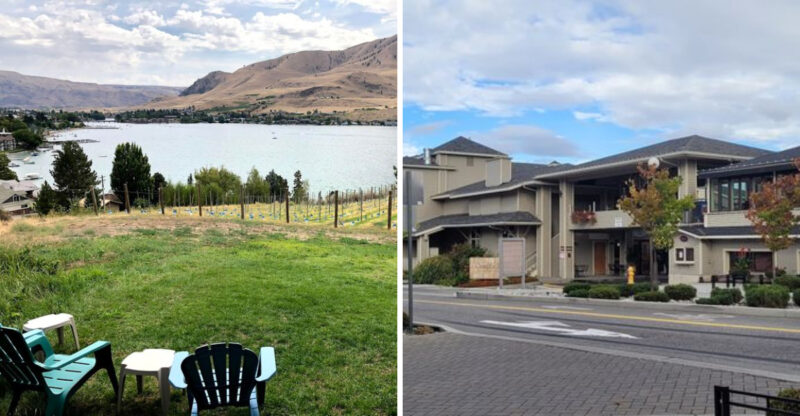
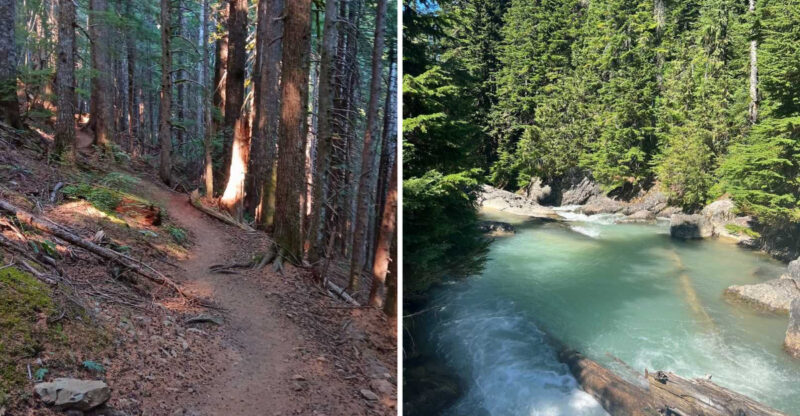
10 Breathtaking Day Trips In Washington You’ll Be Talking About Long After
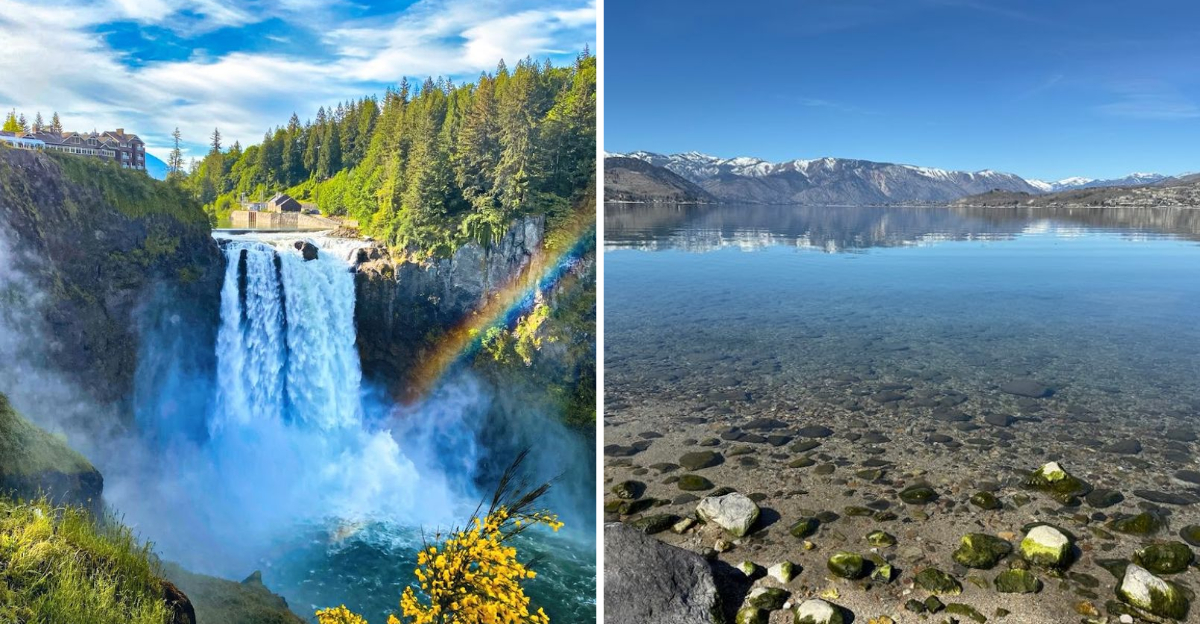
One turn reveals a waterfall straight from a fantasy novel. The next drops you in a sleepy little town.
Washington packs staggering variety into one single state. A single weekend barely scratches its surface. Coast, mountains, forests, and desert all crowd in.
I rounded up trips that left me speechless. Every drive delivered something completely unexpected. You return home already planning the next one.
The scenery shifts dramatically mile after mile. No two outings ever feel remotely alike. Alpine lakes mirror snowy peaks.
Rainforest trails drip green light. Desert cliffs glow at golden hour. Wildflowers blanket high meadows.
One weekend barely scratches the surface here.
1. Mount Rainier National Park
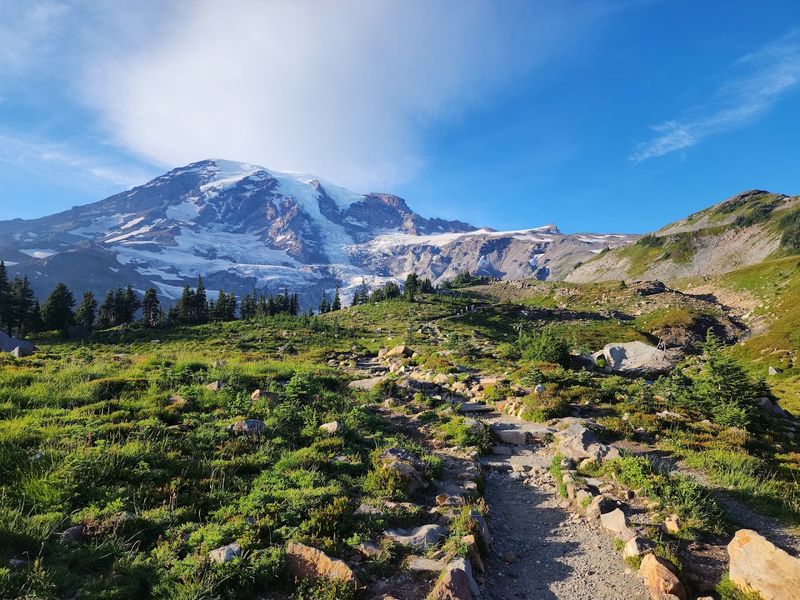
You might not believe me, but standing near this mountain made me forget every stress I had. Mount Rainier National Park sits in Pierce County, Washington, about 60 miles southeast of Seattle.
The park covers over 236,000 acres of wild terrain. Glaciers, alpine meadows, and ancient forests all share the same address here.
Summer brings jaw-dropping wildflower blooms at Paradise, the park’s most popular area. Lupine and paintbrush carpet the hillsides in purple and red.
Hiking options range from easy paved paths to serious multi-day routes. The Skyline Trail loop is a favorite for a reason, offering sweeping views without overwhelming effort.
Wildlife sightings are common too. Black bears, marmots, and deer show up regularly along the trails.
Winter turns the park into a snowy wonderland for snowshoers and cross-country skiers. The road to Paradise stays open year-round, which is pretty rare for mountain parks.
Rangers lead free guided walks throughout the season. Those programs are fantastic for learning the geology and ecology of this iconic peak.
2. North Cascades National Park
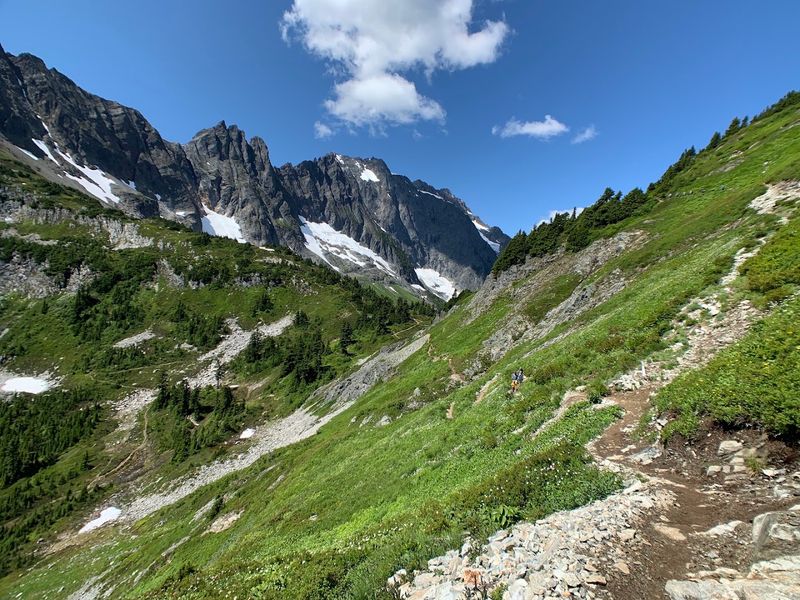
Who would have thought that one of the most dramatic mountain landscapes in North America sits just three hours from Seattle?
North Cascades National Park is tucked into the northern edge of Washington State, near the Canadian border.
The park holds more glaciers than anywhere else in the lower 48 states. That fact alone sets it apart from every other national park I have visited.
The North Cascades Highway, also called State Route 20, cuts right through the park. Driving it in fall is one of the most stunning road experiences imaginable.
Diablo Lake is a must-stop along the route. Its impossible turquoise color comes from glacial flour suspended in the water, not from any filter.
Hiking trails lead deep into wilderness that sees far fewer crowds than parks like Rainier or Olympic. That solitude is something you feel immediately.
Bird watchers love this area for its diversity. Bald eagles, peregrine falcons, and harlequin ducks all call the Cascades home.
Camping options inside the park are excellent for those who want to extend the adventure beyond a single day. Backcountry permits add an extra layer of wild freedom.
3. Leavenworth
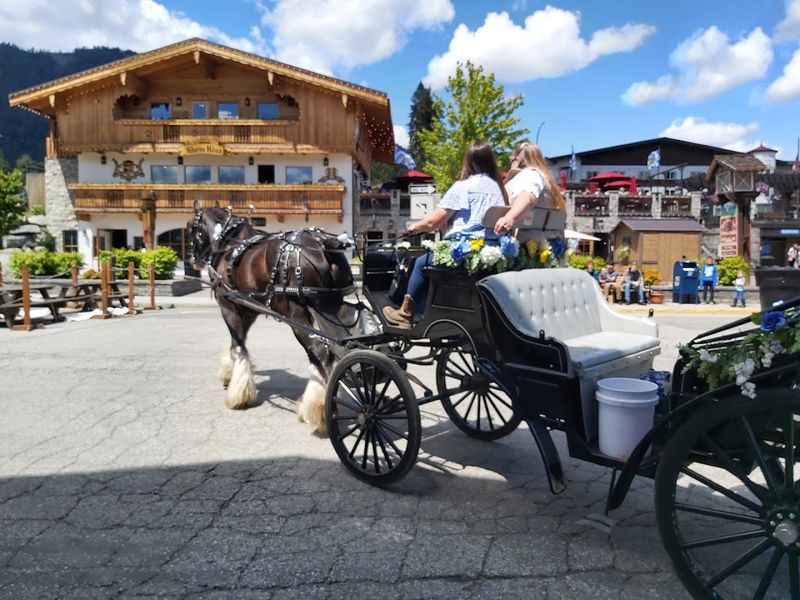
I know, a Bavarian village sitting in the middle of Washington State sounds completely made up.
Leavenworth is a small town in Chelan County, nestled in the Cascade Mountains along the Wenatchee River.
Back in the 1960s, the town was struggling economically. Local leaders transformed it into a Bavarian-themed community, and the idea worked beyond anyone’s expectations.
Today, the main street is lined with alpine-style buildings, flower boxes, and hand-painted signs. Every detail is carefully maintained to keep the theme consistent.
The surrounding mountains make outdoor activities incredibly easy to access. Hiking, rock climbing, river rafting, and mountain biking are all within a short drive.
Oktoberfest draws enormous crowds each autumn. The town also hosts a Christmas lighting festival that turns the village into a glowing fairy-tale scene.
Local shops carry European imports, handmade crafts, and nutcrackers of every imaginable size. Browsing them is genuinely fun even if you’re not a big shopper.
The Icicle Creek area just outside town offers excellent trails through ponderosa pine forests. Wildflowers bloom there in spring with almost no competition for trail space.
4. San Juan Islands
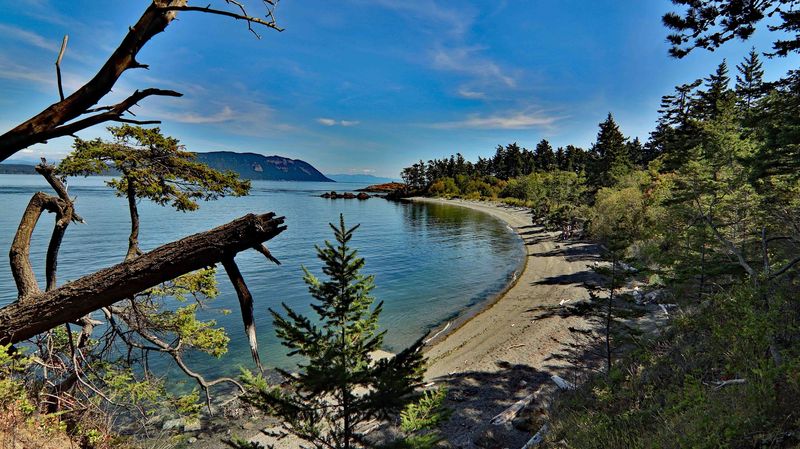
Can you believe that a short ferry ride from Anacortes drops you into an island world that feels completely removed from the mainland?
The San Juan Islands are an archipelago in the Salish Sea, in northwestern Washington State.
The ferry system connects the four main islands: Lopez, Shaw, Orcas, and San Juan. Each one has its own personality and pace.
Orca whale watching is the crown jewel of the San Juans. Pods of orcas pass through regularly between spring and fall, often visible from shore.
San Juan Island itself has Lime Kiln Point State Park, one of the best land-based whale-watching spots in the entire world. Bring binoculars and patience.
Orcas Island is the largest and arguably the most dramatic. Mount Constitution at the island’s center offers panoramic views that stretch into Canada on clear days.
Lopez Island has a reputation for being the friendliest and flattest. Cyclists love it for that very reason, and bike rentals are easy to find near the ferry landing.
Seafood is a serious business out here. Fresh Dungeness crab and Pacific salmon show up on menus with satisfying regularity.
5. Deception Pass State Park
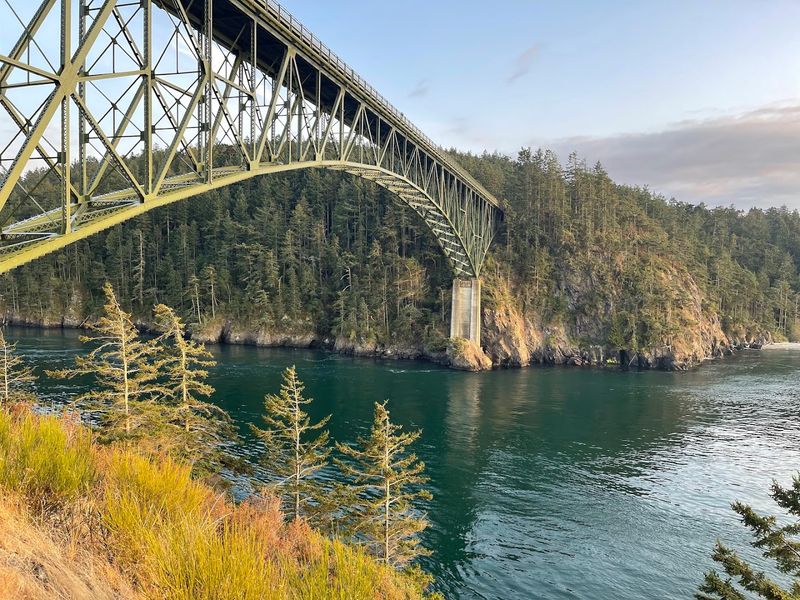
Believe me, the first time you look down from the Deception Pass Bridge, your stomach does something unexpected.
Deception Pass State Park straddles the northern tip of Whidbey Island and Fidalgo Island in Island and Skagit counties, Washington.
The bridge itself is a 1930s engineering achievement that spans two narrow channels. Tidal currents surge through the gap below with surprising force and speed.
The park is Washington’s most visited state park, and that popularity is completely earned. Over 3,800 acres of forest, beaches, and rocky bluffs make up its footprint.
Cranberry Lake inside the park is perfect for swimming and kayaking in summer. The water warms up nicely by July, which is a pleasant surprise given how far north it sits.
North Beach and West Beach offer long stretches of driftwood-covered shoreline. Sunsets from West Beach rank among the finest I have ever watched in the Pacific Northwest.
The park has an extensive trail network connecting coastal areas to forested ridges. The trail to Goose Rock summit gives you one of the best panoramic views in the region.
Camping is available and books up fast in summer. Reserve well in advance to secure a spot near the water.
6. Hurricane Ridge, Olympic National Park
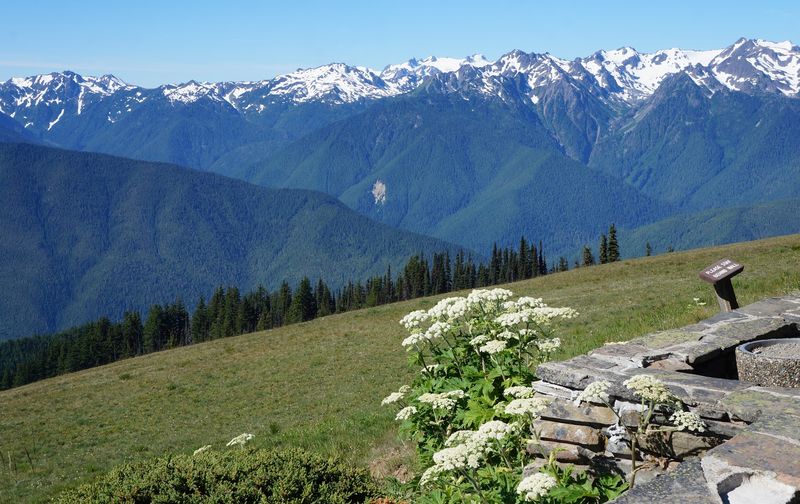
I must admit, nothing quite prepares you for the moment the trees clear and Hurricane Ridge opens up in front of you.
This alpine area sits at about 5,242 feet elevation inside Olympic National Park, on the Olympic Peninsula in northwestern Washington.
The drive up from Port Angeles takes roughly 45 minutes on a winding mountain road. Every switchback reveals a new angle of the surrounding peaks.
Black-tailed deer are almost absurdly comfortable around people up here. They graze the meadows right beside the trails without any concern for nearby hikers.
The Hurricane Ridge Visitor Center has exhibits on the park’s ecology and geology. Rangers there are genuinely enthusiastic and full of local knowledge worth tapping into.
Summer hiking options are plentiful and range from short paved loops to rugged backcountry routes. The Sunrise Point trail gives exceptional views toward the Strait of Juan de Fuca.
In winter, the area transforms into a small ski and snowshoe area. It operates on weekends and is one of the few places in the country where you can ski inside a national park.
On clear days, the view stretches across the Strait of Juan de Fuca all the way to Vancouver Island in Canada. That kind of view changes your sense of scale entirely.
7. Snoqualmie Falls
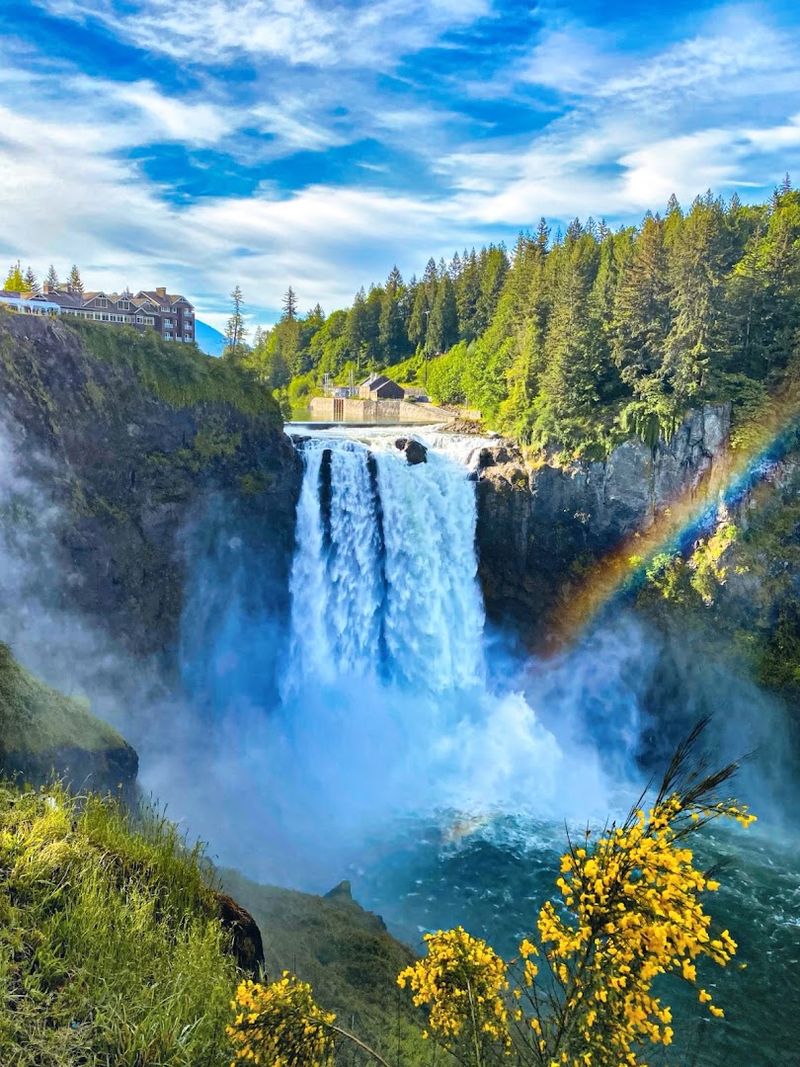
Trust me, the sound of Snoqualmie Falls hits you before the view does, and it is every bit as powerful as you imagine.
Snoqualmie Falls is located in the town of Snoqualmie, in King County, Washington, about 30 miles east of Seattle.
The falls drop 268 feet, which is about 100 feet taller than Niagara Falls. That comparison tends to surprise people who assume bigger cities have bigger waterfalls nearby.
A paved upper viewing platform sits close to the parking area and requires almost no walking. The view from there is impressive and accessible for all fitness levels.
A steeper trail leads down to a lower viewing area at the base of the falls. Getting that close to the mist is a completely different and more intense experience.
The falls are powerful year-round but reach their most dramatic flow during spring snowmelt. Visiting in April or May gives you the full thundering effect.
The surrounding area has a charming small-town feel with local shops and a historic lodge nearby. The Salish Lodge perches right at the cliff edge above the falls.
Twin Peaks fans will recognize the falls immediately. The show used it as an iconic visual throughout its run.
8. Mount St. Helens
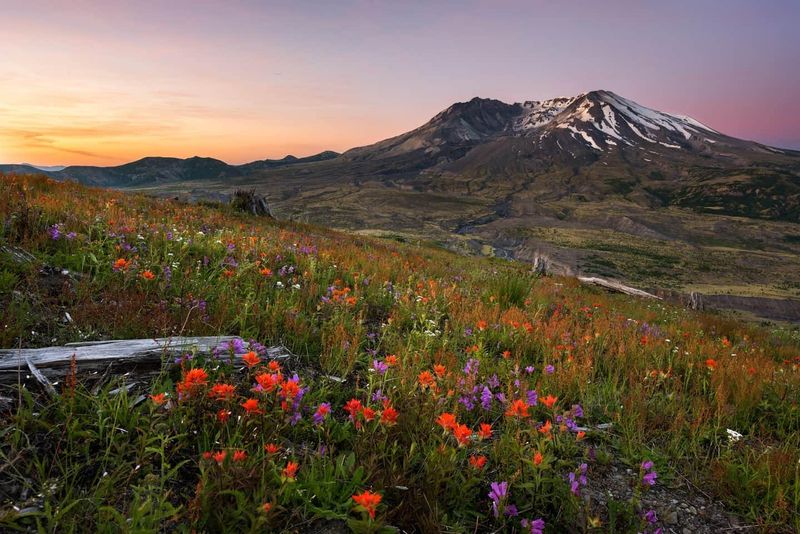
I never would have guessed that a mountain with a massive chunk missing from its top could be so completely captivating.
Mount St. Helens is a stratovolcano in Skamania County, Washington, about 50 miles northeast of Portland, Oregon.
The 1980 eruption reshaped the mountain and the surrounding landscape dramatically. The blast zone still shows signs of that event, though nature has been steadily reclaiming the area.
Johnston Ridge Observatory sits at the end of Spirit Lake Memorial Highway. It places you directly in front of the crater and lava dome at a distance that still feels remarkably close.
The view from Johnston Ridge is one of the most geologically fascinating sights in North America. Scientists continue to monitor the volcano actively from this location.
Hiking options around the mountain range from gentle forest walks to technical summit climbs. The Loowit Trail circles the entire volcano and takes multiple days to complete.
Ape Cave is a lava tube on the south side of the mountain. Walking through it feels like exploring another planet, with its rough basalt walls and cool, dark interior.
Wildflowers and young trees have returned to areas that were completely devastated in 1980. That recovery story is one of the most hopeful things nature has ever shown me.
9. Palouse Falls State Park
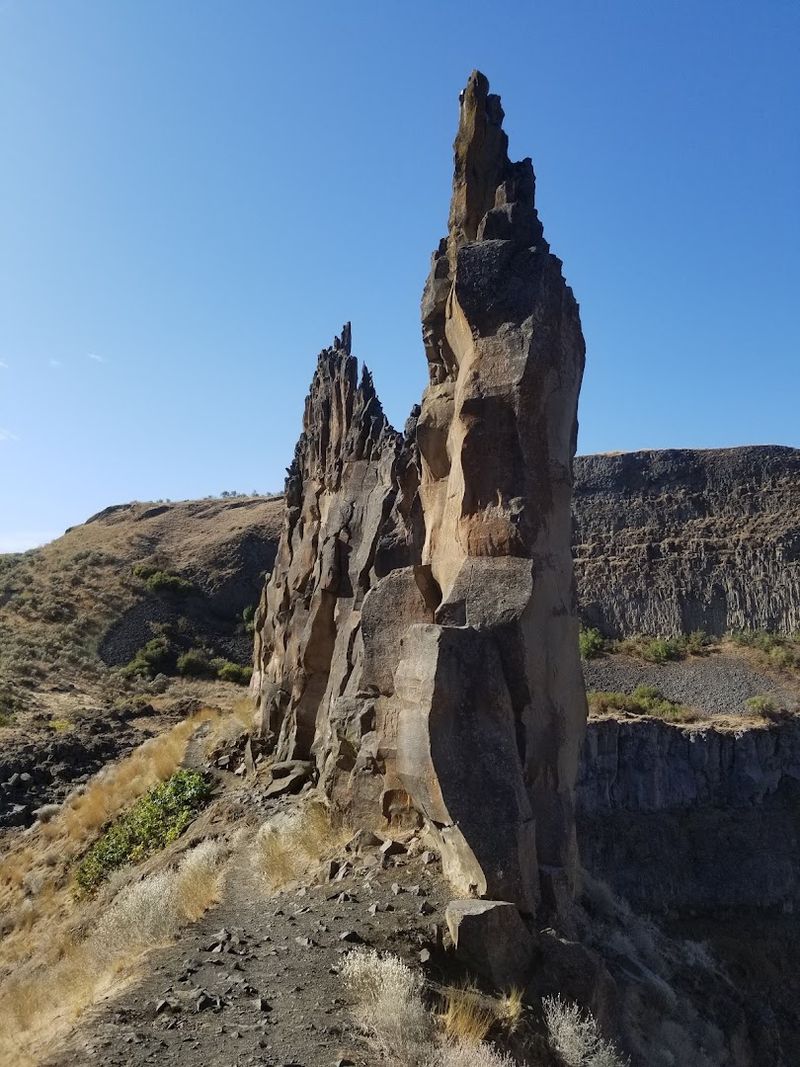
Doesn’t it seem strange that one of Washington’s most spectacular waterfalls sits in the dry eastern part of the state, far from the rainy coast?
Palouse Falls State Park is located in Franklin County, in southeastern Washington, near the town of LaCrosse.
The falls drop about 198 feet into a steep basalt canyon carved by ancient floods. Those floods, called the Missoula Floods, happened at the end of the last ice age and were truly massive in scale.
Palouse Falls was named the official state waterfall of Washington in 2014. That recognition was a long time coming for a falls this dramatic.
The surrounding landscape is unlike anything else in the state. Rolling wheat fields and dry canyon walls replace the evergreen forests found in western Washington.
The hike from the parking area to the main viewpoint is short and easy. A more adventurous trail leads to a lower platform that puts you much closer to the spray.
Spring is the best season to visit when snowmelt pushes the river to its highest flow. The falls roar with a force that you feel in your chest at that time of year.
Sunrise and sunset paint the basalt canyon in warm orange and gold tones. Photographers make special trips here just to capture that light on the canyon walls.
10. Lake Chelan
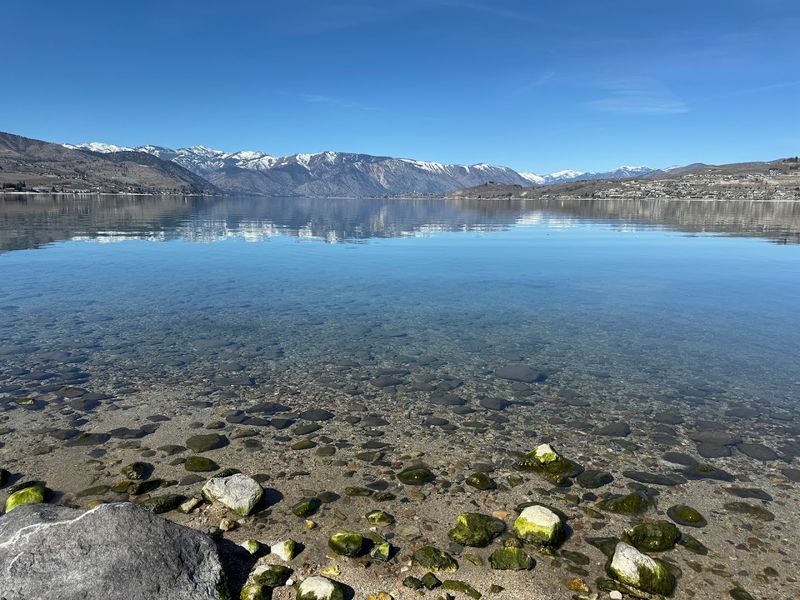
Would you ever think that a lake stretching 55 miles through the mountains could be the sunniest getaway in all of Washington?
Lake Chelan sits in Chelan County, in north-central Washington, and it is one of the deepest lakes in the United States.
At nearly 1,500 feet deep, it ranks as the third deepest lake in the entire country. That depth gives it a striking shade of blue that photographs almost too well.
The town of Chelan at the lake’s southern end is the main hub for activity. Waterfront parks, marinas, and sandy beaches make it a popular warm-weather retreat.
A passenger ferry runs from Chelan to the remote community of Stehekin at the far northern end of the lake. Stehekin has no road access, which makes the ferry ride feel like a genuine expedition.
Fruit orchards surround the lake and produce some of the best apples and cherries in the Pacific Northwest. Farm stands along the highway are absolutely worth stopping at during harvest season.
Water sports dominate summer life here. Paddleboarding, kayaking, and boating are all easy to arrange from the Chelan waterfront.
The hills above the lake bask in over 300 days of sunshine per year. That statistic shocks most people who associate Washington only with rain.