Brick Opera Houses Built Before 1920 Still Raise The Curtain In 6 Nebraska Towns
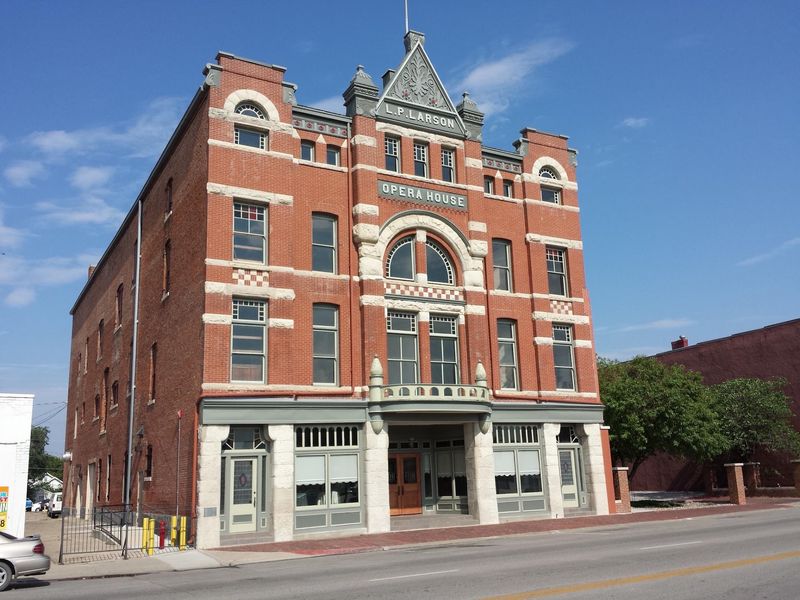
A teenage Willa Cather once stood on a small-town stage and gave her high school graduation speech. That was 1890, and the room where she spoke still hosts shows today.
I love that detail because it isn’t a one-off. Across Nebraska, brick opera houses built in the 1800s and early 1900s are still booking plays, concerts and dances.
One was built by a Czech fraternal lodge. Another survived a hotel explosion right down the street.
These buildings were once the biggest deal in town. Traveling actors came in by rail, and families climbed the stairs to see them.
Then movies and television arrived, and plenty of halls went dark.
These six didn’t. Communities raised money, fixed roofs and kept the stages lit.
So which ones can you still sit inside, and what makes each one worth the drive?
1. Minden Opera House
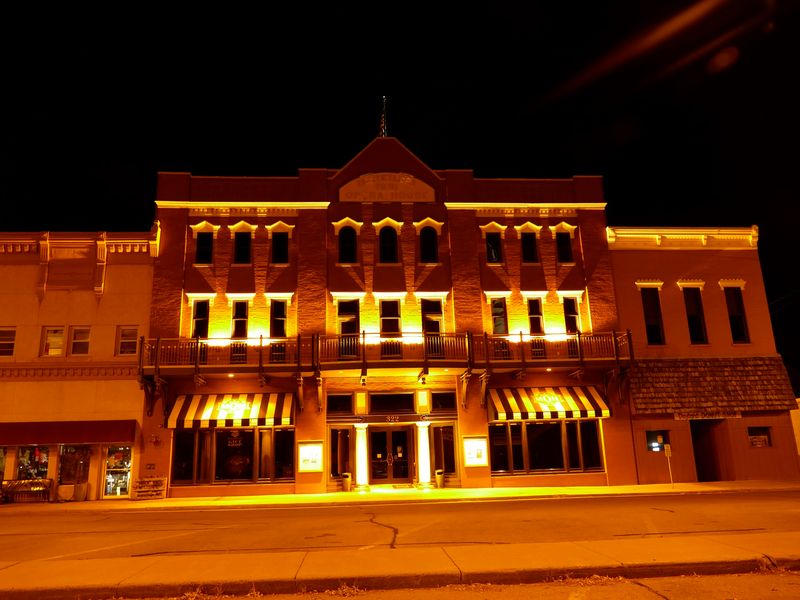
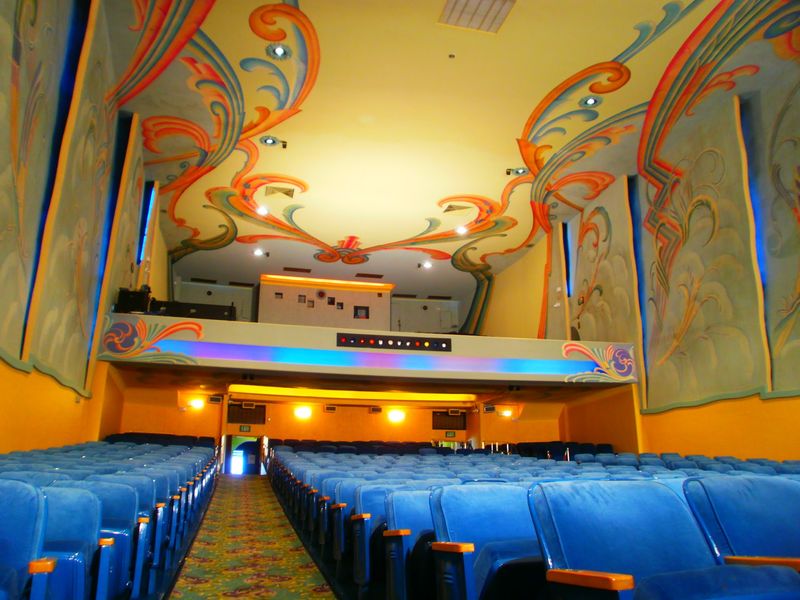
Look up during a show here and you’ll find a ceiling painted with stars. Some of those stars twinkle, and a few even shoot across the sky.
The building went up in 1891 as an ornate red-brick Romanesque Revival theater. It anchors the brick-paved town square in Minden, a Nebraska town of roughly 3,000 people.
Like a lot of old halls, it slowly fell out of use. Instead of tearing it down, the community launched a fundraising campaign to bring it back.
That effort paid off on Memorial Day in 2000. That’s when the restored opera house officially reopened its doors to the public.
So what’s on the schedule today? Expect plays, concerts and live music, plus the occasional movie night on the big screen.
The calendar stretches past the stage, too. The venue has hosted art showings, receptions, conventions and even Bible art journaling classes.
Seating runs about 250 upstairs and 100 downstairs. That size keeps shows feeling close, which suits a small-town audience just fine.
Families should note it’s a solid outing for kids. Check the event lineup before you go, since the office keeps weekday hours.
Address: 322 E 5th St, Minden, NE 68959
2. Red Cloud Opera House
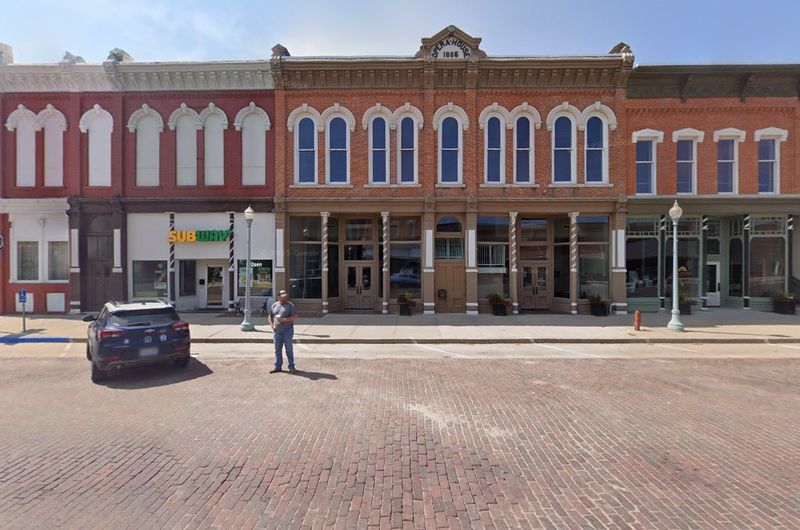
Few small-town stages can claim a Pulitzer Prize winner gave her graduation speech on them. In 1890, a young Willa Cather did exactly that, right here.
Cather also sat in this audience as a girl, watching traveling performances. Her Nebraska childhood later shaped novels that readers still assign in classrooms.
The building dates to 1885 and started life as the Morhart and Fulton Building. It joined the National Register of Historic Places in 1980.
A full restoration wrapped up in 2003. Crews kept original features like the hardwood floors and the paneling along the stage front.
Today it’s part of the National Willa Cather Center. The nearly block-long complex ties together several of Red Cloud’s historic buildings, including the opera house itself.
Here’s what you can catch: plays, concerts, exhibits, book signings and cultural events. There’s also an art gallery and a bookstore on site.
Red Cloud has only about 900 residents, yet its brick downtown looks remarkably preserved. Pair a show with a stroll and you’ve got a full day.
Street parking is free, which is always a nice surprise.
Address: 411 N Webster St, Red Cloud, NE 68970
3. Fremont Opera House
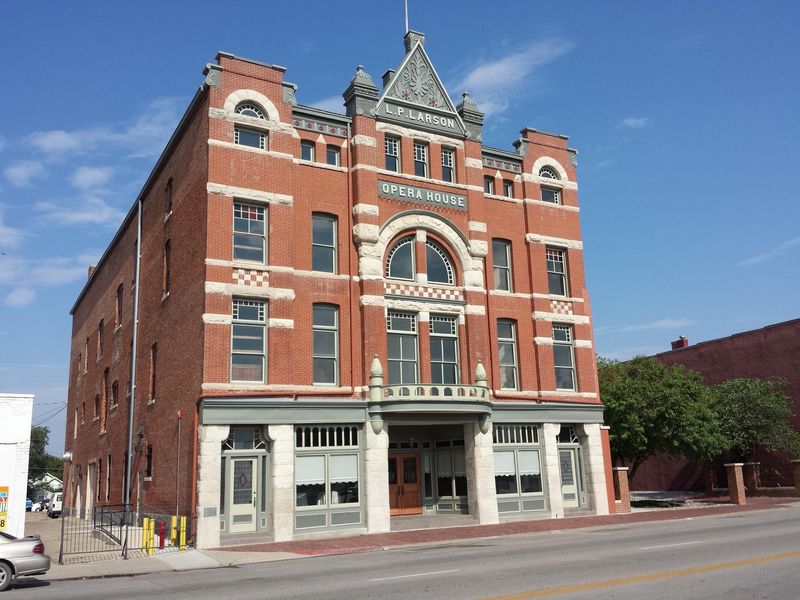
An explosion leveled the Pathfinder Hotel nearby in 1976. The opera house took damage to its facade, but the structure itself stayed sound.
That toughness fits a building with serious credentials. It opened as the Love-Larson Opera House with a grand performance on December 14, 1888.
Back then, it ranked among the finest buildings of its kind in Nebraska. The three-story brick hall could seat around 1,100 people under a domed ceiling.
In 1975, it became the first building in Fremont listed on the National Register of Historic Places. Its size and architecture helped earn that spot.
Renovations on the main floor finished in 2011. Plans aim to restore the whole facility, including the performance hall and stage.
What happens inside now? Plays, concerts and community theater productions share the calendar with summer art camps for middle schoolers.
The space also books weddings, receptions and birthday gatherings. Film crews have even used the building for projects.
Fremont’s downtown core carries its own National Register listing, so the surrounding blocks reward a wander. On-site parking makes arriving for a show simple.
Address: 541 N Broad St, Fremont, NE 68025
4. Thorpe Opera House
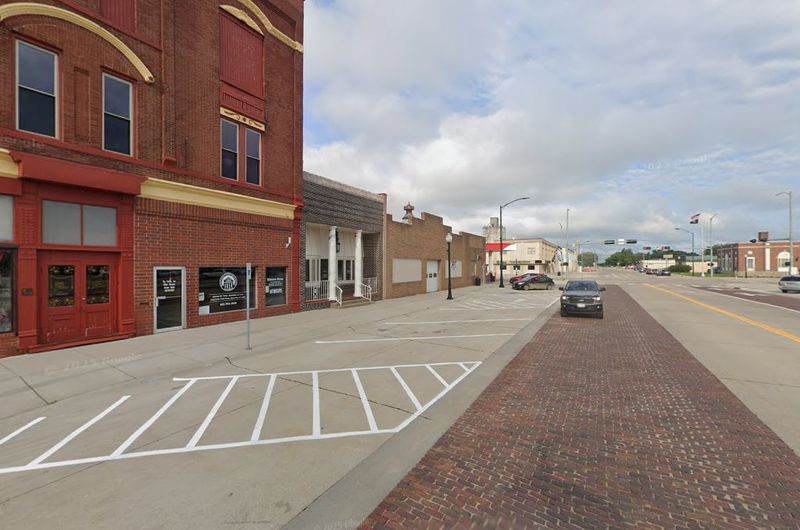
Railroads once hauled traveling shows straight to David City. William B.
Thorpe built this three-story brick hall in 1889 to give them a stage.
The original upstairs theater held about 1,000 people. A U-shaped balcony wrapped the room, though it was later removed.
Picture walnut-stained chairs and velour-draped boxes, and you’ve got the old look. It was a showpiece for a county seat town.
Performances were only part of the story. Fraternal groups met here, political events filled the room, and graduates came back for high school reunions.
The building was refurbished and reopened in 1981. It landed on the National Register of Historic Places in 1988.
Today the Thorpe keeps a monthly lineup going. You might catch community theater, a choir, solo performers or a live band.
Groups can also rent the space for meetings, dinners and receptions. Tickets and reservations run through the venue’s own booking system.
David City has about 2,900 residents and a traditional courthouse square downtown. A show here makes a fine excuse to explore Butler County.
Address: 457 D St, David City, NE 68632
5. Warren’s Opera House
A town named Friend sounds like a welcoming place for a show. Its opera house has been on Maple Street since 1888.
Local merchant J.F. Warren finished the building that year.
Its red-brick exterior shows off an Italianate style that still stands out along the commercial strip.
Friend sits in Saline County, in Nebraska’s southeast corner. About 1,000 people live here, so this hall carries real weight in town life.
The Friend Historical Society operates the building now. Its members keep it preserved as a historic theater space.
That means it isn’t a museum you only look at. The hall hosts community cultural events and programs throughout the year.
Of the six stops on this list, this is the smallest town with an 1880s hall. That’s a big building to keep going with a modest population.
Planning a visit? Check with the historical society for upcoming programs before you make the drive.
While you’re in town, take a slow walk down the historic main street. The brick storefronts help explain why folks fought to save this landmark.
Address: 215 Maple St, Friend, NE 68359
6. Z.C.B.J. Opera House
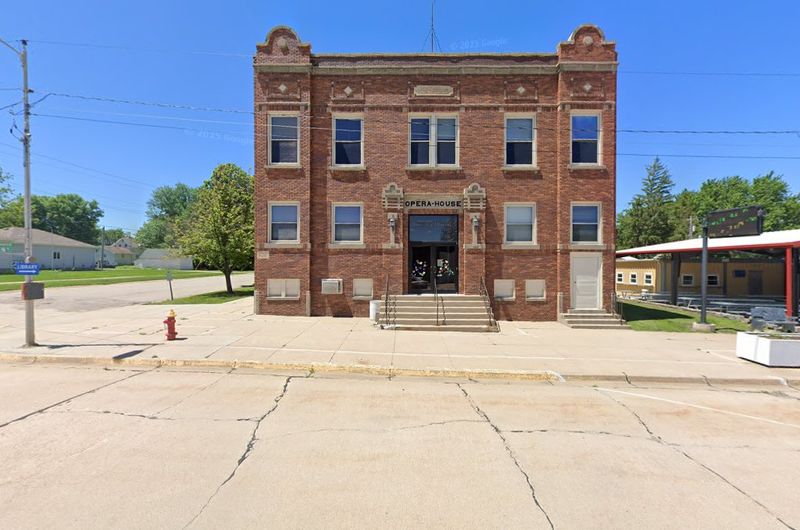
Those four letters stand for Zapadni Ceska Bratrska Jednota. In English, that’s the Western Bohemian Fraternal Association, and its Lodge No. 28 built this hall in 1913.
The goal was a home for Czech life in Clarkson. Members gathered for meetings, Czech-language entertainment, concerts, dances and movies.
Sound films arrived in the 1930s. The building joined the National Register of Historic Places in 1988.
In 2002, the nonprofit Clarkson Community Opera House took over operations. Their mission is simple: keep it standing and keep it busy.
And busy it is. Polka dances, Czech heritage events, films and family gatherings fill the year.
Weddings, anniversaries and trunk-or-treat nights have happened here for generations. The annual Czech Festival brings special events, too.
One detail steals the show for me. Old-fashioned painted backdrops still hang on the stage, and crews use them with care.
Clarkson has only about 650 residents in Colfax County. Still, its Czech roots run deep, and this hall proves it.
It’s a fitting final stop on a Nebraska opera house road trip. Bring the kids and your dancing shoes.
Address: 340 Pine St, Clarkson, NE 68629