14 Budget-Friendly Home Upgrades Louisiana Homeowners Are Using To Fight Mold
Heavy air clings to walls, sinks into fabrics, and quietly creates the perfect conditions for mold to thrive.
In Louisiana homes, moisture doesn’t need an invitation, and once mold settles in, it can affect comfort, health, and even long-term property value.
The good news is that many Louisiana homeowners are pushing back with smart, practical upgrades that focus on controlling moisture before it causes damage.
From simple daily habits to low-cost improvements, these mold-fighting strategies fit real Louisiana lifestyles while keeping homes fresher, drier, and easier to maintain.
1. Install Dehumidifiers
Humidity hangs heavy in Louisiana air, and indoor spaces soak it up like sponges.
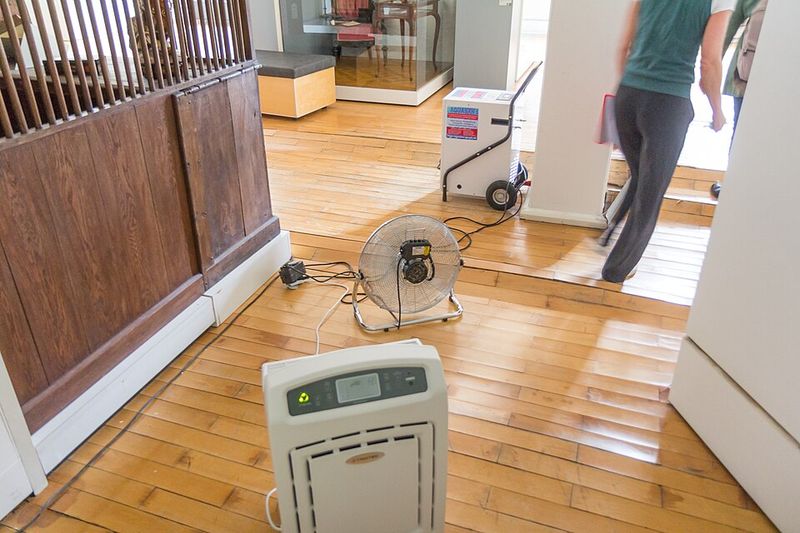
A dehumidifier pulls that excess moisture right out, keeping levels between 30% and 50%, which is the sweet spot where mold struggles to survive.
Portable units work great for bedrooms, basements, or laundry rooms, while whole-house systems tie into your HVAC for wall-to-wall protection.
Prices range from around $40 for small units to a few hundred for larger models, making this one of the most affordable defenses against mold.
Look for Energy Star ratings to keep electric bills reasonable, and empty the water tank regularly or hook up a drain hose for hassle-free operation.
Many homeowners notice a difference within days – less musty smell, drier air, and fewer damp spots on walls.
Pair a dehumidifier with a hygrometer to track humidity, and you’ll have a simple system that works around the clock to keep mold at bay.
2. Enhance Ventilation
Stale, trapped air creates the perfect breeding ground for mold spores, especially in tight spaces like bathrooms and kitchens.
Opening windows whenever weather permits lets fresh air sweep through, carrying moisture outside instead of letting it settle on walls and ceilings.
Exhaust fans are your best friend during showers and cooking sessions, pulling steam straight out before it condenses.
Cross-ventilation works wonders – crack a window on opposite sides of your home to create a natural breeze that flushes out humidity.
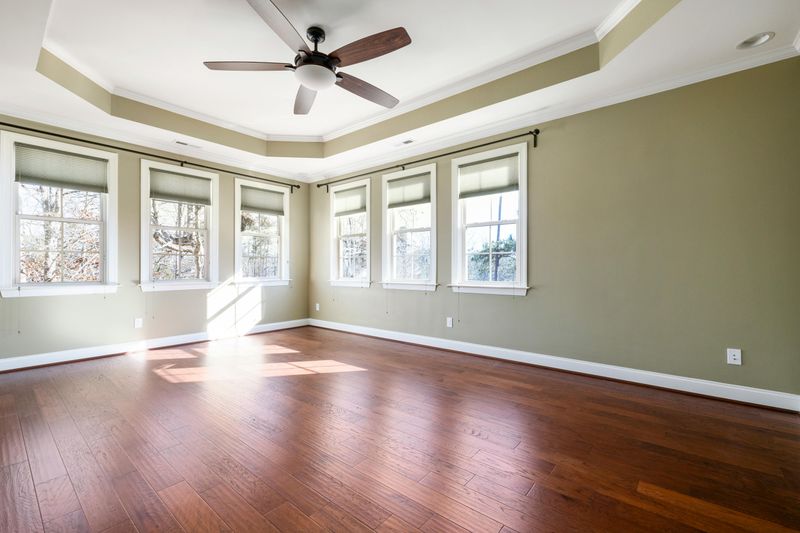
Ceiling fans and box fans help circulate air in rooms without windows, preventing pockets of dampness from forming in corners.
This upgrade costs almost nothing if you already have fans, and installing a basic exhaust fan runs about $100 to $200 with a little DIY effort.
Consistent airflow keeps surfaces dry, discourages mold growth, and makes your home feel fresher overall, all without fancy equipment or professional help.
3. Use Natural Cleaning Solutions
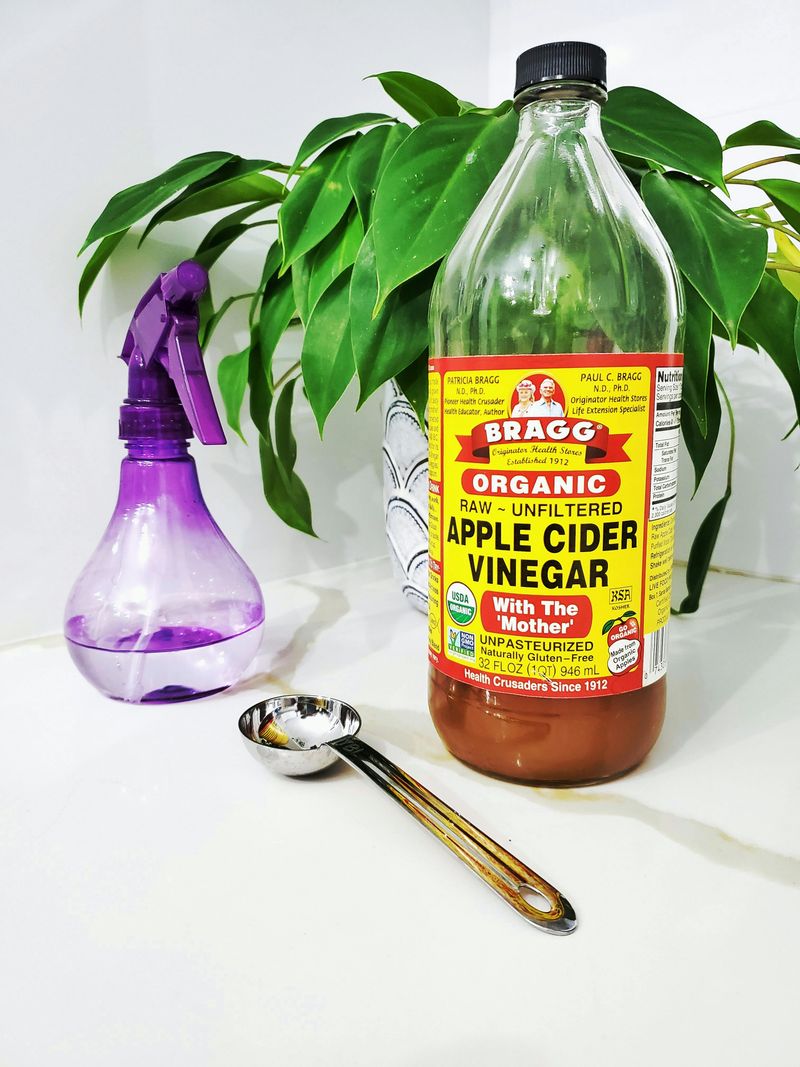
Harsh chemicals aren’t necessary to tackle mold, and many Louisiana homeowners swear by pantry staples like white vinegar and baking soda.
Vinegar’s acidity kills about 80% of mold species on contact, while baking soda scrubs away stains and absorbs lingering odors.
Spray undiluted vinegar directly on moldy spots, let it sit for an hour, then scrub and rinse.
For tougher patches, make a paste with baking soda and water, apply it generously, and scrub with a brush before rinsing clean.
These methods work beautifully on tile, grout, painted walls, and even fabric, without the toxic fumes or skin irritation that come with bleach and commercial cleaners.
A gallon of vinegar costs under $5, and baking soda runs about $1 per box, making this the cheapest mold-fighting strategy on the list.
Regular cleaning with these natural solutions prevents mold from gaining a foothold, keeping your home healthier and saving money on expensive remediation down the road.
4. Seal Leaks And Cracks
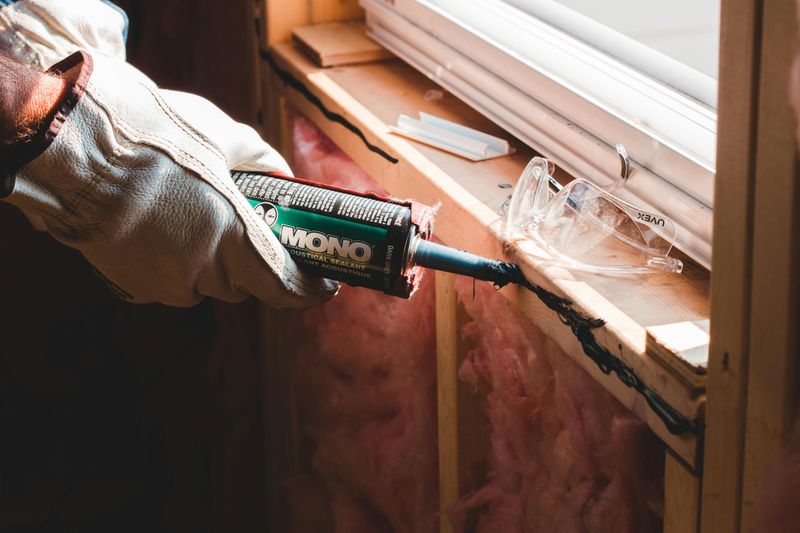
Water sneaks in through the tiniest gaps, turning small cracks around windows, doors, and pipes into highways for moisture and mold.
Grab a tube of caulk and a caulking gun, then walk through your home looking for any openings where air or water might penetrate.
Seal around window frames, door jambs, pipe penetrations, and baseboards to create a watertight barrier.
Weatherstripping works wonders on doors and windows that don’t close tightly, blocking drafts and moisture from slipping inside.
Check your roof for missing shingles or damaged flashing, as even small leaks can drip into walls and ceilings, creating hidden mold colonies.
A few tubes of caulk and weatherstripping materials cost under $20 total, and the work takes just an afternoon for most homes.
This simple upgrade not only fights mold but also improves energy efficiency, keeping your air conditioning from escaping and lowering utility bills year-round.
5. Maintain Gutters And Drainage
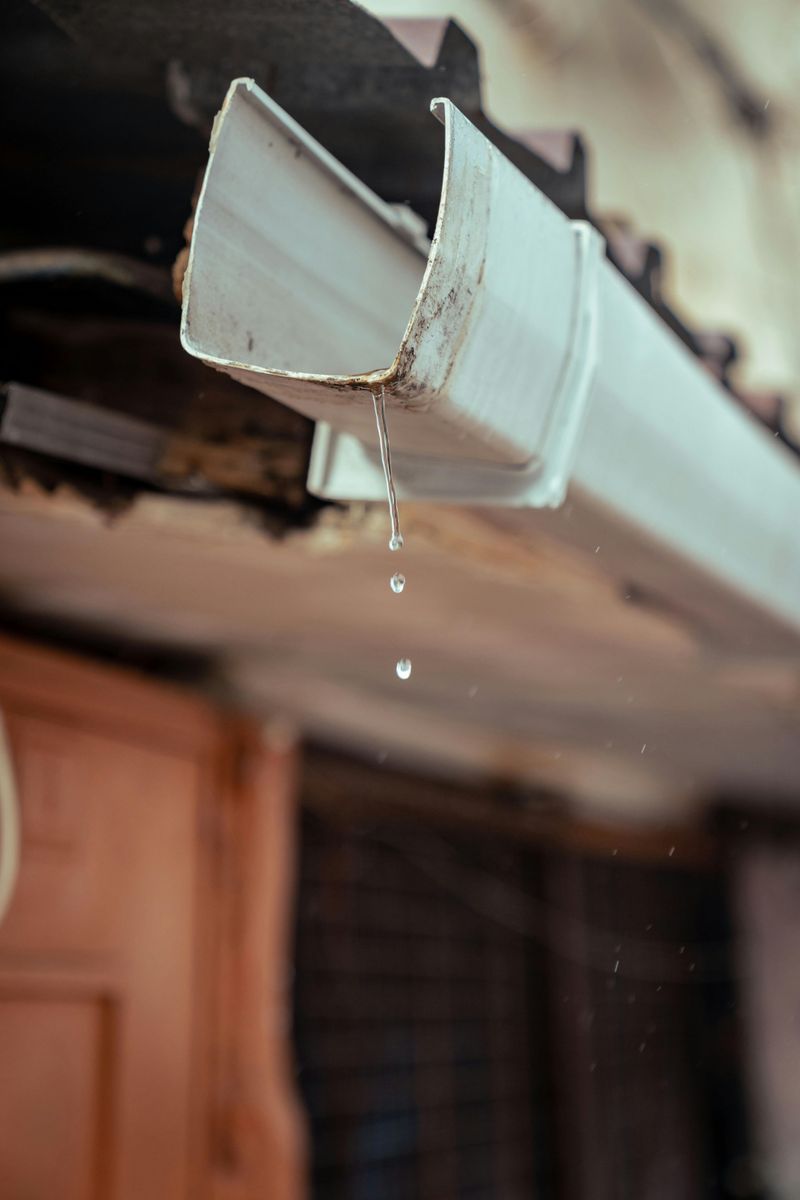
Clogged gutters overflow during Louisiana’s frequent downpours, sending water cascading down walls and pooling around your foundation.
That standing water seeps into basements, crawl spaces, and walls, creating the damp conditions mold loves.
Cleaning gutters twice a year – spring and fall – keeps water flowing smoothly away from your home.
Check that downspouts extend at least five feet from the foundation, directing water toward yards or drainage areas instead of soaking the ground right next to your house.
Adding gutter guards reduces debris buildup and cuts down on maintenance time, though they’re optional for budget-conscious homeowners.
Gutter cleaning costs nothing if you do it yourself, or around $100 to $200 if you hire a pro.
Proper drainage prevents thousands of dollars in water damage and mold remediation, making this one of the smartest preventive measures you can take for your home’s long-term health.
6. Install Bathroom Exhaust Fans
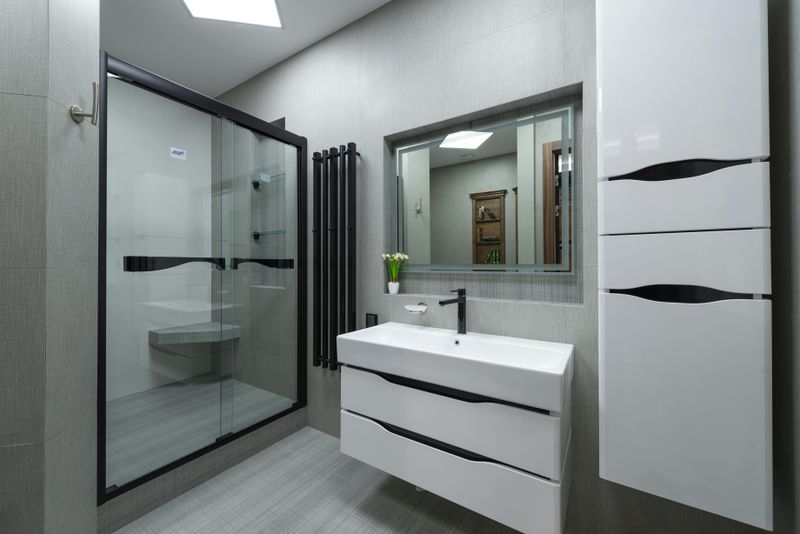
Showers pump gallons of moisture into the air, and without an exhaust fan, that steam settles on walls, ceilings, and grout, inviting mold to move in.
Exhaust fans suck humid air straight outside, keeping bathrooms dry and fresh.
Run the fan during every shower and for at least 15 minutes afterward to clear all the moisture.
Basic models start around $30, and installation is straightforward if you have existing wiring – many homeowners tackle it themselves with basic tools and a YouTube tutorial.
Upgrade to a fan with a built-in timer or humidity sensor for hands-free operation that automatically kicks on when moisture levels spike.
Bathrooms without exhaust fans are mold magnets, especially in Louisiana’s humid climate where air doesn’t dry quickly on its own.
This single upgrade dramatically reduces mold risk, protects paint and grout, and makes your bathroom more comfortable overall, all for a fraction of what you’d spend on mold cleanup.
7. Replace Carpet With Hard Flooring
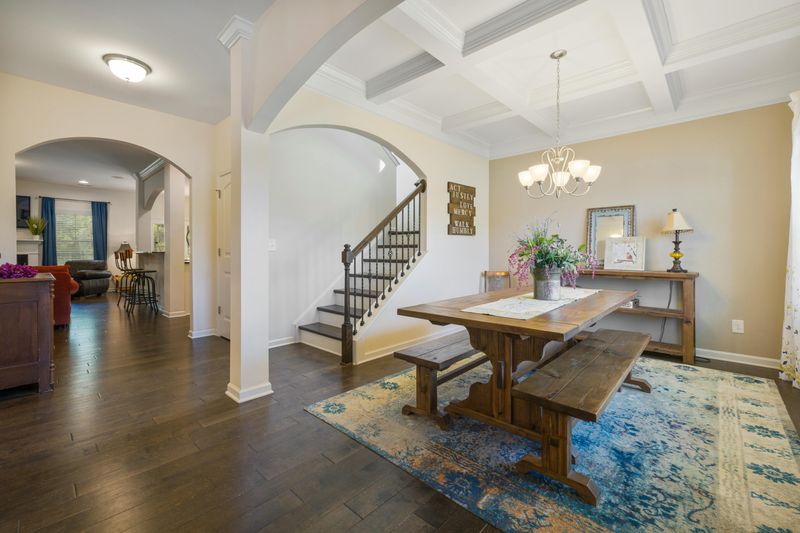
Carpet traps moisture like a sponge, holding onto spills, humidity, and tracked-in water long after surfaces appear dry.
Mold spores burrow into carpet fibers and padding, growing hidden colonies that release allergens and musty odors.
Ripping out carpet and installing hard flooring like vinyl, tile, or laminate eliminates this moisture trap entirely.
Vinyl plank flooring costs as little as $1 to $3 per square foot, and many products snap together without glue or nails, making DIY installation totally doable for beginners.
Tile runs a bit higher but offers superior water resistance in bathrooms, kitchens, and laundry rooms.
Hard floors dry quickly, wipe clean easily, and give mold nowhere to hide, making them ideal for Louisiana’s wet climate.
Switching even one or two rooms – like bathrooms or basements – makes a noticeable difference in your home’s overall mold risk and indoor air quality.
8. Use Moisture Barriers In Crawl Spaces
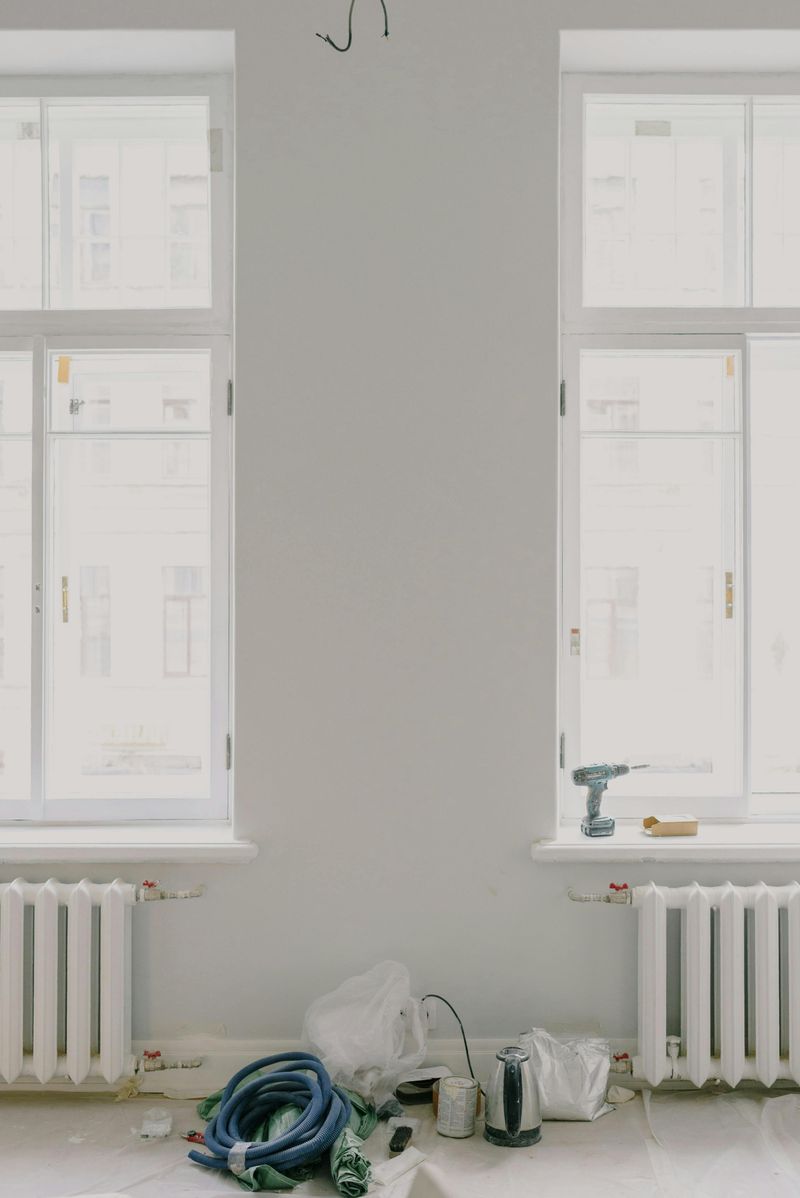
Crawl spaces sit right on the ground, where soil moisture evaporates upward into your home’s underside, soaking floor joists and insulation.
A vapor barrier – thick plastic sheeting spread across the crawl space floor – blocks that moisture before it rises, keeping the area dry and mold-free.
Secure the edges with tape and weigh down the plastic with bricks or gravel.
This upgrade costs around $0.50 to $1 per square foot for materials, and most homeowners can handle installation themselves with a few hours of crawling around.
Professional installation adds labor costs but ensures a tight seal and proper overlap at seams.
Dry crawl spaces mean healthier floors, less musty smell, and lower humidity throughout the entire house.
Pair a vapor barrier with a small dehumidifier or vent fan for extra protection, especially if your crawl space tends to flood during heavy rains or has poor drainage around the foundation.
9. Maintain HVAC Systems
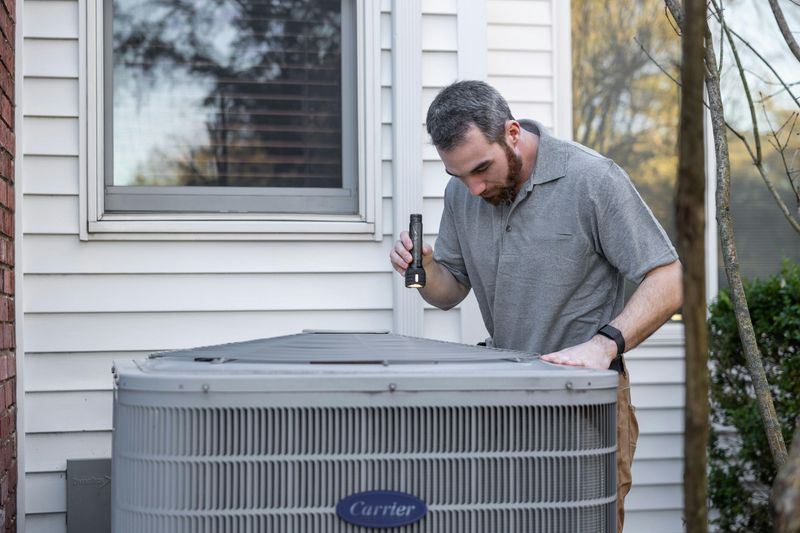
Air conditioning systems don’t just cool your home – they pull moisture out of the air, keeping humidity levels comfortable and mold at bay.
Dirty filters, clogged coils, and neglected maintenance reduce efficiency, leaving your home damper than it should be.
Change filters every one to three months, depending on usage, and schedule professional tune-ups once a year.
Technicians clean coils, check refrigerant levels, and clear drain lines that can back up and leak water into your home.
A well-maintained HVAC system runs more efficiently, lowers energy bills, and keeps indoor humidity in the mold-resistant zone below 50%.
Filter replacements cost just a few dollars each, and annual maintenance runs $75 to $150, making this a small investment with big returns.
Skipping maintenance leads to costly repairs, higher utility bills, and increased mold risk, so treat your HVAC system like the mold-fighting workhorse it is.
10. Monitor Humidity Levels

You can’t fight what you can’t see, and humidity levels are invisible without the right tool.
A hygrometer – a small device that measures indoor moisture – gives you real-time readings so you know exactly when humidity creeps into the danger zone above 50%.
Digital models cost as little as $10 and provide instant feedback at a glance.
Place hygrometers in key areas like bathrooms, basements, bedrooms, and kitchens to identify problem spots that need extra attention.
When readings climb, you’ll know it’s time to run the dehumidifier, open windows, or kick on exhaust fans before mold gets a chance to establish itself.
Tracking humidity empowers you to take action before damage occurs, rather than discovering mold after it’s already spread.
Pair hygrometers with your other mold-fighting upgrades for a complete defense system that keeps your Louisiana home dry, comfortable, and healthy year-round.
11. Apply Borate Treatments
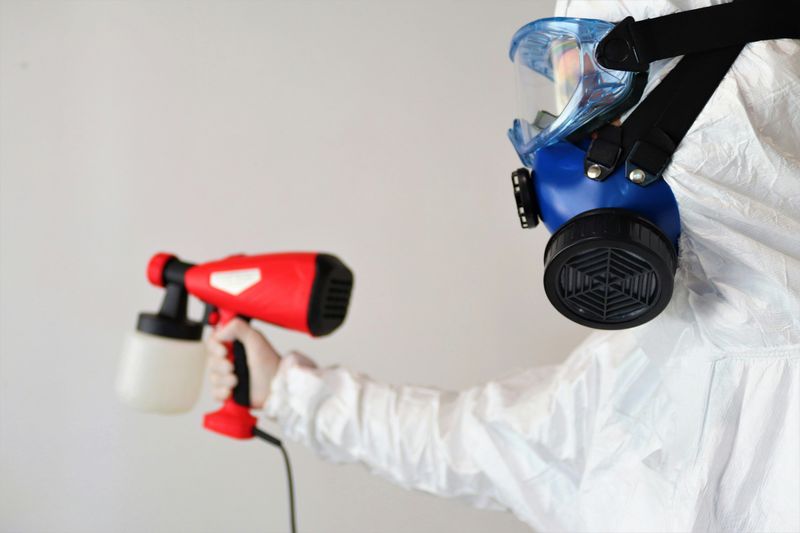
Wood surfaces – studs, joists, trim, and framing – provide mold with plenty of organic material to feast on, especially when moisture is present.
Borate treatments soak into wood fibers, creating a protective shield that resists mold, termites, and rot for years.
The solution is non-toxic once dry, making it safe for occupied homes.
Apply borate with a sprayer or brush to any exposed wood in basements, crawl spaces, attics, or during remodeling projects before covering walls.
The treatment penetrates deep, offering long-lasting protection that doesn’t wash away or degrade over time.
Borate powder costs around $20 to $40 per pound and mixes easily with water, covering hundreds of square feet per batch.
This upgrade is especially smart for older Louisiana homes with wooden structures vulnerable to moisture damage, providing peace of mind and serious mold resistance without breaking the bank.
12. Apply Mold-Resistant Paints
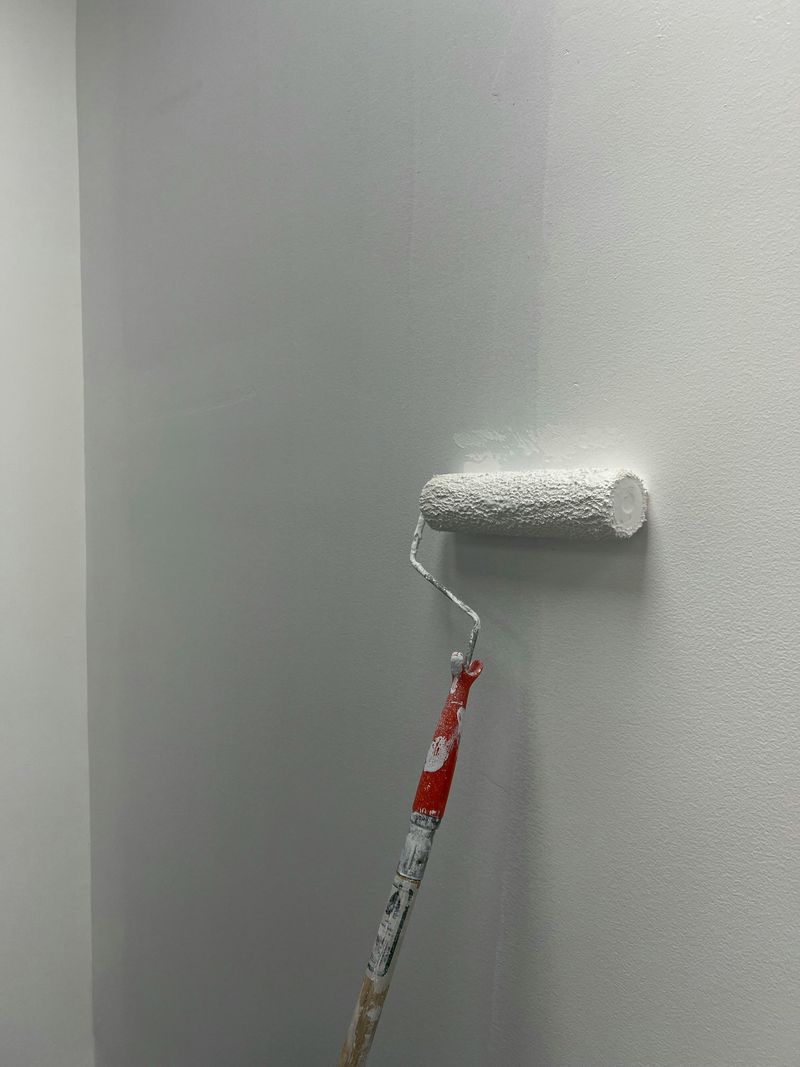
Regular paint offers zero defense against mold, but mold-resistant formulas contain antimicrobial additives that actively discourage spores from taking hold.
Bathrooms, kitchens, and laundry rooms benefit most, since these high-humidity zones see constant moisture exposure.
The paint creates a protective barrier that makes it harder for mold to anchor and spread across surfaces.
Application is identical to standard paint – clean the wall, apply primer if needed, then roll on two coats for best results.
Most brands cost just a few dollars more per gallon than regular paint, making this an incredibly affordable upgrade during any repainting project.
Don’t expect magic – mold-resistant paint won’t fix leaks or eliminate humidity – but it adds a valuable layer of defense when combined with proper ventilation and moisture control.
Choose satin or semi-gloss finishes for bathrooms and kitchens, as they’re easier to wipe down and resist moisture better than flat paints.
13. Implement Basement Moisture Barriers
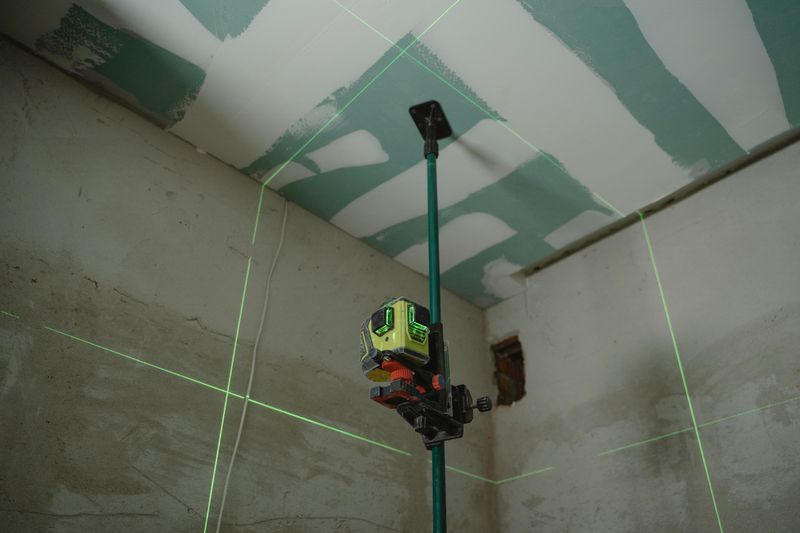
Basements battle water from every direction – seeping through foundation walls, rising from the ground, and dripping from overhead pipes.
French drains intercept groundwater before it enters, channeling it away through perforated pipes buried in gravel.
Waterproofing membranes applied to walls block moisture penetration, keeping interiors dry even during heavy rains.
DIY French drain installation costs a few hundred dollars for materials like pipe, gravel, and landscape fabric, though digging the trench requires serious elbow grease.
Waterproofing membranes or sealants range from $50 to $200 depending on basement size and product choice.
Dry basements unlock usable living space, protect stored belongings, and eliminate the musty smell that signals mold growth.
These barriers work together to create multiple lines of defense, giving water nowhere to go except away from your home’s foundation and living areas.
14. Use Essential Oils
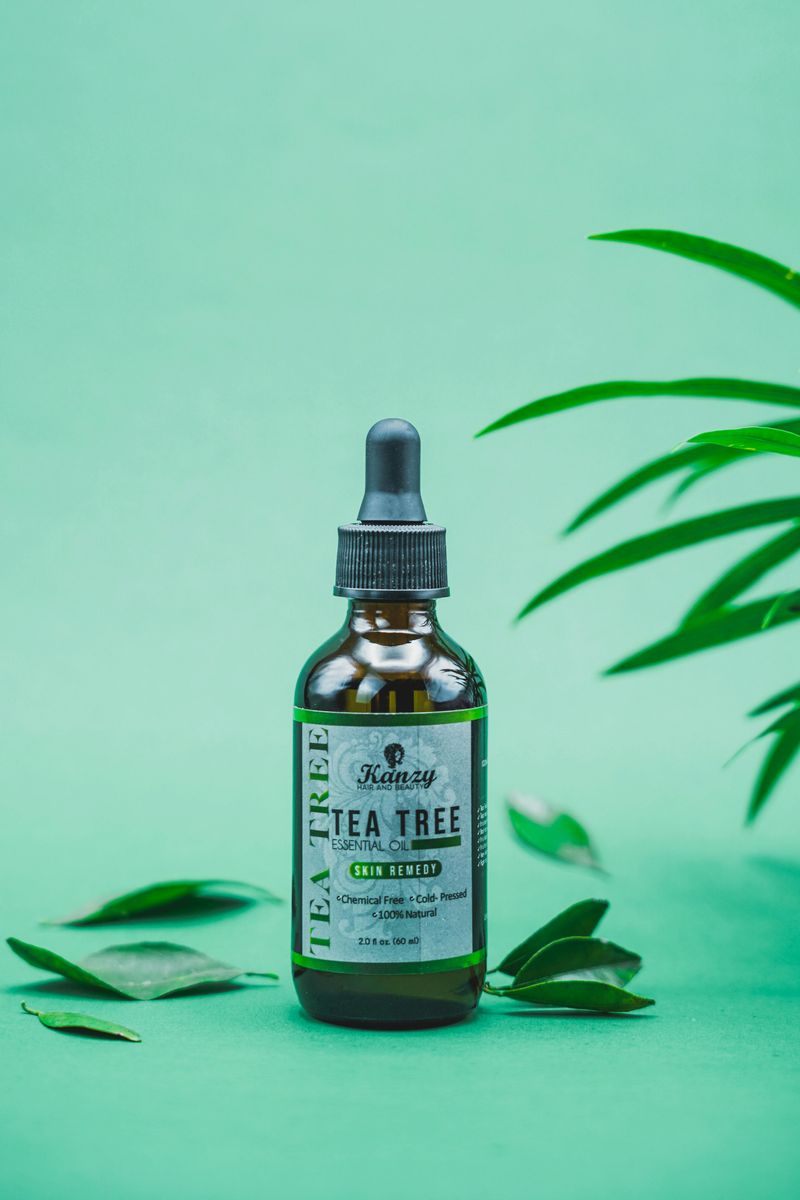
Tea tree oil packs serious antifungal punch in a tiny bottle, killing mold spores naturally without harsh chemicals or overpowering fumes.
Mix about 10 drops of tea tree oil with a cup of water in a spray bottle, shake well, and spritz on moldy surfaces.
Let it sit without rinsing – the oil continues working long after application, preventing regrowth.
Other essential oils like lavender, eucalyptus, and clove also offer mold-fighting properties, and you can blend them for a pleasant scent while you clean.
These natural solutions work beautifully on small mold patches, grout, shower curtains, and even fabric that can’t handle bleach.
A bottle of tea tree oil costs around $10 to $15 and lasts for months, making this one of the most budget-friendly mold remedies available.
Regular use keeps mold from returning, freshens your home naturally, and gives you a safe, non-toxic cleaning option for families with kids, pets, or chemical sensitivities.