California Closes This 10-Mile Redwood Road To Cars So Cyclists Can Have The Forest To Themselves
Cycling beneath redwoods already sounds like a pretty spectacular way to spend a day.
Take cars out of the equation, and the ride suddenly becomes quieter, slower, and much easier to enjoy without constantly listening for an engine behind you.
For part of the year, a 10-mile scenic road gives cyclists that rare opportunity.
Instead of sharing the pavement with regular traffic, riders can concentrate on the enormous trees overhead and whatever happens to be waiting around the next bend.
California occasionally hands cyclists something better than a bike lane: an entire redwood road without cars competing for space.
That changes the character of the ride completely.
Speed seems almost beside the point here. When the forest gets this much room to take over, rushing through it would feel like missing the best part.
The Road Goes Car-Free For Hike And Bike Day
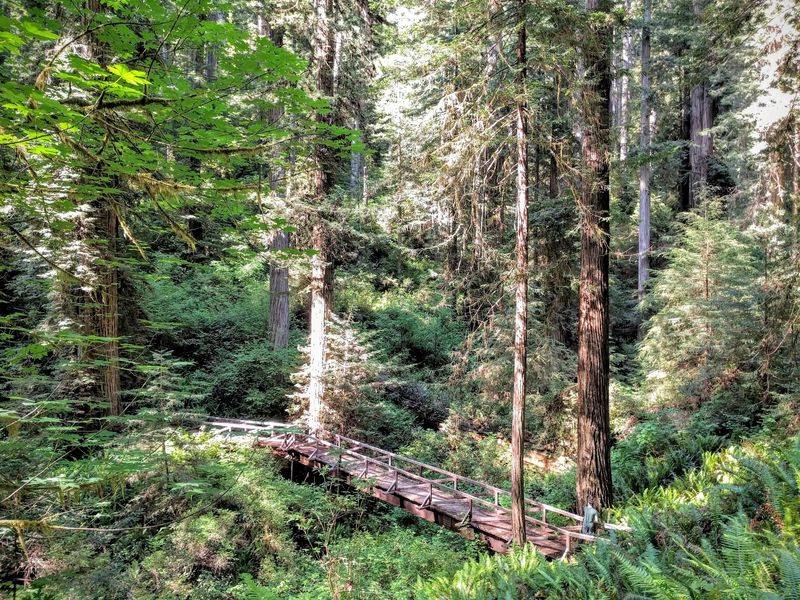
Once a month, the steady hum of traffic simply disappears from a road lined with giant trees.
From October through May, the first Saturday of each month is set aside as Hike and Bike Day on the Newton B. Drury Scenic Parkway.
Motorized vehicles are not allowed on the parkway during the event, so the pavement opens up for people on foot and on bikes.
Park information notes that the closure starts on Friday evening before the event. The road usually reopens on Sunday morning after park law enforcement checks conditions.
That timing means the whole Saturday can feel calm from start to finish.
Riders often notice how different a familiar road feels without cars. Sounds like birds, wind in the branches, and the soft crunch of needles may suddenly seem much louder.
Families can ride side by side without worrying about passing vehicles, although basic trail courtesy still matters.
A good habit is to stay to one side so faster riders can pass safely. Calling out a friendly warning before passing walkers also keeps things relaxed for everyone.
Dates can shift if weather or other issues come up, so checking the official park page before the trip is smart.
Picking one of the eight monthly dates and planning around it gives a simple goal.
After one quiet Saturday among the redwoods, many visitors may find themselves marking the next date on the calendar.
You Get 10 Miles Of Paved Redwood Riding
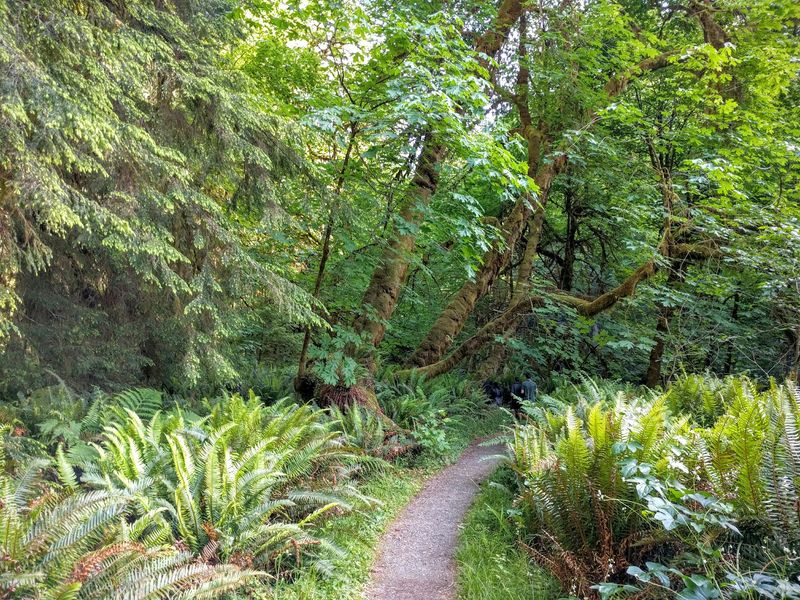
Ten miles of smooth asphalt through old trees is a rare find for any cyclist. The Newton B.
Drury Scenic Parkway runs about 10 miles one way, so an out-and-back trip can reach around 20 miles.
No mountain bike is needed, since the whole route is paved. Road bikes, hybrids, cruisers, and kid bikes can all handle the surface.
That makes the ride easier to plan for groups with different gear. Nobody has to rent special equipment just to join in.
The parkway runs roughly alongside U.S. Highway 101 but stays deeper in the forest. Riders get the shade and quiet of the trees instead of highway views.
The pavement can stay damp under the canopy, so tires may slip on wet leaves or needles. Slowing down on curves is a simple way to stay steady.
Packing a small repair kit, a pump, and a spare tube is practical, because help can be far away. Water and a snack also make sense, even on a cool day. Not every rider needs to cover all 10 miles.
Turning around at a halfway point still gives plenty of forest time. Picking a distance that fits the group keeps the day fun instead of exhausting.
The Route Cuts Straight Through Old-Growth Redwoods
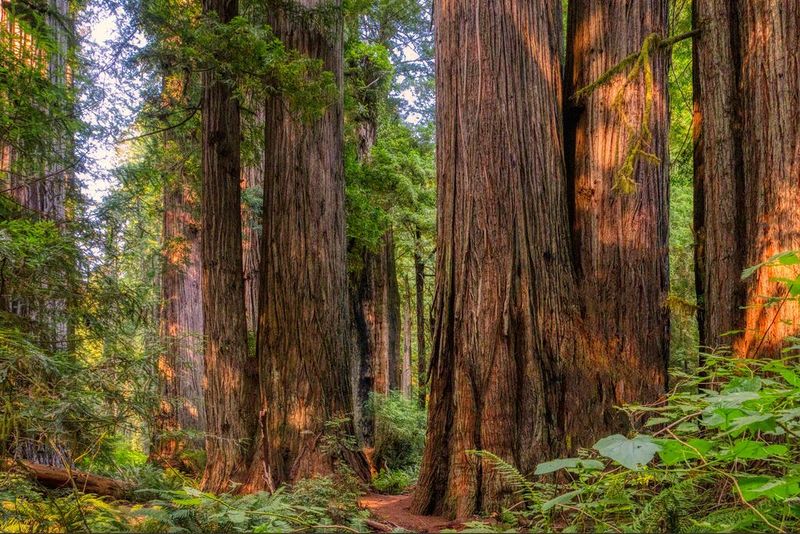
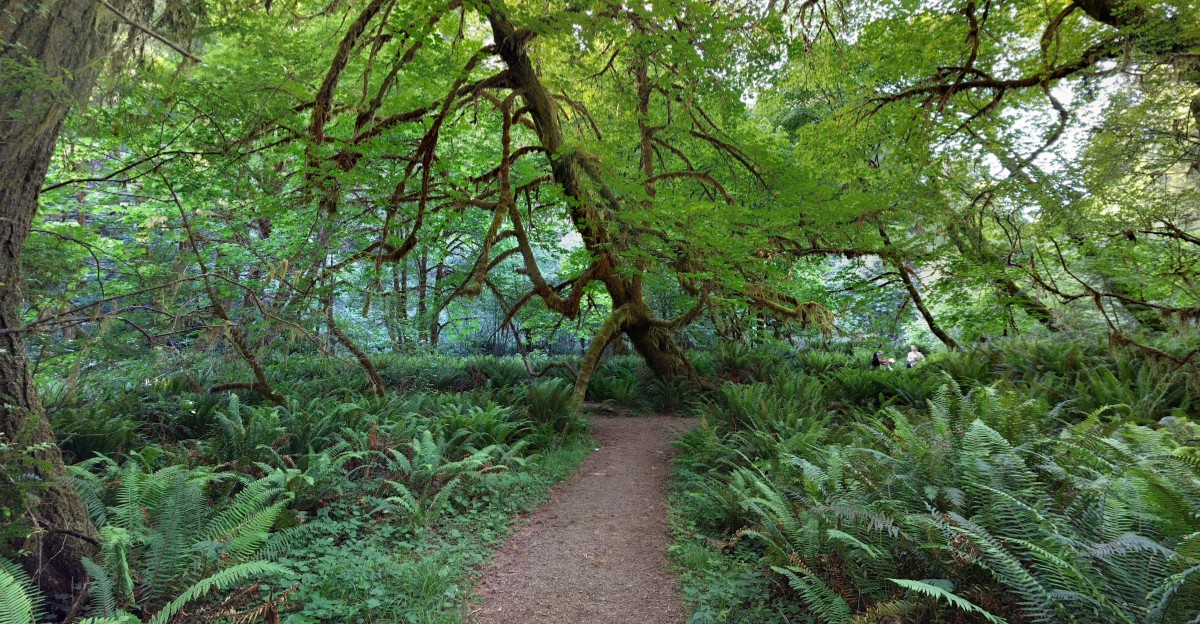
Tilt your head back, and the trunks just keep going up until they vanish into green. The parkway runs through the heart of Prairie Creek Redwoods State Park.
Thousands of acres of old-growth forest surround the road, which is the main reason people come.
Old-growth means these trees have never been cut down. Many of them are hundreds of years old, and some are far older.
Their thick, reddish bark feels soft and spongy compared with most tree bark. The forest floor is packed with ferns and moss.
After rain, the air may carry a damp, earthy smell that feels fresh and clean.
Light often arrives in thin beams, shifting as fog moves through the canopy. Pullouts and trailheads along the road offer spots to stop and walk into the trees.
Leaving the bike locked or parked neatly at the edge helps keep the path clear for others.
Staying on marked trails also protects shallow redwood roots, which spread wide instead of deep. Photos rarely capture the size of these trees.
Placing a bike or a friend near a trunk can help show the scale.
Cyclists Can Actually Ride It Year-Round
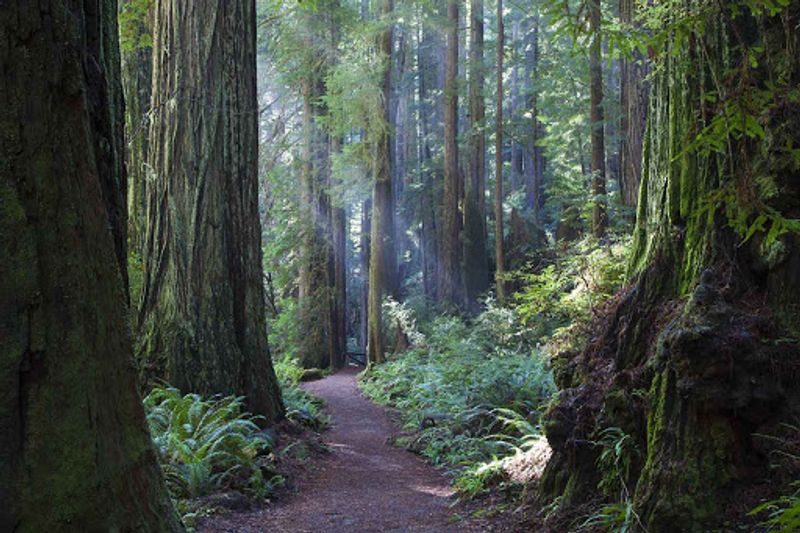
Here is a detail many people miss about this road. Biking on the Newton B. Drury Scenic Parkway is allowed all year, not only on Hike and Bike Days.
The special car-free Saturdays happen from October through May, during the cooler months. On other days, cars share the road with cyclists.
That changes the feel of the ride, so a bit more care is needed. Bright clothing and a rear light help drivers notice riders in the shade.
Riding single file on narrow or curvy stretches is a safer choice when traffic is present.
Earlier hours may feel quieter on regular days, though traffic can vary. Summer brings drier roads and longer daylight, which some riders prefer.
Each season can offer something different. Spring may bring fresh green growth along the road edges. Fall and winter often bring fog and rain, which can make the forest look moody.
Visitors who cannot make a first Saturday still have options. A weekday ride can work well for travelers passing through the area on vacation. The trees stay just as tall no matter the date.
Most Of The Ride Is Surprisingly Manageable
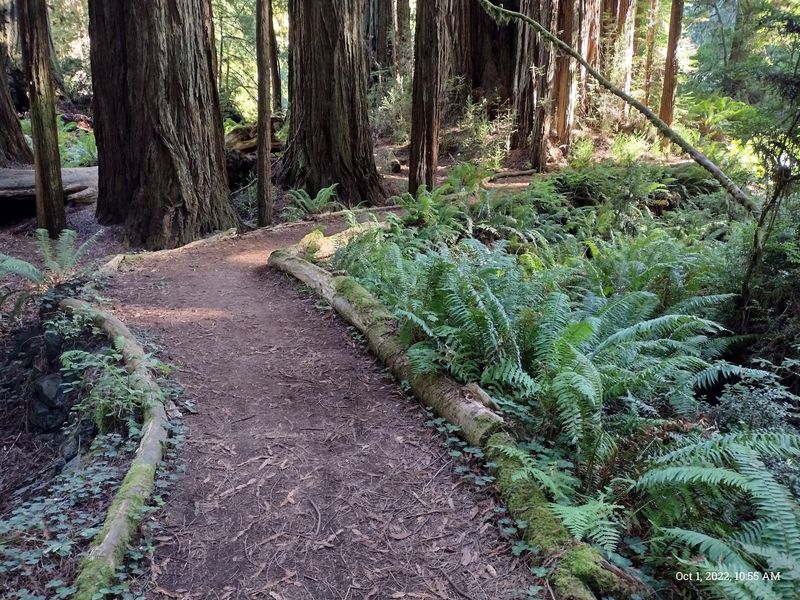
Good news for casual riders: most of this road will not wear anyone out. Much of the parkway has fairly gentle grades.
Beginners, kids, and riders returning after a long break can often handle long stretches comfortably.
The big exception sits at the northern end. According to the National Park Service, the northern mile climbs and descends more than 400 feet.
That section can feel tough, especially on a heavy bike or with tired legs. Shifting into an easier gear before the climb starts makes a real difference.
Walking the bike up the steepest part is perfectly fine too. Nobody gets a prize for pushing too hard.
Descents need attention as well. Wet pavement and shaded curves mean braking early and gently is the safer habit. Checking brakes before the trip is a quick step worth taking.
Groups with mixed abilities might plan a turnaround point before the northern mile. Stronger riders can continue and meet the others later.
That way everyone enjoys the day at a pace that feels right.
Big Tree Wayside Makes An Easy Detour
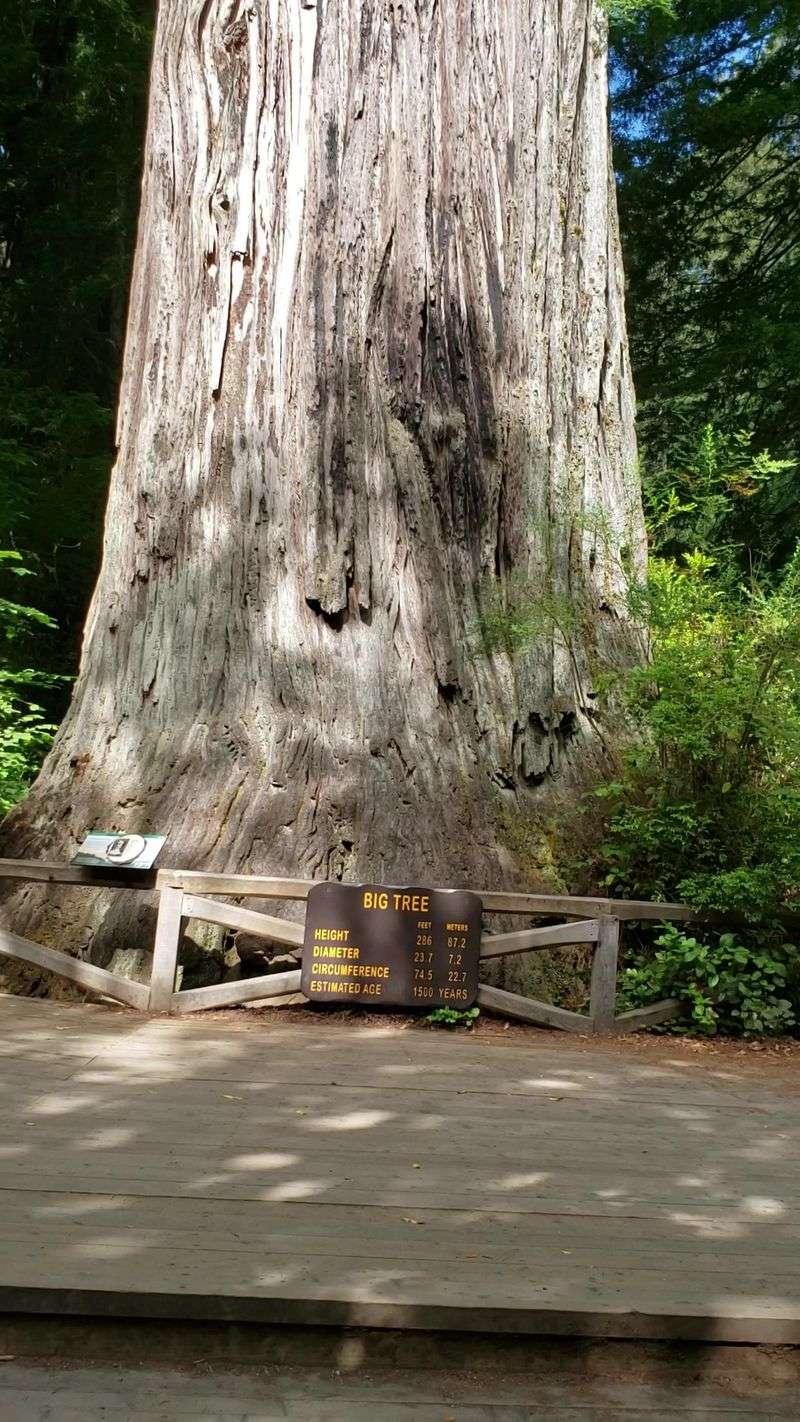
Just a short pedal from the start, one tree seems to demand a stop.
Big Tree Wayside sits along the Newton B. Drury Scenic Parkway in Orick, CA 95555, a short distance north of the Prairie Creek Visitor Center.
The walk from the parking area to the tree is short and easy.
A redwood known simply as Big Tree stands near the road. Its trunk is so wide that people often walk around it just to take it all in.
Size estimates for this tree vary between sources, so the signs on site are the best guide.
Interpretive signs share details about redwood growth and the surrounding forest. Reading them for a minute can make the stop more meaningful for kids and adults alike.
The ground near the tree may be damp, so solid shoes help. Bike racks may not always be available, so parking bikes neatly off the main path is courteous.
On event days, the area might feel busier than other parts of the road. Waiting a moment for a clear photo spot usually works out.
Because it sits so close to the southern start, this detour works well at the beginning or end of a ride.
You Can Turn The Ride Into A Longer Adventure
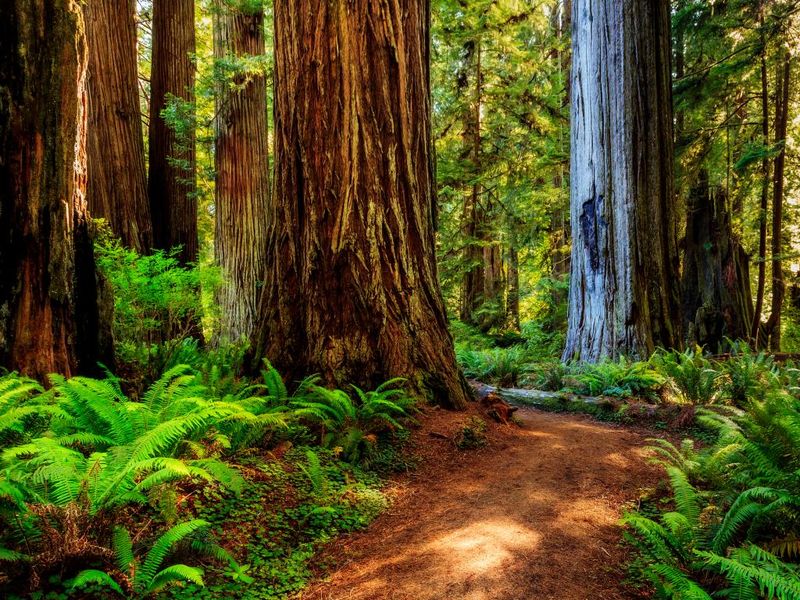
Ten miles not enough for the group? The parkway connects with other cycling routes in the park, including the Ossagon Trail Loop.
When combined with other trails and roads, that loop becomes a roughly 19-mile route, according to the National Park Service. This is a very different kind of ride.
Parts of the loop are unpaved, and California’s Ossagon Trail includes climbs and descents that can be steep. A mountain bike or a sturdy gravel bike is a much better fit than a road bike.
The route can take riders from deep forest toward the coast. That shift in scenery, from shady trees to open sky and ocean air, is a big part of the appeal.
Trail conditions can change with the weather. Mud, puddles, and fallen branches may show up, especially in the wetter months. Checking current trail status before heading out is wise.
Riders should bring extra water, food, layers, and a map, since cell service can be unreliable. Letting someone know the planned route is another good safety step.
For experienced riders, this loop can turn a pleasant day into a full adventure. For everyone else, sticking to the pavement is still a wonderful choice.
E-Bikes Are Allowed During Hike And Bike Day
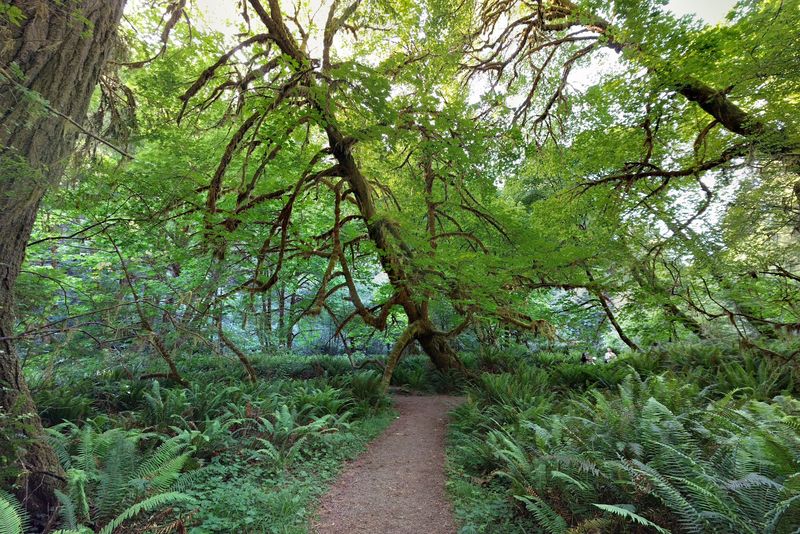
A little motor help can open the redwoods up to more riders.
Current California State Parks information says e-bikes are permitted on the parkway during Hike and Bike Day.
That can be great news for riders with sore knees or anyone worried about the northern climb.
Rules come with that access. Park guidance lists a 20 mph speed limit for e-bikes during the event. Going slower than that is often kinder when the road is full of walkers and children.
E-bikes are generally not allowed on unpaved trails in the park. That means routes like the Ossagon Trail are off-limits for them.
Park officials have noted that unsafe riding could affect future e-bike access at the event. Good behavior helps keep this option open for everyone.
Simple steps like ringing a bell and passing wide go a long way.
Battery range matters too. Cool, damp air and hills may drain batteries faster than expected, so starting fully charged is smart.
Since rules can change, checking the latest park page before the trip keeps surprises away.