13 California Counties Where Deer Are On The Move During Fall Mating Season
Fall brings cooler mornings, changing leaves, and a noticeable shift in wildlife activity.
For deer, though, the season is about much more than finding a comfortable place to graze.
Autumn marks the breeding season, commonly called the rut, when bucks become more active as they search for does.
That can mean more movement through forests, foothills, open countryside, and occasionally roads where drivers are not expecting a deer to appear.
Fall in California brings a busy season for deer, especially in areas where their habitats overlap with roads and communities.
It is a fascinating time for wildlife enthusiasts, but also a good reason for motorists to pay closer attention, particularly around dawn and dusk.
The timing and intensity of the rut can vary by species and location, so not every county experiences the same patterns.
Still, understanding where deer are likely to be moving can make autumn outings more interesting and help drivers stay alert.
1. Siskiyou County: Shasta’s Shadow And Wandering Bucks
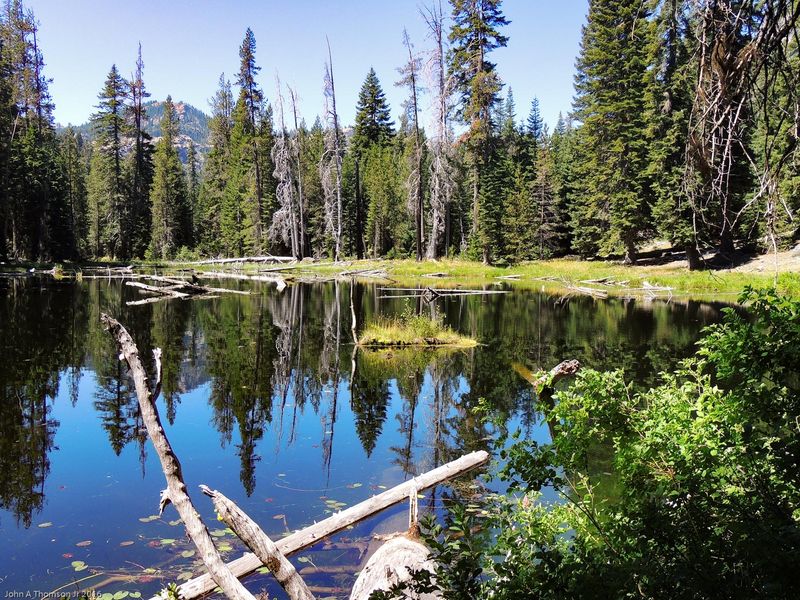
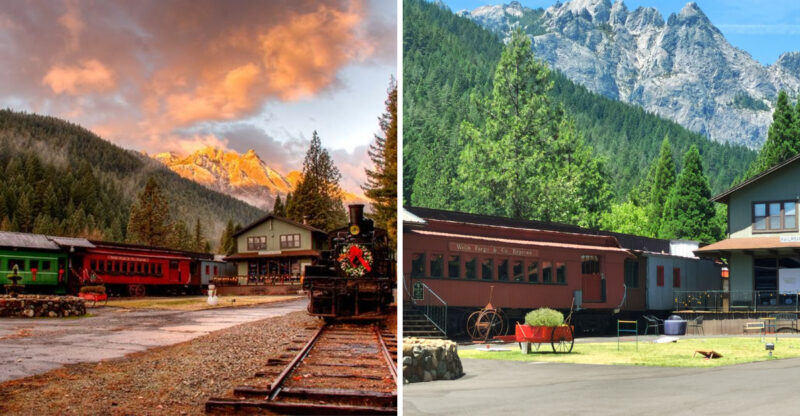
Cool fall mornings near McCloud bring beautiful views of Mount Shasta, especially when the first sunlight reaches the meadows.
With a warm cup of cocoa in hand, you might even spot a mule deer buck moving through the frosty grass, nose close to the ground as he searches for a doe.
It is the kind of wildlife encounter that makes Siskiyou County especially appealing during fall.
The local mule deer herd has a real travel routine.
Each year, these deer move between winter ranges north and east of Mount Shasta and summer ranges spread between the Mount Shasta Wilderness and the Burnt Lava Flow Geological Area.
When fall arrives, that movement mixes with the rut, and suddenly deer seem to be everywhere.
Bucks during mating season act a bit like teenagers with a crush. They stop being so careful, travel farther than usual, and sometimes walk right into the open.
You might spot them chasing does across forest roads or rubbing their antlers on young trees to leave their scent.
Want the best chance to see them? Head out early in the morning or just before sunset, when deer are most active.
Forest Service roads around McCloud and the quiet valleys near the mountain are great places to start.
2. Shasta County: Foothill Action Near Redding
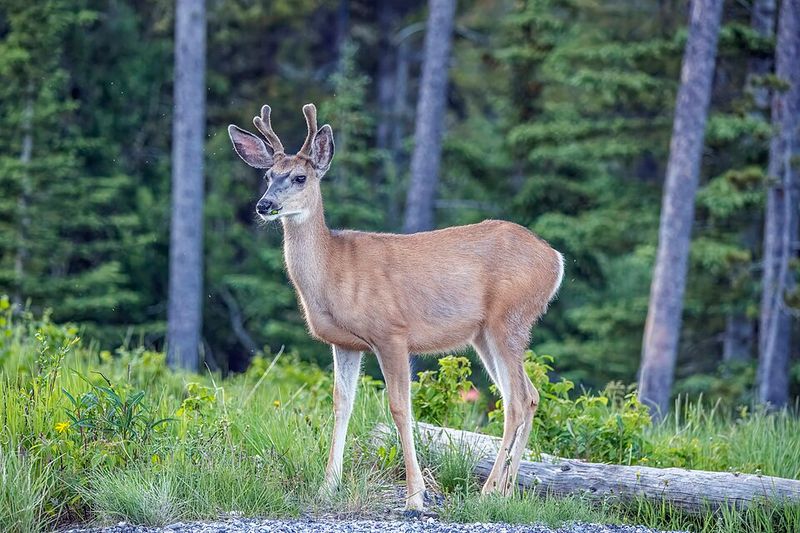
Here’s a fun fact to kick things off: wildfires, as scary as they are, can actually help deer.
After a fire, fresh green plants pop up from the burned ground, and deer flock to that tender new food. Shasta County has plenty of these areas, especially east of Redding and south of Shasta Lake.
Shasta County includes several deer hunting zones, with different boundaries and seasonal regulations depending on the location.
Plenty of deer live here, and fall is when they really get moving.
The Redding foothills are covered in oak woodlands, and acorns drop right around rut season.
So deer are doing two jobs at once, filling their bellies and looking for mates. That double mission keeps them busy and easier to spot.
If you’re visiting Shasta Lake, try a slow drive or walk along the quieter shoreline roads late in the day.
Look for deer near the edges of open fields where trees meet grass. Those edges are like the deer version of a hallway, where they love to travel.
Keep an ear out, too. During the rut, you might hear antlers clacking as two bucks spar over a doe.
It sounds a little like someone knocking sticks together in the woods.
3. Lassen County: Where The Sierra Meets The Great Basin
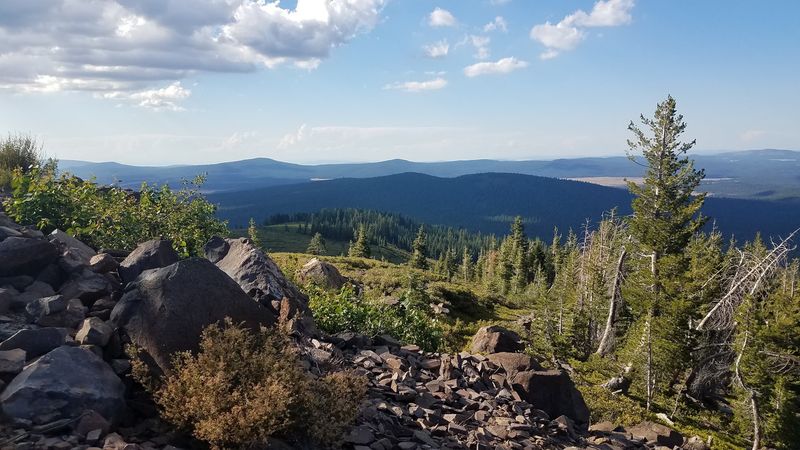
Some places feel like two worlds stitched together, and Lassen County is one of them.
On one side you have pine forests and mountains, and on the other you have wide sagebrush flats. Deer love living right where those two worlds meet.
Around Susanville and the Honey Lake Valley, mule deer become more active as autumn rolls on. Their rut usually runs from late October into December, with the busiest stretch landing in November.
That’s when bucks start roaming far from their normal hangouts, sometimes covering miles in a single day.
So what should you look for? Watch for deer moving in small groups across open flats in the early morning.
A big buck will often trail behind a group of does, keeping a close eye on them like a nervous chaperone at a school dance.
The northeastern mountain habitats here can get cold fast, so plan your trips with the weather in mind.
Snow can show up earlier than you’d expect. Pack a thermos, gloves, and a good pair of boots.
One helpful tip is to look for tracks in soft dirt or light snow. Mule deer tracks look like split hearts, and a fresh trail can tell you which way a herd is heading.
Kids especially love turning this into a detective game.
4. Modoc County: Big Skies And Tough Terrain
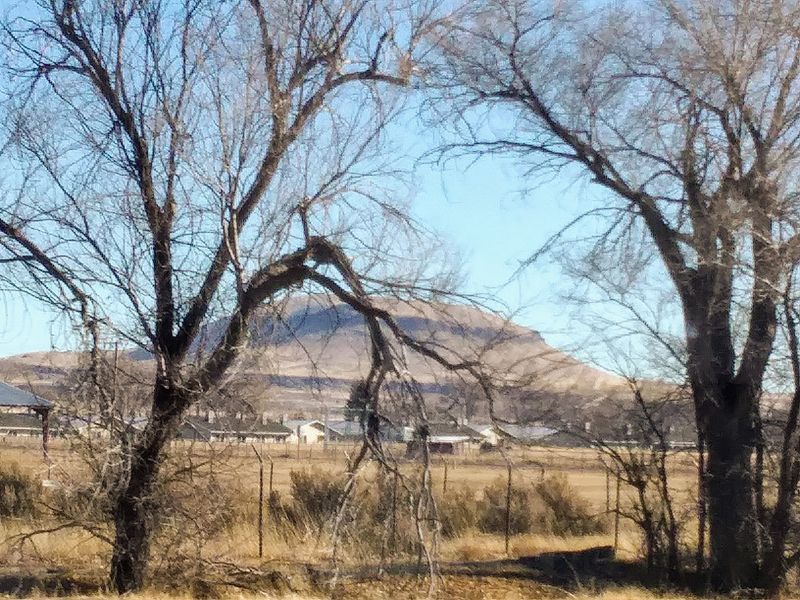
Ever wanted to feel like you’re in the Old West? Modoc County, in California’s far northeast corner, gives you that feeling with its huge skies, rocky ridges, and miles of high-desert land.
The Warner Mountains rise above the town of Alturas, creating a perfect home for deer. In summer, they hang out up high.
As fall comes, they start drifting toward lower ranges, and the rut makes that movement even more noticeable.
Hunters here often talk about timing. Archery season in Modoc’s X-zones starts as early as August and leads into the general season, matching up with rising deer activity.
People who know the area say patience is everything, because the land is big and the deer know every hiding spot.
Honestly, that’s part of the charm. You might spend an hour scanning a hillside with binoculars before spotting a buck tucked behind a juniper tree.
Here’s a practical tip for visitors. Gas stations and stores can be far apart in Modoc, so fill your tank and pack snacks and water before heading out.
Cell service can be spotty too, so let someone know your plans.
If you crave wide-open spaces and real adventure, Modoc is calling. Just bring your patience along with your camera.
5. Plumas County: Lakeside Romance At Almanor
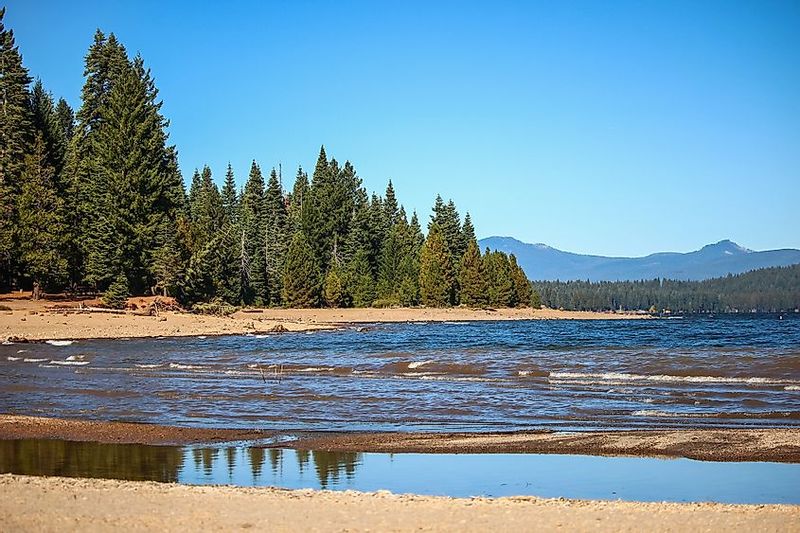
Lake Almanor in the fall is the kind of place that makes people go quiet. The water reflects Lassen Peak, the aspens turn gold, and the air smells like pine needles.
And if you’re lucky, a deer or two will wander right down to the shoreline.
Plumas County, including the towns of Quincy and Chester, sits in prime mule deer country.
Like their neighbors across the Sierra, these deer rut from late October into December. During that time, bucks get restless and start roaming far beyond their usual paths.
I like to think of Plumas as a cozy deer-watching spot. It’s not as crowded as some famous parks, and small-town charm is everywhere.
You can grab breakfast in Chester and be watching wildlife twenty minutes later.
Try walking quiet trails near the lake around sunrise. Deer often come to the water’s edge to drink before heading back into the forest.
Meadows around Quincy are also worth a look in the late afternoon.
Did you know? A buck’s neck actually swells during the rut, making him look thicker and stronger. It’s nature’s way of helping him show off and handle sparring matches with rival bucks.
6. El Dorado County: The Great Foothill Commute
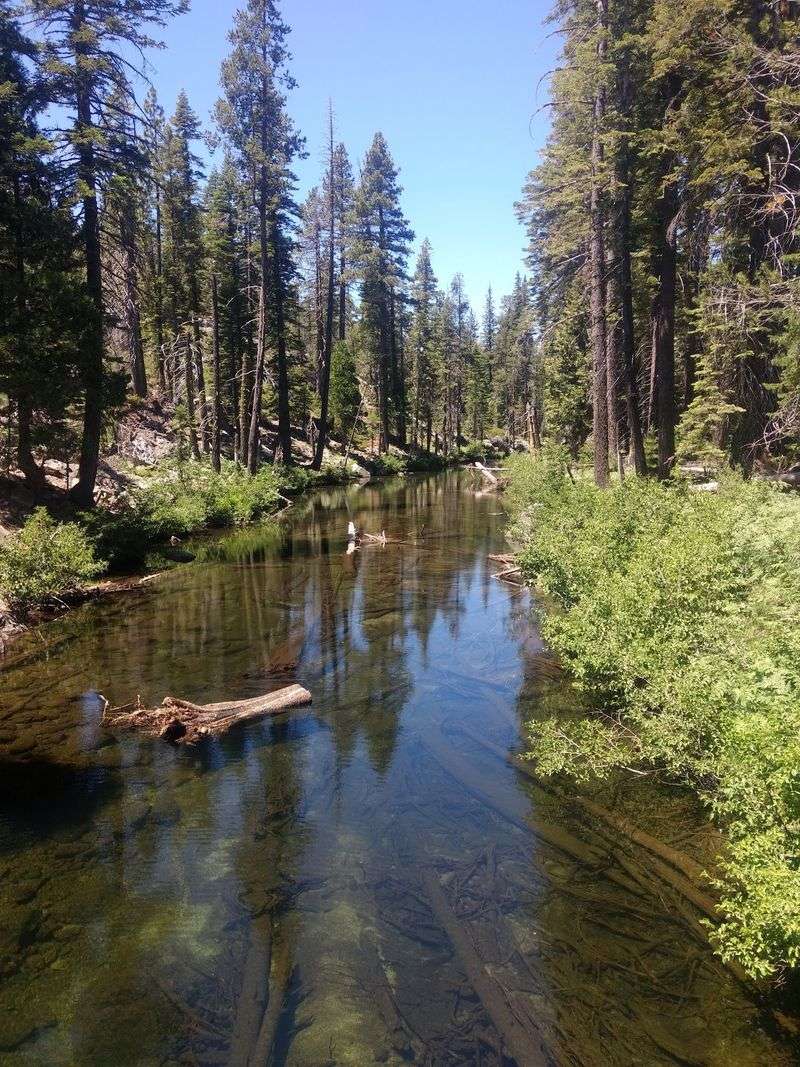
Think your morning commute is long? Some deer in El Dorado County travel about 19 miles each fall, heading down from the mountains to the western Sierra Nevada foothills.
And they do it all on foot, without a single snack break at a gas station.
Well, sort of. These Pacific mule deer actually do take breaks. Scientists call them stopovers, which are spots along the route where deer rest and eat before continuing.
Once they reach lower ground, these migrating deer mix with resident deer that live there all year.
Add the rut to the mix, and places like Placerville and Pollock Pines become surprisingly busy with deer traffic in the fall.
That’s exciting for wildlife fans, but it’s also a reason to drive carefully. Highway 50 cuts right through this area, and deer cross it often, especially at dusk.
Slow down and watch the roadsides, because where there’s one deer, there are usually more.
Apple Hill near Camino is a popular fall stop for families, and deer sometimes wander near the orchards. Keep an eye out while you’re enjoying your apple cider donuts.
For the best viewing, quiet back roads and forest trails are your friends. Bring a small notebook and jot down where and when you see deer.
7. Placer County: From Gold Country To Tahoe Shores
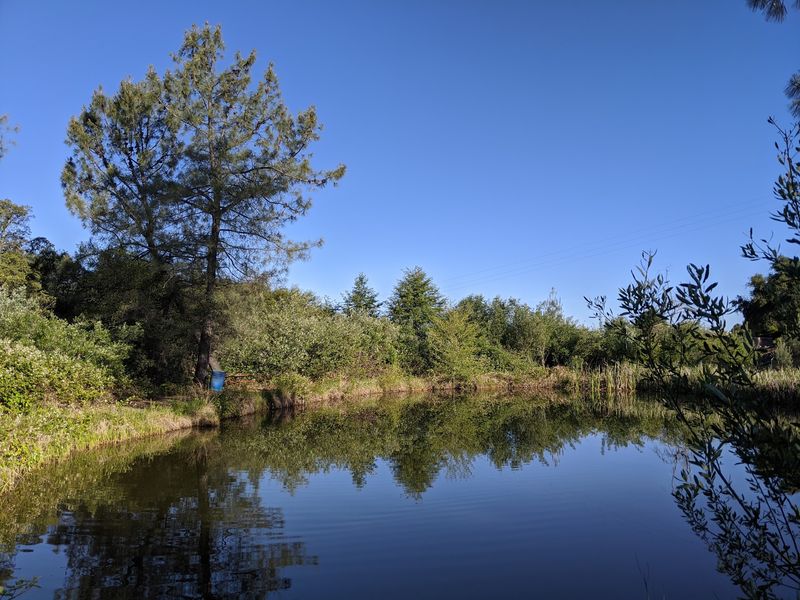
Gold miners once rushed into Placer County looking for treasure. Today, the treasure many visitors hope to find walks on four legs and wears a set of antlers.
From Auburn all the way up to Lake Tahoe, deer are on the move every autumn.
Placer County shares the Pacific mule deer herd with El Dorado County, and these animals migrate down to the western Sierra foothills in fall.
Researchers have even mapped migration corridors for the Blue Canyon herd here. Those maps show deer follow the same routes year after year, almost like they have a built-in GPS.
That’s pretty amazing when you think about it. Young deer learn these paths from their mothers, and the knowledge gets passed down through generations.
In Foresthill, quiet forest roads give you a decent shot at seeing deer during the rut. Up near Tahoe, early mornings around meadows and forest edges are a good bet before the tourist crowds wake up.
Turn your drive into a deer-spotting contest, with points for does, fawns, and extra points for bucks. Just make sure the driver keeps their eyes on the road while everyone else plays.
Also, never feed deer, even if they look hungry. Human food can make them sick and teaches them to hang around roads and neighborhoods, which isn’t safe for them.
8. Nevada County: Small Towns, Busy Deer
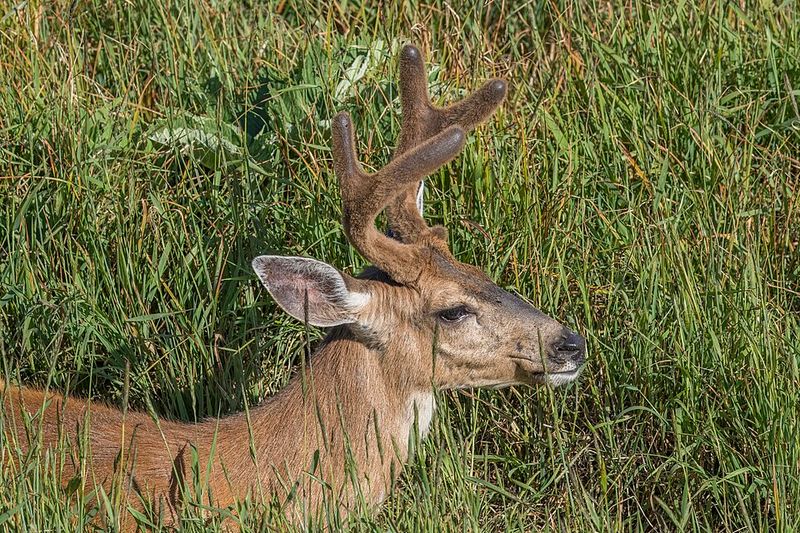
Residents of Grass Valley and Nevada City will tell you that deer are basically neighbors.
They nibble on garden roses, nap under oak trees, and sometimes stroll down quiet streets like they own the place. Come fall, though, things get even livelier.
The breeding season here usually runs from November into December. During this time, bucks become bolder and wander through neighborhoods, parks, and open spaces looking for does.
Interestingly, deer living below Nevada City don’t migrate very far. Many stay close to home all year.
But up in higher elevations, like around Truckee, black-tailed deer and mule deer do migrate, moving downhill as snow begins to fall.
So Nevada County offers two different experiences. In the foothill towns, you’ll see local deer going about their business. Up near Truckee, you’ll catch traveling deer heading toward their winter homes.
Gardeners, here’s a tip. If bucks have been rubbing their antlers on your young trees, wrap the trunks with protective mesh in early fall. It saves your plants and lets the deer find a better scratching post.
Drivers should be extra careful on Highway 49 and Highway 20 in the evening. Use your high beams when it’s safe, and watch for glowing eyes along the roadside. A little caution goes a long way.
9. Tuolumne County: Drama In The Stanislaus Forest
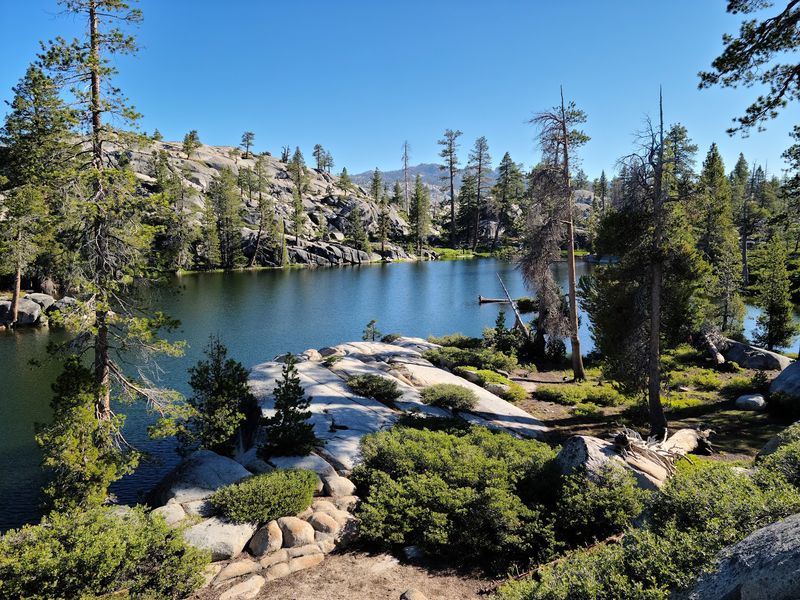
Grab some popcorn, because fall in Tuolumne County is pure wildlife drama. Bucks strut around, scrape the ground, rub trees, and sometimes square off in serious antler battles.
It’s like a nature documentary playing right in the Stanislaus National Forest.
Mule deer here hit peak mating activity between October and December. During that time, they show more movement, more aggressive behavior, and lots of territorial marking.
A buck will scrape the dirt with his hooves and leave his scent to tell other bucks, this spot is taken.
If you know what to look for, these signs are easy to find. Look for trees with bark scraped off at about knee to waist height. Those are called rubs, and they’re like signposts left by bucks.
Sonora and Twain Harte make great home bases for a weekend trip. Both towns have cozy cafes and easy access to forest roads. Early morning drives toward Pinecrest can be especially rewarding.
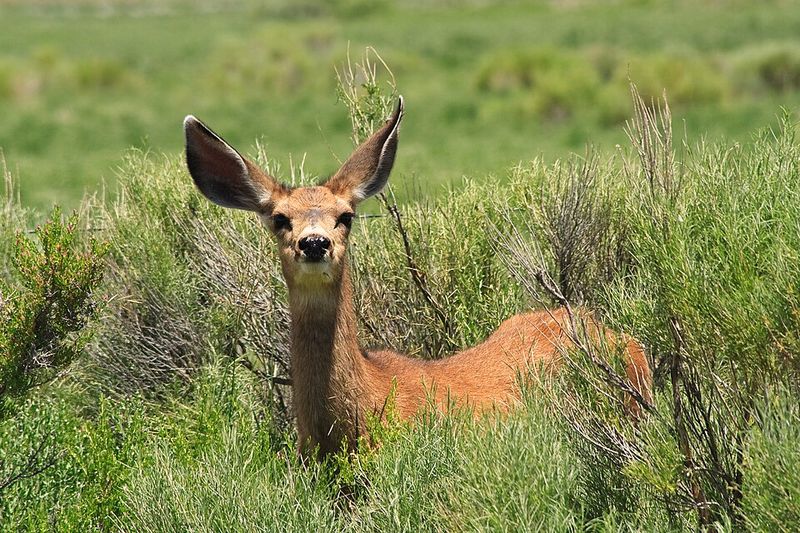
Mule deer got their name from their giant ears, which look a lot like a mule’s. Those big ears help them hear danger from far away, so try to move quietly when you’re out watching.
10. Mariposa County: Yosemite’s Autumn Stars
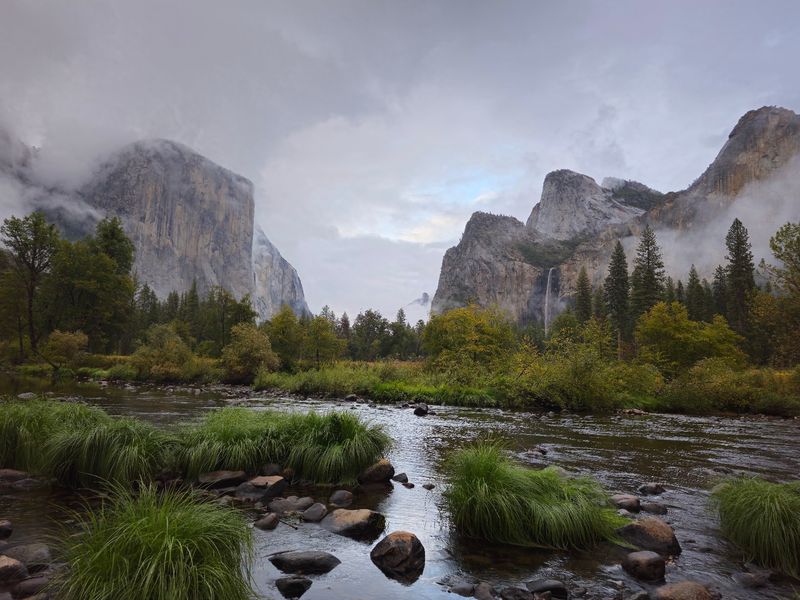
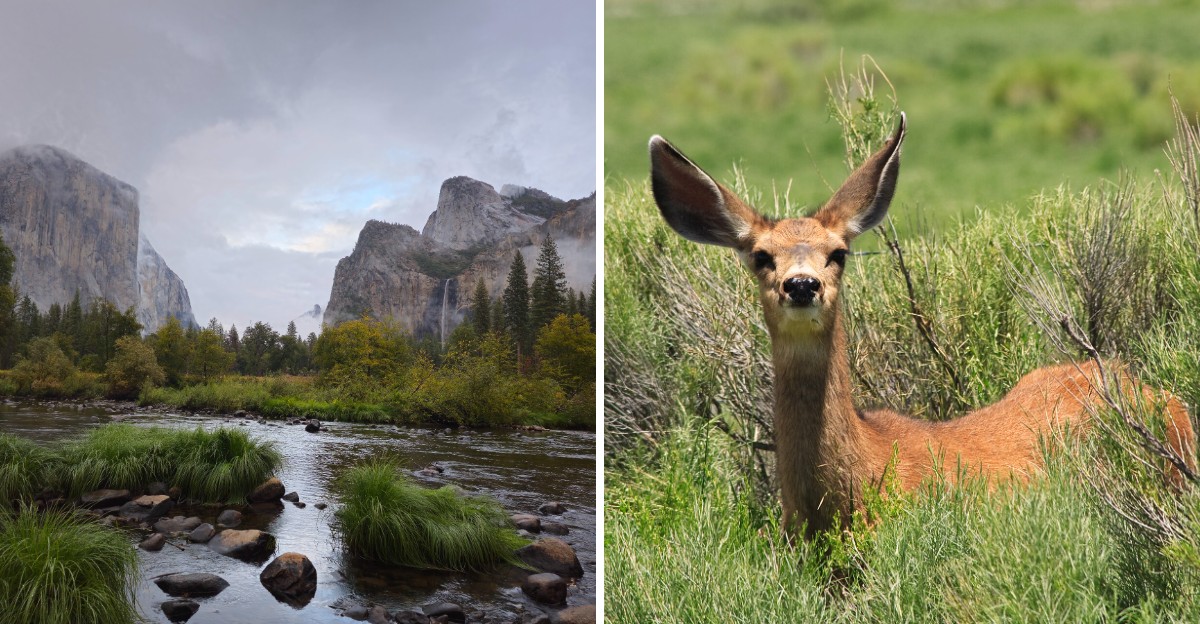
Most people visit Yosemite to see giant waterfalls and towering granite cliffs. But in autumn, some of the park’s biggest stars are the mule deer grazing in the meadows.
Seeing a buck standing below El Capitan is a memory that sticks with you forever.
Mariposa County, home to much of Yosemite National Park, is classic deer country. The rut here peaks from October through December.
You’ll notice bucks wandering more, following does closely, and acting a little less shy than in summer.
Yosemite Valley’s meadows are some of the easiest spots to watch deer. They often graze right in the open, especially in the early morning and late afternoon.
The surrounding Sierra foothills near the town of Mariposa are worth exploring too.
Since deer in the park are used to people, it’s easy to forget they’re wild. Park rules ask visitors to stay at least 25 yards away from deer.
Fall is also a quieter time to visit Yosemite. Summer crowds have thinned out, and the oak trees turn lovely shades of gold and orange. It’s perfect weather for hiking and wildlife watching.
11. Mono County: The Eastern Sierra Highway
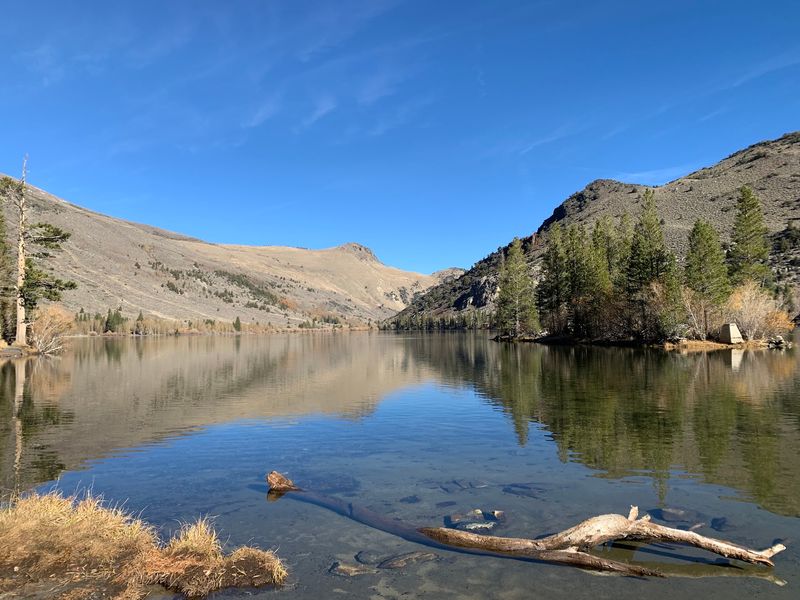
Every fall, thousands of mule deer in Mono County pack up and head out on one of California’s most impressive wildlife journeys.
They travel from high mountain summer ranges down to lower valleys where winter is gentler. Watching them move feels like seeing an ancient tradition in action.
Mammoth Lakes and Bridgeport sit right along these Eastern Sierra migration corridors.
Deer pass through in both spring and fall, but autumn adds the excitement of the rut. Bucks become restless, and their moods can get a bit prickly.
In fact, locals in Mammoth Lakes warn that breeding season makes deer unpredictable and even irritable.
A buck that ignored you in July might stamp his hoof or lower his antlers in November. Respect that warning and always keep your distance.
Highway 395 runs through this area, and deer crossings are common in fall. Wildlife agencies have worked to make crossings safer, but drivers still need to stay alert, especially at dawn and dusk.
For viewing, try the sagebrush slopes outside town or the edges of aspen groves. The golden aspen leaves make a stunning backdrop for photos.
Bridgeport’s open valleys are also great for scanning with binoculars.
12. Inyo County: Owens Valley Wanderers
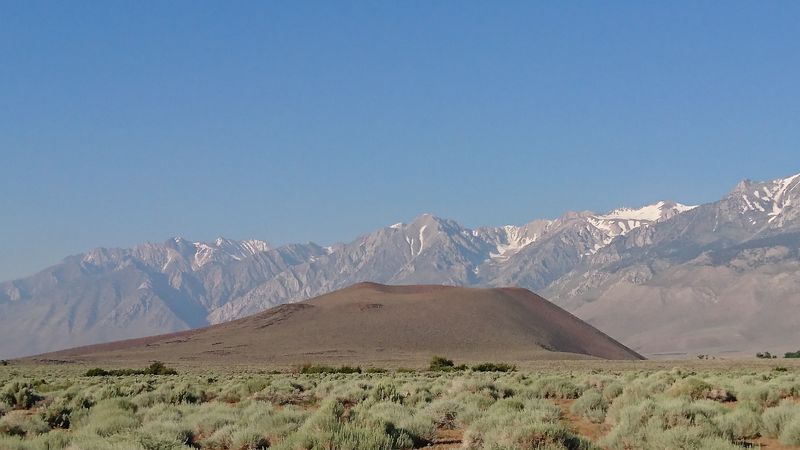
Stand in the Owens Valley near Bishop and look west. The Eastern Sierra shoots straight up like a giant stone wall.
Somewhere on those slopes, mule deer are getting ready to make their way down for the winter.
Inyo County is part of the Eastern Sierra’s important deer migration corridors. In spring, deer climb toward alpine meadows.
In fall, they head back down to the valley floor, and the rut adds extra energy to the trip.
The California Department of Fish and Wildlife keeps a close eye on deer here. Biologists track herds to understand where they travel and how to protect their routes.
Some deer even wear GPS collars, sending signals that help scientists map their movements.
For visitors, Bishop makes a friendly starting point. Grab a famous bakery treat, then drive toward the canyons west of town in the late afternoon.
Bishop Creek and the roads leading up toward the lakes can be good spots to look.
Mule deer move with a special bouncing gait called stotting, where all four feet leave the ground at once. It helps them escape predators on rocky ground.
If you see a deer bounce away like a pogo stick, now you’ll know exactly what it’s doing.
13. Fresno County: High Country Lakes And Lively Herds
When most people think of Fresno County, they picture farms and orchards. But drive about an hour up into the mountains and everything changes.
Suddenly you’re surrounded by pine forests, granite boulders, and sparkling lakes full of wildlife.
Shaver Lake and Huntington Lake sit inside the Sierra National Forest, a favorite home for mule deer.
In Central California, these deer hit peak mating activity from October to December. That timing lines up nicely with the cooler days when the lakes are calm and quiet.
Summer crowds fade after Labor Day, which is great news for deer watchers. With fewer boats and campers around, deer feel more relaxed moving near the shorelines.
Think of this as your easy-access mountain escape. Families from the valley can make a day trip without much planning.
One practical tip is to check road conditions before going to Huntington Lake late in the season.
Snow can arrive in November, and some roads may need chains. Planning ahead keeps your adventure fun instead of stressful.
Keep watch for does with older fawns, too. By fall, fawns have lost their spots and look like smaller copies of their moms.