11 California Desert Towns Along Highway 62 That Are Having A Moment And Have No Intention Of Stopping
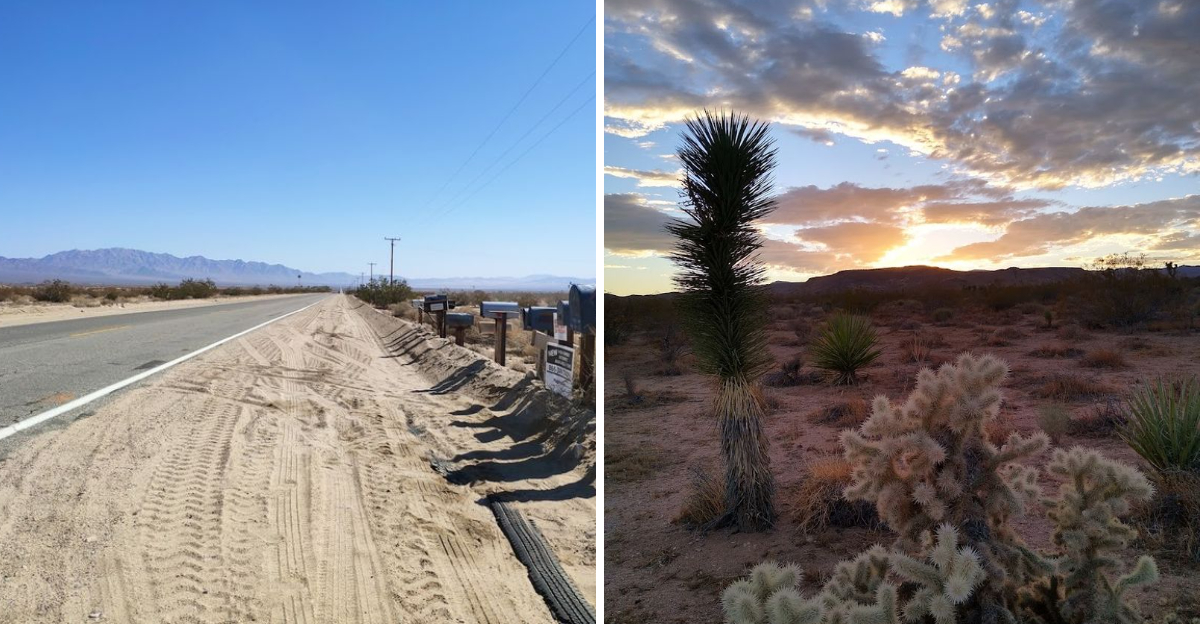
Something restless and magnetic is happening along Highway 62.
Out in California’s desert, a string of towns once brushed off as quiet pass-throughs now feels charged with new energy, drawing wanderers, weekend escapees, and anyone chasing a place with real character.
Dust, neon, wide skies, and that unmistakable desert light give these communities a mood that feels raw in the best way.
Nothing about the stretch is trying too hard, which is part of why it works. Personality shows up naturally here, shaped by old motels and the kind of atmosphere that makes people want to stay longer.
Some places catch a trend and fade. These towns feel different.
Momentum has settled in, confidence has followed, and Highway 62 is starting to feel like one of California’s most compelling roads to watch.
1. Whitewater
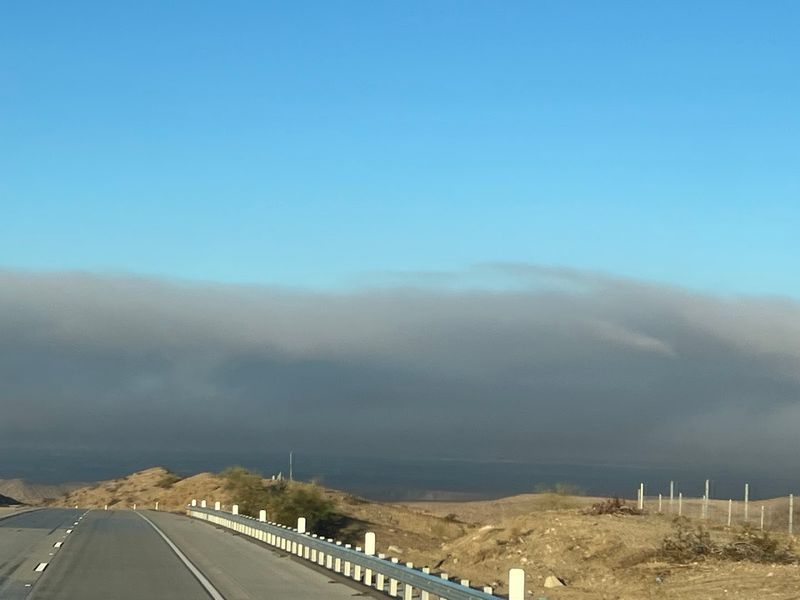
Not every great road trip entry point announces itself with neon signs and gift shops, and Whitewater is proof of that.
Sitting at the western end of the Highway 62 corridor, the Whitewater Preserve sets a tone that feels less like a tourist attraction and more like a genuine outdoor reward.
The preserve is open daily and gives visitors access to the Whitewater River, a network of hiking trails, and a stretch of the Pacific Crest Trail that draws long-distance hikers from across the country.
Camping is available on site, which means the experience does not have to end at sunset.
The sound of the river moving through the canyon is one of those details that tends to stay with people long after they have driven back home.
Families, solo hikers, and trail runners all seem to find something useful here.
The preserve is managed by the Wildlands Conservancy and entry is free, which makes it an accessible starting point for anyone beginning a drive along the corridor.
Starting a desert road trip here, surrounded by rushing water and canyon walls, creates a strong first impression that the rest of the route works hard to match.
2. Desert Hot Springs
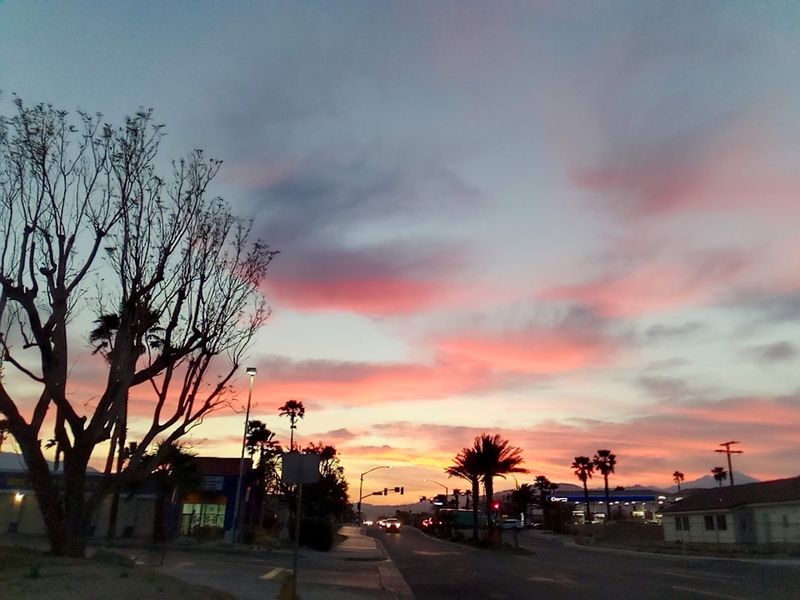
Mineral water has been the heartbeat of Desert Hot Springs for decades, and the city has spent recent years leaning into that identity with real intention.
Positioned just off the western end of the Highway 62 corridor, it functions less as a drive-through stop and more as a deliberate destination for people who want to slow down.
The city actively promotes its natural hot mineral springs, local spa culture, and a growing festival calendar that keeps the community calendar full throughout the year.
The springs here are geothermally heated and naturally mineral-rich, which gives the spa scene a legitimate foundation rather than a manufactured one.
Small independent spa resorts dot the landscape, and the range of options means the experience can feel budget-friendly or more indulgent depending on what someone is looking for.
Beyond the water, Desert Hot Springs has been building out its identity as an adventure-friendly destination with hiking access and community events that attract a mix of locals and visitors.
The city sits close enough to the main corridor that skipping it entirely would mean missing one of the more distinctive stops in the region.
It earns its place here as an honest corridor companion with its own clear sense of purpose.
3. Morongo Valley
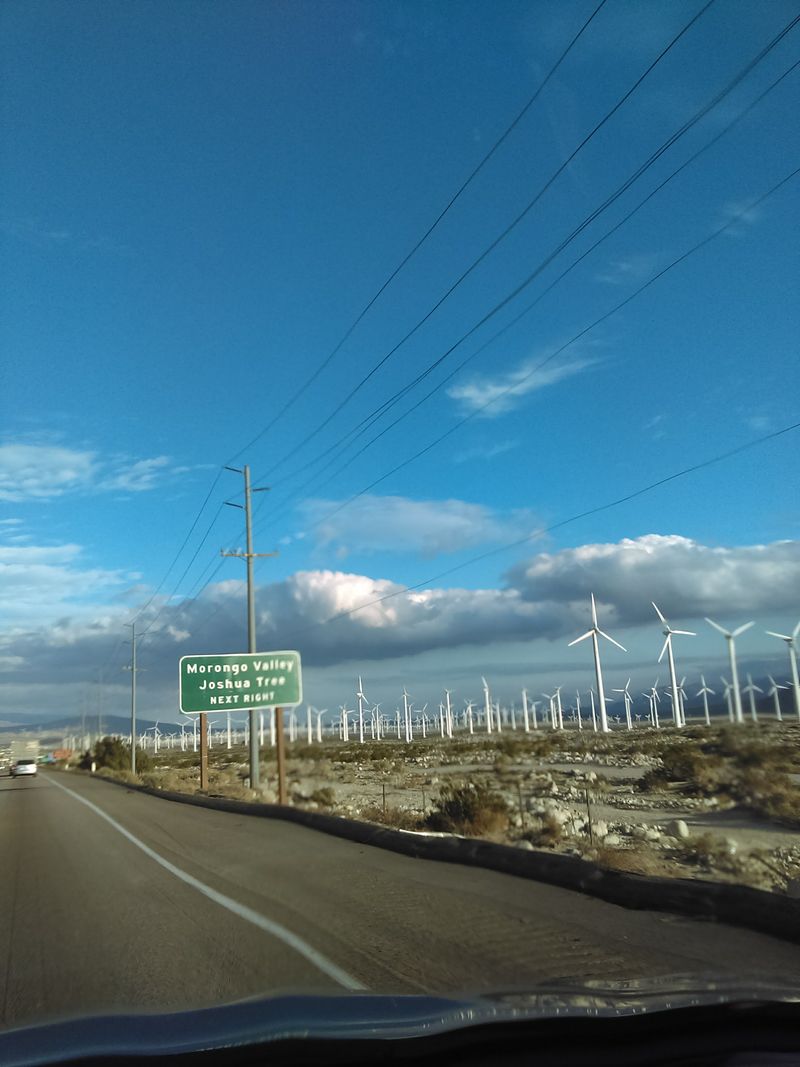
Tucked between the San Bernardino Mountains and the open Mojave, Morongo Valley moves at its own quiet pace, and that is a big part of what makes it worth a stop.
The town is anchored by the Big Morongo Canyon Preserve, which both the Bureau of Land Management and San Bernardino County recognize as a significant wildlife corridor.
Birders from around the world have added this preserve to their lists because the canyon creates a rare desert oasis that supports an unusually wide variety of bird species.
The preserve features wooden boardwalk trails that wind through cottonwood and willow groves, which feels genuinely surprising in the middle of high desert terrain.
Spring migration season tends to bring the highest concentration of bird activity, but the preserve rewards visits throughout the year with changing wildlife patterns and plant life.
Morongo Valley does not try to compete with the polished visitor infrastructure of towns further east along the corridor.
The appeal here is rawer and more grounded, built around the natural environment rather than around amenities.
For travelers who want to feel like they have found something rather than been guided to it, this stretch of Highway 62 delivers exactly that kind of quiet discovery.
4. Yucca Valley
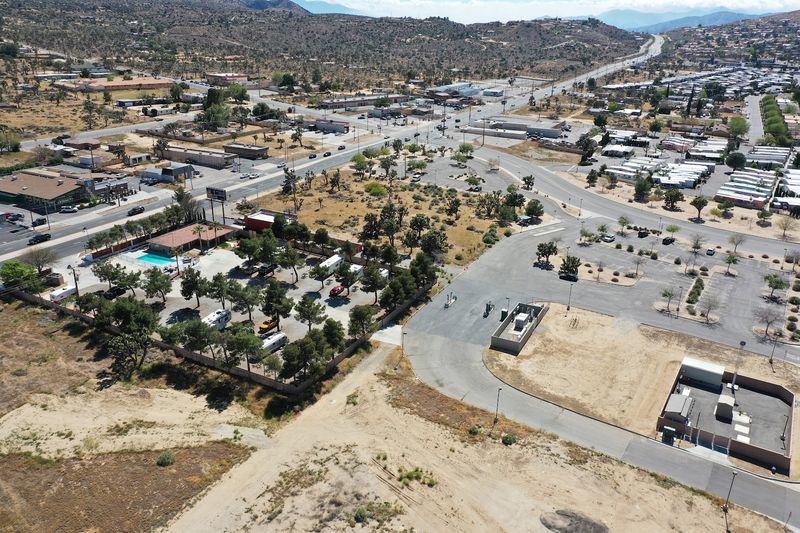
Gateway towns sometimes get overlooked in favor of the destination they point toward, but Yucca Valley has been working steadily to change that perception.
As one of the anchor communities along the Highway 62 corridor, the town serves as a practical base for Joshua Tree National Park visits while also developing its own reasons to stick around.
The local chamber of commerce and welcome center are active in promoting the town as a destination rather than just a fuel stop.
A stretch of Old Town Yucca Valley along Twentynine Palms Highway has attracted vintage shops, galleries, and small independent businesses that give the area a browsable, unhurried character.
The mix of longtime desert residents and newer creative arrivals has produced a community culture that feels layered and lived-in rather than manufactured for visitors.
The town also maintains an active events calendar with markets, art walks, and community gatherings that keep things moving throughout the year rather than just during peak park season.
Practical amenities including grocery stores, restaurants, and lodging options make it a logical overnight base for exploring the broader corridor.
Yucca Valley has clearly decided it is done being a pass-through and is building the kind of local identity that makes people come back on purpose.
5. Pioneertown
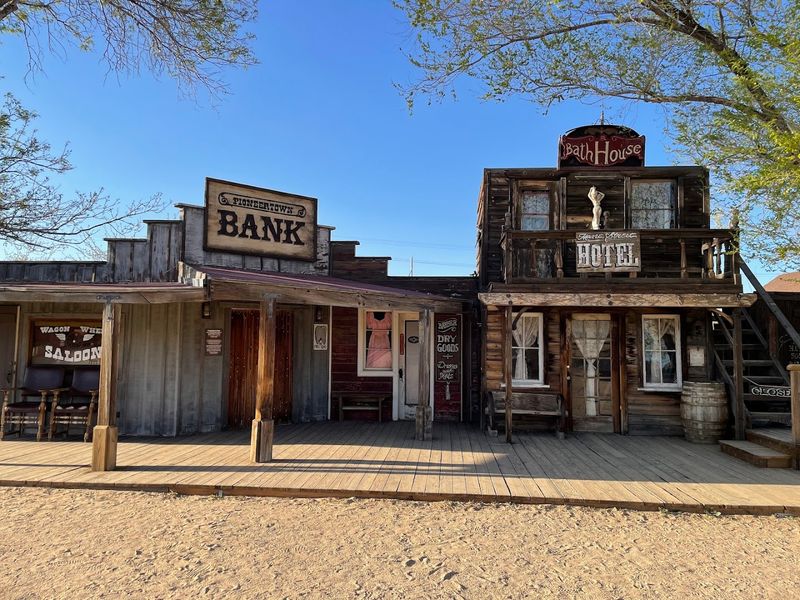
Built in 1946 as a working Hollywood movie set, Pioneertown wears its origin story proudly and has turned it into something genuinely alive.
The main drag, known as Mane Street, is lined with preserved Old West storefronts that have appeared in dozens of films and television shows.
What started as a set has grown into a real community with a real heartbeat, and the town is open to the public every day of the year.
The biggest draw is Pappy and Harriet’s Pioneertown Palace, a legendary venue that hosts live music on a regular schedule and pulls in artists from across genres.
The combination of a rustic indoor-outdoor space, a full kitchen, and a consistent music calendar has made Pappy and Harriet’s a cultural landmark that punches well above the weight of a town this small.
Weekend evenings at the venue tend to fill up, so checking the schedule ahead of time is a practical move for anyone planning a visit.
The surrounding landscape adds to the atmosphere, with boulder-studded hills framing the wooden buildings in a way that feels cinematic without trying to be.
Pioneertown is one of those places that is hard to explain until someone has actually been there, and easy to love once they have.
6. Joshua Tree
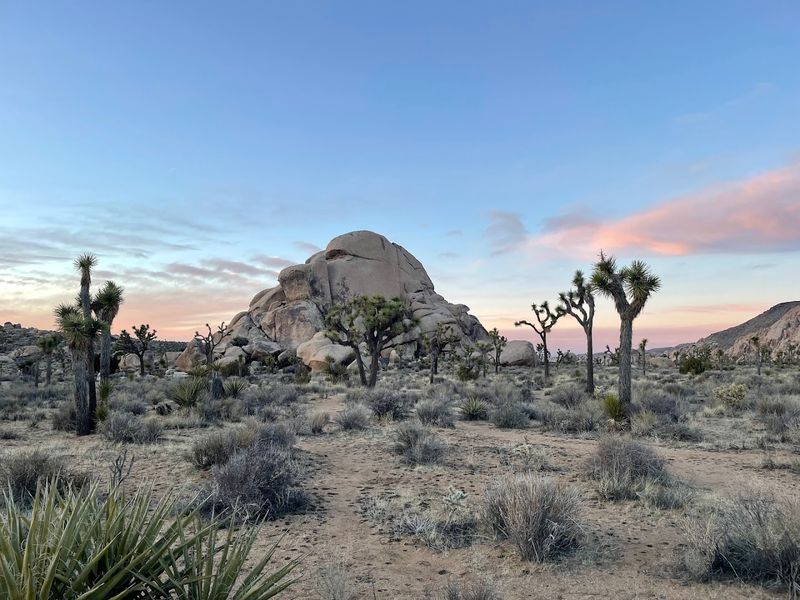
Few towns along any highway carry as much cultural weight right now as Joshua Tree, and the momentum shows no signs of leveling off.
Sitting directly adjacent to Joshua Tree National Park, the town has built a year-round tourism economy that extends well beyond park visits.
Galleries, independent shops, music events, and a deeply rooted arts community give the town a texture that keeps visitors engaged even when they are not hiking among the rocks.
The Joshua Tree Music Festival is one of the corridor’s most anticipated annual events, with the Spring 2026 edition already on the calendar.
The festival draws a diverse crowd and reflects the broader creative culture that has taken hold in the town over the past decade.
Accommodations range from classic motels to uniquely designed desert rentals that have developed their own following among design-minded travelers.
The national park itself receives millions of visitors each year, and the town of Joshua Tree serves as the southern gateway with a concentration of services, food options, and community character that makes it more than just a trailhead.
Visiting during shoulder seasons like late fall or early spring tends to offer a more relaxed experience with more comfortable temperatures.
7. Landers
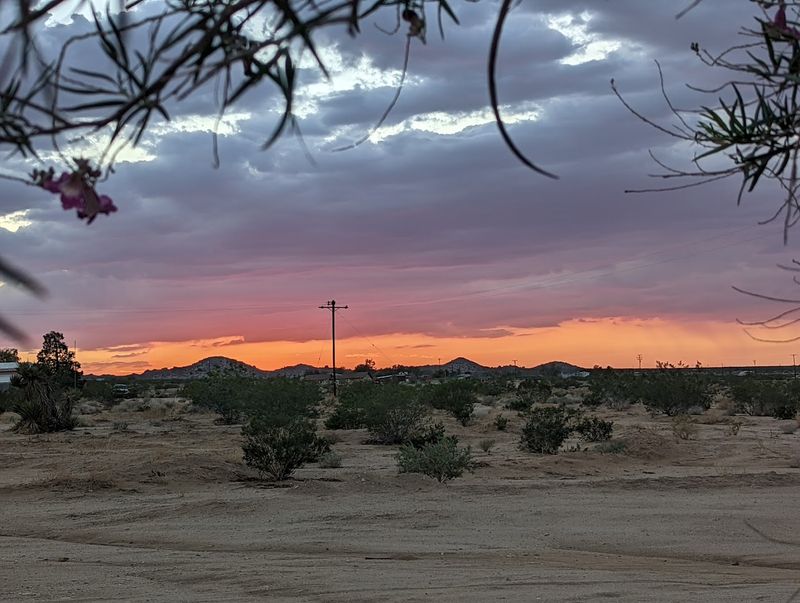
Strange and singular, the Integratron has been pulling curious visitors to the small community of Landers for decades, and its reputation has only grown stronger with time.
The structure is a wood-dome building with no nails in its frame, originally constructed in the 1950s by a man who claimed to have received building instructions from extraterrestrial visitors.
Whatever the origin story, the acoustics inside the dome are genuinely remarkable and have made it a destination in its own right.
Sound baths are the primary experience offered at the Integratron, and reservations are required since sessions fill up well in advance.
The 2026 operating calendar is already posted, which reflects how seriously the venue takes its scheduling and how reliably it draws visitors across multiple seasons.
The experience of lying inside the dome while sound resonates through the wooden walls is difficult to compare to anything else in the region.
Landers sits a short distance north of Highway 62, but it falls squarely within the same visitor orbit as the rest of the corridor towns.
The surrounding landscape is open and quiet, which makes the drive out feel like part of the experience rather than just a detour.
8. Flamingo Heights
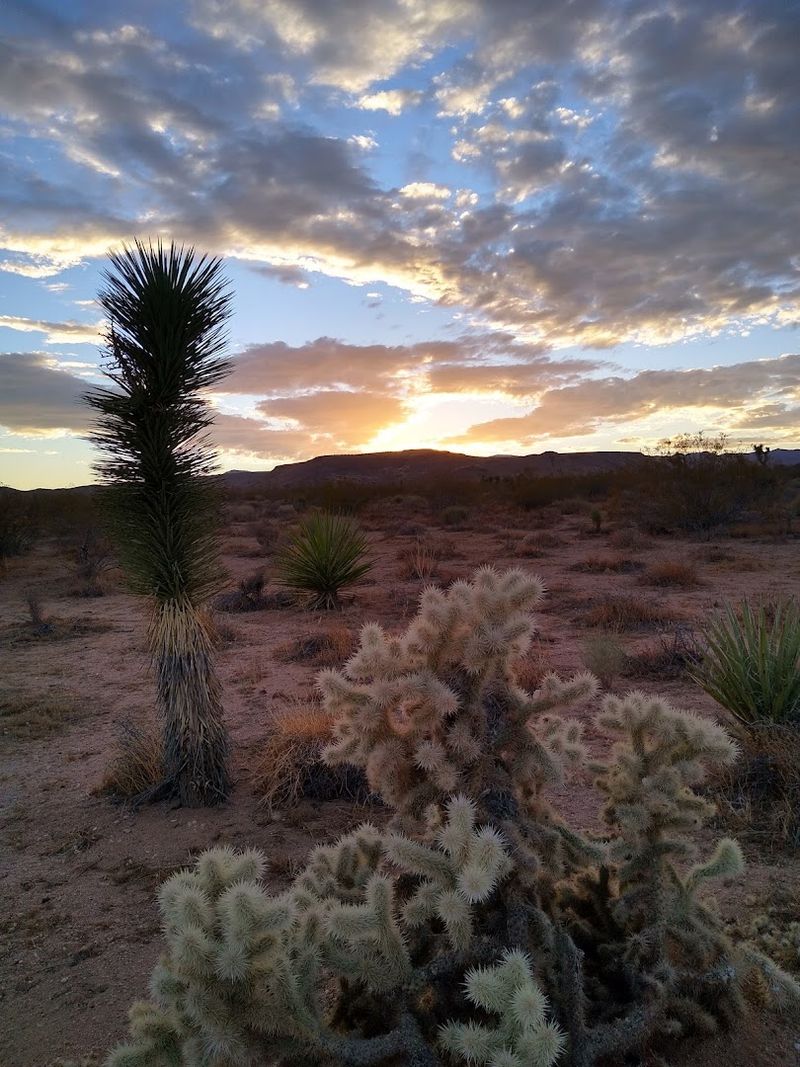
Small does not mean quiet when a community is actively building something, and Flamingo Heights is a good example of that principle in action.
Sitting along the Highway 62 corridor between Joshua Tree and Landers, the area has been developing a creative, community-driven identity that shows up in its calendar of local events.
The Flamingo Heights Community Center has been organizing markets, maker fairs, art shows, workshops, and neighborhood programs with a consistency that signals genuine momentum rather than a one-time effort.
The vibe here is less polished than some of the better-known corridor stops and more rooted in the kind of grassroots energy that tends to produce something lasting.
Artists and makers who have settled in the area contribute to a creative undercurrent that is easy to feel even on a casual drive through.
The landscape itself is open and spare in the way that draws a certain type of visitor who wants space and quiet alongside the cultural activity.
Flamingo Heights does not have the infrastructure or name recognition of Joshua Tree or Yucca Valley, but that is not what it is going for.
The appeal here is in the texture of a small desert community that is choosing to grow on its own terms rather than chasing a larger template.
9. Johnson Valley
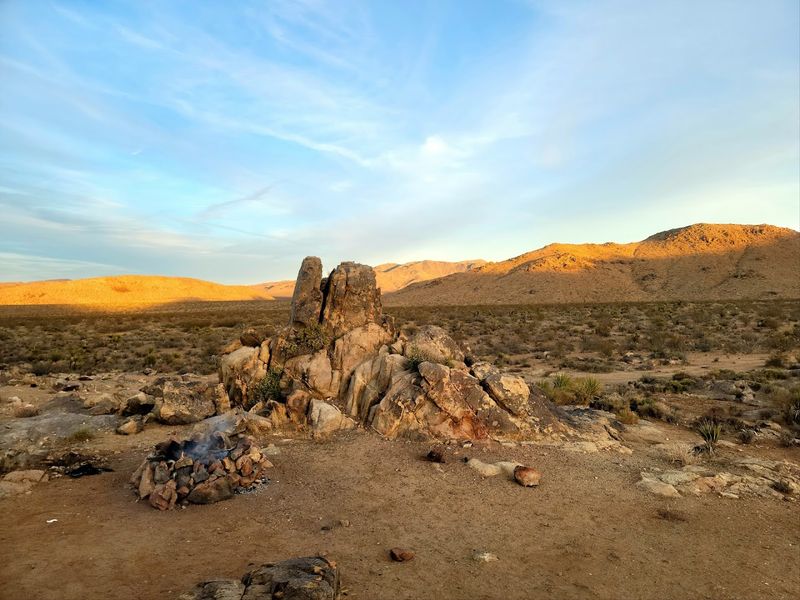
Not every town having a moment is doing it with galleries and music festivals, and Johnson Valley makes that point clearly.
The community sits along the eastern stretch of the Highway 62 corridor and has built its identity around off-highway vehicle recreation in a way that draws a completely different crowd than the arts-focused stops to the west.
The Bureau of Land Management describes the area as a large and varied OHV landscape with terrain that accommodates everything from casual weekend riders to serious competitive events.
The Johnson Valley OHV Recreation Area remains open to the public outside of shared-use closures, which tend to occur when the military uses portions of the land for training exercises.
The area is one of the largest OHV recreation zones in California, and its scale means that the experience rarely feels crowded even during busy periods.
Riders come from across the state and beyond specifically for the combination of terrain variety and open space.
The community itself is small and unpretentious, which fits the character of the recreation it supports.
Services are limited, so arriving prepared with supplies and a plan is the practical approach.
Johnson Valley is not trying to be anything other than what it is, and what it is happens to be one of the most legitimate off-road destinations in the entire state.
10. Twentynine Palms
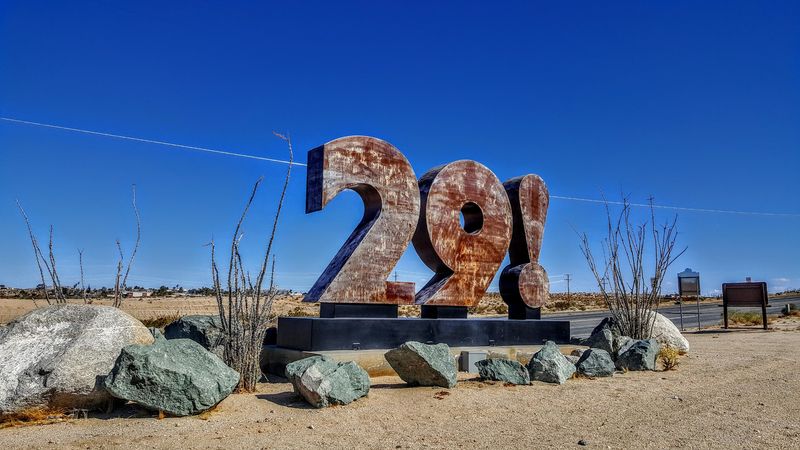
Growing beyond the role of eastern park gateway, Twentynine Palms has been building a more complete identity with every passing year.
As the largest city along the Highway 62 corridor, it carries practical weight for visitors planning multi-day trips to Joshua Tree National Park, with a range of lodging, dining, and services that smaller corridor towns cannot match.
The city’s visitor bureau stays active in promoting local experiences and community events that give the town its own reasons to visit.
One of the most distinctive annual events on the corridor calendar is the Night Sky Festival hosted by Sky’s the Limit Observatory and Nature Center, with 2026 dates already posted.
The dark skies above Twentynine Palms are genuinely exceptional, and the festival draws astronomy enthusiasts and casual stargazers alike for a program that combines education with the simple pleasure of looking up.
Sky’s the Limit is located at 74485 National Park Drive, Twentynine Palms, CA 92277, and operates as both an observatory and a nature education center throughout the year.
The town also carries a strong connection to the Marine Corps Air Ground Combat Center, which has shaped local culture and community character over many decades.
That combination of military history, national park access, and a growing events calendar makes Twentynine Palms one of the more layered stops along the entire route.
11. Wonder Valley
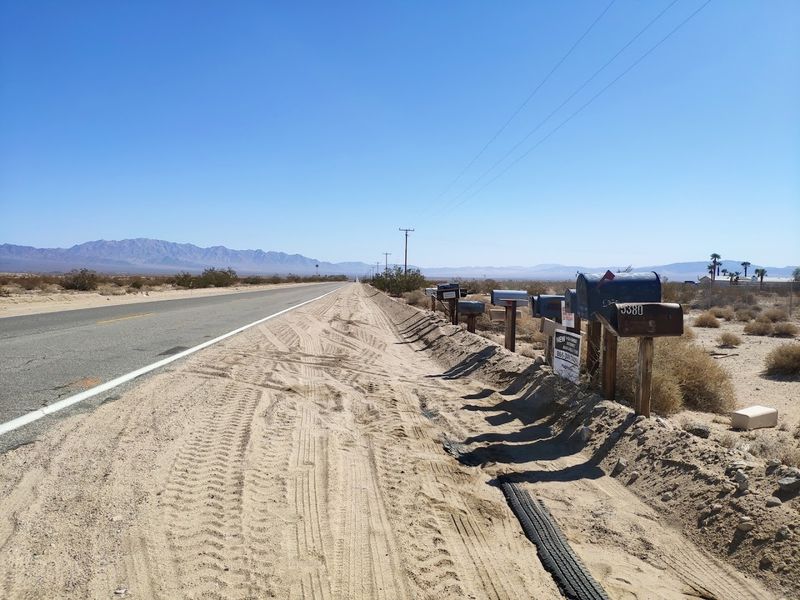
At the far eastern edge of the Highway 62 corridor, Wonder Valley operates on its own frequency and has no interest in adjusting the dial to match anyone else.
The community is home to a loose but genuine collection of artists, musicians, and desert dwellers who have built a life out here on their own terms.
The landscape is sparse and dramatic in the way that only the far Mojave can be, with wide sky, flat terrain, and a scattering of small structures that give the area a post-frontier character.
Local stops like the Palms Restaurant and the Glass Outhouse Gallery give visitors a reason to slow down and engage with the community rather than just pass through.
The community center serves as a gathering point for events and programs that reflect the creative and independent spirit of the people who live here.
These are not polished tourist attractions but real places built by real people who chose a particular kind of life.
Wonder Valley is the least conventional pick on this list, and that is precisely what makes it valuable as a final stop on a corridor journey.
Arriving here after driving the full length of Highway 62 from Whitewater feels like reaching the honest, unfiltered version of desert life that the rest of the route has been building toward.