11 California Fish Hatcheries And Trout Farms Where You Can See Conservation History Up Close
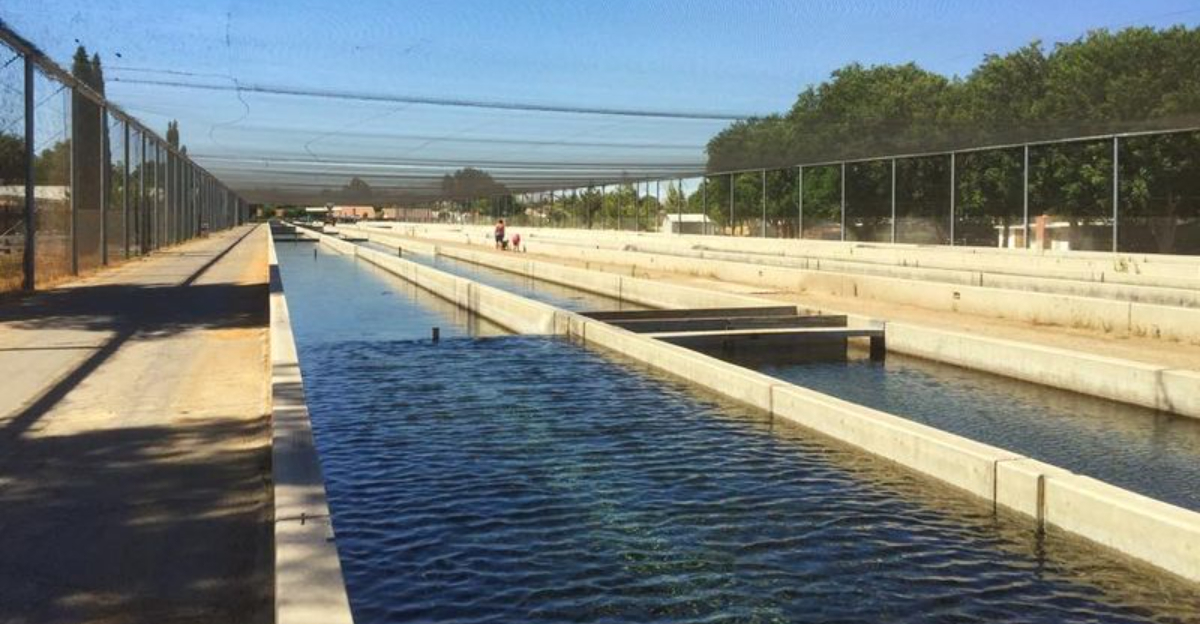
Fish hatcheries are strangely good at turning a practical operation into a genuinely fascinating stop.
Behind the tanks and raceways, there is a much bigger story involving habitat restoration, water management, and decades of trial and error.
Visitors may watch trout gathering below feeding platforms, learn how eggs are raised, or see how young fish are prepared for release into rivers and lakes.
It is educational. Thankfully, it does not feel like a lecture with fins.
Conservation history in California becomes far easier to understand when the work is happening right in front of you.
Several hatcheries have visitor areas, interpretive displays, or outdoor ponds where families can slow down and look around.
Trout farms add a different angle, sometimes offering fishing opportunities or a closer view of how fish are raised outside the wild.
These stops work well for curious road-trippers and children who become unexpectedly invested in one particularly energetic trout.
You may arrive planning a brief visit and leave knowing far more about fish ladders and cold-water habitats than you ever expected.
1. Mount Shasta Fish Hatchery, Mount Shasta
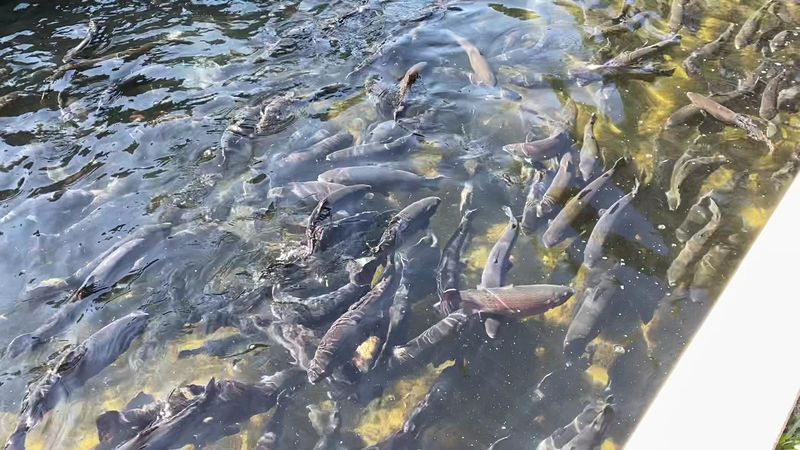
Holding the title of the oldest trout hatchery west of the Mississippi, the facility at Mount Shasta has been operating since 1888, making every visit feel like a step into living conservation history.
Two distinct strains of rainbow trout, known as Shasta and Coleman, are raised here alongside Eagle Lake Trout and Brown Trout.
The hatchery also receives Brook Trout eggs from Crystal Lake Hatchery, keeping a wide variety of species active on the grounds.
Located at 3 North Old Stage Road, Mount Shasta, CA 96067, the hatchery operates daily from 8:00 a.m. to 3:00 p.m.
Upwards of 30 million eggs are produced here each year, supplying the majority of California Department of Fish and Wildlife trout hatcheries statewide.
From mid-March through July, visitors can observe eggs hatching and fry being nurtured inside Hatchery Building B.
Brood stock growing to nearly 10 pounds can be spotted in the raceways, adding a dramatic visual element to any visit.
The Small Fry Trail is a kid-friendly outdoor area featuring interactive play stations and climbing structures that illustrate a trout’s full life cycle.
Picnic tables are available on the grounds, and the trail remains open from sunrise to sunset seven days a week.
2. Feather River Fish Hatchery, Oroville
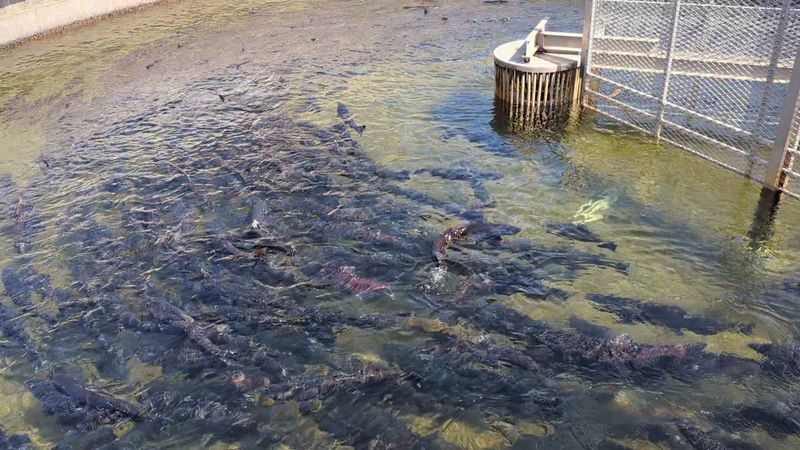
Positioned just below Lake Oroville, the Feather River Fish Hatchery came into existence to offset the dramatic changes that Oroville Dam brought to natural spawning grounds along the Feather River.
Operated as a joint venture between the California Department of Fish and Wildlife and the Department of Water Resources, the facility manages roughly 30 million eggs, 15 million fingerlings, and 17,000 adult salmon and steelhead annually.
An estimated 20 percent of the ocean sport and commercial salmon catch traces its origins back to fish reared here.
Visitors can explore the grounds daily from 8:00 a.m. to 3:00 p.m., with self-guided tours often available until sunset.
The hatchery at 5 Table Mountain Boulevard, Oroville, CA 95965 is thoughtfully divided into two viewing areas on either side of Table Mountain Boulevard.
The east side features a fish barrier dam, an observation platform, and an underwater viewing window that offers captivating views of migrating salmon and steelhead from mid-September through June.
Across the boulevard, the spawning room, main hatchery building, and year-round rearing ponds await exploration.
Salmon spawning operations are viewable on weekdays from mid-September to mid-November, and steelhead spawning runs from mid-December through mid-February.
Each fourth Saturday of September, the annual Oroville Salmon Festival celebrates the hatchery’s work alongside downtown Oroville festivities.
3. Mokelumne River Fish Hatchery, Clements
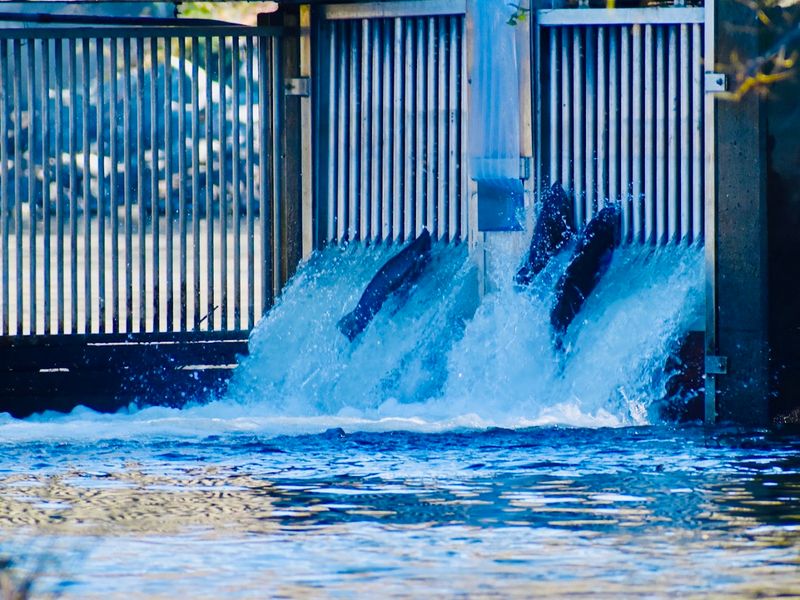
Constructed in 1963 by the East Bay Municipal Utility District, the Mokelumne River Fish Hatchery was built specifically to replace spawning habitat that disappeared when Camanche Dam was completed.
Chinook salmon and steelhead trout are the primary species raised here, and their release into the Mokelumne River supports both recreational fishing and broader ecosystem health.
A remodel in July 2002 helped modernize operations and improve the conditions for fish rearing.
The hatchery at 25800 North McIntire Road, Clements, CA 95227 welcomes visitors daily from 8:00 a.m. to 3:00 p.m.
A self-guided fish trail winds visitors past the Mokelumne River, the fish ladder, the hatchery building, and extensive raceways.
Fish food is often available along the trail, giving visitors a hands-on way to interact with the salmon and steelhead swimming nearby.
Peak spawning seasons bring the most dramatic viewing opportunities, with Chinook salmon typically running from mid-October to late December and steelhead from December through March.
During spawning season, a viewing window sometimes allows observation of the artificial spawning process, though calling ahead to confirm active spawning days is recommended.
Picnic tables and restrooms are on-site, and schools or organized groups can arrange formal tours covering salmon and steelhead biology, hatchery operations, and watershed conservation.
4. Mount Whitney Fish Hatchery, Independence (Owens Valley)
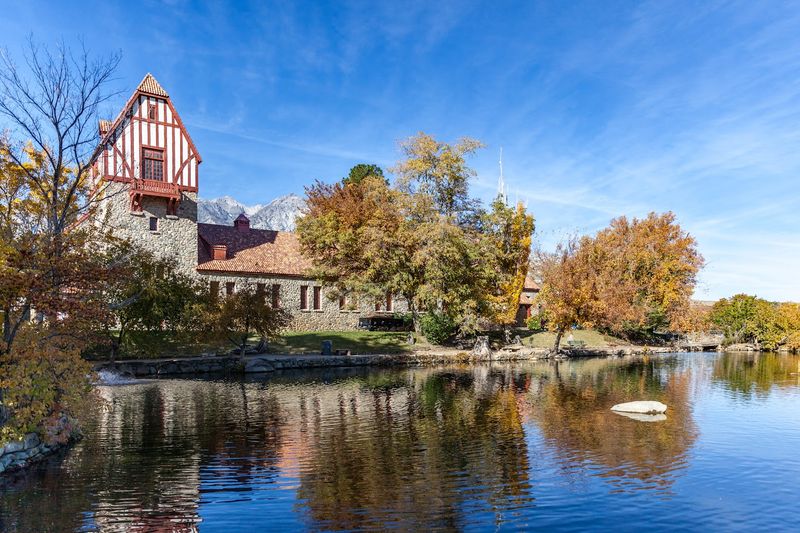
Few hatchery buildings in California carry the architectural charm of the Mount Whitney Fish Hatchery, completed in 1916 with hand-laid stone walls and hand-hewn timbers that still stand today.
Built by the California State Fish and Game Commission in 1917, it was once the largest hatchery in the state and celebrated for producing Golden Trout.
A damaging mudslide in 2008 forced significant repairs, and while the facility no longer operates as a fish production hatchery due to ongoing sediment challenges.
Located at 1 Golden Trout Circle, Independence, CA 93526, the grounds are open daily for visitors seeking a peaceful outdoor stop in the Owens Valley.
The gift shop and guided tours run Thursday through Monday during summer and Friday through Sunday during winter, with hours from 10:00 a.m. to 3:30 p.m.
Fish food is available for $1 per bag, with cash preferred, or through quarter-operated dispensers when the main center is closed.
The main pond draws ducks and fish alike, creating a relaxed atmosphere suited to picnicking and quiet observation.
Shaded seating areas add to the comfort of a longer visit, and leashed dogs are welcome on the grounds, making the stop accessible for traveling families with pets.
5. Fillmore Fish Hatchery, Fillmore
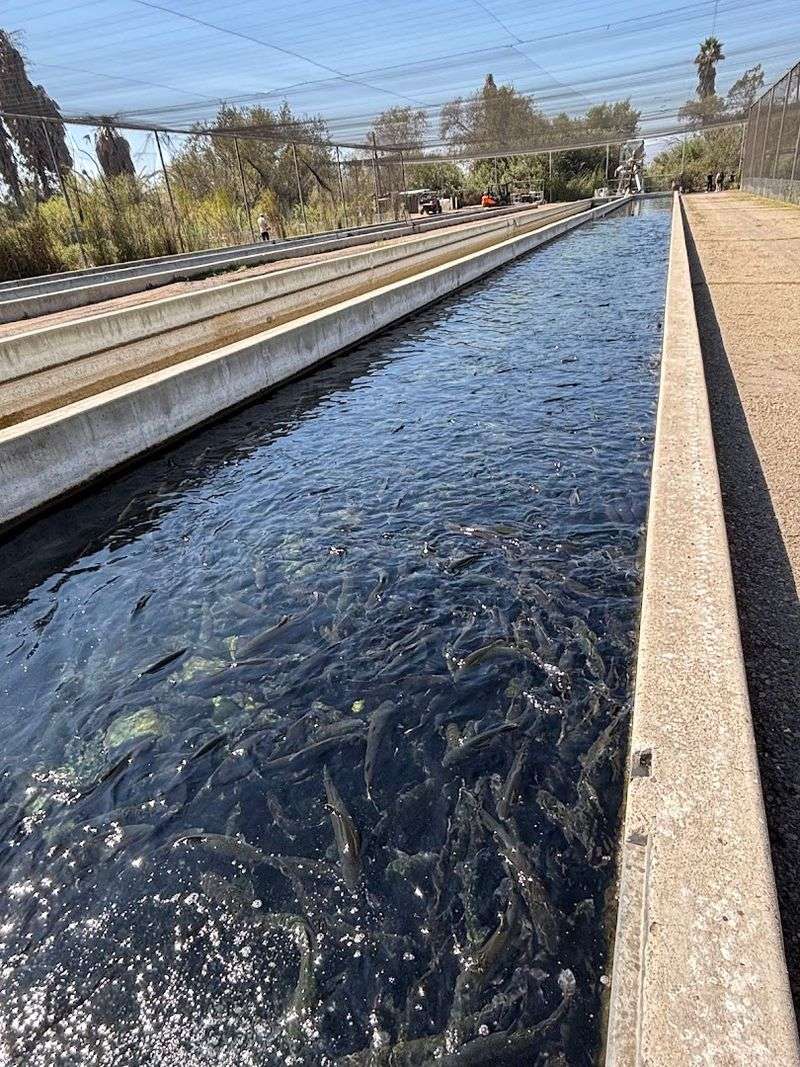
Surrounded by citrus groves and avocado orchards in eastern Ventura County, the Fillmore Fish Hatchery has been producing trout for Southern California’s waterways since 1942.
Originally built with 30 earthen ponds fed by springs and wells, the facility was significantly modernized in 1968 and 1972 with 40 concrete raceways and a new hatchery building containing seven circular tanks.
Approximately 252,000 pounds of rainbow, brown, and brook trout are raised here annually, translating to roughly half a million rainbow trout released for anglers each year.
The hatchery at 612 East Telegraph Road, Fillmore, CA 93016 is open daily from 8:00 a.m. to 2:00 p.m., free of charge, with a fully self-guided experience that lets visitors set their own pace.
Protective netting covers the raceways to reduce bird predation, a practical conservation measure that has proven highly effective.
Eggs are sourced from broodstock hatcheries in the Eastern High Sierra, including Mount Whitney and Hot Creek.
Free fish food is typically dispensed at 8:00 a.m. and noon daily, and watching thousands of trout surge to the surface in a feeding frenzy is a genuinely exciting spectacle.
The agricultural scenery framing the grounds adds a distinctly Southern California character to the visit, blending working farmland with active conservation in a way that feels both grounded and refreshing.
6. Fish Springs Trout Hatchery, Big Pine (Owens Valley)
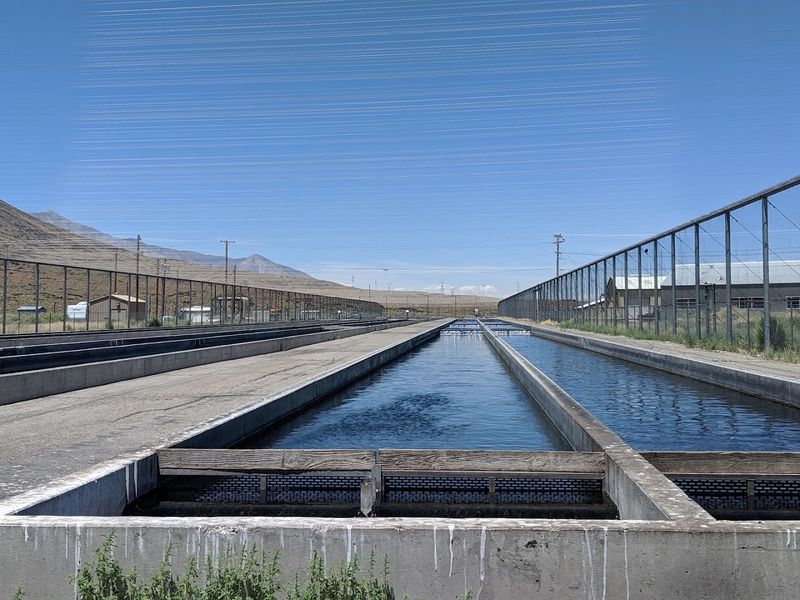
Originally established in 1952 and drawing water from natural onsite springs, the Fish Springs Hatchery near Big Pine has grown into one of the most productive trout facilities in the Eastern Sierra.
Concrete raceways were added in 1972, and a new hatchery building constructed in 2009 now houses twenty deep tanks used for hatching eyed eggs and rearing fry until they are ready for outdoor rearing.
An average of 500,000 pounds of catchable rainbow and Eagle Lake trout are produced and distributed here annually for roadside waters across Inyo and Mono counties.
Around 100,000 fingerling rainbow trout are also provided each year for air stocking operations, extending the hatchery’s conservation reach well beyond what trucks alone could accomplish.
The facility at 215 Fish Springs Road, Big Pine, CA 93513 is open daily from 8:00 a.m. to 3:00 p.m. for self-guided visits.
Fish food dispensers are available on-site, and the sight of trout leaping and splashing for food is a reliable crowd-pleaser for visitors of all ages.
The surrounding Owens Valley landscape adds real visual drama to the experience, with silvery-green desert plants and sweeping views of the Eastern Sierras framing the raceways.
Wildlife sightings including Tule elk and mule deer are possible in the area, making the stop feel like a natural extension of a broader Eastern Sierra adventure.
7. Mojave River Hatchery, Victorville
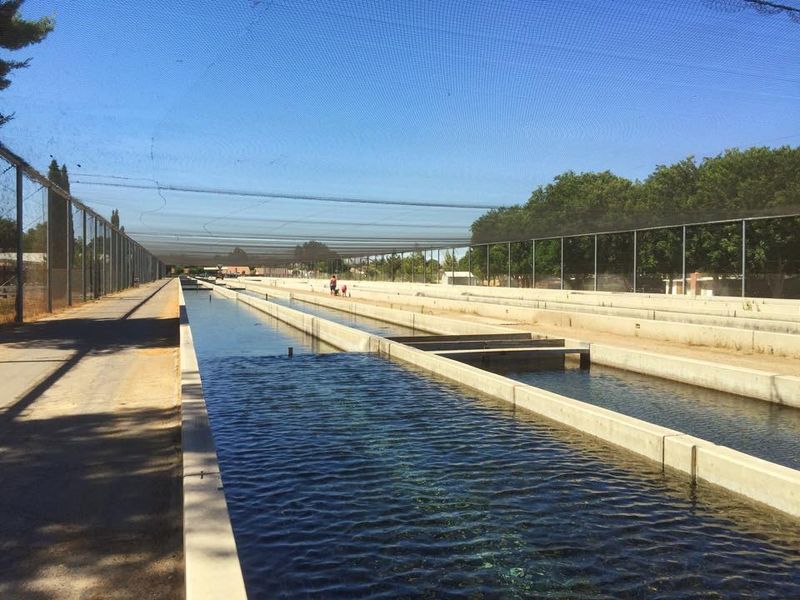
Sitting in the high desert landscape of Victorville, the Mojave River Hatchery draws its water supply from the Mojave River aquifer, which provides naturally high-quality conditions ideal for raising large, healthy trout.
Water exiting the facility percolates back into the aquifer, but not before creating a productive wetland area that supports diverse wildlife and provides additional viewing opportunities for visitors.
That ecological side effect gives the hatchery an environmental footprint that extends meaningfully beyond its concrete raceways.
Located at 12550 Jacaranda Avenue, Victorville, CA 92395, the hatchery is open daily from 8:00 a.m. to 3:00 p.m. with no admission fee and ample accessible parking.
Restrooms are available on-site, making it a comfortable and convenient stop for families traveling through the Inland Empire or heading toward the Eastern Sierra.
Fish food pellets are available through vending machines for 25 cents, keeping the hands-on experience affordable and accessible.
Watching the feeding frenzy that erupts when pellets hit the water is one of those simple, surprisingly entertaining moments that tends to hold attention longer than expected.
Trout of all sizes fill the raceways, from recently hatched fry to full-grown adults, giving visitors a clear visual sense of the full growth cycle in action.
The contrast between the desert setting and the cool, water-filled raceways makes the visit feel unexpectedly refreshing.
8. Crystal Lake Hatchery, Baum Lake, Shasta County
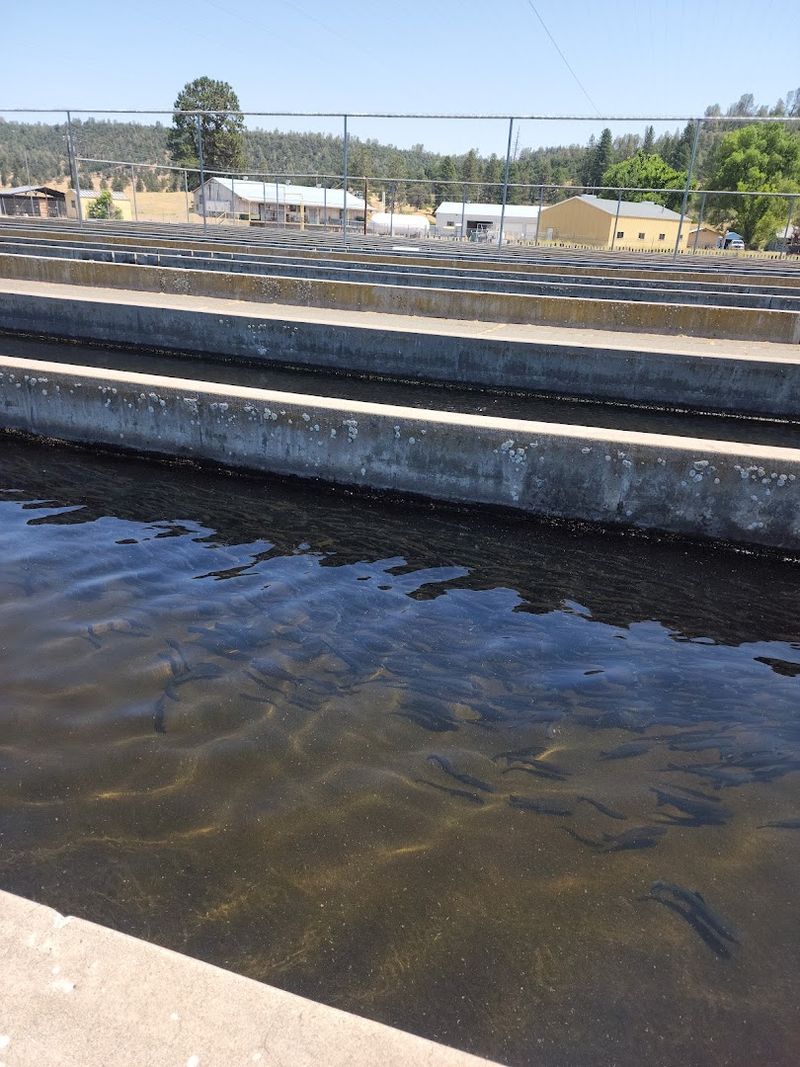
Near Baum Lake in eastern Shasta County, the Crystal Lake Hatchery operates in a landscape shaped by volcanic geology and fed by remarkably clear spring water.
Brook, brown, and rainbow trout are stocked from this facility into the adjacent Baum and Crystal Lakes, and large brood trout are sometimes planted as well, adding an extra incentive for anglers visiting the area.
The Pacific Crest Trail meanders along the edge of the hatchery grounds, connecting the site to one of the most iconic long-distance hiking routes in the country.
Picnic tables are available on-site for those wanting to linger in the natural surroundings.
Spring brings Canadian geese and their goslings to the area, while nesting ospreys add to the wildlife viewing during warmer months.
The combination of fishing access at Baum and Crystal Lakes, hiking along the PCT corridor, and the hatchery’s educational offerings makes this a particularly well-rounded outdoor destination.
Crystal Lake Hatchery at 40158 Baum Lake Road, Cassel, CA 96016 is open for self-guided tours from 8:00 a.m. to 3:00 p.m. on weekdays.
Visitors should be aware that the hatchery is currently closed to the public on weekends from June 29, 2026, to September 11, 2026, making weekday visits the most reliable option during that stretch.
9. Darrah Springs Hatchery, Paynes Creek, Tehama County
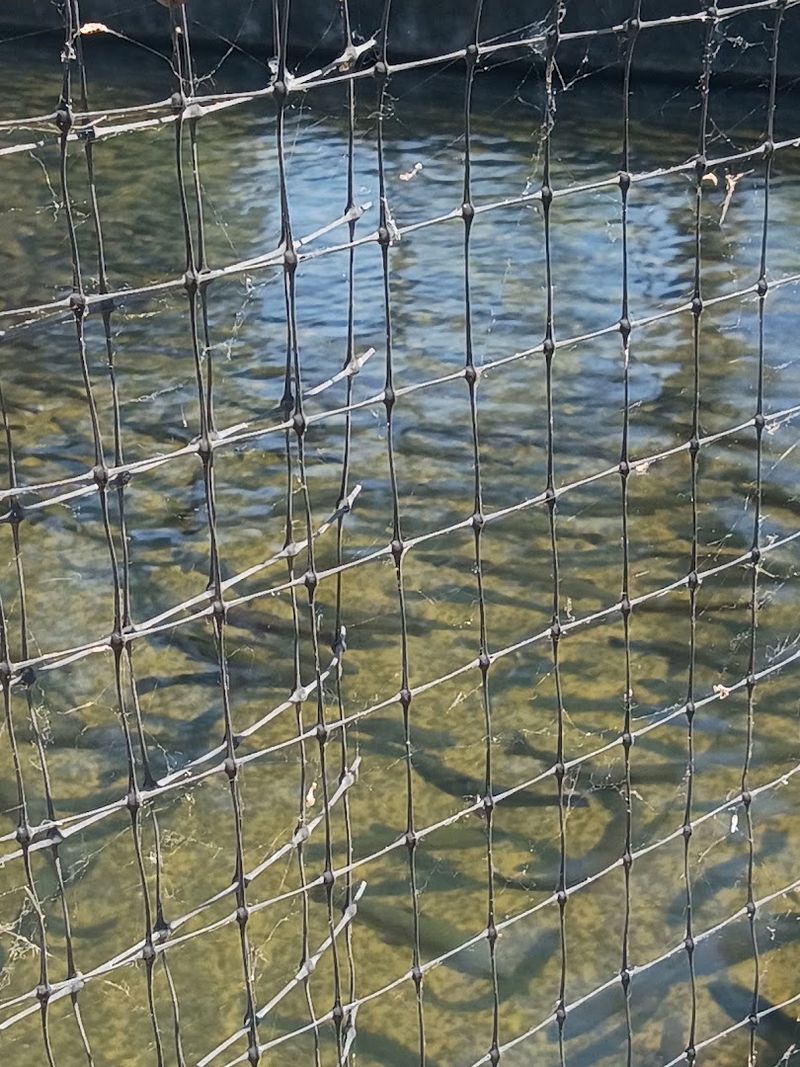
Hidden in the quieter reaches of eastern Tehama County, the Darrah Springs Hatchery raises trout destined for release into waters across Northern California, making it a behind-the-scenes contributor to fishing experiences.
The hatchery at 29661 Wildcat Road, Paynes Creek, CA 96075 is open to the public from 8:00 a.m. to 3:00 p.m.
Springtime is widely considered the most rewarding season to visit, with mild weather, blooming hillsides, and the busiest period of stocking activity running from mid-April through mid-October.
Specially equipped trucks move large quantities of catchable trout into local waterways during this stretch, and the energy around the facility reflects that seasonal urgency.
Visitors interested in specific programming or current conditions are encouraged to contact the hatchery directly before arriving, as operational details may shift seasonally.
The surrounding Tehama County landscape offers a genuinely unhurried atmosphere, with oak woodland and rolling terrain creating a backdrop that feels removed from California’s busier tourist circuits.
Nearby outdoor destinations within roughly an hour’s drive include Lassen National Park, Lake Almanor, Shasta Lake, Whiskeytown Lake, and several notable fishing streams such as Hat Creek, Battle Creek, and Deer Creek.
That proximity to so many natural attractions makes Darrah Springs a natural anchor point for a broader Northern California outdoor itinerary rather than just a standalone stop.
10. American River Hatchery, Nimbus Basin, Gold River
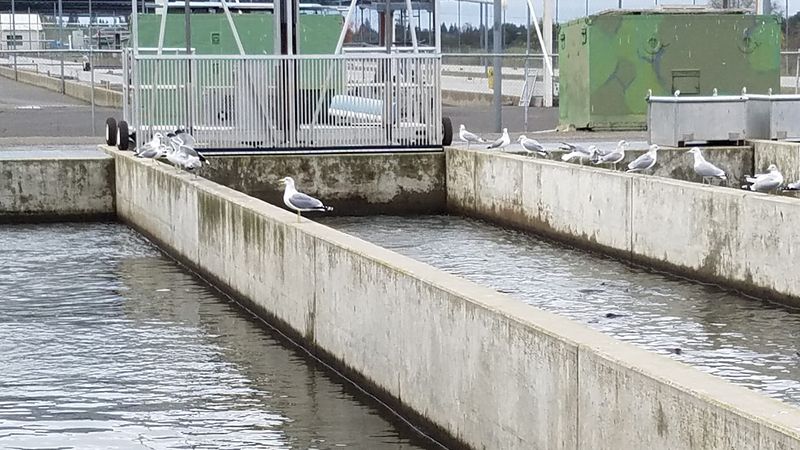
Sitting within the Nimbus Basin along the American River, the American River Hatchery works in close coordination with the nearby Nimbus Fish Hatchery to support fish populations in one of California’s most significant river corridors.
The facility focuses on the rearing of steelhead trout and Chinook salmon, contributing to the same conservation mission that defines the broader network of hatcheries along this stretch of the American River.
The riparian setting creates a naturally calming atmosphere, with the sound of moving water and the sight of native vegetation lining the banks making a visit feel genuinely restorative.
Access to the grounds follows the seasonal patterns consistent with the Nimbus complex, with public access generally available from Labor Day through Memorial Day.
The American River Parkway trail system connects the hatchery area to miles of walkable riverfront, making it easy to combine a hatchery visit with a longer outdoor outing.
Birdwatching along the river corridor can be particularly rewarding, with herons, egrets, and osprey commonly spotted near the water’s edge.
The educational value of visiting this facility is enhanced by its position within a working conservation landscape where natural river habitat, hatchery infrastructure, and public recreation overlap in practical and visible ways.
Families with children often find the combination of fish viewing and riverside trail access makes for a full half-day outing without requiring much advance planning or expense.
11. Hot Creek Trout Hatchery, Mammoth Lakes
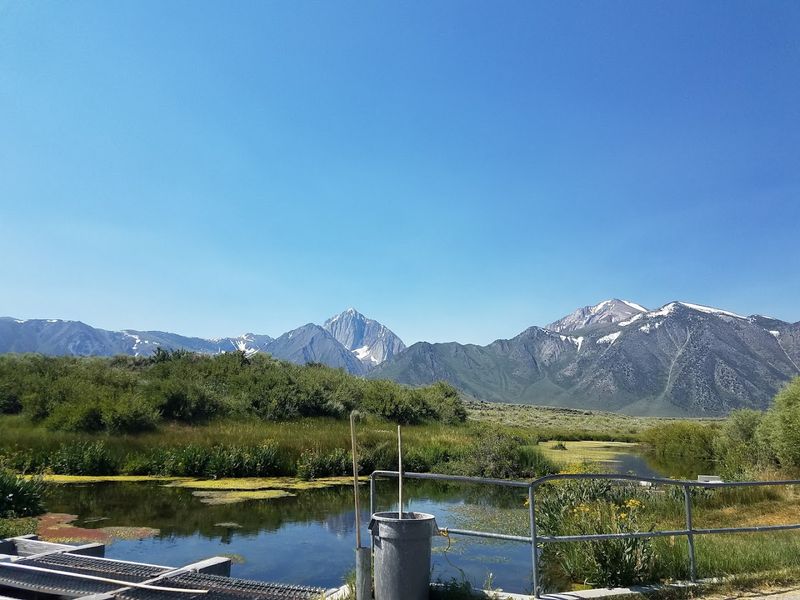
Few hatchery locations in California carry quite the geological drama of Hot Creek, where geothermal springs and volcanic terrain frame the facility in a landscape unlike anything found at lowland hatcheries.
Located near Mammoth Lakes in the Eastern Sierra, the Hot Creek Trout Hatchery has historically served as a broodstock facility, supplying eggs to other hatcheries across the state including Fillmore and others in the CDFW network.
The Eastern Sierra setting alone makes the area worth exploring, with the nearby Hot Creek Geological Site offering additional context about the volcanic forces shaping this corner of California.
Visitors planning a trip to the Mammoth Lakes region should verify current access and operating status directly with the California Department of Fish and Wildlife before arrival.
The broader Mammoth Lakes area offers extensive outdoor recreation including hiking, fishing, and wildlife viewing that can complement a hatchery stop on either side of the visit.
Long Valley and the Owens River corridor nearby provide additional angling opportunities for those inspired by what they see at the hatchery.
The hatchery’s role in the statewide egg supply chain gives it an importance that extends far beyond its physical footprint, quietly underpinning trout populations in waters hundreds of miles away.