California Has A Spectacular Natural Stone Bridge, And An Easy Half-Mile Walk Takes You Right To It
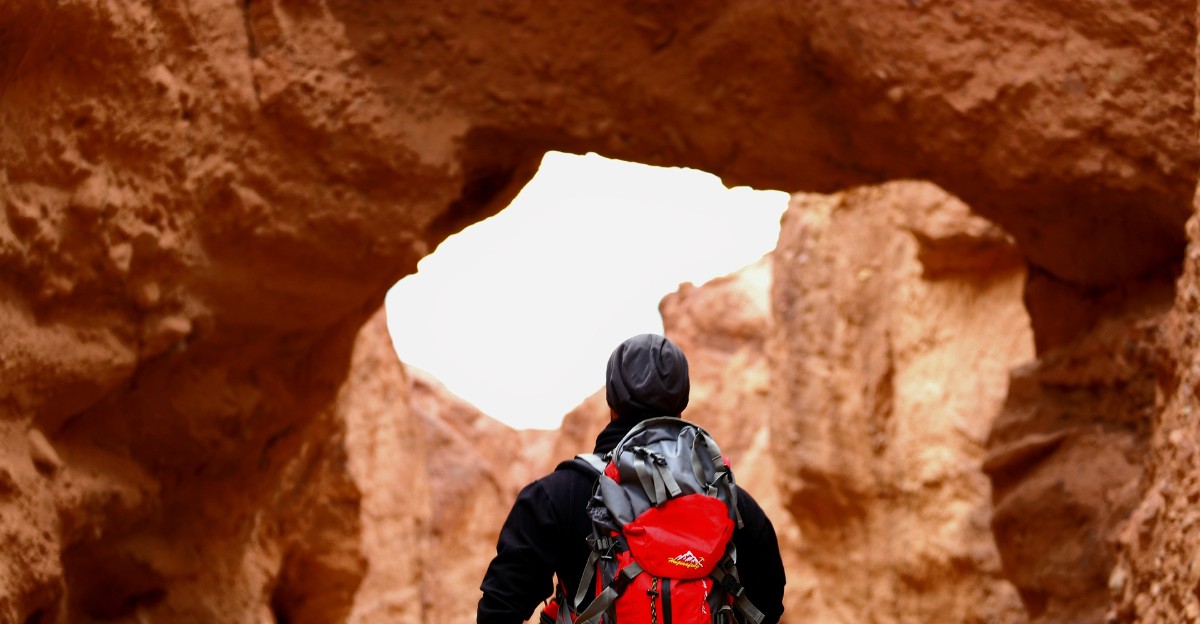
A rock bridge about 35 feet tall and roughly 35 feet thick spans a desert canyon, and you can reach it in about half a mile. That’s a big payoff for a short stroll.
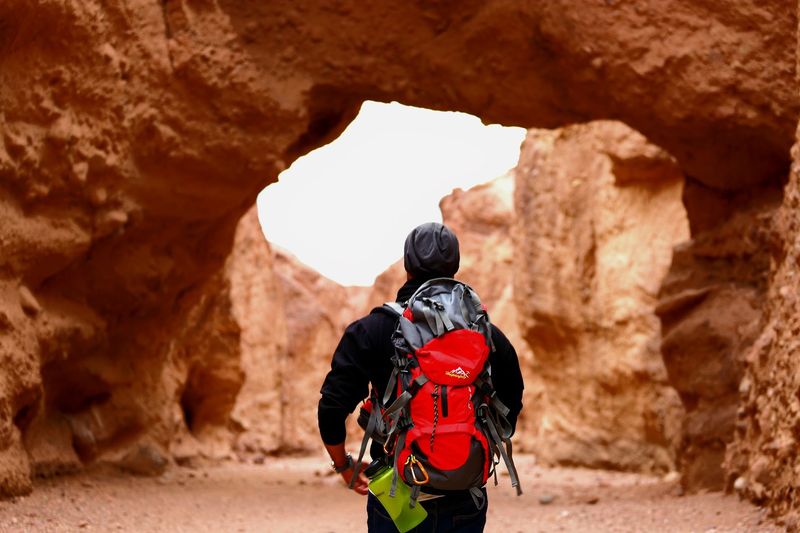
The bridge isn’t smooth red sandstone like the famous arches in Utah. It’s a jagged mix of rock, gravel, and old sediment, all cemented together.
Flash floods did the carving, slowly and stubbornly, over a very long stretch of time.
I love that the walk starts in a plain dry wash. Then the canyon walls rise around you, and the colors shift to reds and tans.
This spot sits in one of California’s most dramatic desert landscapes. Most people turn around at the bridge, and honestly, that’s a fine day.
But the canyon keeps going past it. How far would you wander?
A Short Walk Leads To A Seriously Big Rock Bridge
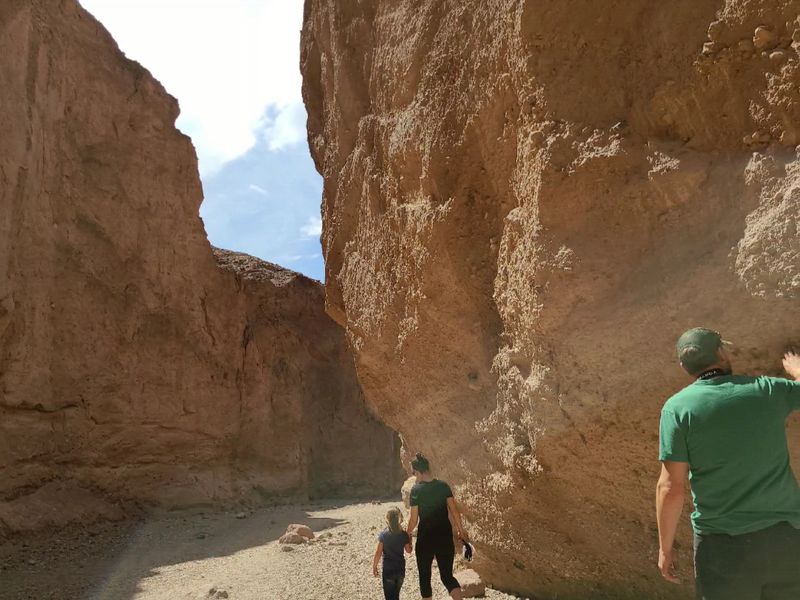
Natural Bridge in Death Valley National Park is the kind of payoff that feels almost unfair for the effort. You walk about half a mile up a rocky wash, and a huge stone span suddenly fills the canyon ahead.
The bridge rises roughly 35 feet above the canyon floor. It’s also about 35 feet thick, which makes it one of the bulkiest natural bridges in the region.
Standing under it gives you a real sense of scale. Your neck will probably get a workout from all the looking up.
The round trip covers about one mile from the parking area. Most people finish in 30 to 60 minutes, depending on how many photo stops they make.
That short distance makes Natural Bridge a smart pick for families and casual walkers. You don’t need fancy gear or serious hiking experience to enjoy it.
Sturdy shoes still matter, though, because the ground is loose and rocky. A hat and plenty of water belong in your bag too.
California has plenty of famous desert sights. Few of them deliver this much drama for so little walking, and that’s a trade most of us will happily take.
Forget Smooth Sandstone, This Bridge Has Rugged Character
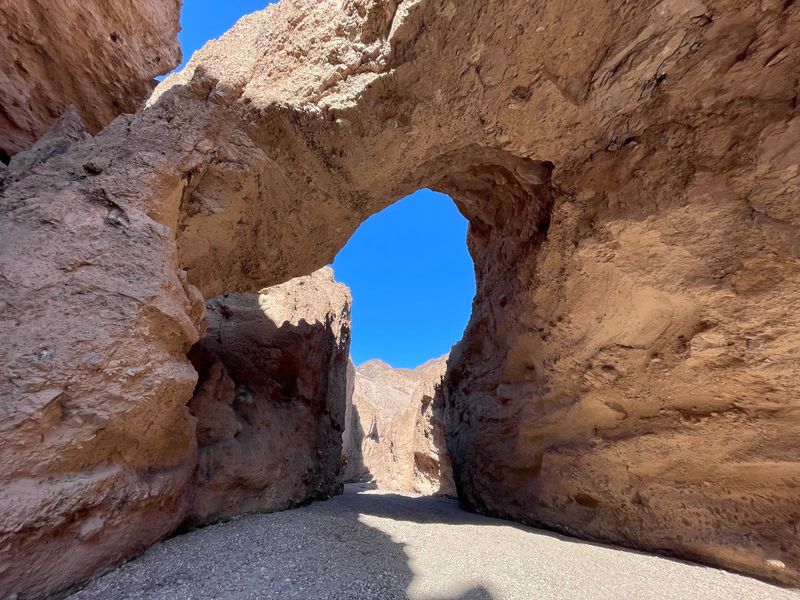
Utah gets most of the arch fame, with its smooth, glowing sandstone curves. The bridge here takes a totally different approach.
Natural Bridge is built from an alluvial deposit. That’s a fancy way of saying rock, gravel, and sediment got cemented together at the base of an ancient mountain.
Look closely and you’ll spot chunks of stone poking out of the surface. It looks a bit like nature made a giant granola bar and then forgot about it for ages.
The texture is rough and jagged instead of polished. That gives the bridge a wild, unfinished look that photos don’t fully capture.
The canyon walls around it tell another part of the story. They’re made of Tertiary-era volcanic rock, with layers in reddish and tan shades.
Those colors shift as the sun moves across the sky. Morning light brings out the warm tones especially well, so an early start pays off twice.
Bring a curious eye along with your water bottle. Comparing the rough bridge to the layered walls makes the short walk feel like a free outdoor geology lesson, minus the homework and the pop quiz.
Flash Floods Did All The Heavy Lifting Here
Water carved this bridge in one of the driest places in the country. That’s a pretty great plot twist for a desert landmark.
Flash floods shaped the canyon over a very long time, likely thousands to millions of years. At one point, the rushing water changed course and lowered the canyon above the bridge’s current spot.
Later, the water found its way back to its old path. It punched through the rock, opened the hole, and left the bridge standing high and dry.
Knowing that history changes how the wash looks under your feet. Every loose stone and smooth channel hints at storms that roared through long before you arrived.
Those same floods still matter today. Rain can quickly change conditions in Death Valley National Park, including roads and canyon floors.
That’s why checking park alerts before your trip is such a good habit. The park posts updated conditions online, and they can shift fast after weather moves through.
It’s humbling to stand under something made by sudden bursts of water. The desert looks still and quiet, but it clearly has a busy side when the clouds roll in.
Your Feet Will Notice The Gravel Before Your Lungs Do
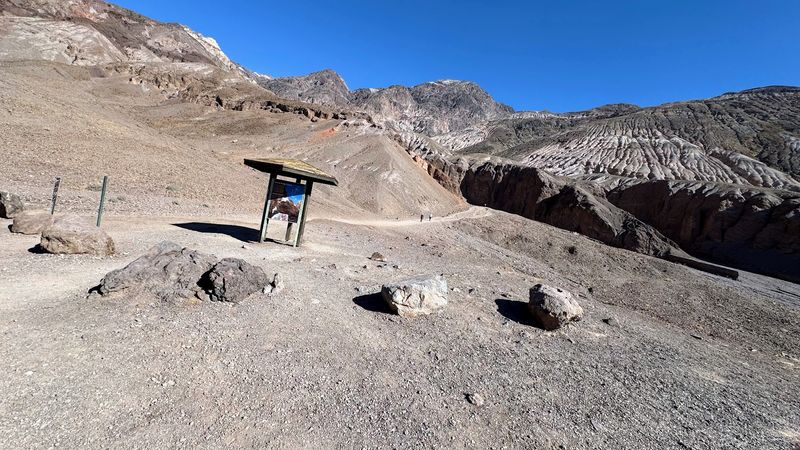
Officially, there’s no built trail to the bridge. You simply follow a fairly straight path up a rocky wash, which is a dry streambed.
The climb is gentle, with only about 86 feet of elevation gain to the bridge. Your lungs won’t complain much at all.
Your ankles might have more to say. The footing is uneven, with small and medium rocks scattered nearly everywhere.
Walking on gravel feels slower than the mileage suggests. Give yourself extra time, and don’t be surprised if half a mile feels a little longer.
Shoes with good grip make a real difference here. Flimsy sandals and loose rocks are not a friendly pairing.
As you go, the canyon walls rise around you. Soon you’re flanked by rock faces about 30 feet tall, and the open desert starts to feel far away.
That squeeze of stone builds a nice bit of suspense. By the time the bridge appears, you’ve earned the moment without breaking a sweat in cool weather.
Take your time, watch your step, and enjoy the steady build-up.
The Adventure Keeps Going If You Do
Most visitors stop at the bridge, snap a few photos, and head back. Nobody would blame you for doing exactly that.
Curious walkers have another option, though. The canyon continues a short distance beyond Natural Bridge before ending at a dry waterfall.
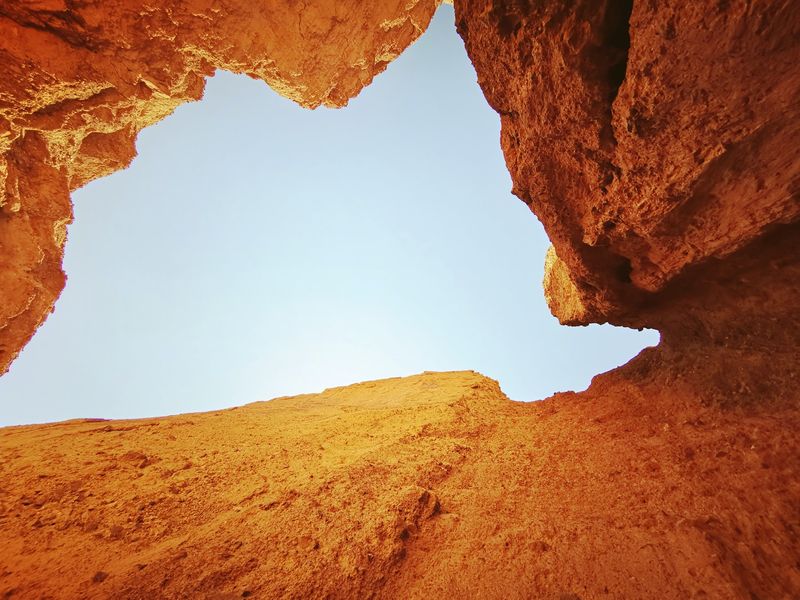
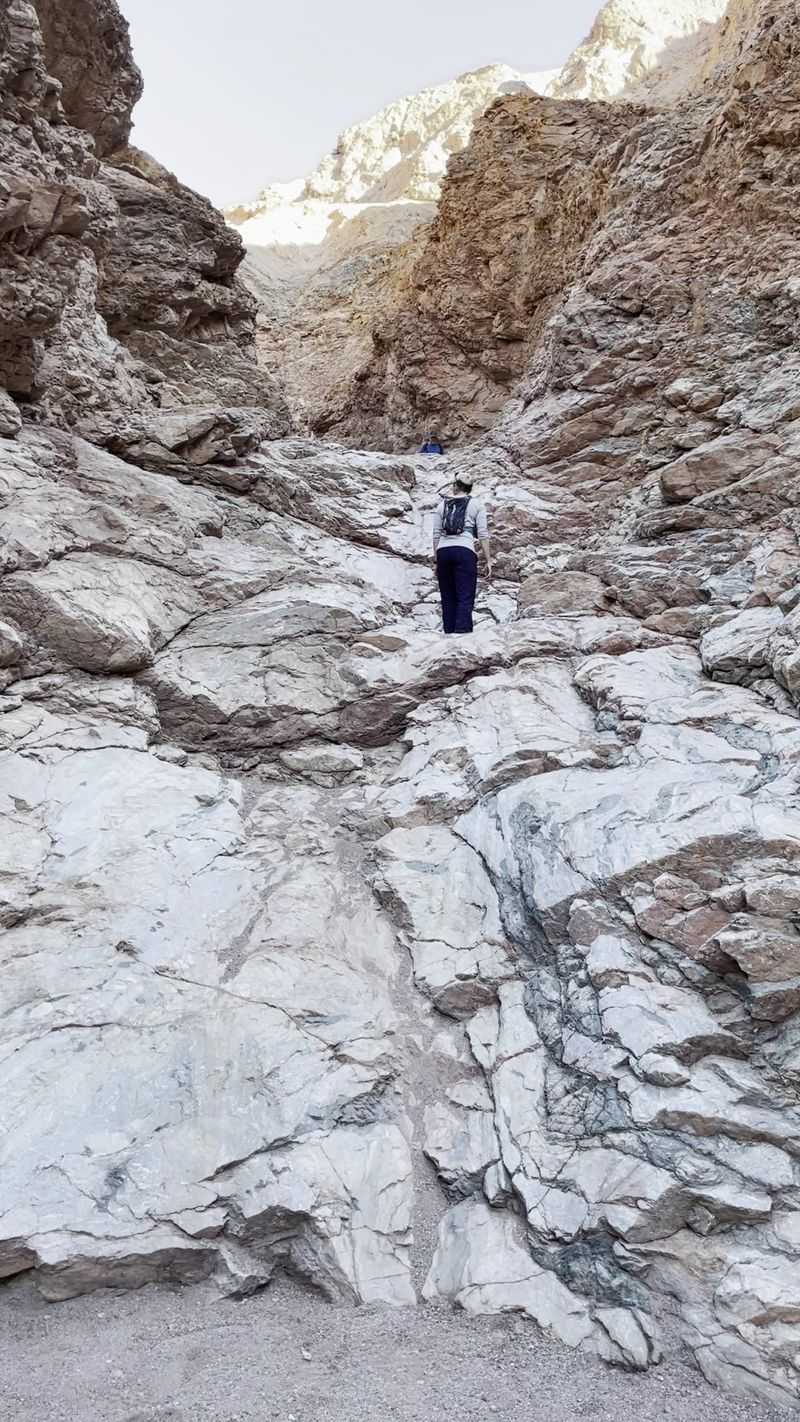
Things get rougher and more interesting beyond the span. You’ll find dry falls, vertical chutes, and hanging canyons, all classic examples of Death Valley geology.
Some spots require scrambling over water-polished rock. Those surfaces can be slick, so careful footing matters a lot more here than on the wash below.
The canyon finally ends at a 20-foot dryfall that you can’t pass. Park rangers reportedly use this spot to practice rescue skills, which says plenty about how tricky it is.
Treat that dead end as your turnaround point. There’s no shame in stopping earlier if the scrambling stops feeling fun.
This bonus stretch suits people who like a little challenge after the easy part. It also thins out the company, since fewer folks push beyond the bridge.
Either way, you get options. Short and sweet, or a bit more rugged.
Turn Around And The Salt Flats Steal The Show
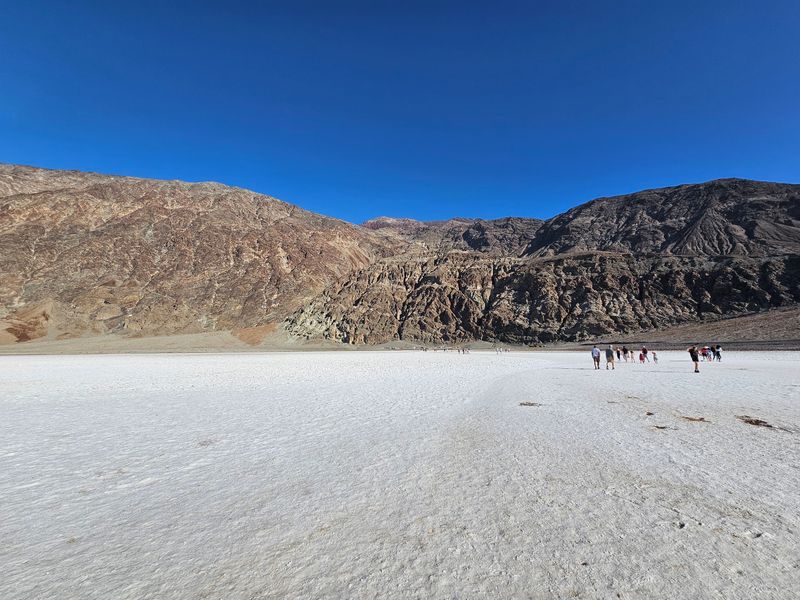
Walking back down the wash comes with a surprise bonus. The view opens up in front of you, and it’s huge.
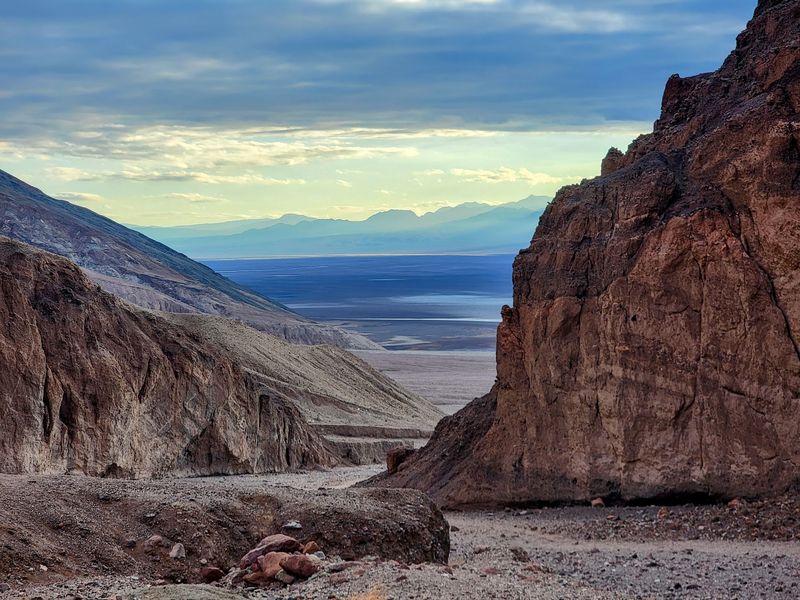
On the return trip, you get terrific looks at the vast salt flats of Badwater Basin. The white expanse stretches out below the canyon mouth like a giant frosted floor.
Hiking downhill also feels easier on the lungs. That leaves more attention for the scenery, which is exactly where it should go.
Many hikes save the best view for the top. This one cleverly hands you a second highlight on the way out.
Slow down for a few minutes before reaching the car. Let your eyes adjust to the bright, open basin after the narrow canyon walls.
Morning light makes the contrast especially striking. The shadows in the canyon and the glowing flats beyond create a natural frame for photos.
It’s a good reminder that the journey back can be just as rewarding. Plenty of trails feel like a chore on the return, but this one keeps you smiling right to the parking lot.
Keep your camera handy for that final stretch.
A Dirt Road Gets You Surprisingly Close
Getting there starts on Badwater Road, about 13.5 miles south of California State Route 190. From there, you turn onto Natural Bridge Road, an unpaved spur.
The dirt road runs about 1.5 miles to the trailhead. The address is Natural Bridge Road, Death Valley, CA 92328, USA, right inside Death Valley National Park.
The dirt road is typically passable in regular sedans, but rough conditions may require a higher-clearance vehicle, so check with a ranger before driving.
Washouts can happen too. Checking current conditions with a park ranger before heading out is a smart move.
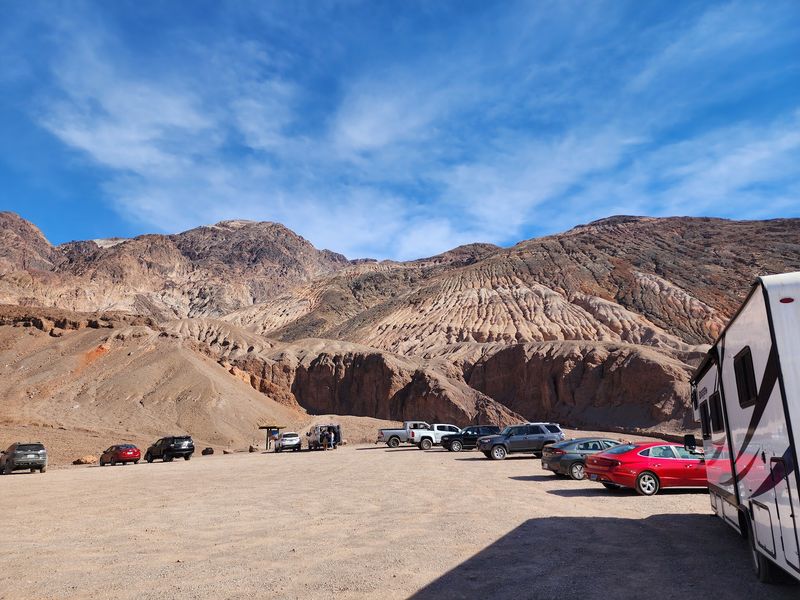
Once you arrive, there’s a large dirt parking area. It’s roomy enough for buses and RVs, so parking stress usually isn’t part of the deal.
A vault toilet sits right in the lot. That’s a welcome sight after a long desert drive.
Plan ahead on supplies, though. There’s no water and no cell service at the trailhead, so download maps and fill bottles before you leave.
Drive slowly, enjoy the bumps, and think of them as part of the adventure.
Timing Your Visit Makes All The Difference
Summer in this part of California is no joke. From June through September, midday temperatures often climb past 120 degrees Fahrenheit.
The trail offers zero shade, which makes those hot hours a bad idea. Even a short walk can turn rough fast in that kind of heat.
The best window runs from November through March. Cooler days make the gravel wash far more pleasant, and you’ll actually want to linger under the bridge.
Early morning is the sweet spot any time of year. The light is softer, the canyon colors glow, and the temperatures stay friendlier.
Photographers get a nice perk from that early start. Gentle sunlight brings out the reddish and tan layers in the canyon walls.
Pack more water than you think you’ll need. A hat, sunscreen, and a snack round out a smart desert kit.
Weather can also change road conditions quickly. A peek at park alerts the night before can save you from a surprise.
Good timing turns this easy stroll into a truly relaxed outing. Bad timing turns it into a sweaty lesson you won’t forget.
A Few Simple Rules Keep The Trip Smooth
Natural Bridge sits inside Death Valley National Park, so a park entrance fee applies. A 7-day vehicle pass covers your visit, and an America the Beautiful pass works too.
Leave your furry friend at home for this one. Pets aren’t allowed on the Natural Bridge trail.
That rule helps protect the canyon and keeps animals safe from scorching ground. Desert gravel can get very hot for paws.
Since there’s no water at the trailhead, bring your own supply. No cell service also means you should share your plans with someone before heading out.
Stay on the wash and enjoy the rock formations with your eyes and camera. The bridge has stood for an incredibly long time, and it deserves a gentle audience.
Pack out everything you bring in. A clean canyon makes the next visitor’s first view just as impressive as yours.
Natural Bridge rewards a little planning with a lot of wow. For such a short walk, it delivers one of the most memorable rock shows in California.
Not bad for half a mile of gravel, right?