California Hides A Funky Seafood Shack With Roots Going Back To 1898
Few places in California carry a seafood story as deep and layered as Santa Monica Seafood Market and Cafe.
Tucked along Wilshire Boulevard in Santa Monica, this spot has been feeding locals and visitors with some of the freshest catches on the West Coast for decades.
The fish and chips alone have earned a serious reputation among seafood lovers across the country.
Beyond the crispy batter and flaky cod, there is a whole world of history, sourcing, and flavors waiting to be explored at this beloved California institution.
Roots That Go Back to 1898
Long before the modern cafe concept existed, a family named Deluca was already building something meaningful along the Southern California coast.
The company traces its origins to 1898, when John Deluca settled in San Pedro and began working in the seafood trade, giving Santa Monica Seafood a generational depth that few restaurants in the country can match.
The official founding year of 1939 is often cited, but the real story stretches back more than four decades earlier.
That layered timeline means the business grew through economic downturns, changing food cultures, and shifting coastlines while staying rooted in the same core identity.
Understanding that backstory changes how a visit feels.
Walking through the market cases and sitting down at a cafe table carries a different weight when the place behind it has been connected to West Coast seafood for over a century.
It is a living piece of California coastal history that has been quietly operating long before fish and chips became a trendy menu item.
The Santa Monica Pier Is Where It All Began
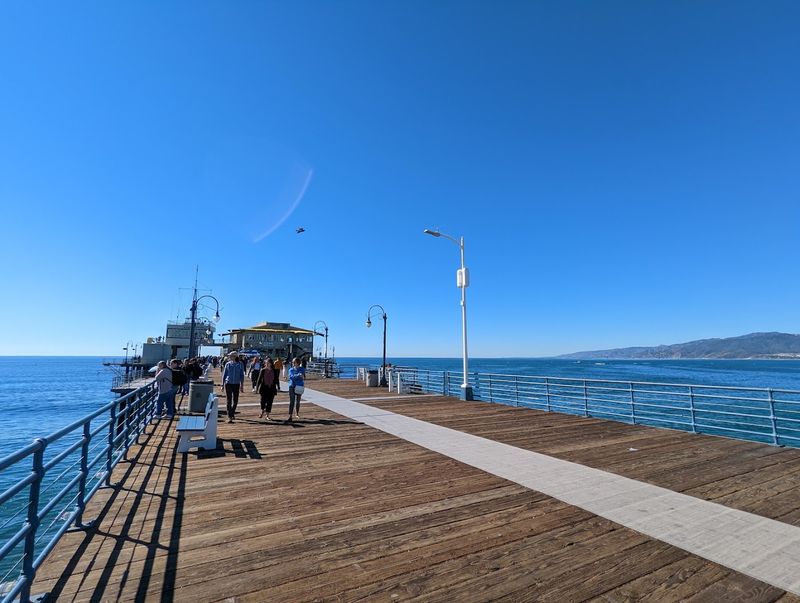
Before there was a brick-and-mortar address on Wilshire Boulevard, there was a fish stand at the end of a famous pier.
Jack and Frank Deluca originally sold fresh fish directly on the Santa Monica Pier, offering the catch of the day to tourists passing through one of Southern California’s most iconic coastal landmarks.
That pier-era origin gives the current cafe a genuinely old-school California backstory that feels different from most modern seafood restaurants.
The idea of fresh fish being sold steps away from the Pacific Ocean, with salt air and seagulls as the backdrop, is baked into the identity of the place even now.
Most guests who visit the Wilshire location today may not know they are eating at a place with pier-era roots.
That connection to the Santa Monica Pier adds a layer of authenticity that no amount of coastal decor could replicate.
The move off the pier eventually led to a larger and more permanent operation, but the spirit of that original fish stand still feels present in how the market and cafe operate today.
Part Market, Part Cafe, Fully Unique
One of the most distinctive things about visiting Santa Monica Seafood is that the experience starts before you even sit down.
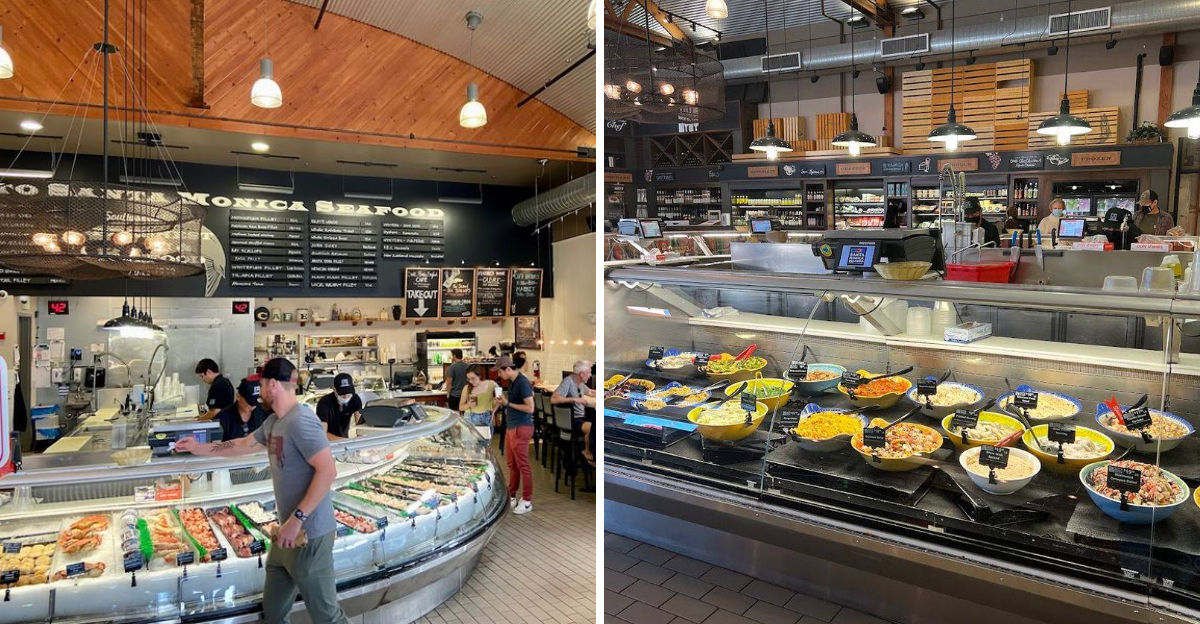
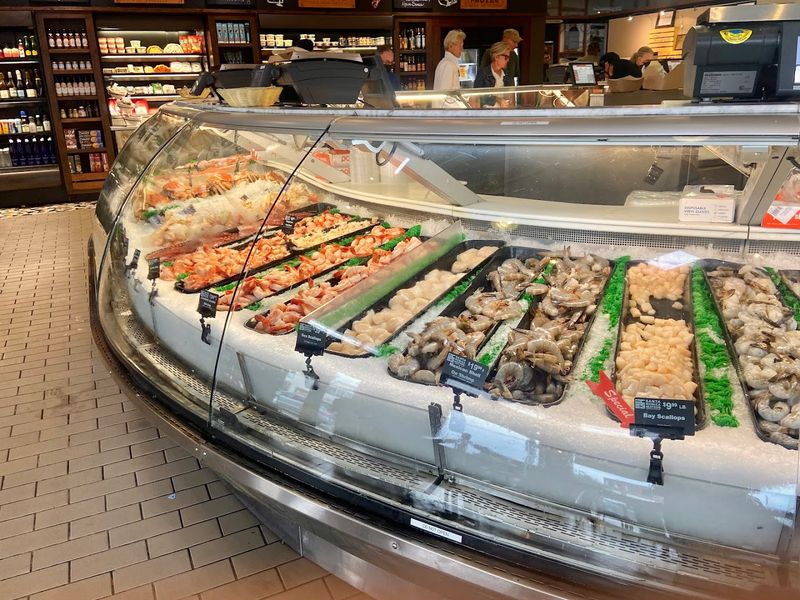
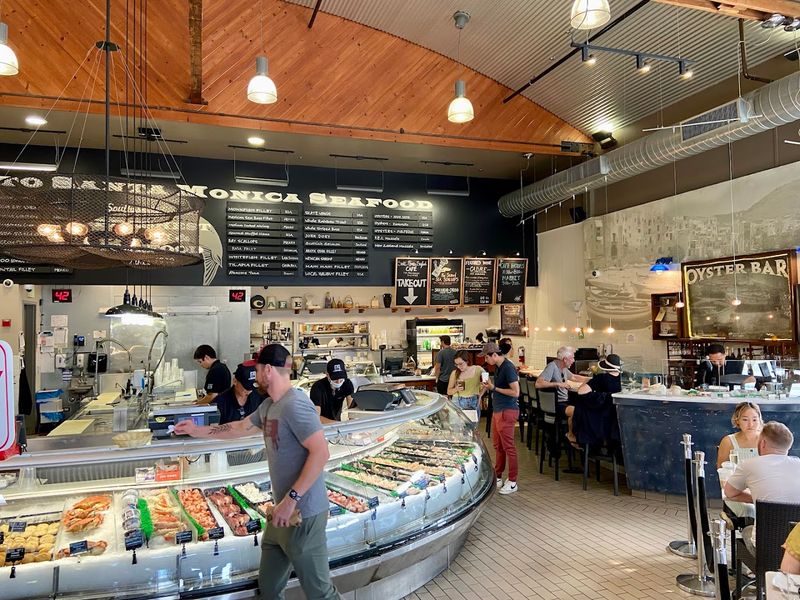
The Wilshire location combines a working seafood market with a full cafe, meaning guests walk past display cases filled with fresh whole fish, fillets, and shellfish on their way to the host stand.
That market-plus-dining format is genuinely rare. Most restaurants keep their kitchen sourcing invisible, but here the product is right in front of guests, laid out under bright lights and packed in ice.
The space at 1000 Wilshire Blvd, Santa Monica, CA 90401 is open daily from 9 AM to 8 PM, making it accessible for both a casual lunch and an early dinner.
The setup creates a kind of transparency that seafood lovers tend to appreciate.
Guests can see exactly what is available that day, ask questions about where specific fish came from, and even pick up something to cook at home after finishing a meal at the cafe.
That dual identity as both a retail fish counter and a sit-down dining spot makes the overall experience feel more grounded and honest than a standard seafood restaurant.
The Largest Wholesale Seafood Distributor in the Southwest
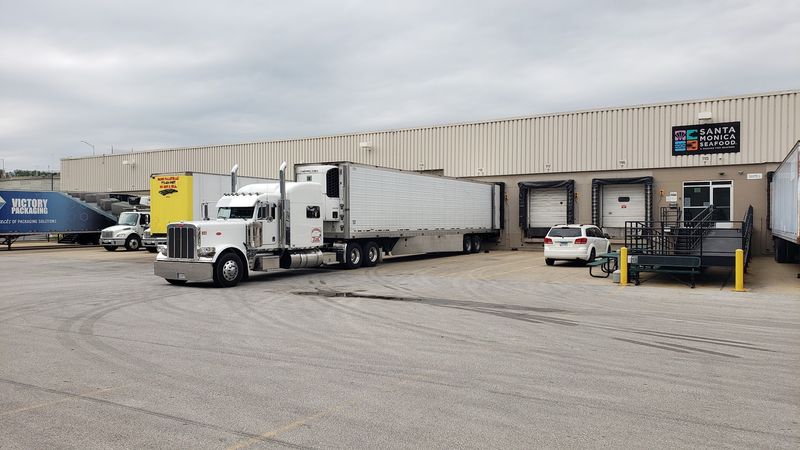
Behind the casual market-and-cafe vibe is a much larger operation than most guests realize.
Santa Monica Seafood is connected to what the company describes as the largest wholesale seafood-only distributor in the Southwestern United States.
This means the supply chain behind every plate of food served in the cafe runs through a serious commercial infrastructure.
That scale matters because it directly affects what ends up in the display cases and on the menu.
Access to a high-volume wholesale operation means the market can offer a wider variety of species, more consistent quality, and faster turnover of fresh product than a typical independent seafood counter could manage.
The fish on display tends to move quickly because the supply behind it is substantial.
For guests, the practical benefit is that freshness is structural rather than aspirational. It is not just a tagline on a chalkboard menu but a function of how the entire business is built.
Knowing that the cafe is essentially the public-facing side of a major regional seafood institution adds a layer of confidence to the dining experience that is hard to find at smaller, more isolated spots.
Sustainability Built Into the Business Model
Sustainability at Santa Monica Seafood is not a marketing phrase added to attract a certain type of customer.
The company created a Responsible Sourcing Program that ties a percentage of annual seafood purchases to supporting fishery health, food safety standards, and seafood education initiatives.
That kind of structured commitment is less common than the vague eco-friendly language found at many food businesses.
The market also highlights certified sustainable options, including products carrying MSC certification from the Marine Stewardship Council and BAP certification from the Best Aquaculture Practices program.
Both are internationally recognized standards that require verified supply chain accountability, not just good intentions from the seller.
Ordering a piece of certified sustainable fish at this market means the sourcing has been evaluated by third-party organizations rather than self-reported by a vendor.
It also means that eating here connects to a broader effort to support healthier ocean ecosystems, which gives even a casual lunch a slightly larger context without requiring guests to think too hard about it at the table.
Chef-Driven Specials That Go Beyond the Counter
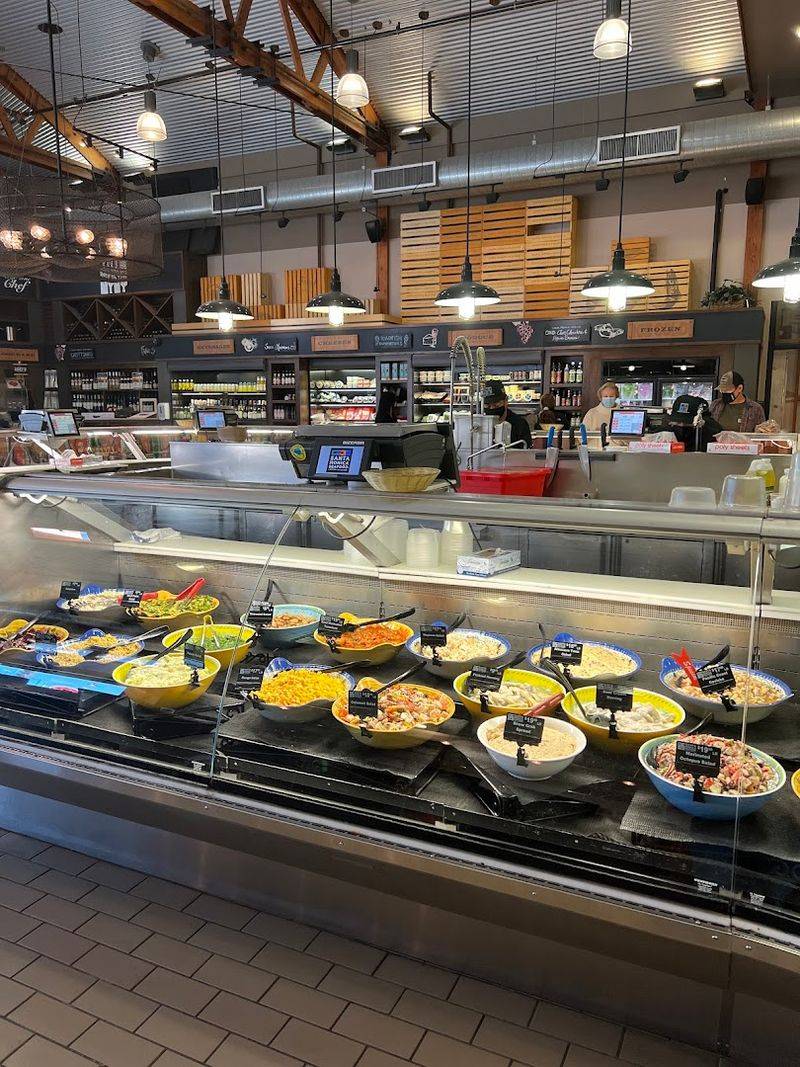
The casual seafood-counter reputation is only part of what happens in the kitchen here.
The cafe regularly features rotating chef-driven specials that lean into more refined territory, including dishes like fennel-crusted wild Alaskan halibut served with mushrooms, confit parsnip, white truffle, and English pea puree.
That is a level of culinary detail that sits well above standard fried-fish territory.
Other dishes that appear regularly include the Wild Hawaiian Bigeye Tuna Poke Bowl with Hawaiian dressing, sushi rice, avocado, sesame seed, tobiko caviar, and seaweed salad.
The Chilean sea bass, often prepared with black sesame, shiitake mushroom, and sauteed spinach, has also drawn consistent attention for its texture and depth of flavor.
The menu also lists where specific fish come from, which adds a transparency that feels consistent with the market side of the operation.
Knowing that a piece of halibut is wild-caught from Alaskan waters or that scallops are sourced from Peru changes how a dish reads on the menu and at the table.
What the Atmosphere Actually Feels Like Inside
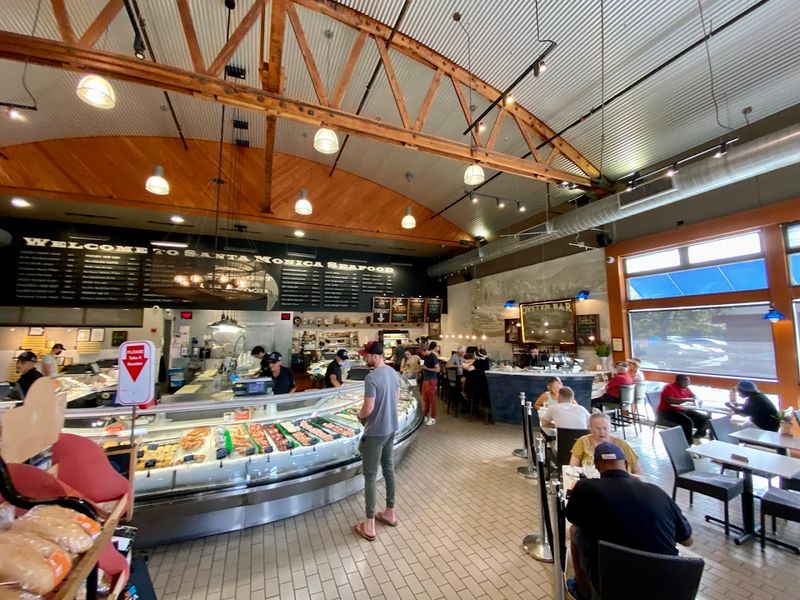
Bright natural lighting is one of the first things guests tend to notice when walking into the space.
The combination of open refrigerated display cases, a lively oyster bar, and a dining area with comfortable seating creates an atmosphere that feels energetic without being overwhelming.
Noise levels stay manageable enough that conversation flows easily even when the room fills up around midday.
The oyster bar is a particularly good spot for solo diners or those who want to watch the shucking process up close.
Sitting there gives a front-row view of the raw bar in action, which adds a sensory layer to the experience that a standard table seat does not offer.
The cafe also tends to get busier as the day progresses, so arriving earlier in the day can mean a shorter wait and a slightly quieter environment.
Parking is available in a free lot behind the building with access off 10th Street, and metered street parking is also available out front for shorter visits.
The overall pace of the space feels unhurried despite the volume of guests that pass through on a typical day, and the staff tends to move with a rhythm that keeps service feeling attentive rather than rushed.