California Is Hiding An Underground Swimming Hole And It’s Truly Gorgeous
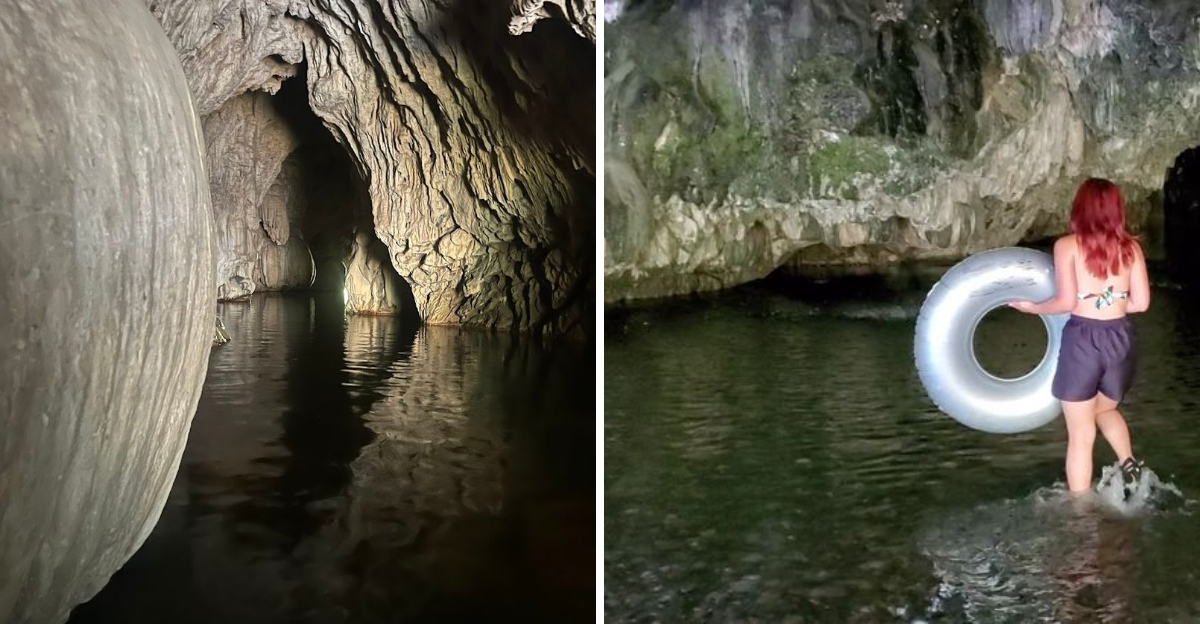
A swimming hole hidden underground already sounds like the kind of rumor people make up to keep a place interesting. Then California goes and has one for real.
Cool air, dim rock, and water glowing in that strange, quiet way can make the whole setting feel half secret, half dream.
It does not come across like a typical summer stop. It feels hushed, almost protective, as if the landscape decided to keep one beautiful thing tucked out of sight.
Reaching a place like this changes the mood before you ever step in.
Voices drop. Time loosens. Even the first look can feel like a small shock.
Gorgeous hardly covers it. Some places are scenic. This one feels discovered.
What Exactly Is Coyote Creek Cave And Why Is It Special
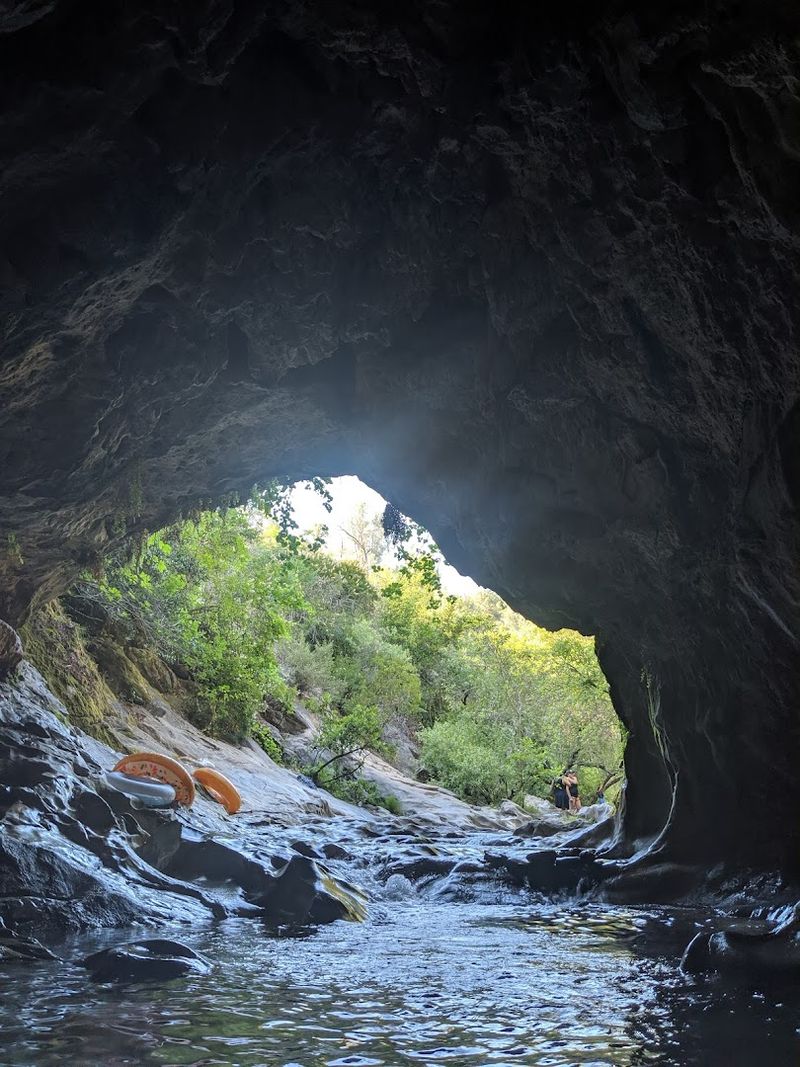
Not many places on Earth let you swim through a cave, and Coyote Creek Cave, located at Parrotts Ferry Rd, Vallecito, CA 95251, United States, is one of the rare few that does.
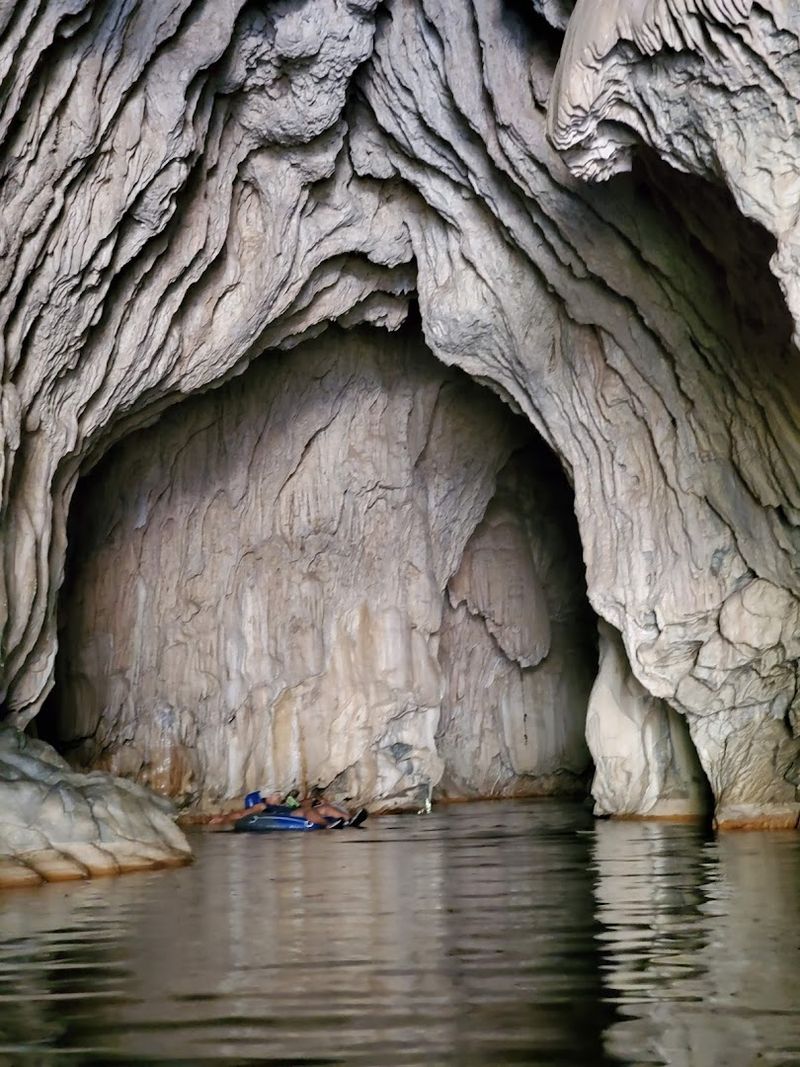
Carved over thousands of years by the slow, patient force of Coyote Creek, the limestone tunnel at Natural Bridges stretches somewhere between 250 and 500 feet long depending on the water level.
From the middle of the cave, visitors can see daylight at both ends, which gives the whole experience a dramatic, almost cinematic quality.
The cave is a natural limestone formation, shaped by water dissolving rock over millennia. Stalactites and flowstone formations line portions of the interior, and the creek runs cold and clear along the floor.
The combination of geological detail and actual swimmable water makes this place genuinely unlike most California swimming holes.
Conservation groups and the U.S. Bureau of Reclamation both recognize the site as ecologically significant, which is part of why access rules are taken seriously.
Staying on designated paths and respecting the formations helps protect what took nature an incredibly long time to build.
The Trail Down To The Cave And What To Expect On The Way
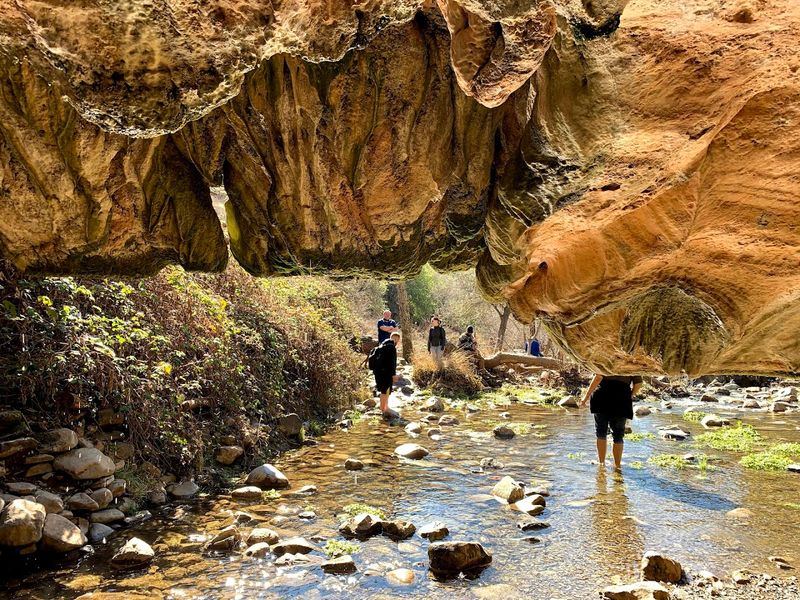
Reaching the cave means earning it, and that hike is part of what makes the payoff feel so satisfying.
The Natural Bridges Trail starts at the trailhead on Parrotts Ferry Road and descends roughly three-quarters of a mile to about one mile depending on the route chosen.
There are two main paths: a steeper and shorter option that leads to the upstream entrance, and a longer gentler trail near the restroom area that leads to the downstream side.
The trail surface is mostly dirt with exposed rocks, and some sections get steep enough to require careful footing.
Solid shoes with good grip make a real difference here, and sandals or flip-flops are genuinely not a good idea.
Poison oak grows along parts of the trail, so long pants or careful awareness of trailside plants is worth keeping in mind.
The hike down typically takes around 15 to 20 minutes for most adults moving at a comfortable pace. The return trip is uphill the entire way, with a grade that gets noticeably steeper near the top.
Bringing enough water for both the hike and the swim is one of the most practical things anyone can do before setting out. The trail is shaded in sections, which helps on warmer days.
The Water Inside The Cave And What Swimming Through It Feels Like
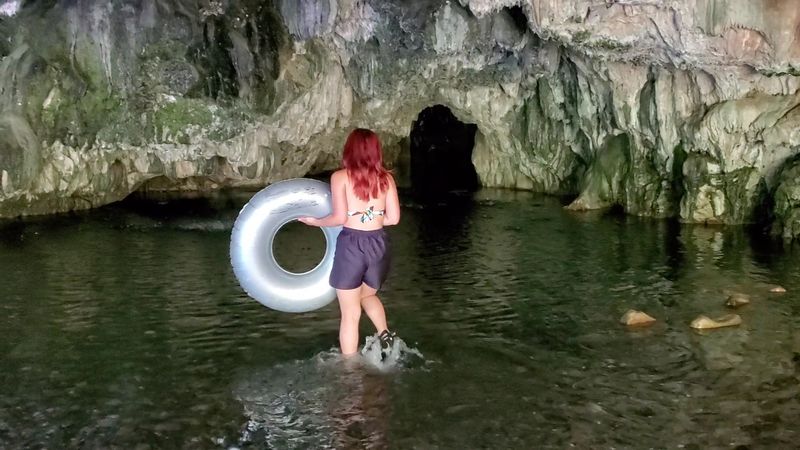
Cold is the first word that comes to mind when describing the water inside Coyote Creek Cave, and that is not an exaggeration.
The creek is spring-fed, which means it stays cold throughout the year regardless of how hot the air temperature gets outside.
After a steep hike down in summer heat, that cold water tends to feel like the best thing in the world for about thirty seconds, and then the body adjusts and the fun begins.
Water depth inside the cave varies depending on the season and recent rainfall. Some sections run shallow enough to wade through comfortably, while deeper spots can reach six feet or more.
The bottom is rocky and uneven, so moving slowly and watching each step is genuinely important, especially in lower-light sections deeper inside the tunnel.
Floating through on a tube or inflatable is widely considered the most enjoyable way to experience the cave.
A waterproof bag for phones and valuables is a smart addition since getting wet is essentially guaranteed once inside.
The cave stays noticeably cooler than the outside air, and the sound of water echoing off limestone walls creates an atmosphere that is hard to replicate anywhere else in the state.
Parking, Location, And How To Find The Trailhead
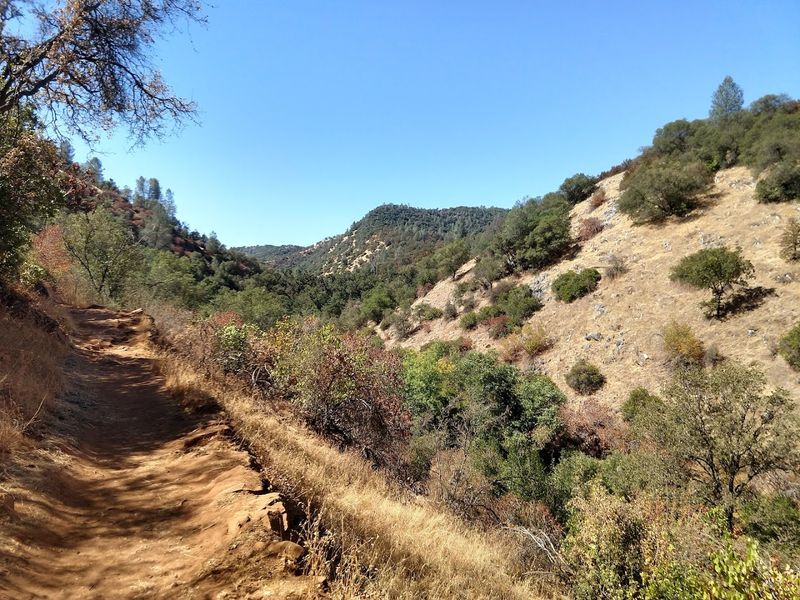
Finding the right parking spot matters more here than at most trailheads, and a bit of preparation saves confusion on arrival.
The Natural Bridges Day Use Area is located along Parrotts Ferry Road near Vallecito in Calaveras County.
The trailhead address most commonly referenced is near 4988 Parrotts Ferry Road, Vallecito, CA 95251, and navigating to the Natural Bridges Trailhead specifically rather than the cave’s pin on mapping apps tends to lead to the correct starting point.
Parking availability is limited, and the lot fills up quickly on weekends and during summer months. Arriving early in the morning gives the best chance of securing a spot without stress.
There is a portable restroom at the parking area, which is the only bathroom facility available before the descent begins, so making use of it before heading down is a practical move.
The U.S. Bureau of Reclamation manages the site, and a day-use parking fee of around eight dollars has been associated with the area, though fees and payment methods can change over time.
Dogs and bikes are not permitted on the trail, which helps keep the path quieter and the ecosystem less disturbed for everyone who makes the trip.
What To Bring For A Safe And Comfortable Visit
Packing smart for this trip makes the difference between a smooth adventure and a frustrating one.
Water is the single most important thing to bring, and more than expected is always better than not enough, especially since the hike back is entirely uphill.
Snacks that pack easily and produce minimal waste are a good addition since there are no food vendors or services anywhere near the trail.
For the cave itself, a floatable device like an inner tube or inflatable pad transforms the experience from a wade to an actual float-through.
A waterproof case or dry bag for a phone is strongly recommended since the rocky footing and low ceilings inside the cave make accidental drops into the water a real possibility.
A flashlight or headlamp can be useful for darker sections of the cave interior, though on a bright sunny day the natural light from both ends reaches surprisingly far.
Wearing a swimsuit under hiking clothes makes transitioning at the cave much simpler. A change of dry clothes left in the car is genuinely appreciated after the swim.
The Bureau of Reclamation and conservation groups emphasize packing out all trash, so bringing a small bag for waste keeps the site clean for future visitors. Leave-no-trace principles apply strongly here.
The Best Time Of Year To Visit Coyote Creek Cave
Timing a visit to Natural Bridges can shape the entire experience in ways that are worth thinking through before heading out.
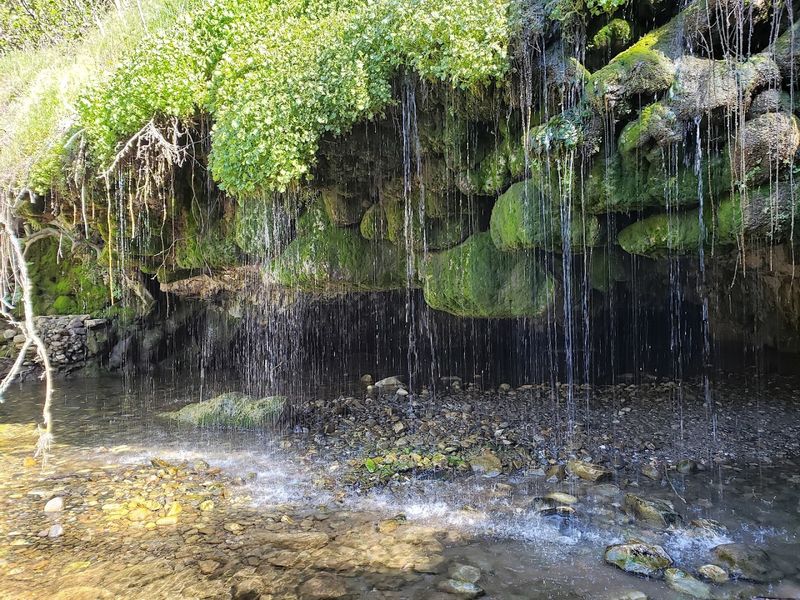
Late spring and early summer tend to offer the most appealing combination of conditions: water levels are still healthy from winter rainfall and snowmelt, temperatures are warm enough to make a cold swim feel refreshing rather than punishing, and wildflowers along the trail add a visual bonus that is hard to beat.
Calaveras County tourism specifically highlights spring as a prime time for the area, with wildflowers blooming across the hillsides surrounding the cave.
Summer visits are popular and busy, particularly on weekends when parking tends to fill up fast.
Visiting on a weekday during summer is one of the most reliable ways to find a quieter, more relaxed experience at the cave itself.
Fall visits are possible and can be pleasant as temperatures cool, though water levels may be lower by late season.
Winter visits are generally not recommended for swimming given the water temperature and weather conditions, but the cave remains accessible for those who simply want to see the formation.
Water depth and flow vary significantly by season, so conditions at any given visit may differ from what others have described at other times of year.
Conservation Efforts And Why Protecting This Place Matters
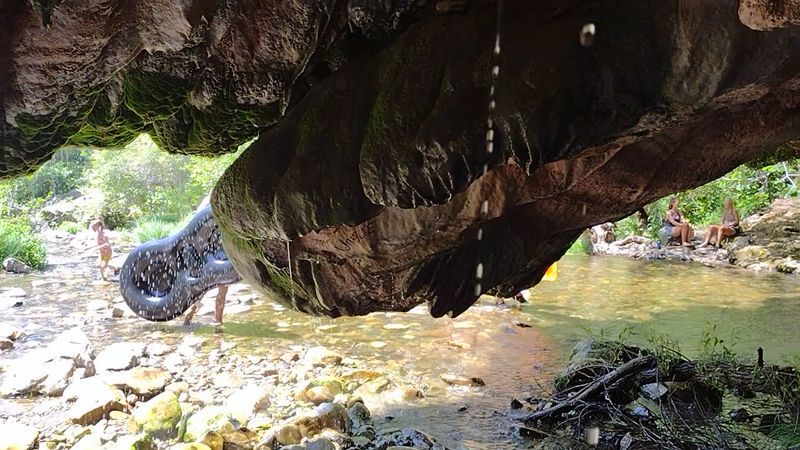
Coyote Creek Cave exists in a fragile balance between natural wonder and human impact, and that tension is something every visitor plays a role in.
The Western Cave Conservancy has launched active restoration projects at Natural Bridges specifically to address damage caused by graffiti, vandalism, and careless visitor behavior.
Stalactites and flowstone formations that took thousands of years to develop can be damaged or destroyed in moments, and that loss is permanent.
The Bureau of Reclamation manages the surrounding land and has put rules in place that reflect how sensitive the ecosystem is.
No dogs, no bikes, and a strong leave-no-trace emphasis are all part of protecting both the cave and the creek habitat that runs through it.
Graffiti has appeared on cave walls over the years, and conservation groups continue to work on removing it while educating visitors about why it matters.
Packing out every piece of trash, staying on marked trails, and keeping hands off the cave formations are the most direct ways any visitor can contribute to keeping this place intact.
The site’s relatively low-key infrastructure, limited parking, and short trail are features rather than flaws since they help limit the volume of foot traffic the cave receives at any one time.
Safety Tips For Swimming And Navigating The Cave
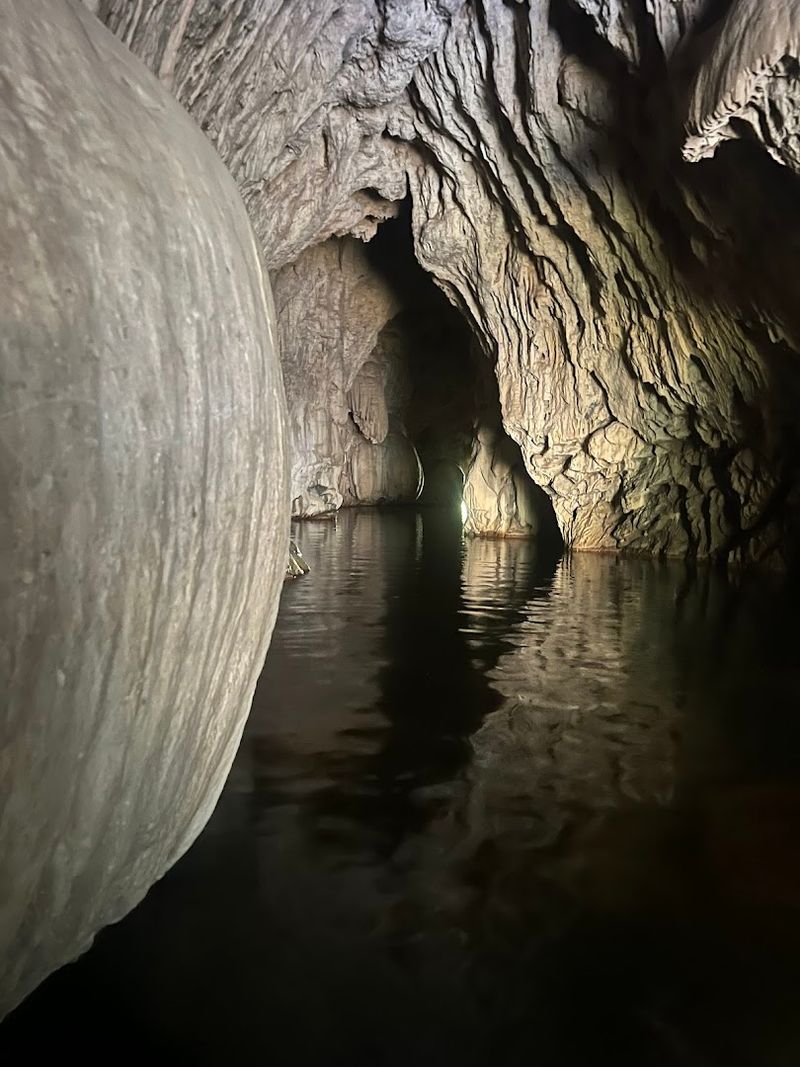
The cave is genuinely fun, but it comes with real physical considerations that are worth taking seriously before stepping inside.
Water depth shifts depending on the season, and spots that look shallow can suddenly drop to six feet or deeper.
Anyone who is not a confident swimmer should wear a life jacket or use a floating device, and that applies to children especially, since the cold water and rocky bottom can be disorienting for younger or less experienced swimmers.
The cave ceiling is low in certain sections, which means hunching, ducking, or navigating carefully is part of moving through it.
Slippery rocks underfoot make slow and deliberate movement smarter than rushing. A headlamp or flashlight adds comfort and safety in the deeper interior sections where natural light from the entrances begins to fade, even on the sunniest of days.
Going through the cave with at least one other person is a reasonable safety habit rather than just a social preference.
If someone gets into difficulty in cold water, having another person nearby matters.
Keeping valuables in a waterproof bag or leaving them secured at the cave entrance prevents the frustrating and potentially serious problem of a waterlogged phone at the bottom of a dark creek.