7 California Laws That Still Confuse Visitors

Traveling to California brings sunshine, beaches, and a whole lot of head-scratching moments when you stumble upon some truly bizarre laws. From peacocks crossing the street to rules about what you can do with your bicycle, the Golden State has regulations that make even locals do a double-take.
I’m here to walk you through some of the most puzzling laws that continue to baffle tourists and residents alike.
1. No Whistling for Lost Canaries Before 7 a.m. in Berkeley

Lost your pet canary and want to whistle it back home?
You’ll have to wait until after 7 a.m. if you’re in Berkeley.
This city has noise ordinances that specifically ban what they call unreasonable noise during early morning hours, and apparently whistling for your escaped bird falls into that category.
Berkeley takes its peace and quiet seriously, especially when residents are trying to sleep in.
The law aims to prevent disturbances that could wake up neighbors who are still catching their morning rest.
So if your canary decides to fly the coop at dawn, you’ll need to find quieter ways to coax it back.
Maybe try holding up some birdseed instead of breaking out your best whistle until the clock strikes seven!
2. No Washing Your Neighbor’s Car Without Permission in Los Angeles

Thinking about doing a good deed and washing your neighbor’s dusty car?
Hold that sponge, because in Los Angeles, touching someone else’s vehicle without their consent is actually illegal.
This law exists to prevent property disputes and protect people from unwanted services they didn’t ask for.
What might seem like a friendly gesture could land you in hot water legally.
The regulation ensures that property owners maintain control over who touches and services their vehicles.
Before you decide to surprise your neighbor with a sparkling clean car, make sure you get their permission first.
Better yet, just offer to help rather than taking matters into your own hands without asking!
3. Peacocks Have the Right of Way in Arcadia

Ever seen a bird strut across the road like it owns the place?
In Arcadia, peacocks literally have legal protection to do exactly that.
The city passed an ordinance giving these colorful birds the right of way on all public roads, which means drivers must stop and wait for them to cross.
Arcadia is home to a large population of wild peacocks that roam freely through neighborhoods and streets.
The law protects these feathered residents from being disturbed or harmed as they go about their daily business.
If you’re driving through Arcadia and see a peacock taking its sweet time crossing the street, just remember that patience is required by law.
These birds aren’t just pretty to look at – they’re legally protected pedestrians with full crossing rights!
4. Autonomous Vehicles Cannot Exceed 60 MPH
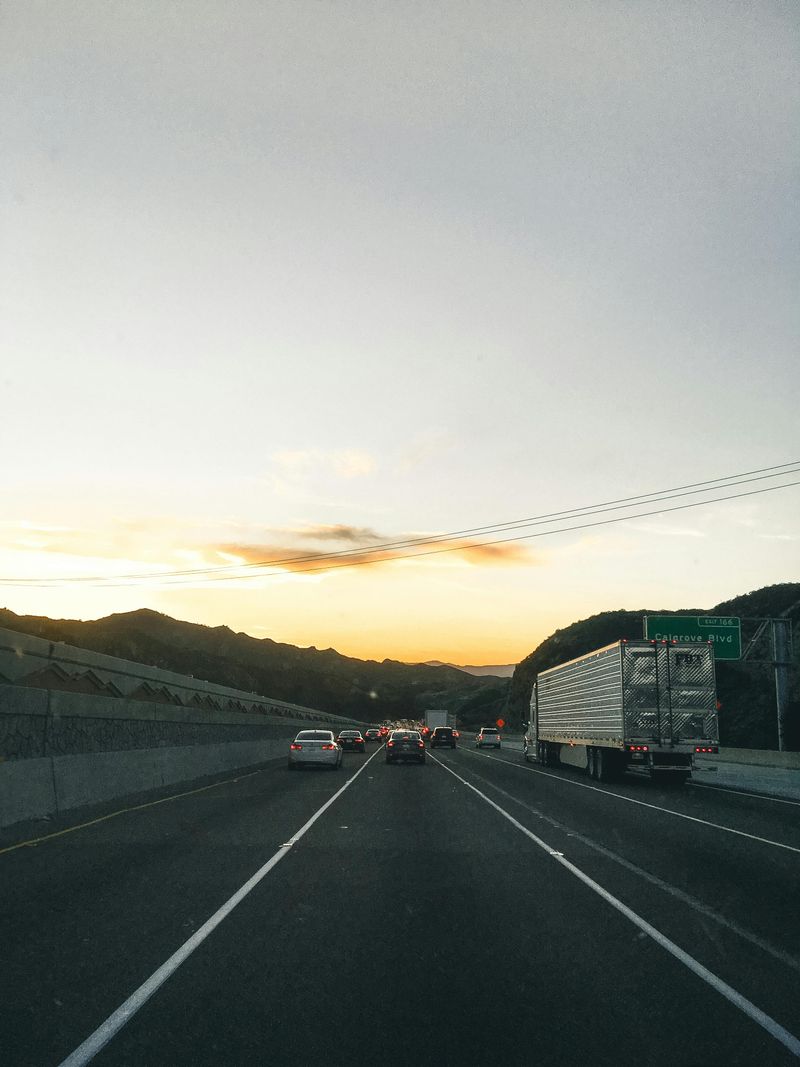
Self-driving cars are the future, but California keeps them on a tight leash.
State law prohibits autonomous vehicles from traveling faster than 60 miles per hour, regardless of what the speed limit says.
This regulation exists because self-driving technology is still developing and higher speeds create more complex situations for computers to handle.
Safety concerns drive this particular restriction since autonomous systems need time to process information and react.
Keeping speeds lower gives these vehicles more reaction time when unexpected situations arise on the road.
If you’re testing out a self-driving car in California, don’t expect to cruise at freeway speeds.
The technology might be advanced, but the law keeps it grounded at a moderate pace for everyone’s protection!
5. No Riding a Bicycle in a Swimming Pool in Baldwin Park

Planning some extreme pool sports during your California visit?
Baldwin Park has a specific ordinance that prohibits riding bicycles in swimming pools, so you’ll have to take your tricks elsewhere.
While nobody knows exactly why this law was created, officials likely wanted to prevent damage to both expensive pool surfaces and bicycles.
Swimming pools and bicycles just don’t mix well from a safety standpoint either.
The combination could lead to injuries, broken equipment, and costly repairs for pool owners.
Keep your bike rides on the pavement and your swimming pool activities to actual swimming.
It might seem like common sense, but apparently Baldwin Park felt the need to make it official law just to be safe!
6. No Flying Kites Higher Than 10 Feet in Walnut

Kite flying sounds like innocent fun until you visit Walnut.
This city has an unusual restriction that makes it illegal to fly kites higher than 10 feet off the ground.
Officials never clearly explained the reasoning, but the law probably aims to prevent kites from tangling in power lines or interfering with low-flying aircraft.
A 10-foot limit basically means your kite can barely get off the ground before you’re breaking the law.
Most kites need much more altitude to actually fly properly and catch the wind.
If you’re planning a kite-flying outing in Walnut, you might want to choose a different city.
Otherwise, you’ll be stuck watching your kite hover awkwardly just above your head while staying technically legal!
7. No Moth Hunting Under Street Lamps in Los Angeles

Chasing moths around street lamps might seem harmless, but Los Angeles says otherwise.
The city has an ordinance making it illegal to hunt moths that gather under street lamps at night.
Nobody really knows why this specific law exists, though it might protect moths from harassment or prevent people from damaging public property.
Moths naturally flock to artificial lights after dark, creating clouds of fluttering insects around every lamp post.
Some people apparently found this tempting enough that lawmakers felt the need to intervene.
Leave those moths alone when you’re walking through LA at night.
They’re just trying to live their best moth lives, and the law has their backs against any would-be hunters with nets or jars!