California Nutritionists Warn Against These 15 Common Frozen Foods
If your freezer is your weeknight hero, you are not alone.
Many frozen foods appear harmless at first glance, especially when labels promise balance or better choices.
The problem often shows up in the ingredient list rather than the front of the box, California nutritionists have warned.
Excess sodium, added sugars, and highly processed fats are common concerns nutritionists point out.
Some frozen items rely heavily on preservatives to maintain flavor and texture.
Others mask poor nutritional quality with clever branding or health-focused buzzwords.
California nutritionists often emphasize patterns rather than single meals.
When certain frozen foods become everyday staples, the impact can quietly add up.
That does not mean all frozen foods are off limits or inherently bad.
It does mean some options work against health goals more than people realize.
Learning what to avoid can be just as important as knowing what to buy.
Small choices made consistently tend to shape long-term outcomes.
The Golden State’s nutritionists encourage shoppers to pause before tossing familiar frozen items into the cart.
After all, awareness creates room for better decisions without overhauling everything at once.
Moreover, avoiding the worst offenders can make space for more nourishing options.
Stick with me, and you will spot the sneaky culprits fast, learn what to grab instead, and feel better about every quick dinner you toss in the oven!
1. Frozen Pizza Loaded With Preservatives
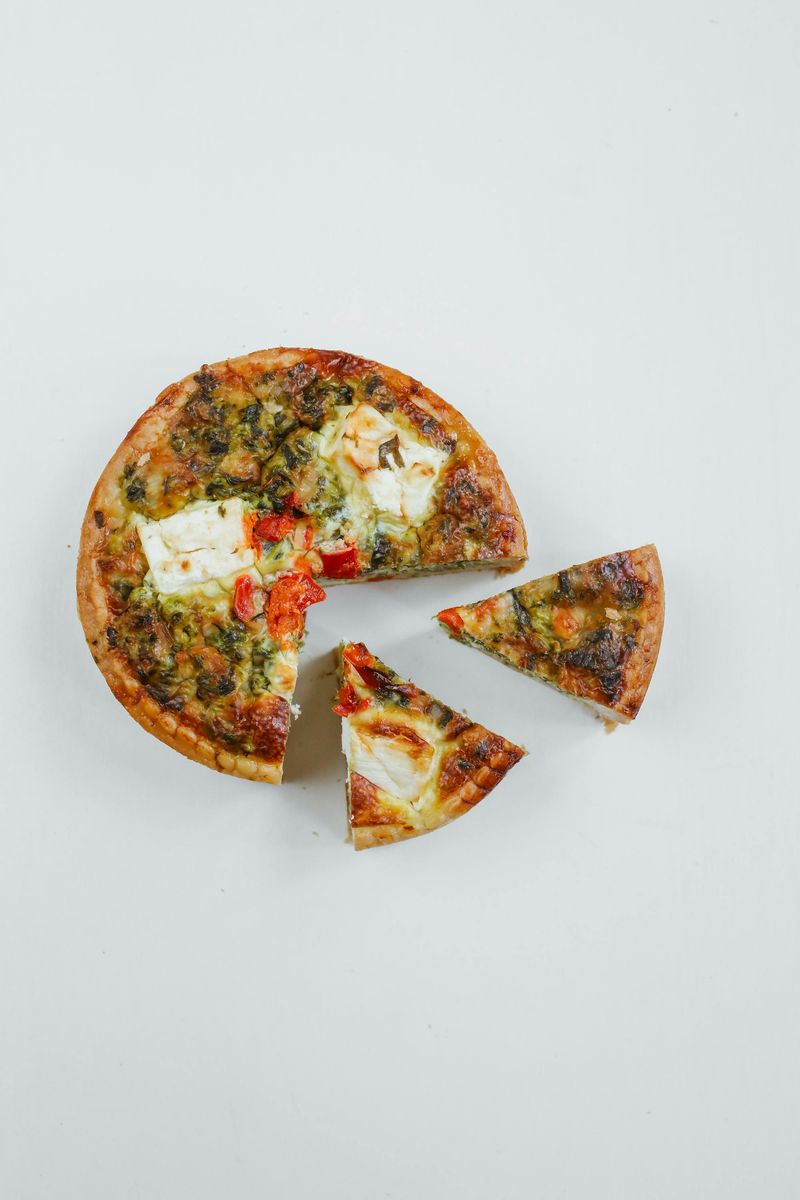
Frozen pizza can be a sodium bomb, especially when topped with processed meats like pepperoni or sausage.
California dietitians point out that many brands rely on preservatives such as nitrates and nitrites, plus stabilizers and refined flours that leave you hungry later.
Even a modest serving often exceeds a third of the recommended daily sodium limit, which is a problem if blood pressure or heart health is on your radar.
The crust is typically made from refined white flour that spikes blood sugar, while cheese blends add saturated fat.
Ultra processed toppings can carry phosphates and artificial flavors that do little for real nutrition.
If heartburn follows pizza night, the salt and added fats are likely contributors, and late night bloat is surprisingly common.
Want a smarter swap you can still bake fast?
Try a thin crust made from whole grains, top it yourself with frozen spinach, mushrooms, and a little fresh mozzarella, then season with garlic and herbs.
You will trim sodium, boost fiber, and actually taste the vegetables.
If convenience is non-negotiable, look for labels with fewer than 600 milligrams sodium per serving and no processed meats.
2. Breaded Chicken Nuggets
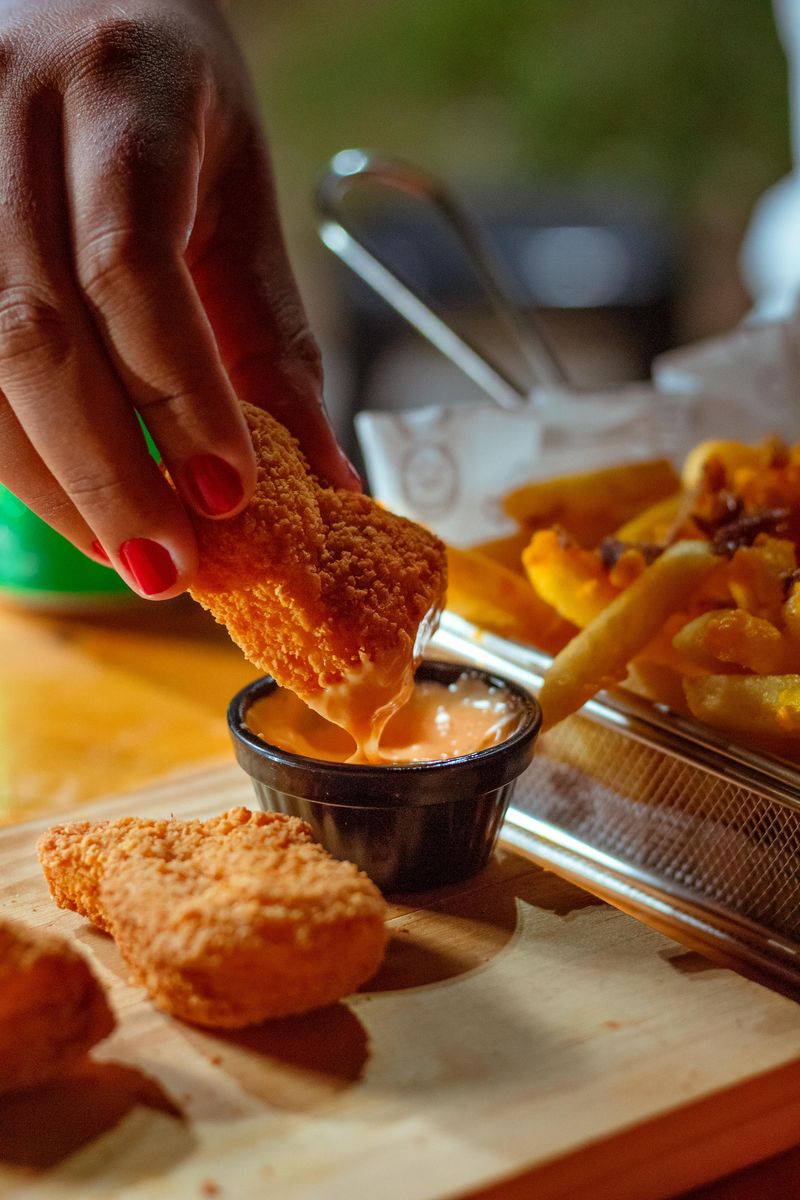
Frozen chicken nuggets sound friendly, but the breading can hide a lot of fillers, starches, and seed oils.
California nutritionists warn that many varieties contain restructured meat, meaning a slurry of chicken parts pressed into shapes rather than whole cuts.
That process often pairs with sodium phosphates and flavor enhancers to mimic juiciness, which can be hard on blood pressure and hydration balance.
The breading is usually refined flour plus oil that was already used in par frying before packaging.
That double hit of fat and starch is why a small portion can feel heavy. Add dipping sauces and you quickly tip into sugar and more salt.
Kids love them, but that does not make them a routine staple for growing bodies.
Better move: choose plain frozen chicken breasts or tenders without breading and season them yourself.
Air fry or oven bake, then pair with frozen veggies and a quick yogurt based dip.
If nuggets are non negotiable, scan for products listing whole muscle chicken first, shorter ingredients, and under 400 milligrams sodium per serving.
You will get more protein integrity, fewer additives, and a cleaner flavor that actually satisfies.
3. Waffle Breakfast Sandwiches
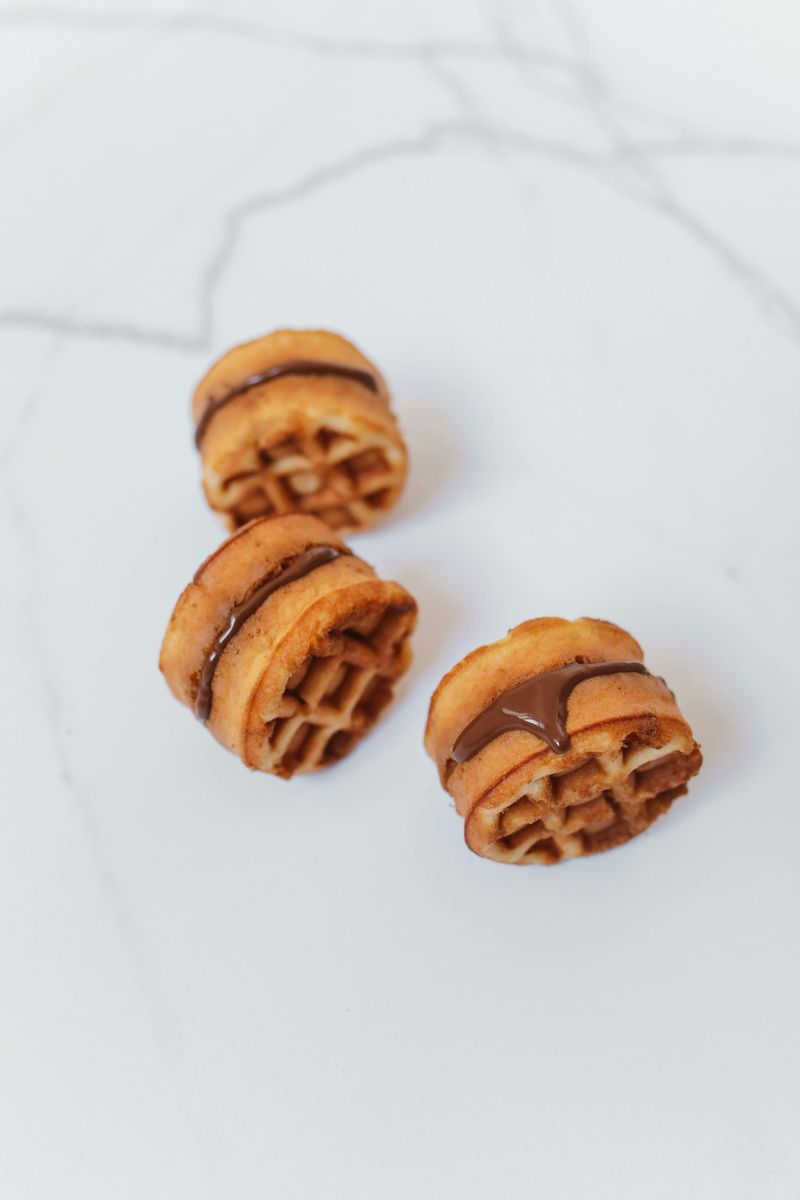
Waffle breakfast sandwiches layer refined flour waffles with processed cheese and meats, creating a salty, sugary combo that spikes and crashes energy.
Dietitians claim that added sugars in the waffle batter, plus saturated fat from cheese and meat, can make mornings groggy.
Many sandwiches exceed 700 milligrams of sodium, and that is before any extra condiments.
Manufacturers often use stabilizers, artificial flavors, and colorings to keep texture appealing after reheating.
The end result tastes sweet and savory, but it is light on fiber and micronutrients, so you stay hungry.
If you are aiming for steady focus, that roller coaster is not your friend.
Instead, try a freezer friendly make ahead swap.
Toast whole grain waffles, layer with scrambled eggs made from real eggs, a slice of tomato, and a handful of spinach, then freeze individually.
Reheat in a toaster oven for crunch without the additives.
Or go even simpler with whole grain toast and a veggie omelette.
You will get more fiber, better fats, and flavor that feels like breakfast, not a food lab experiment.
4. Microwavable Breakfast Burritos
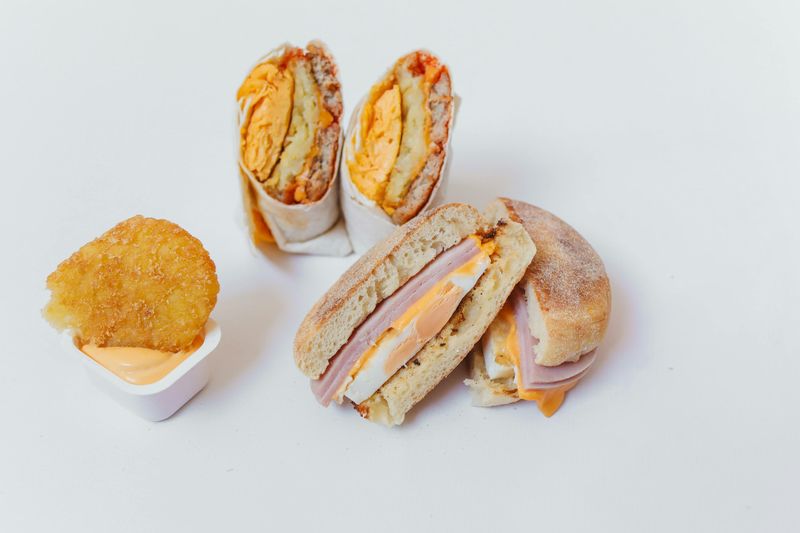
Frozen breakfast burritos promise protein, but many are packed with refined tortillas, processed meats, and salty sauces.
Nutritionists note that the eggs can be extended with fillers, and the tortilla alone can run high in sodium.
When the ingredient list stretches long, you are usually paying for stabilizers rather than real vegetables.
Another issue is portion creep.
A single burrito may seem modest, but the calorie density can be high with little fiber to balance.
That means a quick microwave meal that leaves you sluggish mid morning and hunting for snacks by 10 a.m., not ideal for steady energy.
Upgrade with a DIY batch using whole wheat tortillas, real scrambled eggs, black beans, sautéed peppers, and a sprinkle of cheese.
Freeze them individually, then reheat in a skillet or air fryer for texture you will actually enjoy.
If you prefer store bought, scan for burritos under 500 milligrams sodium, with beans and veggies in the top ingredients and no processed meat.
That change alone shifts the burrito from a salt bomb to a reasonably balanced breakfast.
5. Frozen Pasta Meals

Frozen pasta bowls often rely on creamy sauces heavy with saturated fat and salt.
These meals make for low vegetable content and oversized portions that still leave you oddly unsatisfied.
Many dishes pass through a par cooking step with added oils, then get sauced again, doubling fat without meaningful nutrients.
Cheese stuffed varieties can push calories high fast, while fiber stays low.
That balance leads to sleepy afternoons and cravings later.
Some meals also contain preservatives and emulsifiers that keep sauces from separating after reheating.
Not dangerous in isolation, but not the nutrition upgrade you are hoping for either.
Reach for frozen plain vegetables and a bag of whole wheat pasta instead.
Boil, toss with olive oil, garlic, and a handful of frozen peas or spinach, and finish with lemon zest.
You will get a brighter flavor, more fiber, and control over salt.
If you want a ready meal, scan labels for at least 5 grams of fiber, under 600 milligrams sodium, and a short ingredient list.
That simple filter makes pasta night feel comforting without the crash.
6. Pre-Made Smoothie Packs
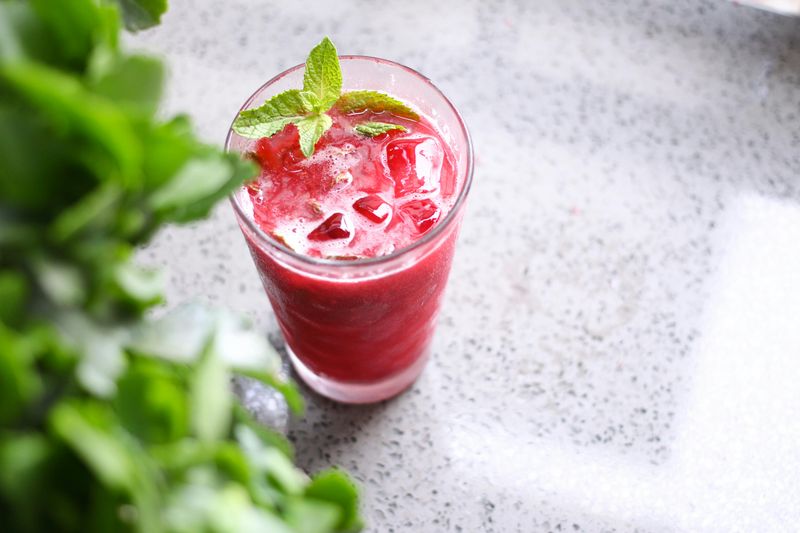
Pre-made frozen smoothie packs can look wholesome, but some sneak in added sugars, sweetened yogurt pellets, or juice concentrates.
Those extras are said to shift a fruit and veggie snack into dessert territory.
Artificial flavors and stabilizers may help texture, yet they do not add vitamins your body needs.
Even without sugar, portions can be misleading.
Blends heavy on mango or banana without greens can spike blood sugar and leave you hungry.
If a pack lists syrups or sweetened fruit, it is not doing your morning any favors.
The convenience is real, but so is the sugar load.
Build a smarter freezer stash!
Bag your own combos with unsweetened berries, spinach, avocado for creaminess, and a slice of frozen banana.
Add flax or chia, then blend with water or unsweetened milk.
You will get fiber, antioxidants, and a texture you control.
If buying pre made, choose packs with only whole fruit and vegetables, no added sugars, and keep portions modest so the smoothie supports your day, not derails it.
7. Seasoned French Fries
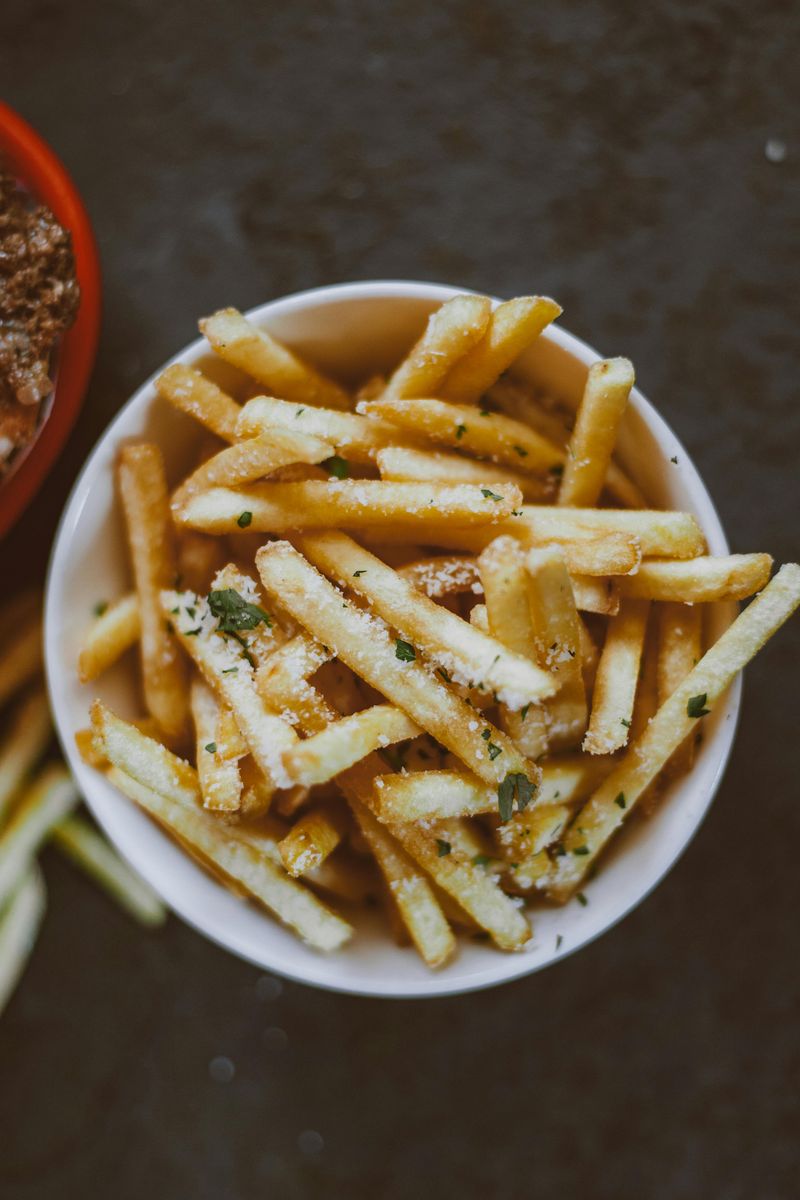
Frozen seasoned fries are usually pan fried in industrial oils, then coated with salt, starches, and flavor powders.
California nutritionists point out that you are essentially reheating fried food at home.
Even air frying does not erase the oil already absorbed during processing, which is why they crisp up so fast.
Seasoning blends can hide sugar, MSG, and anti caking agents.
The sodium adds up quickly, especially when fries share the plate with a salty entrée.
Portion sizes also skew large, and the refined starch can spike blood sugar more than you would expect from a side.
Craving crunch?
Cut potatoes or sweet potatoes into wedges, toss with a light coating of olive oil, paprika, garlic, and bake.
Or buy unseasoned frozen potato slices with no added oils and roast them yourself.
You will control salt, skip the mystery powders, and still get that golden edge you want.
If you do choose seasoned fries, aim for brands with simple ingredients and keep a measuring cup handy.
A real serving can satisfy without turning dinner into a salt fest.
8. Frozen Breakfast Pastries
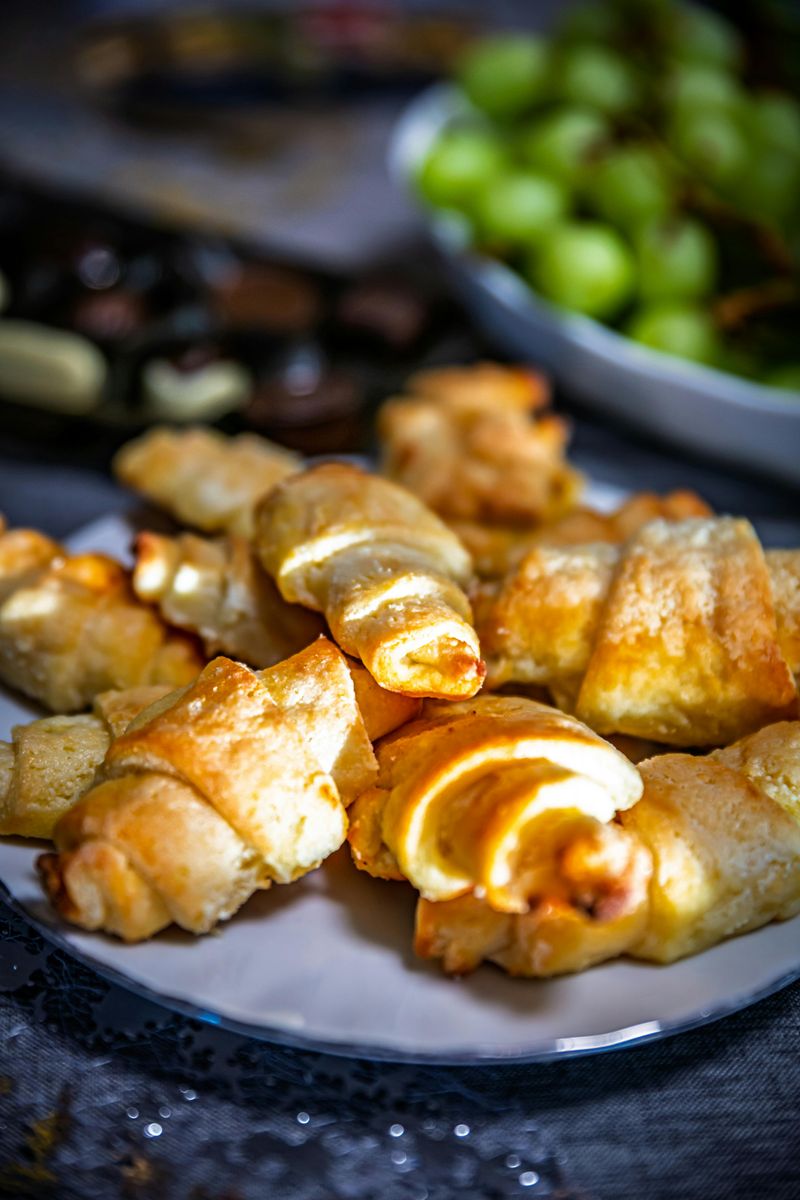
Frozen breakfast pastries pack a one two punch of refined flour and added sugar, often with artificial colors and partially hydrogenated ingredients phased out but replaced by similar fats.
Dietitians warn that these treats can push blood sugar high and leave you hungry an hour later.
The fruit fillings are often more syrup than fruit, and icing adds extra sugar without nutrients.
Because they are quick, it is easy to slip into a daily habit that crowds out protein and fiber.
Many pastries also bring preservatives to keep the crust flaky after freezing.
Tasty, sure, but not a steady breakfast plan if you are aiming for heart and metabolic health.
Swap in whole grain toast with nut butter and sliced berries, or try frozen whole grain waffles topped with Greek yogurt and cinnamon.
If you love a pastry moment, keep it occasional and pair with a protein rich side like eggs or cottage cheese.
For store options, look for lower sugar, at least 3 grams fiber, and ingredients you recognize.
Your energy will last longer, and you will still enjoy something sweet without the crash.
9. Battered Fish Sticks
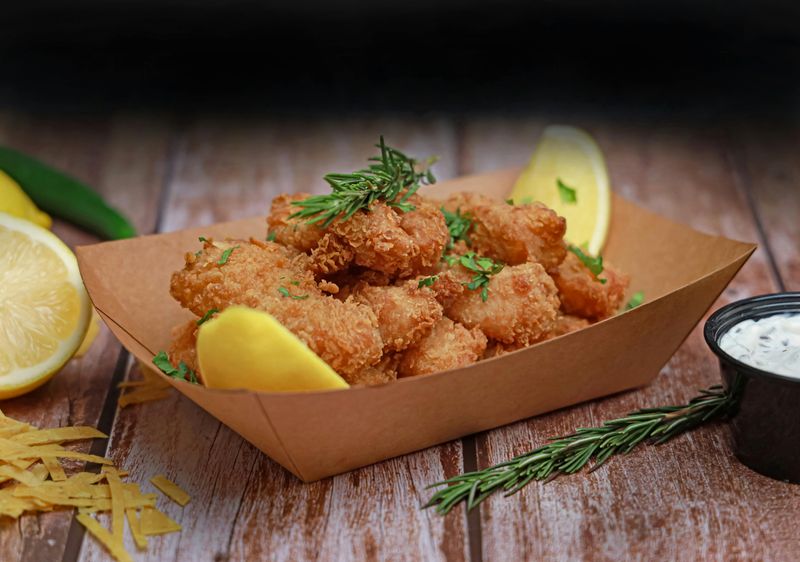
Fish sticks sound like an easy way to get seafood, but many are heavy on breading and light on actual fish.
Nutritionists point to minced white fish blended with fillers, then par fried in oil before freezing.
That double cook makes them quick to crisp, yet it adds saturated fat and calories without the omega 3s you expect from quality fillets.
Sodium also runs high to boost flavor, while the thick coating turns a lean protein into a starchy finger food.
Kids may love the crunch, but the nutrition payoff is not great. If your goal is more seafood, this is not the most efficient route.
Look for frozen wild salmon or cod fillets instead and bake with lemon and herbs.
Or choose brands that list whole fillets with a thin coating and lower sodium.
Serve with steamed frozen vegetables and a squeeze of citrus.
You will get true seafood benefits, cleaner ingredients, and a satisfying dinner that does not feel greasy.
Pair with a yogurt dill sauce for freshness, and you will not miss the stick shape one bit.
10. Microwave Pot Pies
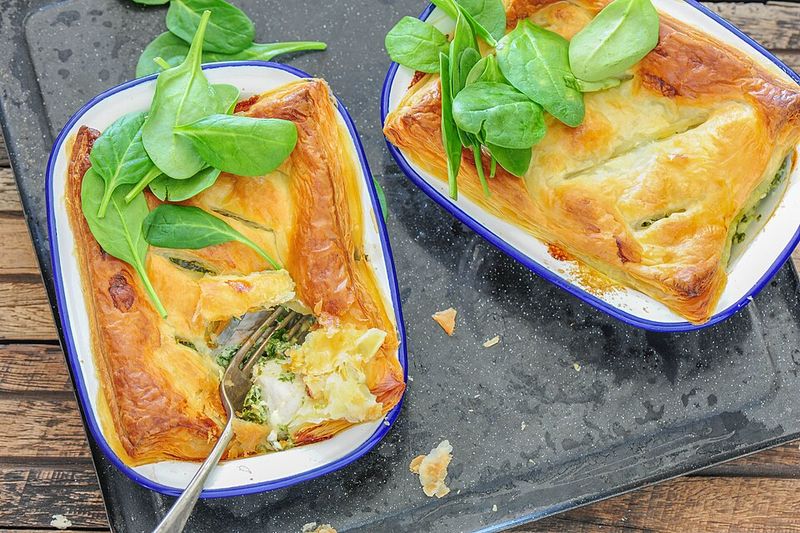
Frozen pot pies wrap a salty gravy and small bits of meat and vegetables inside a buttery crust.
They’re very high in sodium, saturated fat, and known for large portions that go down fast because the crust is soft.
The filling often contains thickeners and flavor enhancers to make up for minimal vegetables.
One pie can exceed half the day’s sodium goal, and the crust alone brings significant calories.
That combo can leave you sluggish after lunch. If you are watching heart health, it is an easy place to cut back without sacrificing comfort entirely.
Craving the same cozy vibe?
Bake a lighter version using rotisserie style chicken you shred yourself, frozen mixed vegetables, and a broth thickened with a little milk and flour.
Top with a single sheet of puff pastry or whole wheat biscuits for portion control.
Or serve the filling over mashed cauliflower or potatoes.
If you must buy frozen, share a pie and add a big salad.
You keep the flavor while halving the load.
11. Frozen Sandwich Melts

Frozen sandwich melts usually rely on refined bread, processed cheese, and cured meats to deliver that gooey bite.
California dietitians caution that these products are often par baked with added oils, then finished in a microwave or toaster oven, concentrating sodium.
The result tastes satisfying for a minute but leaves you thirsty and sleepy.
Ingredient lists can be long, with stabilizers to keep bread soft after freezing and artificial flavors to boost toasted notes.
Fiber is minimal, protein quality may be middling, and the fat comes mostly from cheese and spreads.
Not a terrible emergency option, but not one to keep in heavy rotation.
Better idea: keep whole grain bread in the freezer and build fast melts with sliced turkey or beans, tomatoes, and a thin layer of real cheese.
Toast in a skillet or toaster oven for crisp edges without the additive parade.
If buying frozen, look for short labels, under 550 milligrams sodium, and whole grain bread.
Add a side salad or crunchy veggies for balance, and you turn a quick bite into a meal that actually lasts.
12. Frozen Waffles With Added Sugars
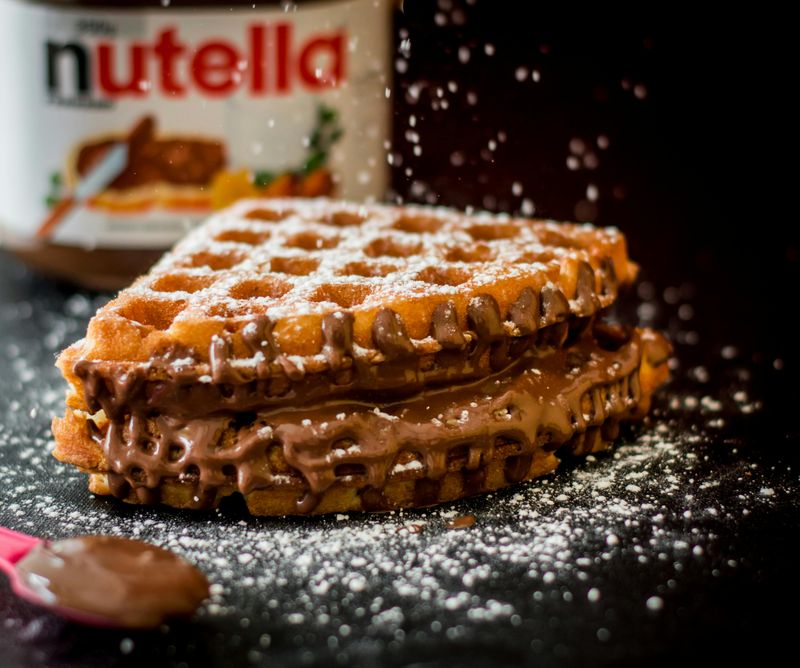
Frozen waffles can be a fine base, but versions with added sugars and refined flour are more like dessert than breakfast.
However, syrups in the batter, colored sprinkles, or sweet fillings push sugar high before toppings even land.
That means a quick surge in energy, then a slump that begs for a second breakfast.
Fiber is usually low, so you do not feel full for long.
Many options also include artificial flavors to mimic vanilla or butter.
Tasty, yes, but not helpful if you are trying to keep mornings steady and cravings quiet.
Choose plain, whole grain waffles with at least 3 grams of fiber per serving and minimal sugar.
Top with Greek yogurt, berries, and a dusting of cinnamon for sweetness without the crash.
You can also toast and spread with nut butter for staying power.
If kids love the fun versions, save them for special occasions and keep everyday choices simple.
Your freezer can still help mornings run smoothly without stacking sugar on sugar.
13. Breaded Mozzarella Sticks
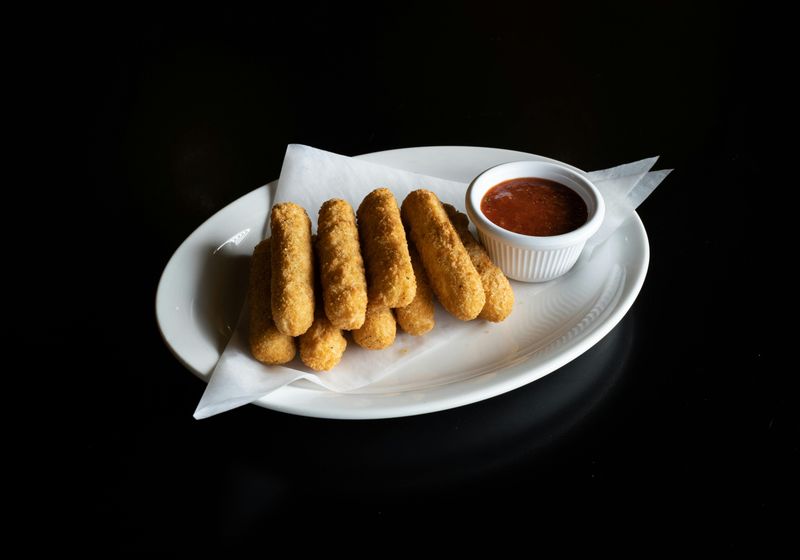
Breaded mozzarella sticks bring a triple threat: refined breading, lots of sodium, and saturated fat from cheese.
California nutrition experts point out that they are typically par fried before freezing, so you are essentially heating fried food again at home.
That explains the quick crisp and why a small portion can feel heavy.
They are easy to overeat, especially with salty dipping sauces.
Protein is present, but without fiber, fullness fades quickly.
As a regular snack, they can edge out nutrient dense options and add up on the weekly calorie ledger faster than expected.
If the craving hits, bake a small portion and pair with a big side salad or roasted vegetables.
Or try a lighter riff with breaded zucchini or cauliflower in the air fryer, served with a bright tomato sauce.
For store options, look for thinner breading and lower sodium per serving.
Keeping them occasional and mindful helps you enjoy the pull without the long tail of sluggishness that often follows.
14. Frozen Asian Entrees
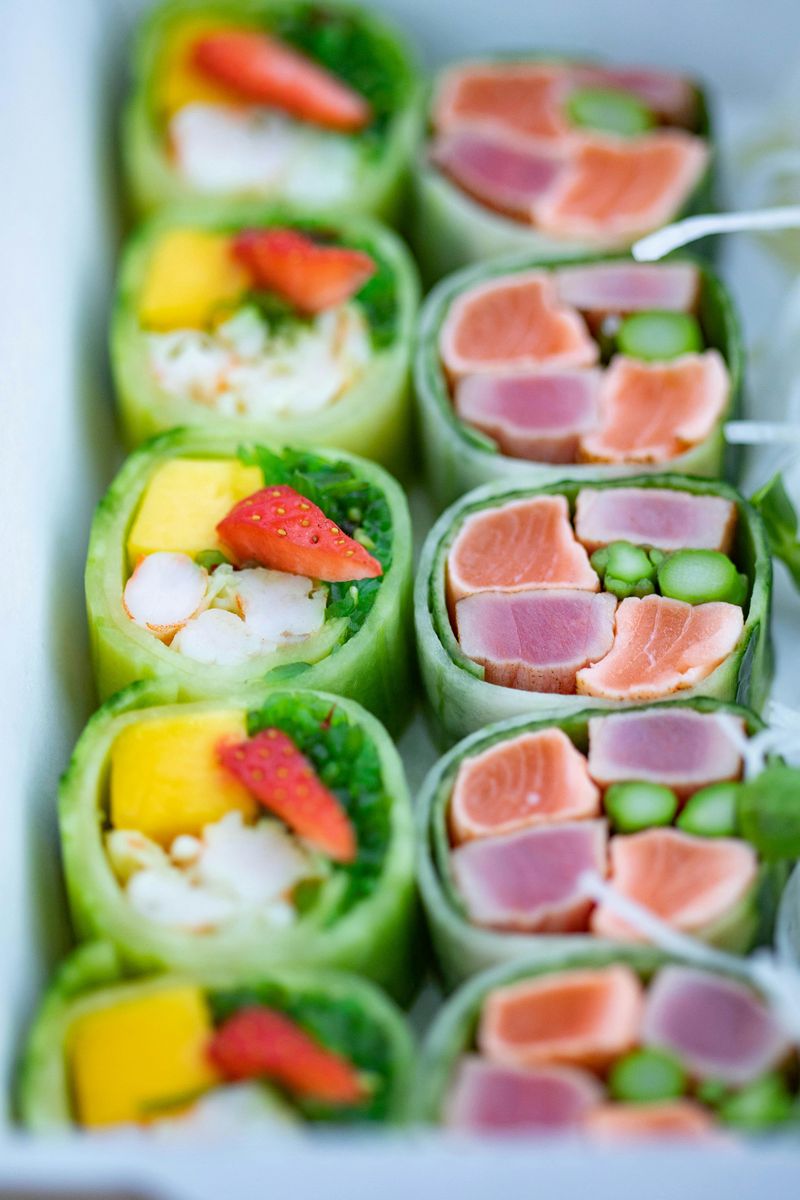
Many frozen Asian style entrees pack bold flavor by leaning on heavy sauces loaded with sodium, sugar, and starch.
California nutritionists note that dishes like orange chicken or lo mein can cross 1,000 milligrams sodium per serving once sauce and rice are included.
That is a big chunk of your daily limit in one bowl.
Vegetables are often minimal, while batters or noodles carry refined carbs.
The chicken may be breaded and par fried before saucing, adding fats you do not see under the glaze.
Delicious, yes, but not ideal for regular rotation if you are supporting heart health.
Healthier approach: choose frozen stir fry vegetable blends and a bag of plain frozen shrimp or chicken.
Sauté with garlic, ginger, and a low sodium soy alternative, then finish with citrus and chili flakes.
You control salt and sugar while keeping the flavors bright.
If buying ready made, pick steamed options with sauce on the side and under 600 milligrams sodium.
Add extra frozen veggies to stretch sauce and balance the dish.
15. Frozen Meat Lover’s Pizzas
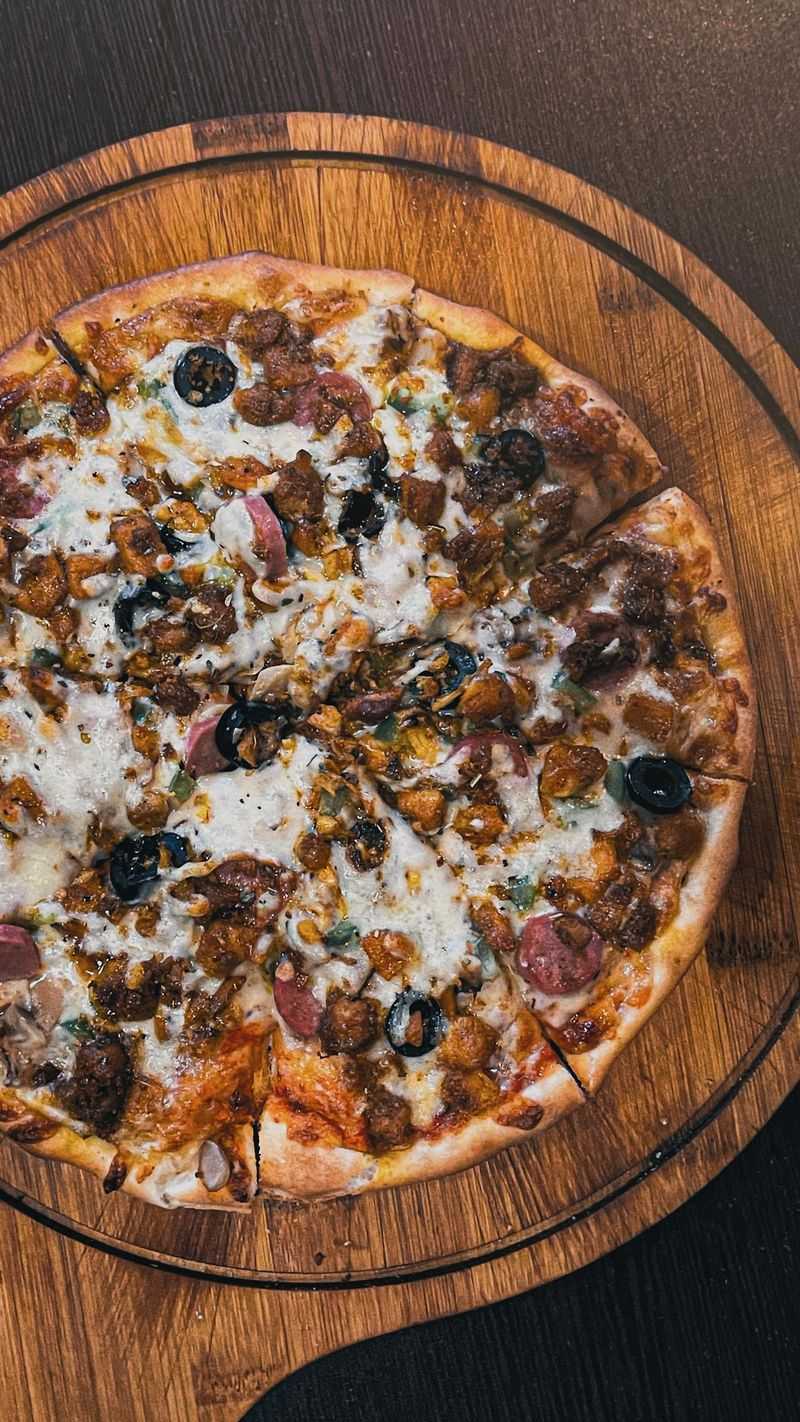
Meat heavy frozen pizzas concentrate sodium and saturated fat by stacking pepperoni, sausage, and bacon style toppings.
Dietitians warn that these processed meats often contain nitrites or nitrates and other preservatives.
The combination can push a single serving past 800 milligrams sodium, and that is if you stick to the small printed portion.
Refined flour crusts spike blood sugar, while multiple cheeses add more fat without fiber.
The result is tasty but leaves you parched and sluggish.
It also crowds out vegetables, so your plate misses out on the color that supports long term health.
For a better slice, start with a thin, whole grain crust and use lean protein sparingly, like shredded rotisserie chicken.
Load up frozen peppers, onions, and broccoli, then finish with fresh basil.
If you prefer store bought, choose veggie forward pies with simpler ingredients and keep an eye on sodium.
A side salad and sparkling water make pizza night feel special without the next day drag.