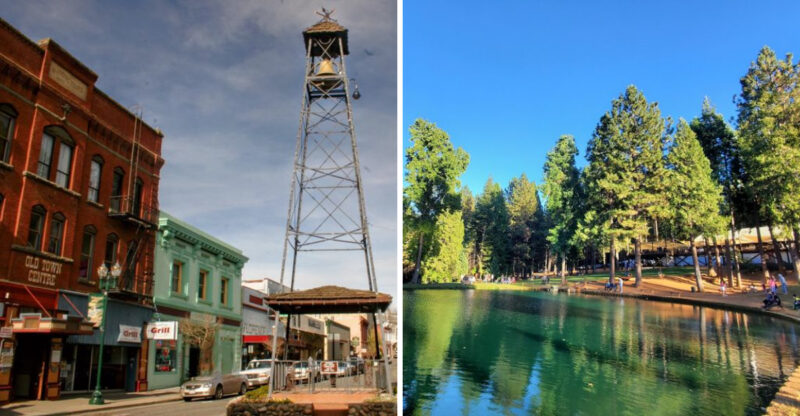
9 California Sand Dunes And Windswept Nature Areas That Feel Like Another Planet
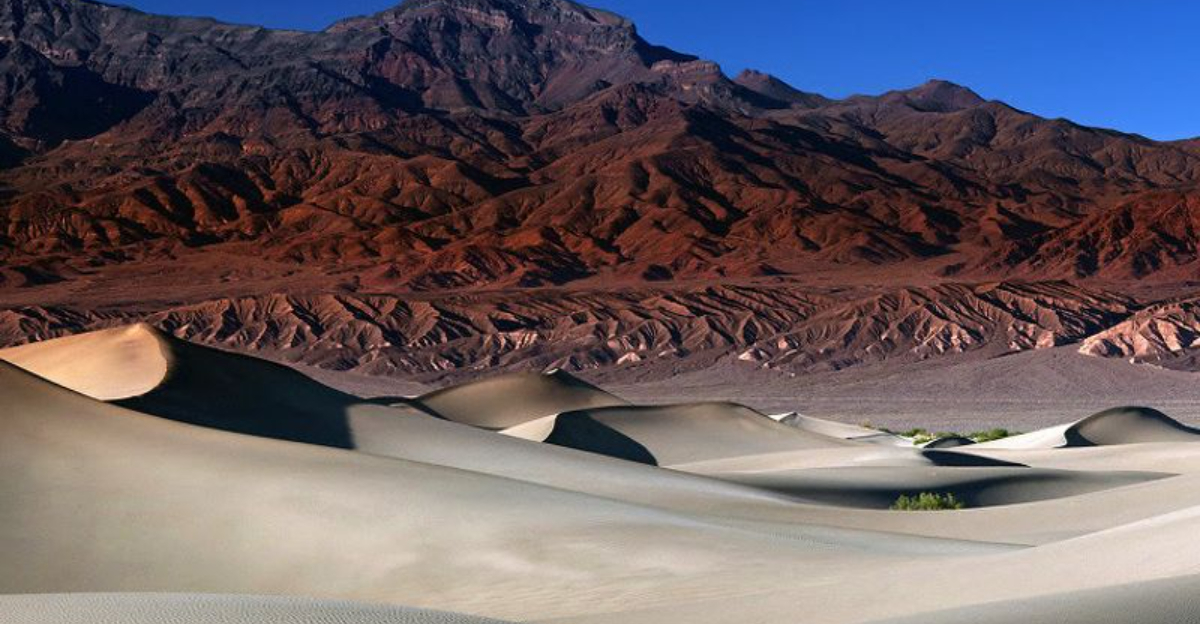
Sand dunes have a funny way of making Earth feel suspiciously optional.
One minute, you are following a normal road. Next, the landscape starts looking like it borrowed scenery from a science fiction movie.
Wind does most of the decorating here.
It carves the sand, softens the edges, and leaves behind a place that never looks exactly the same twice.
That is what makes these spots so strange in the best way.
A California trip can turn otherworldly fast when the ground starts rippling toward the horizon.
Even a short walk can feel bigger than expected. Footprints vanish. The light changes. The silence feels louder than it should.
Windswept nature areas do not need much help to feel dramatic.
They already have texture and that slightly unreal quality that makes people stop mid-sentence.
1. Kelso Dunes, Mojave National Preserve
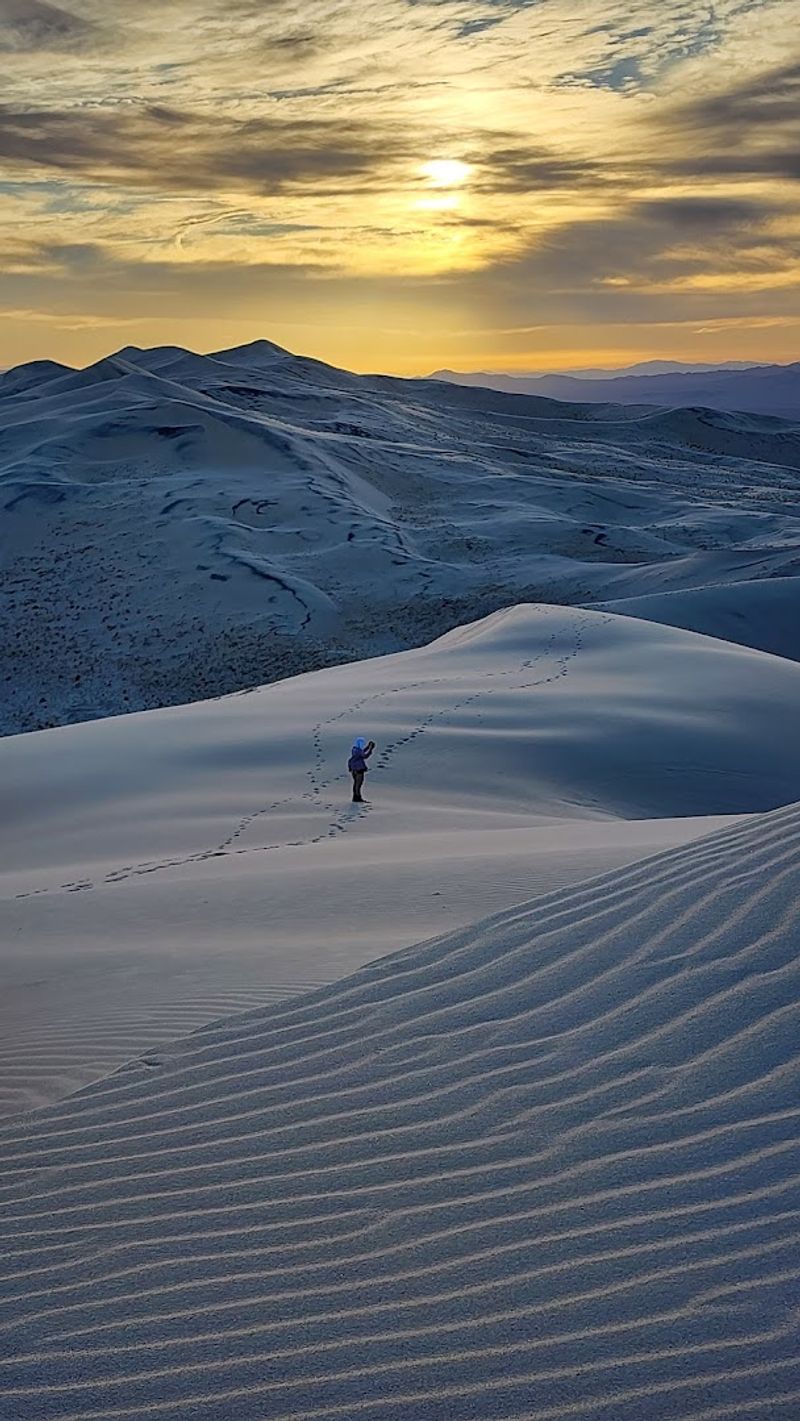
There are very few places in California where the ground literally sings back at you, but Kelso Dunes is one of them.
When dry sand slides down the steep slopes here, it produces a deep, low-pitched booming rumble that you can actually feel through your feet.
Locals who’ve made the trek out to Mojave National Preserve know this spot is something truly gnarly in the best possible way.
Covering around 45 square miles, Kelso Dunes is the largest field of wind-deposited sand in the Mojave Desert.
The dunes rise up to 650 feet above the surrounding terrain, which means the climb to the top is a real workout.
The sand is primarily light-colored quartz and feldspar, and darker minerals like magnetite tend to gather along the ridgelines, giving the crests a subtle two-toned look.
The sand originally came from the ancient Mojave River sink and piled up over thousands of years where the Granite and Providence Mountains block the prevailing winds.
Visiting in the early morning or late afternoon softens the heat and rewards with long shadows that make the dunes look even more dramatic.
2. Eureka Dunes, Death Valley National Park
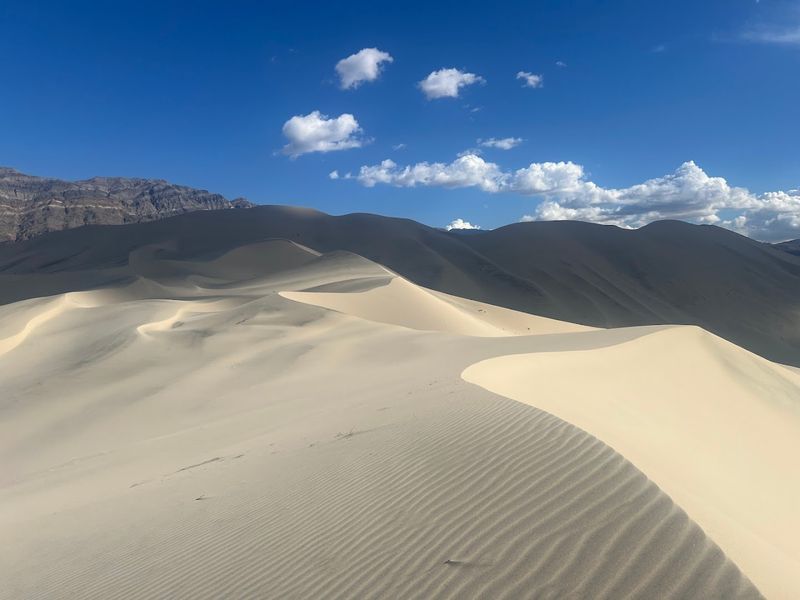
Standing at the base of the Eureka Dunes and looking straight up is one of those moments that makes you forget you are still on Earth.
At more than 680 feet above the dry lakebed below, these are the tallest sand dunes in California and possibly in all of North America.
Getting here takes some serious commitment since the road in is unpaved and the valley is genuinely remote.
Because of that isolation, the Eureka Dunes support a handful of plant and animal species found absolutely nowhere else on the planet.
Endemic species cling to life in the sand here, which is exactly why sandboarding and off-road vehicles are not permitted on these dunes.
The ecosystem is fragile in ways that are easy to underestimate when you are staring at what looks like a giant sandbox.
Like Kelso Dunes, Eureka also produces that eerie singing sand sound when conditions are dry and the sand shifts down the steep face.
The Eureka Valley sits in Death Valley National Park, and the remoteness of the location means the night skies here are absolutely unreal.
Packing plenty of water and planning for a full day is strongly recommended before making the drive out.
3. Mesquite Flat Sand Dunes, Death Valley National Park
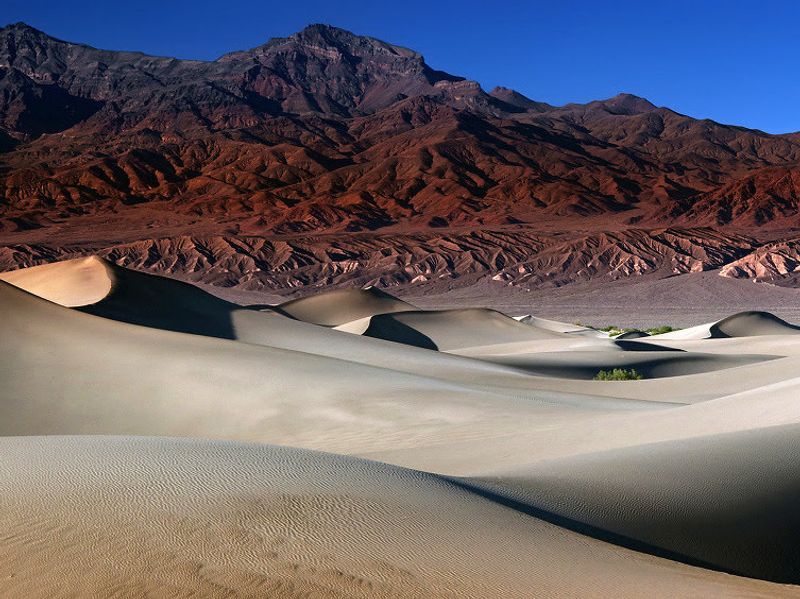
Photographers have been obsessing over Mesquite Flat Sand Dunes for decades, and it is not hard to see why once you show up at sunrise.
The light hits the crescent, linear, and star-shaped dunes at an angle that turns every ridge into a razor-sharp line of contrast.
Death Valley locals and frequent visitors know to set the alarm early because midday out here is a whole different and far less pleasant experience.
Located near Stovepipe Wells, this is the most accessible dune field in all of Death Valley National Park.
The 14-square-mile dune field is covered in fine quartz and rock particles, and the twisted trunks of mesquite trees poke out from the sand in ways that look almost sculptural.
Kangaroo rats and sidewinder rattlesnakes move through the area at night, so watching where you step after dark is genuinely important.
Sandboarding is actually permitted here, which makes Mesquite Flat a bit of a scene on busy weekends.
The dunes were also used as a filming location for the Star Wars franchise, which explains why the landscape feels so dramatically out-of-this-world.
Parking is available near the trailhead off Highway 190, and the walk to the main dune field is relatively short and flat.
4. Imperial Sand Dunes / Algodones Dunes, Imperial County
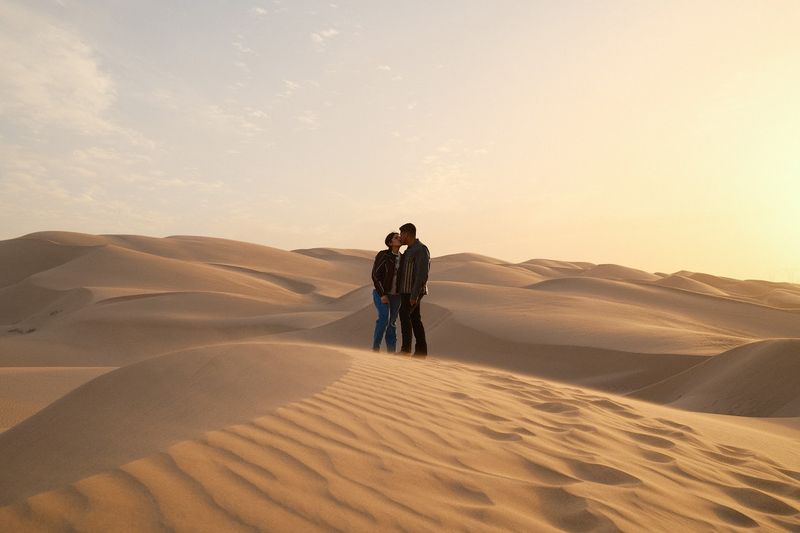
Stretching over 40 miles long and averaging five miles wide, the Imperial Sand Dunes are the largest mass of sand dunes in California by a significant margin.
Some of the dunes here push up to 300 feet above the desert floor, which is tall enough to feel genuinely intimidating when you are standing at the base looking up.
The whole scene has been compared to the Sahara Desert, and honestly that comparison holds up.
These dunes were formed from windblown beach sands of ancient Lake Cahuilla, a massive prehistoric lake that once covered much of the Imperial Valley.
Today the area serves a dual purpose, with sections designated for off-highway vehicle recreation and other portions set aside as protected wilderness.
The OHV scene here is massive on holiday weekends, so those looking for solitude should plan a weekday visit instead.
The Imperial Sand Dunes are also home to endemic and threatened plant and insect species that have adapted to survive in the shifting sands.
Located in Imperial County near the town of Glamis, the dunes sit close to the Mexican border and the Colorado River corridor.
Temperatures out here can be extreme, so visiting between November and March is generally the most comfortable window for exploring on foot.
5. Cadiz Dunes Wilderness, Mojave Trails National Monument
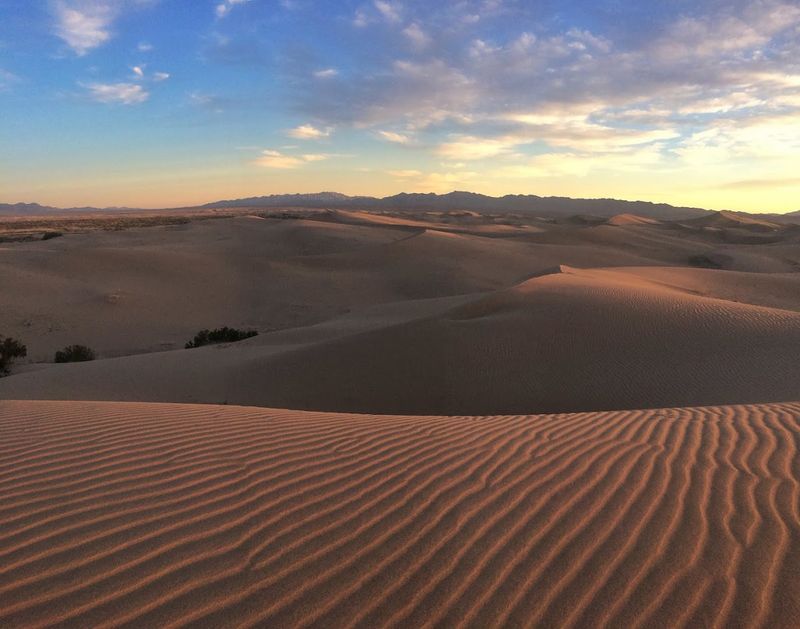
For those who really want to get away from the crowd, Cadiz Dunes Wilderness in Mojave Trails National Monument is about as off the grid as it gets in Southern California.
The dunes here are not as tall as Kelso or Eureka, but the sense of solitude is nearly unmatched. It takes some route-finding and a reliable vehicle to access this area, so it tends to attract the more seasoned desert explorers.
Mojave Trails National Monument was established in 2016 and protects a large swath of the eastern Mojave, including the Cadiz Dunes.
The landscape shifts dramatically depending on the season and time of day, moving from pale and washed-out at midday to rich amber and copper tones at golden hour.
Desert wildflowers can make a surprise appearance in wet years, adding unexpected pops of color against the sand.
The wilderness designation means no motorized vehicles are permitted, which keeps the environment quiet and the footprints minimal.
Hikers and photographers who make the effort to reach Cadiz Dunes are often rewarded with a landscape that feels completely untouched.
Bringing a detailed map and extra supplies is essential since cell service in this part of the Mojave is basically nonexistent.
6. Dumont Dunes, Near Baker
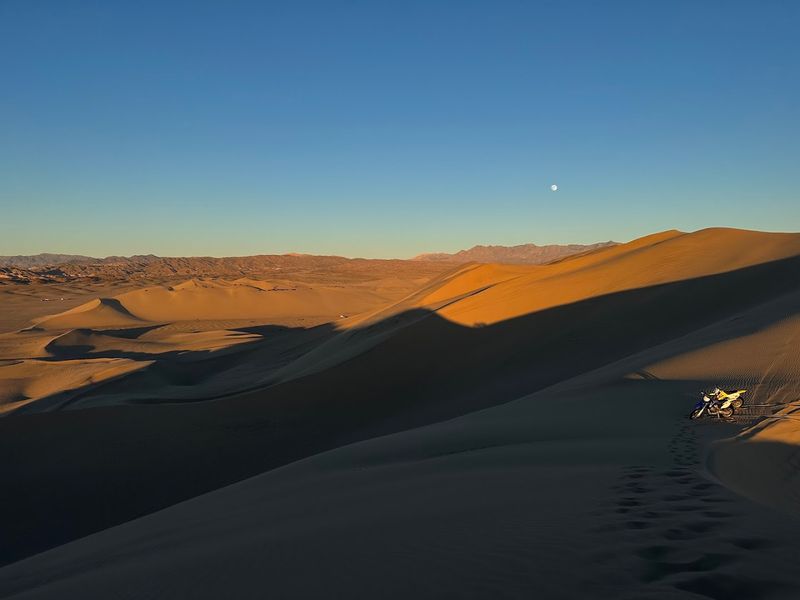
Just a short drive from Baker, which most Californians know as the home of the world’s largest thermometer, Dumont Dunes is a well-known off-highway vehicle playground in the Mojave Desert.
The dunes here rise impressively above the Amargosa River basin and offer a serious challenge for riders on dirt bikes, ATVs, and sand rails.
The main dune, sometimes called Big Dune, is a particularly popular target for those wanting to push their machines to the limit.
Dumont Dunes OHV Area is managed by the Bureau of Land Management and is open year-round, though spring and fall weekends can get very busy with the SoCal off-road crowd.
There is a campground on site that fills up fast during holiday weekends, so booking ahead or arriving early during peak season is a smart move.
The surrounding desert scenery is stark and striking, with mountain ranges framing the dune field on multiple sides.
Even visitors who are not into off-roading can appreciate the scale and drama of the dunes here.
Hiking is allowed in areas away from the OHV zones, and the views from higher ground are genuinely impressive.
Sunset at Dumont has a way of turning the whole dune field into something that looks like it belongs on a different planet entirely.
7. Guadalupe-Nipomo Dunes, San Luis Obispo and Santa Barbara Counties
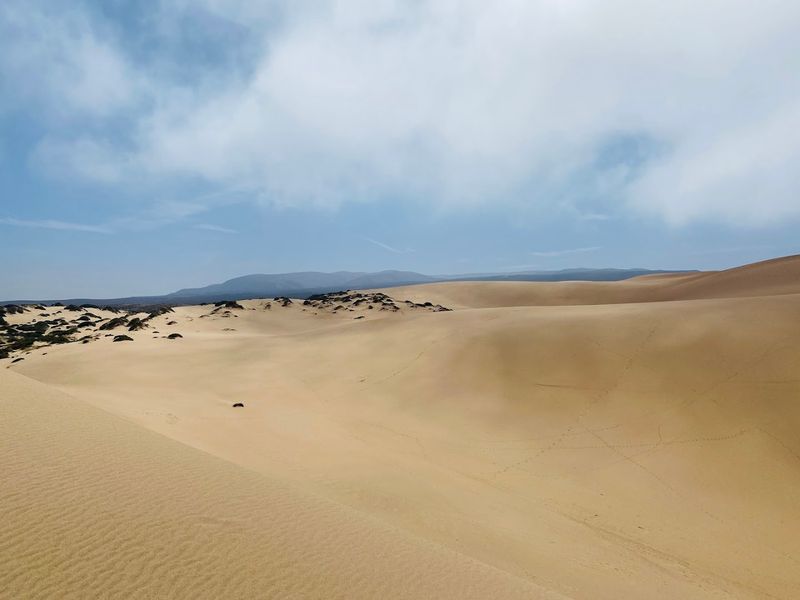
Stretching across the border of San Luis Obispo and Santa Barbara counties, the Guadalupe-Nipomo Dunes complex is one of the largest and most ecologically rich coastal dune systems in the western United States.
The dunes here can reach heights of over 500 feet, which is remarkable for a coastal system, and the landscape shifts constantly as Pacific winds reshape the terrain.
Walking through here feels less like a beach visit and more like exploring a miniature mountain range made entirely of sand.
The area is also famous for a piece of Hollywood history buried beneath the dunes.
The massive set built for Cecil B. DeMille’s 1923 silent film The Ten Commandments was left in the sand after filming wrapped and remains partially buried there to this day.
Archaeologists have been excavating the site for years, and it adds a genuinely surreal layer to an already otherworldly landscape.
The Guadalupe-Nipomo Dunes Center in the town of Guadalupe serves as a good starting point for understanding the ecology and history of the area.
Native plants like dune lupine and mock heather stabilize portions of the dunes while providing habitat for the threatened western snowy plover.
Fog rolls in regularly from the Pacific, giving the whole complex a moody and atmospheric quality that is hard to replicate anywhere else.
8. Asilomar Dunes Natural Preserve, Pacific Grove
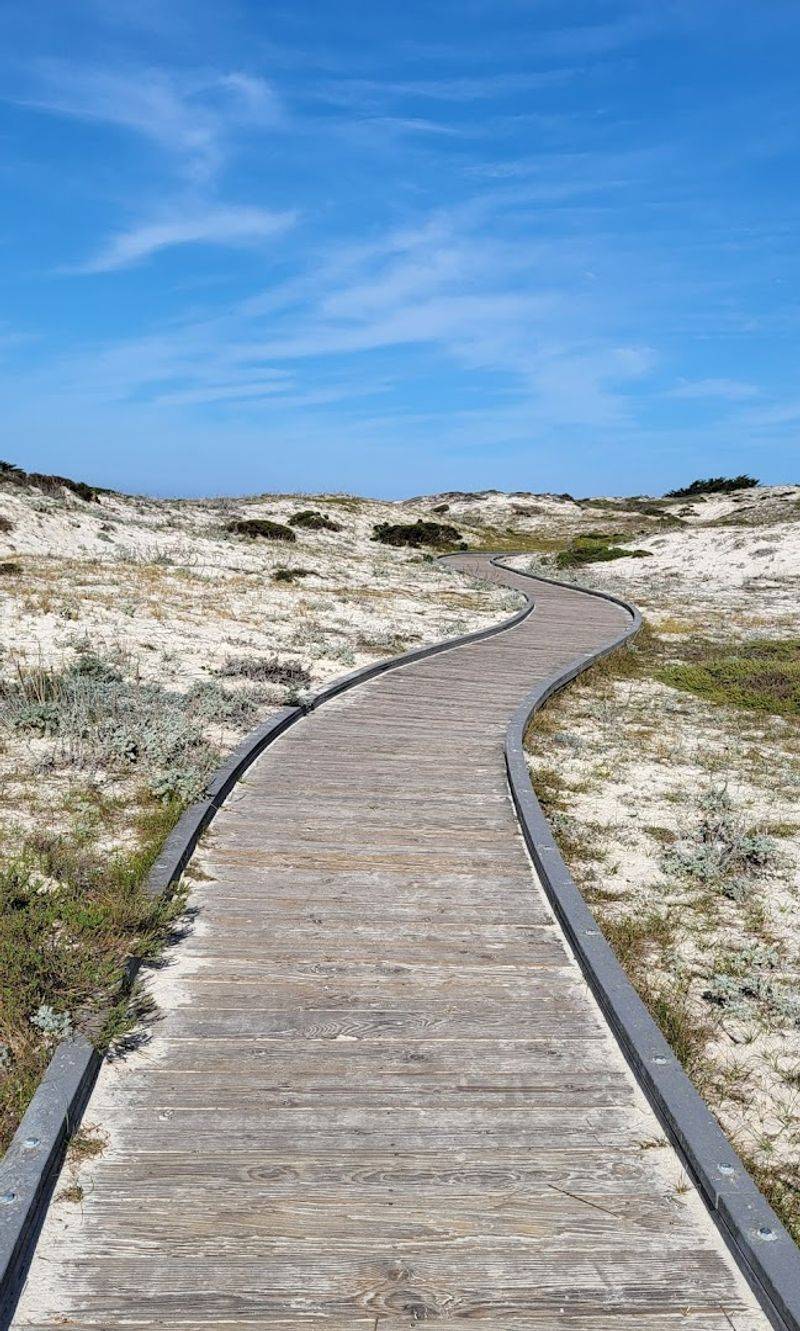
Right on the edge of Pacific Grove, Asilomar Dunes Natural Preserve is the kind of place that surprises people who expect the Monterey Peninsula to be all about the aquarium and the waterfront.
The dune system here has been carefully restored over the years after decades of invasive plant species took over and flattened the natural topography.
Native plants like sand verbena and silver beachgrass have made a strong comeback, and the difference is visible compared to old photographs.
Boardwalk trails wind through the preserve and keep foot traffic off the most sensitive dune areas, making it easy to explore without causing damage.
The Pacific winds come in strong and steady here, and on overcast days the dunes take on a cool silver-gray tone that feels almost cinematic.
The preserve sits adjacent to Asilomar State Beach, so combining both into one visit is a natural and rewarding option.
Wildlife in the preserve includes several shorebird species and the occasional harbor seal visible from the bluffs nearby.
The preserve is free to visit and accessible year-round, though the boardwalks can get slippery when wet from coastal fog or rain.
Pacific Grove locals tend to treat this spot as a quiet neighborhood gem, and it has a noticeably different energy than the more tourist-heavy spots along the coast.
9. Anza-Borrego Desert State Park Badlands, Borrego Springs Area
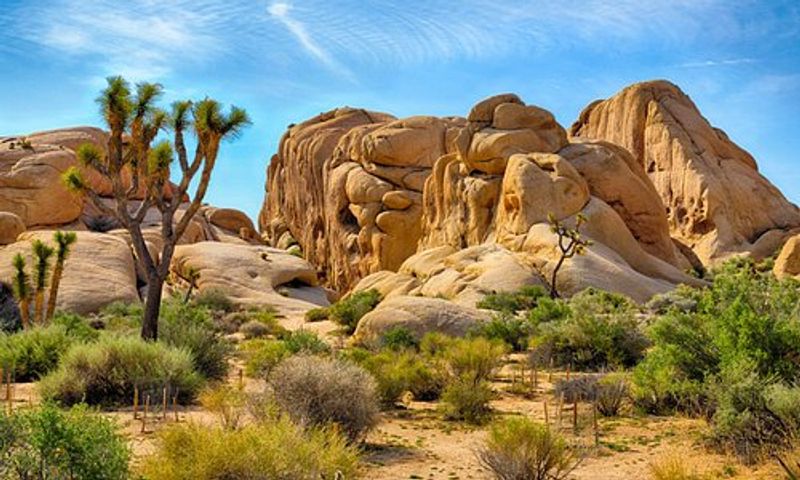
Not technically sand dunes in the traditional sense, the badlands of Anza-Borrego Desert State Park near Borrego Springs are windswept and alien-looking in ways that belong on any list of California’s most surreal natural landscapes.
The eroded sedimentary formations here are sculpted entirely by wind and occasional flash floods, creating a maze of ridges, gullies, and slot canyons in shades of red, tan, and gray.
The Font’s Point overlook is one of the most dramatic viewpoints in all of Southern California.
Anza-Borrego is the largest state park in California, covering over 600,000 acres of desert terrain that ranges from palm oases to open bajadas to these striking badland formations.
The park is also famous for its wildflower superbloom events in wet years, which bring a jarring contrast of vivid color against the otherwise stark landscape.
Slot canyons near Borrego Palm Canyon and the Borrego Badlands are accessible via dirt roads that require a high-clearance vehicle in some cases.
The dark skies over Anza-Borrego are exceptional, and the park is a designated International Dark Sky Community.
Camping under the stars in the badlands with the wind moving quietly through the eroded formations is one of those experiences that is very hard to put into words.
The Borrego Springs area serves as a welcoming and practical base for exploring the park’s more remote sections.