15 California Sushi Spots That Are Blowing Up In March
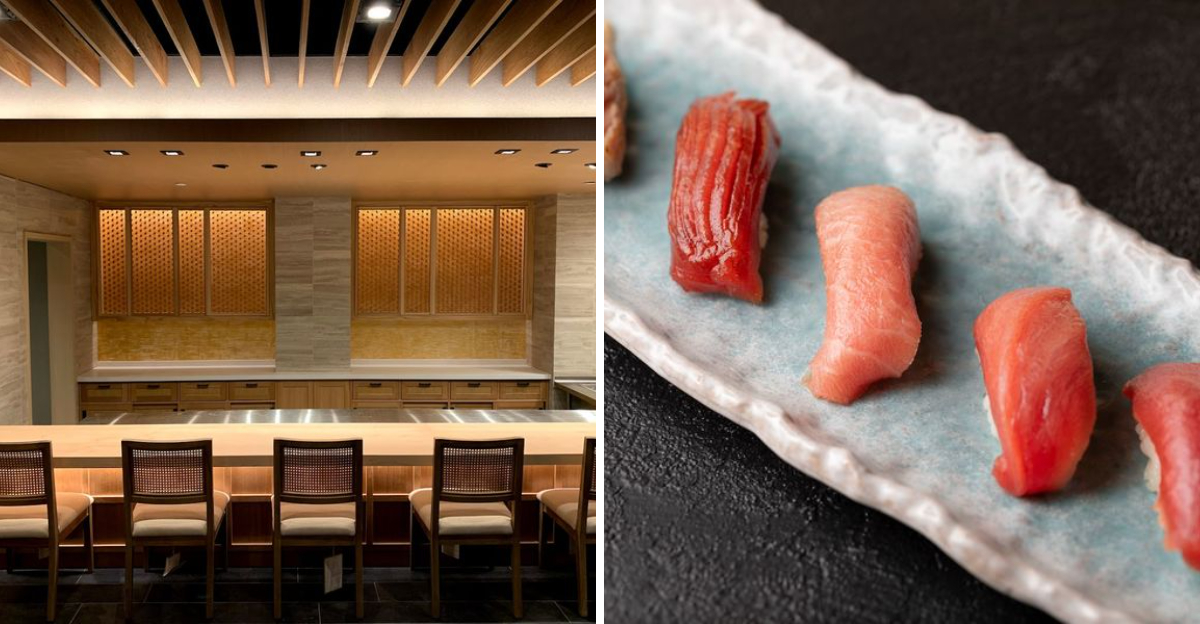
There is a moment when a sushi place just clicks. It might happen on the first bite, or halfway through the meal when you realize you have stopped talking and started paying attention.
Not every spot gets there. The ones that do feel effortless.
Across California, that level of precision keeps showing up in new and unexpected ways.
Some counters stay quiet and minimal, while others carry a low-key energy that builds as the meal goes on. You do not always notice it right away, but by the end, it is obvious.
March shifts things in a subtle but important way. The crowds thin out. Reservations that once felt impossible suddenly open up. It becomes easier to get a seat at places that are starting to gain real momentum.
That is where this list lives.
These are the sushi spots people keep mentioning, revisiting, and quietly recommending. Not necessarily the loudest names, but the ones that deliver when it matters.
And once you try one, it tends to lead you somewhere else just as good.
1. Morihiro, Los Angeles
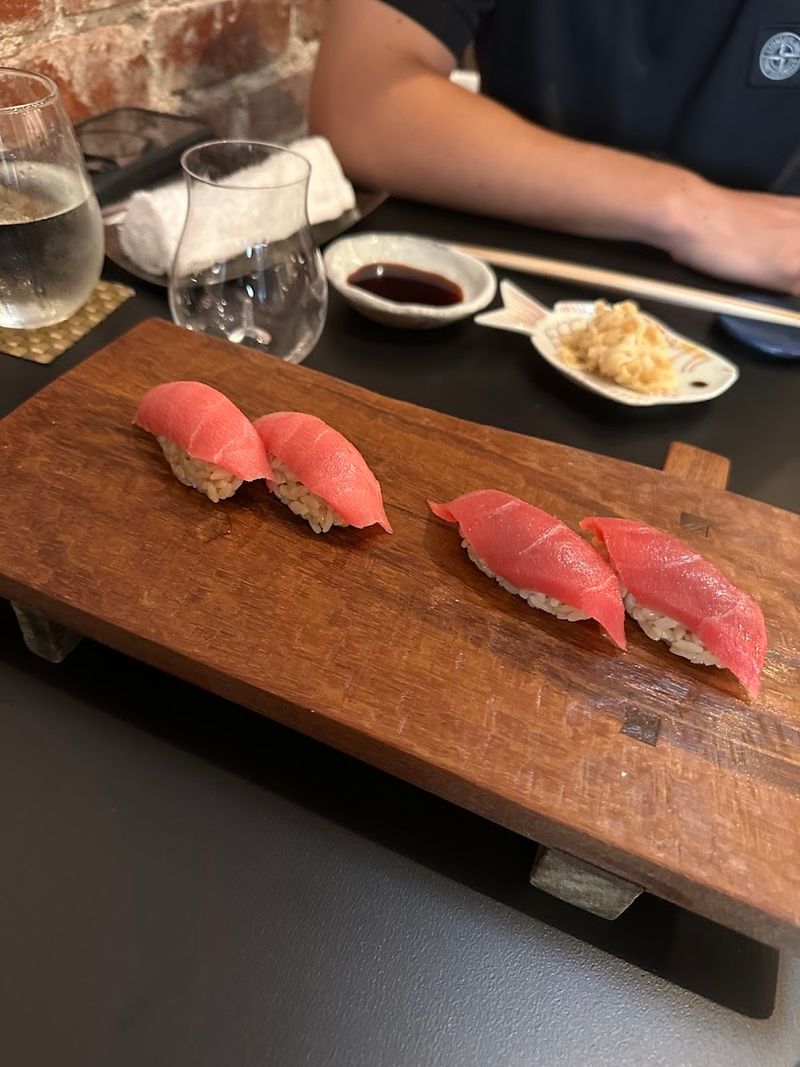
A neighborhood sushi counter with deep roots in the Los Angeles dining scene, Morihiro has been quietly earning loyal regulars for years.
Located at 1115 Sunset Blvd Ste 100, Los Angeles, CA 90012, the restaurant carries the kind of lived-in comfort that only comes with time and consistency.
Chef brings a background rooted in classical Japanese technique, and that foundation shows in the careful attention given to each piece that leaves the counter.
The room itself feels relaxed rather than formal, with warm wood tones and soft lighting that encourage guests to slow down and pay attention to the food.
The menu leans heavily on nigiri and sashimi, with the quality of the rice considered just as important as the fish.
Portions tend to be thoughtful rather than oversized, which suits the overall philosophy of the kitchen.
March can be a relatively quieter month here compared to peak summer dining, making it a good window to experience Morihiro without the longer wait times that sometimes come with its growing recognition.
2. Q Sushi, Los Angeles
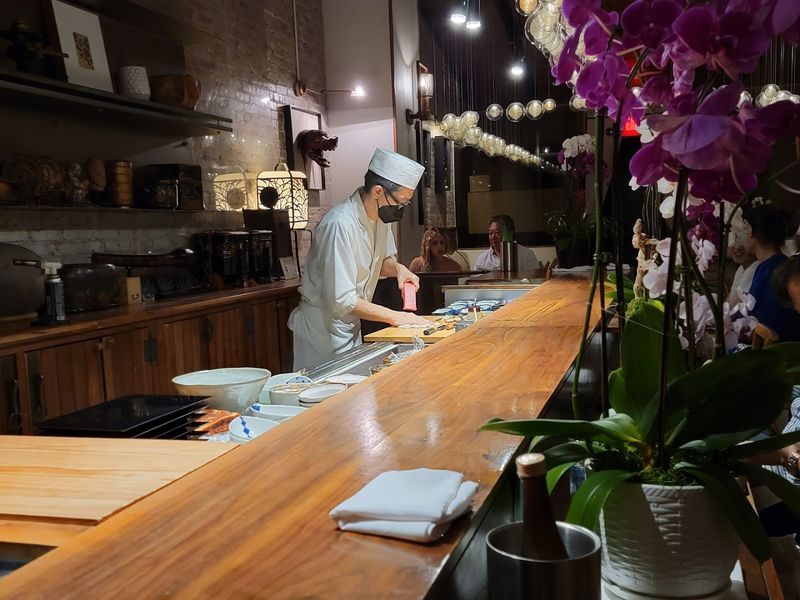
Serious sushi seekers in Los Angeles have been paying attention to Q Sushi for good reason.
Situated at 521 W 7th St, Los Angeles, CA 90014, this downtown spot operates as a traditional omakase counter where the chef determines the flow of the meal from start to finish.
The experience is structured and deliberate, with courses timed carefully so that each piece arrives at the right moment and temperature.
The interior keeps things minimal and focused, with counter seating that puts guests directly in front of the action.
Chef trained extensively in Japan before bringing his approach to Los Angeles, and that background gives the menu a grounded authenticity that regulars appreciate.
Fish is sourced with care, and the preparation stays close to Edomae tradition rather than veering into fusion territory.
Q Sushi holds Michelin recognition and tends to book up quickly, so reservations made well ahead of a March visit are strongly advised.
The omakase format means there is no menu to navigate, which can actually make the experience feel more relaxed for first-time guests.
3. Sushi Park, West Hollywood
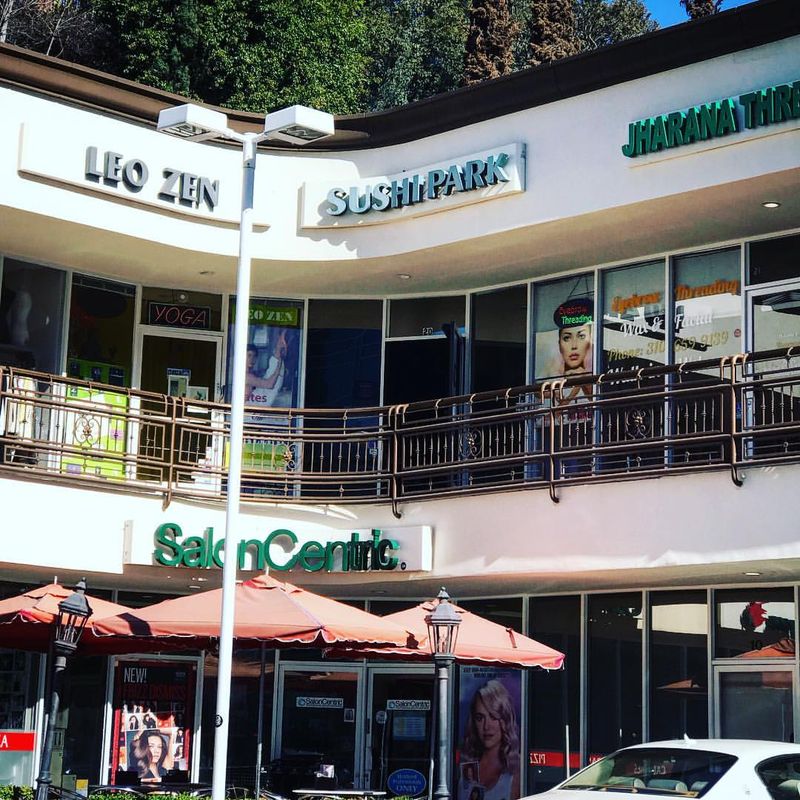
Finding Sushi Park for the first time can feel like discovering a well-kept secret, and that sense of discovery is part of what keeps people coming back.
The restaurant is located at 8539 Sunset Blvd Suite 20, West Hollywood, CA 90069, tucked into a strip mall setting that gives no hint of the quality inside.
Chef runs the counter with a seasonal focus, adjusting the menu based on what is freshest rather than locking into a fixed offering year-round.
The atmosphere is casual and unpretentious, which contrasts pleasantly with the level of care that goes into each piece.
Guests sit close to the chef, and the proximity creates a relaxed back-and-forth that makes the meal feel more like a conversation than a transaction.
The fish selection tends to feature cuts that are harder to find elsewhere in the city, and the rice is seasoned with the kind of consistency that signals real attention to craft.
March tends to be a slightly quieter period for the restaurant, which could mean a better chance at getting a spot at the counter without as much advance planning as peak months require.
4. Sushi Gen, Los Angeles
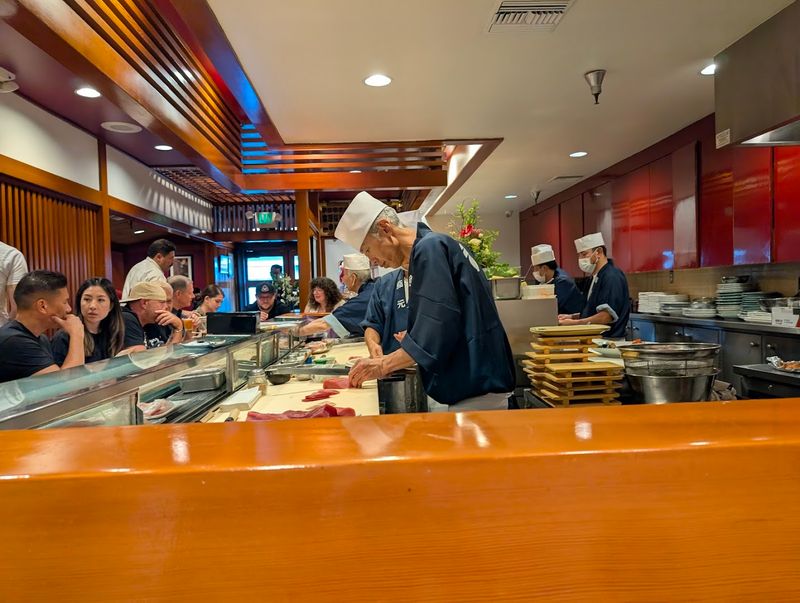
Few spots in Los Angeles carry the kind of long-standing trust that Sushi Gen has built over the decades.
The restaurant is at 422 E 2nd St, Los Angeles, CA 90012, right in the heart of Little Tokyo, and it has been drawing loyal crowds since the 1980s.
The lunch sashimi special here has become something of a local institution, offering generous portions of fresh fish at a price point that feels rare given the quality involved.
The interior has the comfortable, no-frills character of a place that does not need to update its aesthetic because the food speaks clearly enough.
Counter seating puts guests face to face with experienced chefs who move with practiced efficiency during the busiest service hours.
Lines at lunch can stretch out the door on weekdays, so arriving early or visiting during a quieter midweek window tends to make the experience smoother.
Dinner service moves at a more relaxed pace, giving guests more time to work through the menu without feeling rushed.
For anyone exploring the California sushi scene in March, Sushi Gen offers a grounded and genuinely satisfying starting point.
5. SUGARFISH By Sushi Nozawa, Los Angeles
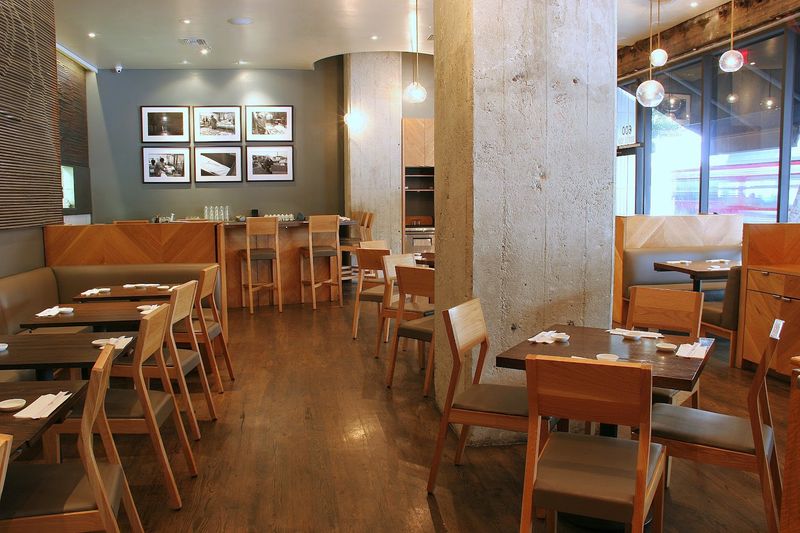
Born from the philosophy of legendary chef Kazunori Nozawa, SUGARFISH has grown into one of the most recognizable names in California’s accessible sushi landscape.
The flagship Los Angeles location at 600 W 7th St #150, Los Angeles, CA 90017 reflects the brand’s signature approach: simple decor, focused service, and a menu built around the Trust Me option that lets the kitchen decide what arrives at the table.
There are no complicated choices to make, which actually removes a lot of the pressure that can come with unfamiliar menus.
The fish is sourced daily and the rice is prepared with the careful temperature control that Nozawa built his original reputation on.
Hand rolls arrive wrapped to order and are meant to be eaten immediately, which adds a small but satisfying sense of urgency to the meal.
The format works especially well for guests who are newer to sushi but want to experience quality without overthinking it.
Multiple locations exist across Los Angeles, but the downtown spot tends to draw a steady weekday lunch crowd given its proximity to offices and cultural venues.
March is a reasonable time to visit without peak-season wait times.
6. Asanebo, Studio City
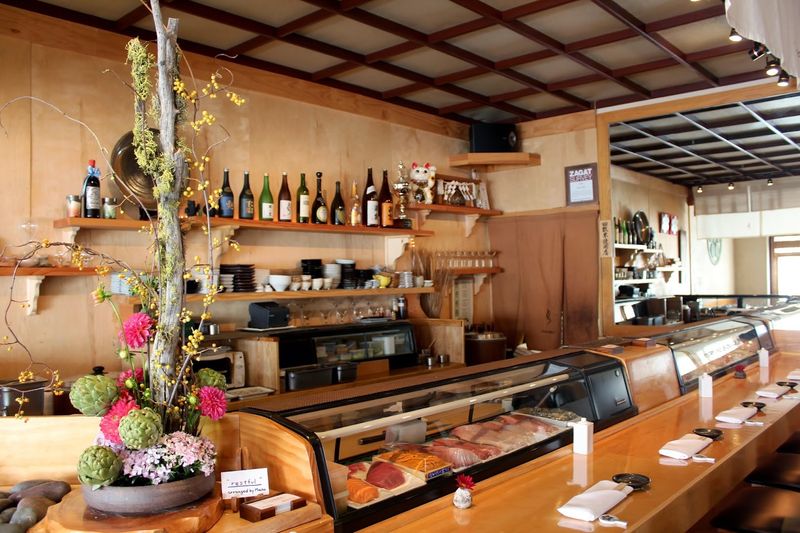
Studio City has its share of dining options but Asanebo occupies a distinct position as a long-respected destination for refined Japanese cuisine with serious sushi credentials.
The restaurant is at 11941 Ventura Blvd, Studio City, CA 91604, and it has held Michelin recognition for its careful approach to both fish preparation and broader Japanese cooking.
The menu extends beyond a strict sushi format, incorporating sashimi, cooked dishes, and seasonal ingredients that reflect the kitchen’s broader range.
The interior feels polished without being cold, with warm lighting and counter seating that allows guests to watch the preparation unfold in real time.
Chef Tetsuya Nakao has built a reputation for precision and for sourcing fish with the kind of selectivity that shows up clearly in the final plate.
The balance between traditional technique and a slightly more contemporary presentation style gives Asanebo a distinctive character that sets it apart from more rigidly traditional omakase formats.
Visiting in March can offer a slightly more relaxed experience compared to the busier summer months, and the kitchen’s consistency means the quality holds steady regardless of when a reservation is made.
7. Hamasaku, Los Angeles
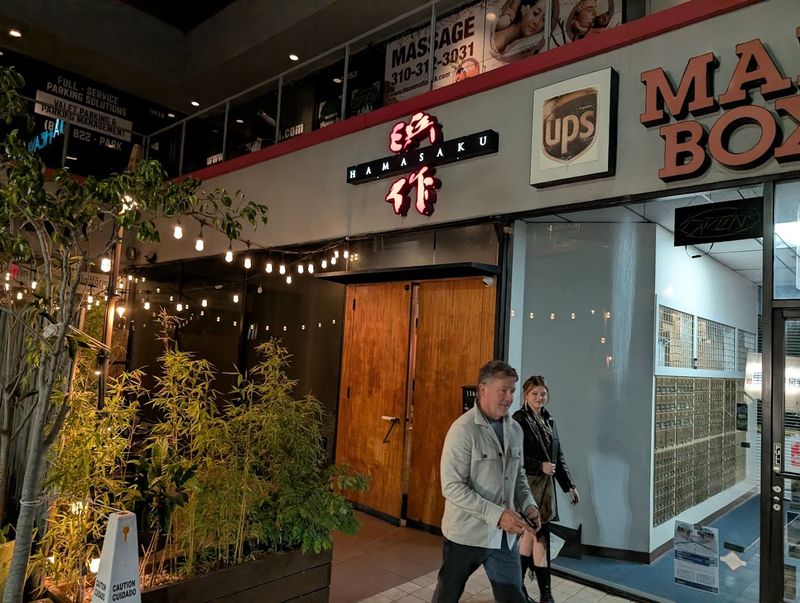
Hamasaku has built a steady following in West Los Angeles by combining quality sushi with a room that feels genuinely comfortable rather than intimidating.
The restaurant sits at 11043 Santa Monica Blvd, Los Angeles, CA 90025, and its location in the Sawtelle corridor puts it near a cluster of other Japanese dining options that together make the area worth exploring.
The menu here covers a broad range, from omakase experiences at the counter to a la carte ordering that gives guests more control over their meal.
The fish sourcing reflects a clear commitment to freshness, and the kitchen tends to adjust its offerings based on what is seasonally available rather than running a static menu year-round.
The counter seating provides the closest interaction with the chefs, though the dining room tables work well for groups or for guests who prefer a slightly less formal setup.
Service tends to be attentive without feeling overbearing, which helps the meal move at a comfortable pace.
Hamasaku holds Michelin recognition and has positive reviews across multiple platforms, which points to a level of consistency that makes it a reliable choice for a March sushi outing in Los Angeles.
8. Akiko’s Sushi Bar, San Francisco
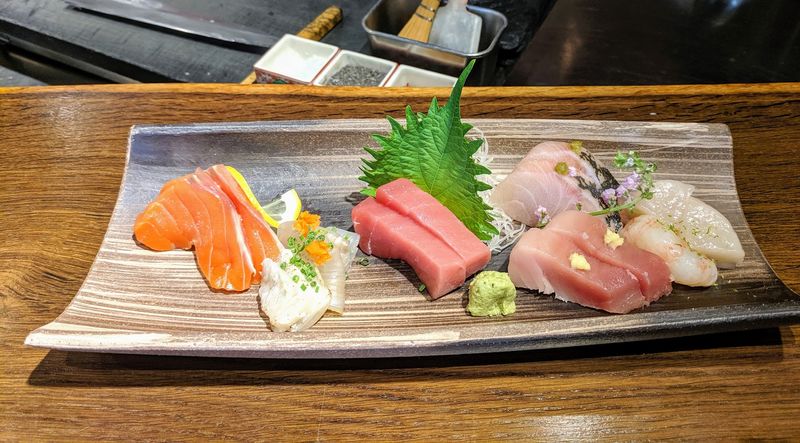
Akiko’s Sushi Bar holds a quiet but firm reputation as one of San Francisco’s most dependable destinations for traditional nigiri done with care.
The restaurant is at 430 Folsom St, San Francisco, CA 94108, in the Financial District, and the compact interior creates a focused atmosphere where the food takes center stage without distraction.
The counter is the heart of the experience, placing guests directly in front of the chef and allowing for the kind of close attention that omakase dining is built around.
The fish selection at Akiko’s tends to feature cuts that are sourced with specificity rather than convenience, and the kitchen’s approach stays grounded in Edomae tradition rather than chasing trends.
The rice is prepared with the consistency that signals genuine craft, and the seasoning stays subtle enough to let the fish speak clearly.
San Francisco’s March weather can be cool and a bit unpredictable, which actually makes a warm counter seat at Akiko’s feel particularly appealing.
Reservations are recommended given the limited seating, and the restaurant’s steady positive reputation means spots fill up faster than the modest setting might suggest to first-time visitors.
9. Ryoko’s Japanese Restaurant And Bar, San Francisco
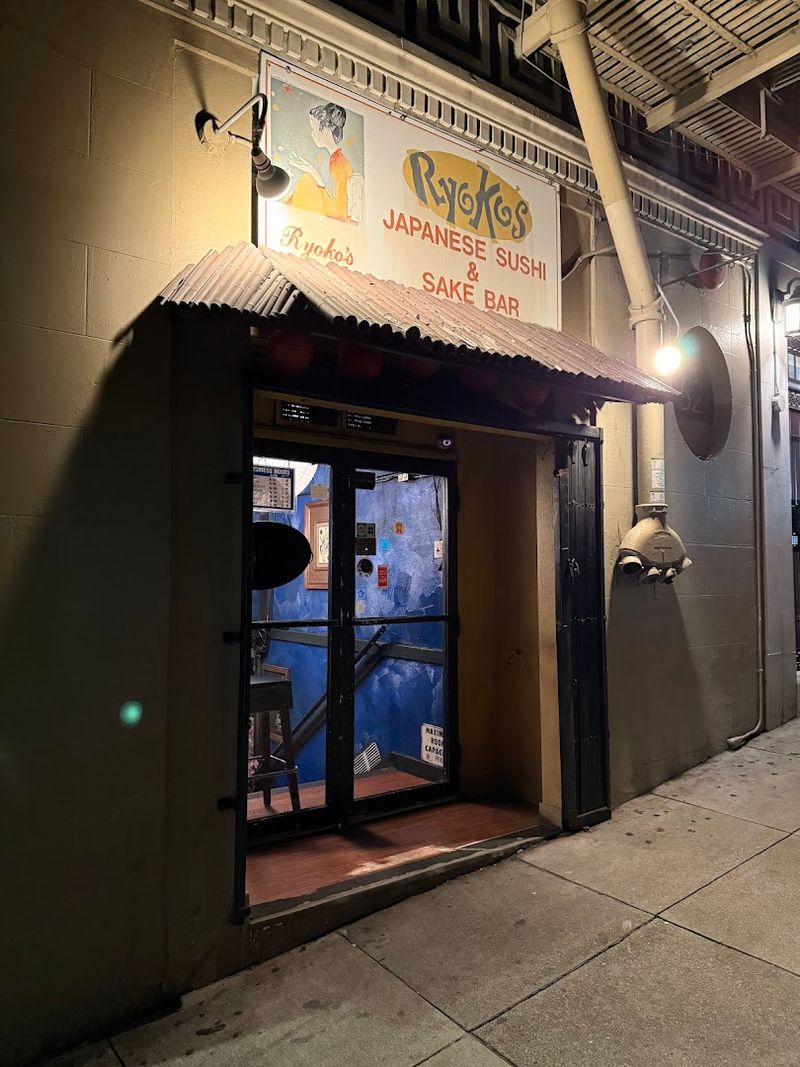
Late-night sushi in San Francisco has a reliable anchor in Ryoko’s, a basement spot that has been drawing crowds in the Union Square area for years.
The restaurant is located at 619 Taylor St, San Francisco, CA 94102, and the underground setting gives it an energy that feels distinct from the quieter omakase counters found elsewhere in the city.
The menu is broad and approachable, covering classic rolls, nigiri, and sashimi alongside cooked Japanese dishes that round out the options for groups with varied preferences.
The atmosphere leans casual and social, with a noise level that reflects the lively crowd rather than hushed reverence for the food.
That said, the kitchen takes quality seriously, and the fish is handled with care even during the busier late-night service hours.
Ryoko’s tends to attract a mix of locals and visitors, and the relatively late closing time makes it a practical option for those whose evening plans run long.
March brings a slightly calmer version of the usual crowd compared to summer weekends, which can make it easier to find seating without a long wait at the door.
10. The Brothers Sushi, Los Angeles
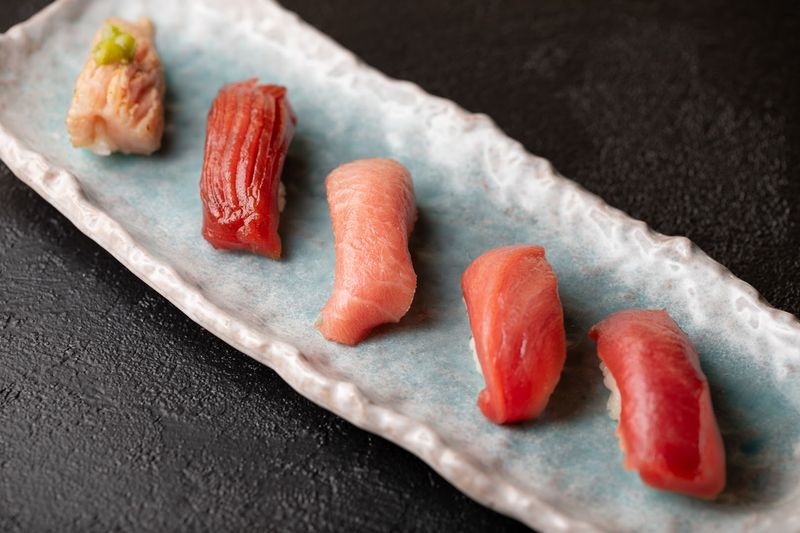
There is something refreshing about a sushi restaurant that prioritizes neighborhood warmth over exclusivity, and The Brothers Sushi delivers that balance well.
The restaurant is located at 21418 Ventura Blvd, Woodland Hills, CA 91364, in the western end of the San Fernando Valley, and it has developed a loyal following among locals who return regularly rather than treating it as a special occasion destination.
The menu covers a wide range, from classic nigiri to more composed dishes, giving guests flexibility depending on what they are in the mood for.
The counter offers the most direct experience with the chefs, though table seating is also available for groups who prefer a bit more space.
Service tends to move at a comfortable rhythm that does not feel hurried, and the staff are generally happy to make suggestions for guests who are unsure where to start.
The fish quality here is taken seriously, and the kitchen sources with care rather than defaulting to volume.
For those exploring sushi spots beyond the more central Los Angeles neighborhoods, The Brothers Sushi is a genuinely worthwhile stop that holds up well against more prominent names in the city.
11. Sushi Ran, Sausalito
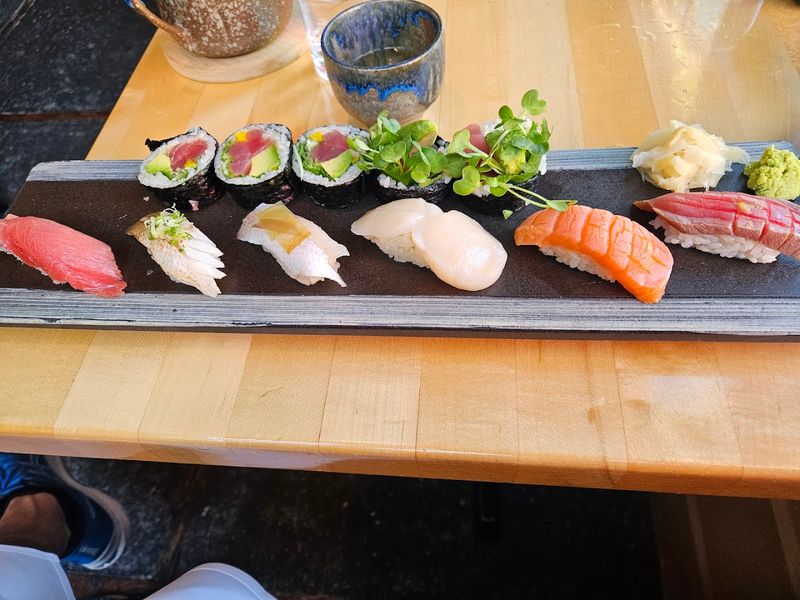
Just across the Golden Gate Bridge from San Francisco, Sushi Ran has been a cornerstone of the Sausalito dining scene for decades.
The restaurant is at 107 Caledonia St, Sausalito, CA 94965, and its position in this waterfront town gives it a setting that already feels removed from the pace of the city.
The menu blends traditional Japanese preparation with a California sensibility that shows up in the sourcing and in the way seasonal ingredients are incorporated throughout the year.
The interior is warm and inviting, with counter seating available for those who want to watch the kitchen at work and table seating for guests who prefer a more conversational setup.
Fish quality here is consistently noted as a strength, and the kitchen’s ability to balance classic technique with a slightly more relaxed presentation style gives Sushi Ran a character that feels genuinely its own.
Getting to Sausalito from San Francisco takes only a short drive or a ferry ride, which makes combining a visit to Sushi Ran with a broader Marin County outing a natural option for anyone planning a March day trip from the city.
12. Sushi Kaneyoshi, Los Angeles
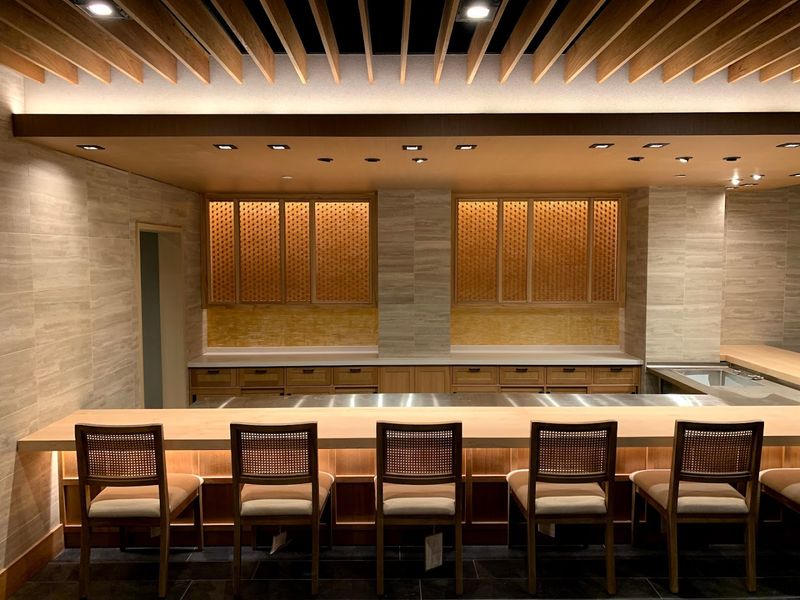
Tucked beneath street level in the Little Tokyo neighborhood, Sushi Kaneyoshi earns its reputation through quiet precision rather than flashy presentation.
The restaurant sits at 250 1st St B1, Los Angeles, CA 90012, and the underground setting gives it a calm, focused atmosphere that feels removed from the city above.
Chef leads the kitchen with a commitment to traditional Edomae-style technique, where each piece of nigiri is carefully seasoned and shaped before it reaches the counter.
The space is intimate, seating a small number of guests at a time, which means the pacing feels unhurried and personal.
Courses arrive steadily without rushing the experience, and the fish selection reflects careful sourcing rather than quantity.
Sushi Kaneyoshi holds recognition from the Michelin Guide, which speaks to the consistency of what arrives on the plate.
Reservations are strongly recommended and typically book out well in advance, so planning ahead is essential for anyone hoping to visit in March.
13. Saru Handroll Bar, San Francisco
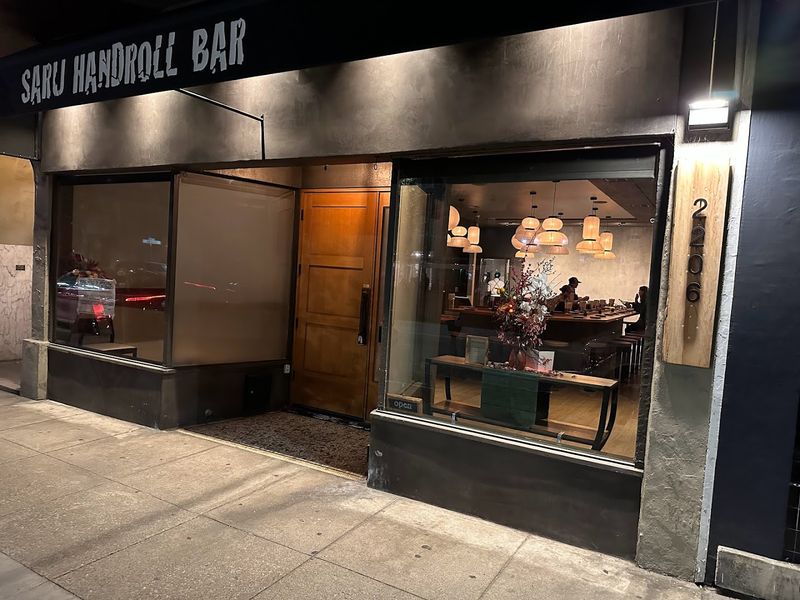
Handroll bars have been gaining momentum across California and Saru Handroll Bar represents one of San Francisco’s stronger entries in that format.
The restaurant is located at 2206 Polk St, San Francisco, CA 94109, and the setup is built around the idea that handrolls are best experienced freshly made and eaten immediately.
Each roll arrives wrapped in crisp nori and is meant to be consumed right away before the seaweed softens, which gives the meal a lively and slightly interactive quality.
The menu is focused rather than sprawling, which keeps the kitchen’s attention concentrated on doing a smaller number of things very well.
The ingredients are sourced with care, and the fish options tend to rotate based on availability, so the experience can vary slightly between visits in a way that feels refreshing rather than inconsistent.
The neighborhood feel makes the walk to Saru part of the overall experience, with the surrounding streets offering coffee shops and small markets worth exploring before or after the meal.
March is a comfortable time to visit, with the neighborhood crowd typically more manageable than during warmer weekend months.
14. Robin, San Francisco
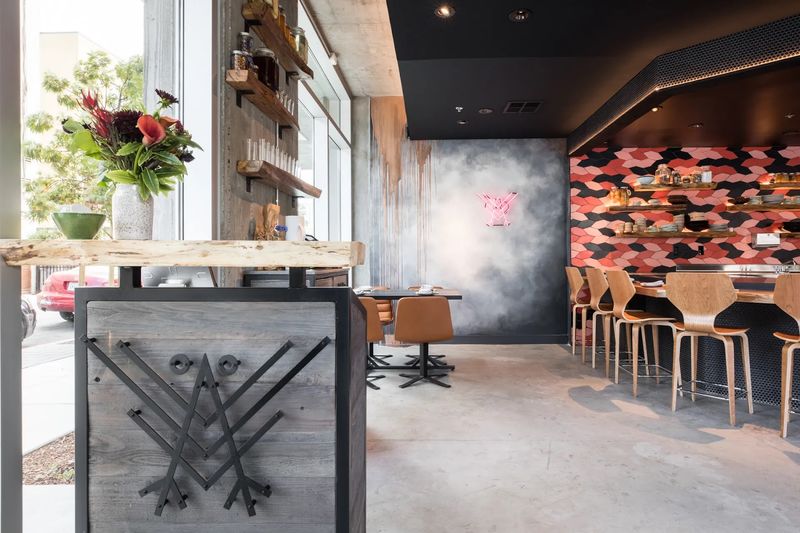
Robin takes a slightly different approach to sushi in San Francisco by pairing a chef-driven omakase format with an ingredient philosophy that draws heavily on local and seasonal sourcing.
The restaurant is at 620 Gough St, San Francisco, CA 94102, in the Hayes Valley neighborhood, and the interior has a contemporary design sensibility that reflects the kitchen’s forward-leaning outlook.
The menu changes with some regularity, which means that returning guests are likely to encounter different combinations of fish and accompaniments with each visit.
The omakase format here tends to incorporate both traditional nigiri and more composed dishes, giving the meal a varied rhythm that keeps the experience engaging from start to finish.
The sourcing philosophy means that the menu reflects what is genuinely available rather than defaulting to the same selections regardless of season, and March’s cooler temperatures tend to bring their own set of seasonal ingredients into the rotation.
Hayes Valley is a walkable and lively neighborhood, with Robin sitting among a cluster of restaurants and shops that make the surrounding area worth spending time in before or after the meal.
Reservations are recommended given the limited seating and the restaurant’s growing recognition.
15. Oma San Francisco Station, San Francisco
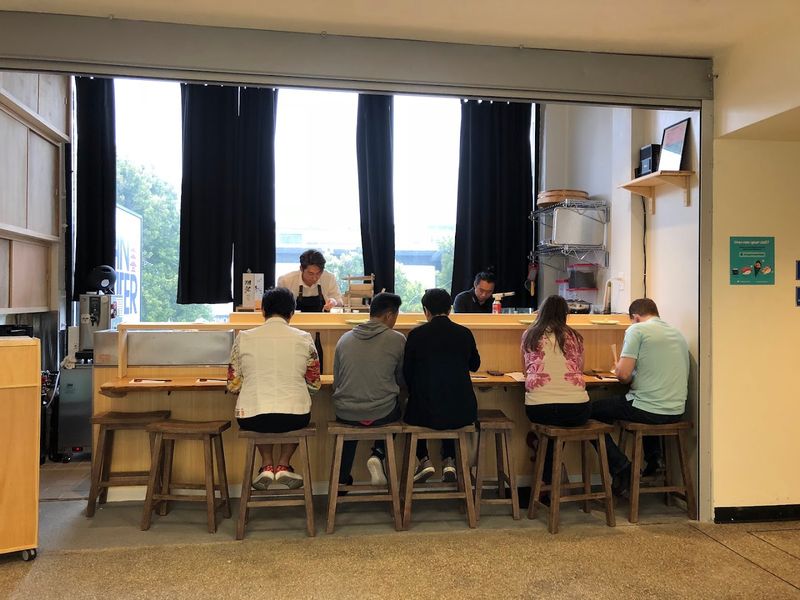
Oma San Francisco Station brings a focused omakase experience to the San Francisco dining scene with a format that keeps things clean and deliberately paced.
The restaurant is at 1737 Post St #337, San Francisco, CA 94115, and the space reflects the area’s broader character of thoughtful design within a formerly industrial setting.
The kitchen’s approach centers on quality over quantity, with a set number of courses that allow each element to receive the attention it deserves rather than competing with an overwhelming menu.
The fish sourcing here is taken seriously, and the preparation leans toward traditional Japanese technique while leaving room for subtle contemporary touches that keep the experience feeling current without veering into gimmick territory.
Japantown rewards exploration, with galleries, coffee roasters, and design studios nearby that can make a visit to Oma part of a fuller afternoon or evening in that part of the city.
March tends to bring a quieter energy to the neighborhood compared to the summer months, which suits the measured and unhurried pace of an omakase meal well.
Reservations are essential given the small seating capacity and the growing interest the restaurant has been attracting in recent months.