California Travel Guide: Secret Places Away From The Crowds
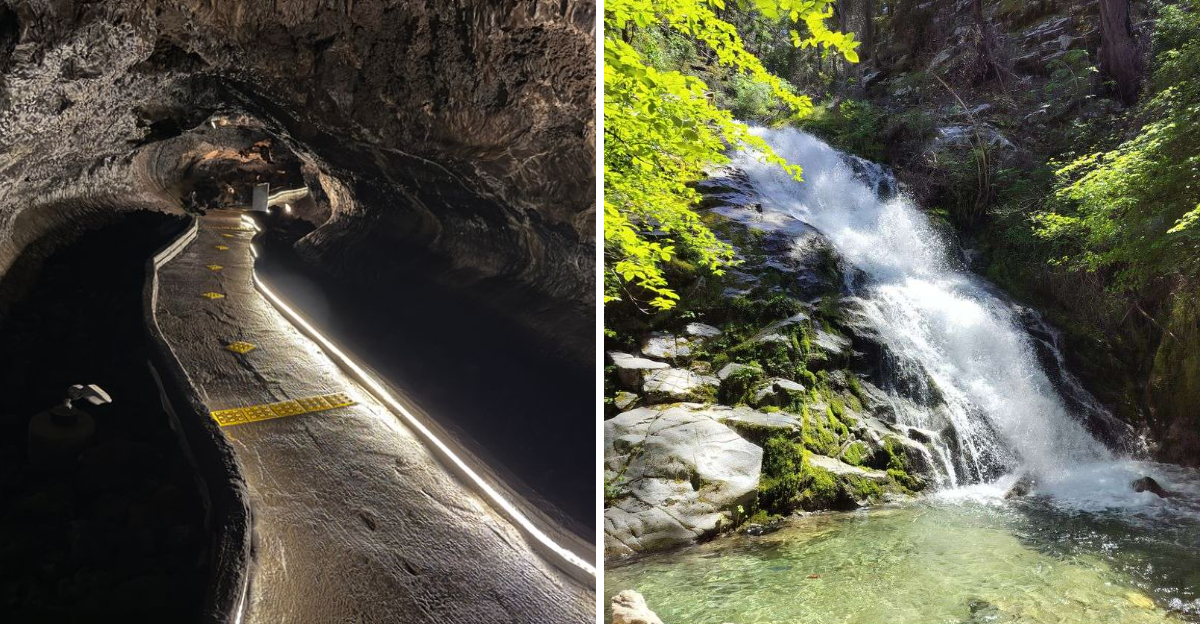
California stretches far beyond Hollywood signs and crowded piers.
Countless hidden corners wait quietly for travelers willing to wander off the beaten path.
From volcanic black sand shores to secret coves tucked beneath golden cliffs, the Golden State hides treasures that most visitors never discover.
Bowling Ball Beach
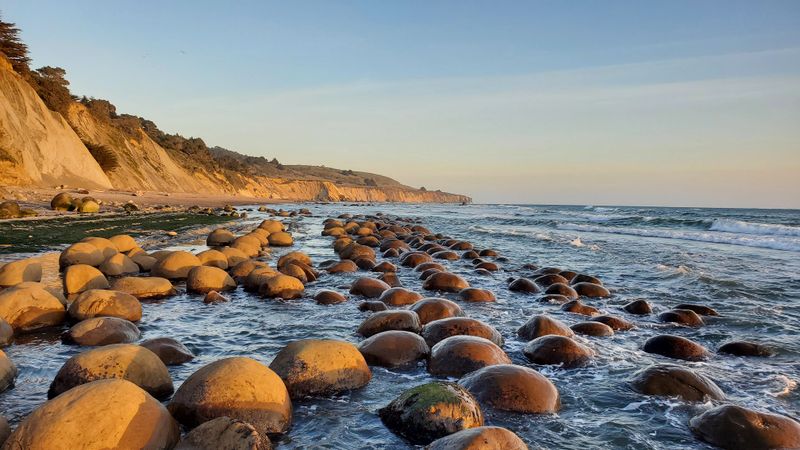
Nature sculpted something extraordinary along this northern coastline.
Bowling Ball Beach sits quietly near the town of Point Arena, accessible from Schooner Gulch State Beach parking area off Highway 1 in Mendocino County.
Giant spherical rocks dot the sand like marbles dropped by ancient giants.
These geological wonders formed over millions of years through erosion and mineral deposits.
Low tide reveals the full spectacle when ocean water retreats from the shore.
Photographers arrive early to catch sunrise light dancing across wet stone surfaces.
The walk down requires sturdy shoes and careful footing on steep trails.
Families enjoy exploring tide pools between the massive round formations.
Local legends whisper stories about how these stones came to rest here.
Visitors should check tide schedules before planning their adventure to this remote spot.
The beach remains blissfully empty compared to southern California’s packed shores.
Pack water and snacks since no facilities exist nearby.
El Matador Beach
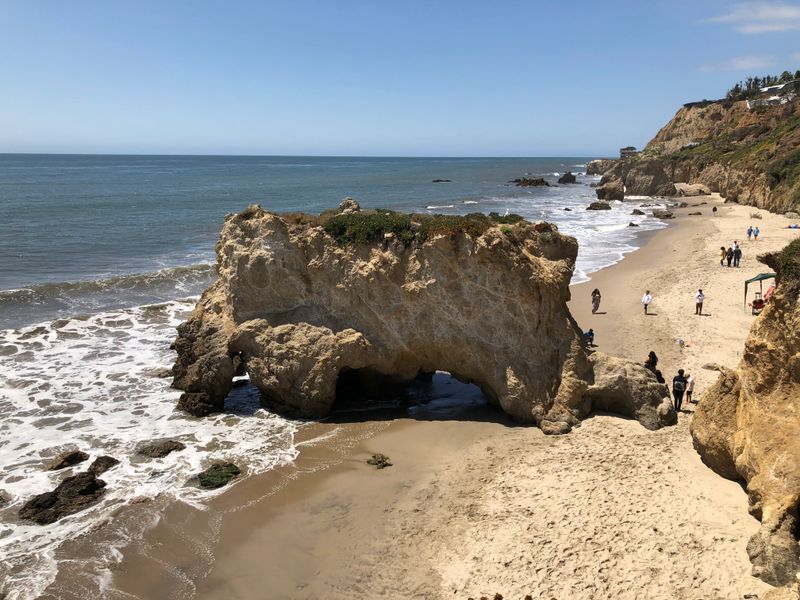
A steep stairway leads down to paradise.
El Matador Beach hides along Pacific Coast Highway near 32350 Pacific Coast Highway in Malibu, invisible from passing cars.
Turquoise waves crash against towering rock formations that jut dramatically from the sand.
Natural arches frame perfect photographs that look like they belong in travel magazines.
Small caves invite exploration during low tide when water levels drop.
The descent requires good knees and a sense of adventure.
Couples often choose this romantic spot for sunset picnics on the golden sand.
Unlike crowded Zuma or Santa Monica, this beach offers breathing room even in summer.
Seabirds nest in cliff crevices above the shoreline throughout spring months.
Bring a blanket and settle into a sandy nook for hours of peaceful solitude.
The parking lot fills quickly on weekends, so early arrival proves essential.
Tide pools teem with colorful sea life waiting to be discovered.
Pirates Cove
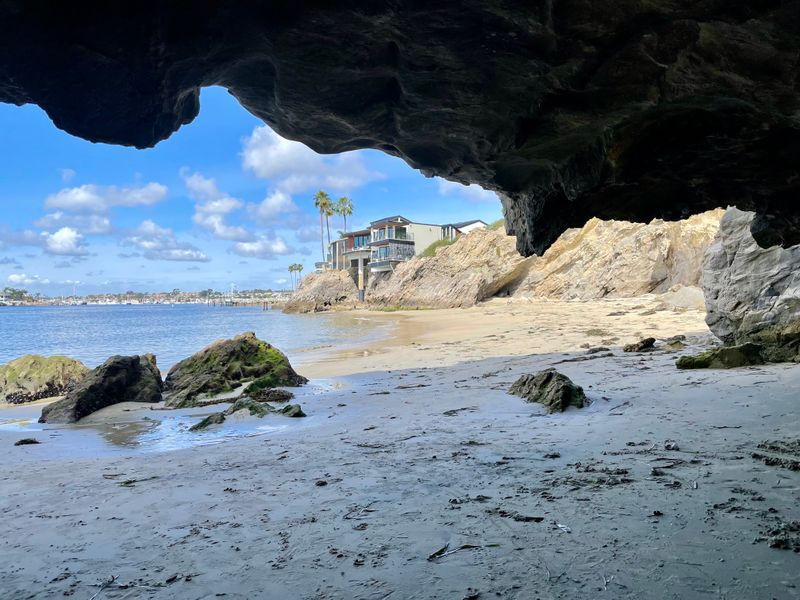
Silence wraps around you like a favorite blanket at this hidden bay.
Pirates Cove nestles between Avila Beach and Shell Beach along Cave Landing Road near San Luis Obispo.
A narrow trail winds down through coastal scrub to reach the protected shoreline.
The cove earned its swashbuckling name from local folklore about smugglers and hidden treasure.
Crystal-clear water laps gently against smooth rocks perfect for meditation or quiet contemplation.
No cell phone towers reach this spot, making it ideal for digital detox.
Locals pack simple lunches and spend entire afternoons reading under the California sun.
The bay stays calm even when nearby beaches experience rough surf conditions.
Wildflowers bloom along the clifftop trail during spring, adding color to the journey.
Sunset transforms the cove into a painter’s palette of orange and purple hues.
Few tourists discover this gem, leaving it mostly to residents who guard the secret closely.
Remember to carry out everything you bring in.
Black Sands Beach
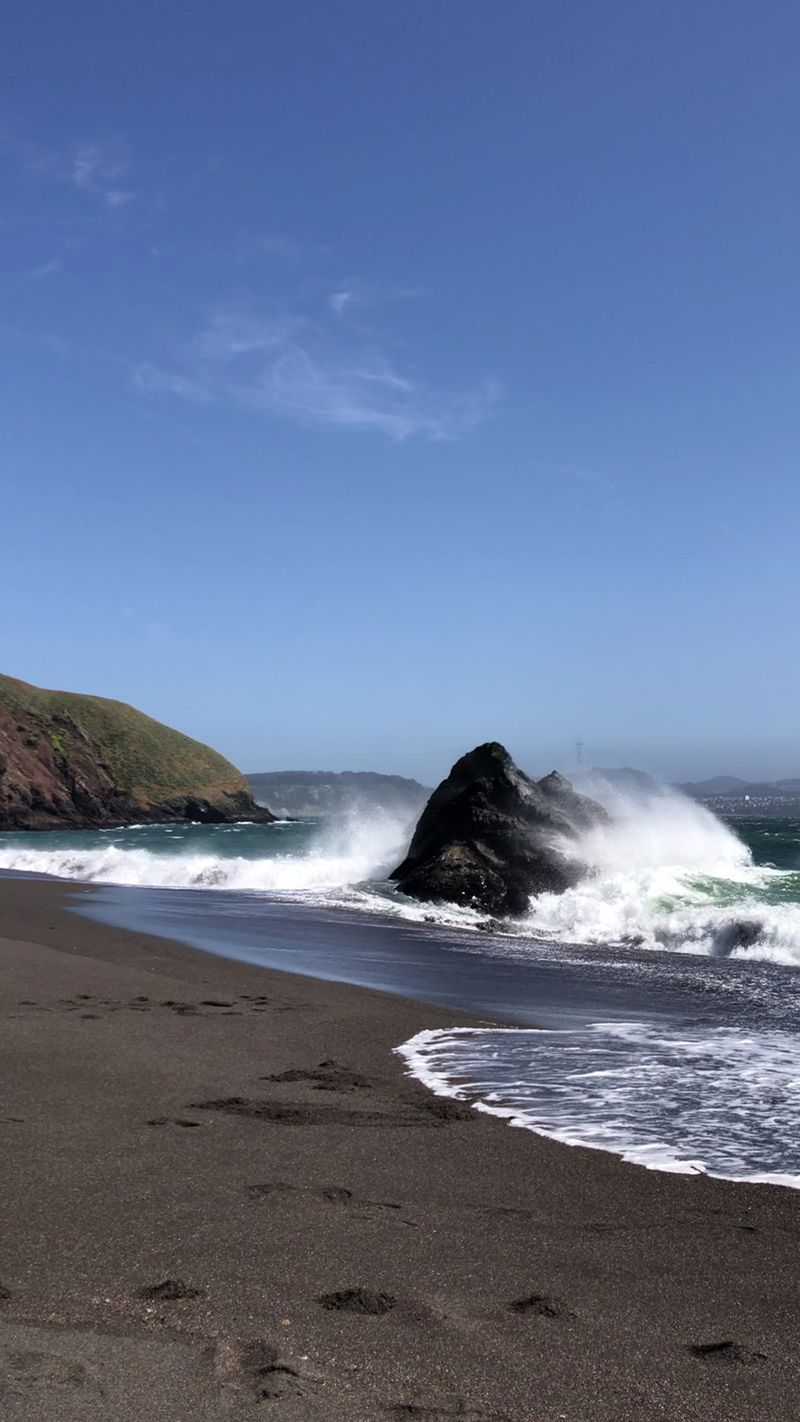
Volcanic forces created something utterly different here.
Black Sands Beach stretches along the Lost Coast in Humboldt County, accessible via Shelter Cove Road near the tiny community of Shelter Cove.
Dark sand crunches underfoot, a stark contrast to California’s typical golden shores.
This wild coastline sees no tour buses or souvenir shops.
Massive driftwood logs scatter across the beach like abandoned ships.
The Lost Coast earned its name because roads couldn’t penetrate the rugged terrain.
Hikers use this beach as a starting point for multi-day backpacking adventures.
Wind whips constantly across the open expanse, bringing fresh ocean air.
Seals occasionally haul out on offshore rocks to rest and sun themselves.
The remoteness guarantees solitude for anyone seeking escape from modern life.
Layered clothing proves essential since temperatures shift quickly near the water.
This beach represents California in its most raw and untamed state.
College Cove
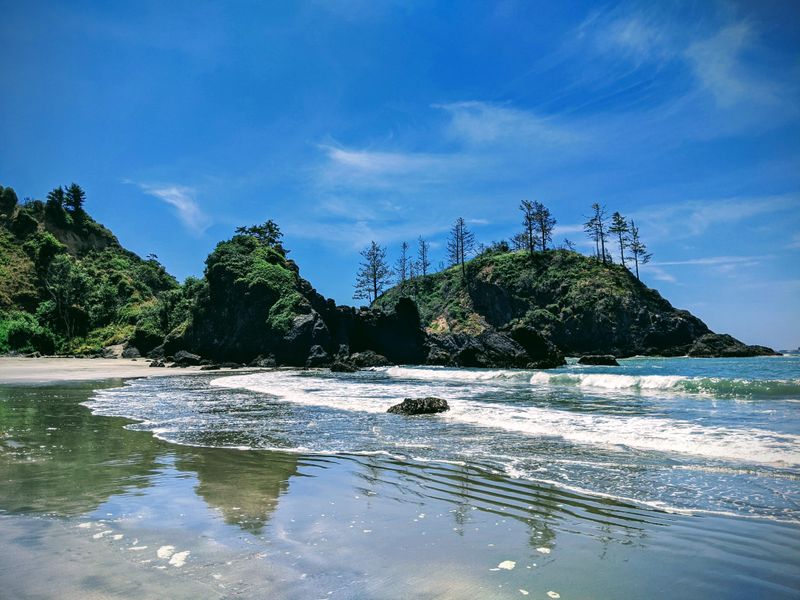
A photographer’s dream unfolds at trail’s end.
College Cove lies near Trinidad, accessible via a scenic path from Trinidad State Beach parking area off Stagecoach Road in Northern California.
Golden sand meets emerald cliffs in a protected embrace that blocks harsh winds.
The trail meanders through coastal forest before revealing the cove below.
Tide pools along the edges burst with colorful anemones and scuttling crabs.
Students from nearby Humboldt State University discovered this spot decades ago, giving it its name.
The cove faces south, capturing maximum sunlight throughout the day.
Rock formations create natural frames for stunning coastal photographs.
Harbor seals sometimes swim close to shore, curious about human visitors.
The beach remains small and intimate, perfect for couples or solo travelers.
Morning fog often blankets the cove before burning off by midday.
Pack a camera because every angle offers postcard-worthy views of this protected paradise.
Fern Canyon
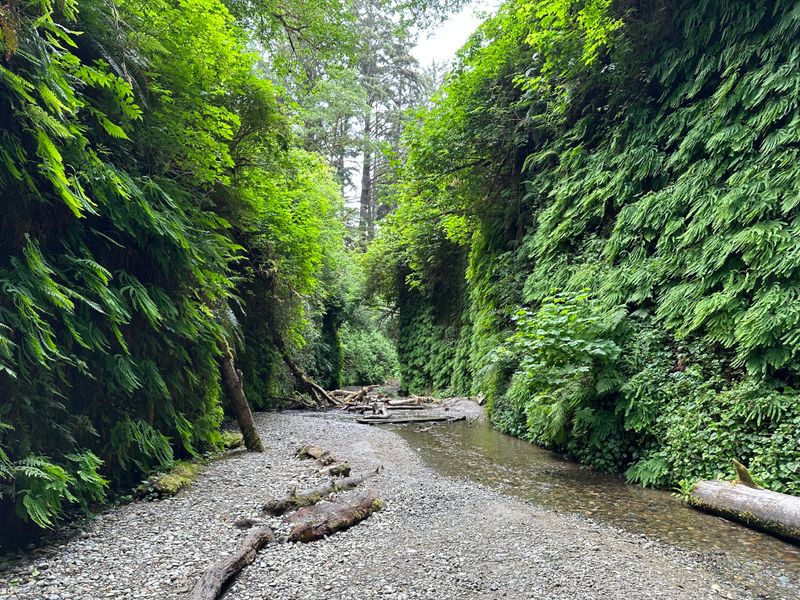
Walking through prehistoric times becomes possible in this verdant gorge.
Fern Canyon sits within Prairie Creek Redwoods State Park near 127011 Newton B. Drury Scenic Parkway in Orick, Northern California.
Walls rise fifty feet high, completely covered in five-fingered ferns that drip with moisture.
A shallow creek meanders through the canyon bottom, requiring strategic rock-hopping.
Filmmakers chose this location for dinosaur scenes in Jurassic Park movies.
The canyon stays cool and shaded even during hot summer months.
Moss carpets every surface, creating an otherworldly green glow.
The short hike takes about an hour but feels like a journey to another planet.
Waterproof shoes prove essential since you’ll wade through the creek multiple times.
Elk often graze in meadows near the trailhead, adding wildlife encounters to the experience.
Crowds thin out dramatically compared to popular redwood groves further south.
This hidden canyon showcases California’s diverse ecosystems beyond beaches and deserts.
Mono Lake Tufa Reserve
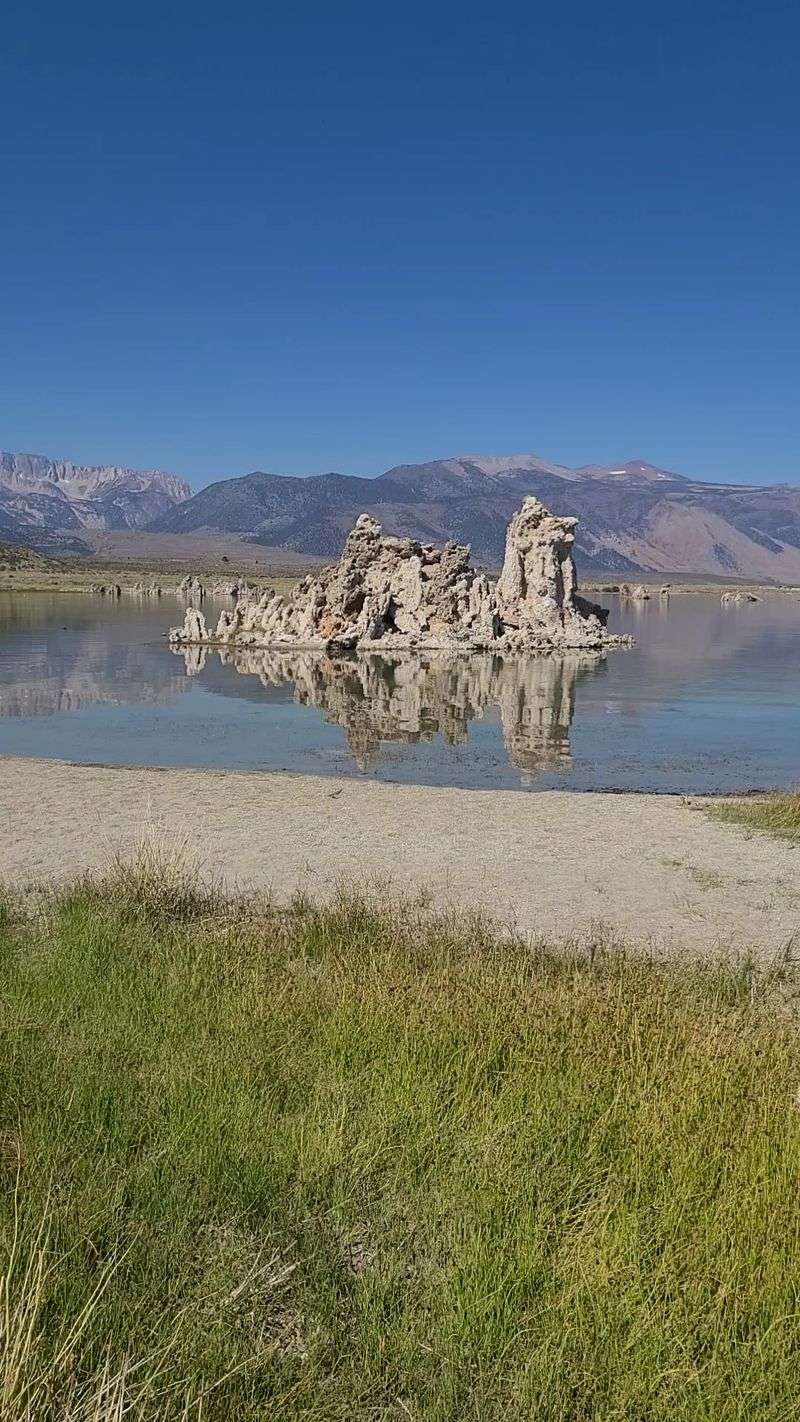
Alien spires rise from salty water like a science fiction landscape.
Mono Lake Tufa Reserve lies along Highway 395 near the town of Lee Vining in Eastern California’s high desert.
Calcium carbonate towers formed underwater over centuries, now exposed above the receding lake surface.
The alkaline water supports unique brine shrimp that attract millions of migratory birds.
Sunrise paints the tufa formations in shades of pink and orange.
Photographers circle the lake capturing reflections in the mirror-smooth morning water.
The reserve offers boardwalk trails that wind between the largest tower clusters.
Swimming feels strange in the buoyant, salty water that stings any cuts.
Snow-capped Sierra peaks provide a dramatic backdrop across the lake.
Few California destinations offer such stark and beautiful desert scenery.
The lake sits at 6,400 feet elevation, so bring layers for temperature swings.
This geological wonder remains off most tourist itineraries despite its stunning uniqueness.
Glass Beach
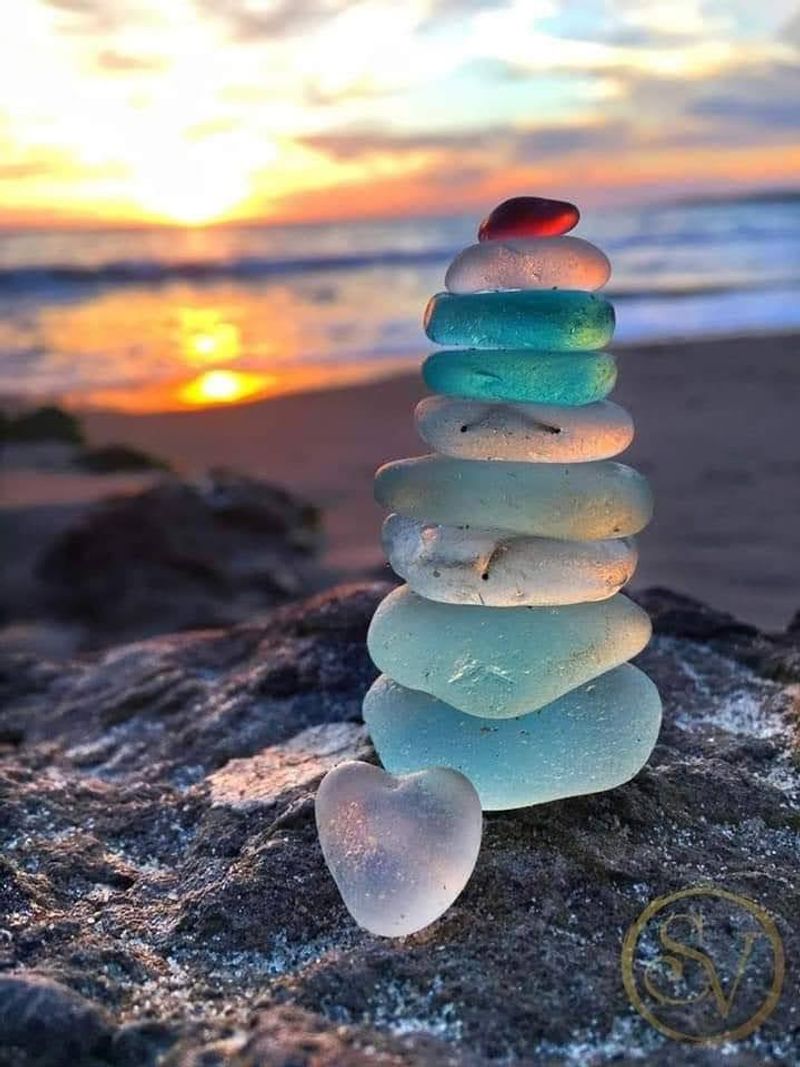
Human mistakes transformed into natural art over decades.
Glass Beach sits within MacKerricher State Park near the corner of Elm Street and Glass Beach Drive in Fort Bragg.
Smooth, rounded glass pieces blanket sections of the shore in rainbow colors.
Decades ago, residents dumped trash here before environmental awareness changed practices.
Ocean waves tumbled broken bottles and jars into polished gems.
Collectors used to pocket handfuls, but now regulations protect the remaining glass.
Visitors snap photos instead of taking souvenirs from this reclaimed landscape.
Purple glass proves rarest since it came from pre-1950s bottles.
The beach demonstrates nature’s power to heal and transform human damage.
Nearby tide pools offer additional exploration opportunities during low tide.
Fort Bragg itself charms visitors with its small-town coastal atmosphere.
This beach tells a story of redemption and second chances for damaged ecosystems.
Salvation Mountain
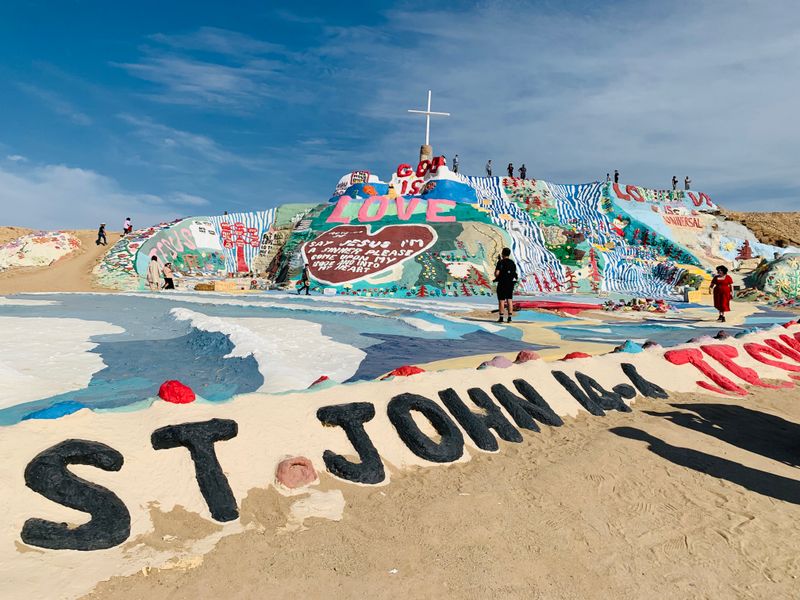
One man’s vision bloomed into a desert masterpiece.
Salvation Mountain rises near Beal Road outside Niland in California’s Colorado Desert, not far from the Salton Sea.
Leonard Knight spent decades covering a hillside with bright paint and religious messages.
Adobe, straw, and thousands of gallons of paint created this folk art wonder.
Every surface explodes with color against the tan desert backdrop.
Visitors walk through painted caves and climb stairs adorned with biblical verses.
The site represents pure creative expression untainted by commercial interests.
Summer temperatures soar, so spring and fall visits prove more comfortable.
Photographers love the contrast between vivid colors and stark desert surroundings.
The nearby community of Slab City adds to the area’s unconventional character.
This monument stands as testament to dedication and individual artistic vision.
Bring water and sun protection when exploring this remote desert attraction.
Lava Beds National Monument
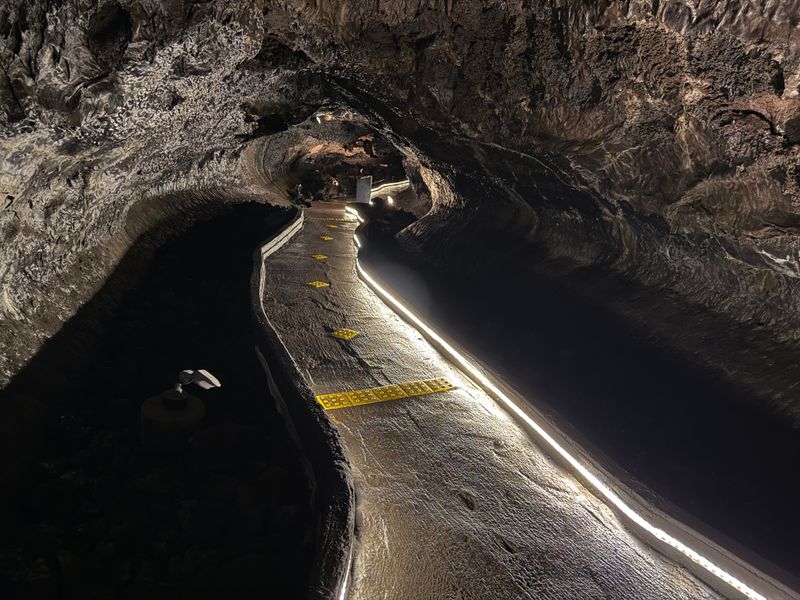
Underground passages tell stories of fiery geological history.
Lava Beds National Monument sprawls across remote northeastern California near Indian Well Headquarters at 1 Indian Well Headquarters in Tulelake.
Over 800 caves formed when lava flows cooled and hardened millennia ago.
Visitors can explore dozens of caves ranging from easy walks to challenging crawls.
Headlamps illuminate otherworldly formations inside the dark volcanic tubes.
The monument also preserves Native American rock art and historical battlefields.
Above ground, the stark landscape showcases volcanic cones and cinder fields.
Wildlife includes bats that roost in caves and raptors hunting across open terrain.
Rangers provide cave maps and safety information at the visitor center.
This destination attracts adventurers rather than casual tourists seeking easy experiences.
The isolation guarantees peace and the chance to explore without crowds.
Hard hats and sturdy shoes become essential equipment for underground adventures here.
Anza-Borrego Desert Wildflower Fields
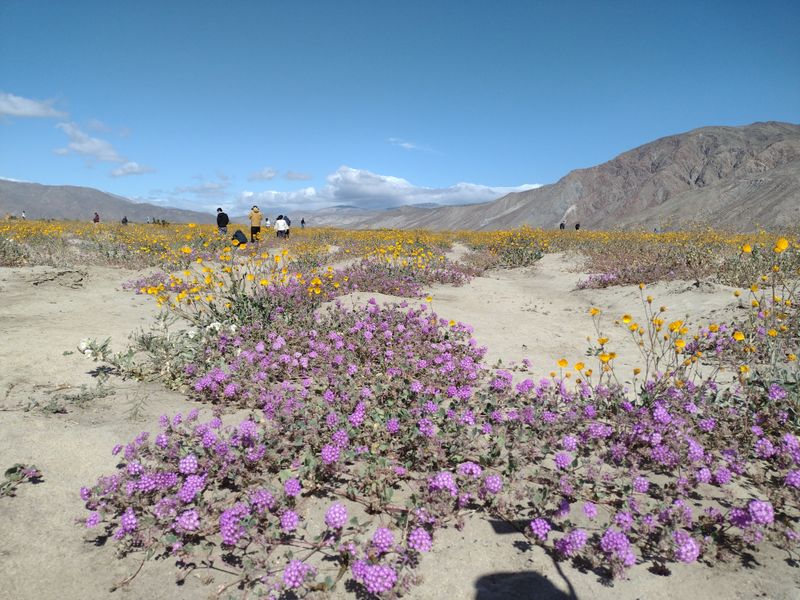
The desert explodes with color during rare super bloom years.
Anza-Borrego Desert State Park spreads across San Diego County, with the visitor center located at 200 Palm Canyon Drive in Borrego Springs.
Winter rains trigger millions of wildflower seeds to germinate simultaneously.
Carpets of yellow, purple, and orange blooms transform barren sand into living paintings.
The timing varies yearly depending on rainfall patterns and temperature.
Locals monitor conditions and share bloom reports online for planning purposes.
Even non-bloom years offer stark desert beauty and excellent stargazing opportunities.
Bighorn sheep roam the canyons while roadrunners dart between creosote bushes.
Summer heat makes this a winter and spring destination only.
The park remains California’s largest state park but sees fewer visitors than coastal areas.
Camping under star-filled skies adds magic to any desert visit.
This hidden gem rewards patience and proper timing with unforgettable natural displays.
Whiskeytown Falls
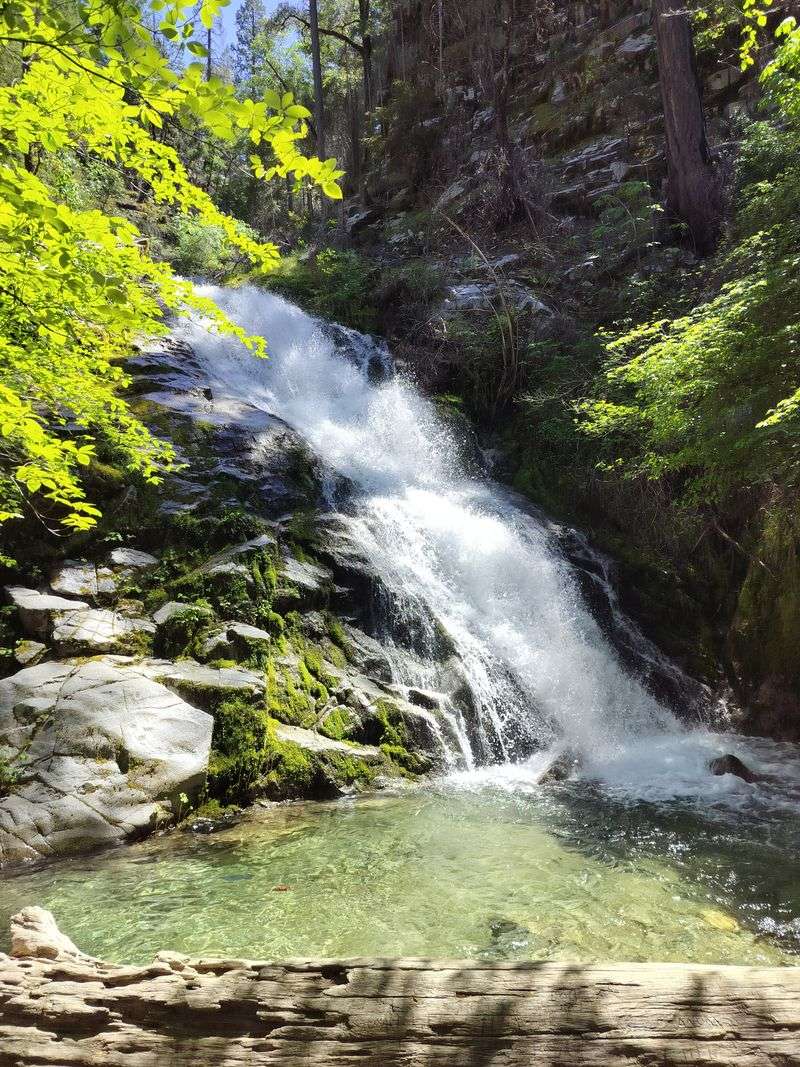
Water plunges 220 feet down a granite cliff face.
Whiskeytown Falls hides within Whiskeytown National Recreation Area near 14412 Kennedy Memorial Drive in Whiskeytown, Northern California.
The tallest waterfall in the area remained relatively unknown until recent decades.
A moderate hike of about 3.4 miles leads through oak woodlands to the falls.
Spring runoff creates the most impressive flow, though it runs year-round.
The trail crosses clear streams and passes through shaded forest sections.
Hikers enjoy the journey as much as the destination at this peaceful spot.
The recreation area also offers lake activities, but most visitors miss the waterfall.
Wildflowers bloom along the trail during spring months, adding color to the hike.
The waterfall viewing area provides benches for resting and enjoying the scene.
This gem stays quiet compared to famous falls in Yosemite.
Pack snacks and plenty of water for the round-trip journey through changing terrain.
Burney Falls
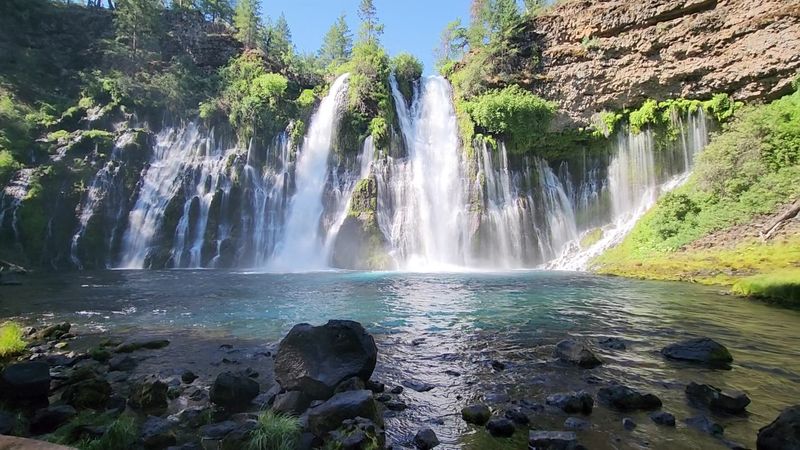
Theodore Roosevelt called this waterfall the eighth wonder of the world.
Burney Falls thunders within McArthur-Burney Falls Memorial State Park at 24898 Highway 89 near Burney in Northern California.
Water pours over the 129-foot cliff at 100 million gallons daily.
Underground springs feed the falls, ensuring consistent flow regardless of season.
Mist creates rainbows on sunny days, delighting photographers and families alike.
The short walk from parking to viewpoint makes this accessible for all ages.
A trail loops down to the base for closer waterfall encounters.
Ferns and moss cover rocks around the falls, creating lush scenery.
The park offers camping for those wanting to extend their stay.
Despite its beauty, the falls remain less crowded than southern California attractions.
Swimming holes downstream provide refreshing dips on hot summer days.
This natural wonder deserves its reputation while maintaining a peaceful atmosphere away from tourist hordes.
Point Reyes Shipwreck
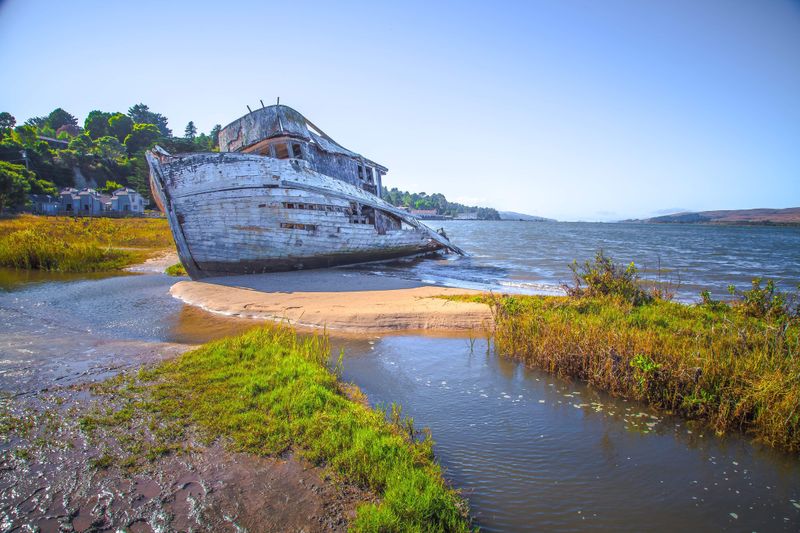
A ghost ship rests in shallow water, slowly surrendering to time.
The Point Reyes Shipwreck sits in Tomales Bay near Inverness, accessible from Point Reyes National Seashore at 1 Bear Valley Road.
The SS Point Reyes ran aground decades ago and now serves as habitat for marine life.
Kayakers paddle close to examine the rusting hull and weathered timbers.
The wreck photographs beautifully during golden hour when light hits the metal.
Herons and cormorants perch on the remains, adding life to the scene.
Tides affect access, with low water offering the best viewing opportunities.
The shipwreck represents maritime history slowly being reclaimed by nature.
Point Reyes itself offers dramatic coastal cliffs, lighthouse visits, and elephant seal colonies.
The national seashore protects this rugged coastline just north of San Francisco.
Fog often blankets the area, creating moody atmospheric conditions.
This haunting maritime relic rewards those who venture beyond the main visitor areas.