California’s Academy Museum Of Motion Pictures Is Where Movie History Meets The Future Of Film
Spotlights glow against polished concrete. A ruby-red slipper rests behind glass. Storyboards, cameras, and costumes wait quietly, each one carrying a scene the world once memorized.
Stepping inside the Academy Museum of Motion Pictures feels like crossing into the heart of Hollywood itself. Film history surrounds you in every direction – from silent-era artifacts to the tools shaping modern blockbusters.
This is California’s ultimate love letter to the movies.
Galleries stretch across multiple floors inside a reimagined landmark building, where iconic props sit beside immersive exhibits that break down how unforgettable scenes come to life.
One turn leads to classic cinema. Another reveals cutting-edge visual effects.
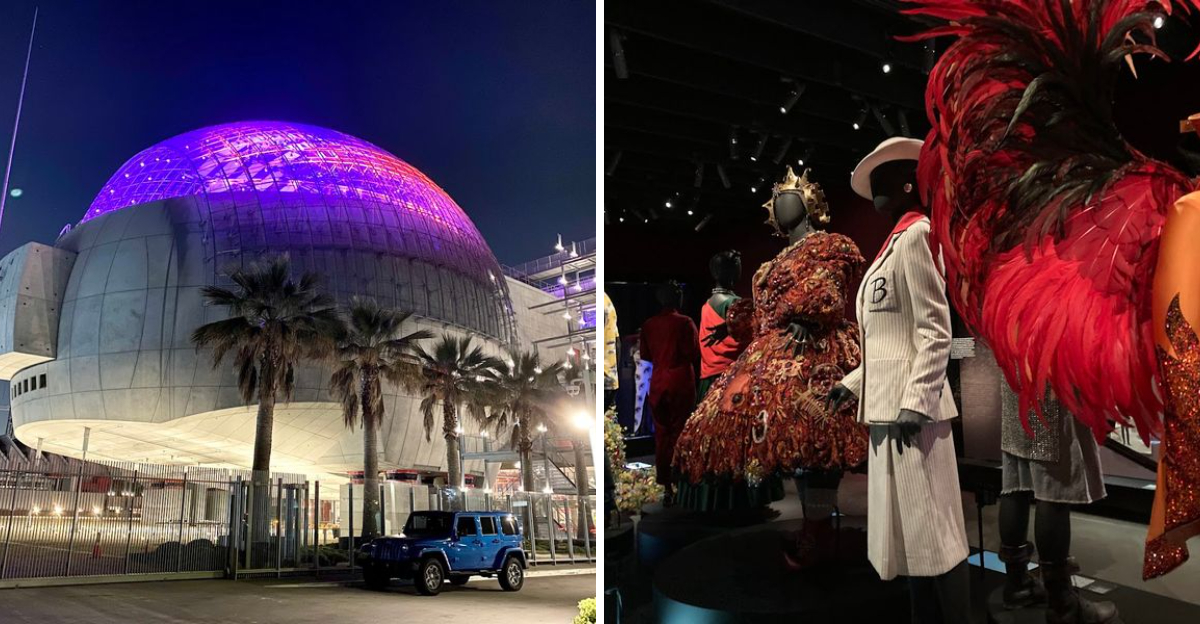
The glass sphere rising above the boulevard signals something bold and futuristic, while inside, theaters screen everything from golden-age masterpieces to contemporary hits.
Whether you grew up on old Hollywood musicals or today’s superhero epics, this museum connects generations through the craft, creativity, and spectacle of film.
In a city built on storytelling, few places feel this cinematic from the moment the doors open.
1. A Historic Building Transformed Into Cinema’s Home
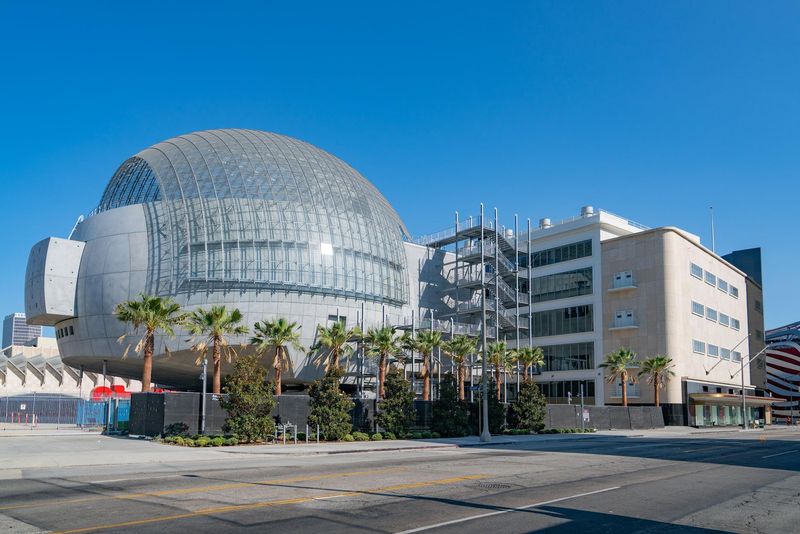
The Saban Building started its life in 1939 as the May Company department store, a beautiful example of Streamline Moderne architecture that caught the eye of shoppers cruising down Wilshire Boulevard.
The building’s curved corner and golden cylinder made it a landmark long before it became a museum.
When the Academy of Motion Picture Arts and Sciences decided to create a museum, they chose this historic structure because it represented the same era when Hollywood was becoming the movie capital of the world.
Pritzker Prize-winning architect Renzo Piano took on the challenge of transforming the old department store into a state-of-the-art museum while respecting its original character.
The renovation preserved the building’s iconic exterior features while completely reimagining the interior spaces to accommodate galleries, theaters, and educational facilities.
The address 6067 Wilshire Blvd, Los Angeles, CA 90036 now marks the entrance to a space where architectural history and film history come together in perfect harmony.
Piano’s design connects the historic Saban Building to a brand-new spherical structure through glass bridges, creating a campus that honors the past while embracing the future.
The careful restoration work maintained details like the original terrazzo floors and decorative elements, giving visitors a sense of stepping back in time even as they explore cutting-edge exhibitions about modern filmmaking.
2. The Sphere That Defies Gravity
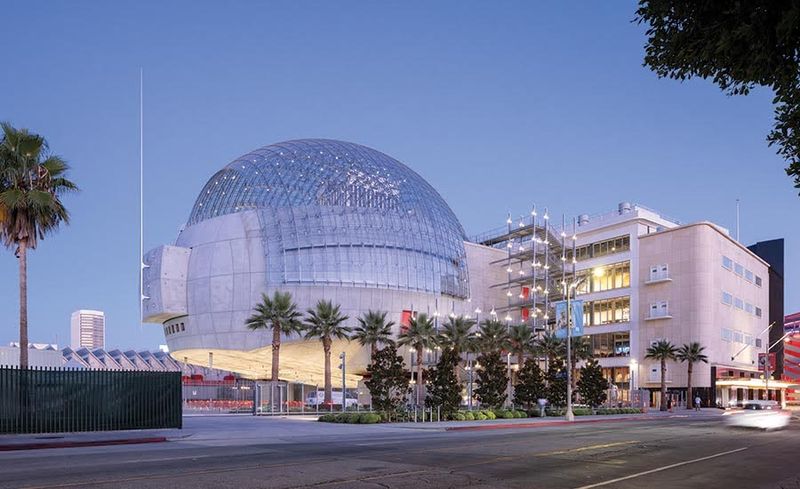
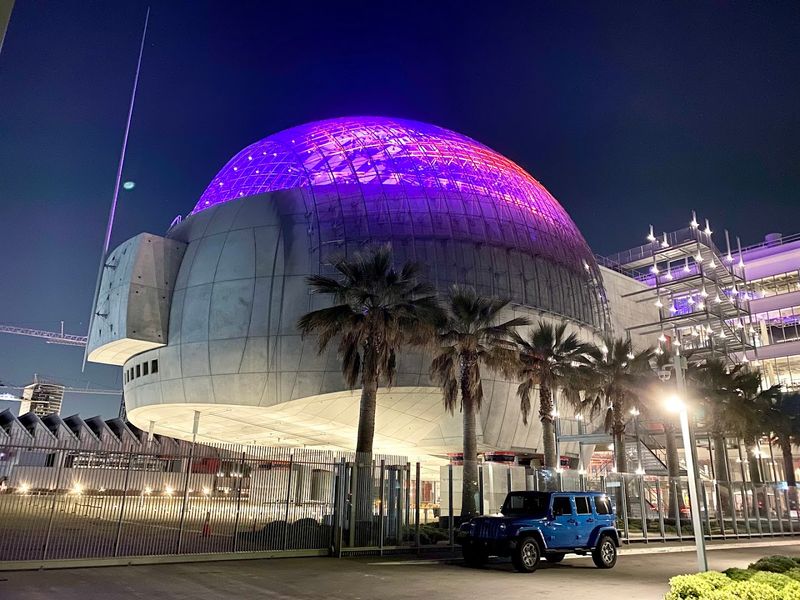
Rising above the corner of Wilshire and Fairfax, a massive concrete and glass sphere seems to float in midair, creating one of the most photographed new landmarks in Los Angeles.
This architectural marvel measures 130 feet across and weighs thousands of tons, yet its design makes it appear weightless and delicate.
The sphere’s surface consists of flat concrete panels arranged in a pattern that creates the illusion of a perfect round shape, demonstrating how geometry and engineering can work together to create something magical.
Inside this gravity-defying structure sits the David Geffen Theater, a 1,000-seat venue equipped with some of the most advanced projection and sound technology available anywhere in the world.
The theater can screen films in every format ever created, from early silent movies to the latest digital releases, ensuring that audiences experience each film exactly as its creators intended.
The seats are arranged in a way that gives every person a clear view of the massive screen, making even the back row feel connected to the action.
The top of the sphere features the Dolby Family Terrace, a glass-domed space that offers sweeping views of the Hollywood Hills and downtown Los Angeles skyline.
This outdoor area provides a place for visitors to pause between exhibitions and reflect on what they’ve learned while taking in the city that made movies into an art form.
3. More Than 52 Million Objects Tell Cinema’s Story
The Academy’s collection represents the largest archive of film-related objects anywhere on the planet, with more than 52 million items carefully preserved and cataloged.
This vast treasure includes everything from the first motion picture cameras to the digital equipment used in today’s blockbusters.
The collection grew over decades as the Academy gathered costumes, props, scripts, posters, photographs, and technical equipment from studios, filmmakers, and collectors who wanted to preserve cinema history.
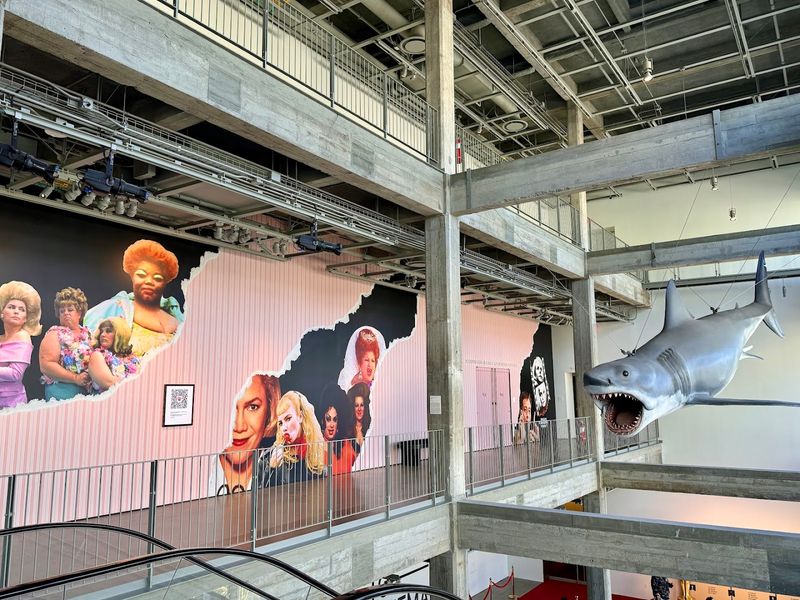
Walking through the museum’s galleries reveals objects that spark instant recognition, like the ruby slippers Judy Garland wore in The Wizard of Oz or the mechanical shark that terrorized swimmers in Jaws.
Other items might seem ordinary at first glance, like a simple typewriter, until visitors learn it was used to write the screenplay for Psycho.
Each object carries its own story about how movies are made and the creative decisions that shaped films people still watch and love today.
The collection continues to grow as the museum acquires new items that represent important developments in filmmaking.
Conservation experts work behind the scenes to protect fragile materials like old film stock and delicate costumes, using special storage conditions and handling techniques to ensure future generations can study and appreciate these artifacts.
The sheer size of the collection means only a small percentage can be displayed at any time, with items rotating through exhibitions to keep the museum experience fresh for repeat visitors.
4. Stories Of Cinema Unfold Across Three Floors
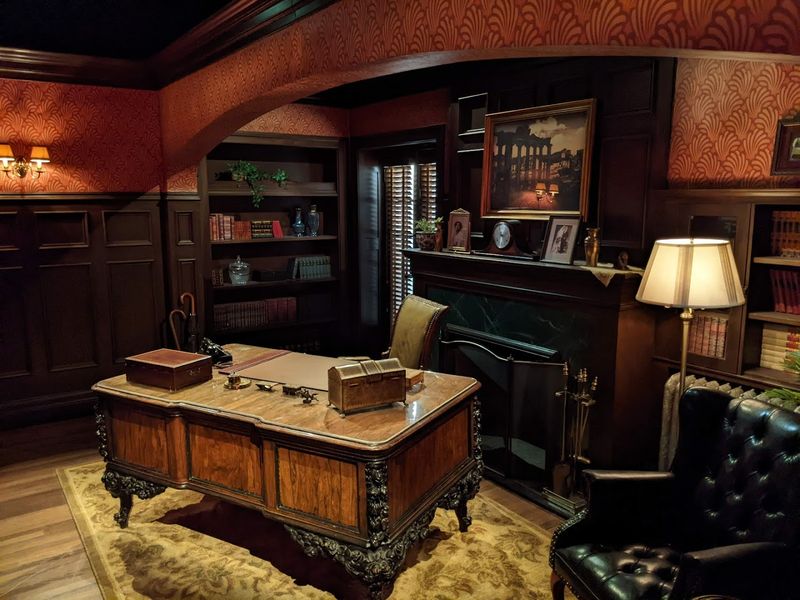
The museum’s core permanent exhibition spreads across three entire floors of the Saban Building, creating a journey through film history that takes hours to fully explore.
Stories of Cinema organizes its galleries around different themes rather than strict chronological order, allowing visitors to understand how various aspects of filmmaking evolved and influenced each other.
One gallery might focus on the art of screenwriting while another explores the technical innovations that made special effects possible, giving guests the freedom to follow their own interests through the exhibition.
Interactive displays let visitors try their hand at different filmmaking techniques, from creating simple animation to understanding how sound designers build the audio landscape for a scene.
These hands-on elements help people appreciate the incredible amount of work and creativity that goes into every moment of a finished film.
Touch screens provide deeper information about specific films, filmmakers, and techniques for those who want to learn more about particular topics that catch their attention.
The galleries feature artifacts from films spanning the entire history of cinema, from silent era masterpieces to recent Academy Award winners.
Visitors might see the actual costume designs sketched by legendary designers, read handwritten notes from famous directors about how they approached difficult scenes.
Or examine the miniature models used to create massive city-destroying sequences before computer graphics became the standard tool for such effects.
5. Theaters That Honor Every Era Of Filmmaking
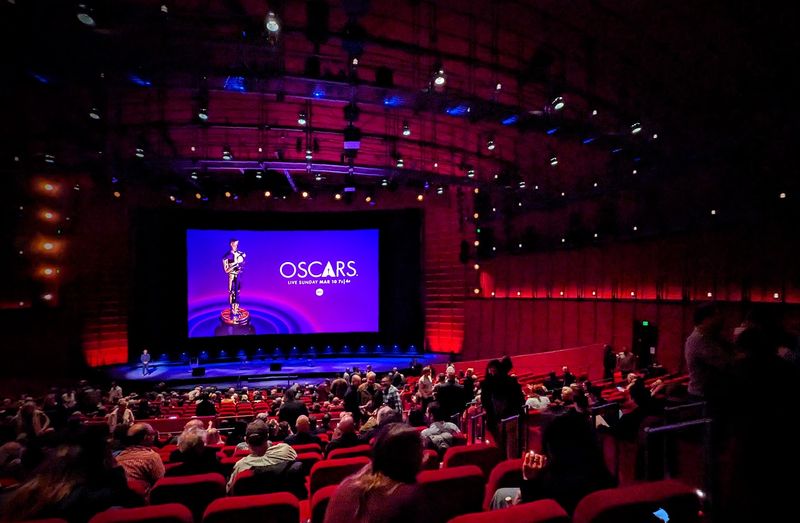
Two remarkable theaters anchor the museum’s mission to celebrate film as a living art form that deserves to be experienced on the big screen.
The David Geffen Theater occupies the main space within the sphere, offering 1,000 seats arranged in a configuration that ensures optimal viewing and sound quality from every position.
The theater’s technical capabilities allow it to project films in virtually any format ever used in cinema history, from 35mm prints of classic Hollywood films to the latest laser projection systems used for contemporary releases.
The smaller Ted Mann Theater provides 288 seats in a more intimate setting perfect for special screenings, discussions with filmmakers, and educational programs.
This theater also features advanced projection and sound systems, though its size creates a different kind of experience that works especially well for older films originally shown in smaller neighborhood theaters.
Both venues maintain strict standards for presentation quality, ensuring that whether someone is watching a film from 1925 or 2025, they see and hear it exactly as intended.
The museum’s screening program includes rare prints of films that rarely get shown theatrically anymore, giving audiences chances to experience cinema history on a proper screen rather than on television or computer monitors.
Special series might focus on a particular director’s work, explore films from a specific country or time period, or showcase recently restored classics that have been digitally cleaned and enhanced to look better than they have in decades.
6. Learning Filmmaking In The Shirley Temple Education Studio
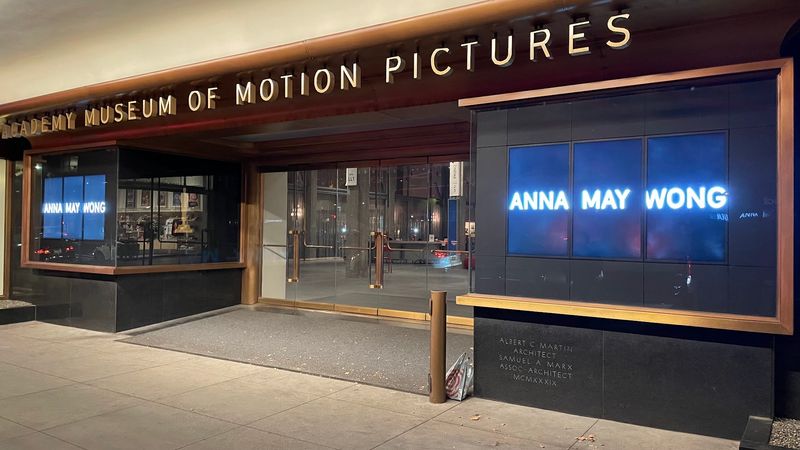
Named after one of Hollywood’s most beloved child stars, the Shirley Temple Education Studio serves as the museum’s dedicated space for hands-on learning about filmmaking and film appreciation.
This specially designed facility hosts workshops where participants of all ages can explore different aspects of movie production, from writing scenes to operating cameras to editing footage into finished sequences.
The studio’s programs aim to demystify the filmmaking process and show that creating movies involves both technical skills and artistic vision working together.
Professional filmmakers and educators lead sessions that range from single afternoon workshops to multi-week courses covering specific topics in depth.
Younger participants might learn the basics of animation or how to create sound effects, while older students can explore more complex subjects like cinematography techniques or the business side of getting a film made and distributed.
The studio provides all necessary equipment, ensuring that lack of access to expensive gear doesn’t prevent anyone from learning about filmmaking.
Beyond practical production skills, the education programs also teach critical viewing abilities that help people understand and appreciate the artistic choices filmmakers make.
Students learn to analyze how camera angles affect emotional impact, how editing creates rhythm and pacing, and how production design establishes the world where a story takes place.
These skills enhance the movie-watching experience and help audiences become more engaged and thoughtful viewers of all kinds of films.
7. Special Exhibitions Bring Fresh Perspectives
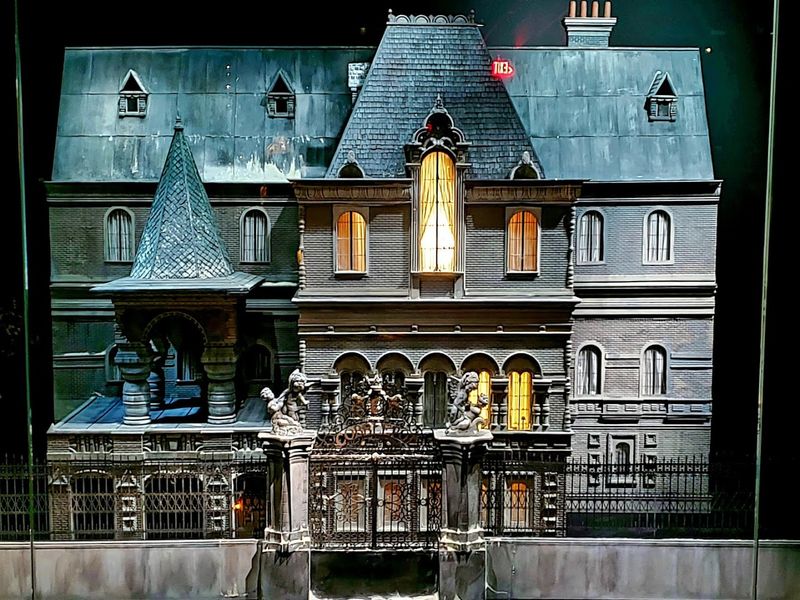
The museum dedicates significant gallery space to rotating special exhibitions that explore specific films, filmmakers, genres, or themes in cinema history.
These temporary shows allow the museum to dive deep into subjects that deserve extended attention, often bringing together artifacts, documents, and artwork that have never been displayed together before.
A recent exhibition celebrating the 50th anniversary of Jaws brought together more than 200 objects related to the film, including the only surviving full-scale mechanical shark model that Steven Spielberg and his crew used during the famously difficult production.
Special exhibitions often coordinate with significant anniversaries, newly completed film restorations, or cultural moments that make particular subjects especially relevant.
The museum’s curators work with filmmakers, studios, archives, and private collectors to assemble materials that tell complete stories about how specific films were made and why they matter in cinema history.
These exhibitions might include original script pages showing how stories evolved during writing, costume and set design sketches, behind-the-scenes photographs from the set, and promotional materials that show how studios marketed films to audiences.
Each special exhibition typically runs for several months, giving visitors plenty of time to plan a visit and explore the materials on display.
The museum announces upcoming exhibitions well in advance, and some shows generate enough interest that they attract visitors from around the world who want to see rare materials they might never have another opportunity to view in person.
8. Fanny’s Brings Golden Age Hollywood Dining To Life
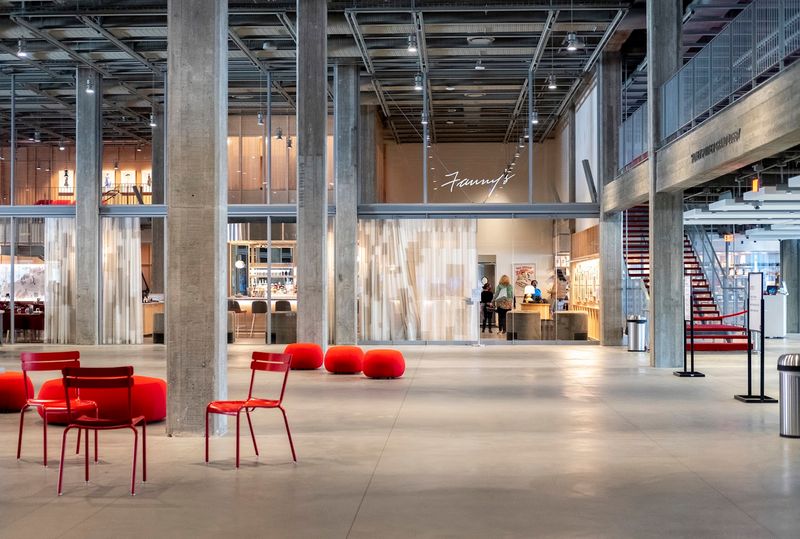
The museum’s restaurant and cafe takes its name from Fanny Brice, the legendary performer whose life inspired the musical Funny Girl, bringing a taste of Hollywood’s golden era to modern museum visitors.
Fanny’s occupies a prominent space within the museum building, offering both full-service dining and quicker cafe options for guests who want to grab something between exhibitions.
The restaurant’s design evokes the glamorous dining rooms where movie stars gathered during Hollywood’s classic period, though with contemporary comfort and accessibility in mind.
The menu features dishes that reference Hollywood history while meeting current tastes and dietary preferences, with options for vegetarian, vegan, and gluten-free diners alongside more traditional choices.
The cafe section serves lighter fare like sandwiches, salads, and pastries, perfect for visitors who want to refuel without taking a long break from exploring the galleries.
Both spaces provide comfortable seating where guests can rest their feet and discuss what they’ve seen in the museum or plan which exhibitions to visit next.
Fanny’s also serves as an event space for special museum programs, hosting filmmaker discussions, book signings, and other gatherings that extend the museum’s mission beyond its exhibition galleries.
The restaurant’s atmosphere captures the social aspect of Hollywood’s history, when industry professionals would gather to share ideas, make deals, and celebrate successes together.
Dining at Fanny’s becomes part of the overall museum experience rather than just a practical necessity during a long visit.
9. Annual Galas Celebrate Cinema’s Greatest Contributors
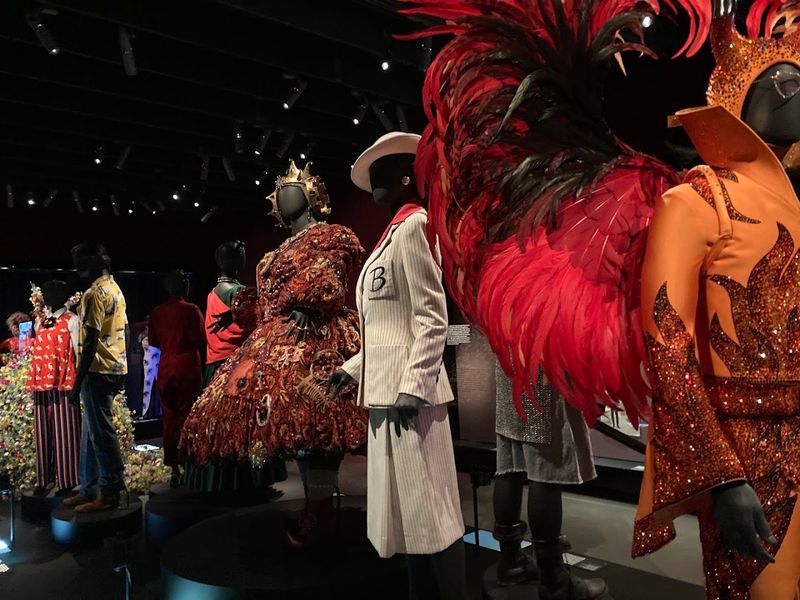
Each year the museum hosts a major fundraising gala that honors individuals who have made exceptional contributions to cinema, creating a glamorous evening that brings together filmmakers, actors, industry leaders, and supporters of the museum’s mission.
Past honorees have included Oprah Winfrey, Meryl Streep, Michael B.
Jordan, and Sofia Coppola, representing different aspects of filmmaking and different generations of talent.
These galas serve the practical purpose of raising money to support the museum’s operations, exhibitions, and educational programs while also celebrating the art form that brings everyone together.
The gala typically takes over the entire museum for the evening, with cocktail receptions in the galleries allowing guests to view exhibitions in an exclusive setting before moving to dinner and the awards ceremony.
The event’s organizers transform the museum’s spaces with dramatic lighting, floral arrangements, and special staging that creates a magical atmosphere worthy of Hollywood’s biggest celebrations.
The evening includes performances, film clips highlighting the honorees’ work, and speeches from colleagues and collaborators who share personal stories about the recipients’ impact on cinema.
Beyond the glamour and star power, these galas demonstrate the ongoing community support that keeps the museum thriving and growing.
Ticket sales and donations from the evening fund acquisitions of new artifacts, conservation work on fragile materials in the collection, free admission days for community members, and expanded educational programming that reaches students throughout the Los Angeles area and beyond.
10. A Living Museum That Grows With Cinema
Unlike museums that focus solely on preserving the past, the Academy Museum actively engages with contemporary filmmaking and looks forward to cinema’s future possibilities.
The exhibitions include sections dedicated to current innovations in film technology, from advanced camera systems that capture images in ways impossible just a few years ago to virtual production techniques that blend physical sets with digital environments in real time.
This forward-looking approach ensures the museum remains relevant to people working in the film industry today while still honoring the traditions and achievements that built cinema into a global art form.
The museum regularly updates its displays to reflect new developments in filmmaking and adds recently completed films to its screening programs, sometimes hosting premieres or special advance screenings.
Curators work with active filmmakers to acquire materials from contemporary productions, building the historical record in real time rather than waiting decades to collect artifacts from today’s movies.
This means visitors might see concept art from a film still in theaters or learn about breakthrough techniques being used in productions currently underway.
Educational programs similarly balance historical knowledge with practical skills relevant to modern filmmaking, preparing students who dream of entering the industry with both an understanding of cinema’s heritage and the technical abilities needed to work with current tools and technologies.
The museum serves as a bridge connecting past, present, and future, showing how filmmaking continues to evolve while remaining rooted in the fundamental goal of telling stories that move, entertain, challenge, and inspire audiences around the world.