California’s Best Kept Restaurant Secrets That Stay Packed Night After Night
Some California restaurants stay packed night after night not because they’re trendy, but because they’ve mastered the quiet art of giving people exactly what they want.
These are the places where guests don’t need convincing, they already know the order, the routine, and the reason they keep coming back.
Behind the steady crowds are secrets that go far beyond great cooking, rooted instead in consistency, comfort, and experiences that feel personal.
Some spots refuse to change a single recipe, trusting decades of loyalty over modern reinvention.
Others thrive on insider knowledge, serving off-menu dishes, hidden entrances, or rituals that make regulars feel like part of a private club.
Walking into one of these restaurants feels like discovering a place that doesn’t need to impress anyone because it already has.
From casual counters where strangers become neighbors to elegant dining rooms tucked quietly off busy streets, each place has cracked its own version of the code.
What they all share is an understanding that people return for how a place makes them feel just as much as for what’s on the plate.
If you’ve ever wondered why certain restaurants always seem full no matter the day or time, you’re about to find out.
These are the California restaurants that never seem to have an empty seat.
Their secrets aren’t flashy, but they work every single night.
Once you know what keeps people coming back, you’ll start spotting it everywhere.
This is why some restaurants don’t need hype to stay busy.
Hickory Burgers That Never Change
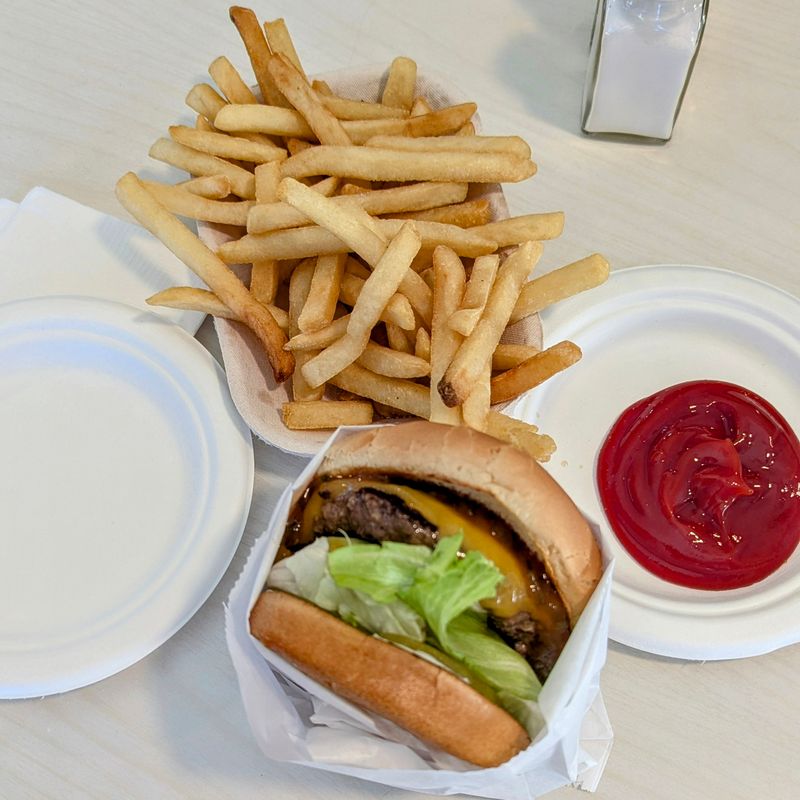
The Apple Pan has been flipping burgers the exact same way since 1947, and that consistency is part of the magic.
Located at 10801 W Pico Blvd, Los Angeles, CA 90064, this iconic diner serves its famous Hickory Burger at a horseshoe-shaped counter where everyone sits elbow to elbow.
Regulars know to order the banana cream pie before it sells out, and they never mess with the formula that has worked for over seven decades.
The secret here is refusing to modernize or expand, keeping the experience intimate and nostalgic.
Counter seating means strangers become temporary neighbors, sharing napkins and stories while servers work with practiced efficiency.
Burgers arrive wrapped in paper, hot and juicy, with just the right amount of hickory sauce that guests have been craving since their grandparents were young.
Lines form early and stay steady, but the wait moves faster than expected because the staff has perfected their rhythm over generations.
Fresh Seafood Served On Ice Or Paper
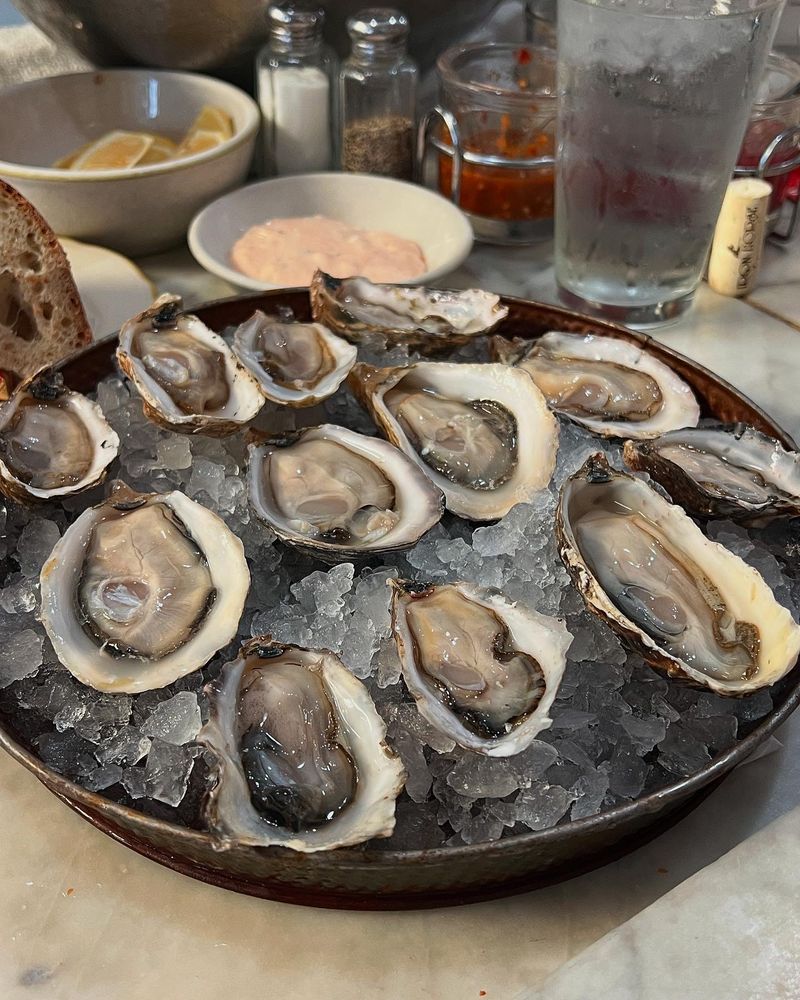
Swan Oyster Depot has been shucking oysters and cracking crab at a simple counter since 1912, and nothing fancy happens here.
You’ll find this historic seafood spot at 1517 Polk St, San Francisco, CA 94109, where about twenty stools line up in front of a marble counter.
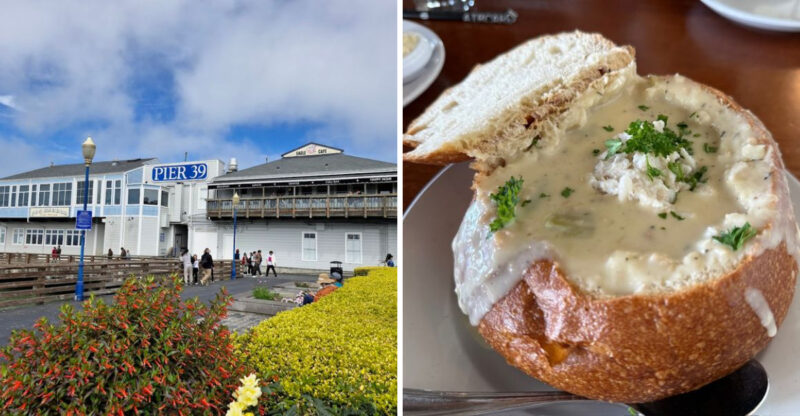
The secret menu includes items like Sicilian sashimi and Crabsanthemum that regulars order without hesitation, while newcomers stick to the famous clam chowder.
Servers work behind the counter with quick hands and friendly banter, making recommendations based on what came in freshest that morning.
There’s no reservation system, so guests line up outside and wait their turn, which can take a while during lunch rushes.
The payoff comes when you finally sit down to a plate of perfectly fresh oysters or a crab cocktail that tastes like the ocean.
This place stays packed because it delivers exactly what it promises without any pretense or unnecessary extras.
Handmade Tortillas Every Morning
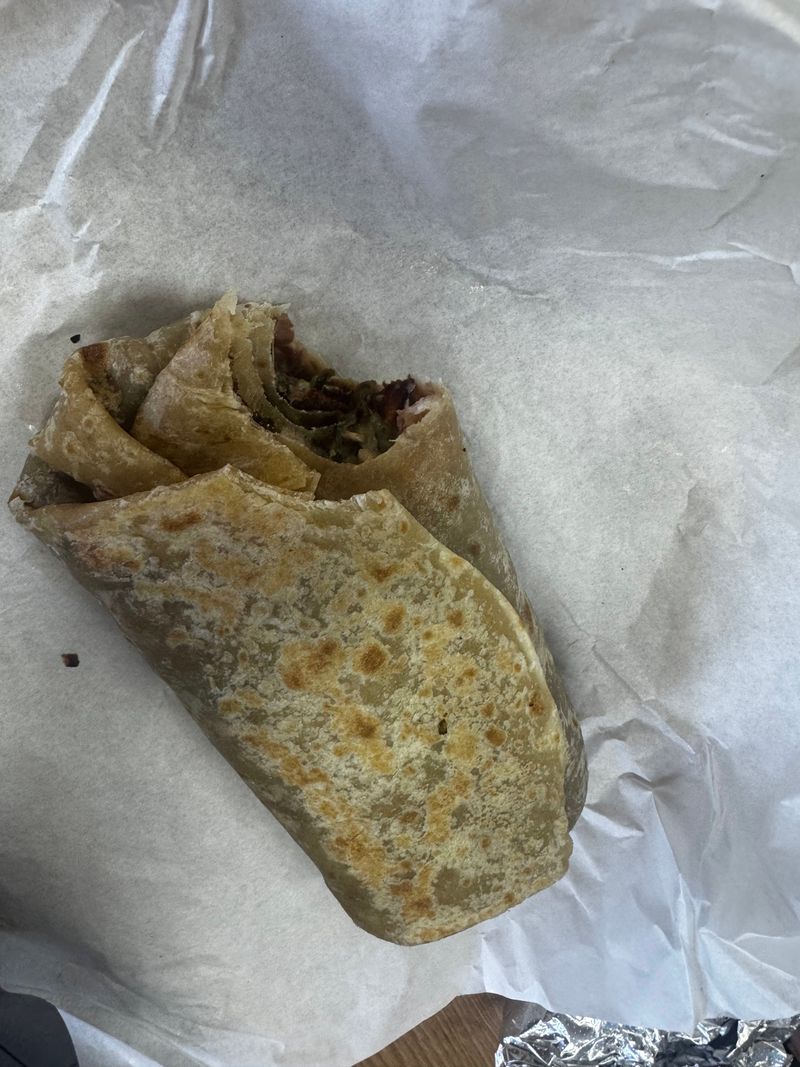
La Azteca Tortilleria makes its flour tortillas by hand every single morning, and that dedication shows in every bite.
Located at 287 S Atlantic Blvd, East Los Angeles, CA 90022, this spot has built a loyal following around its legendary burritos wrapped in those fresh tortillas.
The secret is starting from scratch each day instead of taking shortcuts, which means the texture and flavor stay consistently amazing.
Guests often arrive early to grab tortillas while they’re still warm, and the smell of fresh masa fills the air around the neighborhood.
Burritos here are generously stuffed but never sloppy, holding together perfectly thanks to the quality of that handmade wrapper.
Regulars know which fillings pair best with the tortillas, and they’re happy to share their favorites with anyone who asks.
This place proves that doing one thing exceptionally well can keep people coming back more reliably than a menu with a hundred mediocre options.
Hidden Entrances
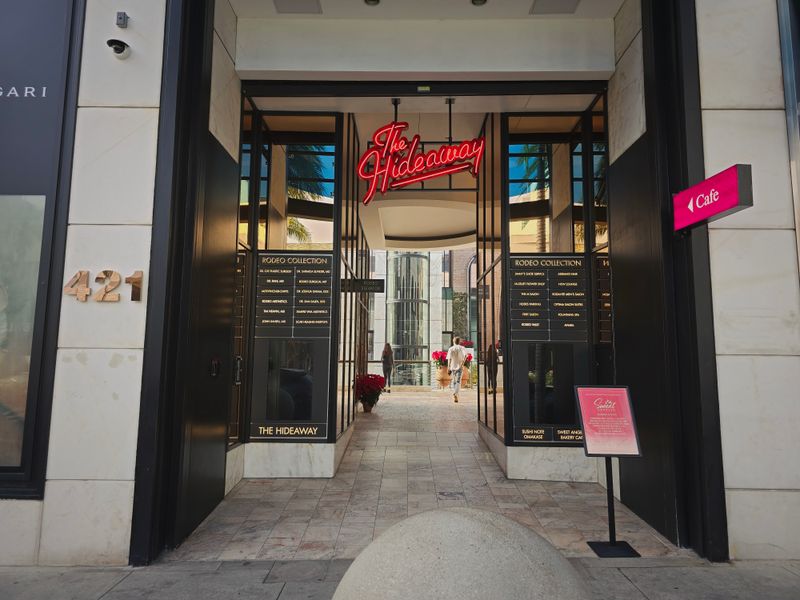
The Hideaway lives up to its name by tucking a relaxed restaurant into one of the fanciest shopping streets in America.
You’ll discover it at 421 N Rodeo Dr, Beverly Hills, CA 90210, where the entrance feels deliberately understated compared to the glitzy storefronts surrounding it.
The secret here is offering Baja California-inspired dishes in an intimate setting that feels miles away from the tourist crowds outside.
While shoppers rush past with designer bags, guests inside enjoy grilled fish and fresh ceviches that taste like a coastal vacation.
The vibe is surprisingly casual for the neighborhood, with comfortable seating and lighting that makes everyone look good without trying too hard.
Regulars appreciate having a quiet spot to unwind after navigating the chaos of Rodeo Drive, and the food quality matches the upscale location.
This place stays busy because it offers exactly what people need after a day of shopping: good food, strong drinks, and a chance to sit down somewhere that doesn’t feel like a scene.
Counter Service With Personality
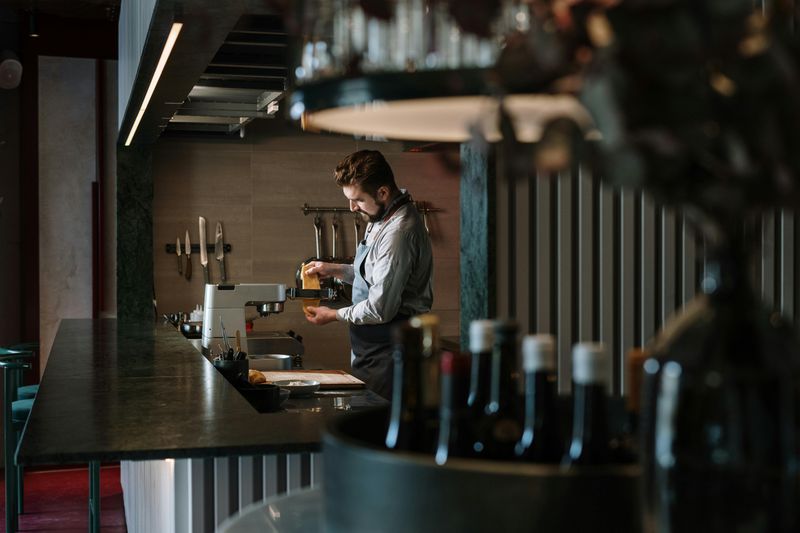
Many California restaurants that stay packed night after night skip table service entirely and let the counter do the work.
Counter seating creates an entirely different energy where guests watch their food being prepared and chat with the people making it.
The secret is that this setup builds community faster than traditional dining rooms, turning solo diners into temporary neighbors who share recommendations.
Servers and cooks work right in front of guests, which means mistakes get caught immediately and special requests get handled with personal attention.
There’s something comforting about sitting at a counter, especially when the person next to you is enjoying the same dish and confirms you made a good choice.
These spots also turn tables faster without feeling rushed because guests naturally finish and leave when they’re done, making room for the next wave.
The informality keeps things relaxed while the proximity to the kitchen keeps everything fresh and hot.
Secret Menu Items For Regulars
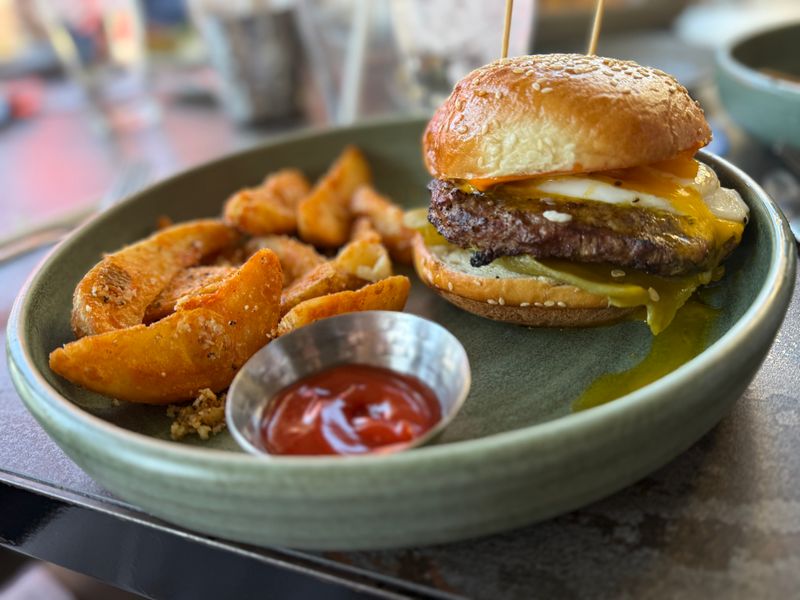
Some of California’s busiest restaurants keep their most interesting dishes off the printed menu, sharing them only with guests who know to ask.
These secret items create a sense of insider knowledge that makes regulars feel special and gives newcomers something to discover on return visits.
The strategy works because people love feeling like they’re part of a club, and they’ll come back specifically to try items they heard whispered about.
Restaurants benefit by testing new recipes on their most loyal customers before deciding whether to add them to the official menu.
Secret items also give servers a chance to make personal recommendations and build relationships with guests who trust their judgment.
The mystery element adds excitement to dining out, turning a regular meal into a treasure hunt where the prize is something delicious.
This approach keeps menus from getting too crowded while still offering variety to people who visit frequently and want to try something new.
Decades-Old Family Recipes
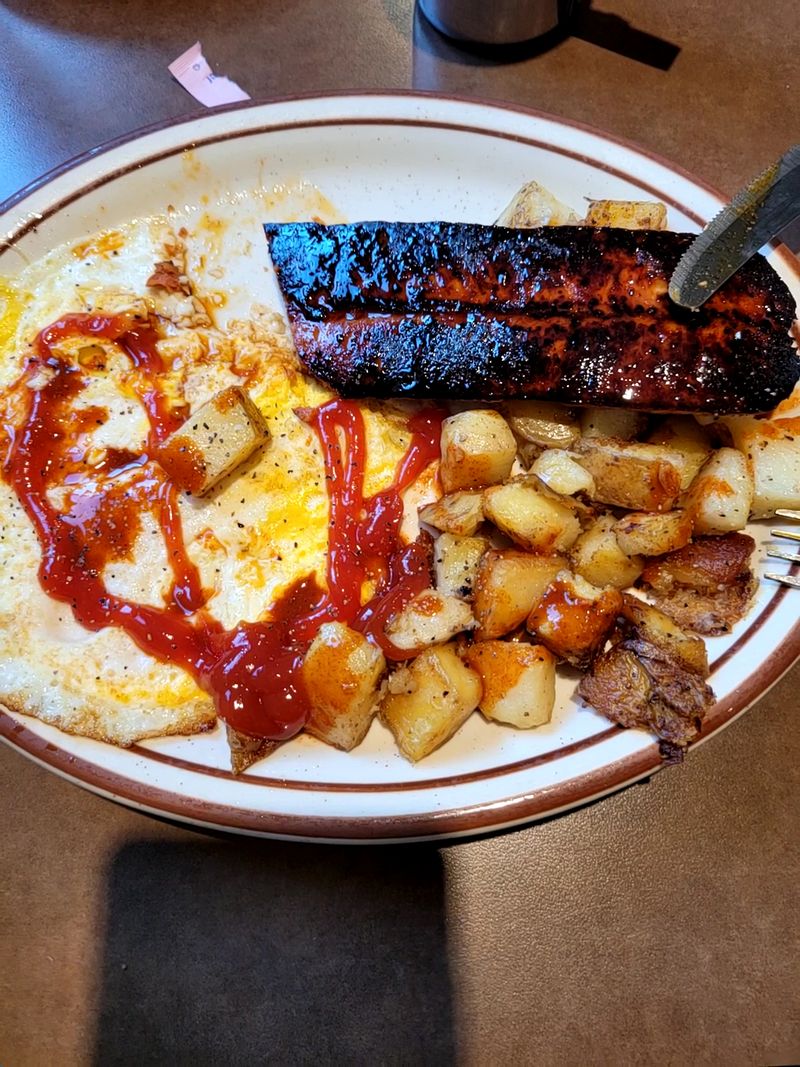
Restaurants that have been run by the same family for generations often guard their recipes like precious heirlooms, and that authenticity draws crowds.
These places refuse to change their cooking methods even when trends shift, which means guests can taste exactly what their parents or grandparents enjoyed.
The secret is that consistency builds trust, and people return to these spots because they know exactly what they’re getting every single time.
Family recipes often involve techniques that take years to master, like perfect pasta dough or slow-cooked sauces that can’t be rushed.
Younger generations who inherit these restaurants sometimes add small updates, but they’re careful not to mess with the core dishes that built the reputation.
Guests appreciate knowing that real people with real histories are cooking their food instead of corporate chefs following standardized procedures.
This connection to the past makes meals feel more meaningful, which is why these restaurants stay packed even when newer, trendier spots open nearby.
Limited Seating By Design
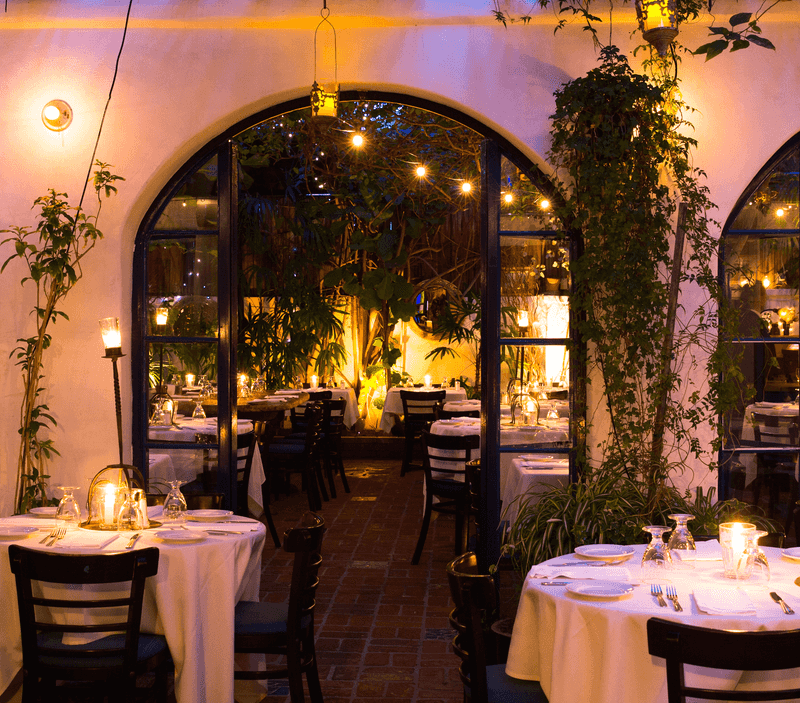
Some California restaurants deliberately keep their seating capacity small, creating natural scarcity that makes reservations feel like winning a prize.
This strategy works because people value experiences more when they’re hard to get, and they’re more likely to show up when they finally score a table.
The secret is that smaller spaces allow kitchens to maintain higher quality control since they’re not trying to feed hundreds of people every night.
Servers can also provide better attention when they’re managing ten tables instead of twenty, which improves the overall experience significantly.
Intimate dining rooms create a cozy atmosphere that larger restaurants struggle to replicate, making guests feel like they’re at a private dinner party.
The limited seating also keeps food costs manageable since restaurants can predict their nightly needs more accurately and reduce waste.
This approach turns dining out into a special occasion rather than a casual stop, which is exactly why these spots stay fully booked week after week.
Seasonal Menus That Actually Change
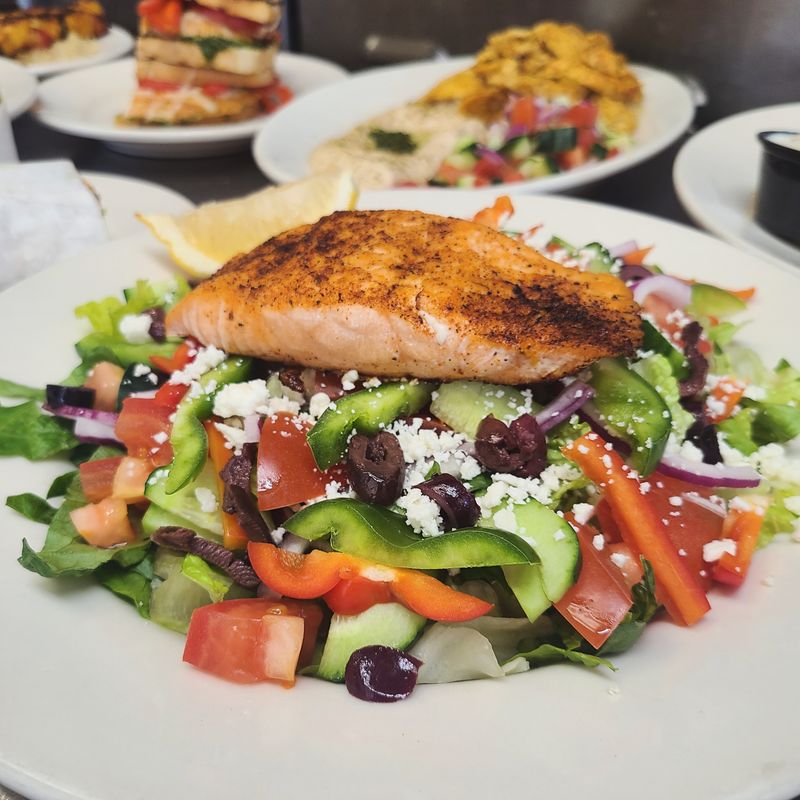
Restaurants that genuinely change their menus with the seasons keep regulars interested because there’s always something new to try.
The secret is partnering with local farms and fisheries to source ingredients at their peak, which means flavors are naturally more intense and satisfying.
Seasonal cooking also forces chefs to stay creative instead of falling into the trap of making the same dishes year-round.
Guests appreciate knowing their meal reflects what’s growing or being caught right now, creating a connection to the region and the moment.
These restaurants often feature specials that last only a few weeks, which creates urgency and gives people a reason to visit sooner rather than later.
The rotating menu also means the kitchen staff stays engaged and excited about their work, which tends to show up in the quality of the food.
This approach requires more planning and flexibility, but it pays off by keeping the dining experience fresh and giving guests legitimate reasons to return frequently.
No Reservations, No Exceptions
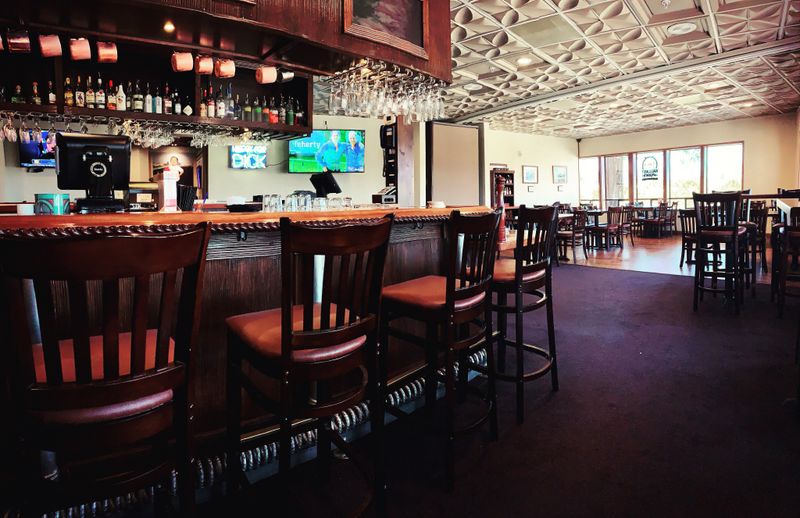
Some of California’s most popular restaurants refuse to take reservations, forcing everyone to wait in line regardless of who they are.
This democratic approach creates a sense of fairness that guests appreciate, even when they’re the ones standing outside for an hour.
The secret is that lines generate buzz and make restaurants look successful, which attracts even more curious diners who want to see what the fuss is about.
No-reservation policies also eliminate the problem of no-shows, which means restaurants can maximize their seating and keep tables turning efficiently.
Guests who wait tend to be more committed to the experience, and they often arrive with higher expectations that make the meal feel more special.
The wait time also builds anticipation, and food genuinely tastes better when you’ve been dreaming about it for forty-five minutes.
This strategy works best for restaurants with excellent food and efficient service, because nothing else will justify making people stand around for that long.
Signature Dishes Worth The Trip
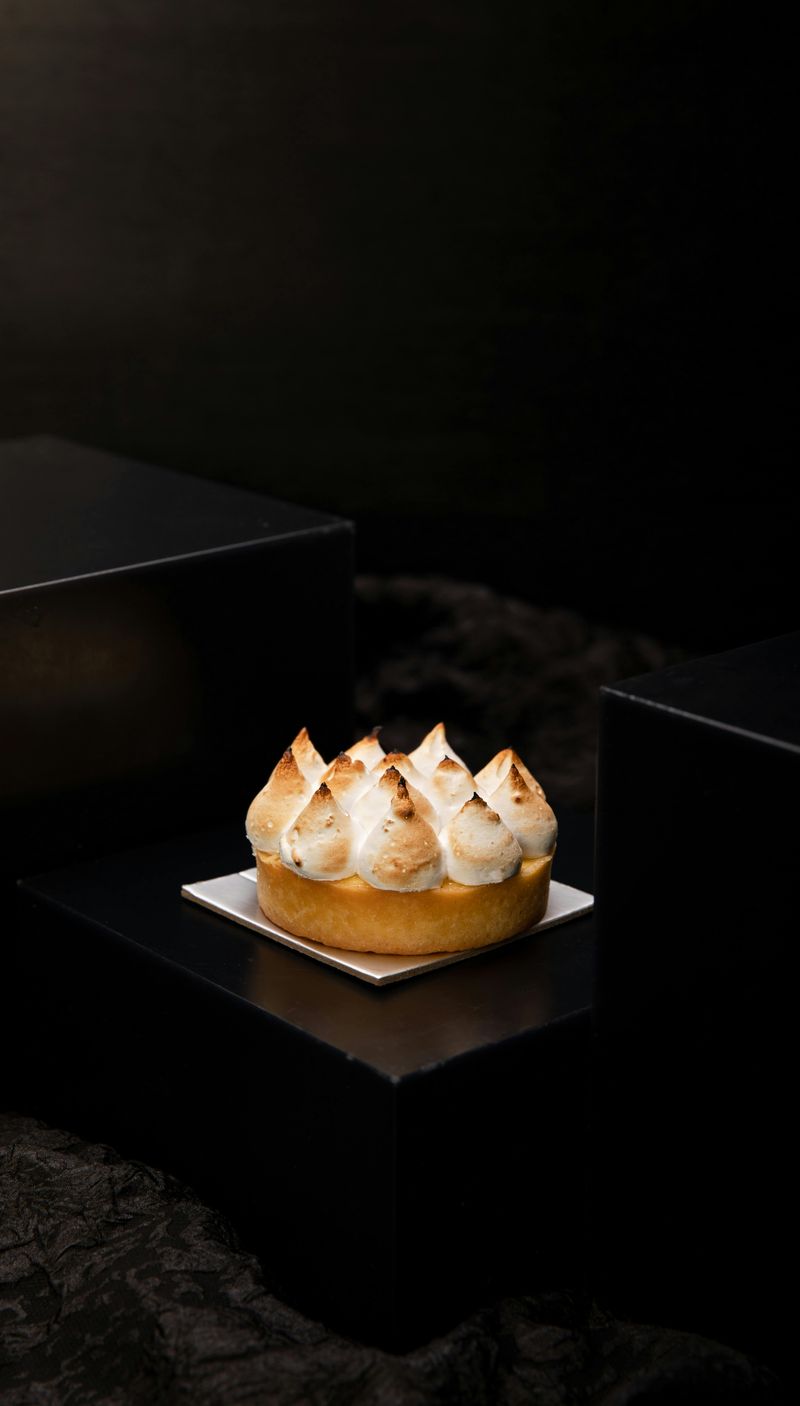
Restaurants that become famous for one or two specific dishes can ride that reputation for decades if they keep making those items perfectly.
The secret is resisting the temptation to constantly add new menu items and instead focusing energy on maintaining the quality of what already works.
Guests often travel significant distances specifically for that one legendary burger, pie, or bowl of soup they’ve heard about from friends.
These signature dishes become part of the restaurant’s identity, and changing them even slightly would feel like betraying loyal customers.
The focus on doing a few things exceptionally well also makes training easier and helps kitchens maintain consistency across different shifts.
Social media amplifies the effect because these iconic dishes photograph well and inspire people to make pilgrimages just to try them.
This approach requires confidence and discipline, but it creates a clear reason for people to choose your restaurant over the hundreds of other options available.
Atmosphere That Feels Like Home
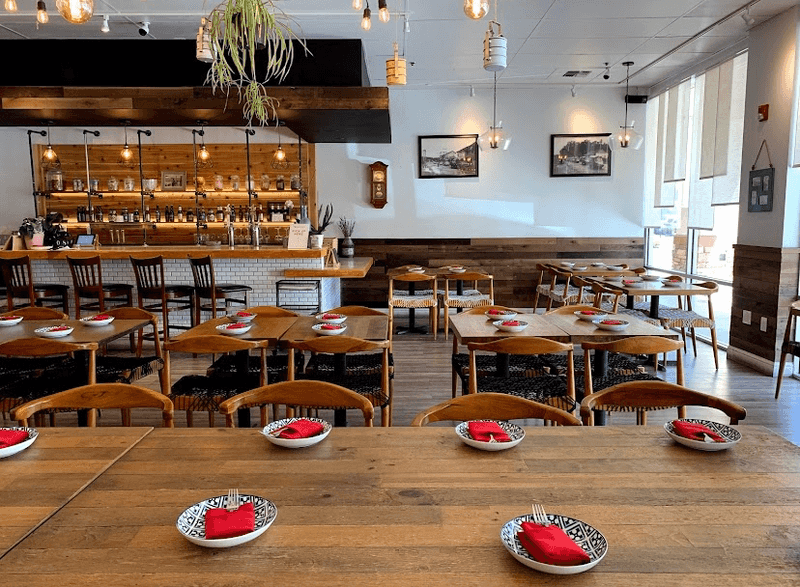
Some restaurants stay packed because walking through the door feels like visiting a favorite relative’s house where you’re always welcome.
The secret is paying attention to comfort details like lighting, music volume, and seating that actually supports your back during a long meal.
These places avoid harsh overhead lights and overly loud music, creating spaces where conversation flows naturally without shouting.
Decor tends toward the personal rather than the professionally designed, with quirky touches that suggest real people made real choices.
Servers remember regulars’ names and preferences, which makes guests feel valued instead of like anonymous customers passing through.
The temperature stays comfortable, bathrooms stay clean, and nothing about the space makes you want to rush through your meal.
This attention to atmosphere pays off because people return to places where they feel genuinely comfortable, and they bring friends who appreciate the same welcoming vibe.
Staff Who Actually Care
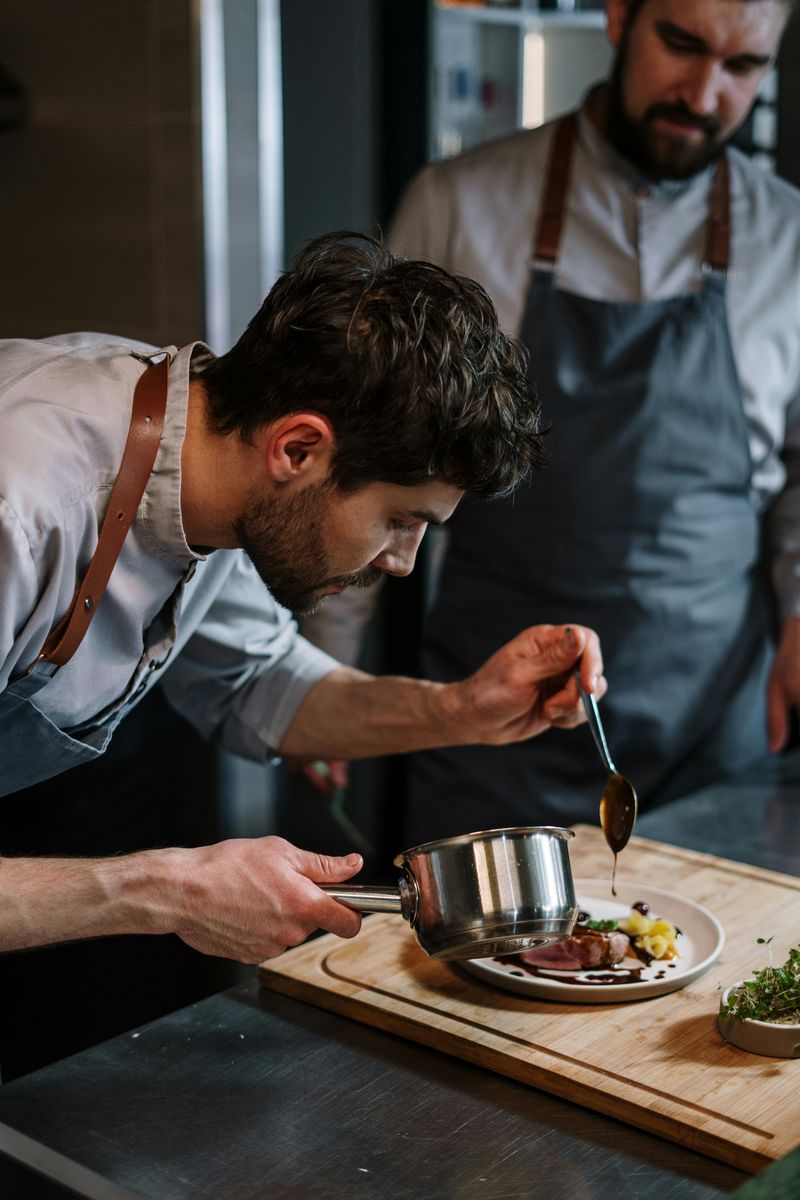
Restaurants with low staff turnover stay packed because guests build relationships with servers who remember their preferences and make them feel seen.
The secret is treating employees well enough that they stick around, which creates institutional knowledge that new hires can never replicate.
Long-term staff members develop genuine affection for regular guests, and that warmth creates an atmosphere that feels more like community than commerce.
These servers can make thoughtful recommendations because they’ve tasted everything on the menu multiple times and know what works.
They also handle problems smoothly because they’re invested in the restaurant’s reputation and have the authority to make things right.
Guests notice when staff seems happy to be there instead of counting minutes until their shift ends, and that positive energy is contagious.
Restaurants that prioritize employee satisfaction end up with better service, which directly translates to guests who return more often and recommend the place to friends.
Pricing That Feels Fair
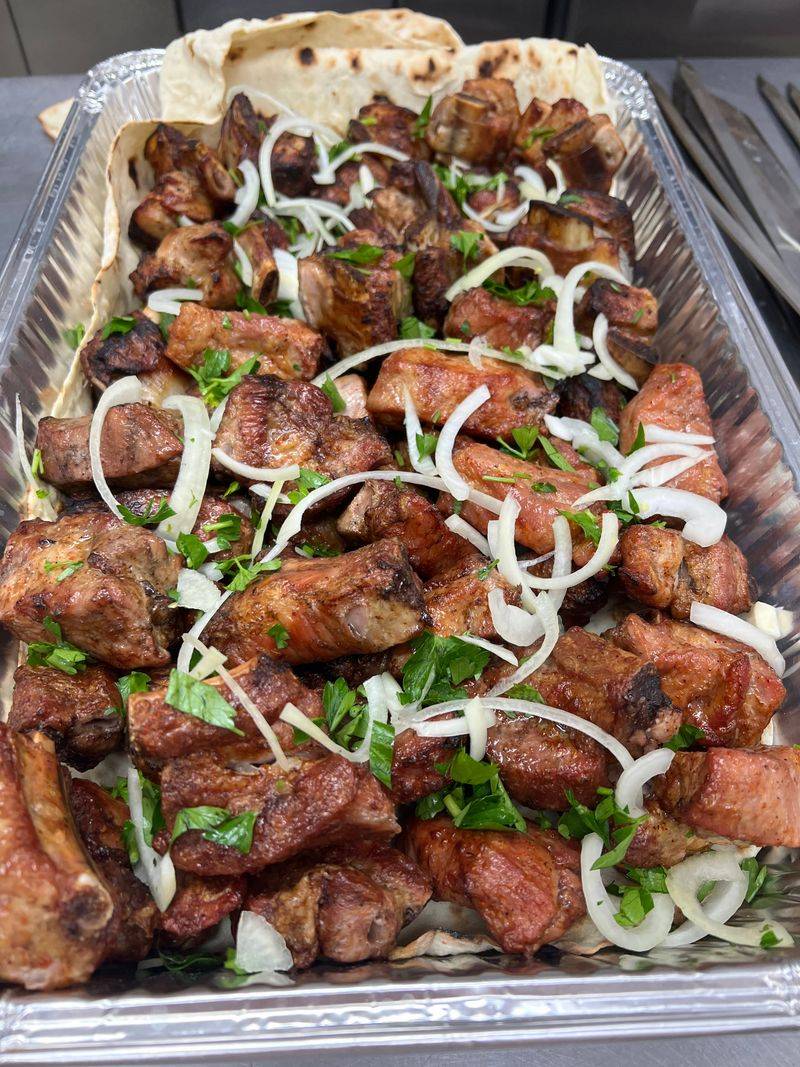
Restaurants that stay busy night after night often succeed because their prices match the quality and portions in a way that feels reasonable.
The secret is avoiding the temptation to overcharge just because you can, which builds trust and makes guests feel respected rather than exploited.
Fair pricing doesn’t mean cheap – it means guests leave feeling like they got good value for what they spent.
These restaurants understand their neighborhood and price accordingly, whether that means affordable counter service or upscale dining with portions that justify the cost.
Transparent pricing without hidden fees or surprise charges also helps guests relax and enjoy their meal without worrying about the final bill.
When people feel they’ve been treated fairly, they’re more likely to return and bring others, which creates sustainable business better than short-term price gouging.
This approach requires careful cost management and realistic expectations, but it pays off through loyal customers who appreciate honesty and consistency.
Location That Creates Convenience
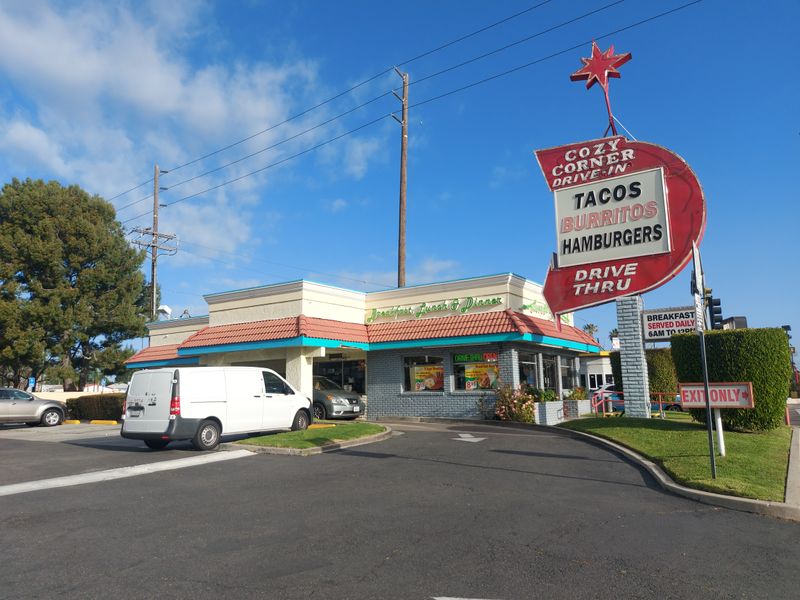
Some restaurants stay packed simply because they’re located exactly where people already are, making them the obvious choice for meals.
The secret is choosing spots near offices, theaters, shopping districts, or residential neighborhoods where foot traffic naturally flows throughout the day.
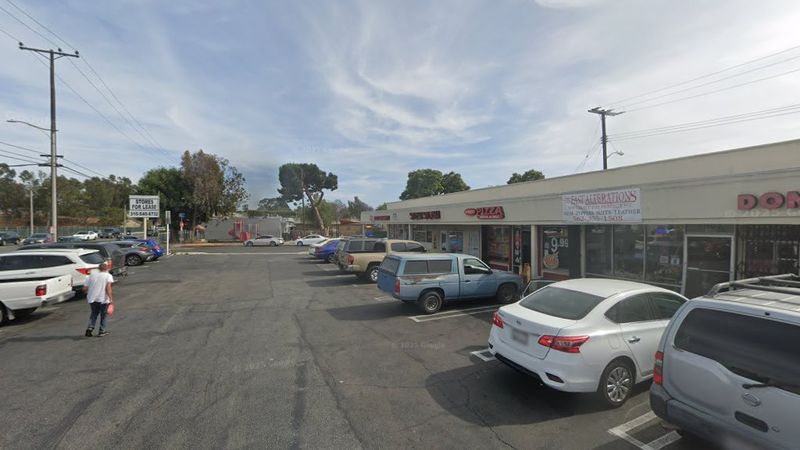
Convenient parking or proximity to public transportation removes barriers that might otherwise send guests to easier-to-reach competitors.
These restaurants become part of people’s routines because stopping in doesn’t require going out of the way or making special plans.
Corner locations with good visibility also benefit from impulse visits when people walk past and suddenly realize they’re hungry.
The convenience factor matters especially for weeknight dinners when people want good food but don’t want to drive across town to get it.
Smart location choices can compensate for other weaknesses, though the truly packed restaurants combine convenience with quality that keeps people coming back deliberately.
Consistency Across Every Visit
The most reliable secret to staying packed night after night is simply delivering the exact same quality every single time guests visit.
Restaurants that master consistency eliminate the gamble of dining out, which means people trust them for important occasions and casual meals alike.
The secret is implementing systems that ensure every cook follows the same recipes and every server provides the same level of attention.
Consistency requires constant training, quality control, and management oversight that never gets lazy even when business is booming.
Guests develop confidence when they know their favorite dish will taste exactly like it did last month and the month before that.
This reliability becomes especially valuable for celebrations and business dinners where disappointing food could ruin important moments.
Restaurants that achieve this level of consistency earn reputations that spread through word of mouth, creating steady crowds that trust them completely.
Stories Worth Sharing
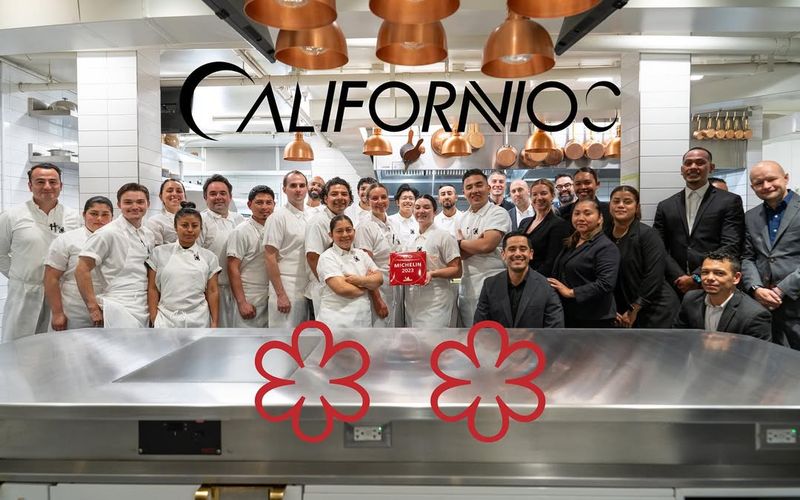
Restaurants that create memorable experiences give guests stories to tell, which generates free marketing more powerful than any advertisement.
The secret is understanding that people remember how they felt during a meal just as much as what they ate.
These restaurants might feature live music, tableside preparations, unusual decor, or interactions with chefs that make the evening feel special.
Guests leave with anecdotes about the singing server, the flaming dessert, or the chef who came out to explain a dish’s history.
These stories get shared with friends, posted on social media, and repeated at dinner parties, creating buzz that brings in new curious diners.
The experience doesn’t need to be over-the-top theatrical – sometimes the story is simply about perfect hospitality or a dish that exceeded all expectations.
Restaurants that consistently create share-worthy moments stay busy because they give people legitimate reasons to talk about them long after the meal ends.