California’s Biggest Surfing Event Is About To Take Over Huntington Beach For Nine Wild Days
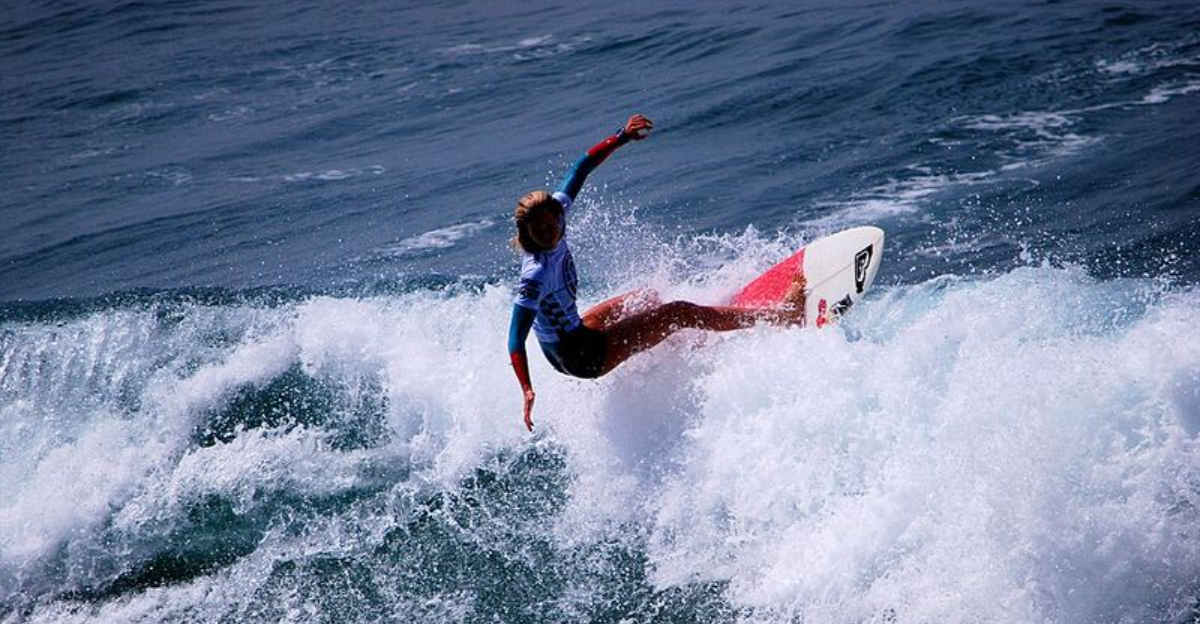
Are you ready for Huntington Beach to stop pretending it is just having a normal week?
Surfboards are about to start outnumbering casual beach plans. The pier area will turn into a mix of athletes, spectators, cameras, and people who came for one heat but stayed for the whole afternoon.
Nine days is a long time for a beach town to stay calm. Luckily, this one has never seemed that interested in calm.
This is California beach culture with the volume turned all the way up and sand in every possible place.
The surfing is the center of it, but the scene around the water is half the spectacle.
Crowds pack the sand. Pros chase big moments.
Fans drift between the action and the boardwalk energy like the whole city turned into one huge summer arena.
A regular beach day ends when everyone gets tired. This one keeps coming back with another heat and another reason to watch the waves.
Nine Days Turn The Beach Into Surfing Headquarters

Thirteen acres of beachfront real estate get completely reinvented the moment the U.S. Open of Surfing officially begins.
The south side of the Huntington Beach Pier becomes a sprawling headquarters for surfing, skateboarding, BMX, live music, and brand activations that stretch in every direction.
For nine consecutive days, the shoreline operates more like a small city than a typical beach day. The transformation happens fast and feels total.
Temporary stages, competition scaffolding, and vendor setups replace the usual open sand, giving the whole area a festival energy that builds with each passing day.
Mornings tend to feel relatively calm, but by midday the crowd swells and the noise level rises considerably.
Families, competitive surf fans, and casual beachgoers all find reasons to stay longer than planned.
The event footprint is large enough that different pockets of activity run simultaneously, so moving around and discovering something new is easy.
Attending on a weekday versus a weekend can feel like two completely different experiences, with weekdays offering more breathing room and weekends delivering the biggest energy and largest crowds across all nine days.
World-Class Surfers Compete Beside The Pier
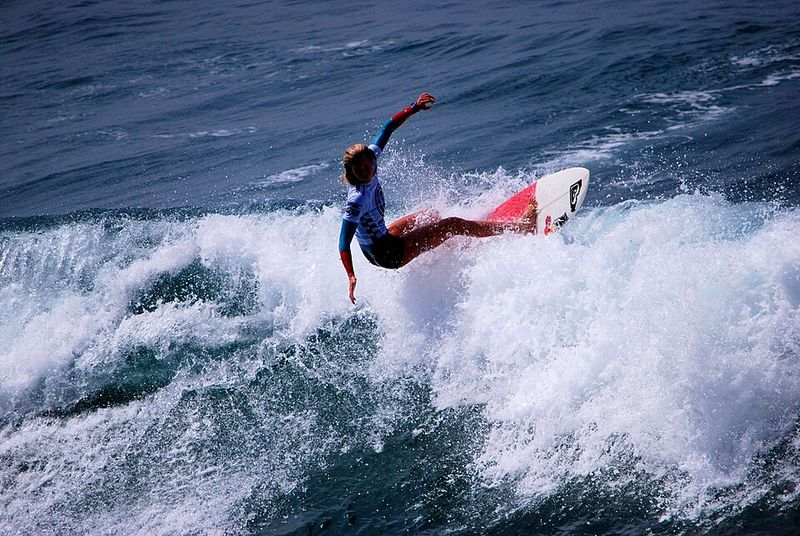
The Huntington Beach Pier has witnessed some of the most impressive surfing performances in the sport’s modern history, and the U.S. Open continues that tradition every summer.
Elite athletes from dozens of countries travel to compete here, drawn by the prestige of the event and the ranking points available through the World Surf League qualification system.
The pier itself frames every ride in a way that no other competition venue quite replicates.
Surfers in the WSL QS 10,000 division are competing for a significant chunk of points that could determine whether they reach the Championship Tour.
The WSL Longboard Tour and Challenger Series also run concurrently, meaning multiple disciplines of surfing are on display throughout the nine days.
Watching a longboarder glide across a wave with measured footwork looks and feels entirely different from watching a shortboarder throw aerial maneuvers off the lip.
The competition heats run in timed sessions, and judges score each ride based on difficulty, commitment, and execution.
Spectators on the pier or on the sand can follow the action through announcers broadcasting over speakers.
The combination of athletic skill and ocean unpredictability keeps every heat genuinely interesting from start to finish.
The Challenger Series Brings Serious Stakes
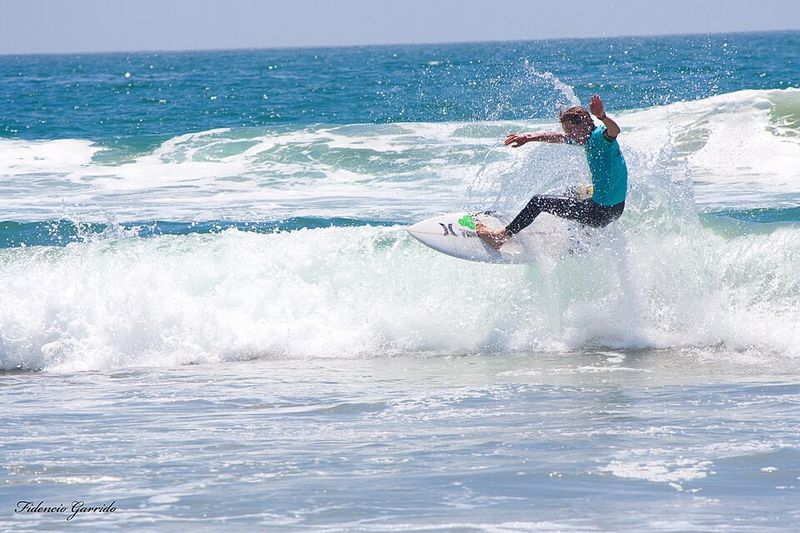
Not every surf contest carries the same weight, and the Challenger Series stop at Huntington Beach is one of the most consequential events on the entire professional calendar.
A win here awards 10,000 ranking points, a number significant enough to shift a surfer’s standing dramatically and open the door to the Championship Tour.
For athletes who have been grinding through smaller events all season, this moment represents a genuine turning point.
The pressure that builds during Challenger Series heats is visible in the way surfers approach each wave.
Priority rules, wave selection, and heat strategy all matter enormously when ranking points of this magnitude are on the line.
Athletes who might look relaxed during practice sessions often show a sharper, more calculated focus once competition begins in earnest.
The WSL Longboard Tour running alongside the Challenger Series adds another layer of competitive depth to the event.
Longboard champions bring a different style of athleticism that rewards patience and precision over raw power.
Watching both disciplines compete on the same stretch of beach across the same nine days gives spectators a broader appreciation for how varied and technically demanding professional surfing actually is.
You Can Watch The Surfing Without Buying Admission
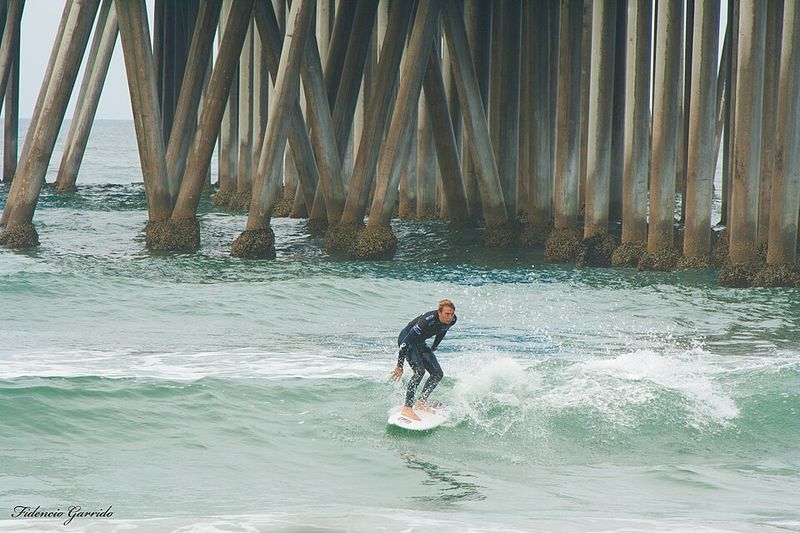
Free admission to a world-class sporting event is genuinely rare, and the U.S. Open of Surfing delivers exactly that for the surfing competition portion of the festival.
Anyone can walk onto the beach south of the Huntington Beach Pier and watch elite professionals compete without spending a single dollar on entry.
There are no ticket gates, no wristbands required, and no restricted viewing zones for the main surf heats.
That open-access model changes the character of the crowd in a meaningful way.
Families who might hesitate to commit to an expensive ticketed event can show up spontaneously, find a spot on the sand, and enjoy hours of competition without any financial pressure.
The result is a diverse audience that includes everyone from serious surf fans tracking WSL rankings to first-time spectators who simply wandered over from a nearby beach towel.
It is worth noting that certain music programming during the nine-day festival does require separately purchased tickets.
Those concerts are held on a dedicated stage and operate independently from the surfing competition.
The distinction is clear and easy to navigate, so visitors can enjoy the free surf action all day and then decide whether a ticketed evening show fits their plans before committing to anything additional.
Huntington Beach Pier Becomes The Best Viewing Landmark
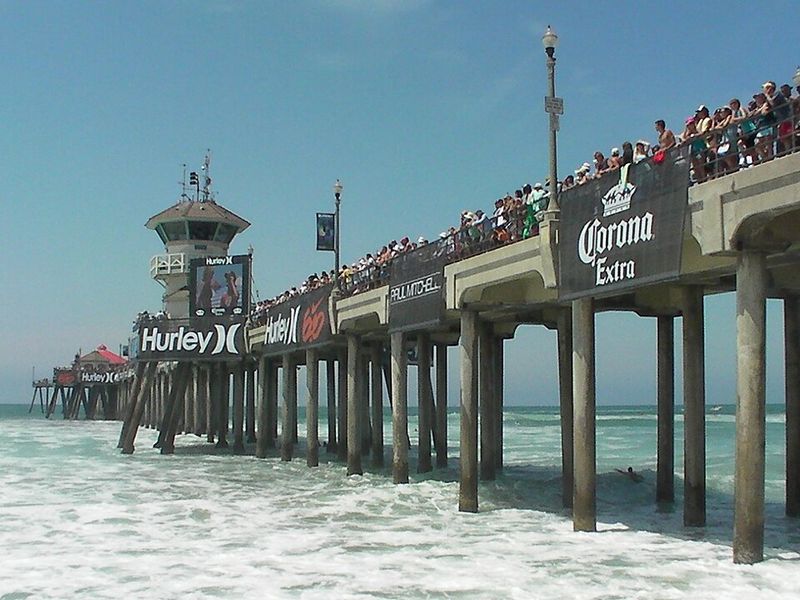
Standing on the Huntington Beach Pier during competition heats offers a perspective that watching from the sand simply cannot match.
The elevation gives a clear sightline over the breaking waves, making it easier to track surfers as they paddle into position, read the ocean, and commit to a ride.
The pier stretches far enough out over the water that the view feels genuinely immersive rather than distant.
Surfers often gather in the channel near the pier’s south side while waiting their turn during heats, which means spectators on the pier can observe athletes up close before they even paddle out into the lineup.
That proximity adds a human element to the experience that scoreboards and announcers alone cannot provide.
Watching a surfer shake out tension before paddling into a high-stakes heat is a small but memorable detail.
The pier itself has been a fixture of Huntington Beach since the early 1900s and carries its own history as a backdrop to decades of surfing culture.
During the U.S. Open, it functions simultaneously as a viewing platform, a gathering point, and a landmark that orients the entire competition site.
Arriving early enough to claim a good spot along the railing on competition days is genuinely worth the effort.
Early Arrival Could Save A Better Patch Of Sand
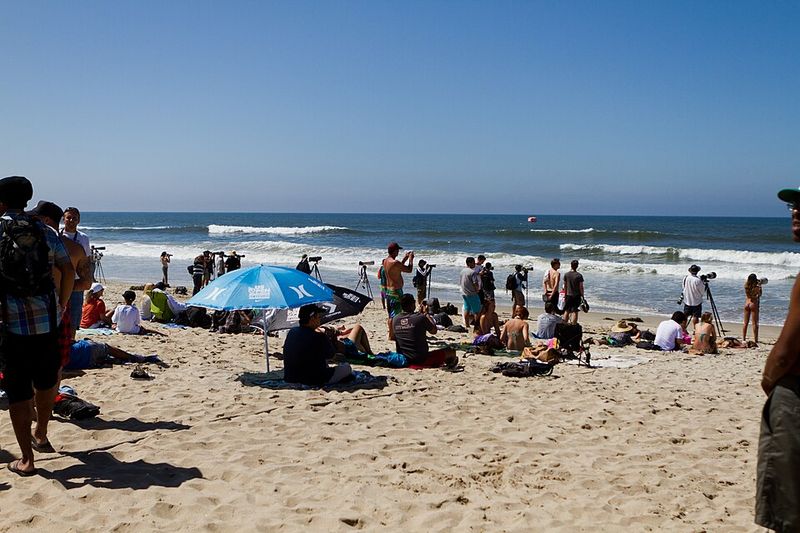
Arriving early at the U.S. Open of Surfing is one of the most practical decisions a visitor can make, especially on weekends when the crowd builds quickly.
By midmorning on busy days, the best patches of sand near the competition zone fill up, and latecomers may find themselves farther from the action than they hoped.
Getting there before 9 AM on a weekend morning could mean the difference between a front-row view and a distant one.
Early arrival also simplifies the parking situation considerably.
Lots near the pier can reach capacity well before noon on peak days, and circling for a space while the competition heats are already underway adds unnecessary stress to what should be a relaxed beach day.
Walking or biking to the venue from a parking spot farther away is a reasonable trade-off that many regular attendees consider standard practice.
Bringing a beach chair, a large towel, and enough water for a full day makes a significant difference in overall comfort.
Seating is not provided on the sand, and shade is limited near the competition zone.
Setting up a personal base camp early in the morning allows for a comfortable vantage point throughout the day without needing to constantly reposition as the crowd grows and the sun shifts across the sky.
Music Gives Select Evenings A Second Main Event

When the surfing heats wrap up for the day, the U.S. Open of Surfing does not simply go quiet.
A dedicated concert stage on the beach hosts live music performances that give select evenings their own distinct identity separate from the competition.
The 2026 event features performances by artists including G. Love and Special Sauce, Matt Costa, Real Estate, Local Natives, and Arcy Drive across the nine-day run.
Unlike the surfing competition, these music events require separately purchased tickets. Visitors can buy single-show tickets for a specific night or opt for a festival pass that covers multiple performances.
Planning ahead and checking the schedule before arriving is the most reliable way to secure tickets for any particular show since availability can vary.
The combination of a beach setting, warm summer evenings, and live music creates a noticeably different atmosphere from the daytime competition vibe.
Sound carries differently outdoors near the ocean, and the natural backdrop of the Pacific at dusk gives the performances a relaxed but memorable quality.
For visitors who want to extend a beach day into a full evening experience, the concert programming offers a natural and enjoyable transition from the athletic intensity of the surfing heats into something more laid-back and social.
The Final Weekend Brings The Biggest Pressure
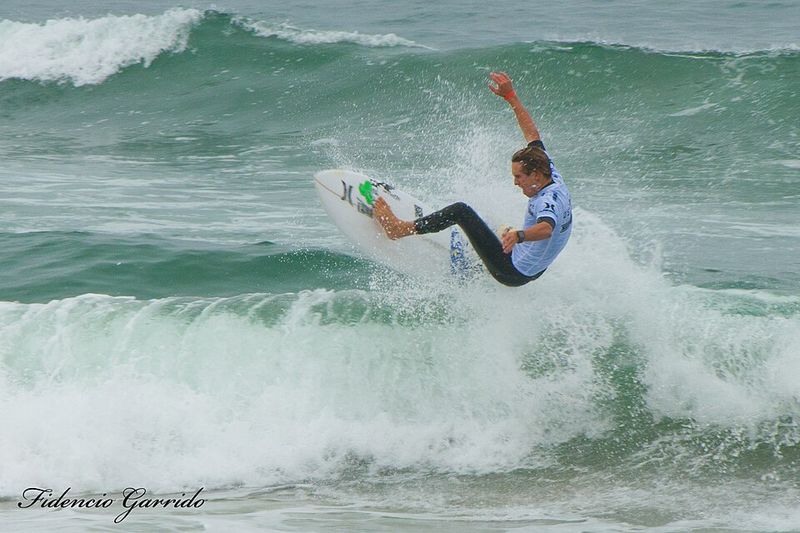
Everything that happens across the first seven days of the U.S. Open of Surfing builds toward the final weekend, when elimination rounds give way to championship heats and the ranking implications become impossible to ignore.
Surfers who have navigated the bracket successfully arrive at the finals carrying both momentum and pressure in equal measure.
The ocean does not adjust its behavior for the occasion, which means athletes must perform at their highest level under conditions they cannot fully control.
The final days of competition historically draw the largest single-day crowds of the entire nine-day event.
Spectators who attended earlier in the week for the preliminary rounds often return specifically for the finals, and first-time visitors frequently choose the final weekend as their entry point into the experience.
The cumulative effect is a beach that feels noticeably more charged and focused than during the earlier rounds.
For surfers chasing a Championship Tour qualification, a finals appearance or a win at this stage can reshape the entire arc of their season.
The stakes are concrete and measurable in a way that translates even for spectators who are unfamiliar with WSL ranking structures.
Watching an athlete perform knowing what is on the line adds a layer of emotional weight that makes the final weekend genuinely compelling regardless of how closely someone follows professional surfing the rest of the year.
The Event Shows Why Huntington Beach Is Called Surf City USA
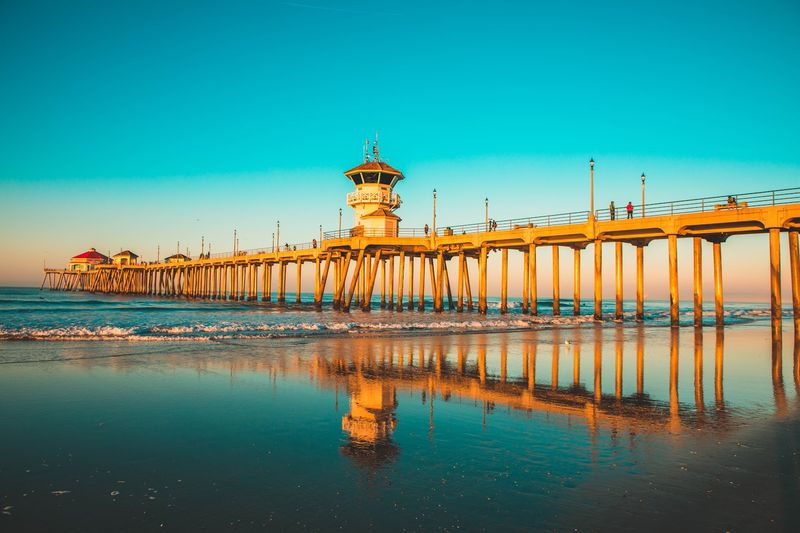
The title of Surf City USA is not a casual marketing phrase for Huntington Beach.
The city’s connection to surfing stretches back to 1914, when George Freeth gave a surfing demonstration at the newly constructed pier, introducing the sport to a wide audience in Southern California.
The first U.S. Surfing Championship was held on this same stretch of beach in 1959, setting the foundation for a competitive legacy that continues directly through the U.S. Open of Surfing today.
Huntington Beach officially adopted the Surf City USA trademark in 2008 following a legal dispute over the name, cementing an identity that the community had already been living for decades.
The Surfers’ Hall of Fame and the Surfing Walk of Fame in downtown Huntington Beach preserve that history in a tangible and publicly accessible form.
Walking past handprints of surfing legends embedded in cement creates a direct and surprisingly moving connection to the sport’s evolution.
The U.S. Open of Surfing does not simply use the city as a backdrop.
The event draws its meaning from the same culture, coastline, and competitive spirit that earned Huntington Beach its reputation in the first place.
Attending the event and then exploring the historical landmarks nearby gives the full picture of why this particular beach town carries its title with such genuine and well-earned pride.